
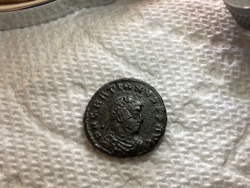
Roman Imperial Coin (likely an Antoninianus)
Roman Empire · Circa 3rd Century CE (specific year difficult to determine without clearer legends)
Antoninianus (likely, given the bust style and period)
Category
Browse ancient india coins identified by the Coin Identifier community.
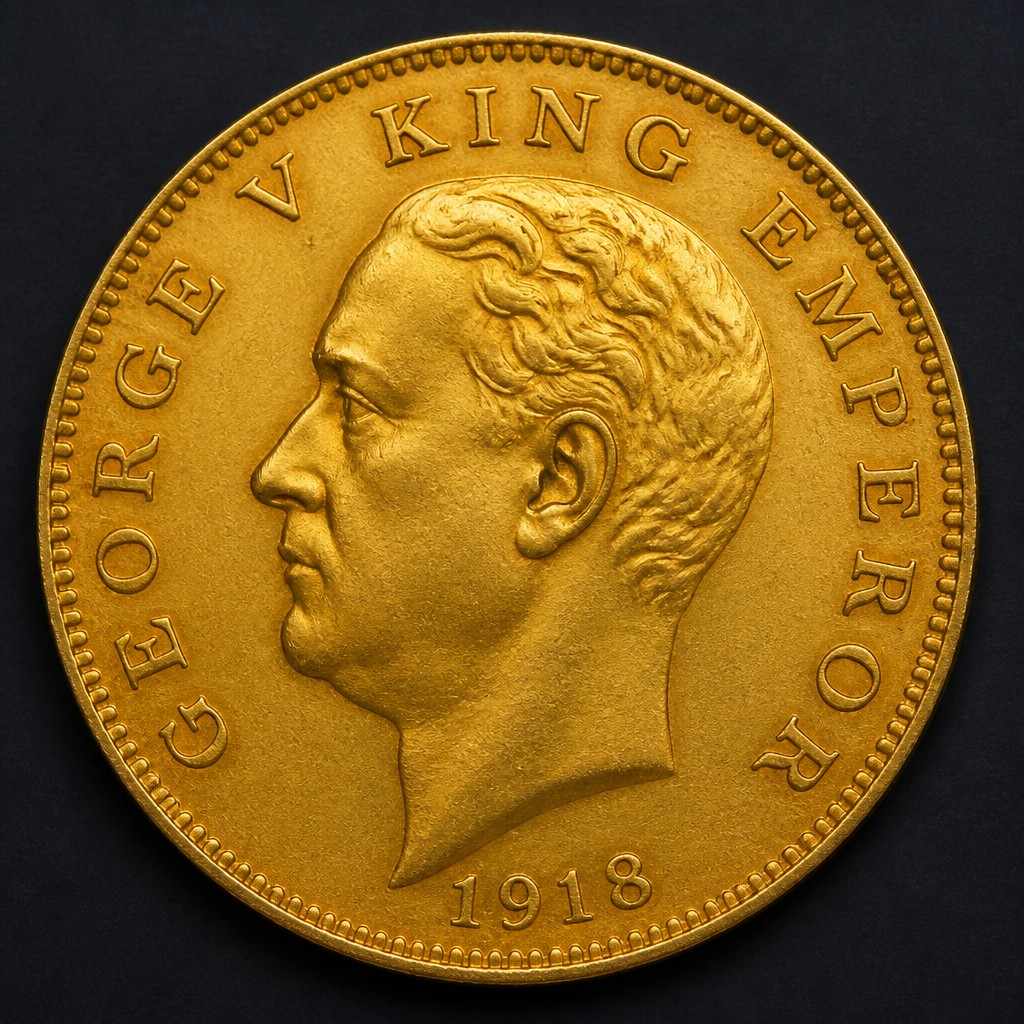
British India Gold Mohur (East India Company)
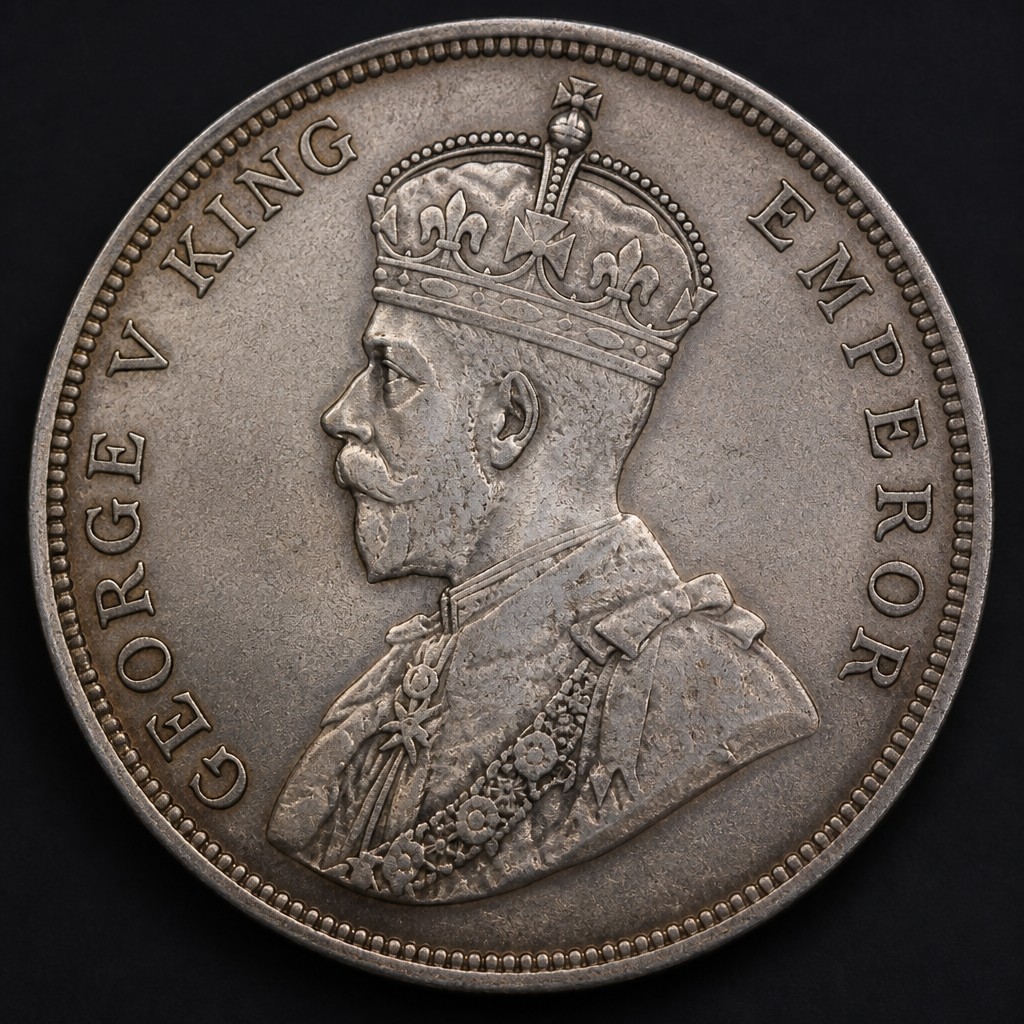
British India Rupee (Silver)
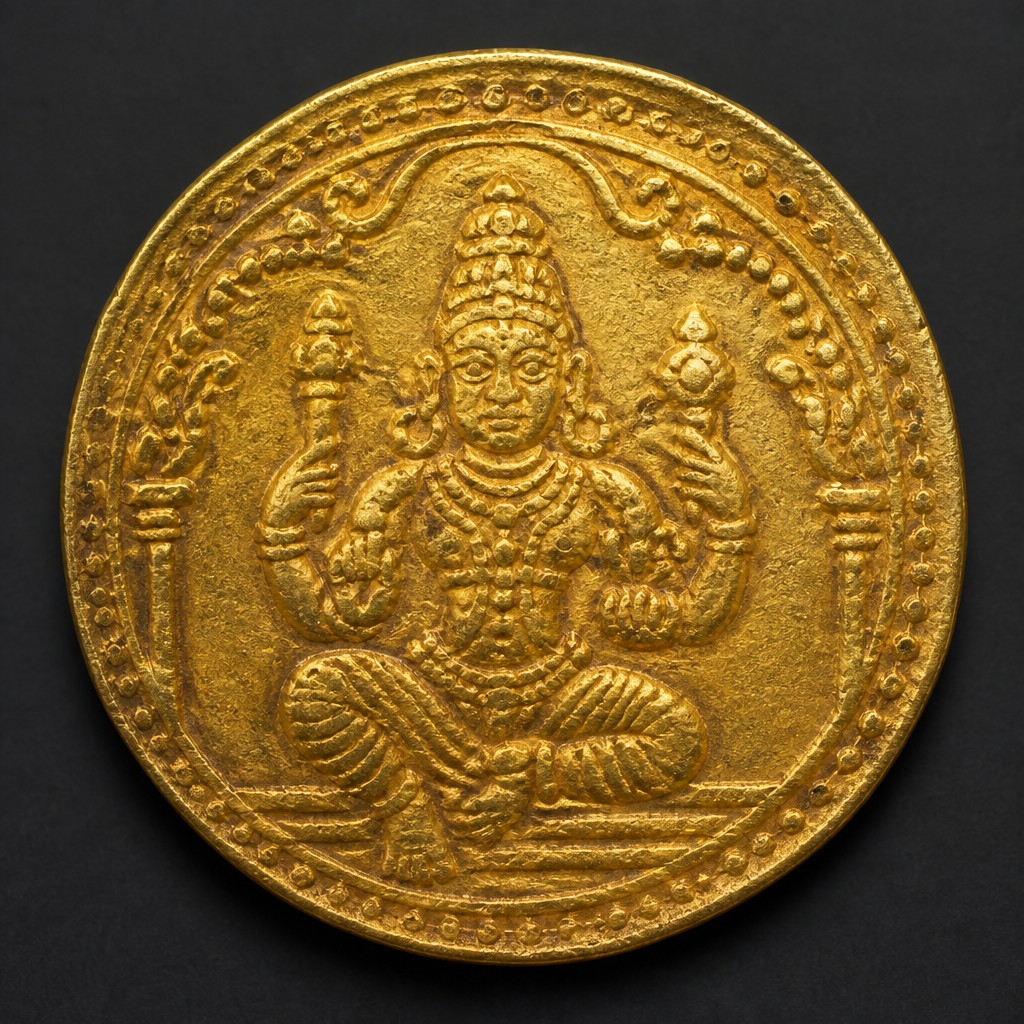
India Gold Pagoda (Madras Presidency)
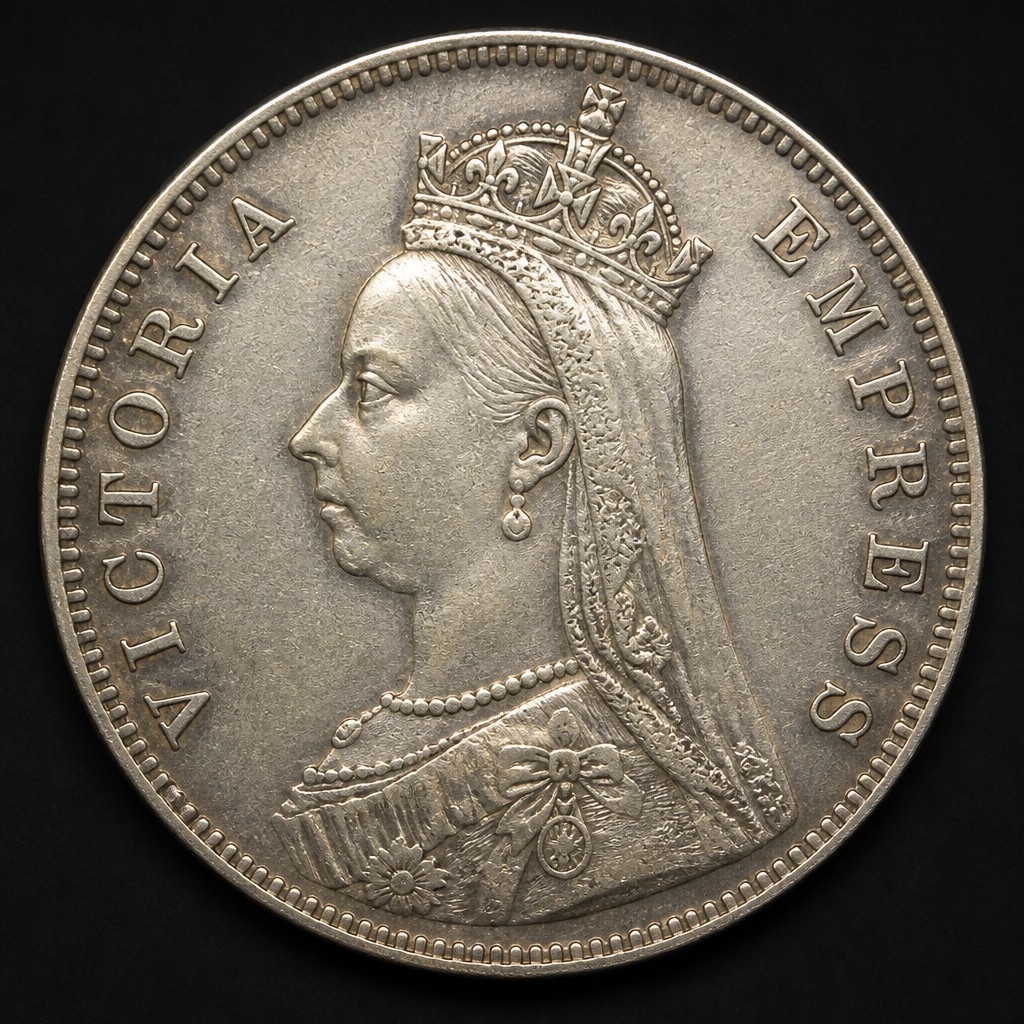
British India Silver Rupee (Victoria Empress)
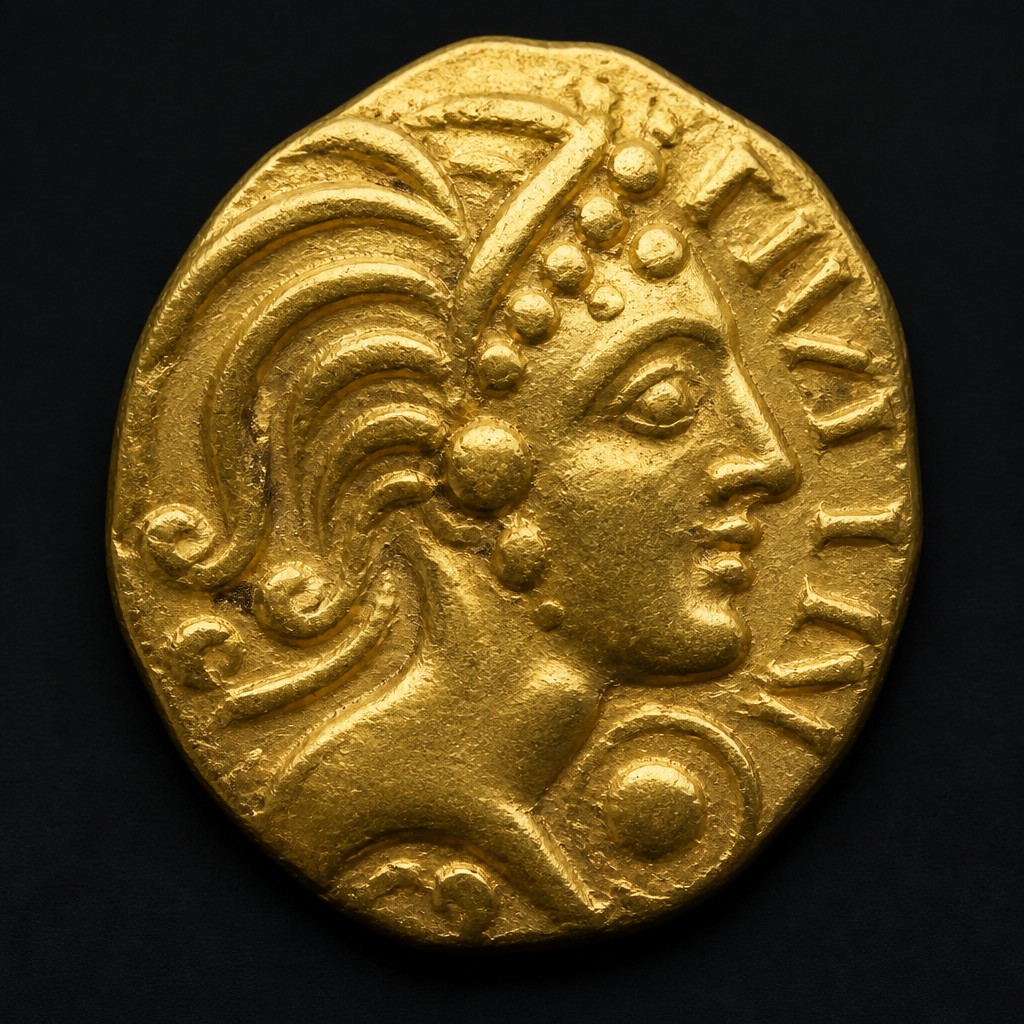
Ancient British Gold Stater (Cunobelin)
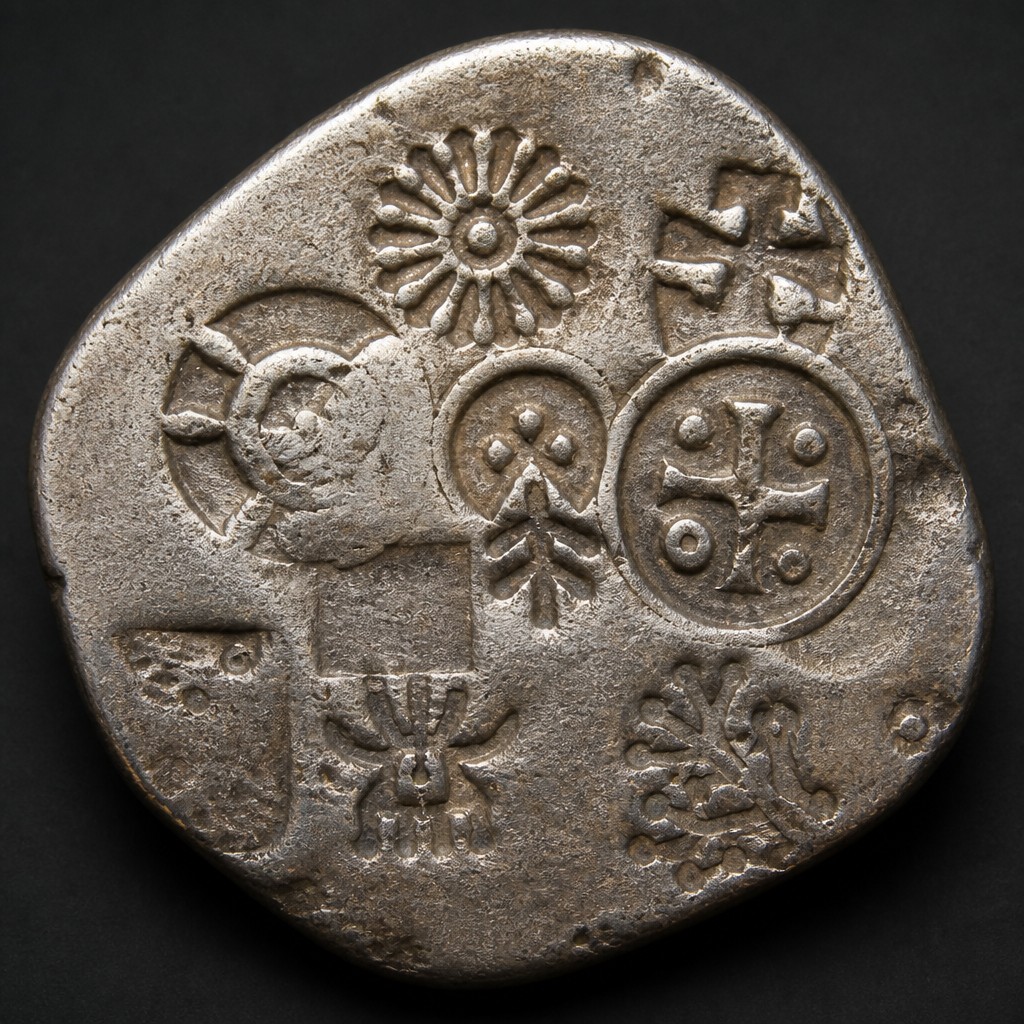
Indian Punch-Marked Karshapana
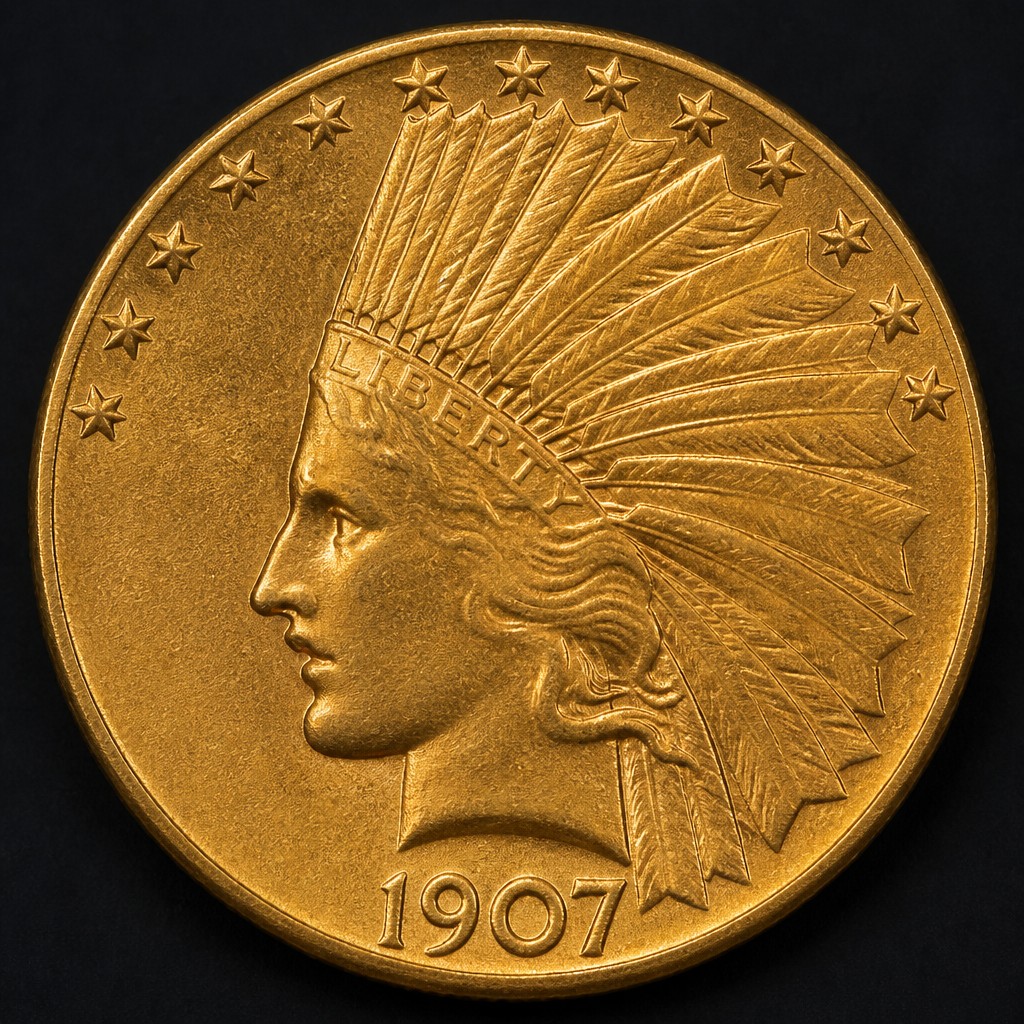
Indian Head Eagle ($10)
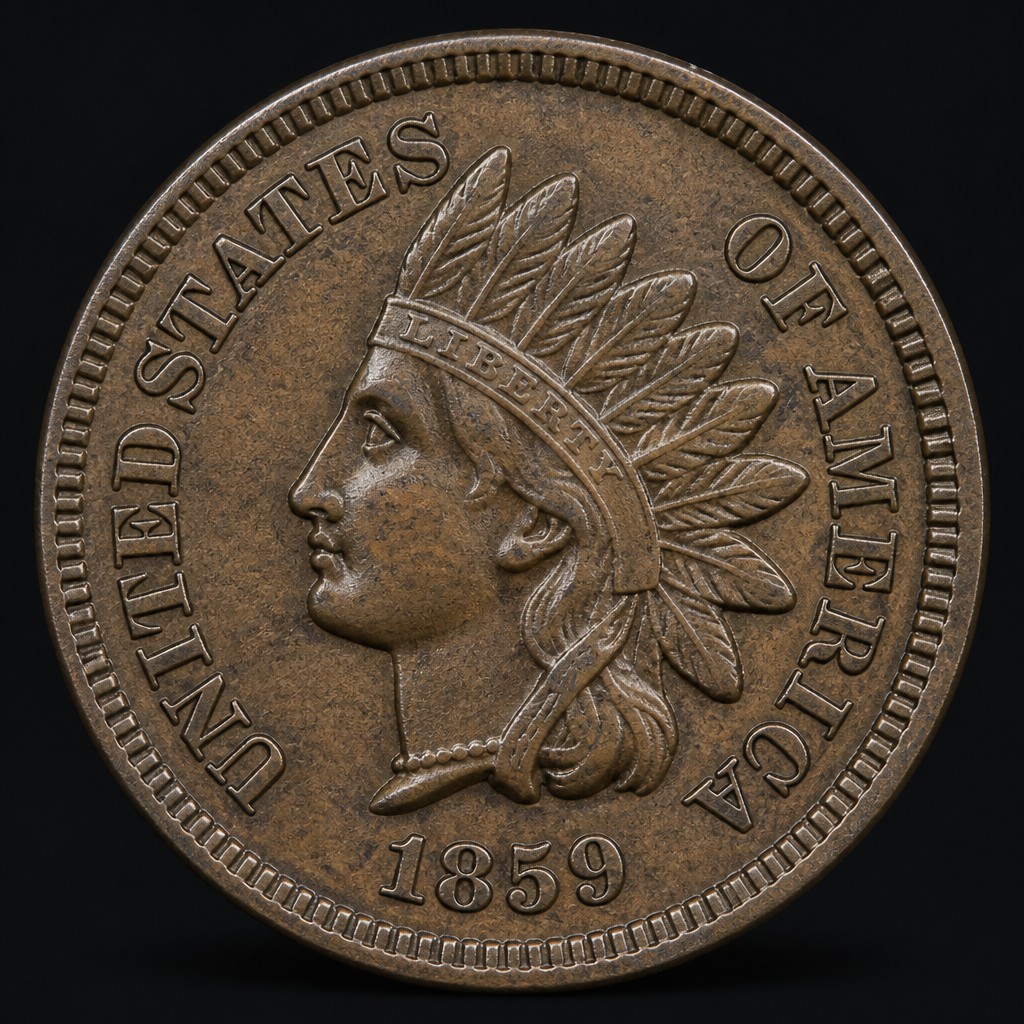
Indian Head Cent
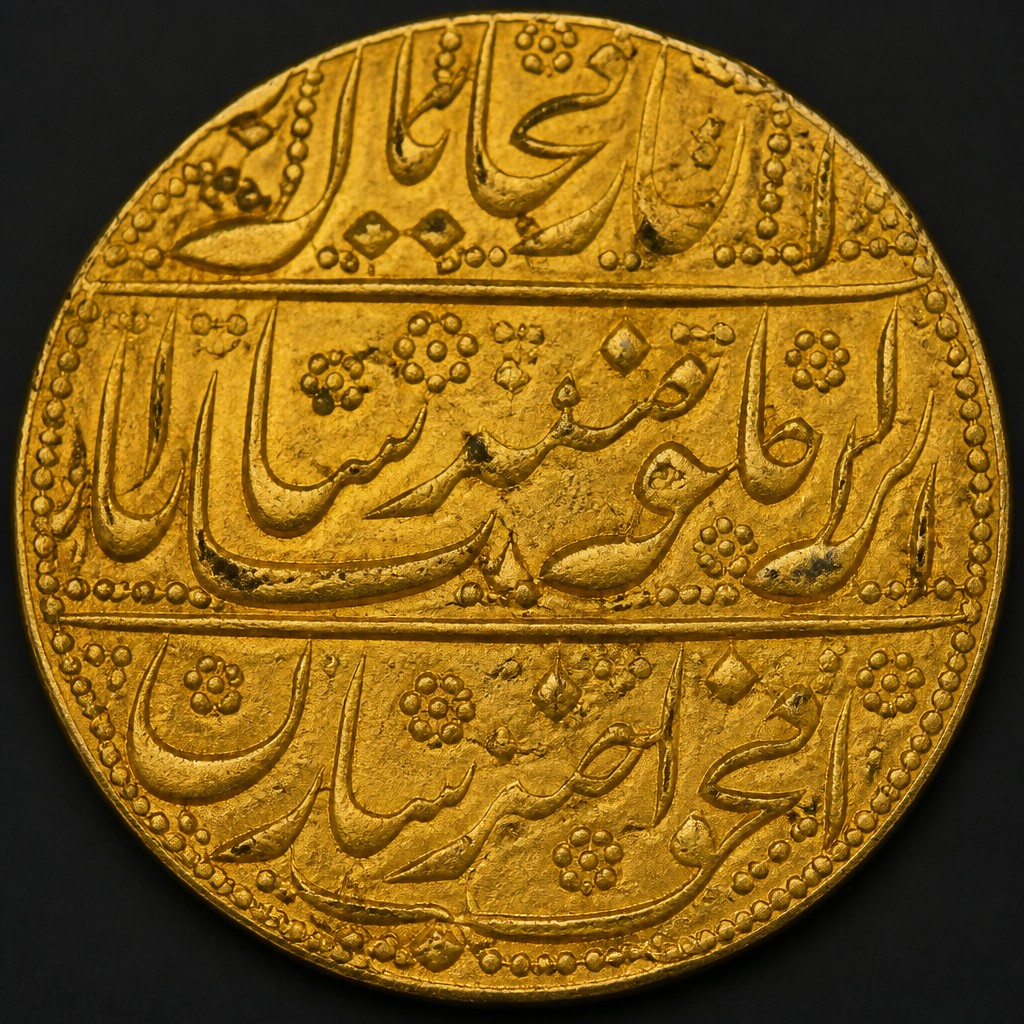
Indian Gold Mohur
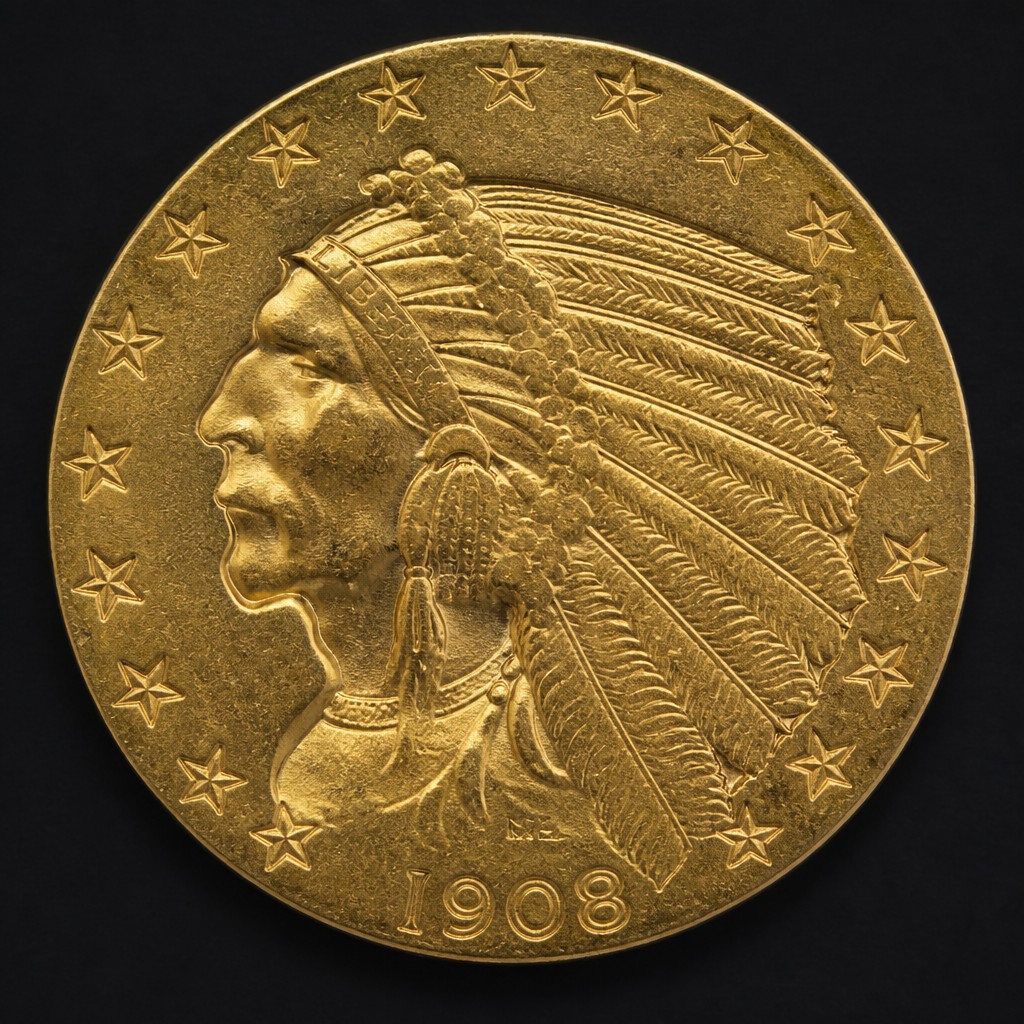
Indian Head Half Eagle ($5)
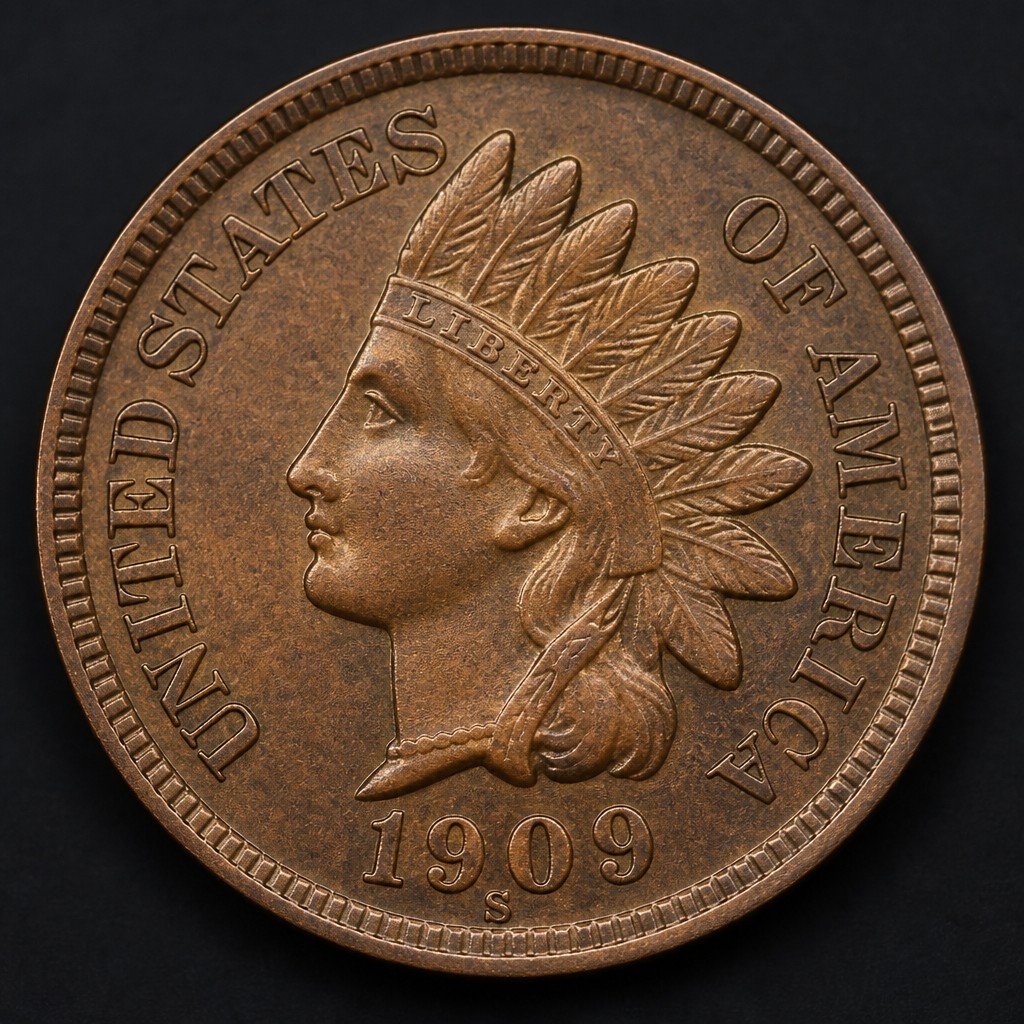
1909-S Indian Head Cent
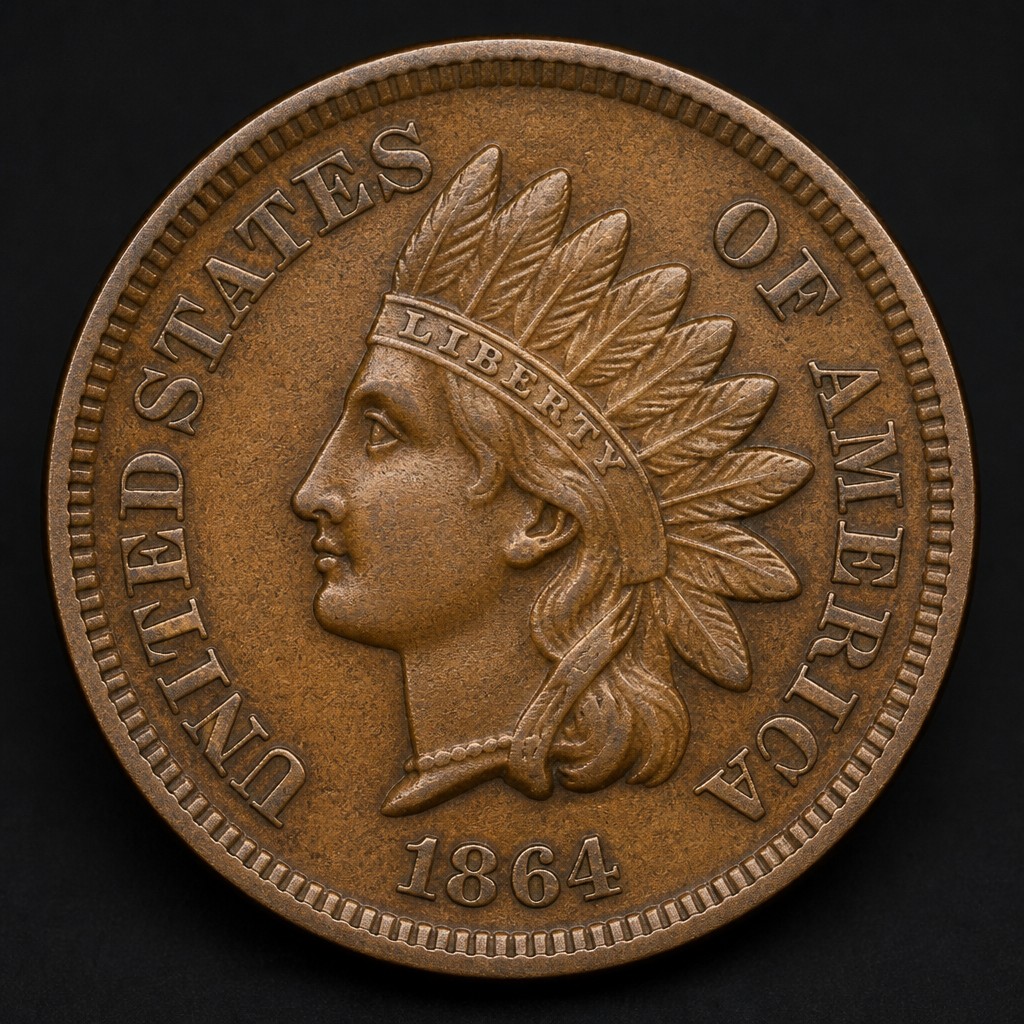
1864 L Indian Head Cent
Roman Imperial Coin (likely an Antoninianus)
Roman Empire · Circa 3rd Century CE (specific year difficult to determine without clearer legends)

Tetradrachm of Alexander the Great
Macedonian Kingdom (Ancient Greece) · Circa 336-323 BCE (posthumous issues continued after his death)
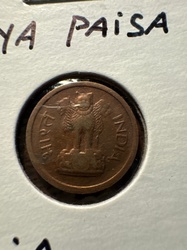
India 1 Naya Paisa (Bronze)
India (Republic) · 1960
VOC Copper Duit
Netherlands (minted for Dutch East Indies) · 1731
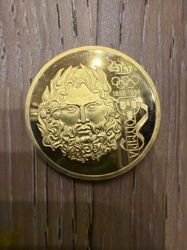
Olympic Games Centennial Commemorative Medal (Zeus/Olympia)
Greece · 1996
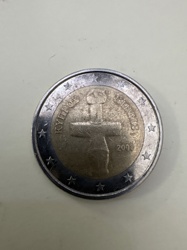
Cyprus 2 Euro Coin (Pomos Idol)
Cyprus · 2008
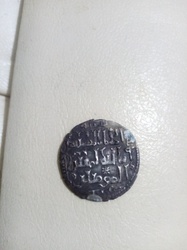
Delhi Sultanate Silver Tanka (Ghiyath al-din Tughluq)
India, Delhi Sultanate, Tughluq Dynasty · AH 720-725 (AD 1320-1325)
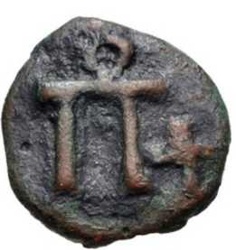
Widow's Mite (Lepton of Herod the Great)
Judea (Ancient Israel) · Circa 37 - 4 BCE
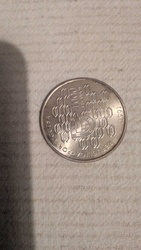
Expo '98 - The Oceans, a Heritage for the Future
Portugal · 1997
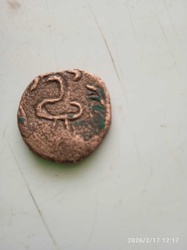
Kas coin
Kingdom of Travancore (India) · c. 1600 - 1800
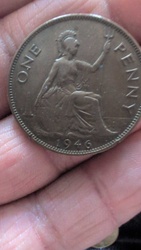
George VI British Penny
United Kingdom · 1946
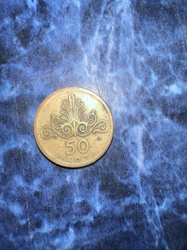
50 Lepta Coin
Greece · 1973-2000 (likely 1973, given the common design seen in the image)
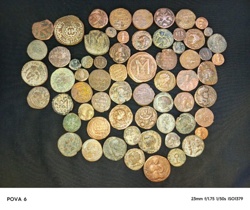
Ancient/Medieval Bronze/Copper Coin (various types)
Likely various regions, potentially Roman, Byzantine, Islamic, or other ancient/medieval empires in the Mediterranean/Middle East. · Highly variable, likely spanning a broad period from the Roman Imperial era (e.g., 3rd-6th centuries AD) through the Byzantine and early Islamic periods (e.g., 7th-10th centuries AD), possibly even later medieval periods. Precise dating requires individual identification of each coin.
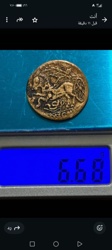
Ancient Greek Tetradrachm (Philip II of Macedon Reverse Style)
Kingdom of Macedonia (Ancient Greece) · Circa 359-336 BC (Original) / Modern Replica (Likely)
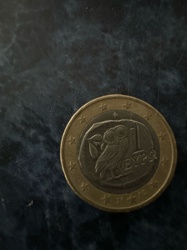
Greek 1 Euro Coin (Owl of Athena)
Greece · 2002
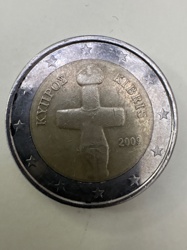
Cyprus 2 Euro Coin (Cruciform Idol)
Cyprus · 2009
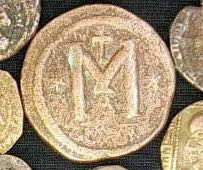
Follis (large module)
Byzantine Empire · Circa 498-668 AD (specifically, the image likely shows a follis from the reigns of Justinian I, Justin II, or Maurice Tiberius, given the clear 'M' design)
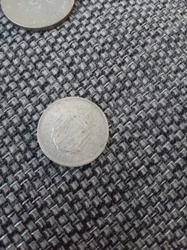
British Half Crown (George VI)
United Kingdom · 1948
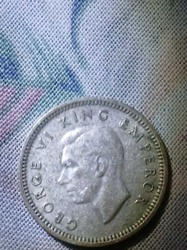
British India George VI One Rupee
British India · 1938-1945
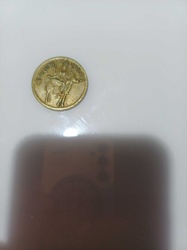
East India Company Rama-Sita-Lakshmana Religious Token
India (British India era / Private manufacture) · Circa 1818 (Often back-dated or modern replicas)
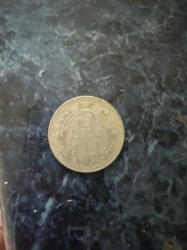
Indian Quarter Rupee
British India · 1940 (likely, based on visible features, though exact year cannot be confirmed from image)
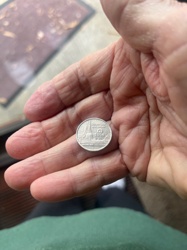
Satang Coin
Thailand · 2523 (1980 AD) (Based on Buddhist calendar year 2523, the Gregorian year is 1980, assuming it's a 1980 50 Satang coin.)
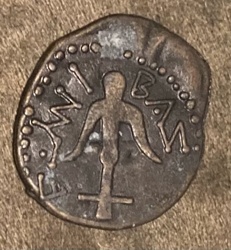
Byzantine Follis (possibly Anonymous Follis)
Byzantine Empire · Circa 10th-11th century AD (specifically, likely Class A2 or A3, c. 976-1081 AD)
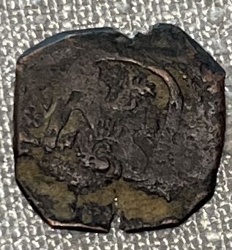
Maravedí
Spain (likely Castile or Aragon) · Late 15th to early 17th century (difficult to determine exact year from image)
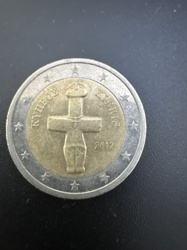
2 Euro Cyprus
Cyprus · 2012

Two Pound Coin (Technology Series)
United Kingdom · 2007

2 Euro Commemorative Coin (10th Anniversary of EMU)
France (indicated by 'RF' on the other side, or by mint marks if visible) · 2009
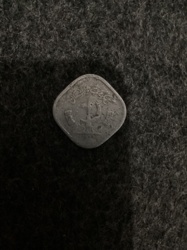
Bahawalpur Square Paisa
Bahawalpur State (Under British Raj/Princely State India) · 1940 (AH 1359)
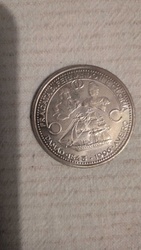
Fragata D. Fernando II e Glória Commemorative Coin
Portugal · 1996
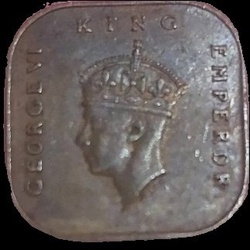
Malaya 1 Cent - George VI
Malaya (British Administration), Commissioners of Currency · 1943
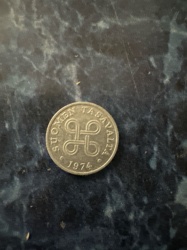
1 Penni
Finland · 1974
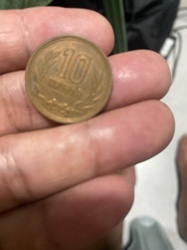
Japanese 10 Yen Coin (Byodo-in Temple)
Japan · Dates vary, but design is standard for coins from 1959 onwards. The specific year is written in Japanese era format on the reverse.
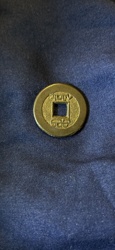
Chinese Cash Coin (e.g., Kai Yuan Tong Bao, Song Dynasty Cash Coin, Qing Dynasty Cash Coin, etc. - specific name depends on characters)
China · Uncertain from the image alone, but likely dates from a period between the Tang Dynasty (618-907 AD) and the Qing Dynasty (1644-1912 AD), as this style was common throughout these periods.
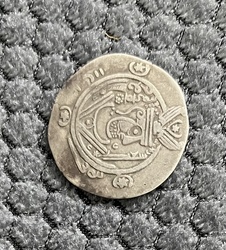
Sasanian Drachm (Khosrow II)
Sasanian Empire (Ancient Persia) · 590-628 AD (Regnal Year 21 visible on reverse, approx. 611 AD)
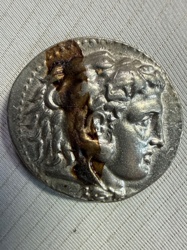
Tetradrachm featuring Alexander the Great (Heracles/Jupiter-Ammon)
Ancient Greece (Macedonian Kingdom) · Circa 336-323 BCE (posthumous issues continued for some time)
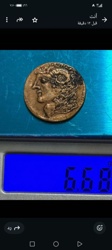
Tetradrachm of Lysimachus (Likely Modern Reproduction/Forgery)
Kingdom of Thrace (Ancient Greece) · Originals minted circa 305–281 BC
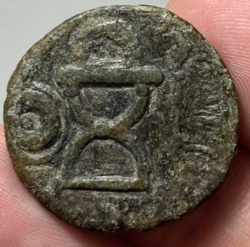
Anchor and Wheel Prutah of Alexander Jannaeus
Hasmonean Kingdom (Ancient Judea) · 103 BC to 76 BC

1 Euro (Maltese National Side)
Malta · 2008 (first year of issue for Maltese Euro coins) onwards
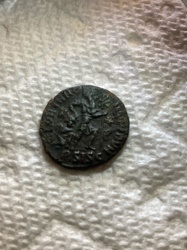
Roman Imperial Bronze Coin (possibly an Antoninianus or a Follis)
Roman Empire · Circa 3rd-4th Century AD (exact year unidentifiable from image)
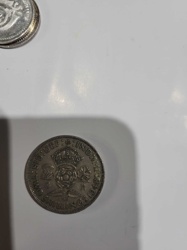
George VI Two Shillings (Florin)
United Kingdom · 1948
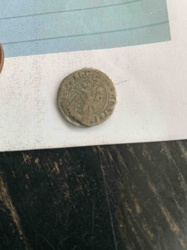
Unable to definitively identify; appears to be an ancient or medieval hammered coin
Uncertain; could be from various European or Mediterranean regions · Uncertain; based on the style, it appears to be from the medieval period (roughly 5th to 15th century).
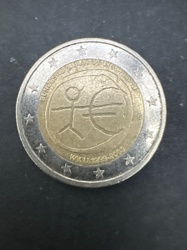
Treaty of Rome 2 Euro Commemorative Coin
Germany · 2009