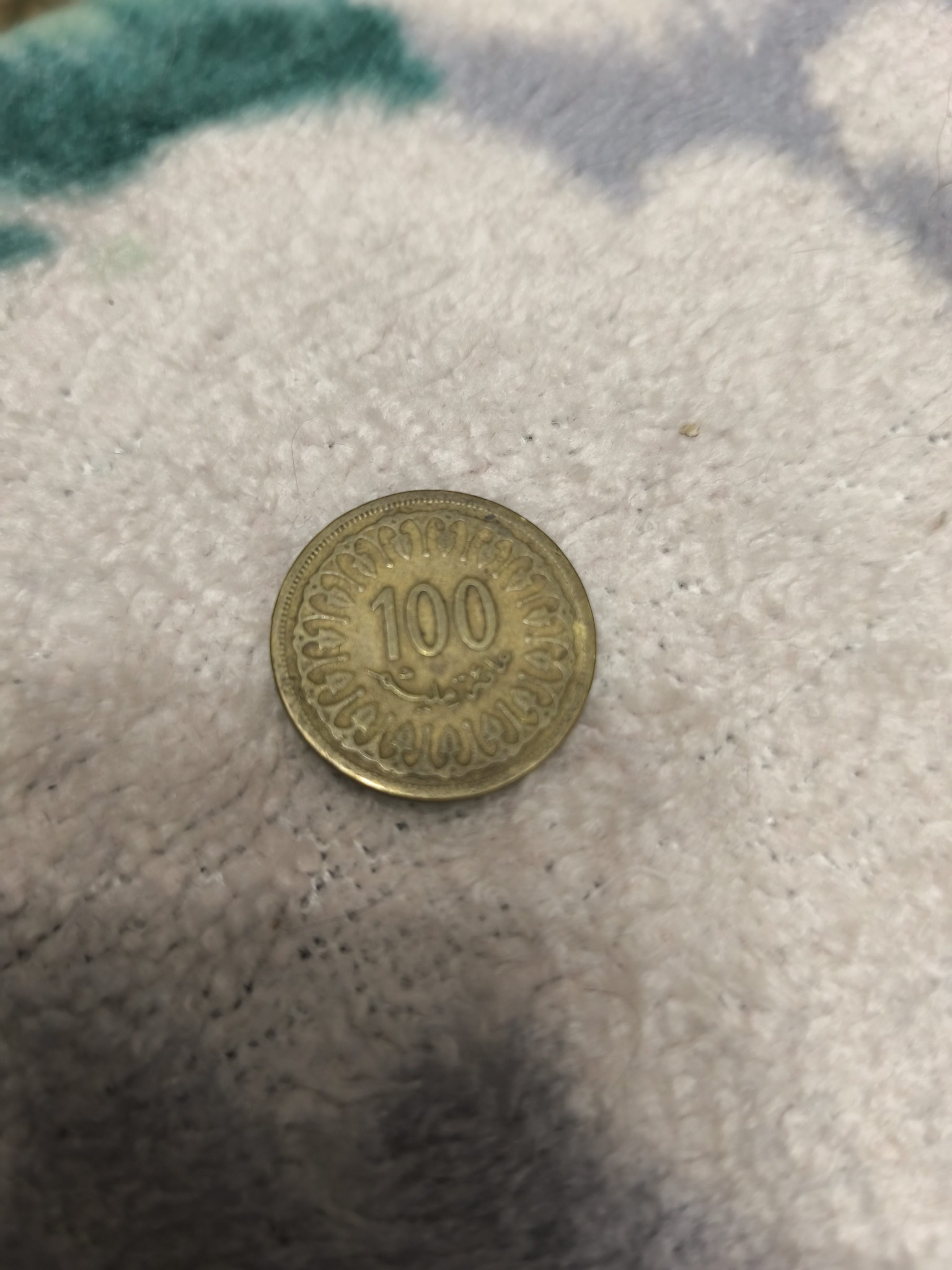
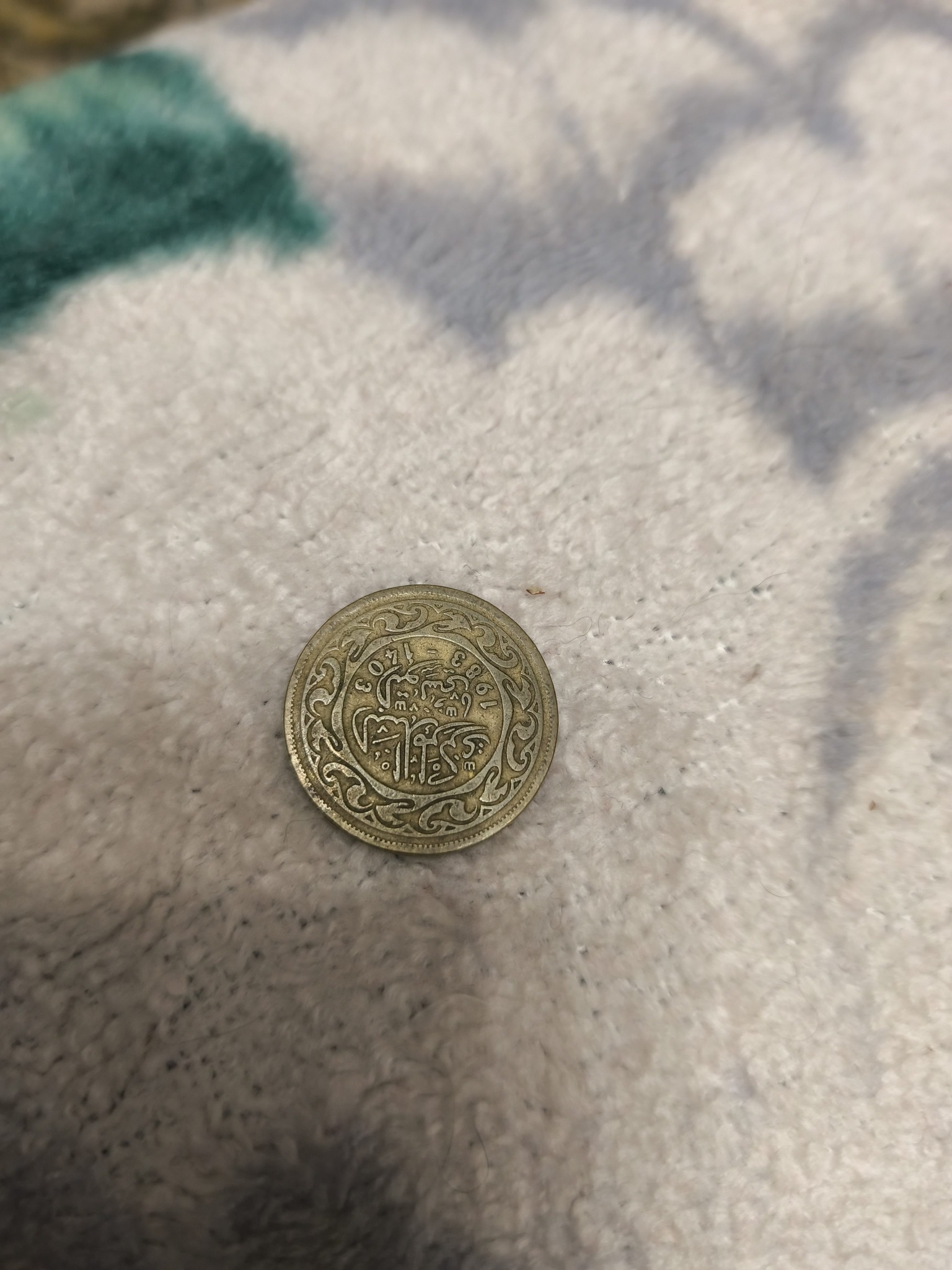
Token for Tea/Coffee or Service
Middle East or North Africa (likely Lebanon or Syria) · 1983 / 1403 AH
A brass-colored circular token featuring the number 100 on one side and Arabic calligraphy with dates on the other.
- Country
- Middle East or North Africa (likely Lebanon or Syria)
- Year
- 1983 / 1403 AH
- Denomination
- 100 (Token value)
- Metal
- Brass or Brass-plated Steel
This report is AI-generated and can be wrong. Always verify grade, authenticity, and value with a qualified dealer or certified grading service before buying, selling, or insuring.
Identify your own coins.
Get a report just like this from any photo, free.
Overview
Historical significance
Obverse (front)
Reverse (back)
Estimated value
What drives this coin's value
Grade assessment
Mintage & rarity
Authenticity & counterfeit red flags
Notable varieties & errors
Similar coins
Care & preservation
More like this
Other middle east or north africa (likely lebanon or syria) coins
Maria Theresa Thaler (Restrike)
Austria (Austrian Empire) · 1780 (Frozen date; likely a modern restrike)
Justinian I Follis (Large Bronze 40 Nummi)
Byzantine Empire (Eastern Roman Empire) · 538-539 AD (Regnal Year 12)
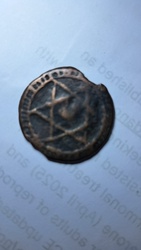
Islamic Copper Falus (or similar medieval/early modern Islamic coin)
Islamic World / Middle East or North Africa · Uncertain (potentially 18th or 19th century based on style, though highly worn)
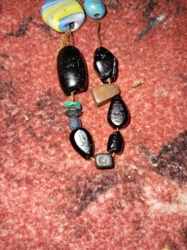
Not a Coin (Ancient/Vintage Beads)
Unknown (Likely Middle Eastern or African origin) · N/A (Ancient or Proto-currency era)
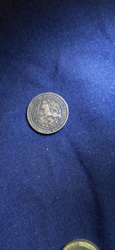
Lion Daalder
Dutch Republic (specifically, provinces such as Zeeland - 'ZEL' in the inscription) · Based on the visible inscription 'MO: ARG: ORD: ZEL: TRA: IMP: CIVT: ZEL:', this coin is a Zeeland (ZEL) issue. The exact year is not clearly visible in the image, but Lion Daalders were minted from 1577 until the late 17th century. To determine the precise year, a clearer view of the obverse or reverse would be needed, typically found near the bottom of the lion or on the reverse design. Given the general design, it is likely from the 17th century.
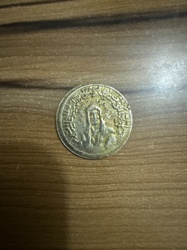
Likely a coin from a Persian or Islamic dynasty; potentially a 'Shahi' or similar denomination, though specific identification without clear inscriptions is difficult.
Persian Empire (various dynasties), Central Asian Khanates, or areas under Islamic rule in the Middle East. · Based on the style and iconography, this coin likely dates from the medieval Islamic period, roughly between the "12th and 18th centuries AD" (6th to 12th centuries AH), but a precise year cannot be determined without clearer inscription details.