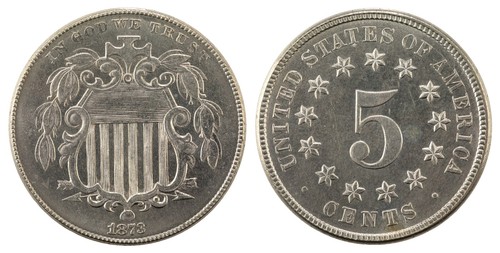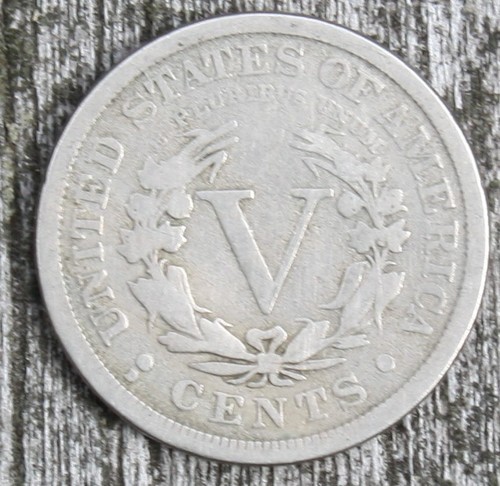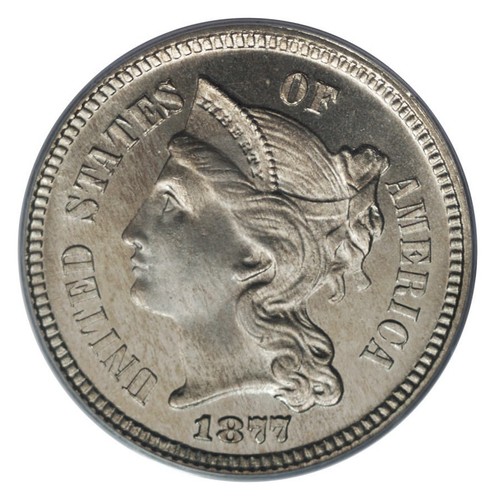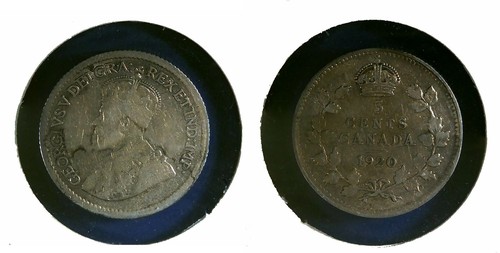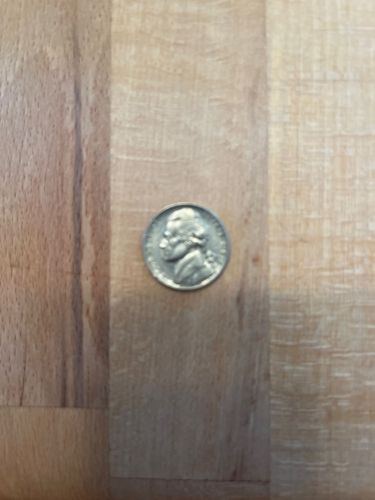
Jefferson Nickel
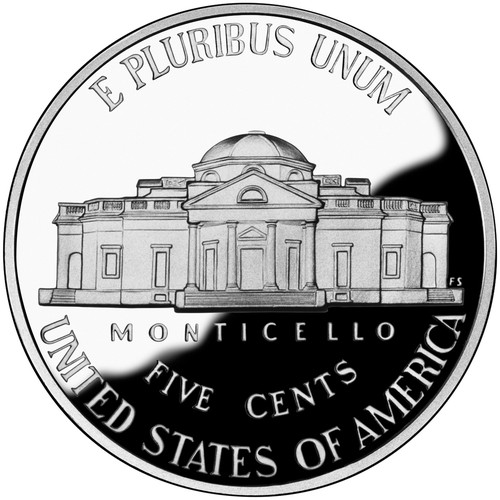
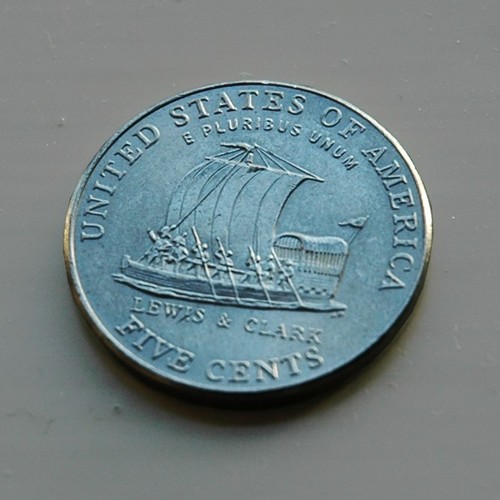
United States · Based on the design, it is a Jefferson Nickel issued between 1938 and the present day. Without a visible date on the coin, a specific year cannot be determined. Typically, the date is located on the obverse, below Jefferson's portrait.
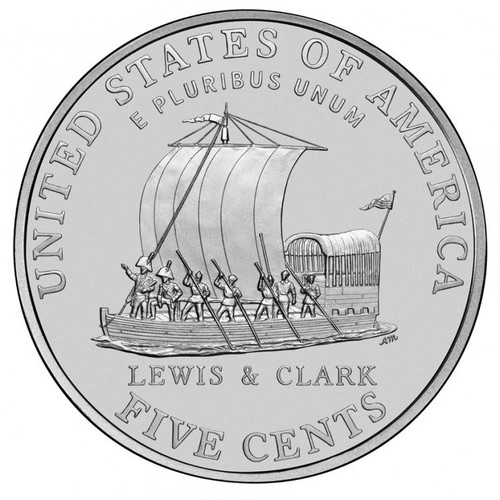
The coin features a profile portrait of Thomas Jefferson on the obverse. The reverse typically depicts Jefferson's home, Monticello. In the provided image, only the obverse is clearly visible, showing Jefferson's left-facing portrait, a design that was first introduced in 1938.
- Country
- United States
- Denomination
- 5 Cents (Nickel)
This report is AI-generated and can be wrong. Always verify grade, authenticity, and value with a qualified dealer or certified grading service before buying, selling, or insuring.
Identify your own coins.
Get a report just like this from any photo, free.
Overview
Historical significance
Estimated value
Care & preservation
More like this
Other united states coins
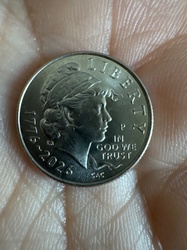
United States Semiquincentennial Fantasy/Mule Concept Dime
United States · 2026
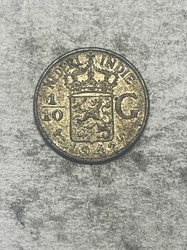
1/10 Gulden - Wilhelmina
Netherlands East Indies · 1942
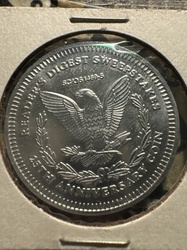
Reader's Digest Sweepstakes 25th Anniversary Coin (Token)
United States, Reader's Digest Association · 1987
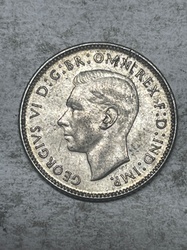
Australian Sixpence
Australia · 1943
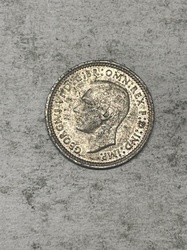
Australian Threepence
Australia · 1943
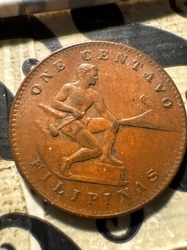
United States Administration of Philippines One Centavo
Philippines (under United States Sovereignty) · 1944