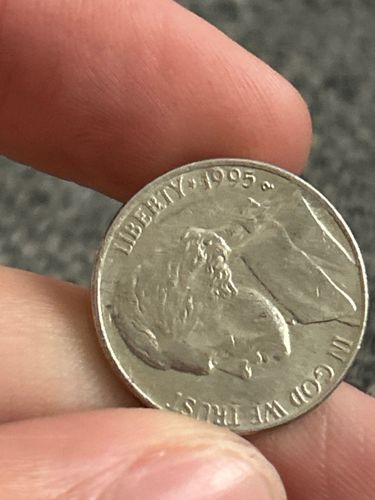
Jefferson Nickel
United States · 1995
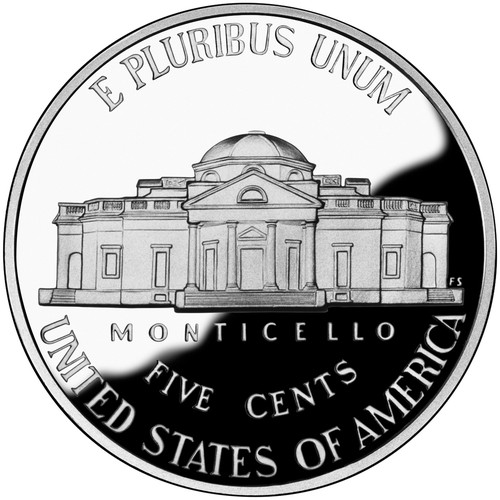
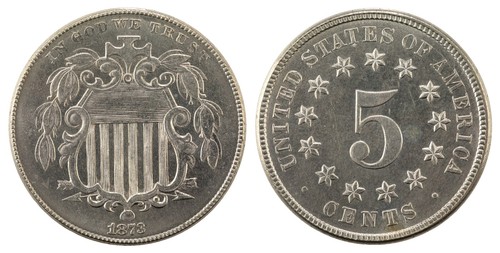
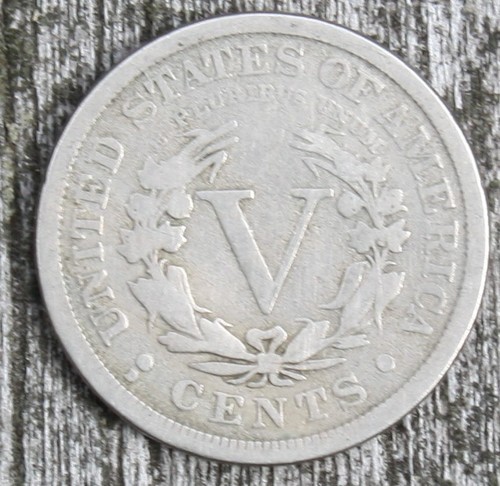
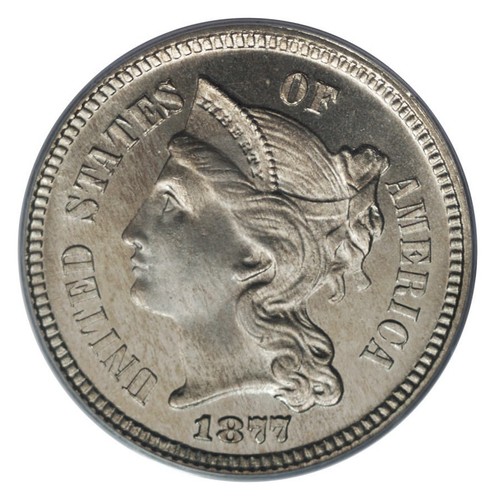
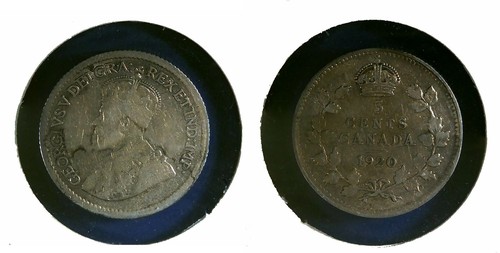
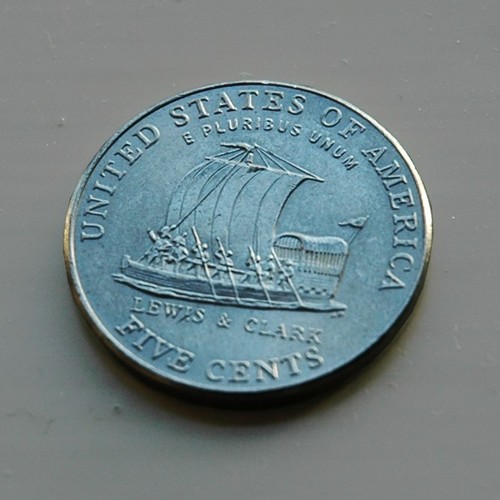
The obverse (front) of the coin features a portrait of Thomas Jefferson, the third U.S. President, facing left. The word "LIBERTY" and the year of issue "1995" are inscribed. The motto "IN GOD WE TRUST" is also visible. The reverse side typically features Monticello, Jefferson's primary plantation.
- Country
- United States
- Year
- 1995
- Denomination
- 5 Cents (0.05 USD)
- Metal
- 75% Copper, 25% Nickel
This report is AI-generated and can be wrong. Always verify grade, authenticity, and value with a qualified dealer or certified grading service before buying, selling, or insuring.
Identify your own coins.
Get a report just like this from any photo, free.
Overview
Historical significance
Estimated value
Care & preservation
More like this
Other united states coins
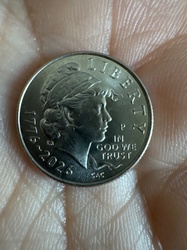
United States Semiquincentennial Fantasy/Mule Concept Dime
United States · 2026
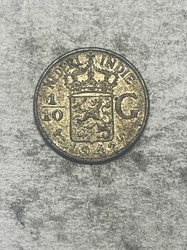
1/10 Gulden - Wilhelmina
Netherlands East Indies · 1942
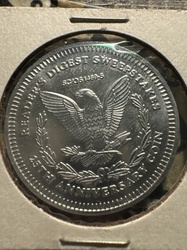
Reader's Digest Sweepstakes 25th Anniversary Coin (Token)
United States, Reader's Digest Association · 1987
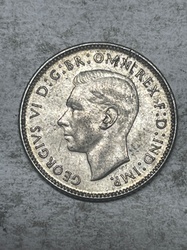
Australian Sixpence
Australia · 1943
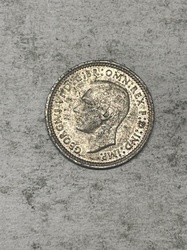
Australian Threepence
Australia · 1943
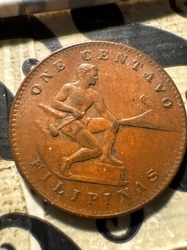
United States Administration of Philippines One Centavo
Philippines (under United States Sovereignty) · 1944