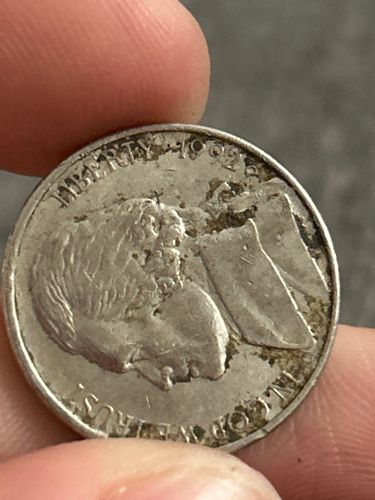
Buffalo Nickel
United States · 1932
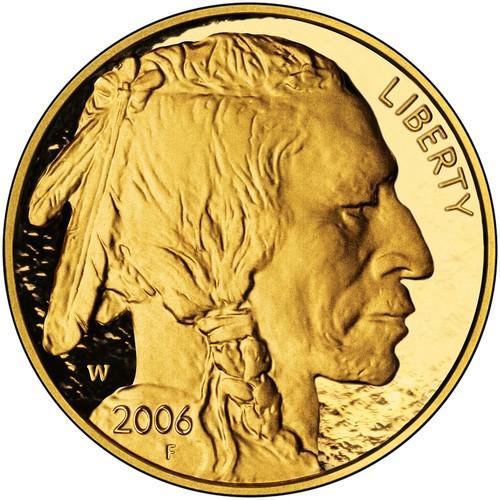
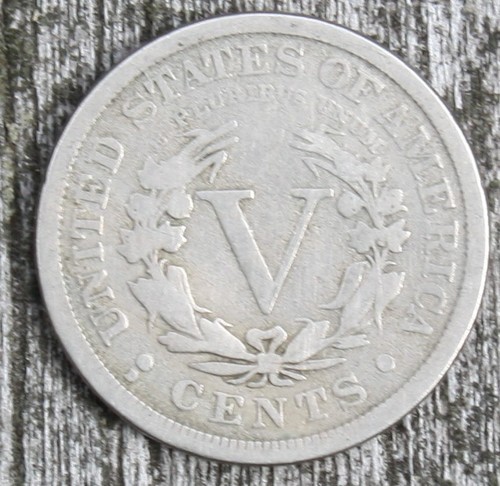
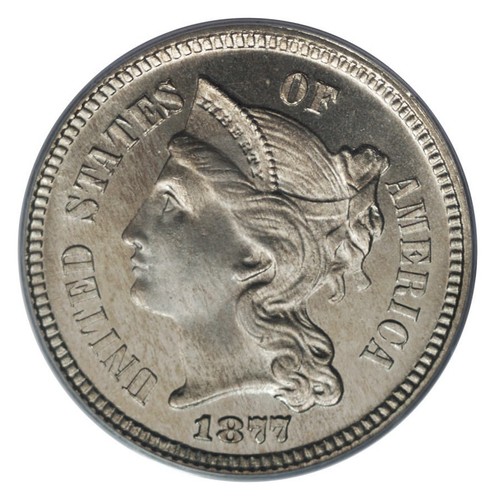
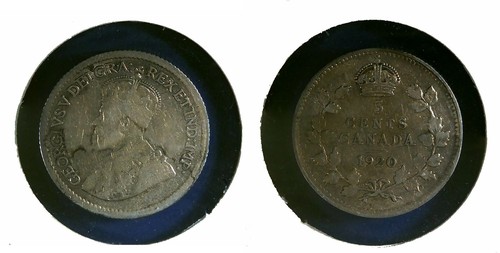
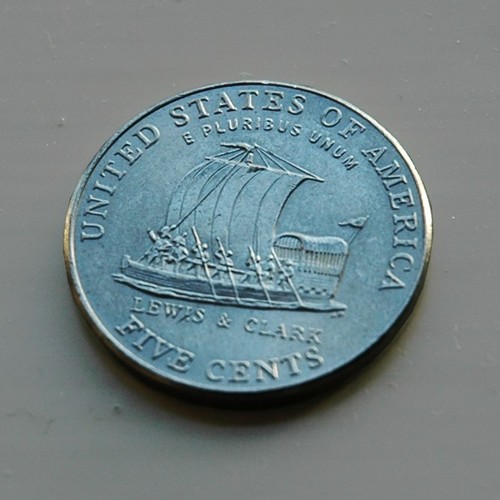
The obverse of the coin features a right-facing portrait of a Native American chief, with the word "LIBERTY" and the year of issue "1932" visible. The detail on the chief's face and headdress is heavily worn. The reverse, though not shown, typically features an American bison.
- Country
- United States
- Year
- 1932
- Denomination
- Five Cents
- Metal
- 75% Copper, 25% Nickel
This report is AI-generated and can be wrong. Always verify grade, authenticity, and value with a qualified dealer or certified grading service before buying, selling, or insuring.
Identify your own coins.
Get a report just like this from any photo, free.
Overview
Historical significance
Estimated value
Care & preservation
More like this
Other united states coins
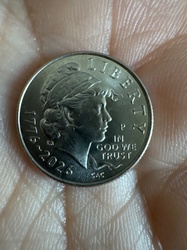
United States Semiquincentennial Fantasy/Mule Concept Dime
United States · 2026
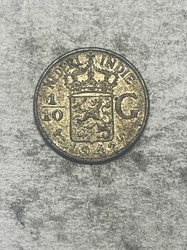
1/10 Gulden - Wilhelmina
Netherlands East Indies · 1942
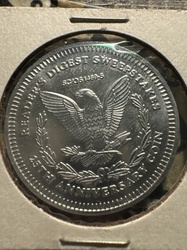
Reader's Digest Sweepstakes 25th Anniversary Coin (Token)
United States, Reader's Digest Association · 1987
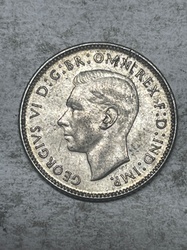
Australian Sixpence
Australia · 1943
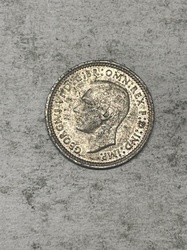
Australian Threepence
Australia · 1943
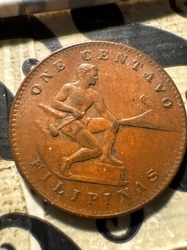
United States Administration of Philippines One Centavo
Philippines (under United States Sovereignty) · 1944