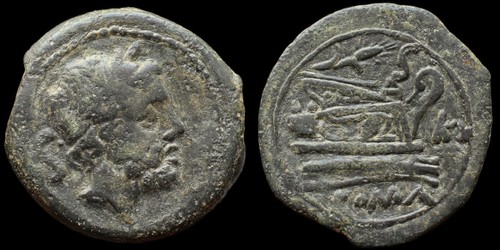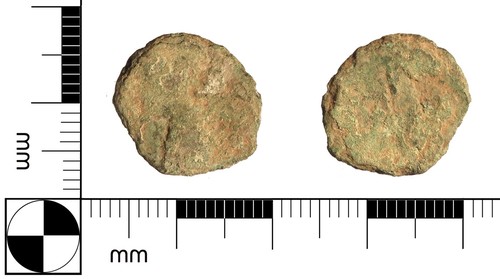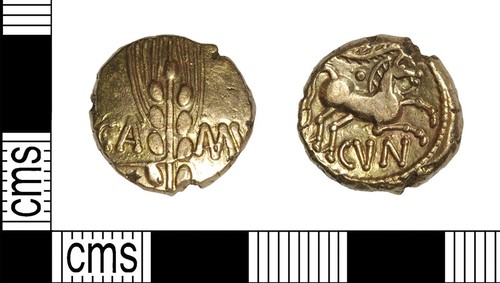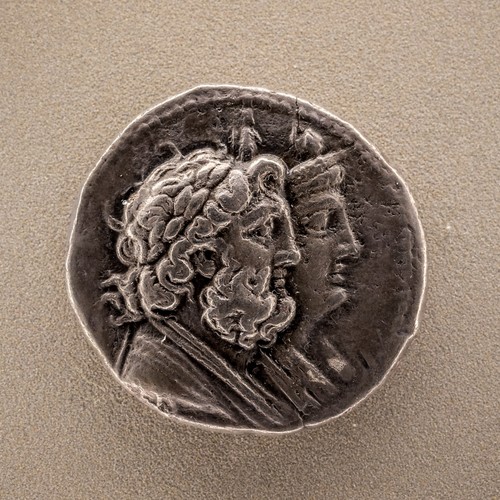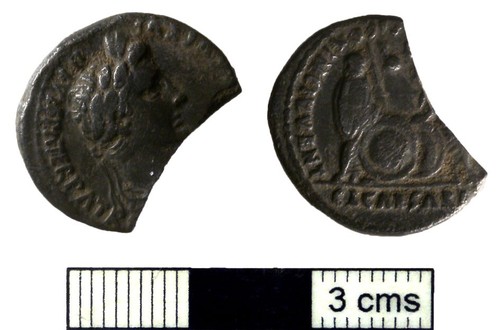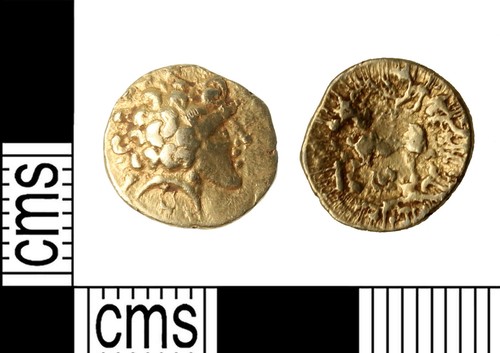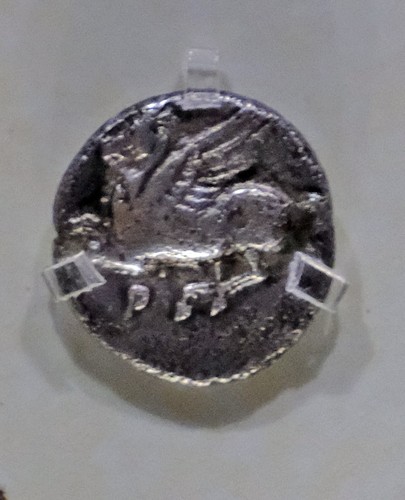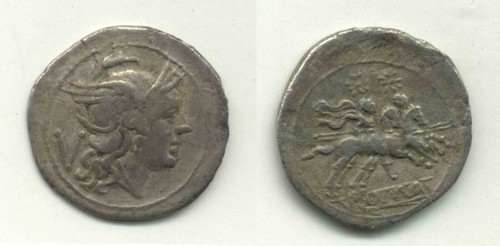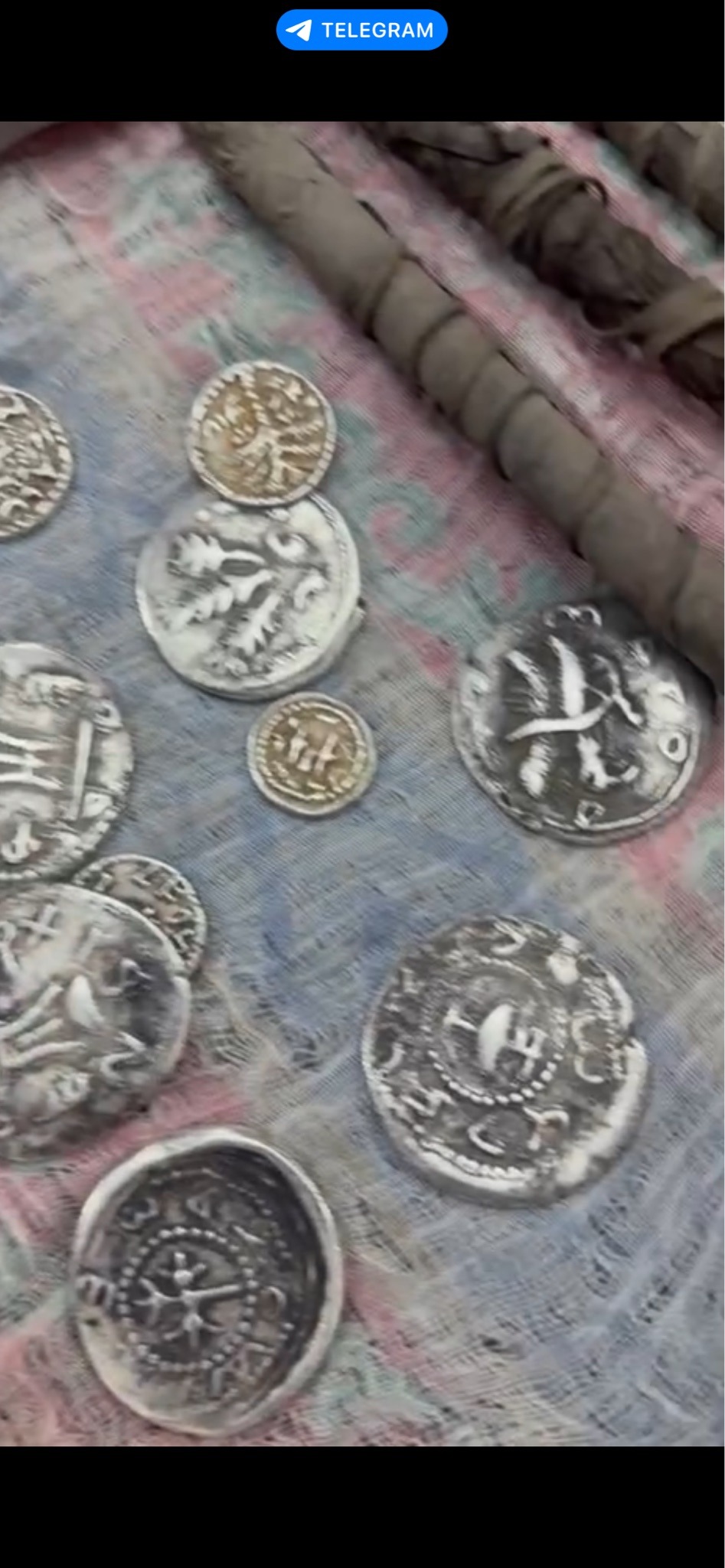
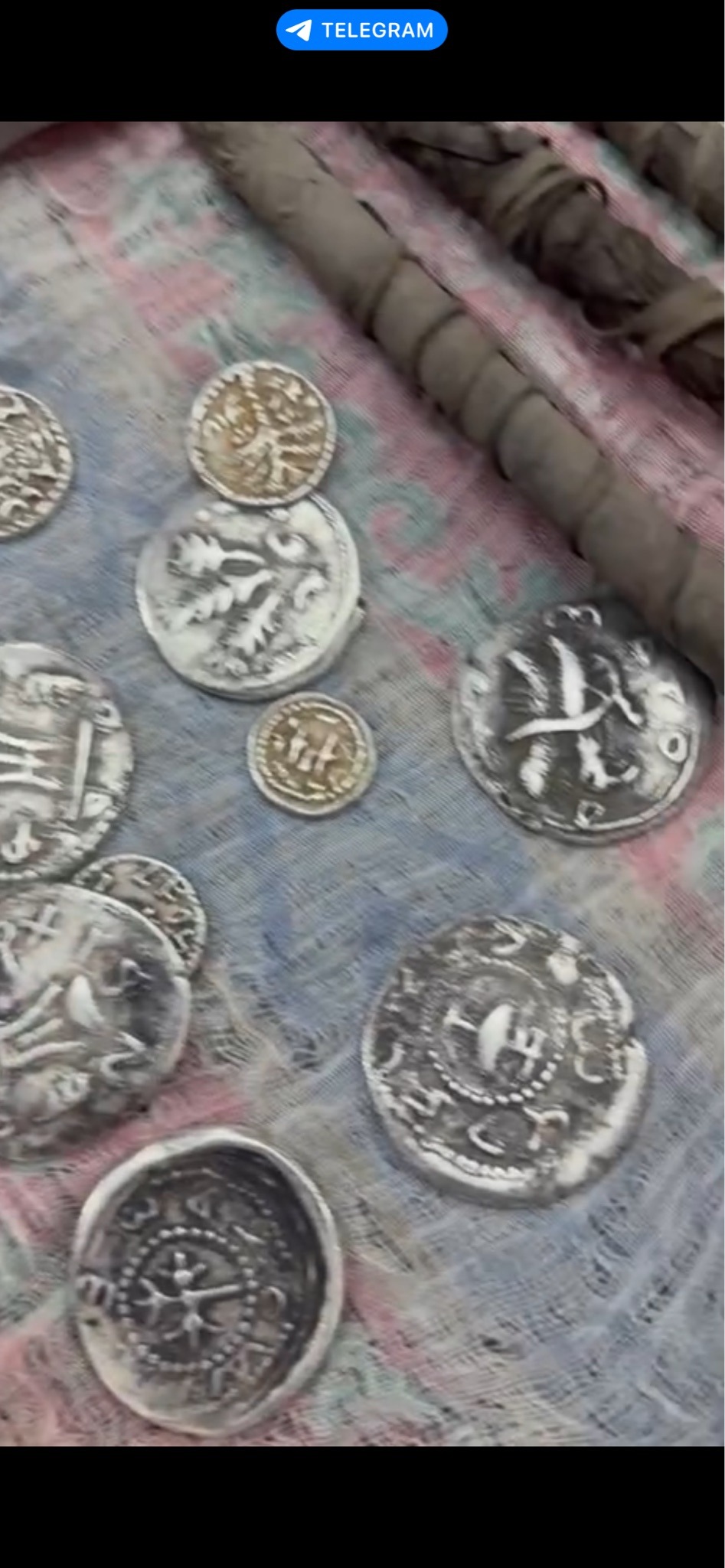
Ancient Judaean Shekel and Prutah Hoard
Judaea (Ancient Israel) · c. 1st Century BCE - 2nd Century CE
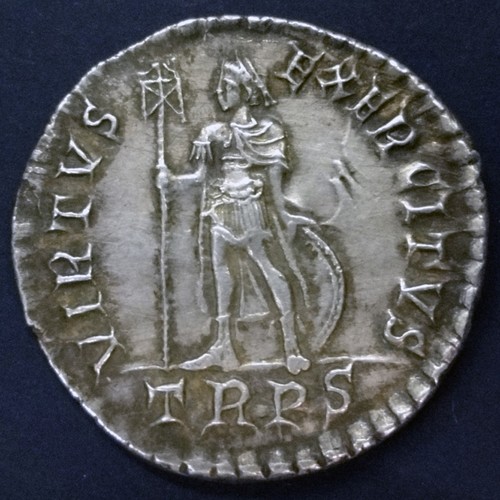
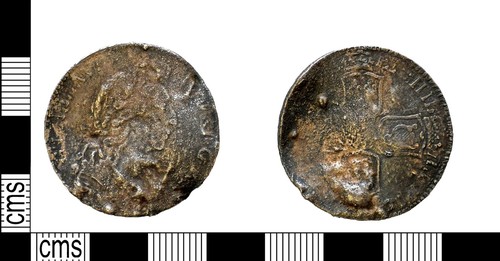
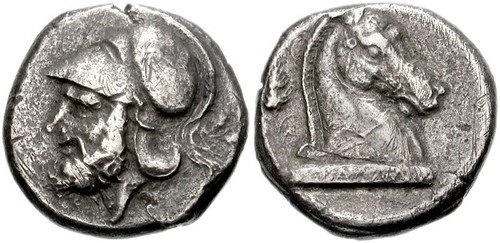
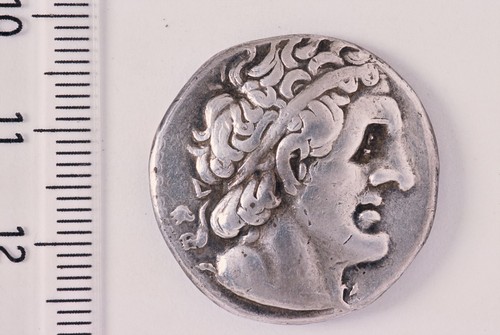
A collection of ancient silver and bronze coins, featuring characteristic Jewish symbols such as chalices, pomegranates, and palm branches, consistent with Judaean coinage.
- Country
- Judaea (Ancient Israel)
- Year
- c. 1st Century BCE - 2nd Century CE
- Denomination
- Shekel / Prutah
- Metal
- Silver and Bronze
- Grade
- Ancient (Various grades from Fair to Extremely Fine)
This report is AI-generated and can be wrong. Always verify grade, authenticity, and value with a qualified dealer or certified grading service before buying, selling, or insuring.
Identify your own coins.
Get a report just like this from any photo, free.
Overview
Historical significance
Obverse (front)
Reverse (back)
Estimated value
What drives this coin's value
Grade assessment
Mintage & rarity
Authenticity & counterfeit red flags
Notable varieties & errors
Similar coins
Care & preservation
More like this
Other judaea (ancient israel) coins
New Israeli Shekel (Agora or Shekel)
Israel · Unclear from the image (appears to be a modern Israeli coin)

Israel 10 Pruta
Israel · 1952 (Hebrew year 5712)
1 Agora (Scalloped Edge)
Israel · 1960–1980 (The date on this specific coin appears to be 1965 or Hebrew year 5725)
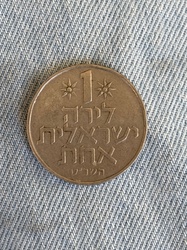
Israel 1 Lira
Israel · 1959 (Hebrew year 5719 / תש״יט)
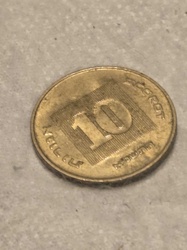
10 Agorot
Israel · 1985 - Present

1 New Sheqel
Israel · 1985-Present