
Coin Encyclopedia
Search and identify coins from around the world — with country, denomination, metal, mint, history, and how to tell them apart.
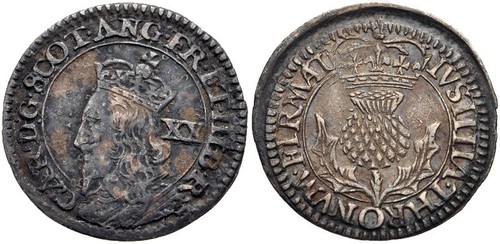
Charles I Twenty Pence
A small hammered silver twenty-pence coin of Charles I, showing his crowned profile and a heraldic reverse with rose and thistle badges.
Hammered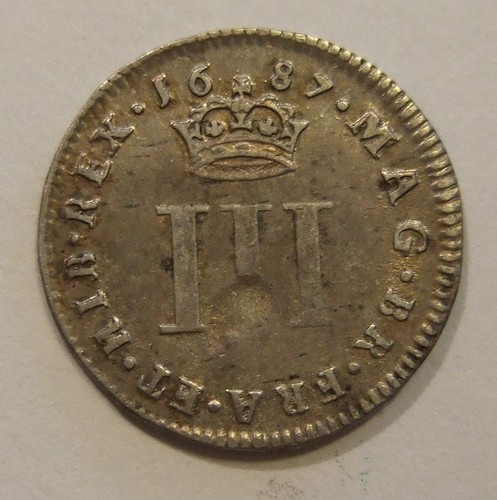
Maundy Three Pence
A tiny sterling-silver threepence tied to Britain's Royal Maundy tradition; the photographed 1687 coin shows James II's bust and a crowned Roman numeral III.
Maundy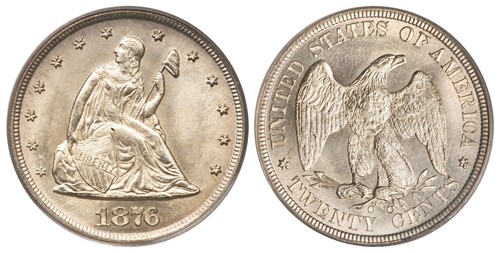
Twenty Cent Piece
A short-lived U.S. silver coin worth twenty cents, showing a seated Liberty and a soaring eagle, struck only from 1875 to 1878.
Twenty Cent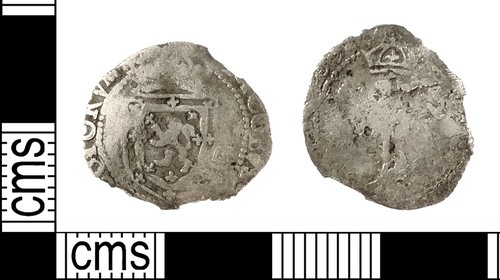
Eighth Thistle Merk
A small hammered silver Scottish coin of James VI, showing a crowned heraldic shield of arms on one side and a crowned thistle on the other.
Hammered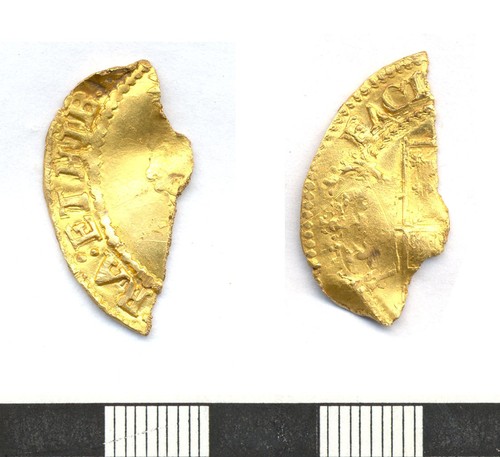
Laurel
A hammered English gold coin of James I worth twenty shillings, named for the king's laurel-wreathed profile, struck 1619-1625.
Hammered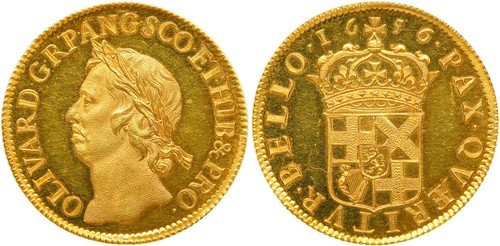
Broad
A gold twenty-shilling coin of the Protectorate bearing Oliver Cromwell's Roman-style profile and a crowned quartered shield, dated 1656.
Hammered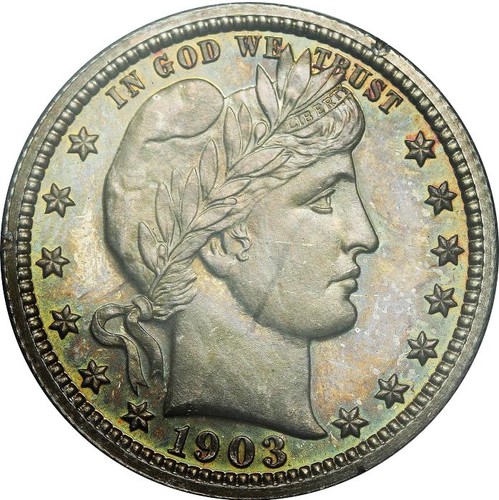
Barber Quarter
U.S. twenty-five-cent silver coin struck 1892–1916, with a left-facing Liberty head and a heraldic shield-eagle reverse.
Quarter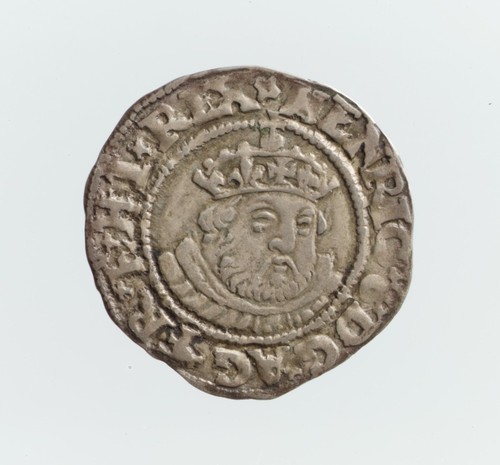
Half Groat of Henry VIII
A small hammered English silver coin worth twopence, struck across the reign of Henry VIII and bearing his crowned facing bust.
Hammered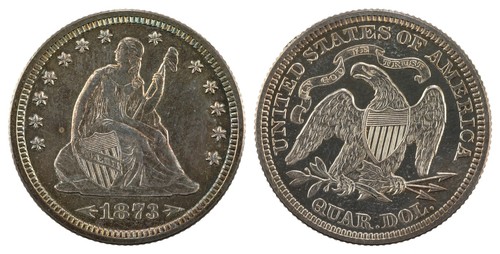
Seated Liberty Quarter
U.S. twenty-five-cent silver coin struck 1838–1891, showing Liberty seated with shield and staff on the obverse and a shield-breasted eagle on the reverse.
Quarter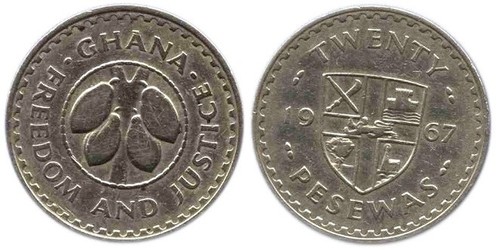
Ghana 20 Pesewas
A one-year 1967 Ghanaian coin bearing a national eagle and the motto FREEDOM AND JUSTICE, with the country's coat-of-arms shield on the reverse.
World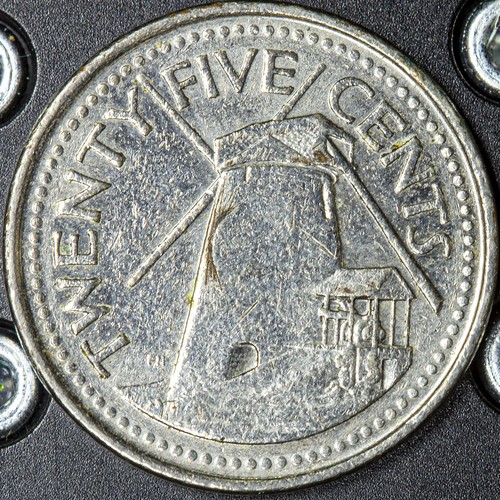
Barbados 25 Cents
A copper-nickel Caribbean circulation coin of Barbados; the 1998 example shows the national coat of arms on the obverse and the 25-cent value on the reverse.
Circulation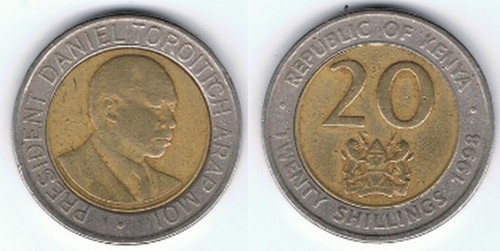
Kenya 20 Shillings
A modern bimetallic Kenyan circulation coin showing a president's portrait on the obverse and the national coat of arms on the reverse.
World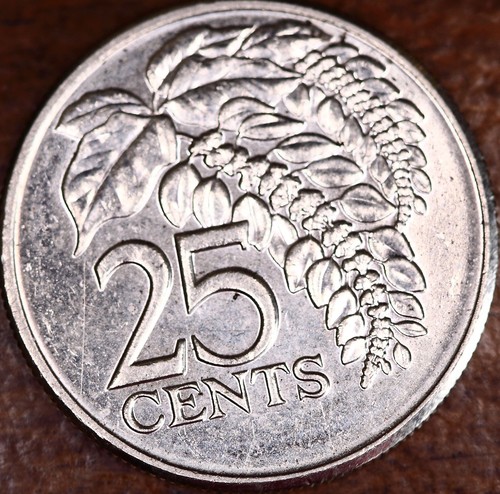
Trinidad and Tobago 25 Cents
A copper-nickel 25-cent coin of Trinidad and Tobago: a leafy national-flower plant design on one face and the value TWENTY FIVE CENTS on the other.
Circulation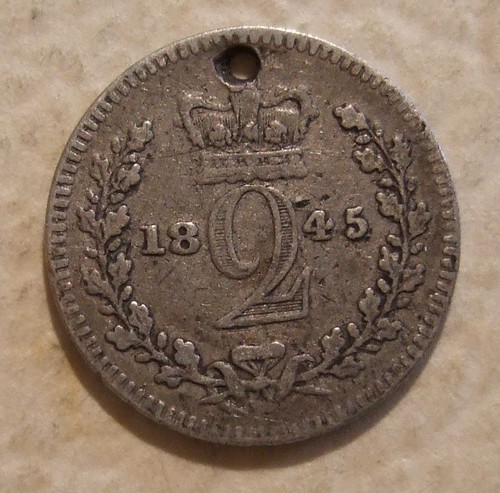
Victoria Maundy Twopence
A tiny sterling-silver ceremonial coin from a Royal Maundy set. This 1845 example shows Victoria's young head and a crowned 2 in a wreath.
British Isles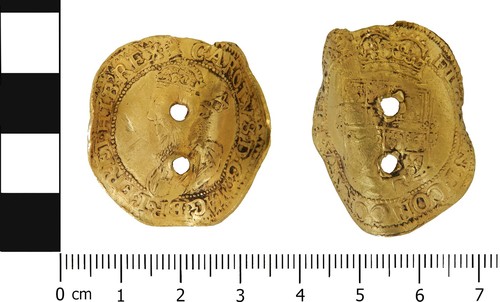
Charles I Unite
A large hammered gold coin of Charles I worth twenty shillings, showing his crowned profile and a crowned quartered shield of lions and fleur-de-lis.
Hammered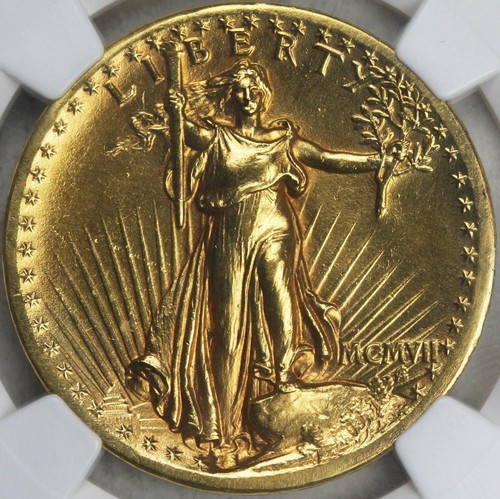
Saint-Gaudens Double Eagle
United States $20 gold coin (1907–1933) designed by Augustus Saint-Gaudens, showing a striding Liberty with torch and olive branch before a radiant sun.
Gold Type Coin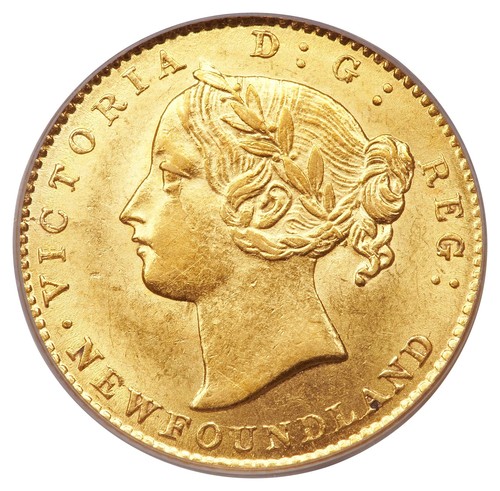
Newfoundland Two Dollars
Small gold two-dollar coin of the colony of Newfoundland; the only circulating coin ever denominated in dollars, cents, and pence together.
Canadian & Provincial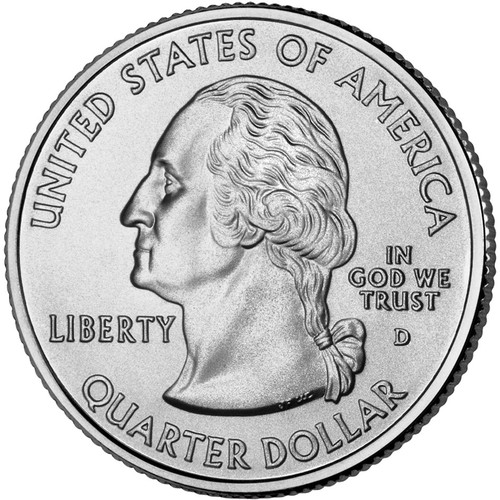
Washington Quarter
U.S. twenty-five-cent coin introduced in 1932, showing George Washington's profile and an eagle reverse; early issues struck in 90% silver.
Quarter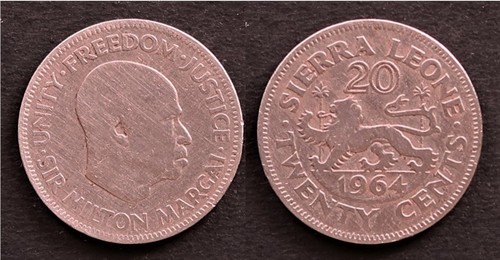
Sierra Leone 20 Cents
A 1964 Sierra Leone 20 cents from the country's first decimal coinage, showing a portrait profile on one side and the national coat of arms with its lion on the other.
World