
Coin Encyclopedia
Search and identify coins from around the world — with country, denomination, metal, mint, history, and how to tell them apart.
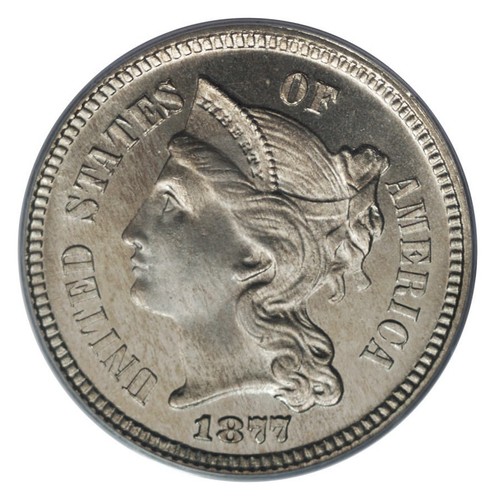
Three Cent Nickel
A small copper-nickel three-cent coin with a Liberty head obverse and a Roman numeral III inside a wreath; struck at Philadelphia from 1865 to 1889.
Three Cent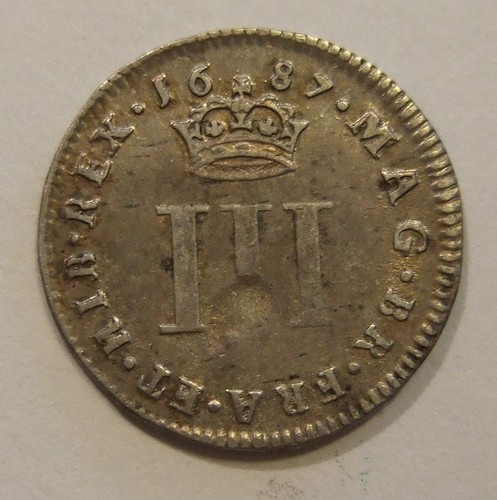
Maundy Three Pence
A tiny sterling-silver threepence tied to Britain's Royal Maundy tradition; the photographed 1687 coin shows James II's bust and a crowned Roman numeral III.
Maundy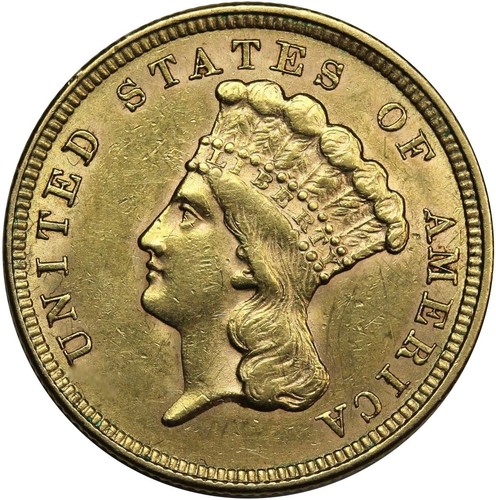
Three-Dollar Gold Piece
An unusual U.S. gold coin of the $3 denomination struck 1854–1889, showing a Liberty head in a feathered Indian-style headdress. The photo shows the 1854 first year.
Gold Type Coin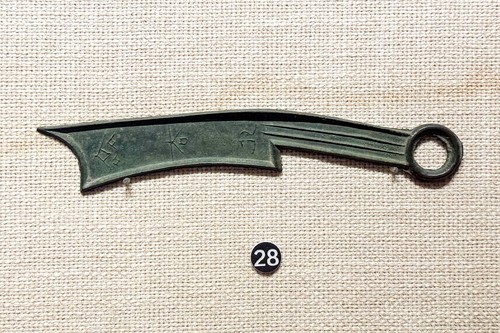
Qi State Knife Coin
A cast bronze knife-shaped coin of the ancient state of Qi, with Chinese characters running down the curved blade and a ringed handle terminal.
Ancient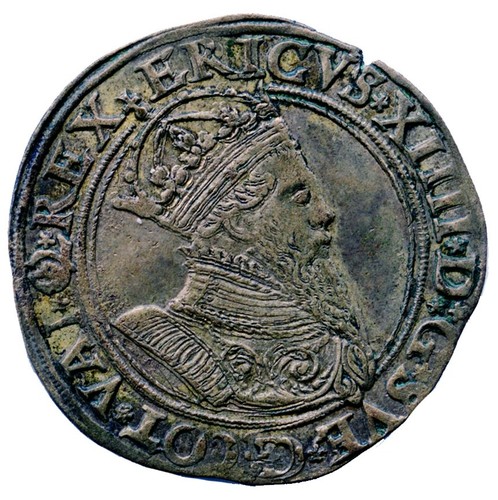
Eric XIV Silver Coin
Silver coin of Eric XIV of Sweden (r. 1560–1568), showing his crowned profile portrait and a heraldic Vasa/Three Crowns reverse, struck c. 1565.
Medieval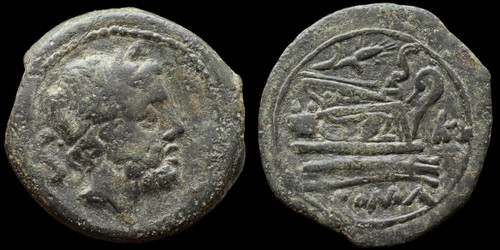
Ancient Sicilian Silver Coin
A silver coin of ancient Greek Sicily, showing a female goddess or nymph head on one face and a two-horse chariot (biga) on the other.
Ancient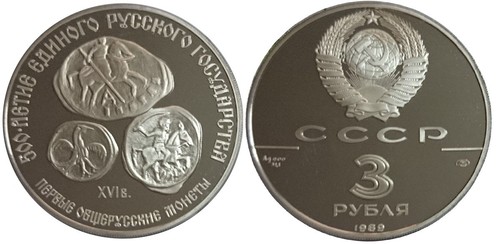
3 Roubles (First All-Russian Coins)
Soviet 1982 commemorative 3 Roubles honoring the first all-Russian coins, showing three historical 18th-century Russian coins with the state emblem reverse.
Commemorative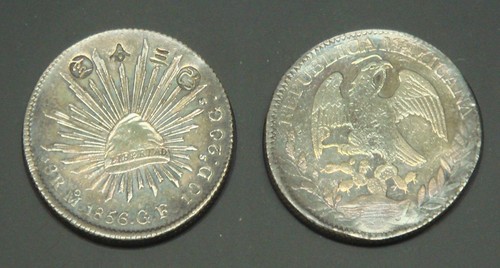
Aratame Sanbu Sadame
A round silver-colored coin with a coiled dragon and the inscription Aratame Sanbu Sadame on one face and a radiating sun on the other, dated 1859.
Historic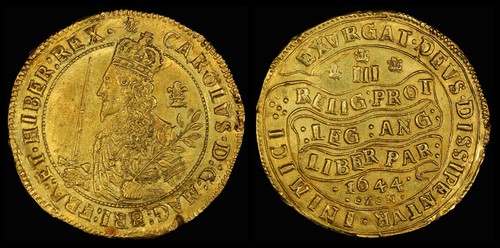
Triple Unite
The largest English hammered gold coin, struck for Charles I during the Civil War and valued at 60 shillings (three pounds).
Hammered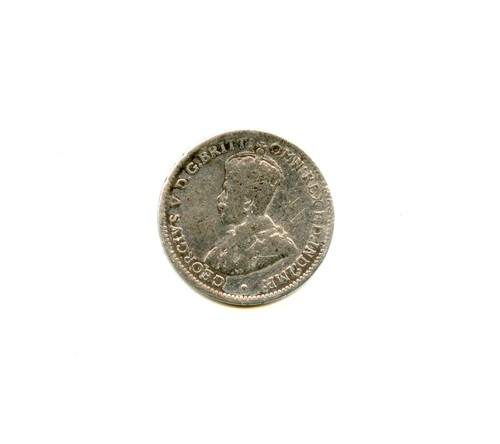
Australian Threepence
Australia's small pre-decimal silver threepence (3d), the country's tiniest coin, struck 1910-1964. The example shown carries a George V portrait.
Australian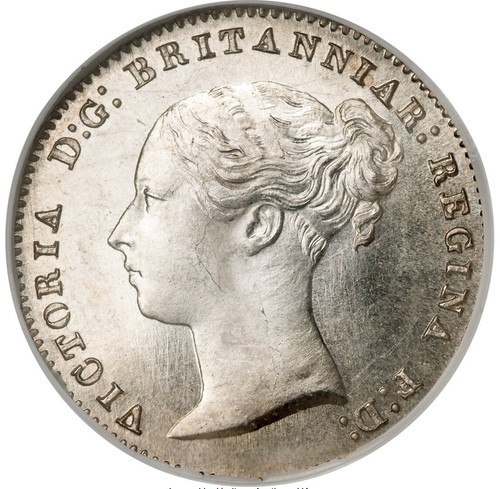
British Silver Threepence
Tiny sterling-silver threepence of Queen Victoria; the young-head type shown here dates to 1858 and is one of Britain's smallest circulating coins.
British Isles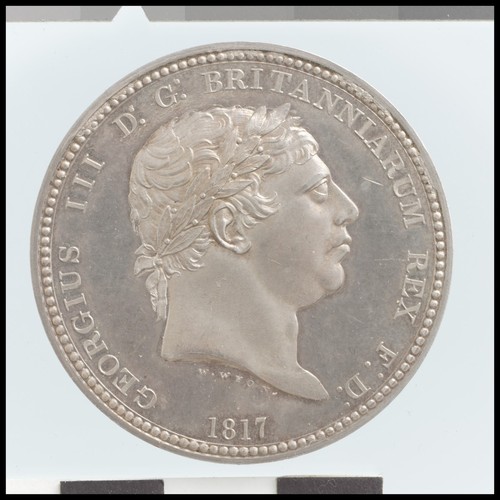
Three Graces Pattern Crown
A celebrated 1817 silver pattern crown of George III, engraved by William Wyon and never issued for circulation — a prized masterpiece of British coinage.
Pattern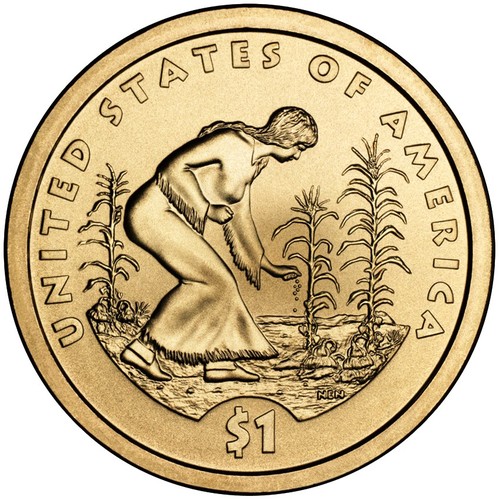
Native American Dollar
U.S. golden dollar with the Sacagawea obverse and a yearly-changing reverse; the 2009 issue shows Native American agriculture and three corn stalks.
Dollar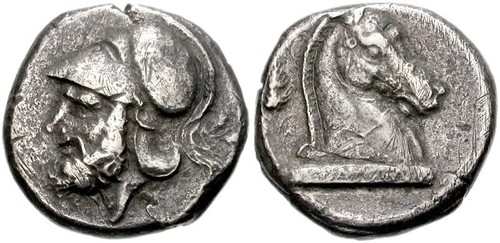
Ancient Greek Didrachm
An ancient Greek silver didrachm worth two drachms, here with a bearded male head and a horse-and-rider reverse in the tradition of Magna Graecia.
Ancient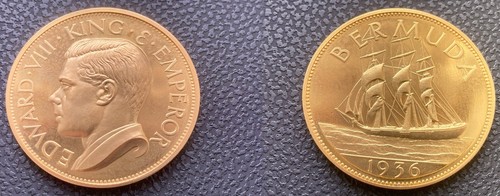
Bermuda Edward VIII Fantasy Crown
A modern fantasy Bermuda crown dated 1936 with an Edward VIII profile and a three-masted sailing ship; a gold-plated novelty, not an official coin.
Fantasy Issue