
Coin Encyclopedia
Search and identify coins from around the world — with country, denomination, metal, mint, history, and how to tell them apart.
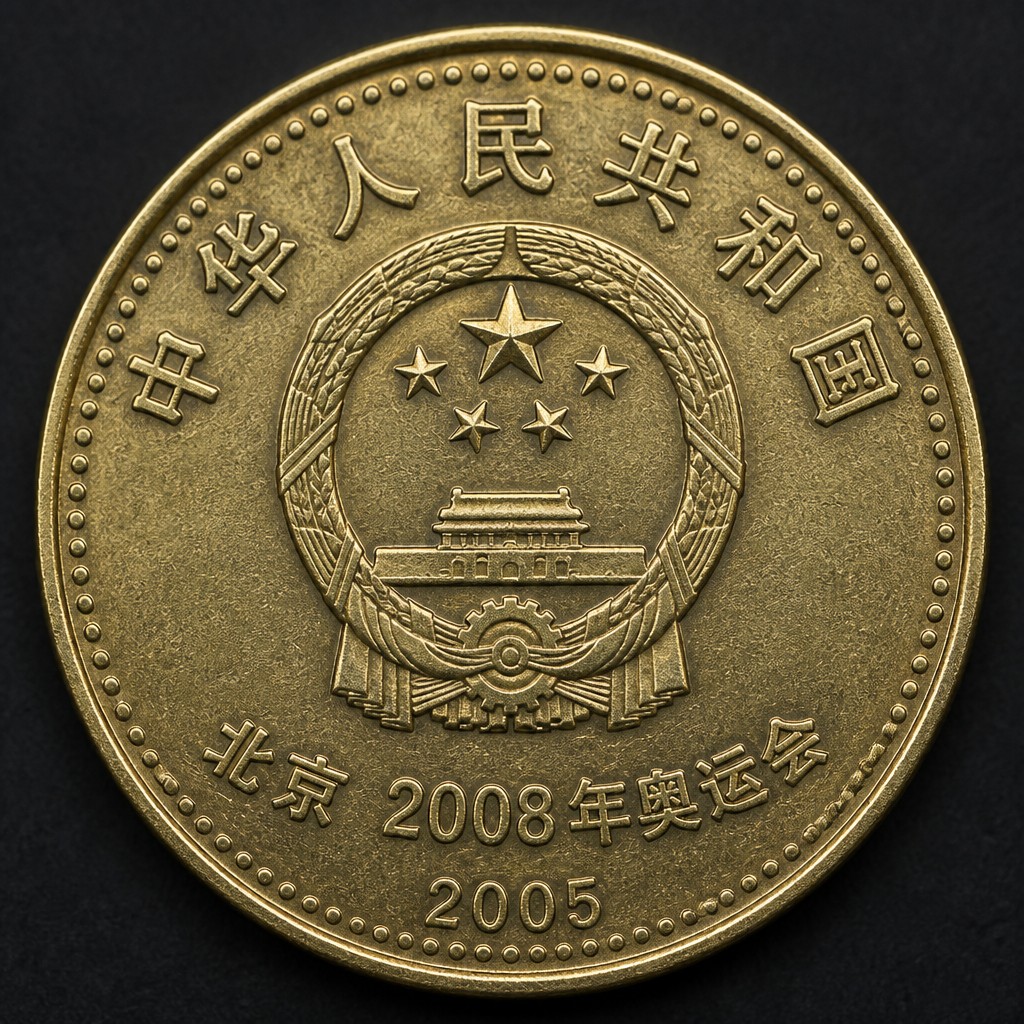
2008 Beijing Olympics Commemorative Coins
China issued a large multi-year coin program ahead of the 2008 Beijing Olympics, spanning circulating 1 Yuan pieces and extensive gold and silver proof series depicting Olympic sports and Beijing landmarks.
Commemorative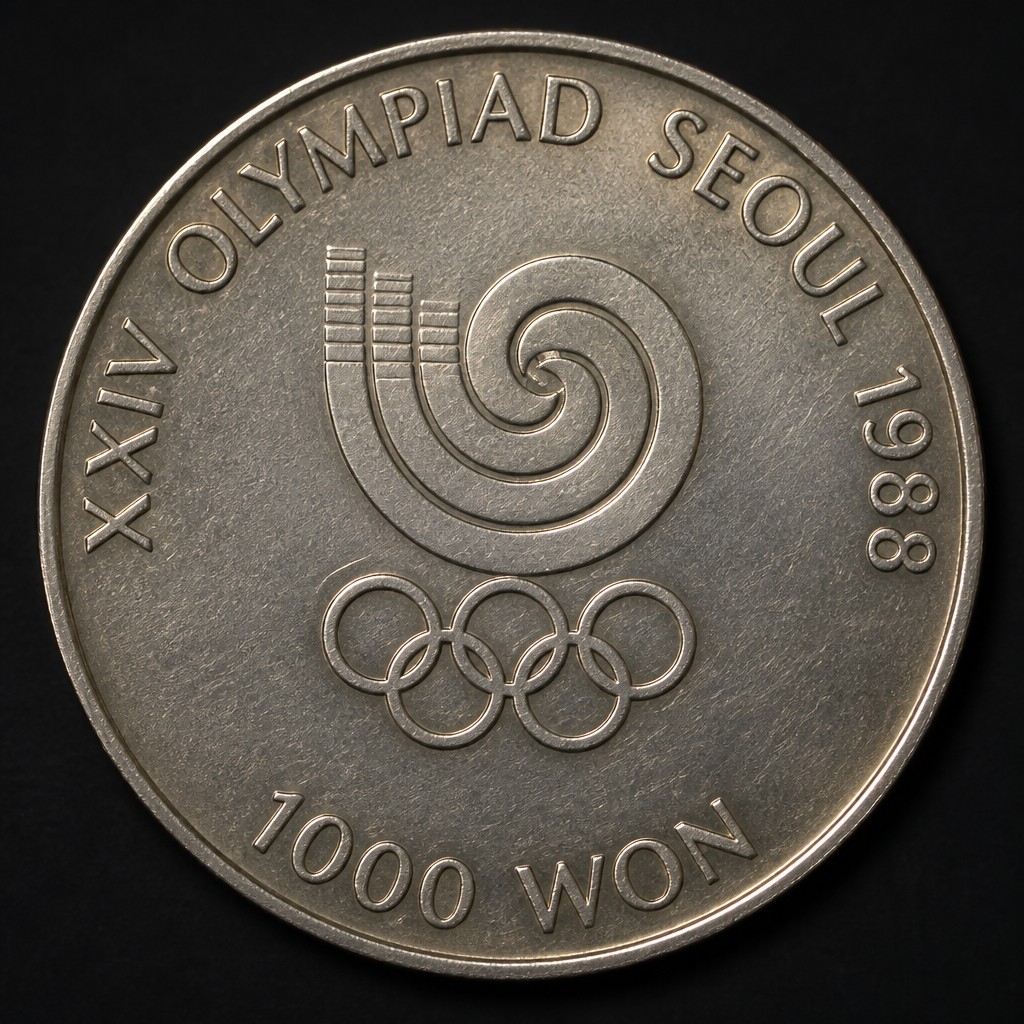
1988 Seoul Olympics Coins
South Korea issued a multi-metal coin program for the 1988 Seoul Summer Olympics, ranging from circulating cupronickel coins to gold and silver collector pieces featuring mascots and sporting themes.
Commemorative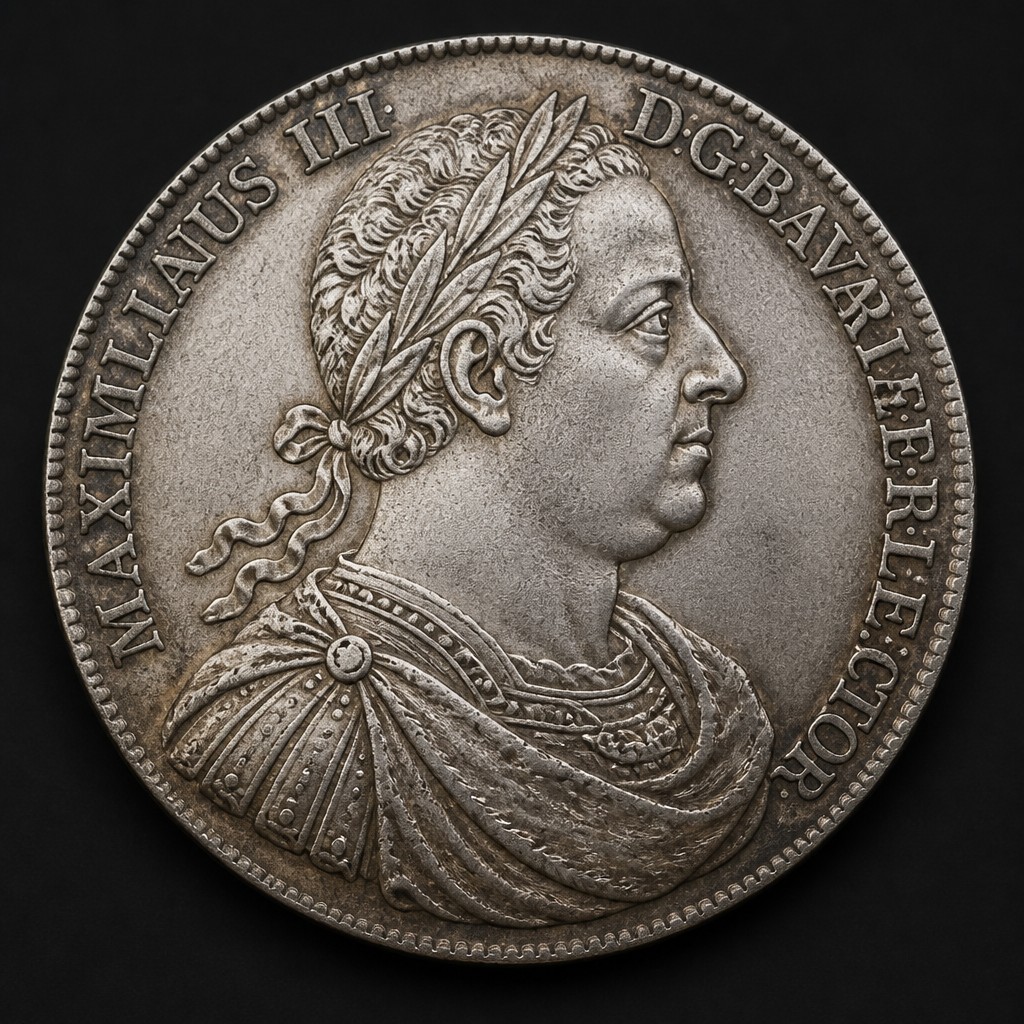
Bavaria Thaler
The historic large silver coin of Bavaria, struck across centuries by its electors and kings, capturing the state's political and artistic history until Germany's currency unification in the 1870s.
European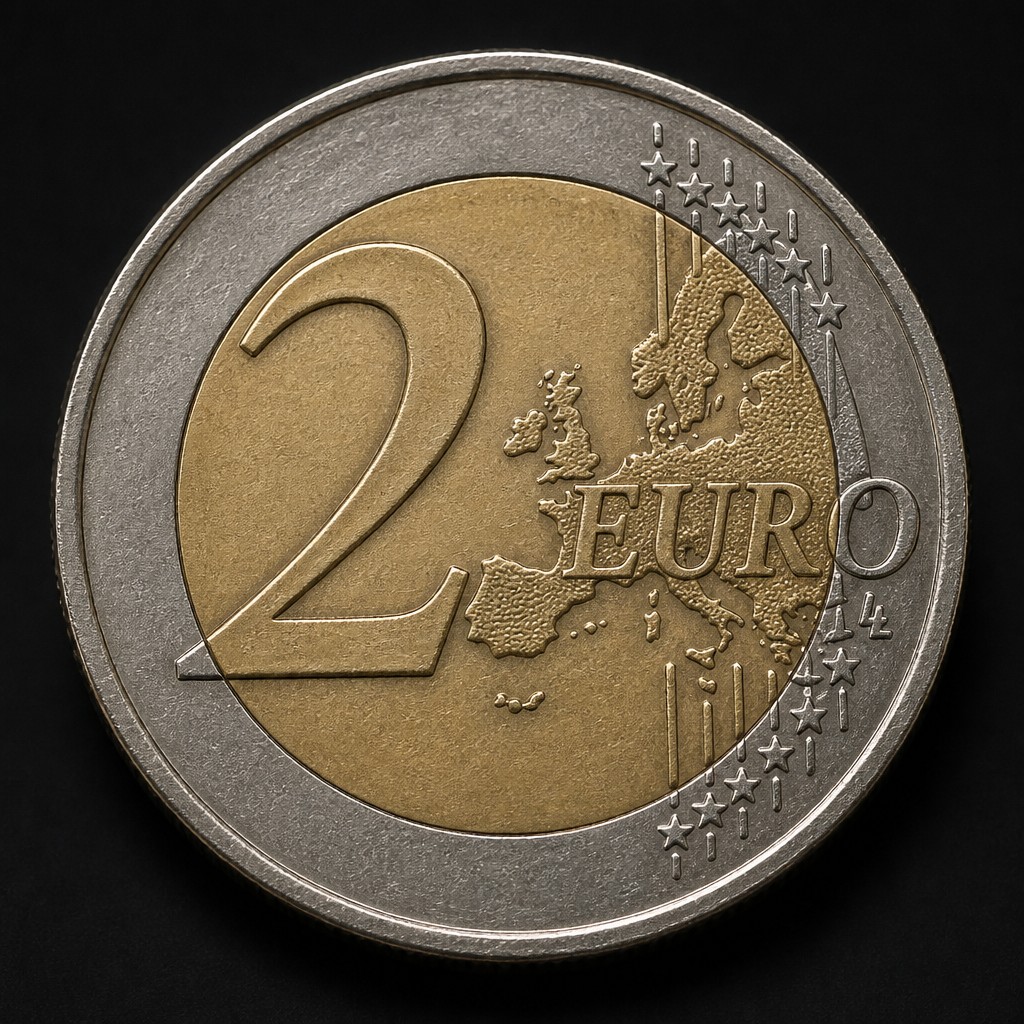
2 Euro Coin
The highest-denomination circulating euro coin, with a silver-colored center inside a gold-colored ring, widely used by member states to issue popular commemorative designs collected across Europe.
European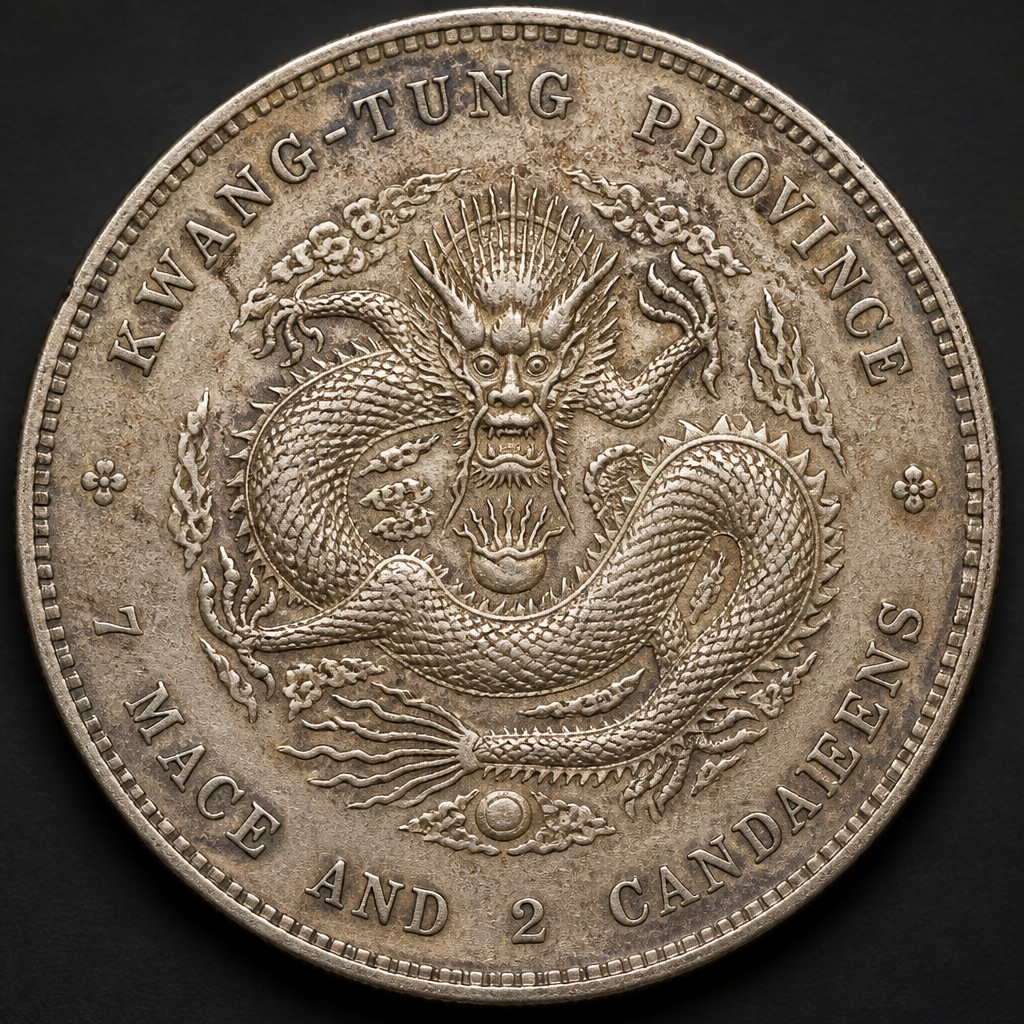
Chinese Silver Dragon Dollar (Kwangtung Province)
One of China's earliest machine-struck silver dollars, produced by Kwangtung province in the late Qing dynasty with an imperial dragon design, a pioneering issue other provinces soon imitated.
Asian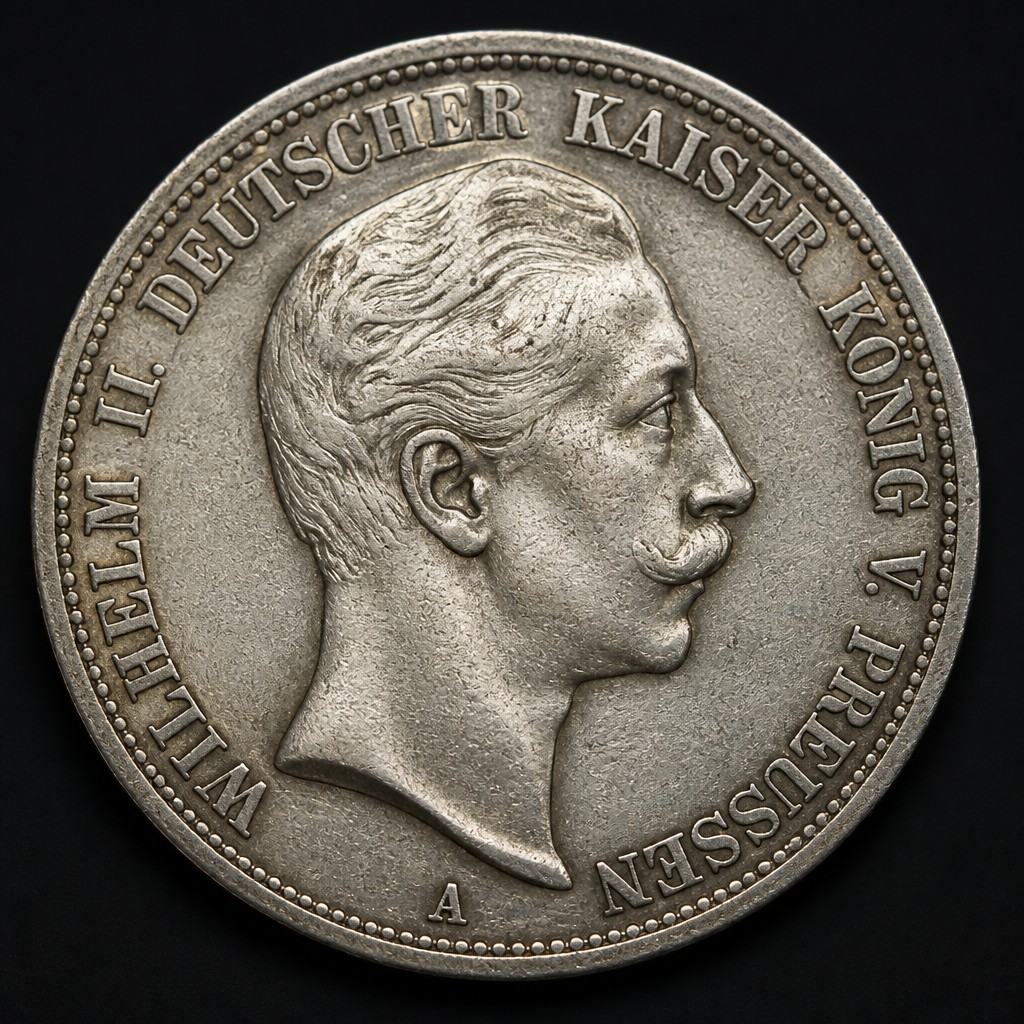
German 5 Mark Silver (Kaiserreich)
The 5 Mark was the largest circulating silver coin of the German Empire, issued by numerous constituent states and free cities, each with its own portrait or design under a common imperial system.
European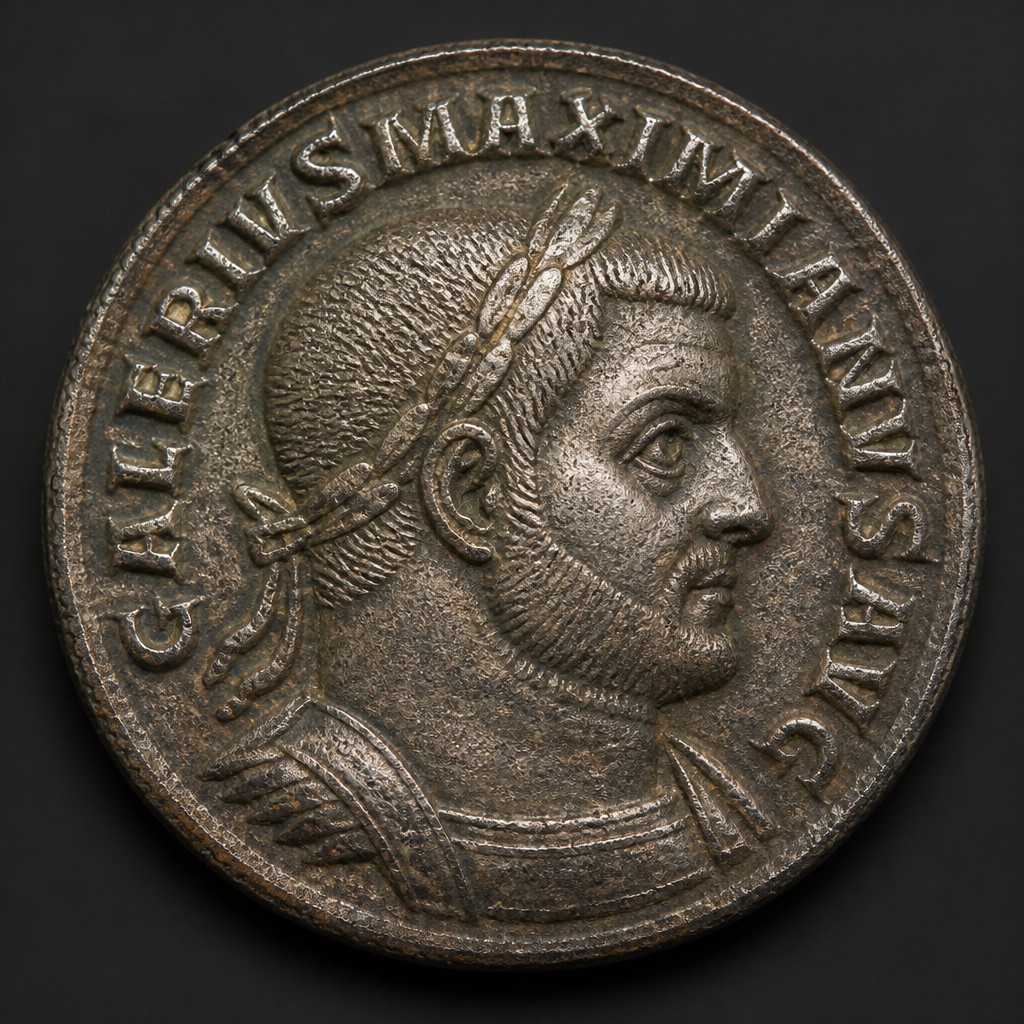
Galerius Follis
Reform-era bronze follis of Galerius, Caesar and later Augustus of the eastern Tetrarchy, remembered for early persecution of Christians and his later Edict of Toleration issued just before his death.
Ancient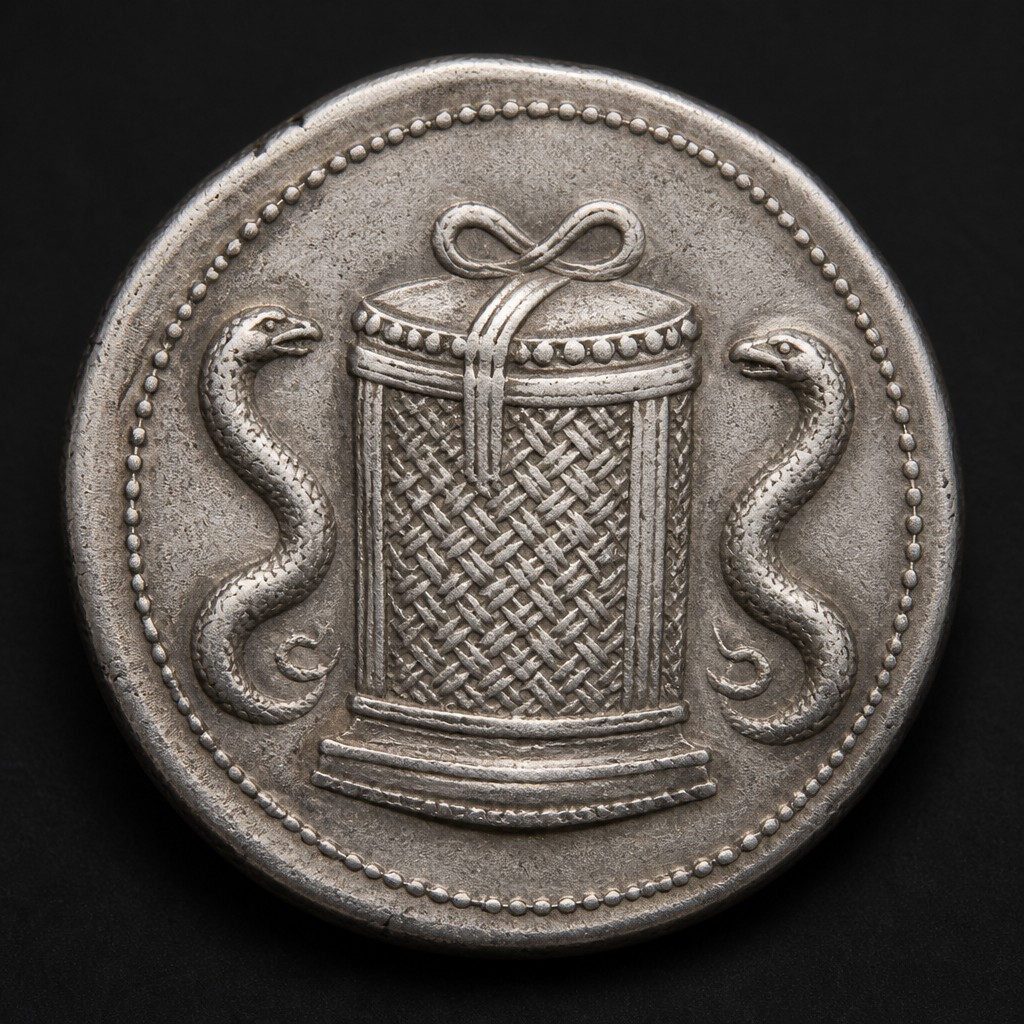
Pergamon Cistophoric Tetradrachm
A reduced-weight Hellenistic silver coin introduced by the Attalid kings of Pergamon, named for the sacred cista mystica chest depicted on the obverse and later adopted throughout Roman Asia.
Ancient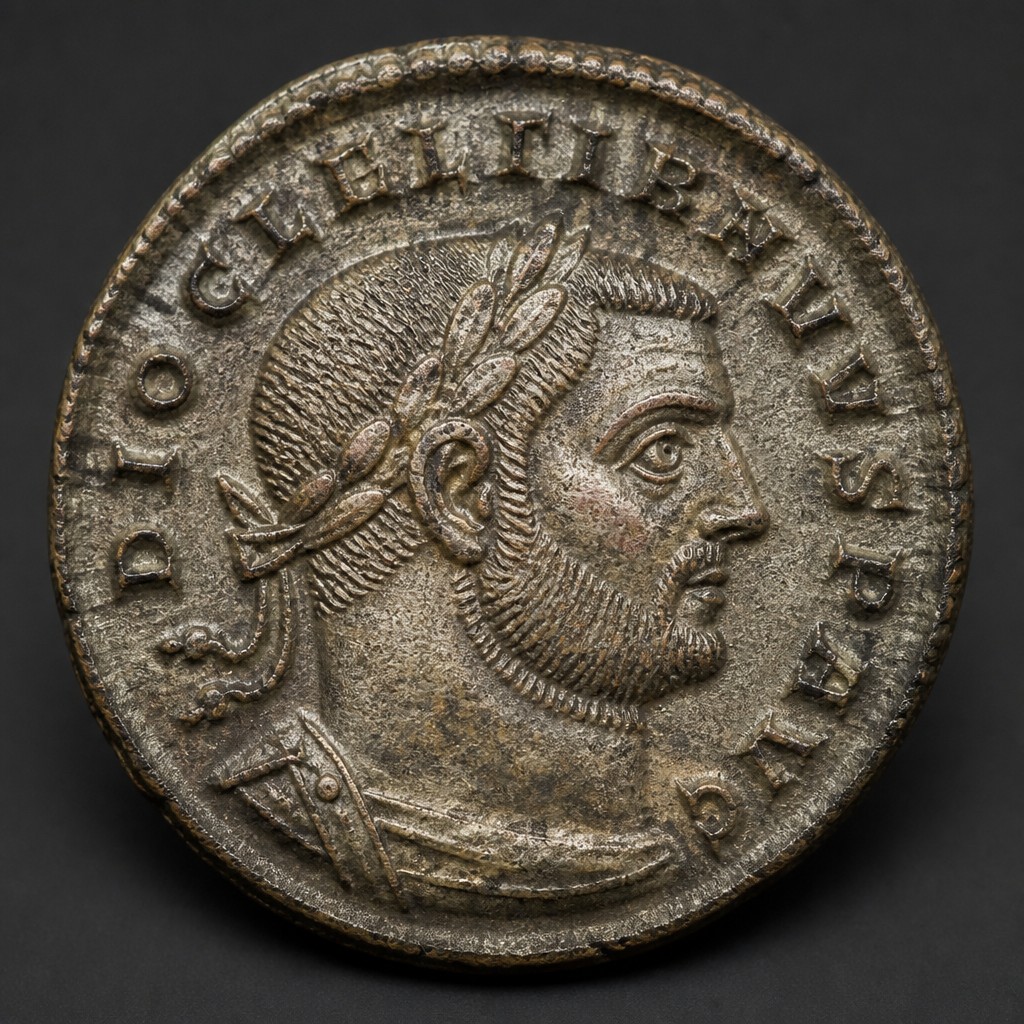
Diocletian Follis
Large bronze follis of Diocletian, whose sweeping reforms ended the Crisis of the Third Century, established the Tetrarchy, and introduced this new standardized coin denomination in 294 AD.
Ancient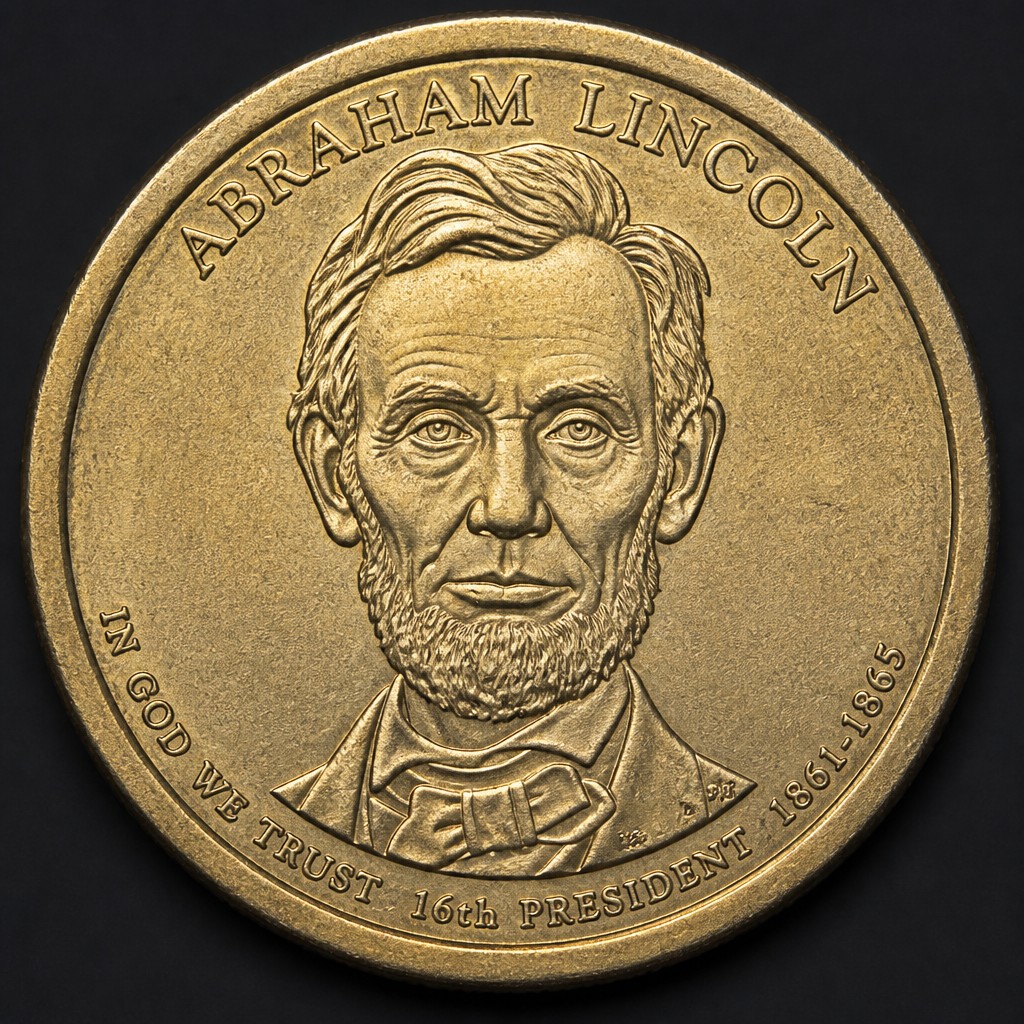
Presidential Dollar - Abraham Lincoln
A Presidential Dollar honoring Abraham Lincoln, released in 2010 during the bicentennial period of his birth, featuring his portrait and the series' distinctive incused edge lettering.
United States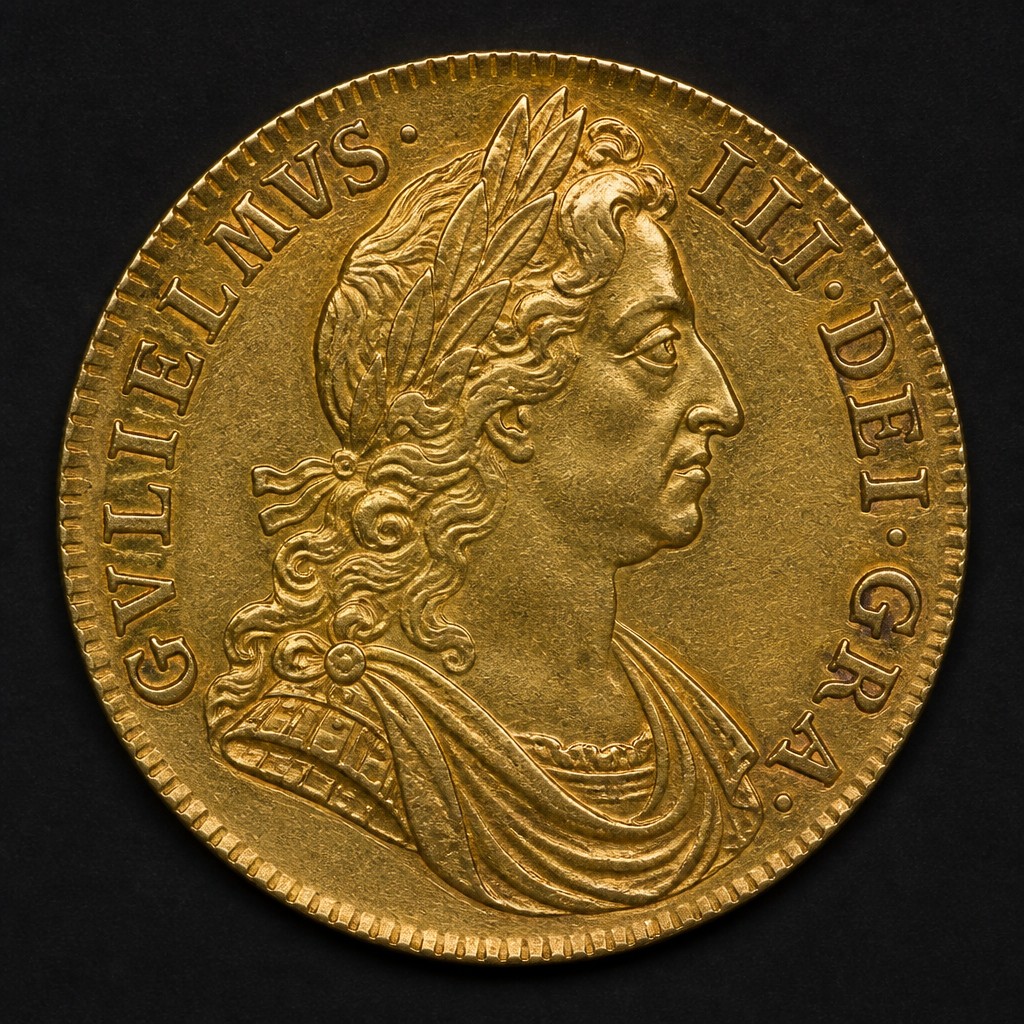
Five Guinea
The largest regularly issued gold denomination of the guinea coinage system, worth five guineas, struck from the reign of Charles II through George II for major transactions and presentation purposes.
British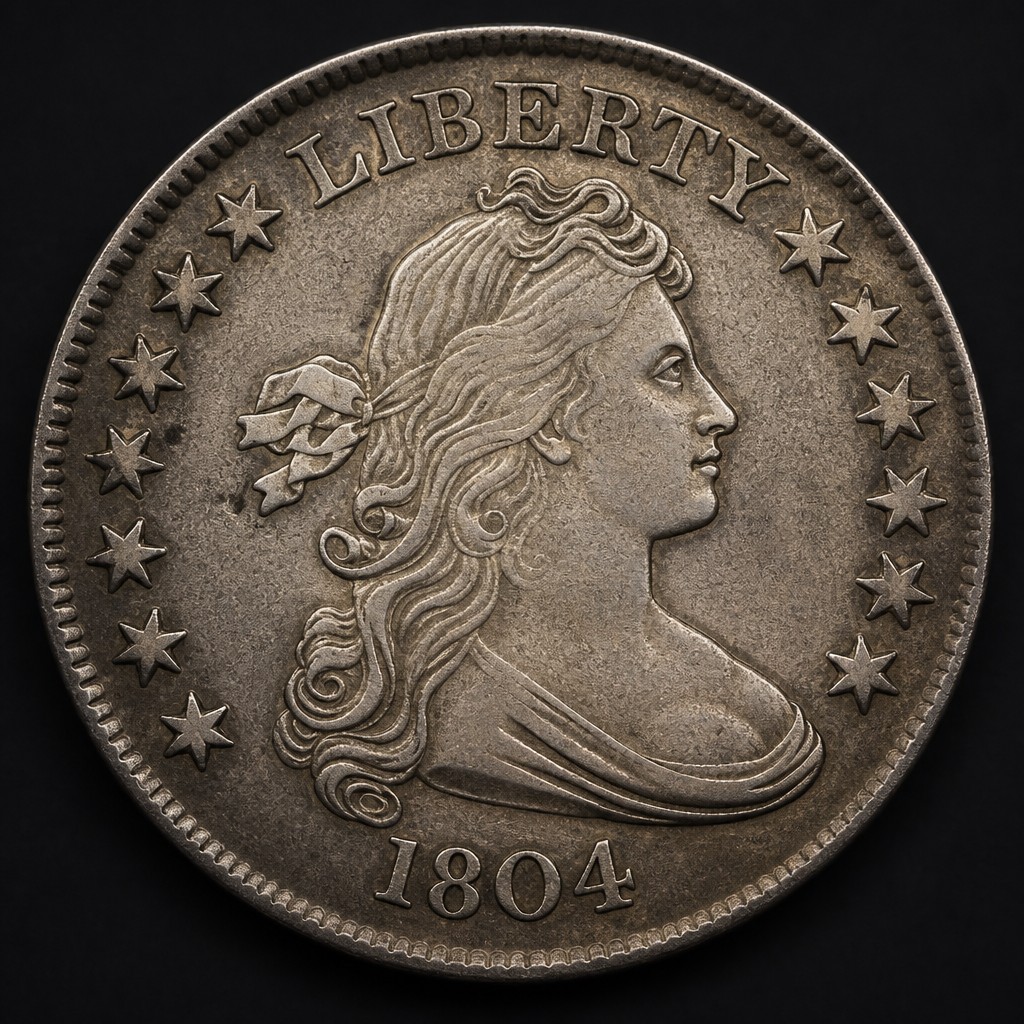
1804 Draped Bust Quarter
The key date of the short Draped Bust, Heraldic Eagle quarter series, the 1804 issue had a very small original mintage and ranks among the rarest and most valuable early United States quarters in any condition.
United States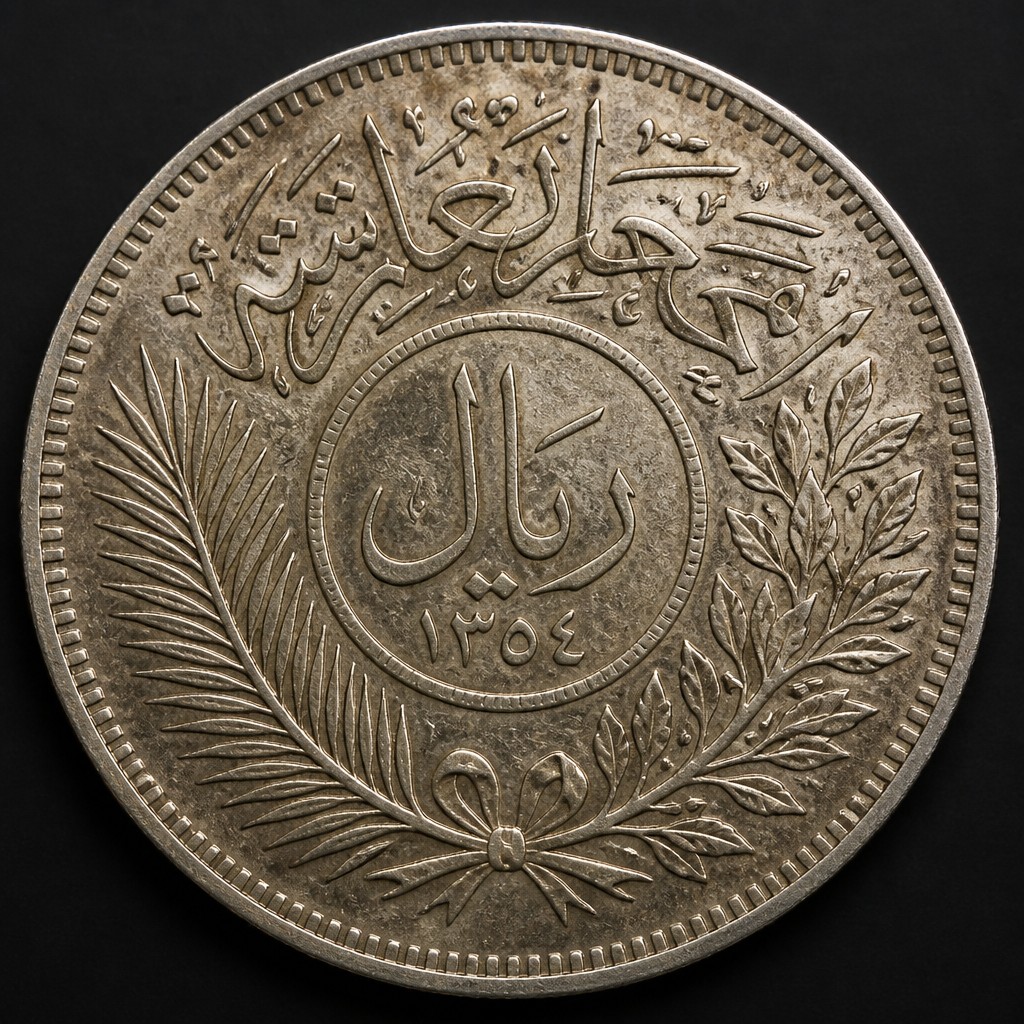
Saudi Arabian Riyal (silver)
The standardized silver riyal introduced by King Abdulaziz to unify the currency of the newly formed Kingdom of Saudi Arabia, featuring Arabic inscriptions and national emblems without a ruler's portrait.
Asian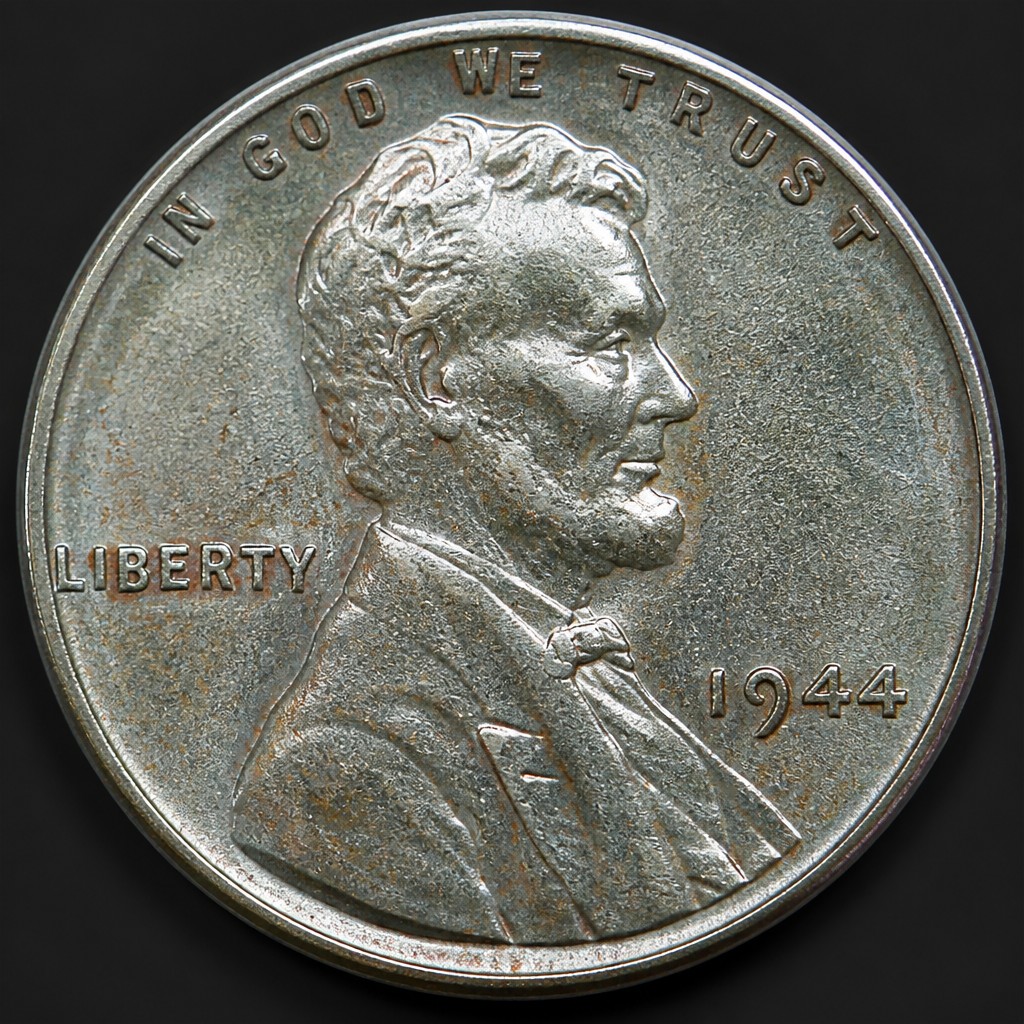
1944 Steel Lincoln Cent
A scarce transitional error in which a small number of 1944 cents were struck on leftover steel planchets after the Mint had already returned to bronze, the mirror-image counterpart to the famous 1943 copper cent.
Errors & Varieties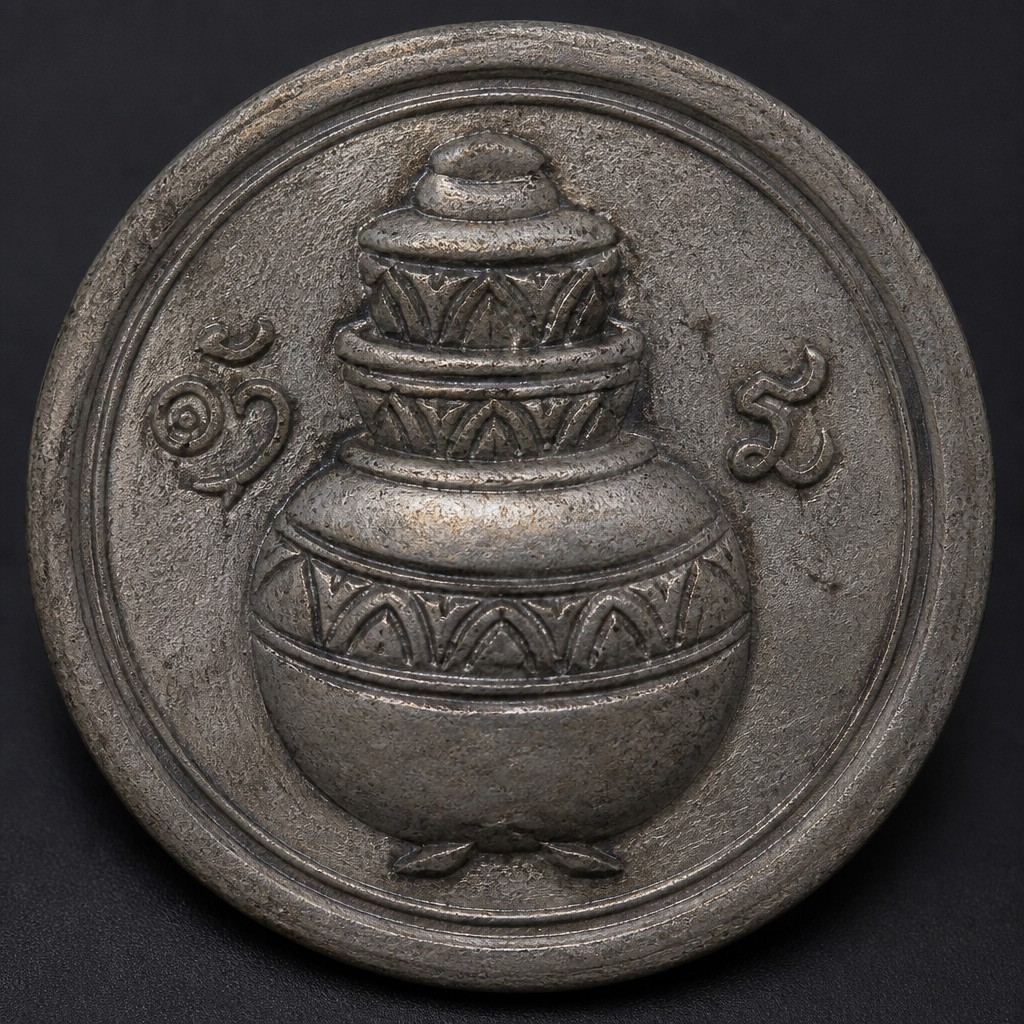
Siam Tin Pot Duang / Porcelain Gambling Token
Two related forms of traditional Siamese small change: tin versions of the bent bullet-shaped pot duang currency, and porcelain gambling tokens used informally as local currency in Chinese-run gaming houses.
Asian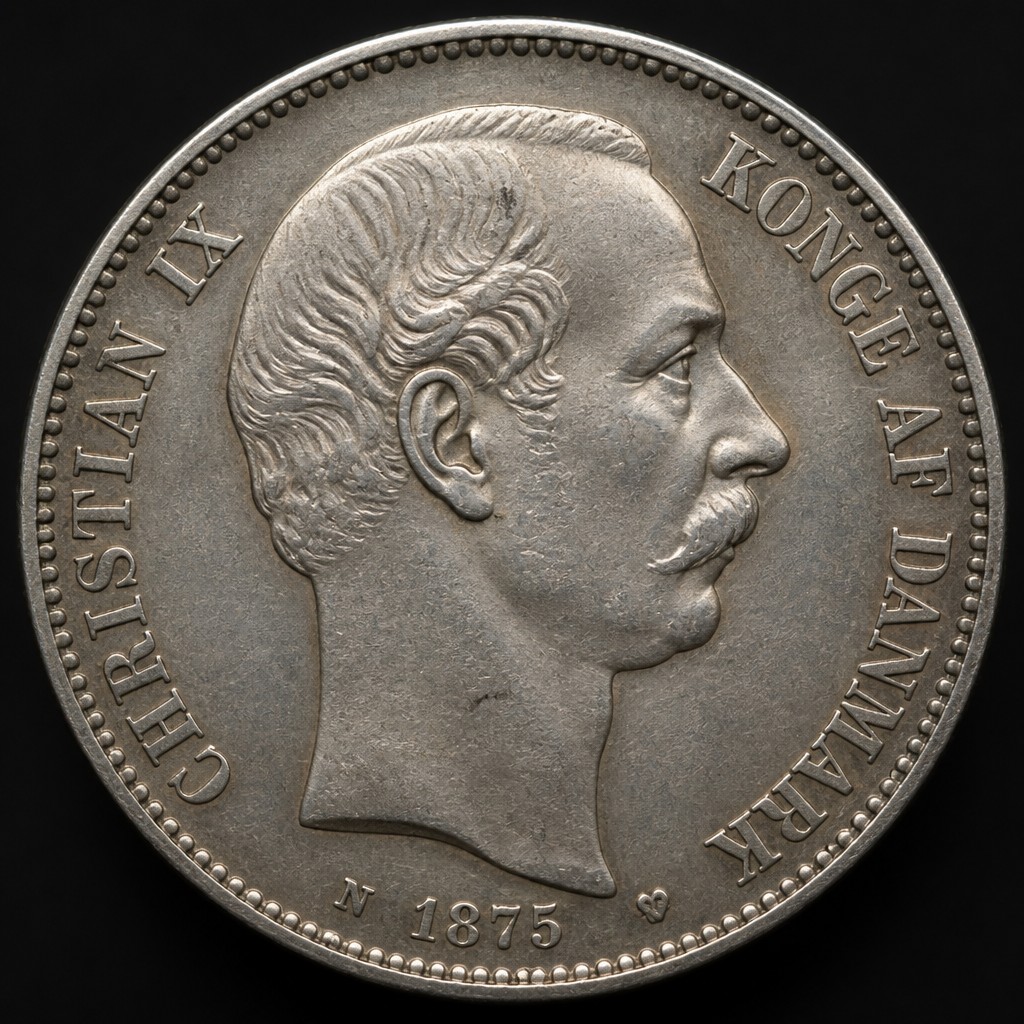
Danish Krone
The krone has been Denmark's national currency unit since 1875, issued in silver historically and base metals today, consistently featuring the reigning Danish monarch's portrait or monogram.
European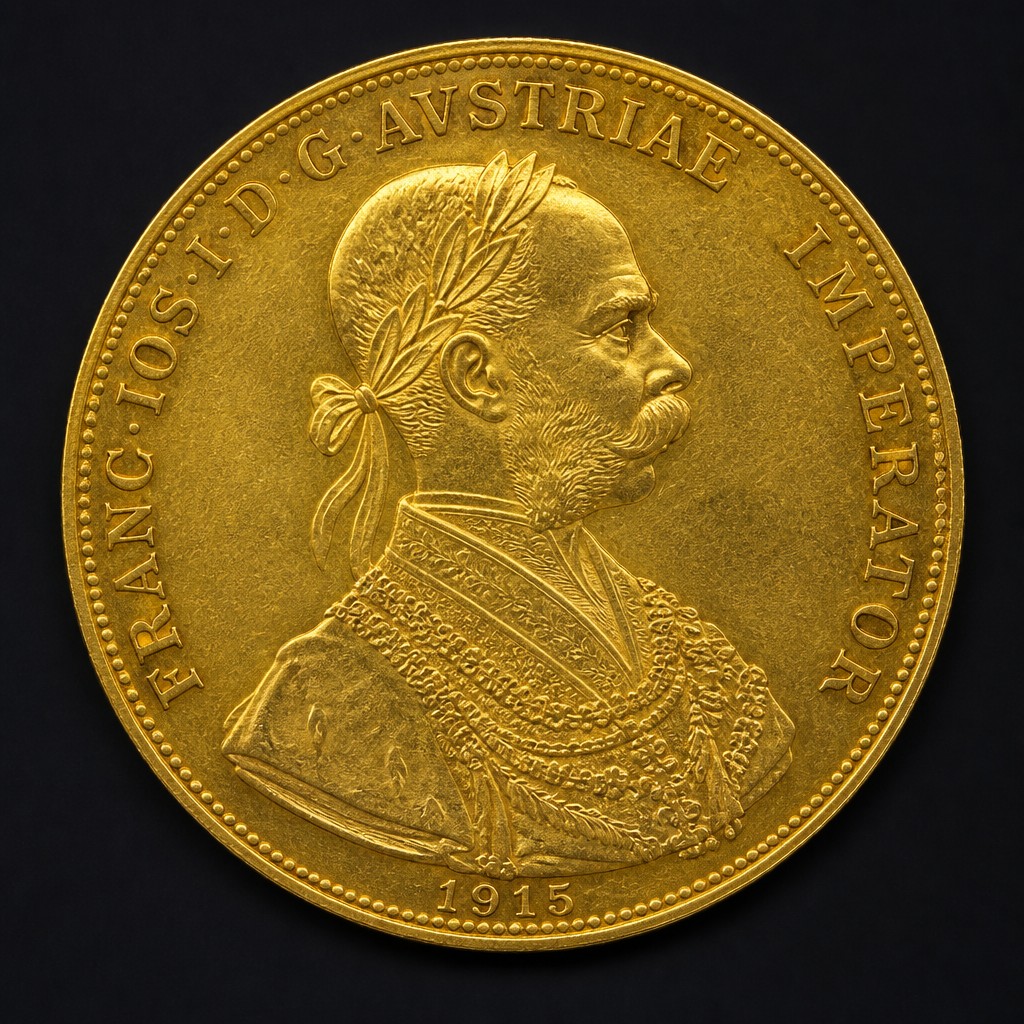
Austrian 4 Ducat Gold
The Austrian 4 Ducat is a large, high-purity gold coin historically used for trade and hoarding, best known today through the officially restruck 1915-dated pieces still produced for the bullion market.
European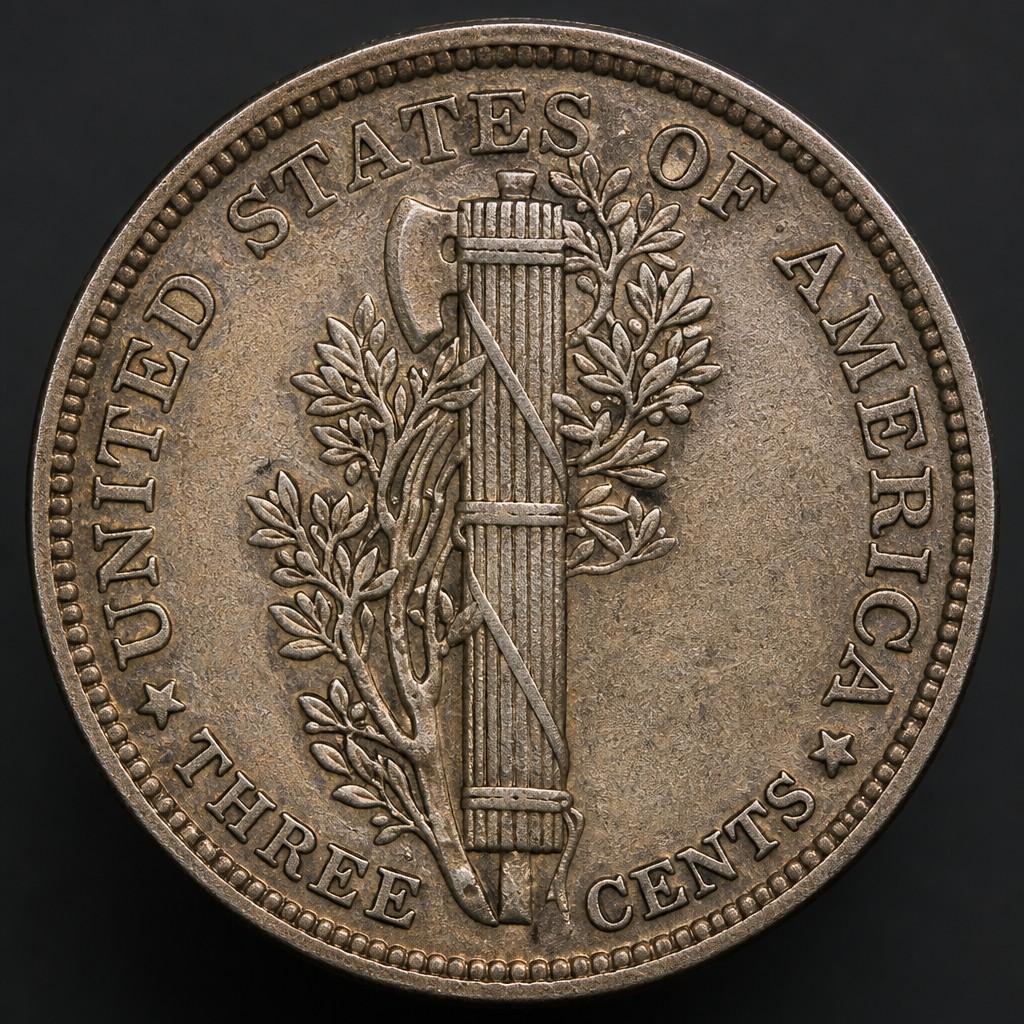
Fasces Three-Cent Nickel
A nickname sometimes applied to the copper-nickel Three-Cent Piece of 1865-1889, whose reverse wreath-and-numeral design is occasionally likened to classical fasces imagery from early pattern experiments.
United States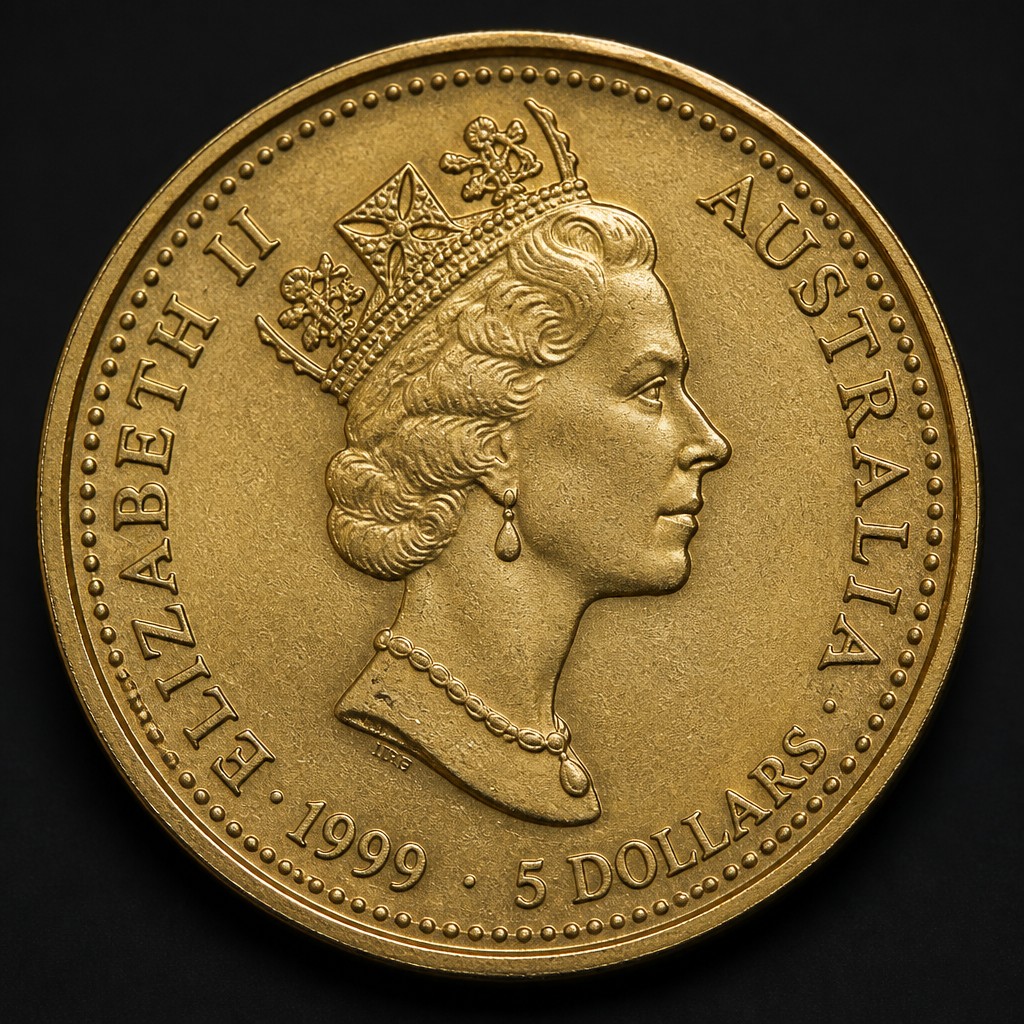
2000 Sydney Olympics Coin Series
The Royal Australian Mint issued one of the largest circulating commemorative coin programs ever produced for a single Olympics, featuring numerous $5 designs alongside premium silver and gold proof coins for the Sydney 2000 Games.
Commemorative