
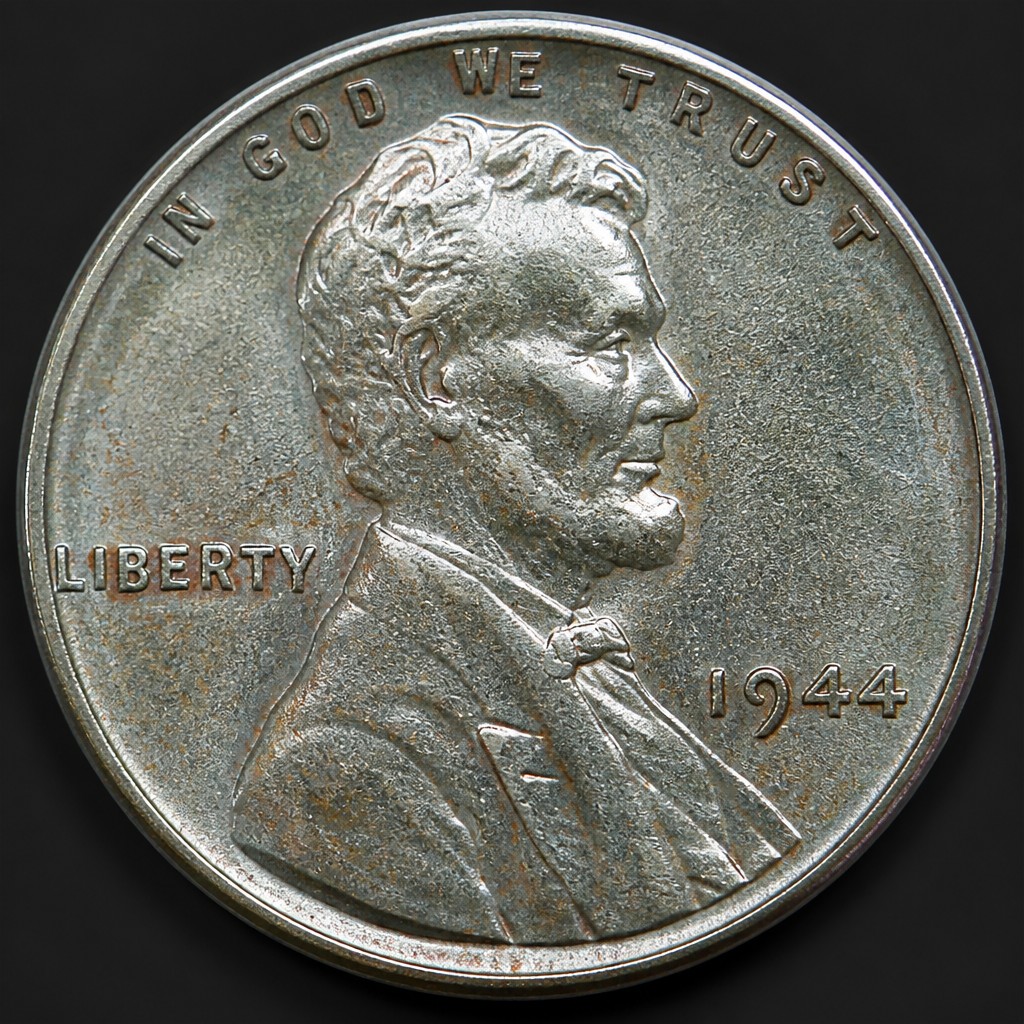
1944 Steel Lincoln Cent
A scarce transitional error in which a small number of 1944 cents were struck on leftover steel planchets after the Mint had already returned to bronze, the mirror-image counterpart to the famous 1943 copper cent.
- Country
- United States
- Denomination
- 1 cent
- Metal
- Zinc-coated steel
Got a coin like this?
Identify any coin from a photo, free.
Overview
After using zinc-coated steel planchets for cents in 1943 to conserve copper, the US Mint returned to a bronze-like alloy in 1944, this time made partly from recycled shell casings. A small number of leftover steel planchets from 1943, however, remained in the presses and were struck with 1944 dies, creating an off-metal error coin.
The 1944 steel cent is essentially the reverse scenario of the 1943 bronze cent: instead of a copper coin appearing among steel ones, a steel coin appears among coins that should be copper-colored. It is considerably rarer in absolute terms than the regular 1944 cent but has historically traded for less than the 1943 bronze error, since public and market attention has focused more heavily on the earlier coin.
The coin's story is a natural extension of wartime metal shortages and the imperfect changeovers that sometimes occur when a mint switches planchet stock mid-production.
History & Background
In 1944, with copper supplies less constrained, the Mint resumed striking Lincoln cents in a bronze-toned alloy, using metal partly reclaimed from spent artillery shell casings. Small numbers of steel planchets left over from the prior year's production evidently remained in the coining machinery and were struck with the new 1944 dies at more than one mint facility.
These steel-on-1944-dies errors were not immediately recognized, surfacing gradually as collectors examined circulated cents in subsequent decades. Because genuine examples are known from multiple mints, the error appears to have occurred independently at different facilities rather than as an isolated incident.
Today the 1944 steel cent is recognized in numismatic references as one of the classic transitional errors of the Lincoln cent series, valued both for its rarity and its connection to the same wartime production changes that created the 1943 bronze cent.
How to Identify
Design-wise, the coin is identical to any 1944 Lincoln wheat cent, with Brenner's portrait, LIBERTY, IN GOD WE TRUST, and the date on the obverse, and the wheat ears reverse with ONE CENT and UNITED STATES OF AMERICA.
The telltale sign is color and magnetism: a genuine 1944 steel error will appear silvery-gray rather than copper-toned, and it will be attracted to a magnet, unlike the standard bronze 1944 cent. Many steel cents from this era also show surface rusting or pitting over time since the zinc coating deteriorates.
As with the 1943 bronze cent, weight is a useful check, since steel planchets weigh less than bronze ones. Collectors should be cautious of coins that have simply been plated to mimic the appearance of a steel cent, and authentication by a recognized grading service is advisable for any suspected genuine example.
Value & Collectibility
The 1944 steel cent is a genuinely rare coin, though historically it has traded at somewhat lower prices than the 1943 bronze cent, with well-documented examples realizing substantial five-figure to low six-figure sums depending on mint mark and condition. Values vary significantly by grade and by which mint produced the coin.
Because fakes exist, particularly coins with plating applied to mimic a steel appearance, professional authentication is essential before assigning significant value to any example, and unauthenticated coins should be treated with caution.
Frequently asked questions
What causes a 1944 cent to look silver?
A small number were mistakenly struck on leftover 1943 steel planchets instead of the new bronze alloy adopted in 1944.
Is the 1944 steel cent rarer than the 1943 copper cent?
Both are quite rare, but the 1943 bronze cent has generally attracted more attention and higher prices historically, even though absolute rarity varies by mint.
How do I test if my 1944 cent is steel?
Check if it is attracted to a magnet and compare its weight to a standard bronze cent; steel cents are magnetic and slightly lighter.
Can 1944 steel cents rust?
Yes, because the zinc coating over steel can wear or corrode over time, leading to rust spots on the surface.
Which mints made genuine 1944 steel cents?
Authenticated examples are known from Philadelphia, Denver, and San Francisco, though all are scarce.
Other coins you may enjoy
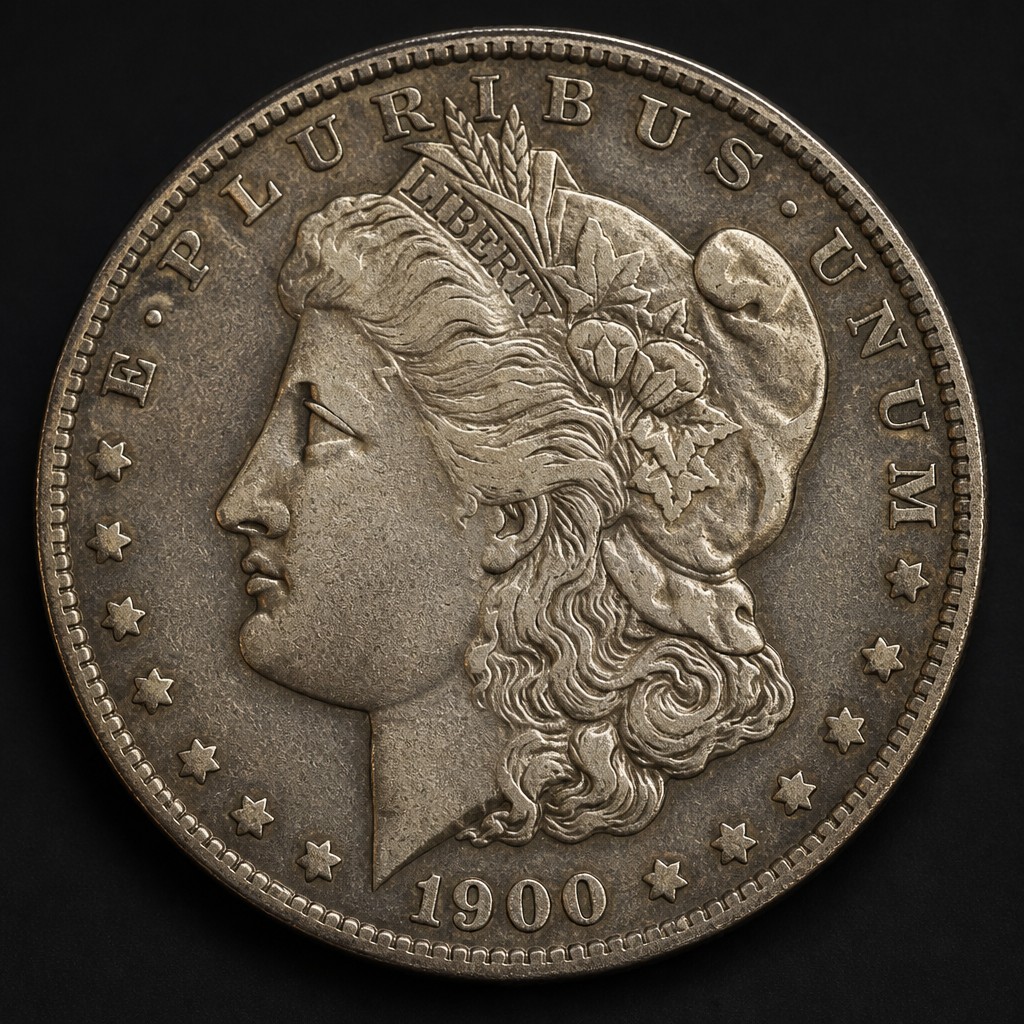
1900-O/CC Morgan Dollar
1900
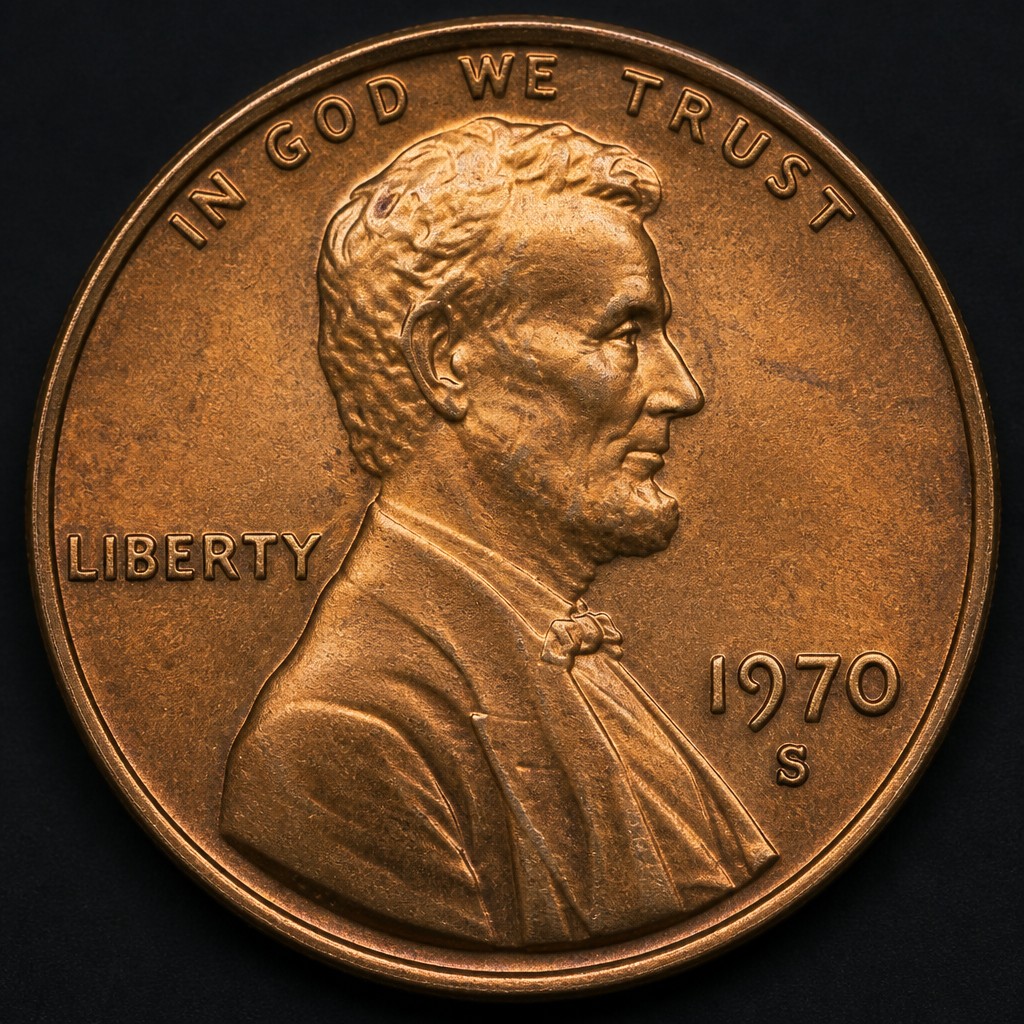
1970-S Small Date Lincoln Cent
1970
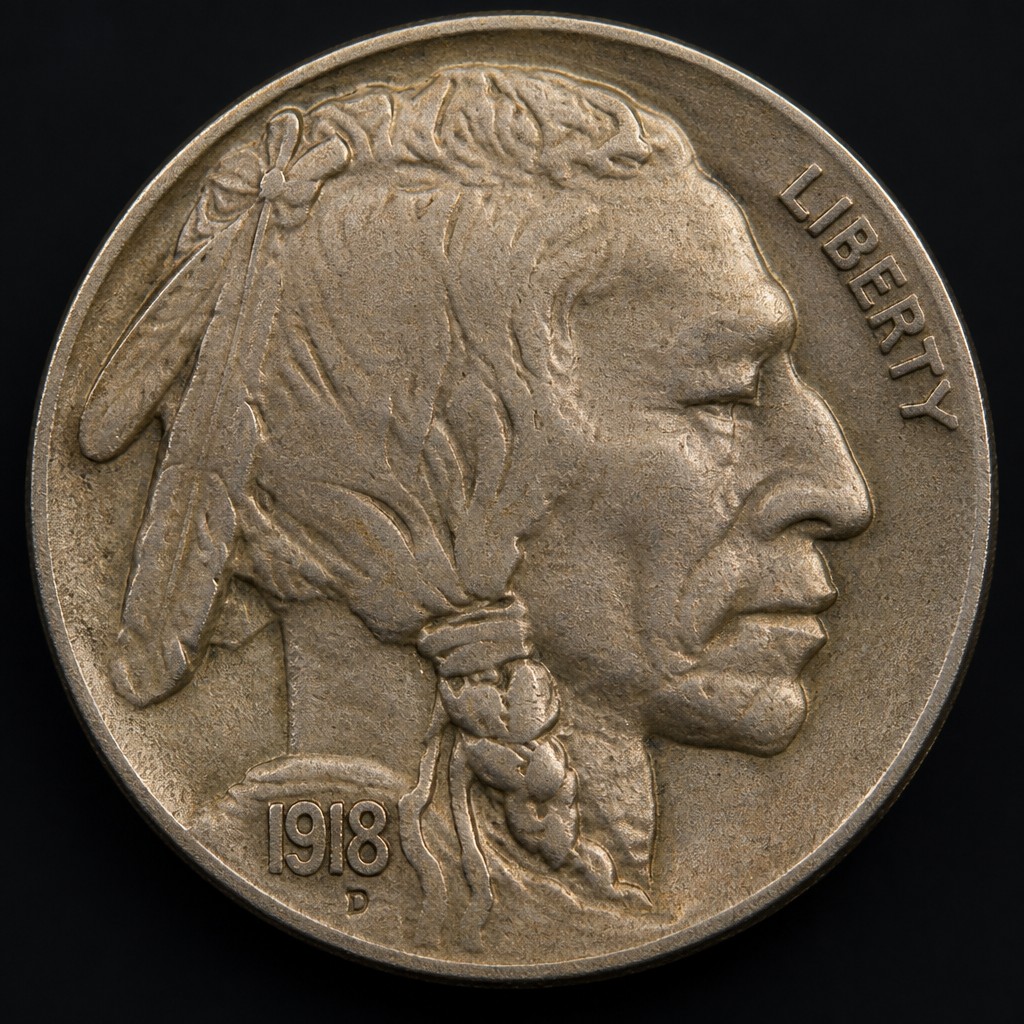
1918/7-D Buffalo Nickel
1918
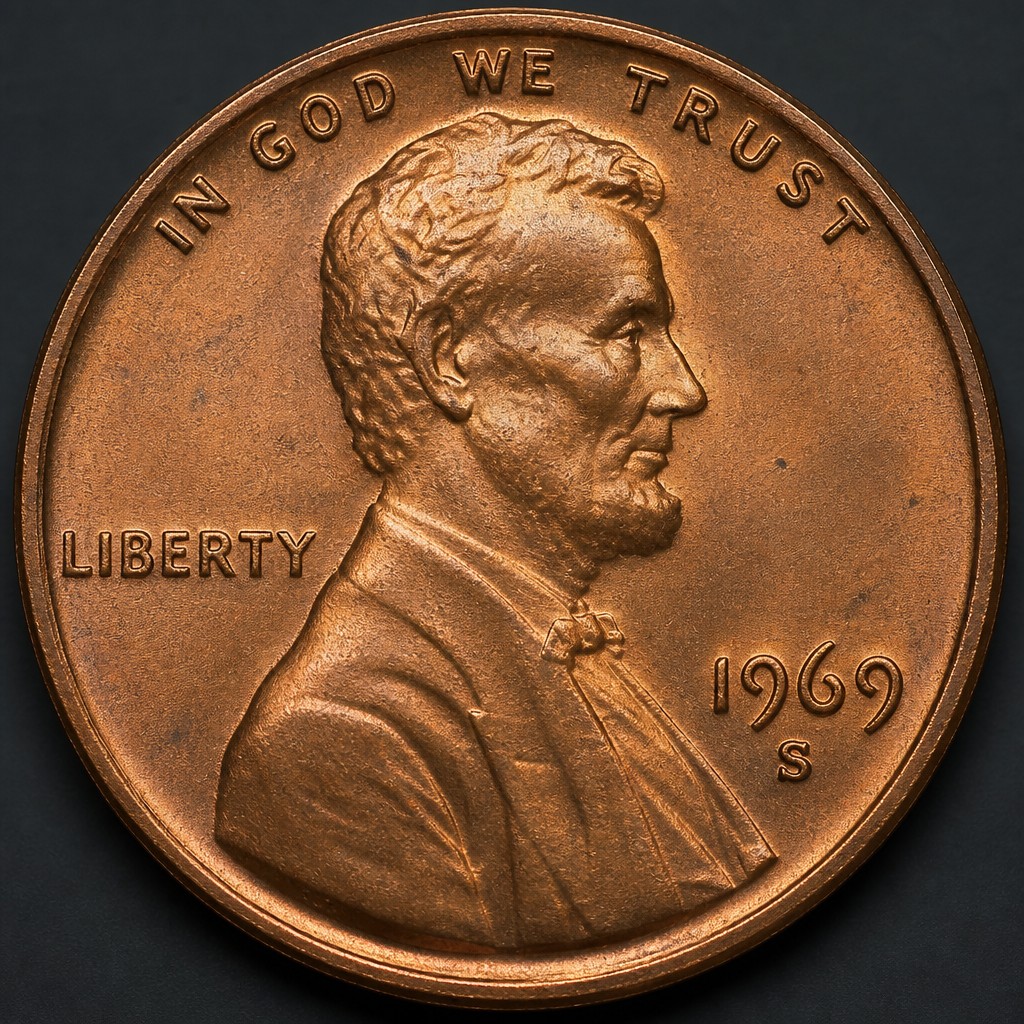
1969-S Doubled Die Obverse Lincoln Cent
1969
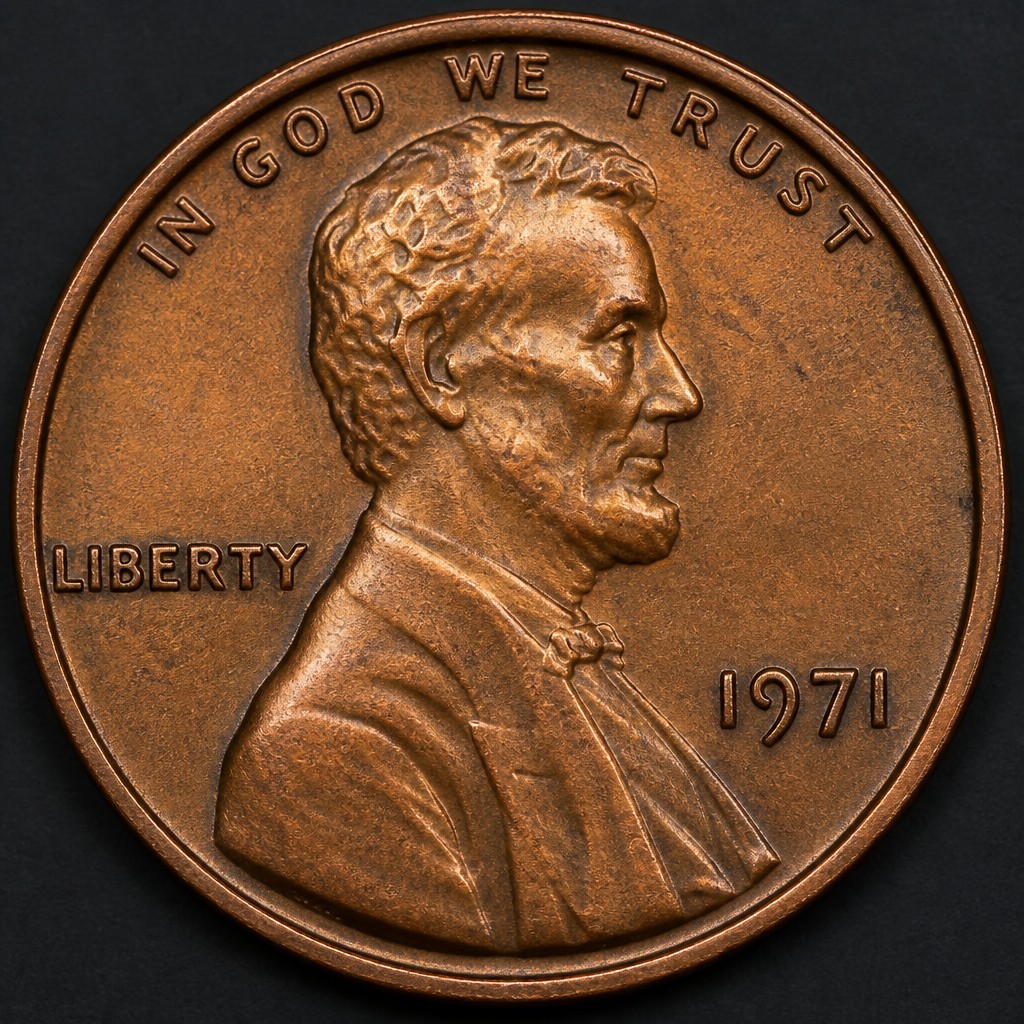
1971 Doubled Die Obverse Lincoln Cent
1971
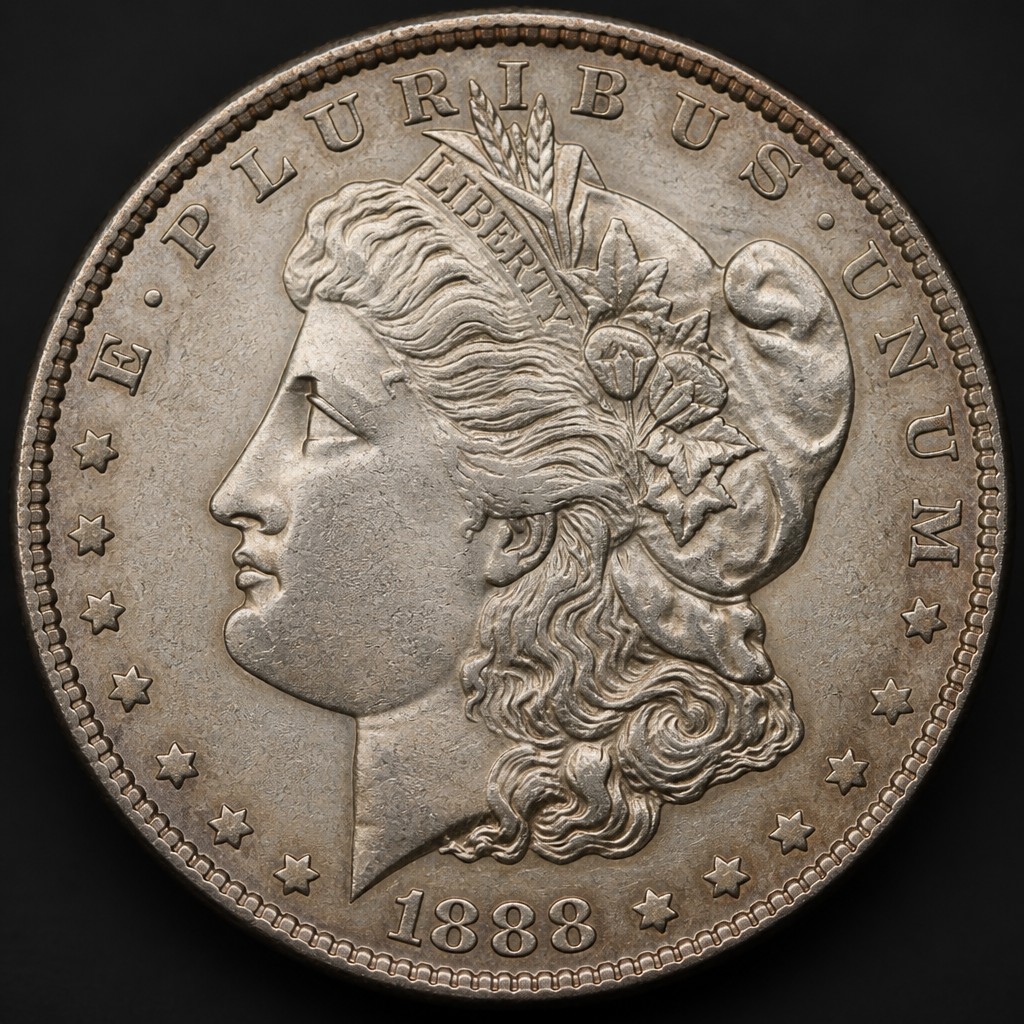
1888/7 Morgan Dollar Overdate
1888
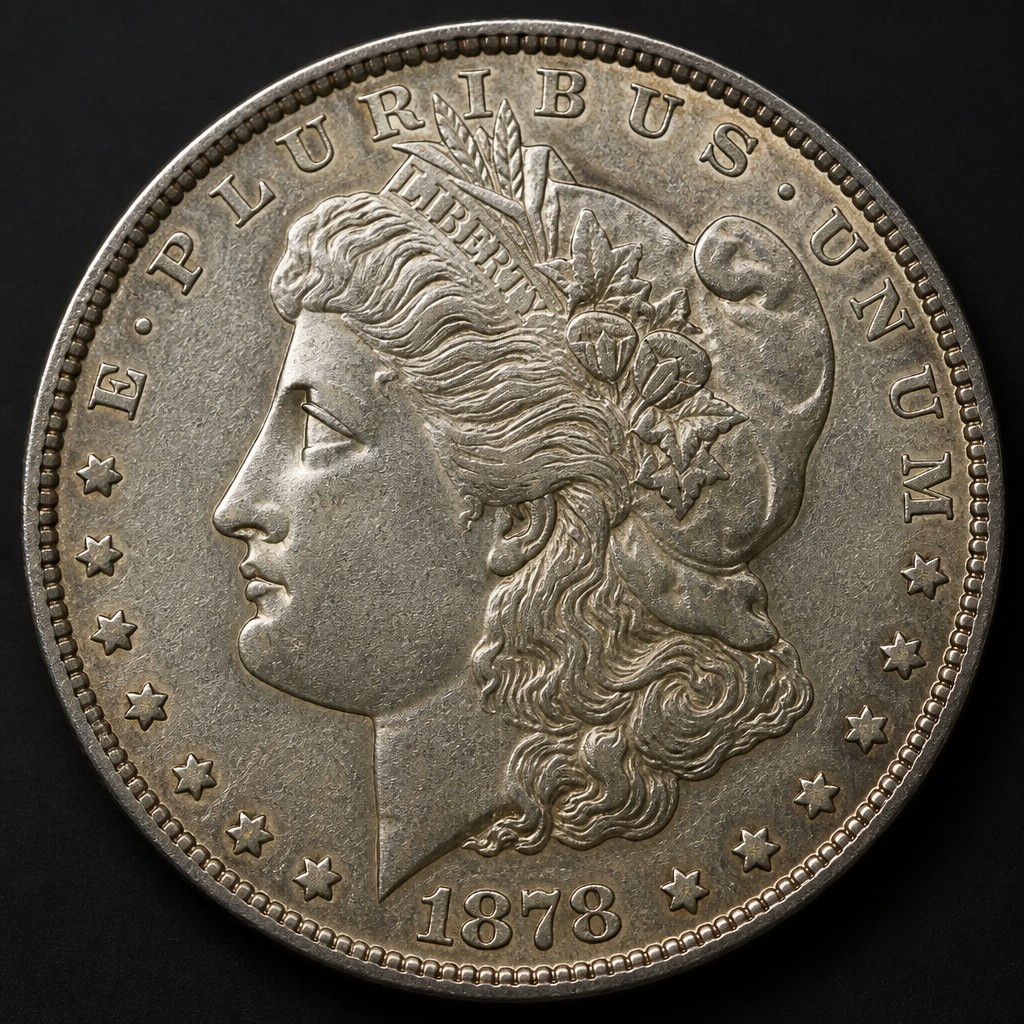
1878 7/8 Tail Feathers Morgan Dollar
1878
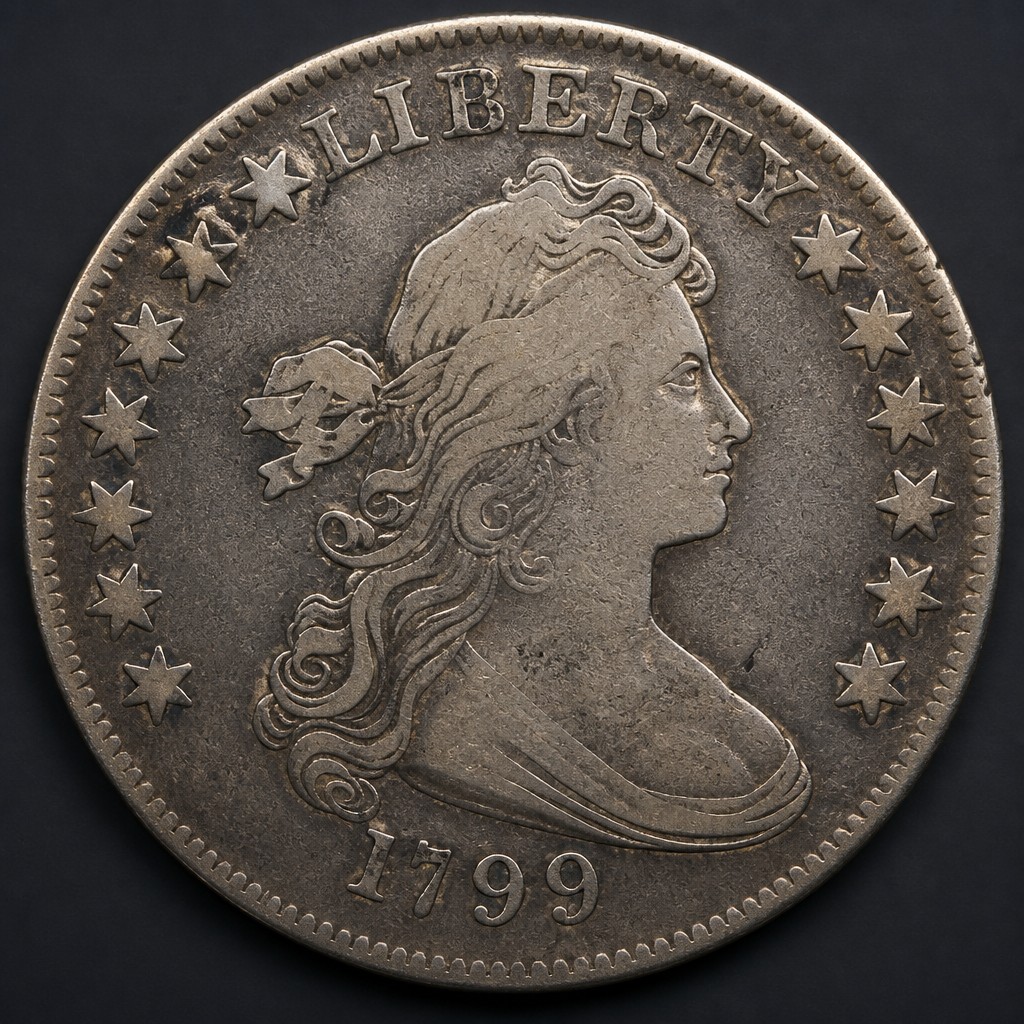
1799/8 Draped Bust Silver Dollar Overdate
1799 (die dated over 1798)
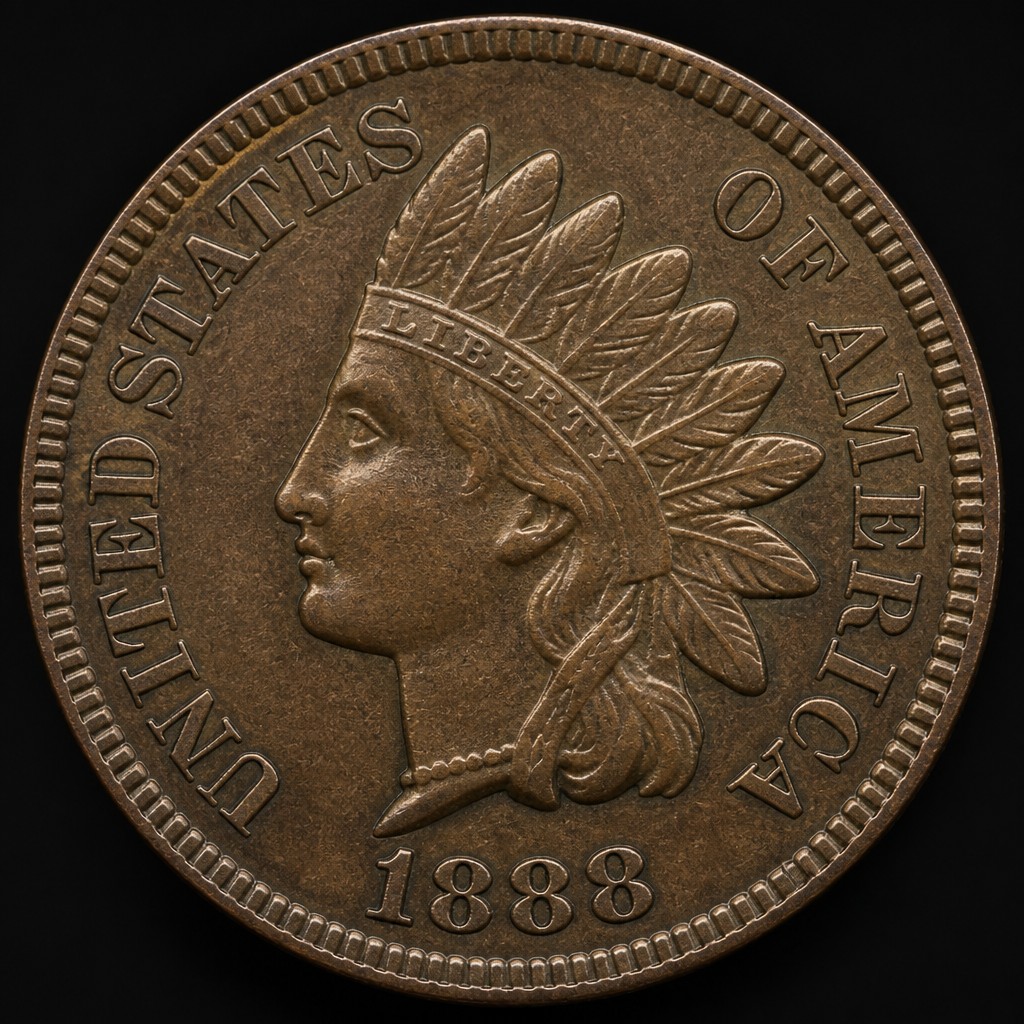
1888/7 Indian Head Cent Overdate
1888
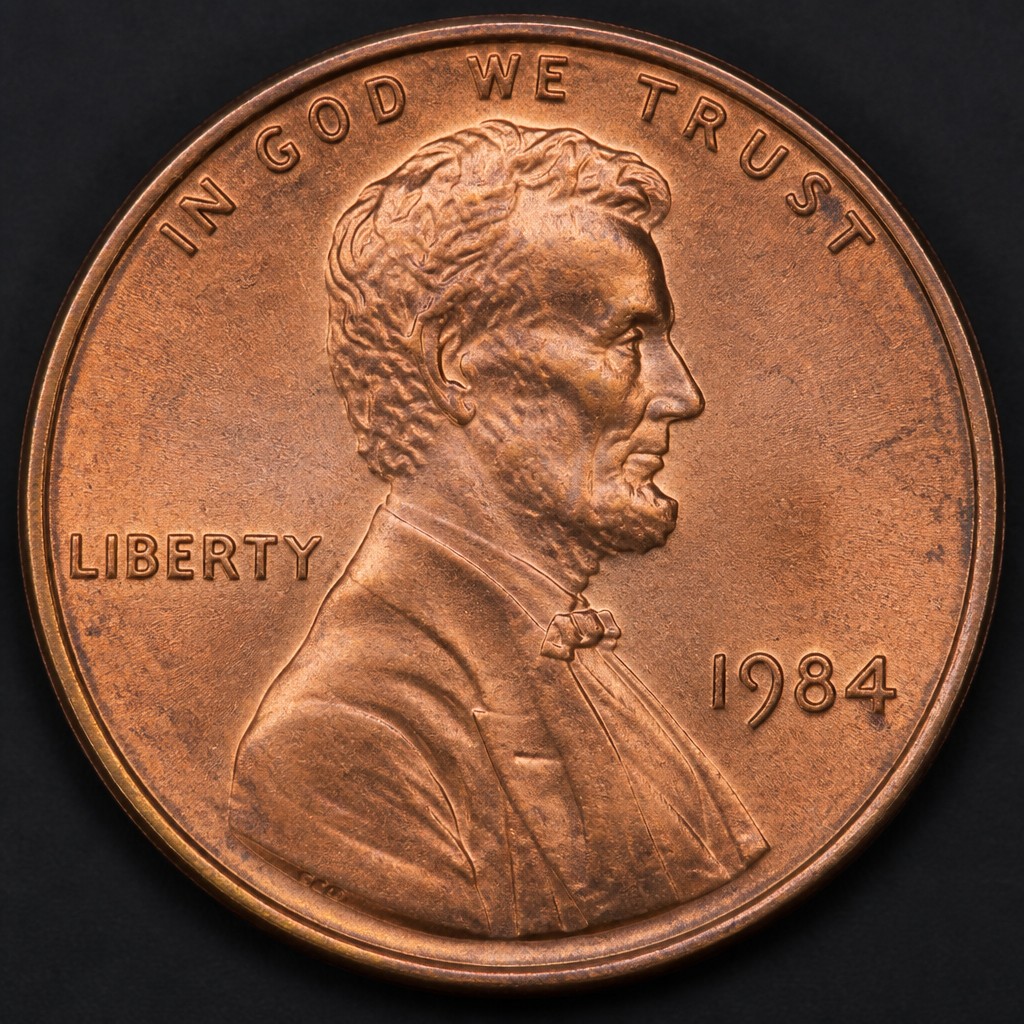
1984 Doubled Ear Lincoln Cent
1984
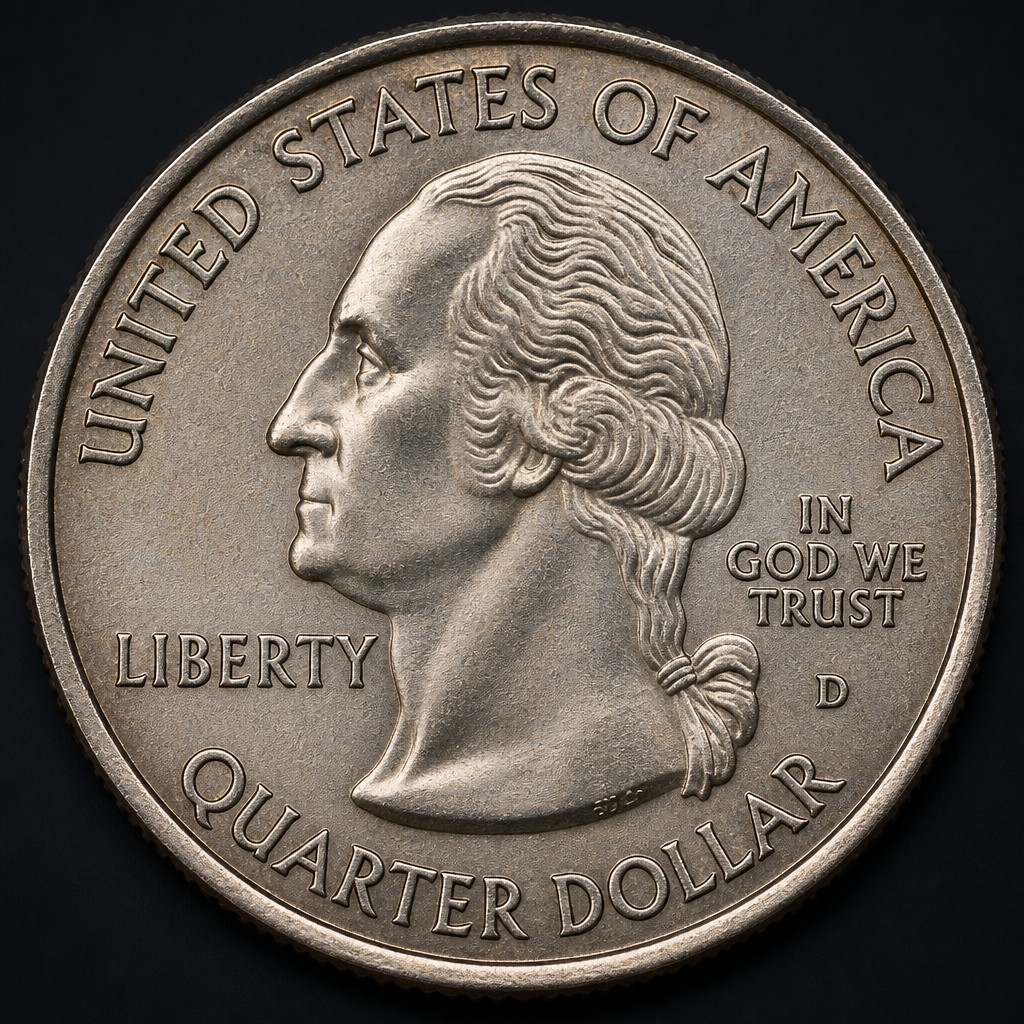
2004-D Wisconsin State Quarter Extra Leaf
2004
1873 Doubled Die Two-Cent Piece
1873