Coin Identifier
Mercury Dime
10 Cents (One Dime)

Mercury Dime

United States · 1945

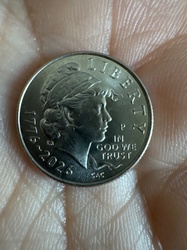
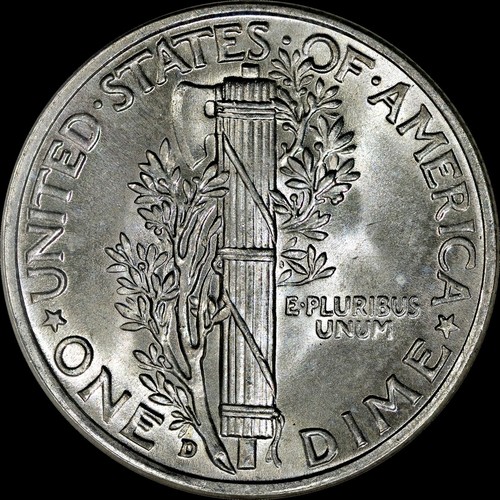
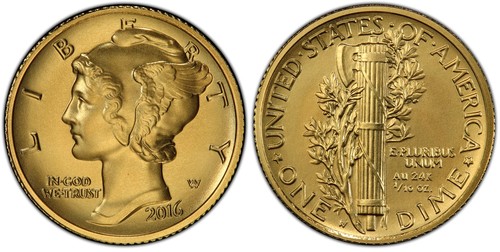
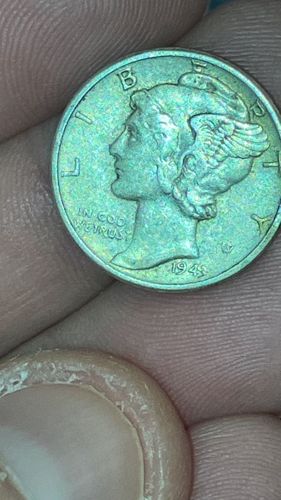
The obverse features a winged liberty head, mistakenly identified as Mercury due to the winged cap, with the inscription 'LIBERTY' above, 'IN GOD WE TRUST' to the left, and the year '1945' below. The reverse, not visible in the provided image, typically depicts a fasces (bundle of rods with an axe) signifying unity and strength, and an olive branch symbolizing peace.

Country
United States
Year
1945
Denomination
10 Cents (One Dime)
Metal
90% Silver, 10% Copper

This report is AI-generated and can be wrong. Always verify grade, authenticity, and value with a qualified dealer or certified grading service before buying, selling, or insuring.

Identified More united states coins →
Explore Mercury Dime in the encyclopedia →

Identify your own coins.

Get a report just like this from any photo, free.

Overview

The obverse features a winged liberty head, mistakenly identified as Mercury due to the winged cap, with the inscription 'LIBERTY' above, 'IN GOD WE TRUST' to the left, and the year '1945' below. The reverse, not visible in the provided image, typically depicts a fasces (bundle of rods with an axe) signifying unity and strength, and an olive branch symbolizing peace.

Historical significance

The Mercury Dime, officially known as the Winged Liberty Head dime, was minted from 1916 to 1945. It was designed by Adolph A. Weinman and is considered one of the most beautiful coin designs in U.S. history. The 1945 issue is significant as it was the final year of production for the Mercury Dime, prior to its replacement by the Roosevelt Dime in 1946. These coins were widely circulated during World War I and World War II, playing a role in American commerce during those tumultuous times.

Estimated value

The estimated value of a 1945 Mercury Dime can range from approximately $2.00 to over $30.00 or more, depending heavily on its condition (grade), mint mark (which is not visible), and any rare varieties. Coins with full bands on the fasces on the reverse are generally more valuable. The iridescent toning visible on this coin may be natural or artificial; if natural, it could slightly increase collector interest.

Care & preservation

Handle the coin by its edges to avoid transferring oils from your skin, which can cause damage or discoloration over time. Store it in a cool, dry place, preferably in an archival-safe holder such as a non-PVC flip, slab, or album page. Avoid cleaning the coin, as this can severely decrease its numismatic value. The iridescent toning on this coin appears stable, but rough handling could potentially disturb it.