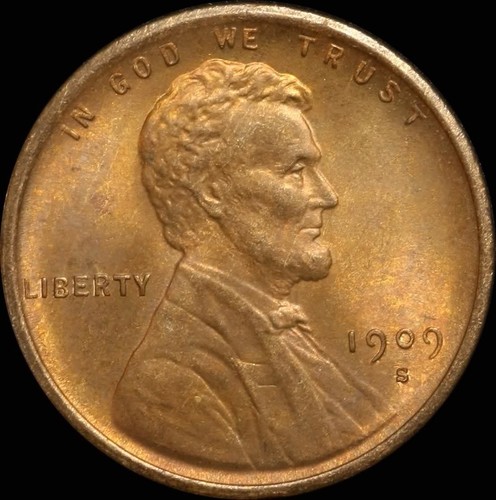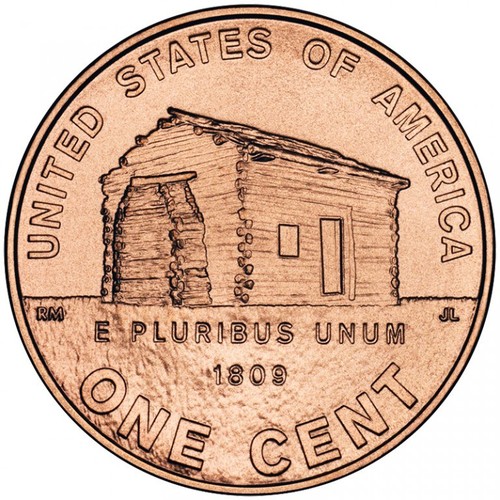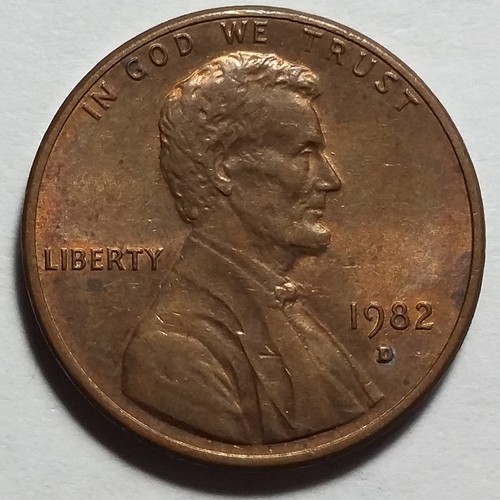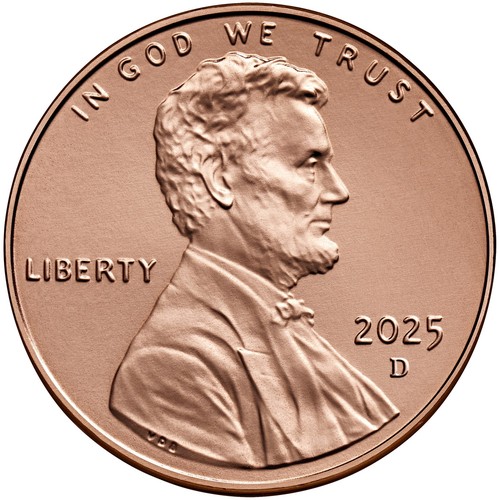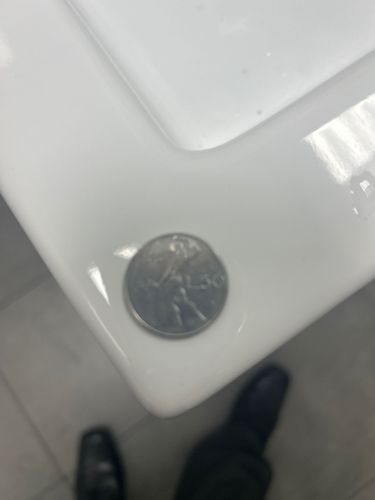
Lincoln Wheat Cent (Penny)
United States · 1909-1958 (exact year not discernible from image)
The coin clearly shows the reverse side of a Lincoln Wheat Cent. The central design features two stalks of wheat flanking the words 'ONE CENT' and 'UNITED STATES OF AMERICA'. Above this, 'E PLURIBUS UNUM' is visible.
- Country
- United States
- Year
- 1909-1958 (exact year not discernible from image)
- Denomination
- 1 Cent (Penny)
This report is AI-generated and can be wrong. Always verify grade, authenticity, and value with a qualified dealer or certified grading service before buying, selling, or insuring.
Identify your own coins.
Get a report just like this from any photo, free.
Overview
Historical significance
Estimated value
Care & preservation
More like this
Other united states coins
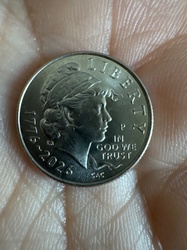
United States Semiquincentennial Fantasy/Mule Concept Dime
United States · 2026
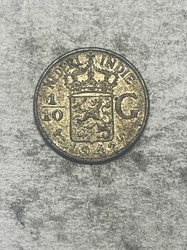
1/10 Gulden - Wilhelmina
Netherlands East Indies · 1942
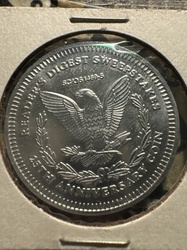
Reader's Digest Sweepstakes 25th Anniversary Coin (Token)
United States, Reader's Digest Association · 1987
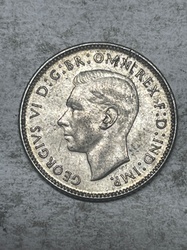
Australian Sixpence
Australia · 1943
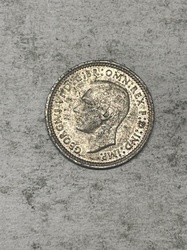
Australian Threepence
Australia · 1943
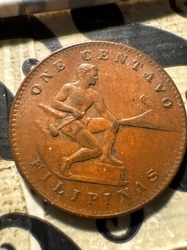
United States Administration of Philippines One Centavo
Philippines (under United States Sovereignty) · 1944