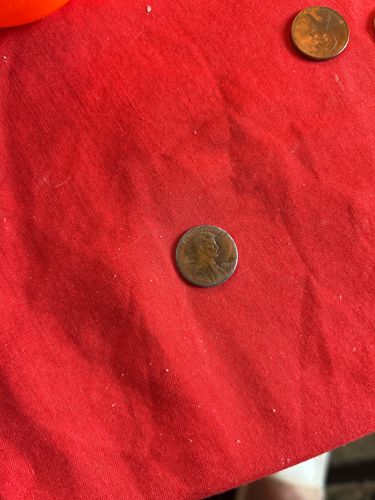
Lincoln Cent (Wheat Penny)
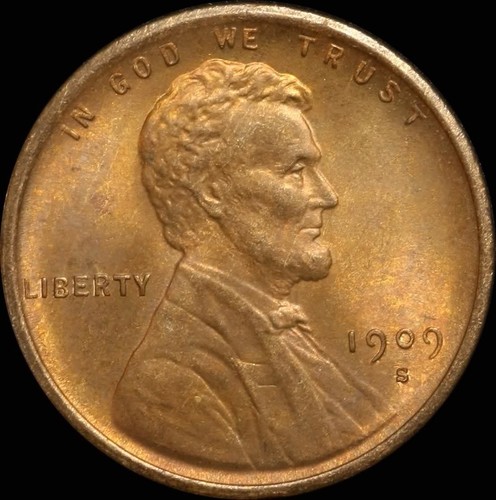
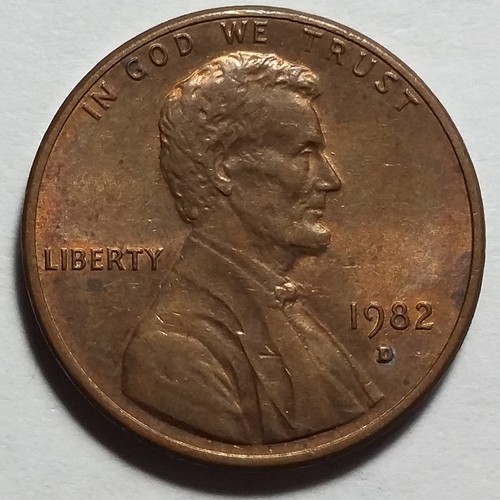
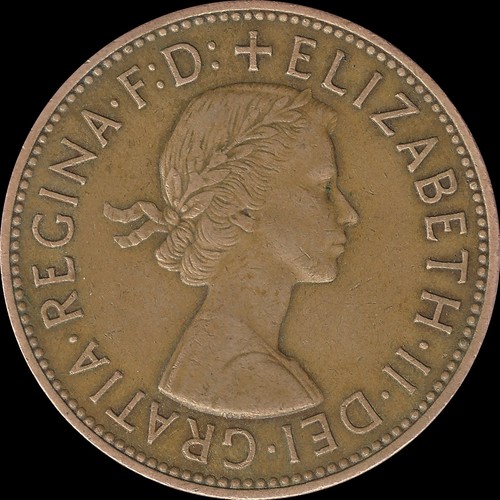
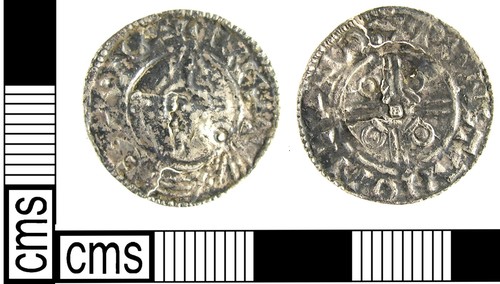
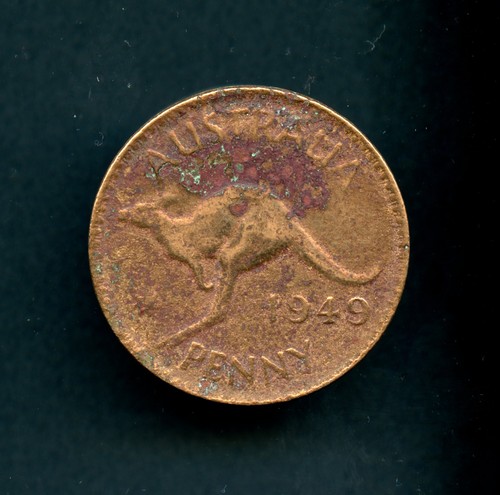
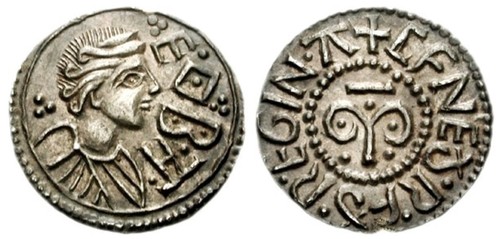
United States · Based on the design, it is a Lincoln "Wheat Ear" Cent, meaning it was minted between 1909 and 1958. The specific year is not discernible from the provided image due to blurriness but is visible on the obverse above Lincoln's head.
The coin clearly shows the obverse side, featuring the profile of Abraham Lincoln facing right, as typically seen on Lincoln cents. The coin appears to be made of copper and shows signs of circulation and toning, which is typical for older copper coins.
- Country
- United States
- Denomination
- 1 Cent (Penny)
- Metal
- 95% Copper, 5% Zinc and Tin (bronze)
This report is AI-generated and can be wrong. Always verify grade, authenticity, and value with a qualified dealer or certified grading service before buying, selling, or insuring.
Identify your own coins.
Get a report just like this from any photo, free.
Overview
Historical significance
Estimated value
Care & preservation
More like this
Other united states coins
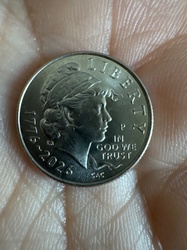
United States Semiquincentennial Fantasy/Mule Concept Dime
United States · 2026
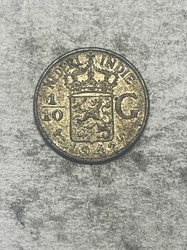
1/10 Gulden - Wilhelmina
Netherlands East Indies · 1942
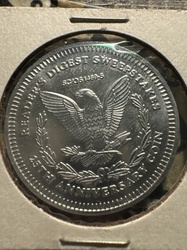
Reader's Digest Sweepstakes 25th Anniversary Coin (Token)
United States, Reader's Digest Association · 1987
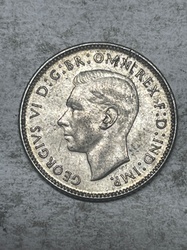
Australian Sixpence
Australia · 1943
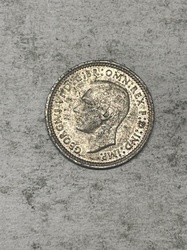
Australian Threepence
Australia · 1943
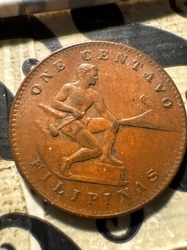
United States Administration of Philippines One Centavo
Philippines (under United States Sovereignty) · 1944