Coin Identifier
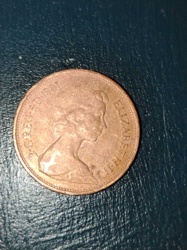
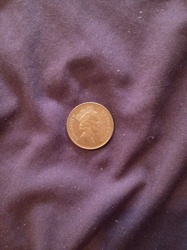
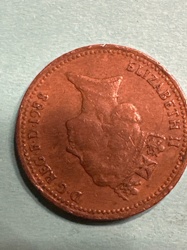
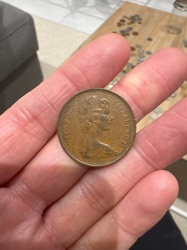
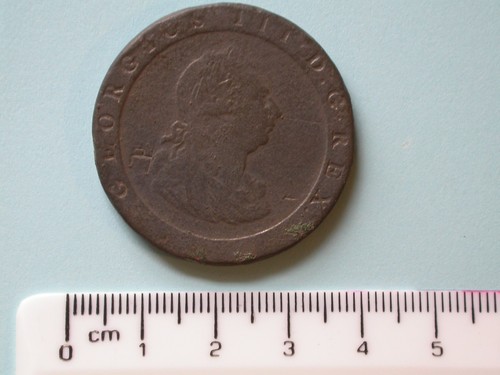
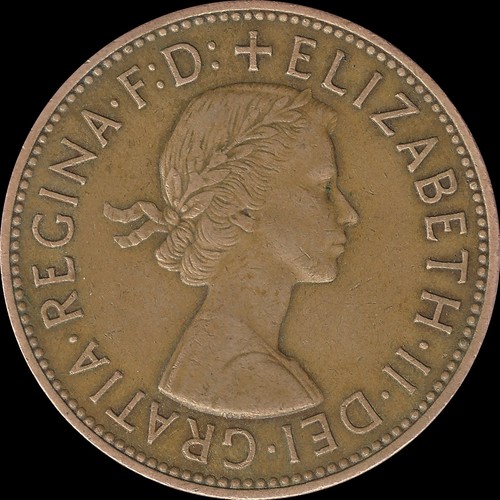
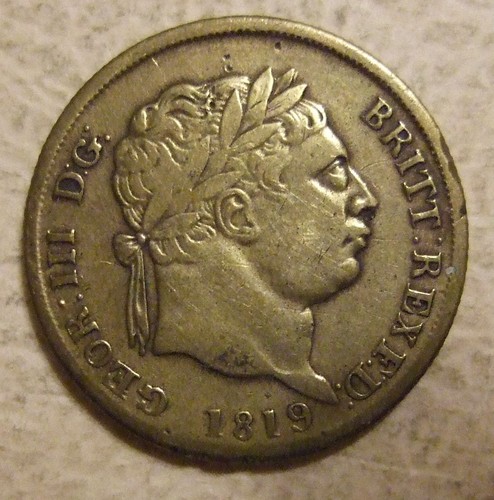
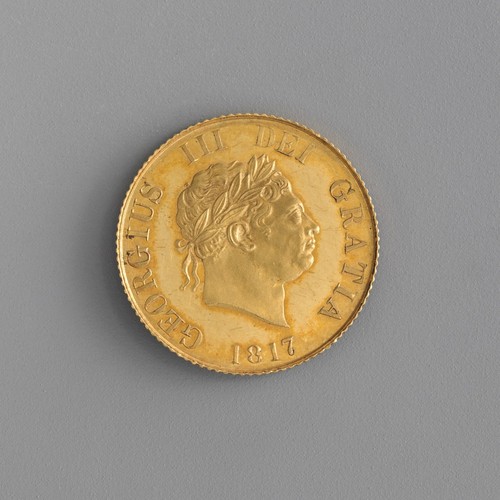
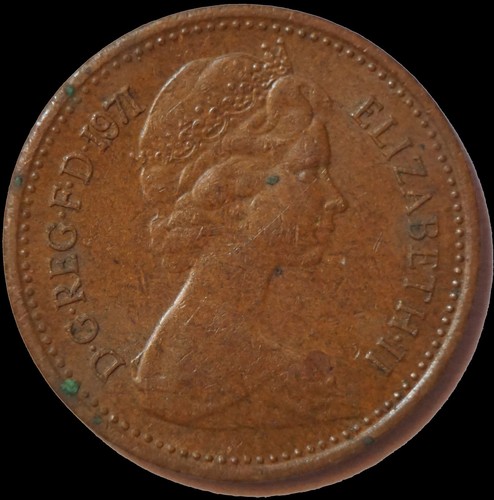
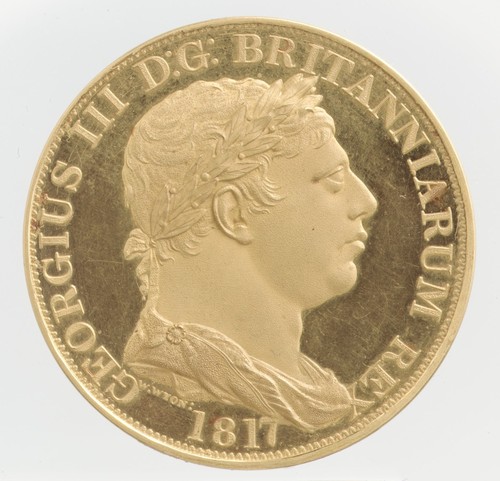
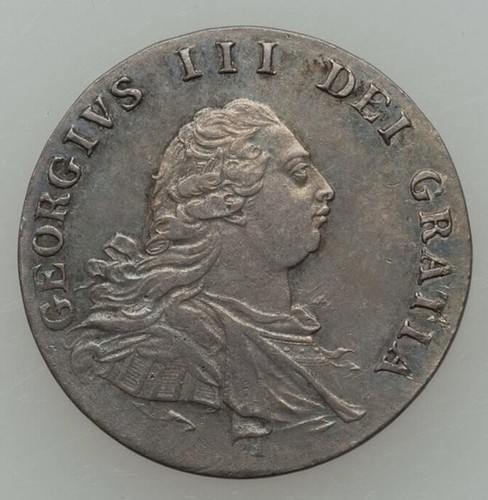
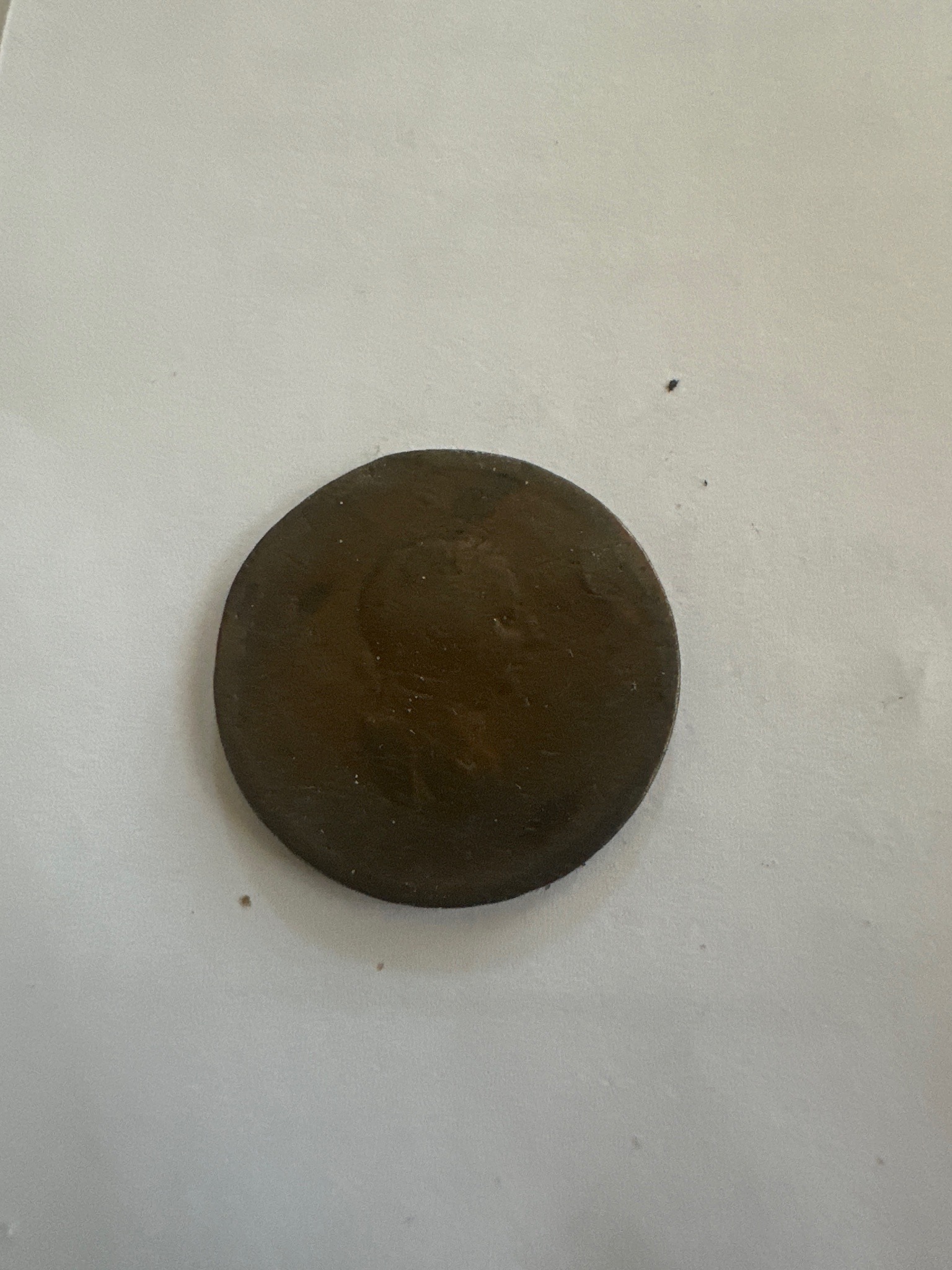
British Penny (Cartwheel or Later Victoria/George III Bronze) — obverse
Obverse
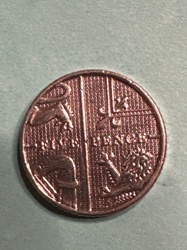
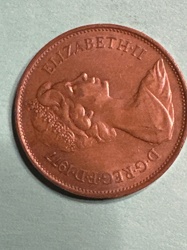
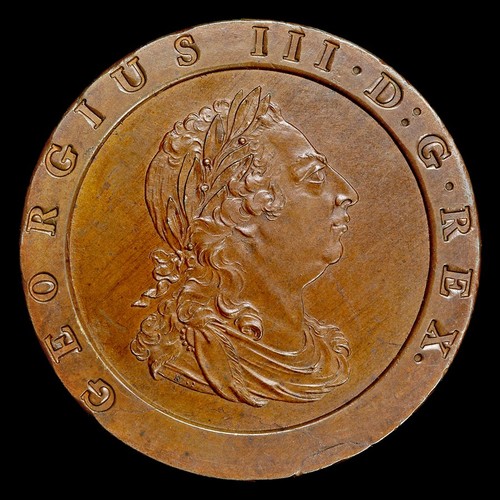
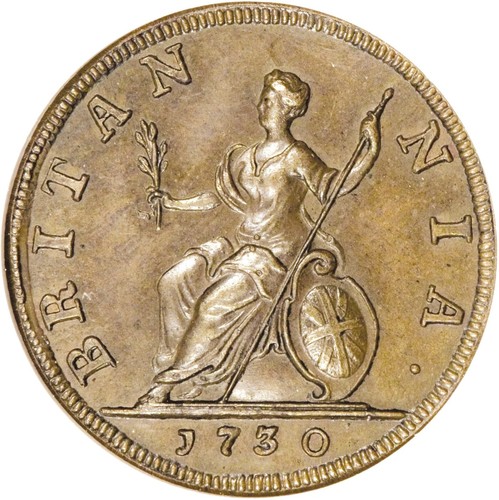
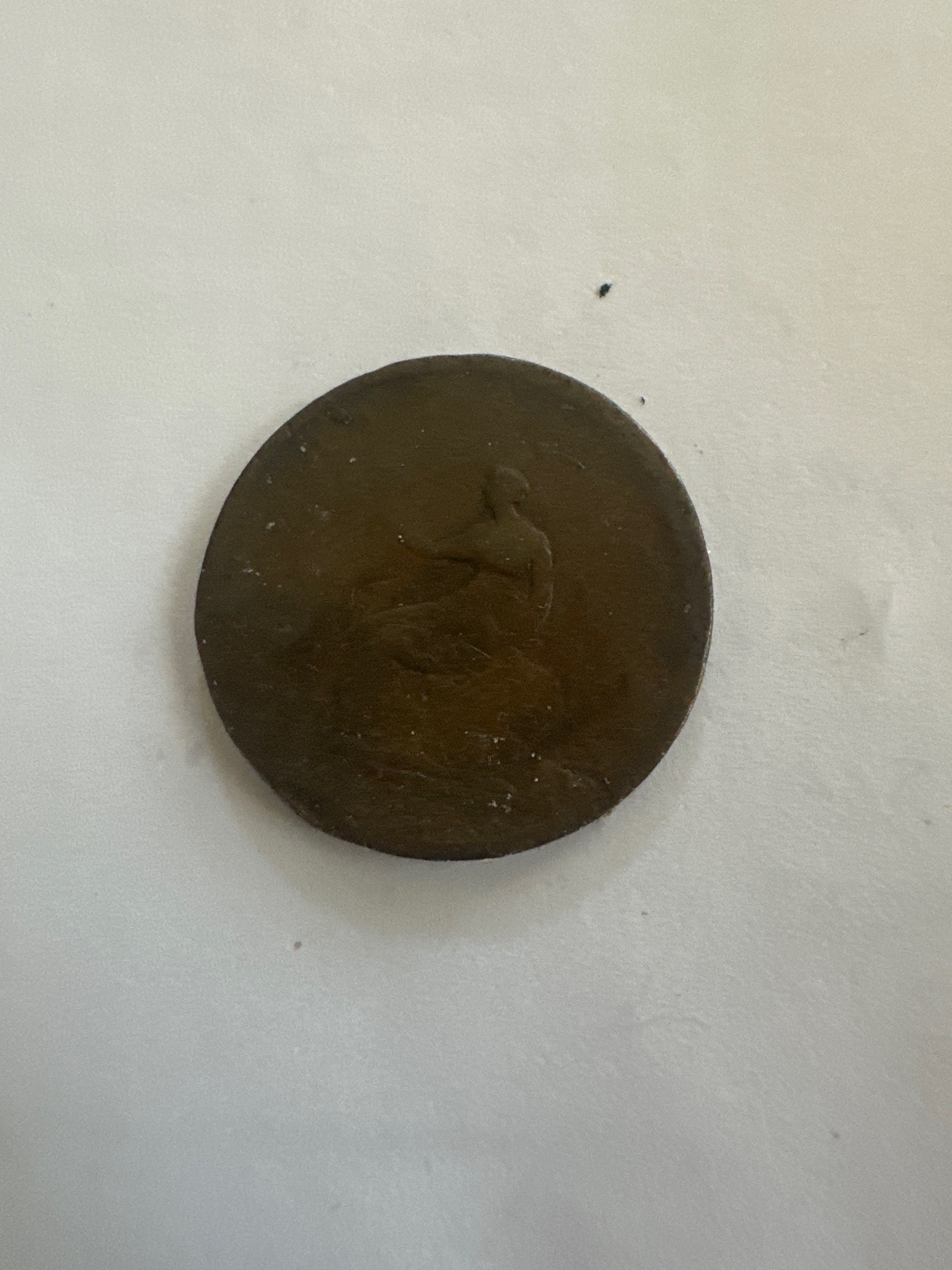
British Penny (Cartwheel or Later Victoria/George III Bronze) — reverse
Reverse
One Penny

British Penny (Cartwheel or Later Victoria/George III Bronze)

United Kingdom · 1797-1860s (Likely George III or early Victoria era based on heavy worn copper flan and seated Britannia)

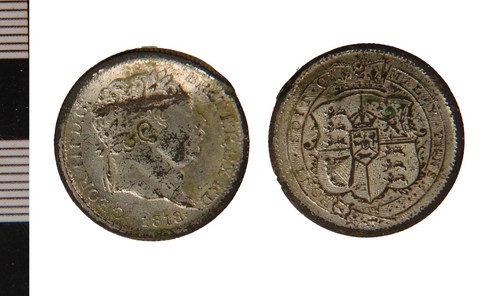
A heavily worn, dark brown large copper British coin featuring a seated figure of Britannia on the reverse and a right-facing royal bust on the obverse.

Country
United Kingdom
Denomination
One Penny
Metal
Copper
Grade
Poor to Fair (P-1 to FR-2), showing heavy surface wear and lost details.

This report is AI-generated and can be wrong. Always verify grade, authenticity, and value with a qualified dealer or certified grading service before buying, selling, or insuring.

Identified More united kingdom coins →
Explore British Penny (Cartwheel or Later Victoria/George III Bronze) in the encyclopedia →

Identify your own coins.

Get a report just like this from any photo, free.

Overview

A heavily worn, dark brown large copper British coin featuring a seated figure of Britannia on the reverse and a right-facing royal bust on the obverse.

Historical significance

Large British copper pennies served as foundational circulating currency during the Industrial Revolution, expanding commerce and trade across the British Empire.

Obverse (front)

A right-facing laureate portrait of a British monarch (George III or Queen Victoria), surrounded by heavily worn legend text.

Reverse (back)

A seated figure of Britannia facing left, holding a trident and resting on a shield with the sea or waves below, heavily worn.

Estimated value

$2-$10 (Heavy wear significantly reduces numismatic value to bullion or token value)

What drives this coin's value

Overall state of preservation, exact year, presence of mint errors, and remaining surface details.

Grade assessment

Poor to Fair (P-1 to FR-2), showing heavy surface wear and lost details.

Mintage & rarity

Varies by year; common types generally have high survival rates but are scarce in high grades.

Authenticity & counterfeit red flags

Verify weight and diameter against official specifications; beware of cast counterfeits which lack sharp details.

Notable varieties & errors

Overdates, varying trident designs, and different bust sizes depending on the precise issuing year.

Similar coins

British halfpennies, contemporary counterfeit tokens, and colonial copper coins of the same era.

Care & preservation

Store in a cool, dry environment in a PVC-free coin flip or holder. Do not clean or scrub the coin, as this ruins its remaining patina and destroys value.