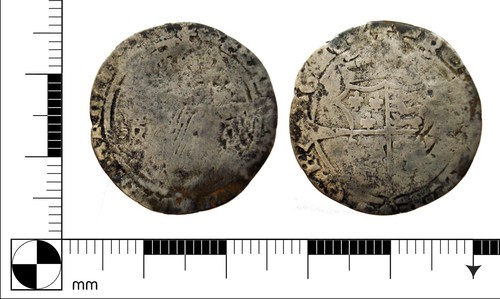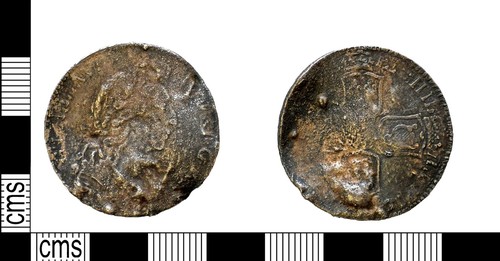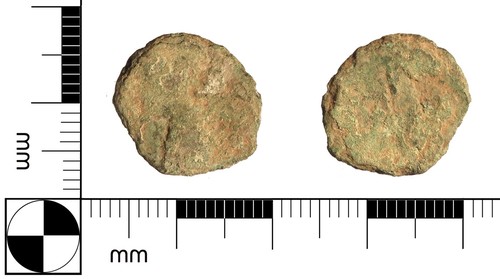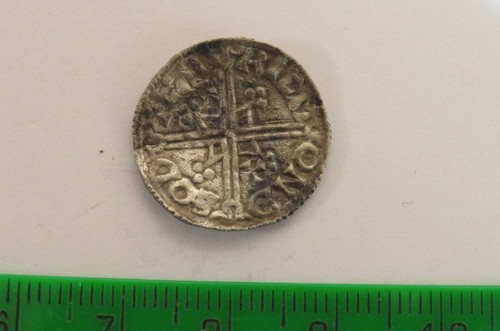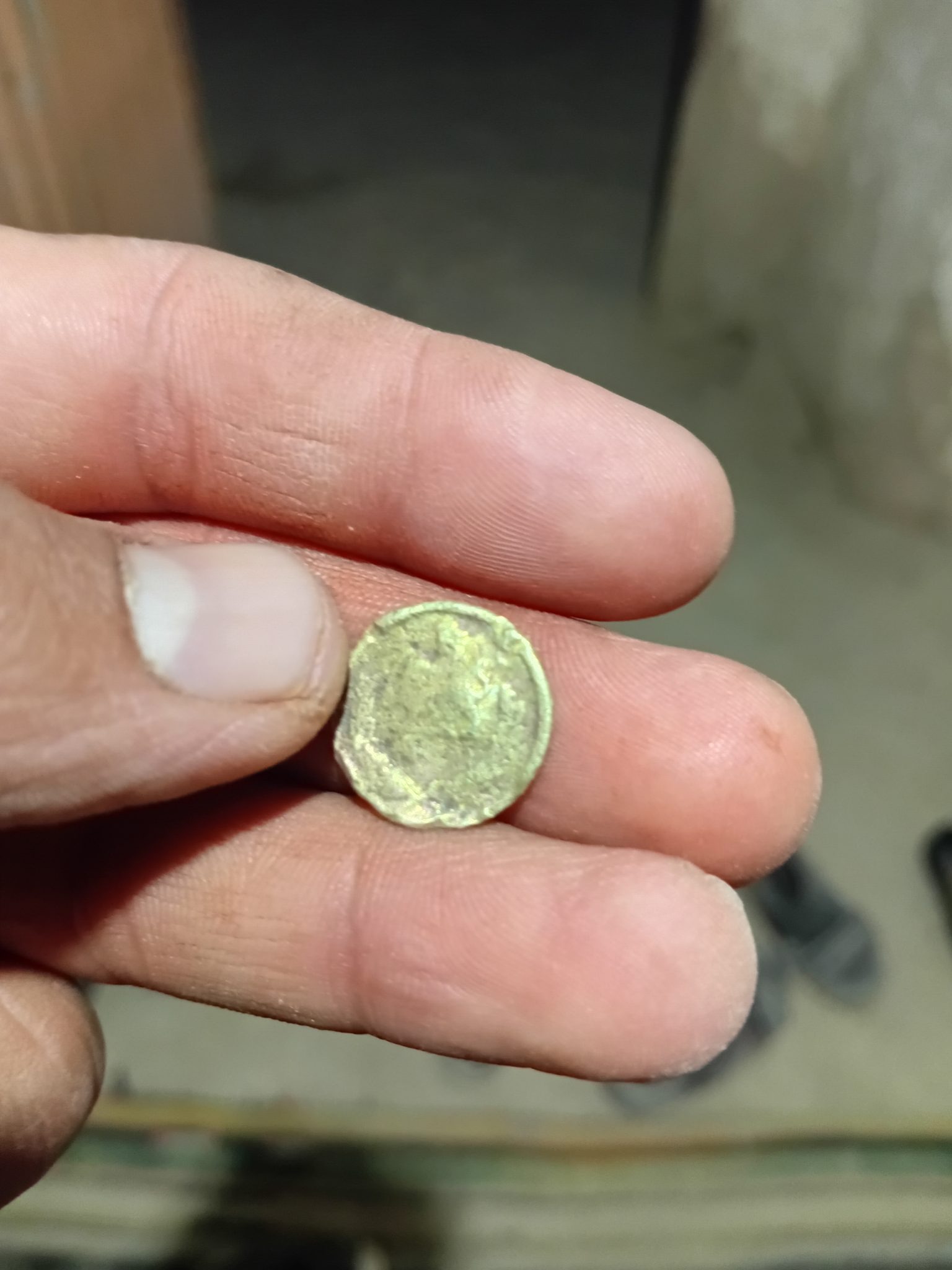
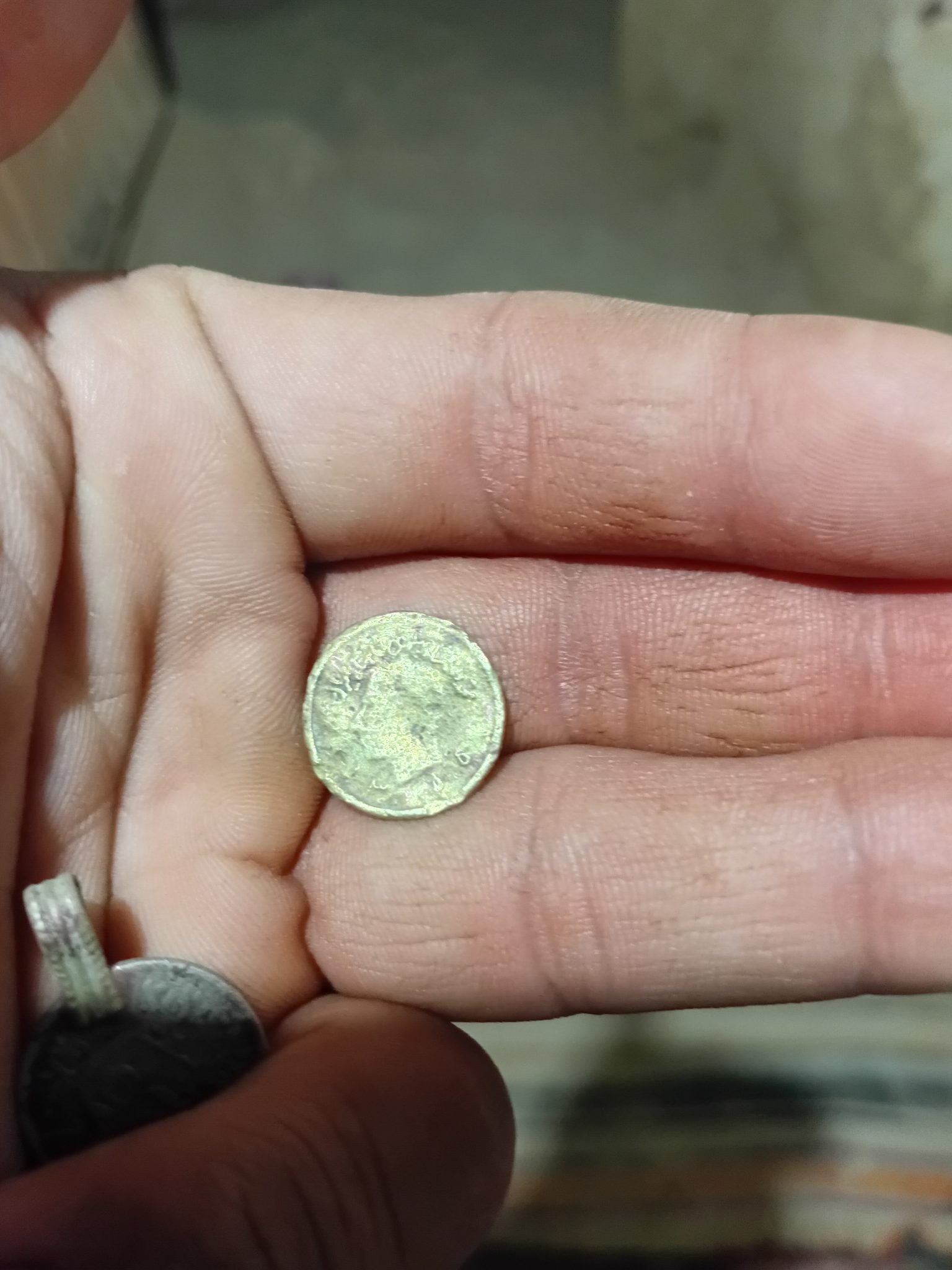
Ancient or Medieval Small Bronze Coin
Unknown / Mediterranean Region or Near East · Circa 1st Century BC to 4th Century AD (Uncertain due to wear)
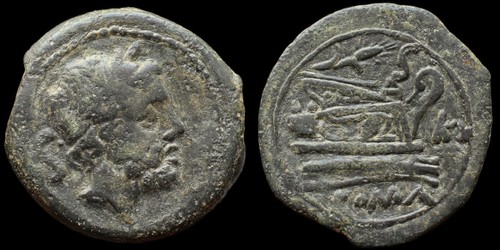
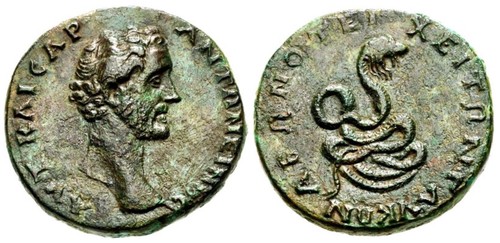
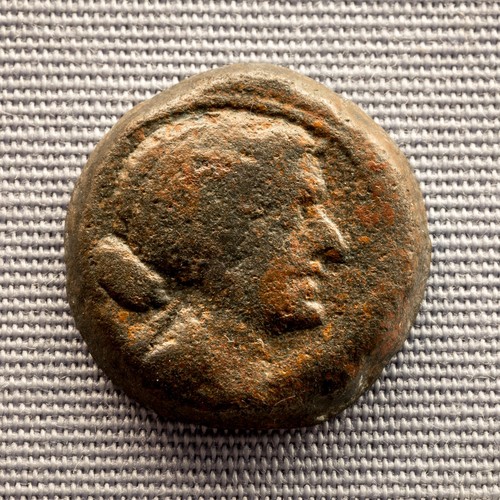
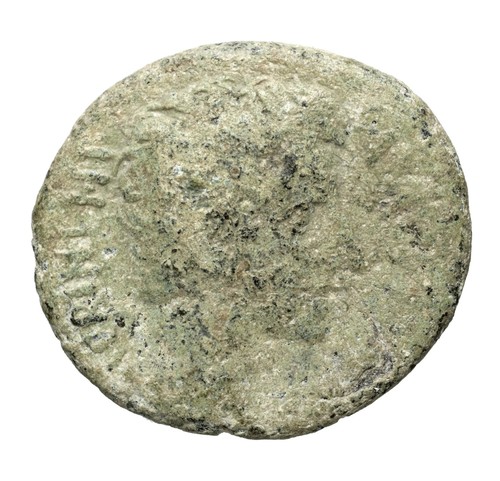
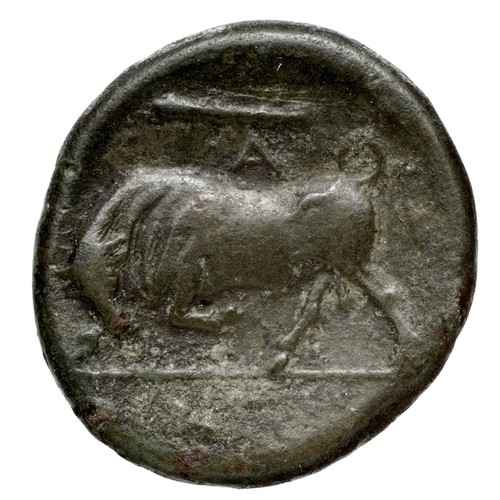
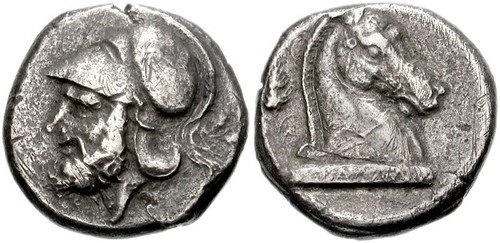
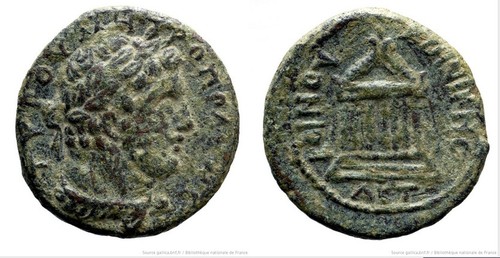
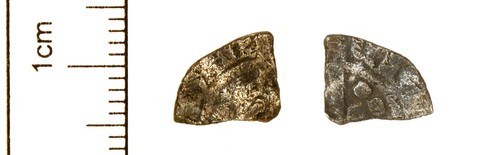
A very worn, small, circular metallic coin showing heavily oxidized surfaces with traces of a worn portrait on one side and a partially visible reverse design on the other.
- Country
- Unknown / Mediterranean Region or Near East
- Year
- Circa 1st Century BC to 4th Century AD (Uncertain due to wear)
- Denomination
- Small bronze unit (such as a Roman AE unit or similar regional equivalent)
- Metal
- Bronze or Copper alloy
- Grade
- Poor to Fair (heavily worn, details significantly obscured)
This report is AI-generated and can be wrong. Always verify grade, authenticity, and value with a qualified dealer or certified grading service before buying, selling, or insuring.
Identify your own coins.
Get a report just like this from any photo, free.
Overview
Historical significance
Obverse (front)
Reverse (back)
Estimated value
What drives this coin's value
Grade assessment
Mintage & rarity
Authenticity & counterfeit red flags
Notable varieties & errors
Similar coins
Care & preservation
More like this
Other unknown / mediterranean region or near east coins
Ancient Roman Denarius or Antoninianus (Heavily Worn / Slashed)
Roman Empire · c. 1st - 3rd Century AD
Byzantine Follis or 10 Nummi (Uncertain Emperor/Mint)
Byzantine Empire · 6th - 7th Century AD
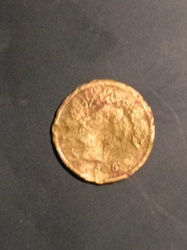
Ottoman Gold Sultani / Altin (or similar medieval/early modern Islamic gold coin)
Ottoman Empire · Unclear due to heavy wear, likely 16th to 18th century
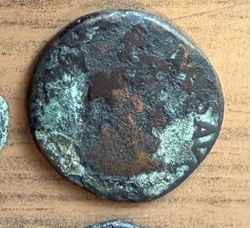
Ancient Roman AE Coin (Possible Sestertius or Dupondius)
Roman Empire · c. 1st - 3rd Century AD

Tetradrachm
Ancient Greece · Circa 5th century BC
Unknown
Unknown · Unknown