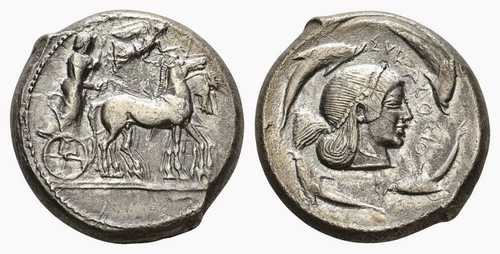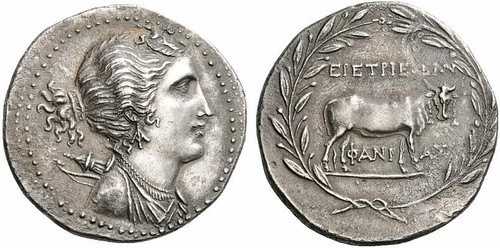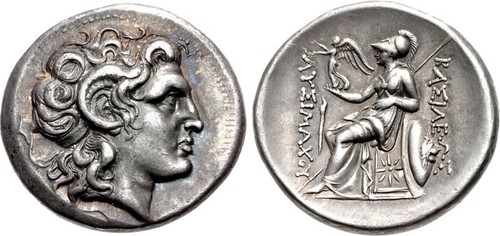
Tetradrachm
Ancient Greek Tetradrachm (likely issued by Athens)
Ancient Greece (specifically Athens) · Circa 5th-4th Century BCE
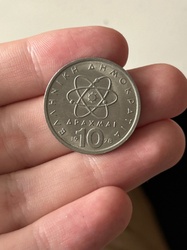
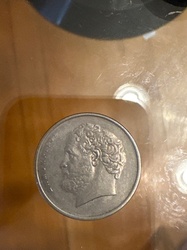
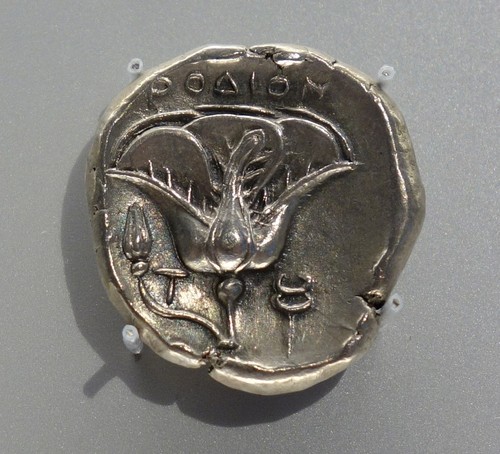
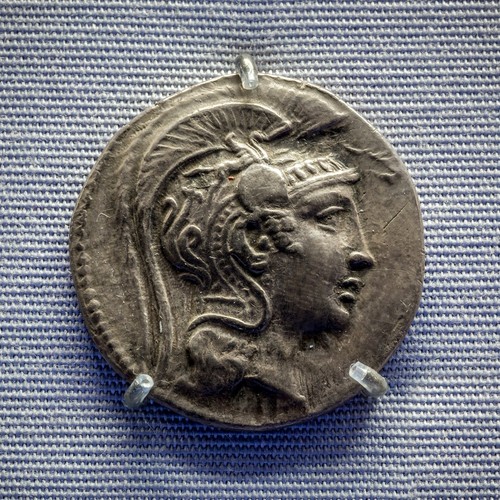
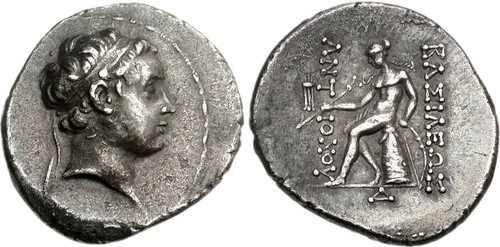
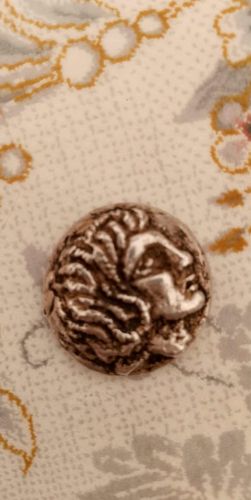
The visible side of the coin displays a profile bust of what appears to be Athena or Medusa, rendered in an archaic or classical Greek style. The hair is highly stylized with wavy lines. The metal has a dark patina, indicative of age.
- Country
- Ancient Greece (specifically Athens)
- Year
- Circa 5th-4th Century BCE
- Denomination
- Tetradrachm
- Metal
- Silver
This report is AI-generated and can be wrong. Always verify grade, authenticity, and value with a qualified dealer or certified grading service before buying, selling, or insuring.
Identify your own coins.
Get a report just like this from any photo, free.
Overview
The visible side of the coin displays a profile bust of what appears to be Athena or Medusa, rendered in an archaic or classical Greek style. The hair is highly stylized with wavy lines. The metal has a dark patina, indicative of age.
Historical significance
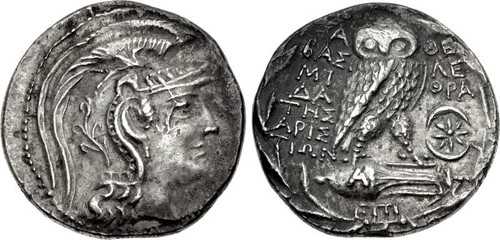
Tetradrachms were highly influential and widely circulated coins in the ancient world, often used for international trade. Athenian tetradrachms, particularly those featuring the owl of Athena on the reverse (not visible here), were renowned for their purity and served as the 'dollar of the ancient world.' The specific imagery on this coin, possibly Medusa due to the serpent-like hair, could relate to mythological figures or civic symbols of the issuing city-state.
Estimated value
Due to the lack of visibility of the reverse side, and the general condition (worn, potentially a replica or a genuine but common type), a precise value is difficult. Genuine ancient Greek silver tetradrachms can range from hundreds to thousands of dollars, or even more for rare types or high grades. If it's a replica, the value is negligible.
Care & preservation
Handle the coin by its edges to avoid transferring oils from your skin. Store it in a non-PVC coin holder or slab to protect it from environmental damage and physical wear. Do not clean the coin, as this can severely damage its historical patina and significantly reduce its value. Keep it away from extreme temperatures and humidity.
More like this