
1 Skilling
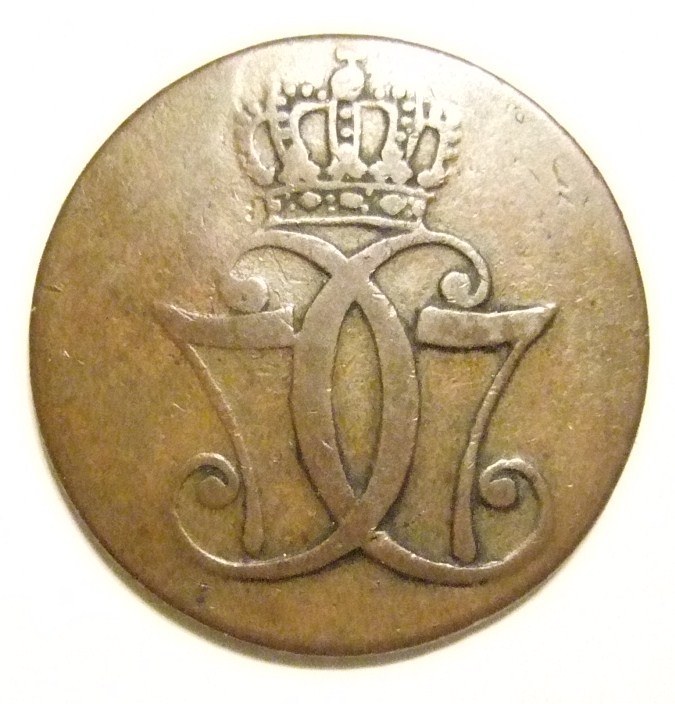
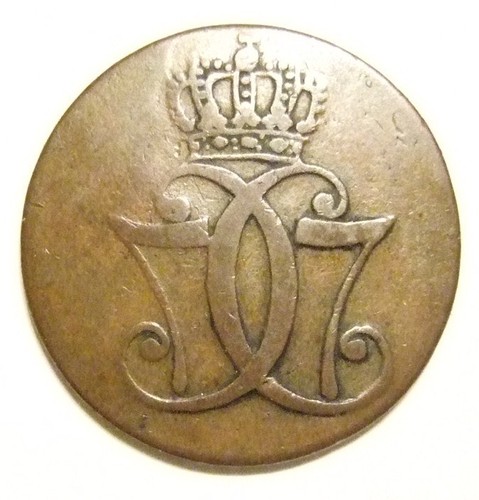
A copper 1 skilling of Denmark dated 1771, with a royal crown over ornament on one side and an inscribed value design on the other.
- Country
- Denmark
- Denomination
- 1 Skilling
- Metal
- Copper
Got a coin like this?
Identify any coin from a photo, free.
Overview
The 1 Skilling dated 1771 is a small copper circulation coin of the Kingdom of Denmark, struck during the reign of Christian VII. It is a low-denomination workaday piece, made for everyday small change rather than as a precious-metal or commemorative issue.
The coin pairs a royal crown with ornamental flourishes on one face against a decorative field carrying the denomination and inscription on the other. The crown is the immediate signal of a royal Danish issue, and the 1771 date fixes it to the early-modern copper skilling coinage of the later eighteenth century.
Because it was produced in copper for general circulation, the 1771 skilling is collected today mainly as an affordable and tangible example of eighteenth-century Danish money. Surviving pieces are usually well worn, reflecting long service in daily commerce.
History & Background
The skilling was Denmark's small change for centuries, one of the fractional units that made up the larger rigsdaler accounting system. Copper skilling coins let ordinary transactions proceed without spending silver, and they circulated heavily across the Danish realm.
The 1771 date places this coin in the reign of Christian VII, whose long rule spanned the late eighteenth and early nineteenth centuries. The early 1770s were a turbulent moment in Danish history, associated with the reform-minded government of the period, and copper coinage of these years passed through the hands of townspeople and traders alike.
Coins like this remained in use until currency reforms of the nineteenth century gradually replaced the old skilling denominations. The 1771 skilling survives as a common but genuinely period artifact of Denmark's early-modern copper coinage.
How to Identify
One face carries a royal crown set above ornamental elements, the mark of a Danish royal issue. The other face shows a decorative design with an inscription that states the value and date, the 1771 that dates the coin. The lettering and layout are typical of eighteenth-century Danish minor coinage.
The coin is small and struck in copper, so it is a warm brown or coppery tone rather than the bright white of silver, and it has the light, thin feel of a low-value piece. Worn examples often show softened crown detail and partly flat inscriptions from long circulation. Expect a modest diameter in keeping with a single-skilling denomination.
Key identifiers are the crown-over-ornament obverse, the inscribed value-and-date reverse, the 1771 date, the 1 skilling denomination, and the copper fabric. Together these separate it from Denmark's larger silver skilling and rigsdaler coins and from the copper skillings of neighboring realms such as Sweden and Norway.
Value & Collectibility
As a common copper minor coin, the 1771 1 skilling generally carries modest value. Heavily worn examples are inexpensive and are often sold in mixed lots of early-modern European coppers rather than individually.
Condition is the main driver of price. Well-circulated pieces with soft detail bring only a little, while sharper coins that retain clear crown detail and full legible inscriptions command a stronger premium among collectors of Danish coinage. There is no precious-metal content to set a floor under the price.
Treat any figures as broad context rather than fixed quotes, since eighteenth-century copper coins trade inconsistently and condition varies widely. The coin's appeal is historical, as an affordable and datable example of Christian VII era Danish copper, more than financial.
Frequently asked questions
Who was king when this coin was made?
The 1771 date falls in the reign of Christian VII of Denmark. The coin is a royal copper issue of his reign, signaled by the crown on the obverse.
Is the 1771 1 skilling made of silver?
No. It is a copper circulation coin, so it shows a brown or coppery tone and is light in the hand. It has no precious-metal value; its worth is historical and collector-driven.
What was a skilling worth?
The skilling was a small fractional unit of the old Danish money system, used for everyday small change. Many skillings made up the larger rigsdaler used for bigger sums.
Is this coin rare or valuable?
It is a common copper minor coin, so most worn examples are inexpensive. Sharper pieces with clear crown and inscription detail bring a stronger but still modest premium.
Can I still spend this coin?
No. The old skilling coinage was retired by later Danish currency reforms and is no longer legal tender. The coin now has only collector and historical value.
1 Skilling guides
In-depth guides for identifying, valuing, and collecting 1 Skilling.
Other coins you may enjoy
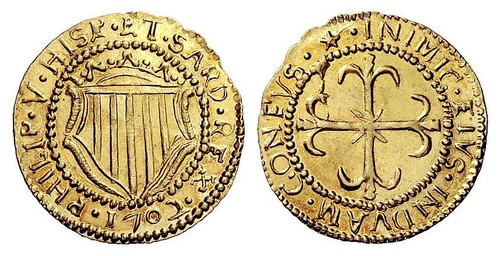
Scudo (Philip V)
c. 1701–1708
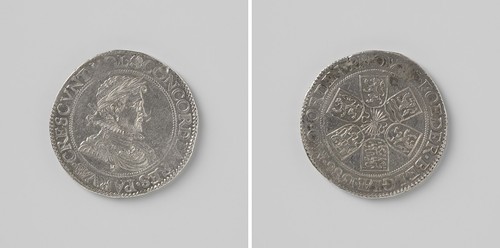
Rijksdaalder van Leicester
1580s-1590s
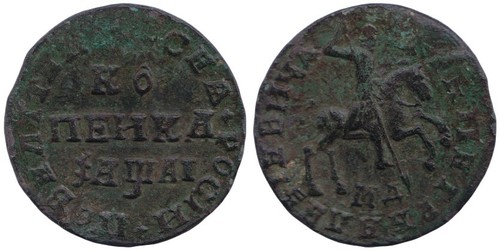
Kopek (Peter I)
c. 1704–1718 (observed 1711)
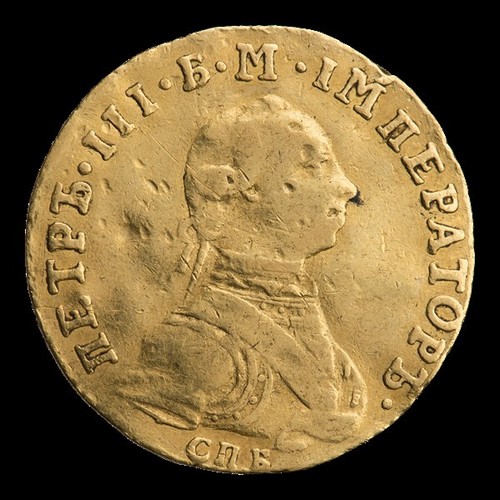
Imperial Chervonets
1762
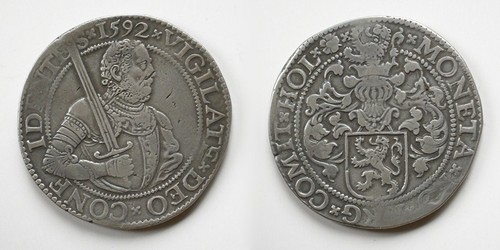
Prinsendaalder (Rijksdaalder)
1592
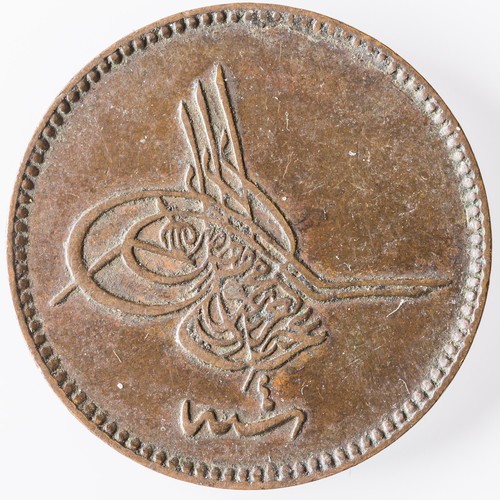
10 Para
AH 1280 (1863-1864 CE)
Halve Rijksdaalder van Leicester
1580s-1590s
Gouden Dukaat
1724
Escudo (Joanna and Charles V, contemporary copy)
1516-1558
Duit (VOC)
1790
4 Escudos
1780s
Tymf
1663