Coin Identifier
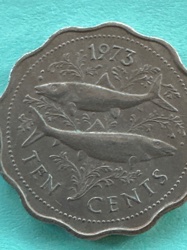
United Kingdom 10 Pence (Large Type, 1968-1981) — obverse
Obverse
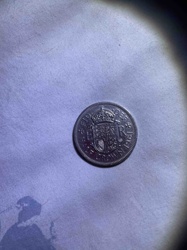
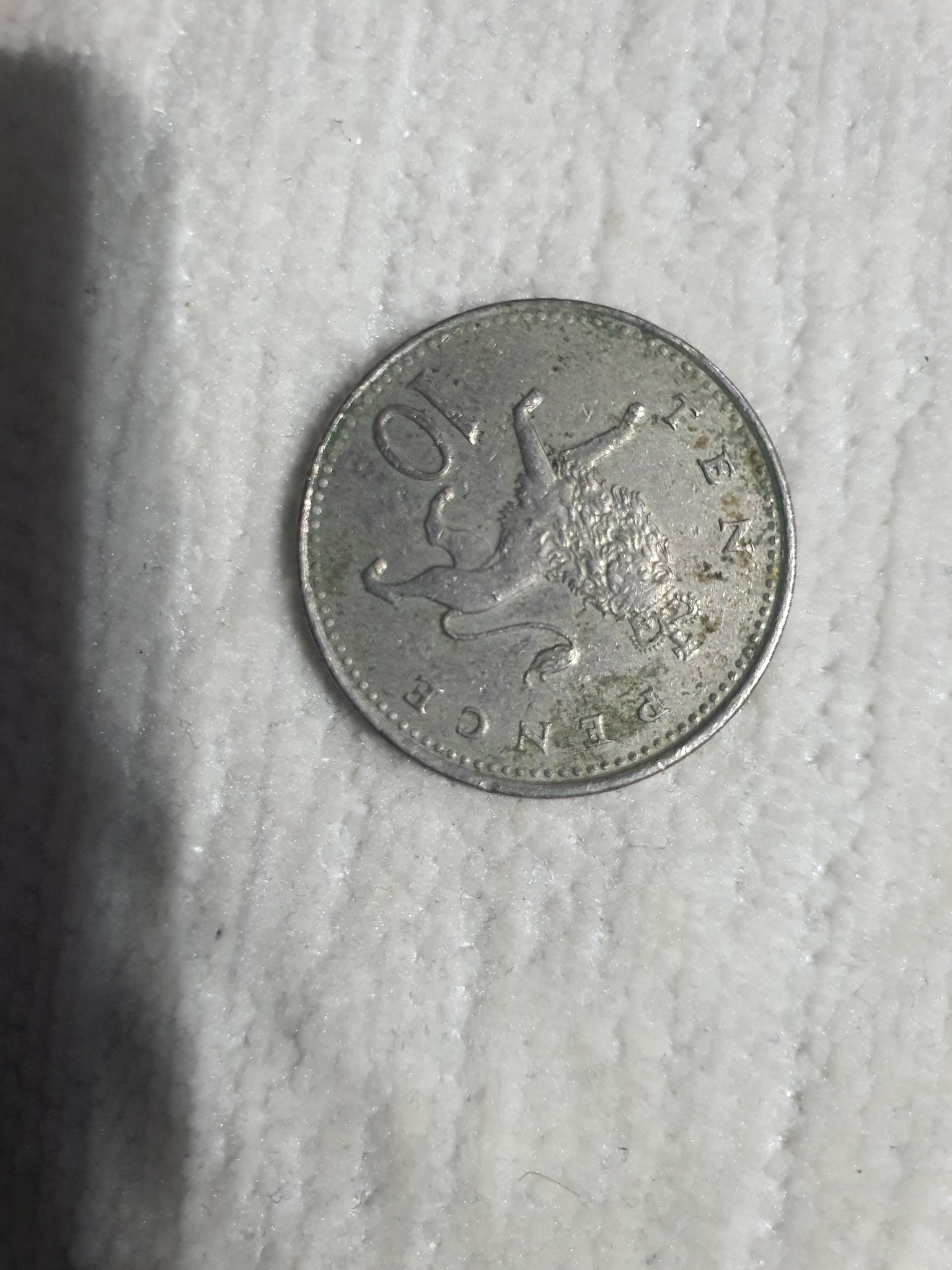
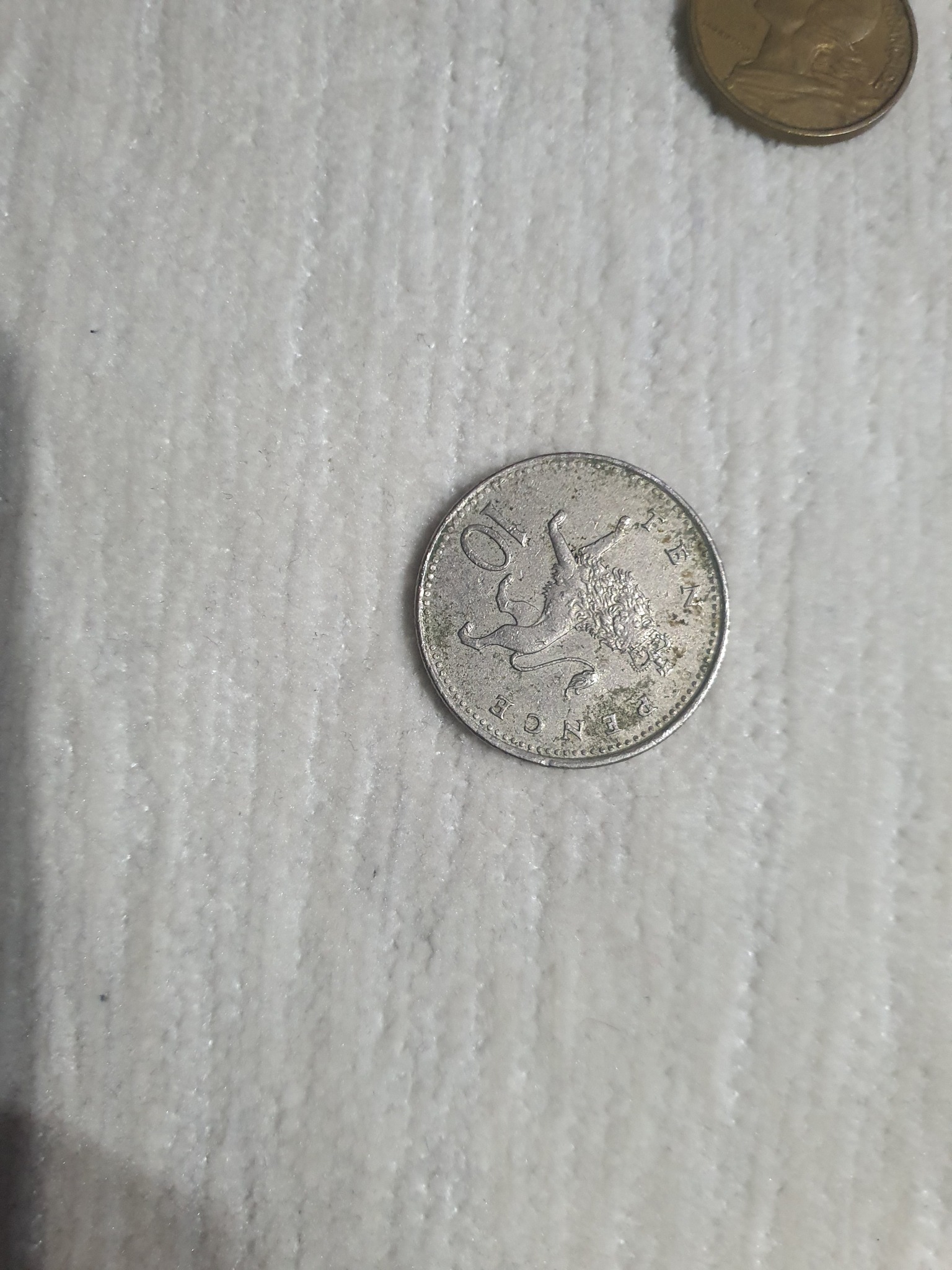
United Kingdom 10 Pence (Large Type, 1968-1981) — reverse
Reverse
10 Pence (0.10 GBP)

United Kingdom 10 Pence (Large Type, 1968-1981)

United Kingdom (The Royal Mint) · 1968-1981 (Likely early 1970s based on wear)

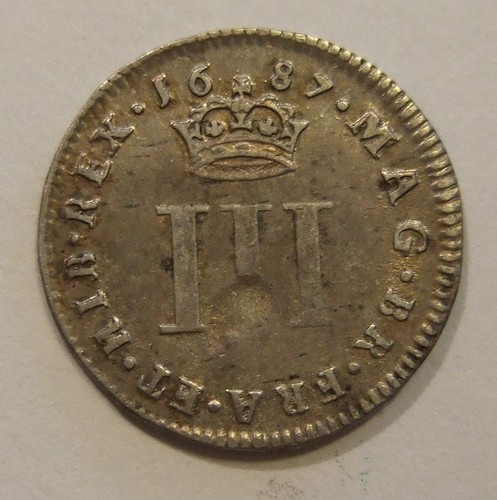
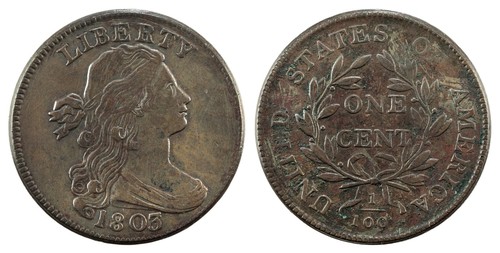
A circular silver-colored coin featuring a crowned lion on the reverse and Queen Elizabeth II on the obverse.

Country
United Kingdom (The Royal Mint)
Year
1968-1981 (Likely early 1970s based on wear)
Denomination
10 Pence (0.10 GBP)
Metal
Cupro-nickel (75% Copper, 25% Nickel)

This report is AI-generated and can be wrong. Always verify grade, authenticity, and value with a qualified dealer or certified grading service before buying, selling, or insuring.

Explore United Kingdom 10 Pence (Large Type, 1968-1981) in the encyclopedia →

Identify your own coins.

Get a report just like this from any photo, free.

Overview

A circular silver-colored coin featuring a crowned lion on the reverse and Queen Elizabeth II on the obverse.

Historical significance

Introduced as part of the decimalization of British currency. It was initially circulated alongside the florin (two-shilling piece) as they were identical in size and value until the 10p was reduced in size in 1992.

Obverse (front)

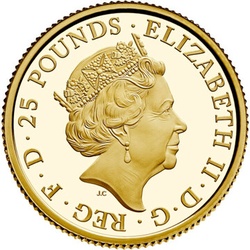
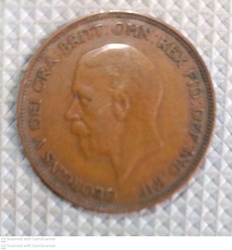
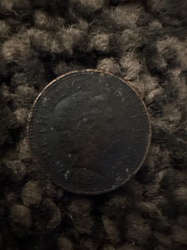
Second portrait of Queen Elizabeth II by Arnold Machin, wearing the Girls of Great Britain and Ireland Tiara. Legend: ELIZABETH II D·G·REG·F·D·

Reverse (back)

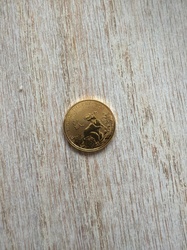
A crowned lion passant guardant (royally crowned lion), part of the Crest of England. Number '10' above, and the words 'NEW PENCE' or 'TEN PENCE' (later years) below.

Estimated value

$0.12 - $0.25 (Commonly found in bulk lots; essentially worth face value unless in pristine UNCIRCULATED condition)

What drives this coin's value

Most valuable in Proof or Uncirculated condition. Circulated examples have no numismatic premium.

Grade assessment

Very Good to Fine (Moderate to heavy wear, surface dirt/toning visible, loss of detail in the lion's mane)

Mintage & rarity

Very Common (Billions minted between 1968 and 1980; not rare)

Authenticity & counterfeit red flags

Check for magnetic pull; cupro-nickel is non-magnetic. Check the edge for a seam which would indicate a cast fake, though fakes of this common coin are extremely rare.

Notable varieties & errors

The 1968 and 1969 issues are the most common early decimal pieces. There are no major rare decimal varieties for this specific type.

Similar coins

Often confused with the pre-decimal Florin (Two Shillings) which is the same size, or the post-1992 10p which is significantly smaller.

Care & preservation

Store in a dry location. Avoid cleaning with chemicals or abrasives, as this coin is primarily a base-metal pocket piece with no silver content.