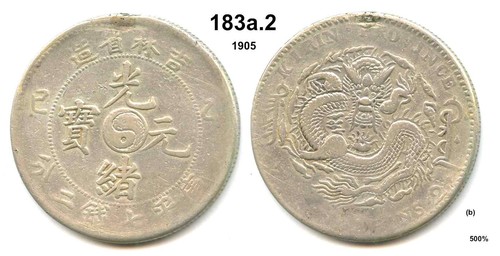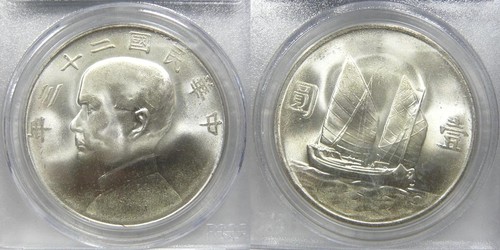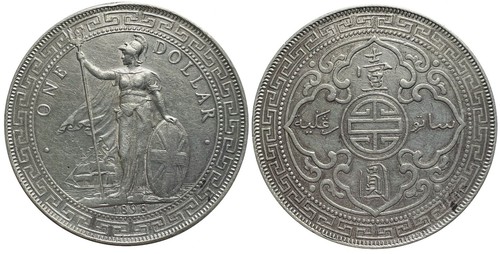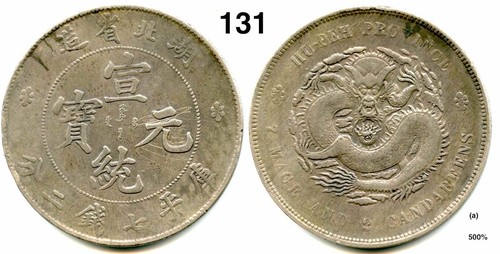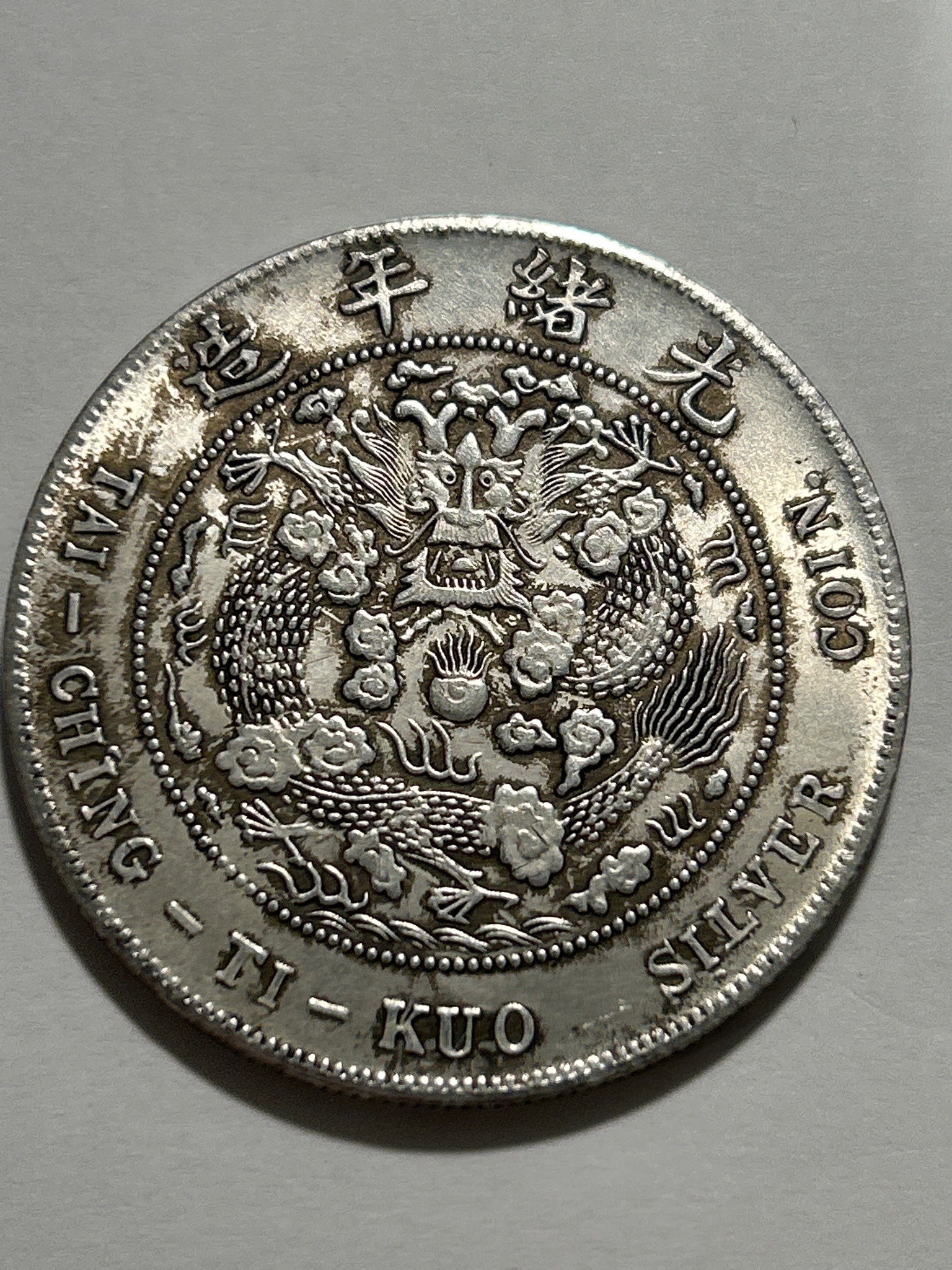
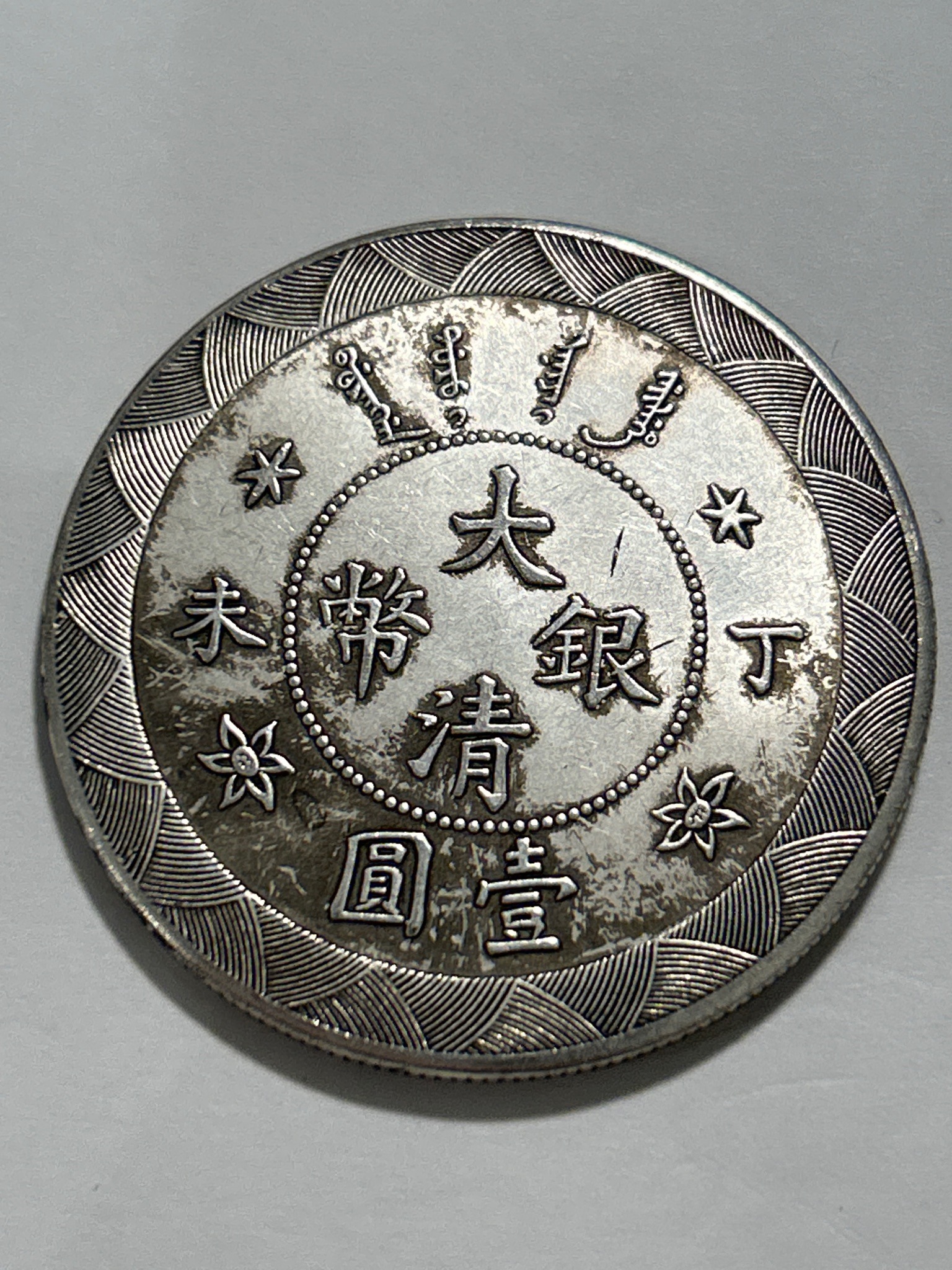
Tai-Ching Ti-Kuo Silver Coin (Kiangnan Dragon Dollar)
China (Chinese Empire) · 1907 (Guangxu Year 33)
A large imperial Chinese silver dollar featuring a detailed writhing dragon on one side and central Manchu/Chinese inscriptions surrounded by a wave pattern rim on the other.
- Country
- China (Chinese Empire)
- Year
- 1907 (Guangxu Year 33)
- Denomination
- 1 Dollar (Yuan)
- Metal
- Silver (.900)
- Grade
- Fine to Very Fine (cleaned surfaces with circulation wear evident)
This report is AI-generated and can be wrong. Always verify grade, authenticity, and value with a qualified dealer or certified grading service before buying, selling, or insuring.
Identify your own coins.
Get a report just like this from any photo, free.
Overview
Historical significance
Obverse (front)
Reverse (back)
Estimated value
What drives this coin's value
Grade assessment
Mintage & rarity
Authenticity & counterfeit red flags
Notable varieties & errors
Similar coins
Care & preservation
More like this
Other china (chinese empire) coins
Yuan Shikai Hongxian Empire Silver Dollar (Fat Man / Flying Dragon Dollar)
China (Chinese Empire / Republic of China) · 1916 (Year 5 of Republic / Hongxian Year 1)
Chinese Empire Hsuan-t'ung Silver Dollar (Dragon Dollar)
China (Great Qing Empire) · 1911 (Year 3 of Hsuan-t'ung)
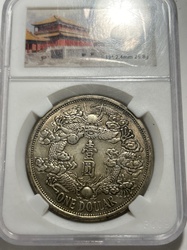
Xuantong Year 3 Silver Dollar (Dragon Dollar)
China (Empire / Qing Dynasty) · 1911 (Xuantong Year 3)
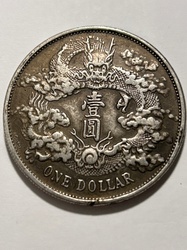
Chinese Silver Dollar - Hsuan-Tung (宣统) / Ta-Ching Ti-Kuo Silver Coin
China (Great Qing Empire) · 1911 (XuanTong Year 3)
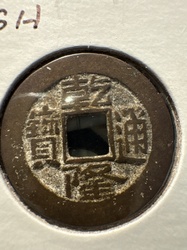
Qianlong Tongbao Cash Coin
China, Qing Dynasty · 1735-1796

Chinese Zodiac Coin
China · Varies (typically issued every 12 years)