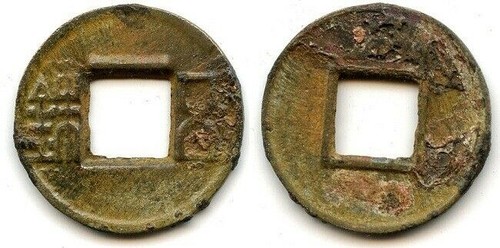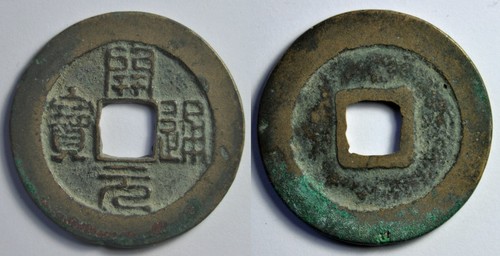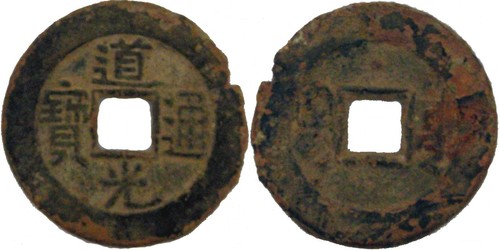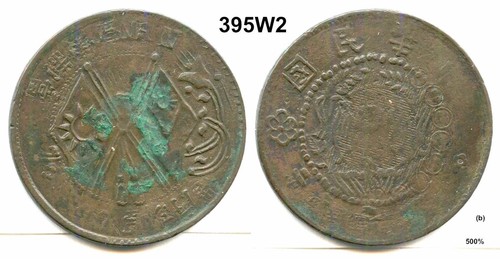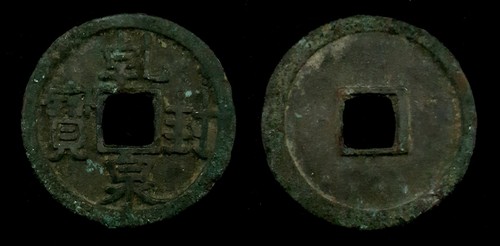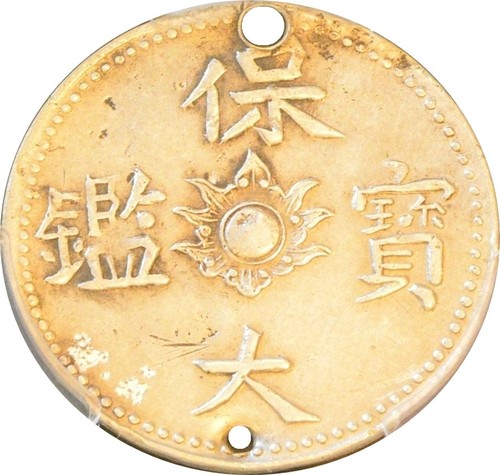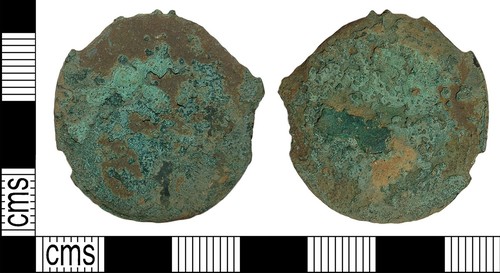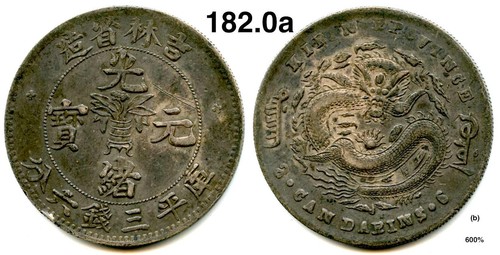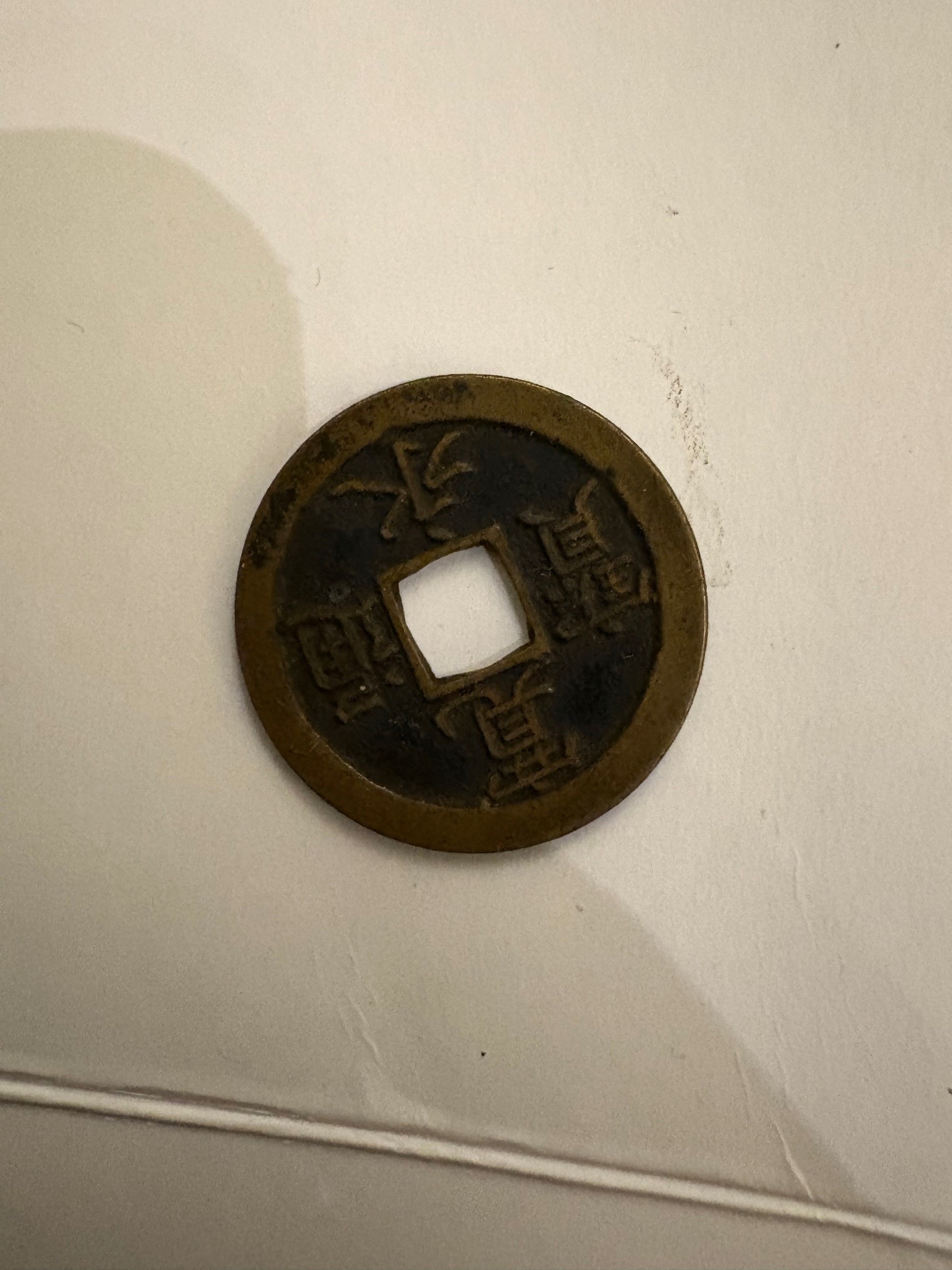
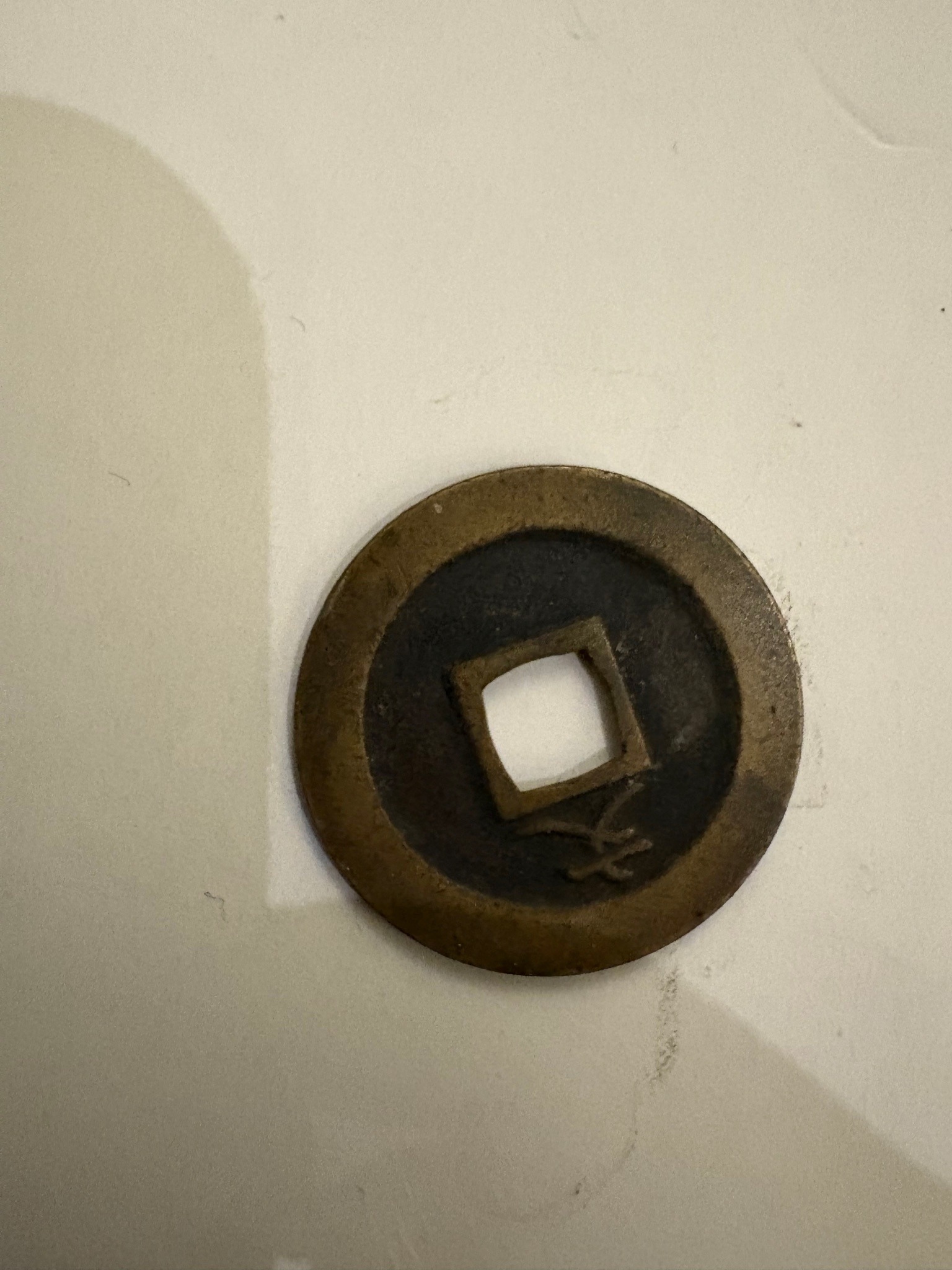
Qing Dynasty Cash Coin (Emperor Kangxi or similar)
China · 1662-1722 (Kangxi era style)
A round cast-metal coin with a square central hole, featuring Manchu and Chinese script on the obverse and reverse.
- Country
- China
- Year
- 1662-1722 (Kangxi era style)
- Denomination
- 1 Cash (1 Wen)
- Metal
- Bronze or Brass (typically copper-zinc-tin alloy)
This report is AI-generated and can be wrong. Always verify grade, authenticity, and value with a qualified dealer or certified grading service before buying, selling, or insuring.
Identify your own coins.
Get a report just like this from any photo, free.
Overview
Historical significance
Obverse (front)
Reverse (back)
Estimated value
What drives this coin's value
Grade assessment
Mintage & rarity
Authenticity & counterfeit red flags
Notable varieties & errors
Similar coins
Care & preservation
More like this
Other china coins

Chinese Zodiac Coin
China · Varies (typically issued every 12 years)
Li Yuanhung Commemorative Dollar
Republic of China · 1912
President Hsu Shih-chang Silver Dollar (Commemorative Dollar)
China (Republic of China) · 1921 (Year 10 of the Republic)
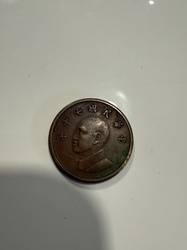
1 Yuan Chiang Kai-shek
Republic of China (Taiwan) · Year 67 (1978)
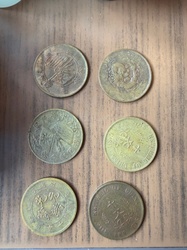
Chinese Copper Coins (Assorted Republic and Imperial Types)
China · Late Qing Dynasty to Republic of China (circa 1900-1930s)
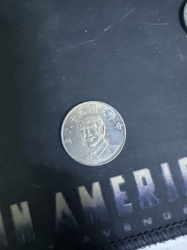
1 Yuan (Chiang Kai-shek)
Taiwan (Republic of China) · 1990 (Republic Era 79)