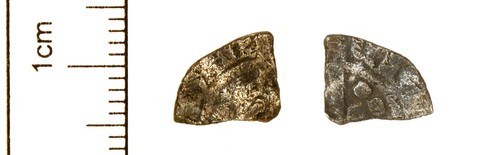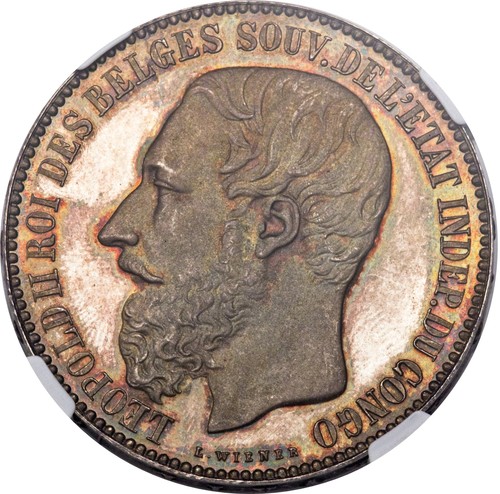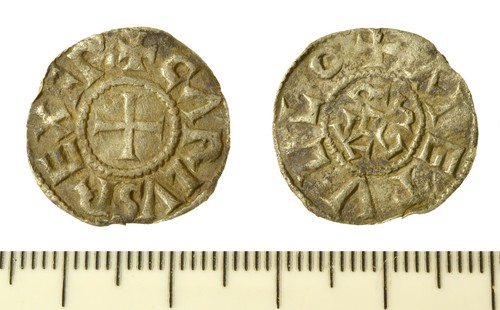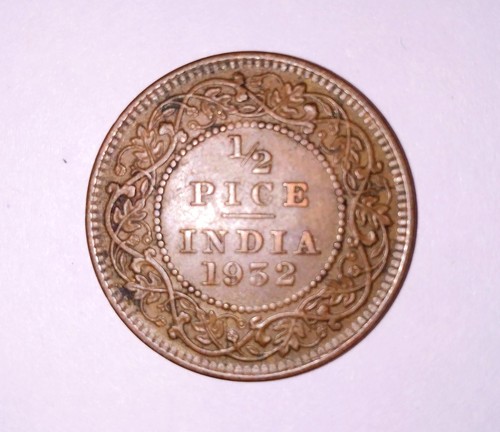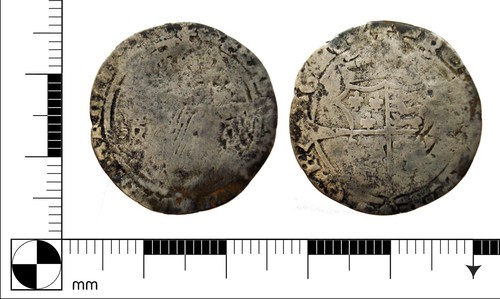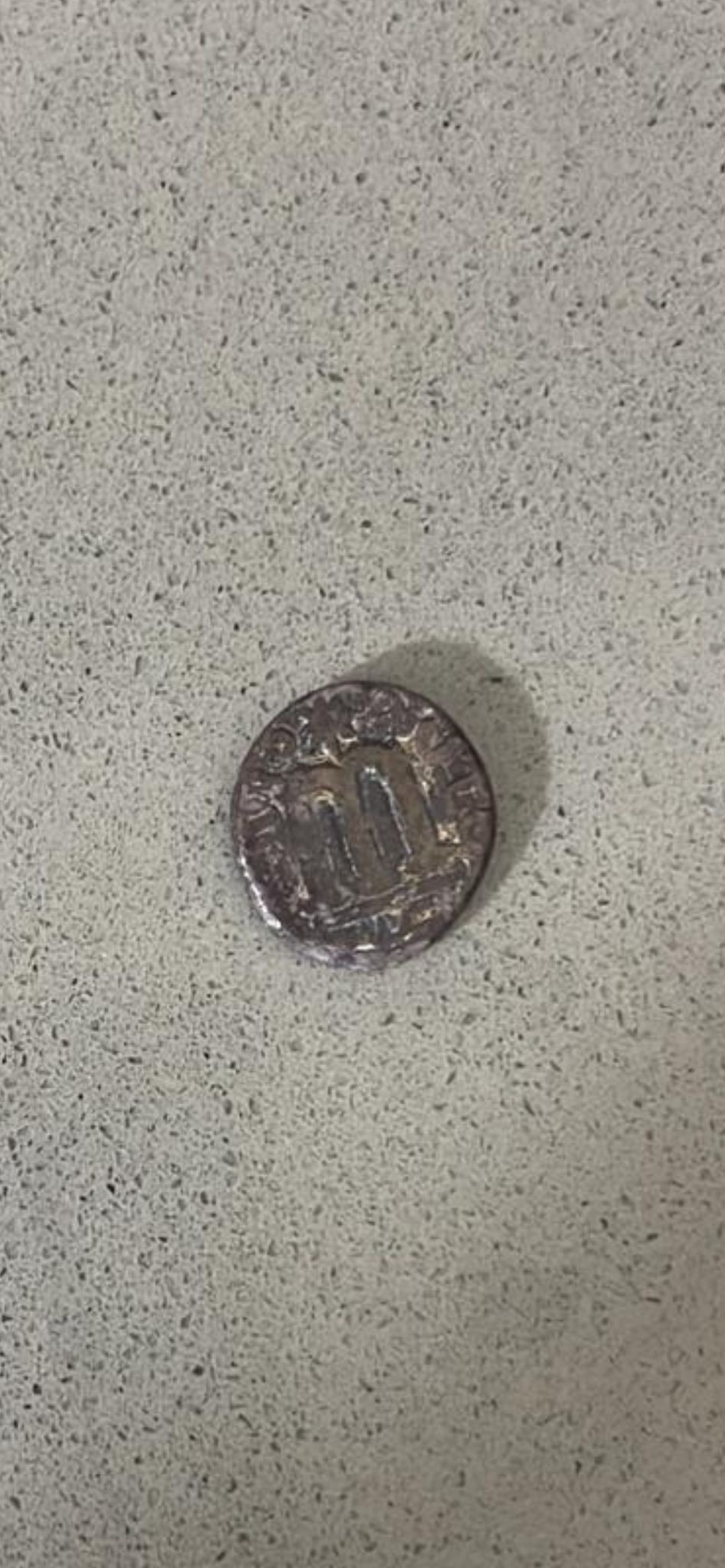
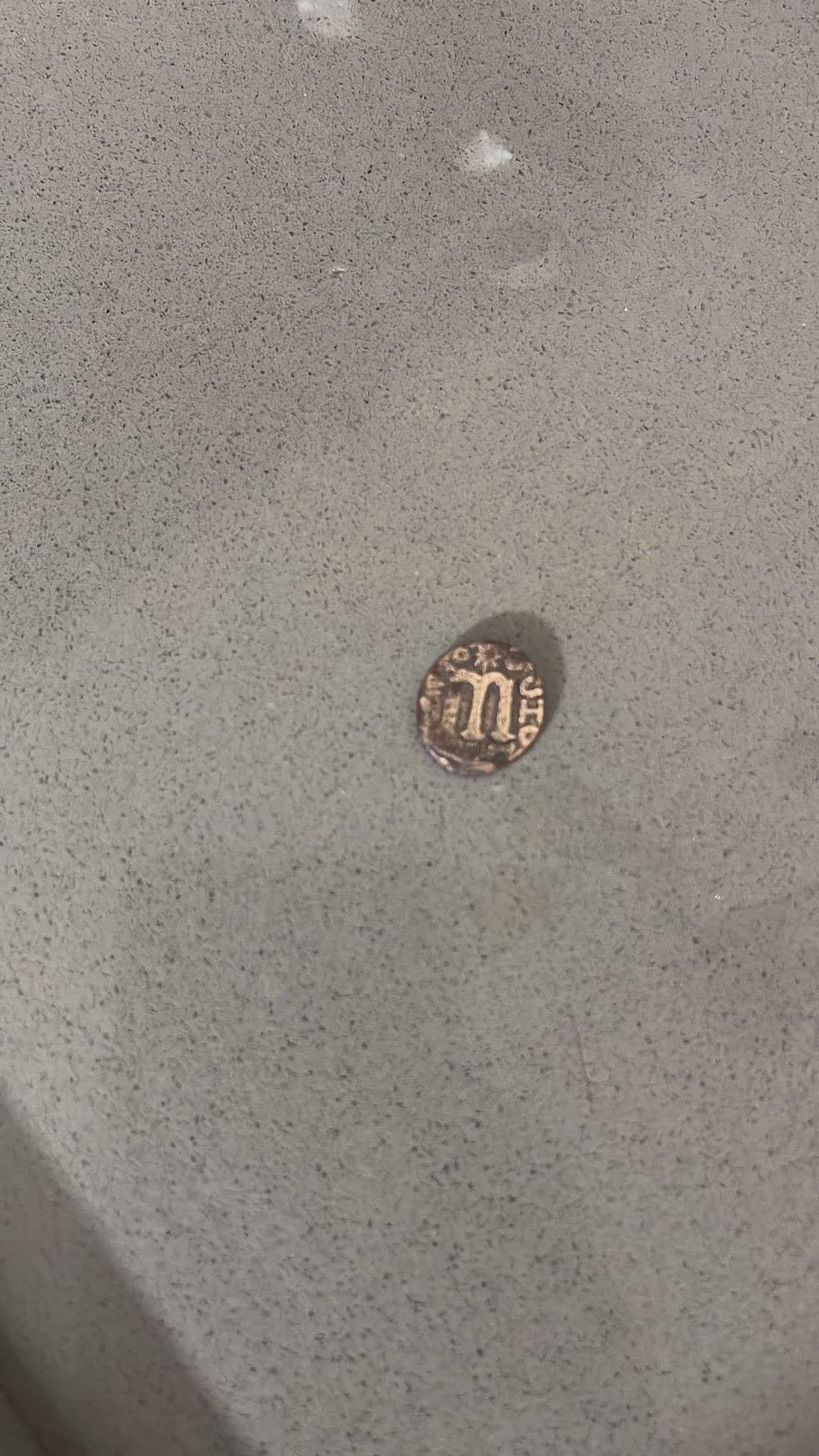
Medieval Copper Farthing or Denier (M-Type)
Kingdom of France or British Isles (Plantagenet / Medieval European) · 12th to 14th Century (c. 1150-1350 AD)
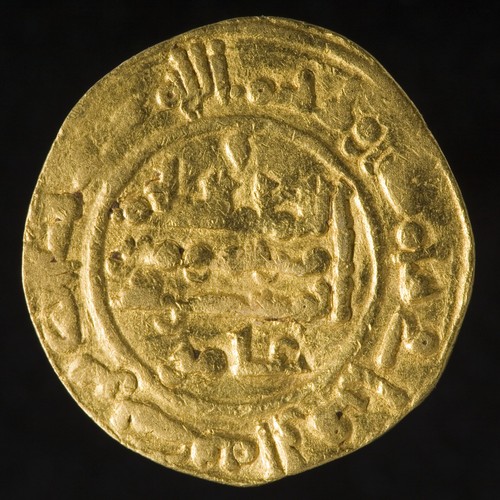
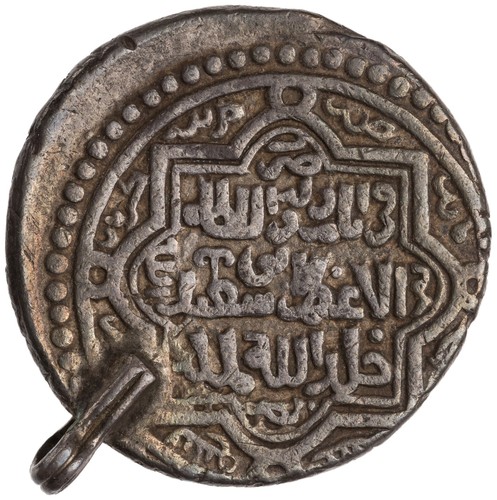
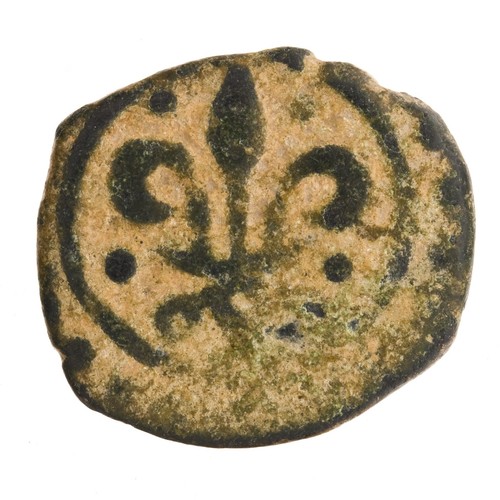
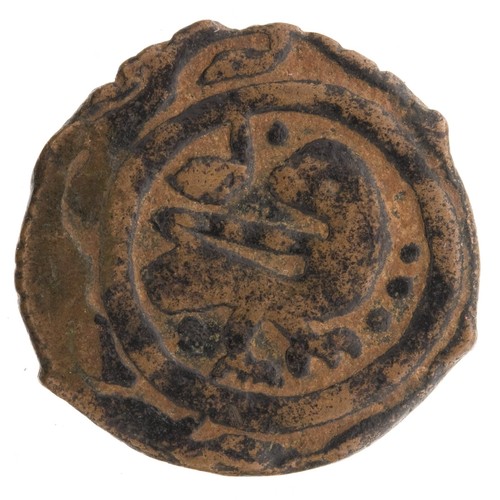
A small, thick medieval coin featuring a prominent gothic letter 'M' or monogram on one side and a stylized cross or architectural motif on the other.
- Country
- Kingdom of France or British Isles (Plantagenet / Medieval European)
- Year
- 12th to 14th Century (c. 1150-1350 AD)
- Denomination
- Farthing / Denier / Maille
- Metal
- Billon or Copper Alloy
- Grade
- Fair to About Good (worn, typical for medieval hammered coinage)
This report is AI-generated and can be wrong. Always verify grade, authenticity, and value with a qualified dealer or certified grading service before buying, selling, or insuring.
Identify your own coins.
Get a report just like this from any photo, free.
Overview
Historical significance
Obverse (front)
Reverse (back)
Estimated value
What drives this coin's value
Grade assessment
Mintage & rarity
Authenticity & counterfeit red flags
Notable varieties & errors
Similar coins
Care & preservation
More like this
Other kingdom of france or british isles (plantagenet / medieval european) coins
Isle of Man Manx Crown
Isle of Man · The year of issue is not visible in the image. These coins have been issued in various years, particularly in the latter half of the 20th and early 21st centuries. To determine the exact year, the other side of the coin, typically featuring the Sovereign's portrait, would need to be examined.
Crusader Denier / Obole
County of Tripoli (Levant / Modern Lebanon) · c. 12th-13th Century (e.g., Raymond II to Bohemund IV, c. 1152-1233)
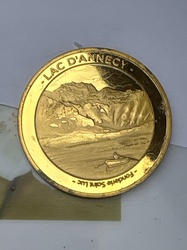
Lac d'Annecy / Prison d'Annecy Souvenir Token
France · Late 20th to early 21st century
British 50 Pence (Decimal Coinage)
United Kingdom (Royal Mint) · 1997-2022 (Modern reduced size)
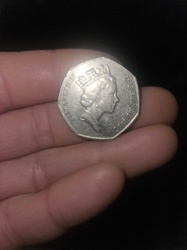
British 50 Pence Seal of the Presidency
United Kingdom · 1992

Treaty of Rome 50th Anniversary 2 Euro Commemorative
Belgium (Kingdom of Belgium) · 2007