
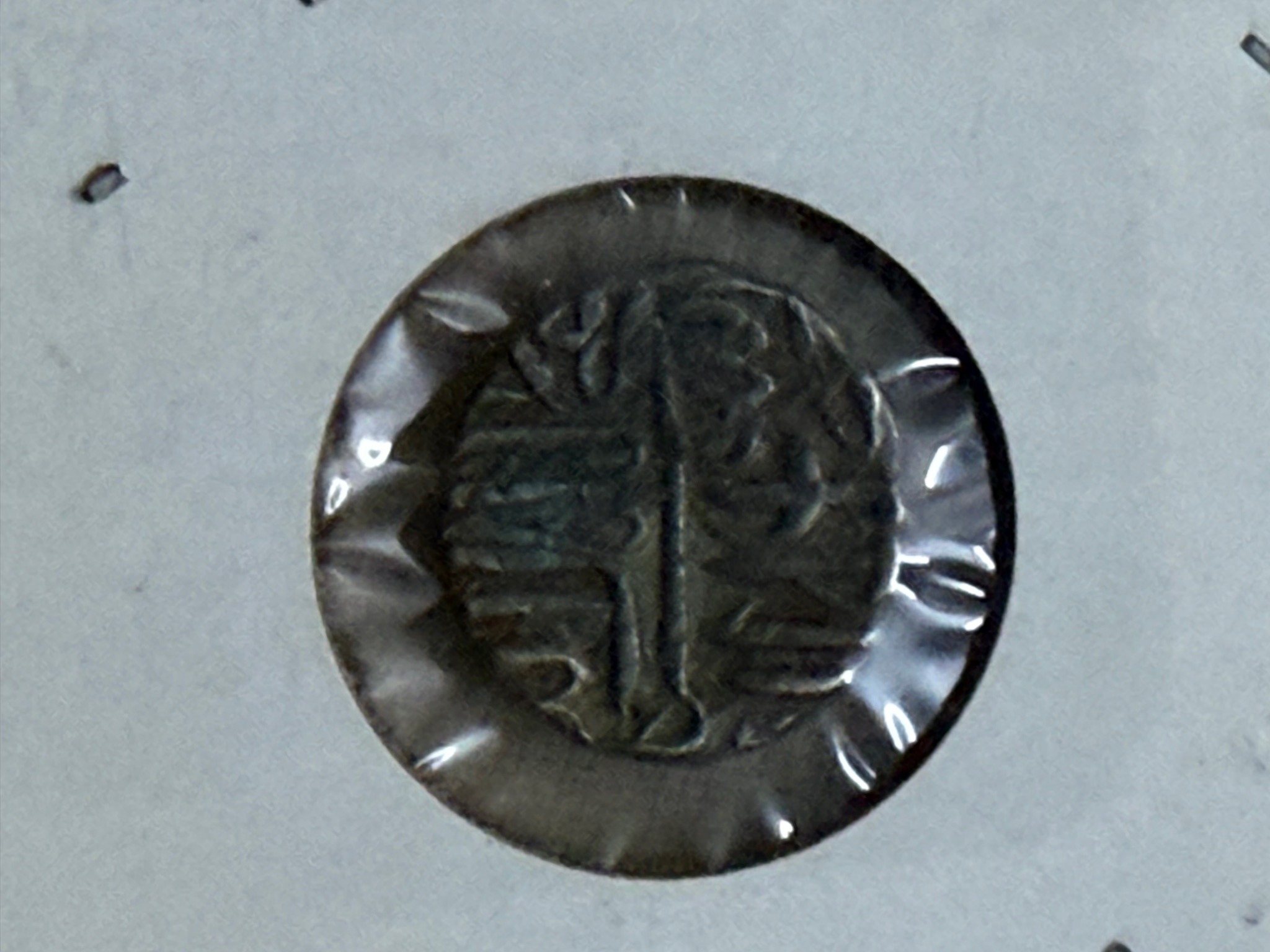
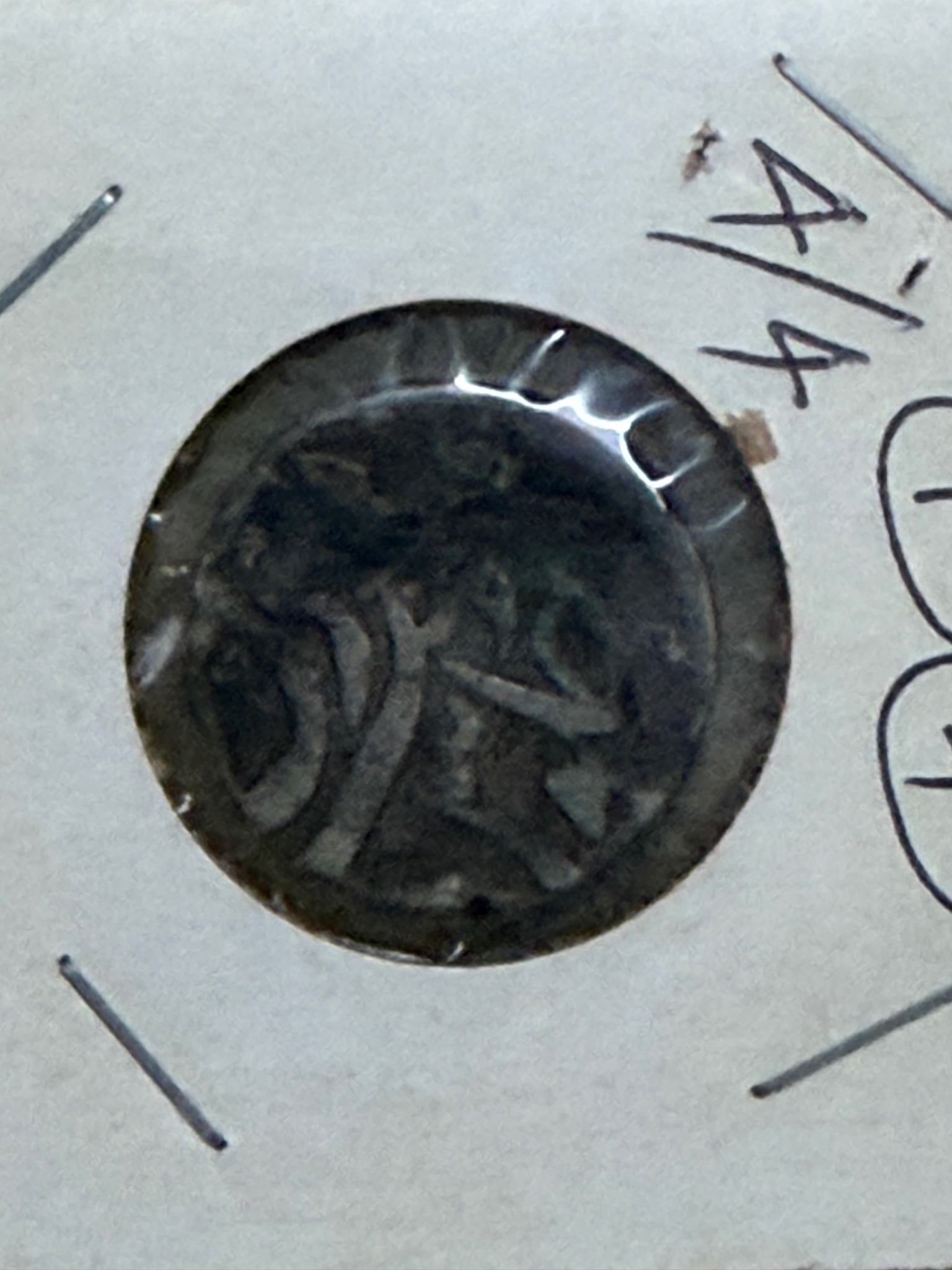
Crusader Denier / Obole
County of Tripoli (Levant / Modern Lebanon) · c. 12th-13th Century (e.g., Raymond II to Bohemund IV, c. 1152-1233)
A medieval Crusader coin featuring a central cross design on one side and a stylized gateway or architectural element on the other, housed within a 2x2 coin flip showing crimping/scalloped edges common to medieval hammered coinage.
- Country
- County of Tripoli (Levant / Modern Lebanon)
- Year
- c. 12th-13th Century (e.g., Raymond II to Bohemund IV, c. 1152-1233)
- Denomination
- Denier or Obole
- Metal
- Billoin (Low-grade Silver)
- Grade
- Fine to Very Fine for a medieval issue, with typical uneven strike and wear.
This report is AI-generated and can be wrong. Always verify grade, authenticity, and value with a qualified dealer or certified grading service before buying, selling, or insuring.
Identify your own coins.
Get a report just like this from any photo, free.
Overview
Historical significance
Obverse (front)
Reverse (back)
Estimated value
What drives this coin's value
Grade assessment
Mintage & rarity
Authenticity & counterfeit red flags
Notable varieties & errors
Similar coins
Care & preservation
More like this
Other county of tripoli (levant / modern lebanon) coins
Greek Tetradrachm (Shekel of Tyre style)
Tyre (Ancient Phoenicia, modern Lebanon) · Circa 126 BC – 65 AD
Islamic Bronze Fals / Dirham (Medieval Islamic / Artuqid or similar Anatolian/Levantine context)
Islamic World (likely medieval Anatolia, Jazira, or Levant under a regional dynasty such as the Artuqids or Zengids) · Circa 12th - 13th Century CE (Middle Ages)
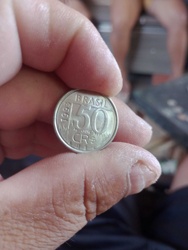
50 Cruzeiros Reais (Tira-prosa)
Brazil · 1993

Unknown (likely 10 Kopecks or similar small denomination coin)
Cannot definitively determine the country of origin from the provided image due to lack of clear national symbols or text beyond the denomination and year. Countries that use a '10' denomination with '2022' include Russia (10 Kopecks), Ukraine (10 Kopecks, though often brass-colored), and various other former Soviet states or Eastern European countries. · 2022
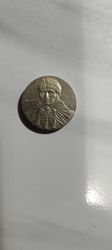
Ethiopia 1 Birr (Menelik II)
Ethiopia (Abyssinia) · 1897 (EE 1889)
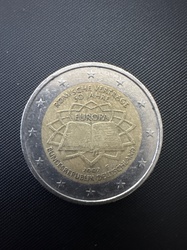
Germany 2 Euro '50th Anniversary of the Treaty of Rome'
Germany (Bundesrepublik Deutschland) · 2007