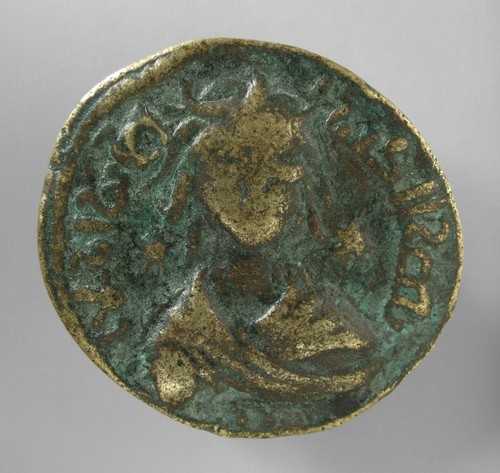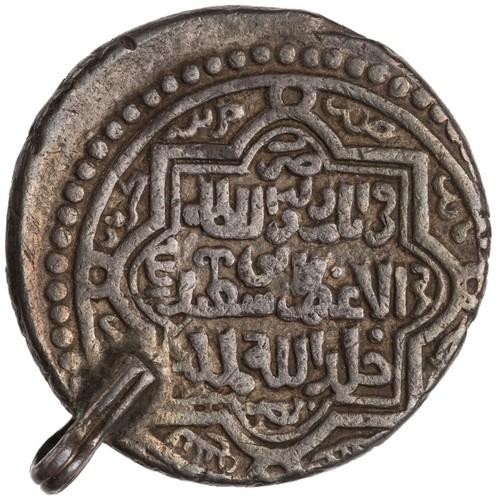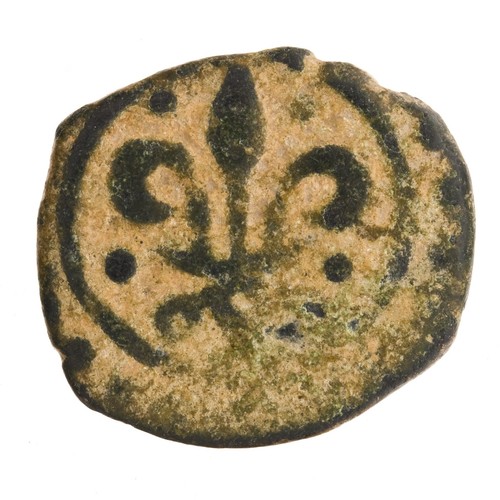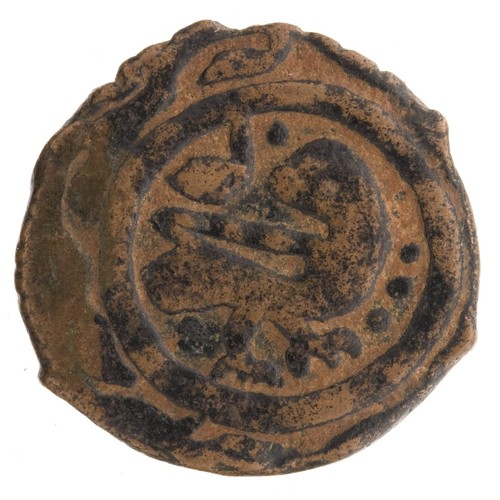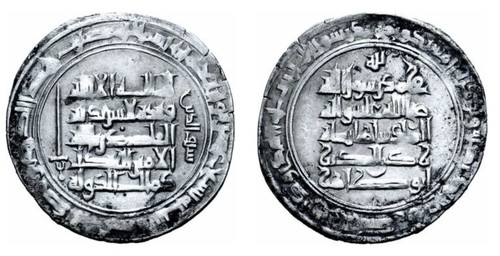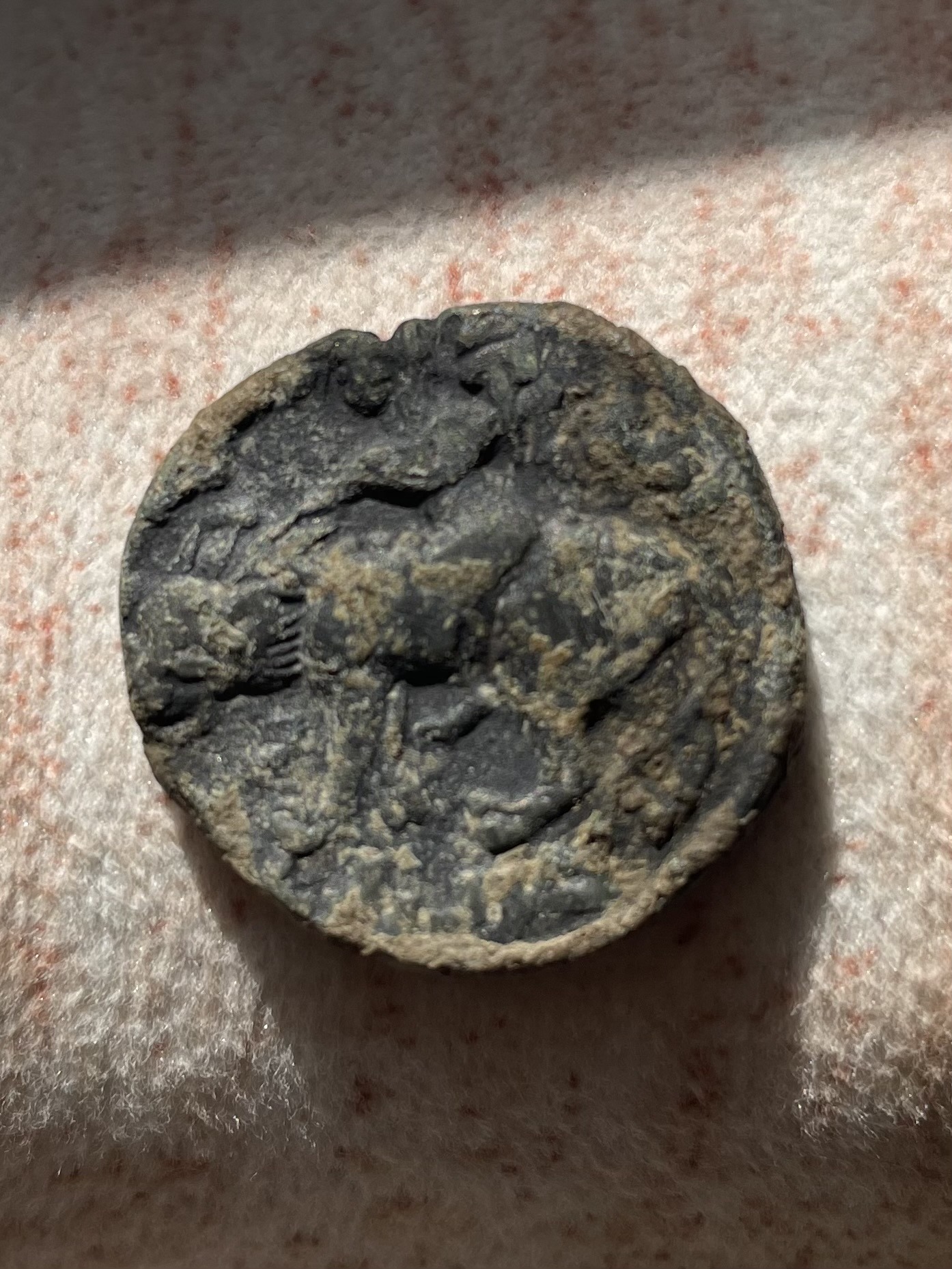
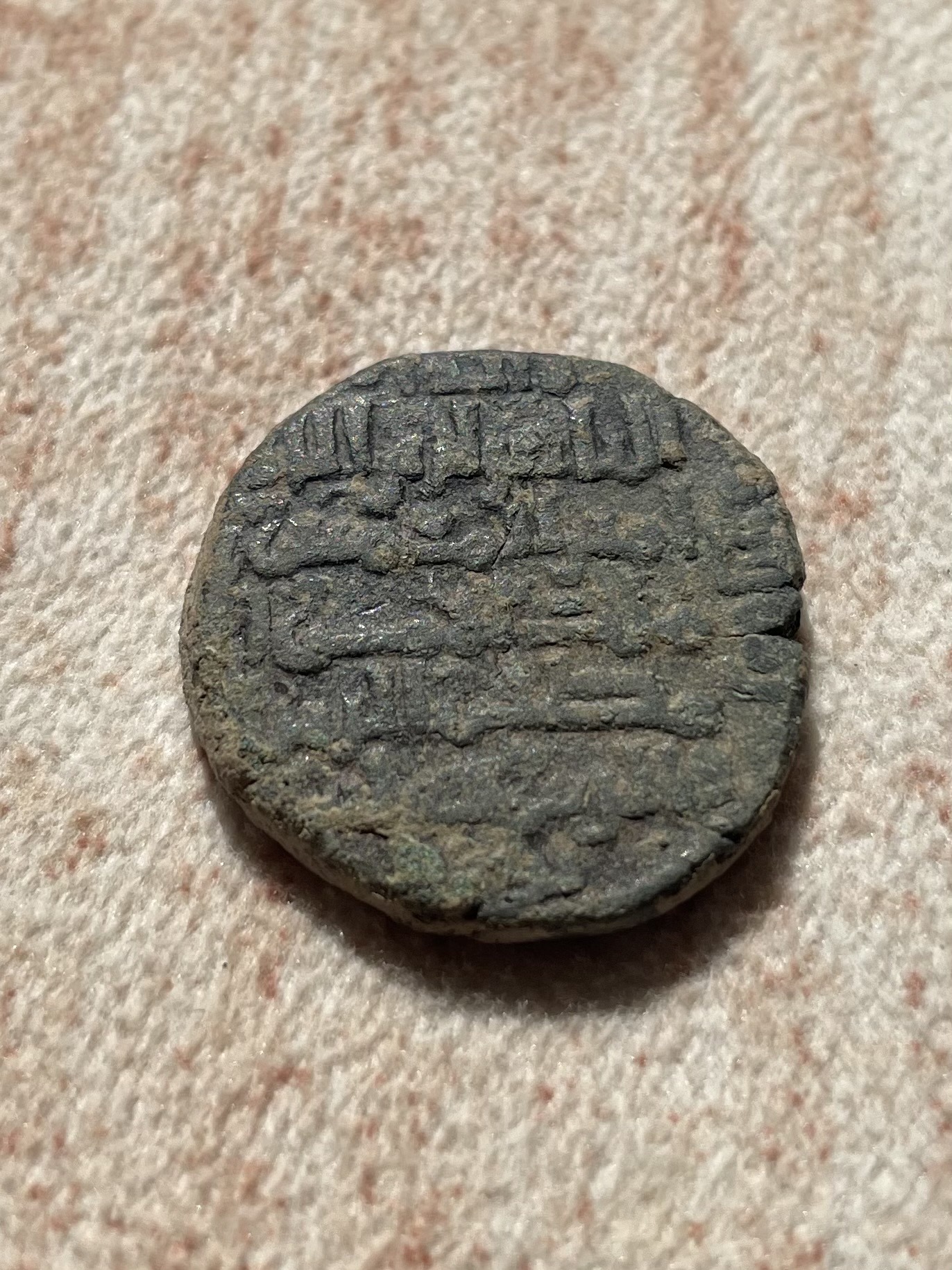
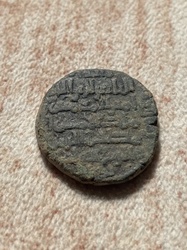
Islamic Bronze Fals / Dirham (Medieval Islamic / Artuqid or similar Anatolian/Levantine context)
Islamic World (likely medieval Anatolia, Jazira, or Levant under a regional dynasty such as the Artuqids or Zengids) · Circa 12th - 13th Century CE (Middle Ages)
A thick, heavily worn and corroded medieval Islamic bronze coin featuring Arabic Kufic or Thuluth calligraphy on one side and an animal or figural representation (possibly a lion, horse, or mythical creature) on the other.
- Year
- Circa 12th - 13th Century CE (Middle Ages)
- Denomination
- Fals (Bronze coin)
- Metal
- Bronze / Copper
This report is AI-generated and can be wrong. Always verify grade, authenticity, and value with a qualified dealer or certified grading service before buying, selling, or insuring.
Identify your own coins.
Get a report just like this from any photo, free.
Overview
Historical significance
Obverse (front)
Reverse (back)
Estimated value
What drives this coin's value
Grade assessment
Mintage & rarity
Authenticity & counterfeit red flags
Notable varieties & errors
Similar coins
Care & preservation
More like this
Other islamic world (likely medieval anatolia, jazira, or levant under a regional dynasty such as the artuqids or zengids) coins
Islamic Copper Falus (or similar medieval/early modern Islamic coin)
Islamic World / Middle East or North Africa · Uncertain (potentially 18th or 19th century based on style, though highly worn)
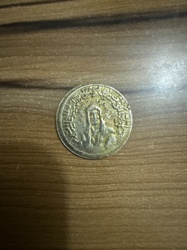
Likely a coin from a Persian or Islamic dynasty; potentially a 'Shahi' or similar denomination, though specific identification without clear inscriptions is difficult.
Persian Empire (various dynasties), Central Asian Khanates, or areas under Islamic rule in the Middle East. · Based on the style and iconography, this coin likely dates from the medieval Islamic period, roughly between the "12th and 18th centuries AD" (6th to 12th centuries AH), but a precise year cannot be determined without clearer inscription details.
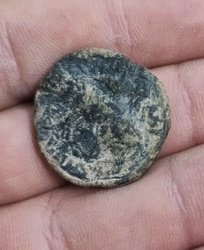
Islamic Copper Falus (or Dirham)
Islamic World / Middle East (various dynasties such as Umayyad, Abbasid, or Seljuk) · Circa 8th to 13th Century CE
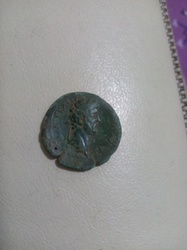
Antonine Dynasty Provincial Bronze (likely Marcus Aurelius or Commodus)
Roman Empire (Provincial Issue) · c. 161 - 192 AD
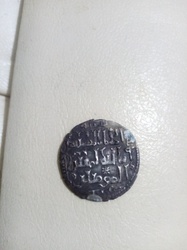
Delhi Sultanate Silver Tanka (Ghiyath al-din Tughluq)
India, Delhi Sultanate, Tughluq Dynasty · AH 720-725 (AD 1320-1325)
Islamic Copper Jital / Falus (Bull and Horseman type or similar medieval Islamic copper)
Medieval Islamic world / South Asia borderlands (e.g., Ghaznavids, Hindu Shahis, or Delhi Sultanate influences) · Circa 10th - 13th Century CE