
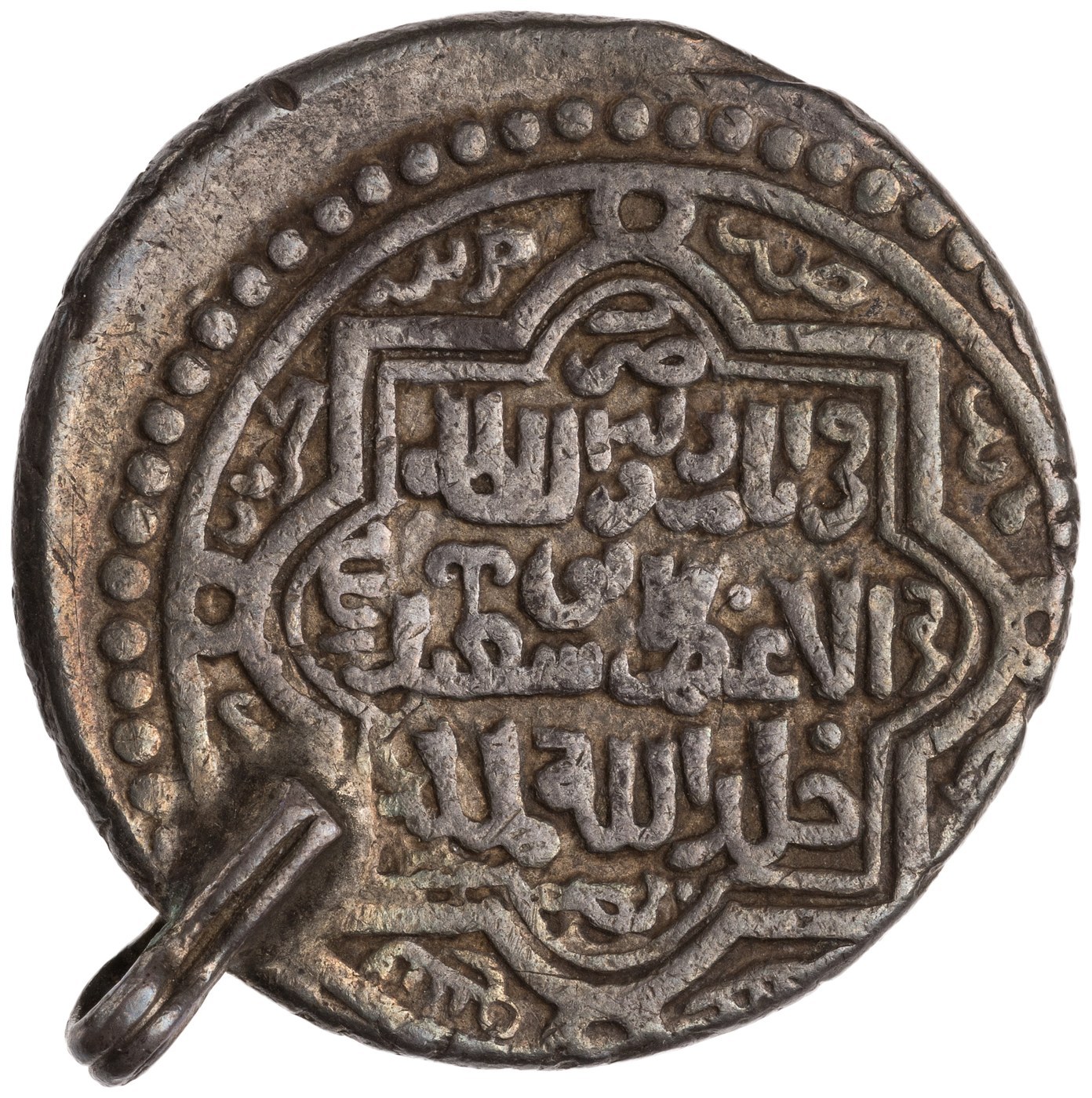
Barakah Copper Fals
A medieval Islamic copper fals carrying purely Arabic calligraphy, including the pious word barakah (“blessing”), with no portrait or figural image.
- Country
- Islamic (Middle East)
- Denomination
- Fals
- Metal
- Copper
Got a coin like this?
Identify any coin from a photo, free.
Overview
The Barakah Copper Fals is a small medieval Islamic copper coin, a fals (plural fulus), that served as everyday small change across the Islamic Middle East. The example shown is entirely aniconic: the obverse carries Arabic calligraphy arranged in concentric bands, and the reverse bears further Arabic legends. It takes its collector name from the word barakah (بركة, “blessing”), a pious term that commonly appears in the inscriptions of copper fulus of this kind.
Unlike the tightly regulated gold dinar and silver dirham, copper fulus were the base-metal coinage of the marketplace and were struck in great local variety. This piece follows that tradition, using text alone — religious formulas and benedictions rather than images — as its entire design.
Because the coin carries only calligraphy and a benedictory word rather than a clearly legible ruler, mint, or date on the visible surfaces, it is best understood as a representative medieval Islamic copper fals rather than an issue tied to one precise dynasty or year.
History & Background
The fals descends from the Byzantine copper follis, whose name it Arabized. After the late 7th-century reforms that made Islamic coinage purely epigraphic — replacing images with Arabic religious text — gold, silver, and copper alike were designed around calligraphy. The fals was the copper tier of this system, used for small daily transactions where a silver dirham was too valuable.
Copper fulus were struck by many authorities — caliphal governors, later regional dynasties, and city mints — across a wide span of centuries and territory, from the Umayyad and Abbasid periods through the many successor states of the medieval Middle East. Because copper had little intrinsic value, these coins were tokens of local convenience, often produced to varying weights and standards and frequently anonymous.
Pious inscriptions were a natural fit for such coinage. Phrases invoking God, the Islamic profession of faith, and blessing words such as barakah appear widely on medieval fulus. The presence of barakah on this coin places it firmly within that long, broad tradition of benedictory copper small change rather than marking it as a rare or unique type.
How to Identify
This is a small, thick copper coin, typically irregular in outline because copper fulus were struck by hand from cast or cut blanks. Most medieval fulus fall roughly in the 15–25 mm range and a few grams in weight, though copper standards varied widely by mint and period, so size and weight alone rarely pin down a single issue.
The defining features are calligraphic. The obverse shows Arabic script laid out in concentric bands — an inner legend framed by an outer marginal legend — while the reverse carries additional Arabic text. Look for the word barakah (بركة) and for standard religious formulas such as the shahada (declaration of faith) or invocations of God. There is no portrait, animal, or Latin lettering; the design is text only.
Attribution beyond “medieval Islamic copper fals” depends on reading the legends. A clear ruler's name, mint city, or Hijri date, if present and legible, would narrow the coin to a specific dynasty and period. Where those are worn, off-flan, or absent — common on humble copper coinage — the coin is identified generically by its metal, denomination, aniconic calligraphic style, and benedictory content.
Value & Collectibility
Anonymous or benedictory medieval Islamic copper fulus are, as a class, among the more affordable Islamic coins. They were produced in large quantities as base-metal small change, and typical worn examples usually trade at modest prices rather than at scarce-coin levels.
Value within the group is driven mainly by how much of the legend is legible, the sharpness and centering of the strike, surface condition and patina, and whether the coin can be firmly attributed to a specific ruler, mint, or date. A fals with clear, complete inscriptions that identify its issuer is worth more than a worn, partly off-flan piece read only as a generic type.
Because exact prices depend heavily on attribution, grade, and specialist demand, figures here are general context rather than fixed values. For a coin like this, an accurate reading of the Arabic legends is the single biggest factor in placing it within the market.
Frequently asked questions
What does barakah mean on the coin?
Barakah (بركة) is Arabic for “blessing.” It is a pious word that appears in the inscriptions of many medieval Islamic copper fulus, and it gives this coin its collector name.
What is a fals?
A fals (plural fulus) was the copper coin of the medieval Islamic monetary system — the everyday small change used below the silver dirham and gold dinar. The name comes from the Byzantine copper follis.
Why is there no picture on the coin?
Islamic coinage after the late 7th-century reforms was aniconic, using Arabic calligraphy — religious formulas and benedictions — instead of portraits or figures. This fals follows that tradition with text-only designs on both faces.
Can this coin be dated to an exact year?
Not from its general type alone. A precise date requires a legible Hijri year and mint in the legends. Where those are worn or absent, the coin is identified broadly as a medieval Islamic copper fals.
Is a Barakah copper fals valuable?
Most are modestly priced because copper fulus were common small change. Value rises with legible, complete legends, a firm attribution to a ruler or mint, and good surface condition.
Barakah Copper Fals guides
In-depth guides for identifying, valuing, and collecting Barakah Copper Fals.
Barakah Copper Fals identified by the community
Real coins identified with Coin Identifier.
Other coins you may enjoy
Gold Dinar of Jaqmaq
1438-1453 CE
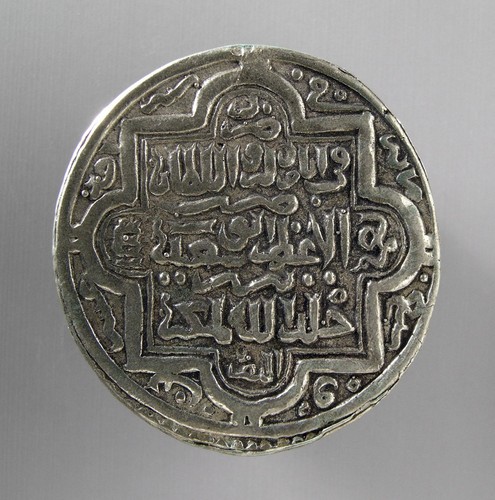
Ilkhanid Dirham
13th–14th century (Ilkhanate, c. 1256–1335 CE)
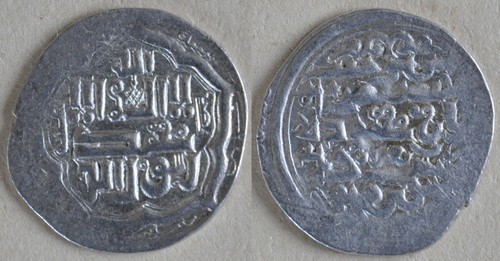
Ilkhanid Dirham of Ghazan
14th century (c. 1295-1304 CE)
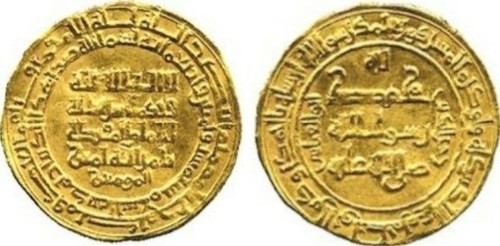
Gold Dinar of al-Muqtadi
c. 467-475 AH (1074-1082 CE)
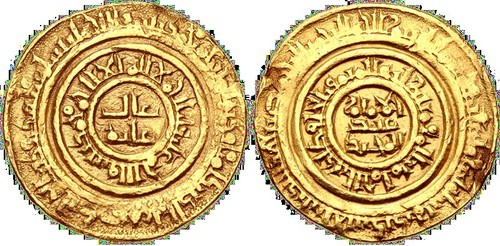
Gold Dinar of al-Hafiz li-Din Allah
AH 544 (AD 1149–1150)
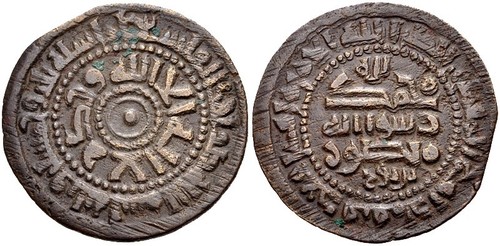
Samanid Dirham
9th–10th century CE (roughly AH 3rd–4th century)
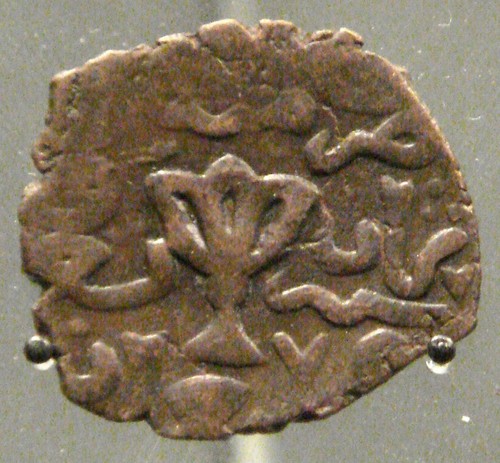
Copper Fals of Barquq
1382–1389 CE (first reign of Barquq)
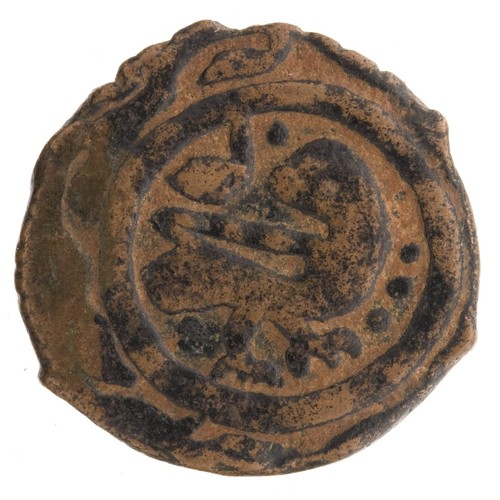
Copper Fals of as-Salih Salih
Mid-14th century CE (reign of as-Salih Salih, AH 752–755 / 1351–1354 CE)
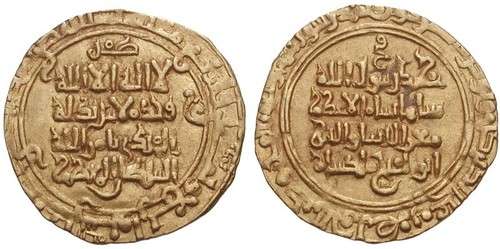
Gold Dinar of Malik Shah I
AH 465–485 (1072–1092 CE)
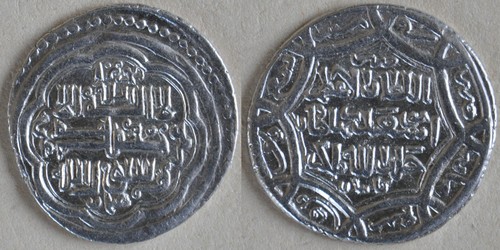
Ilkhanid Dirham of Abu Said
c. 1316-1335 CE (AH 716-736)
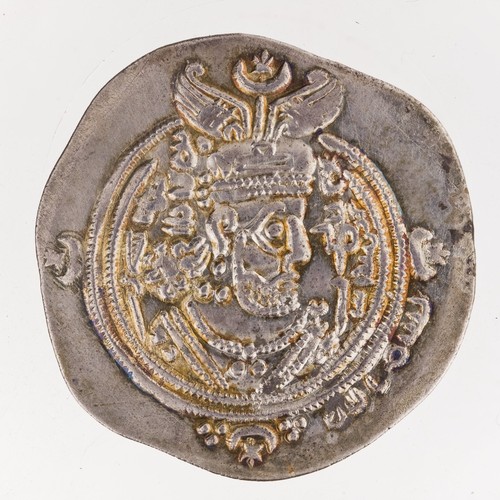
Silver Dirham of Salm ibn Ziyad
c. 682-683 CE
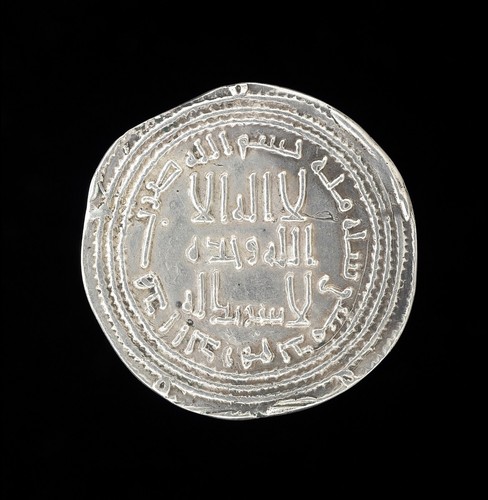
Silver Dirham (LACMA M.2002.1.437)
8th century CE (roughly AH 80s–190s)