Coin Identifier
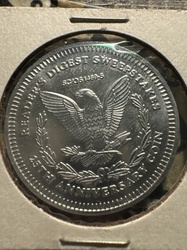
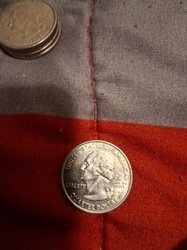
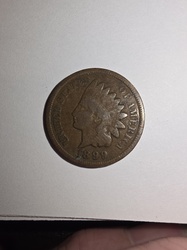
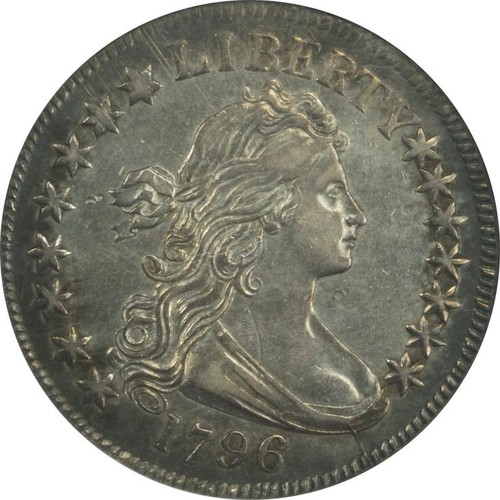
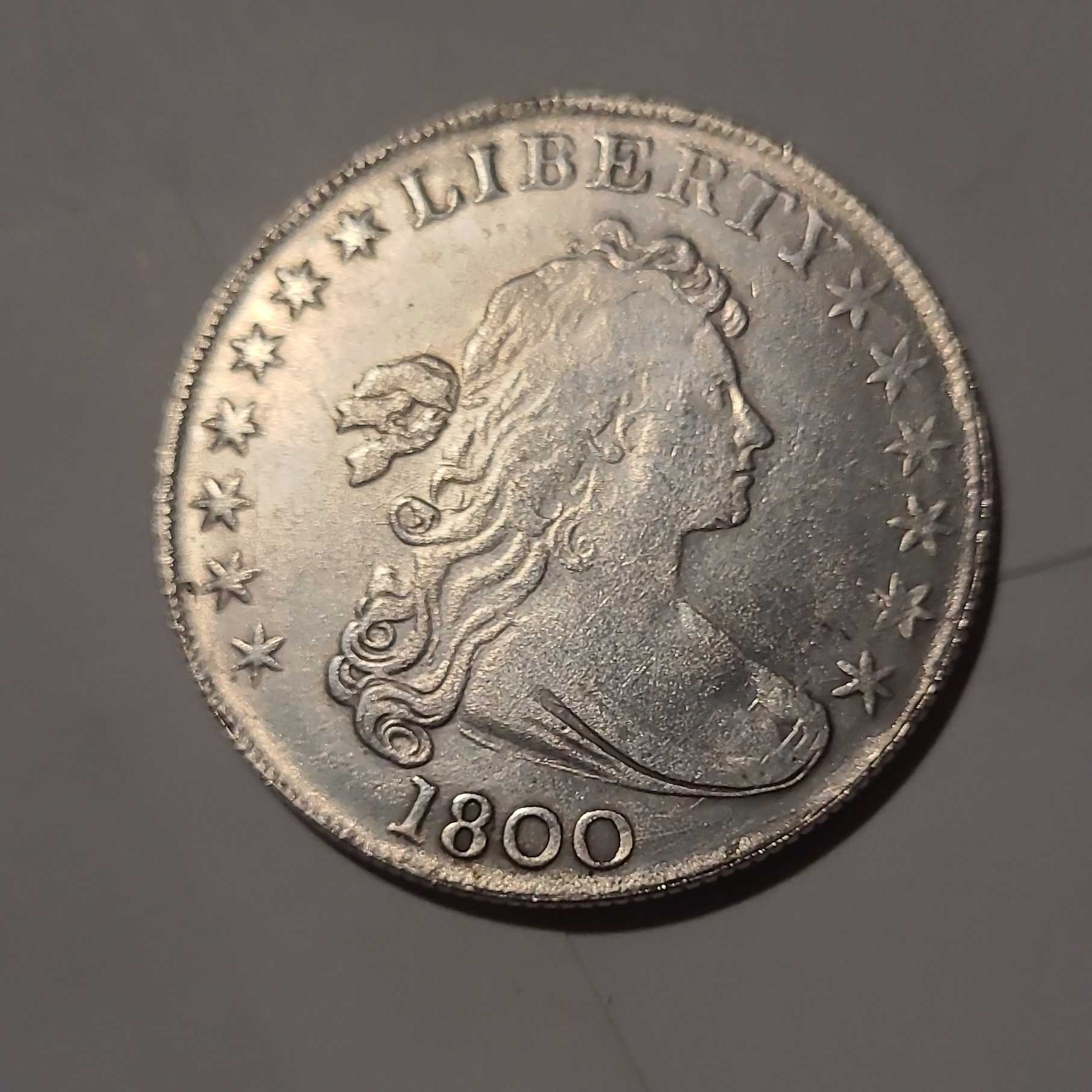
Draped Bust Silver Dollar (Heraldic Eagle Reverse) — obverse
Obverse
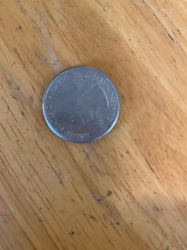
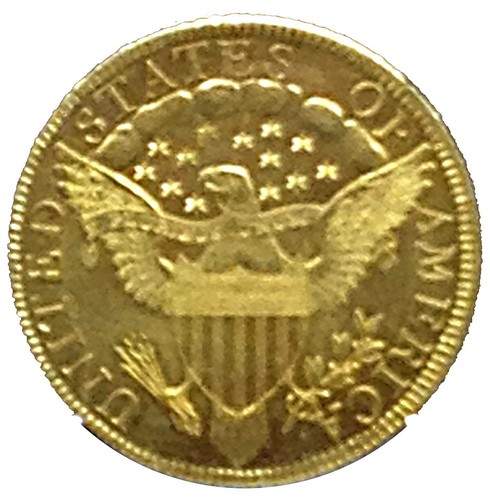
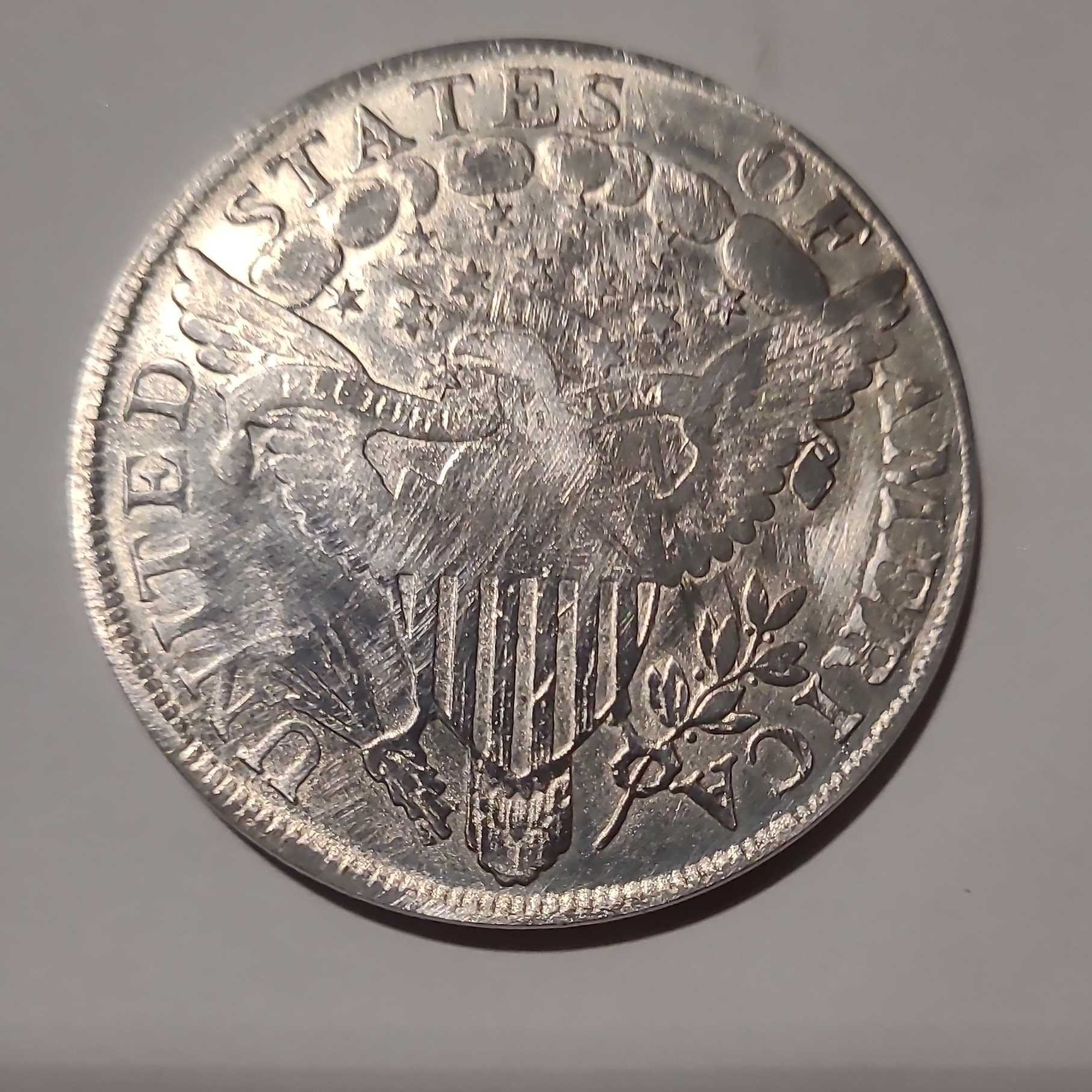
Draped Bust Silver Dollar (Heraldic Eagle Reverse) — reverse
Reverse
One Dollar ($1.00)

Draped Bust Silver Dollar (Heraldic Eagle Reverse)

United States of America · 1800

An early American silver dollar featuring the Draped Bust Liberty on the obverse and a Heraldic Eagle with a shield on the reverse.

Country
United States of America
Year
1800
Denomination
One Dollar ($1.00)
Metal
89.2% Silver, 10.8% Copper

This report is AI-generated and can be wrong. Always verify grade, authenticity, and value with a qualified dealer or certified grading service before buying, selling, or insuring.

Explore Draped Bust Silver Dollar (Heraldic Eagle Reverse) in the encyclopedia →

Identify your own coins.

Get a report just like this from any photo, free.

Overview

An early American silver dollar featuring the Draped Bust Liberty on the obverse and a Heraldic Eagle with a shield on the reverse.

Historical significance

Early U.S. silver dollars are iconic remnants of the young Republic's coinage. The 1800 issue represents one of the final years of the Draped Bust series before silver dollar production was suspended in 1804 for over 30 years.

Obverse (front)

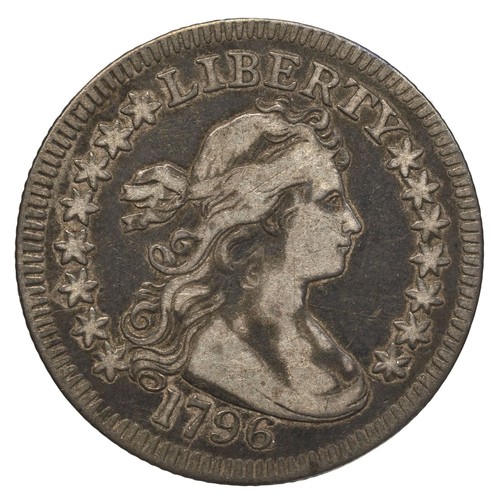
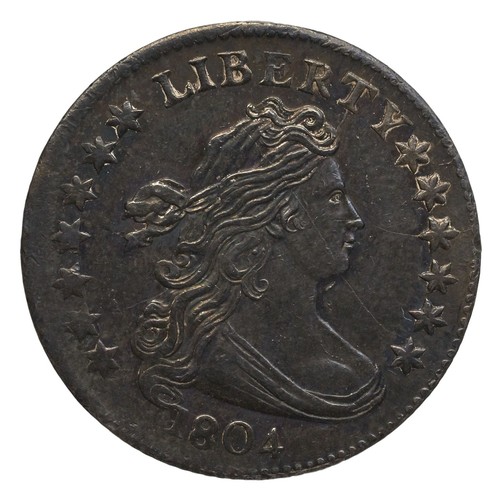
Liberty facing right with hair flowing back, bound by a ribbon. The word 'LIBERTY' is above, the date '1800' is below, with 13 stars surrounding (7 left, 6 right).

Reverse (back)

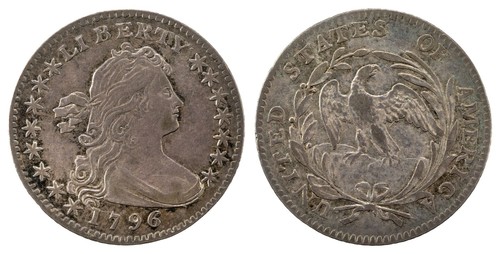
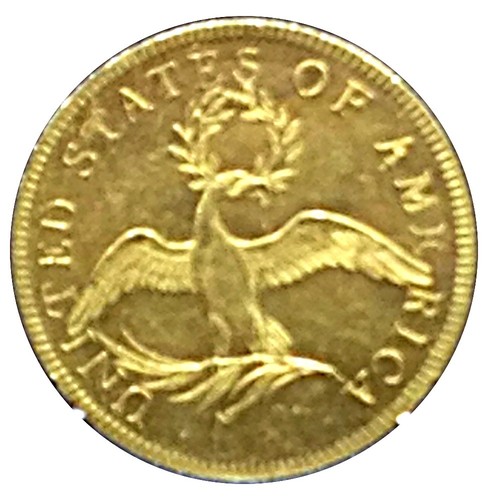
Heraldic Eagle with a shield on its breast, holding a bundle of arrows and an olive branch. A banner in the beak reads 'E PLURIBUS UNUM'. Above the eagle are clouds and 13 stars. Legend: 'UNITED STATES OF AMERICA'.

Estimated value

$1,000 - $2,500 in lower circulated grades (VG-VF); $5,000 - $15,000+ in Extremely Fine to About Uncirculated; much higher for Mint State. (Note: This specific specimen shows signs of cleaning/harsh surface texture which significantly reduces market value).

What drives this coin's value

Preservation of original surface luster, lack of cleaning, and the clarity of the stars/lines in the shield. Any 'Details' grade significantly lowers value compared to a 'Problem-Free' coin.

Grade assessment

Details grade (Fine to Very Fine). The design shows moderate wear, but the surfaces appear oddly grainy and harshly cleaned, possibly indicating environmental damage or a non-genuine origin.

Mintage & rarity

Mintage of approximately 220,920. While not the rarest date in the series, it is scarce and highly desirable.

Authenticity & counterfeit red flags

Early dollars are heavily counterfeited. Check for 'mushy' details, incorrect weight, and the correct lettered edge. The porous/pitted texture on this specific specimen's reverse is a major red flag that requires professional authentication to rule out a cast counterfeit or severe acid cleaning.

Notable varieties & errors

AMERICAI variety (die flaw looks like an 'I' after America), Wide Date, and Dotted Date varieties.

Similar coins

1804 Silver Dollar (the famous 'King of Coins' rarity) and earlier Flowing Hair dollars (1794-1795).

Care & preservation

Do not clean or polish the coin, as this destroys numismatic value. Store in a PVC-free archival flip or a hard plastic holder. Handle only by the edges while wearing gloves.