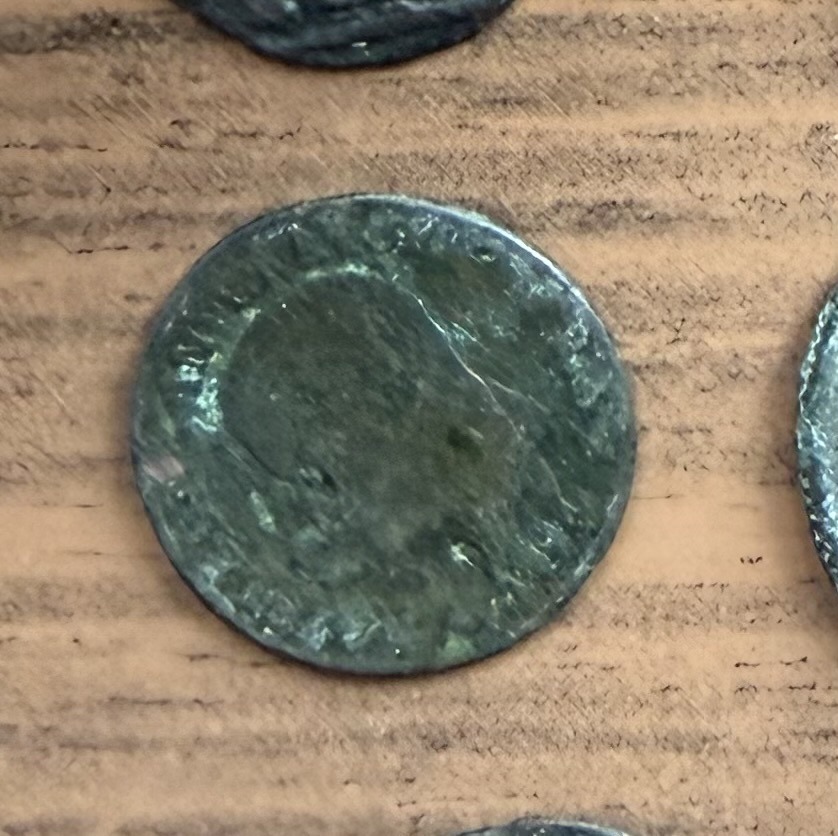
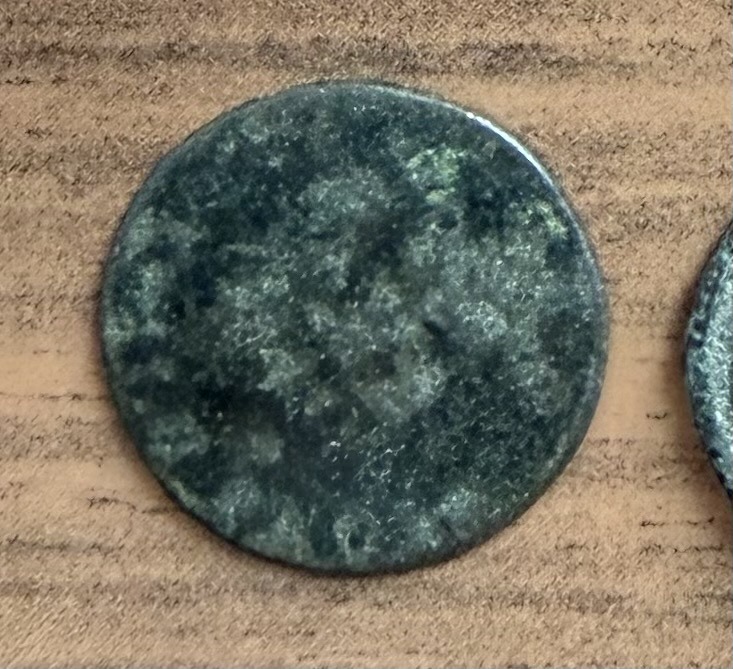
Halfpenny or Farthing
British Halfpenny or Farthing (George II or George III era)
Great Britain / United Kingdom · 18th Century (circa 1730-1790)
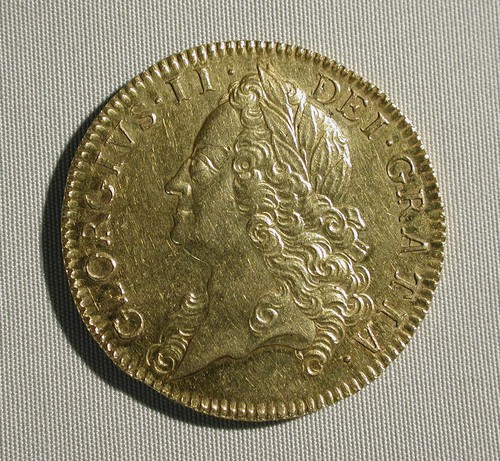
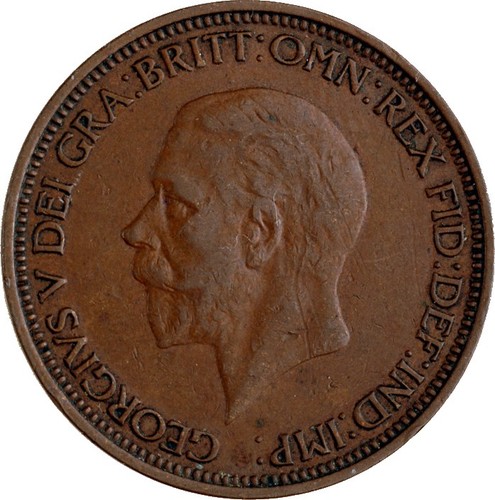
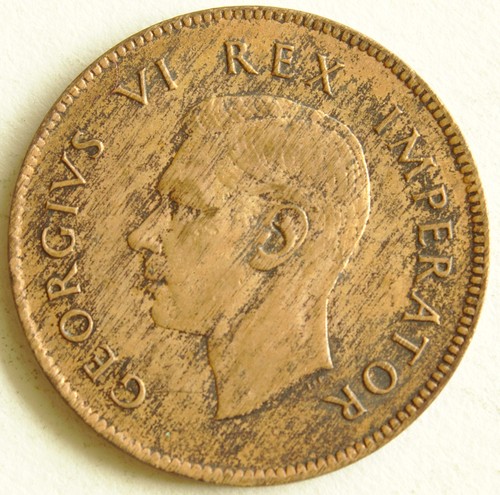
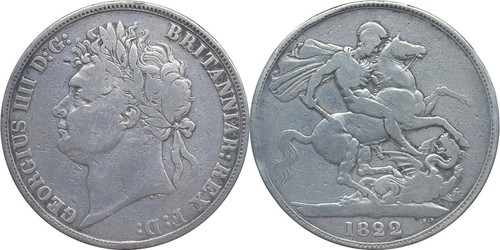
A heavily worn, dark green-patinated copper coin showing the faint outline of a right-facing royal portrait on the obverse and a heavily smoothed or featureless reverse.
- Country
- Great Britain / United Kingdom
- Year
- 18th Century (circa 1730-1790)
- Denomination
- Halfpenny or Farthing
- Metal
- Copper
- Grade
- Poor to Fair (P-1 to FR-2)
This report is AI-generated and can be wrong. Always verify grade, authenticity, and value with a qualified dealer or certified grading service before buying, selling, or insuring.
Identified More great britain / united kingdom coins →
Explore British Halfpenny or Farthing (George II or George III era) in the encyclopedia →Identify your own coins.
Get a report just like this from any photo, free.
Overview
A heavily worn, dark green-patinated copper coin showing the faint outline of a right-facing royal portrait on the obverse and a heavily smoothed or featureless reverse.
Historical significance
These copper coins circulated widely during the Georgian era, playing an essential role in daily commerce for the working classes both in Britain and its American colonies.
Obverse (front)
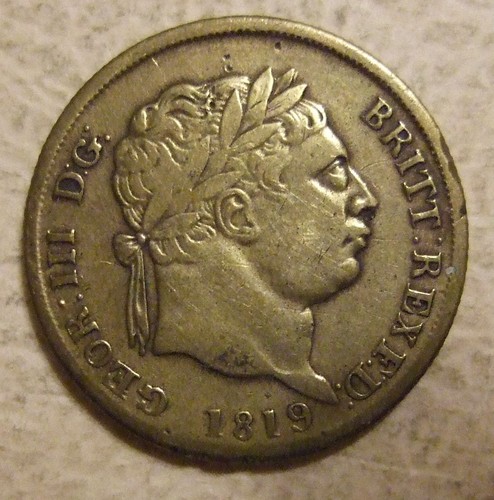
A right-facing laureate bust of a British monarch (likely George II or George III) surrounded by partially legible Latin legend.
Reverse (back)
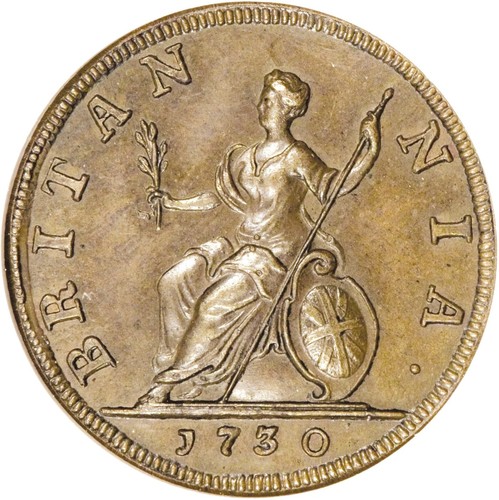
Seated figure of Britannia facing left, holding a branch and spear, though heavily worn and smoothed flat.
Estimated value
$2-$10
What drives this coin's value
Legibility of the date and monarch, overall surface preservation, and absence of severe environmental damage.
Grade assessment
Poor to Fair (P-1 to FR-2)
Mintage & rarity
Common across the series, though specific dates are frequently unreadable due to wear.
Authenticity & counterfeit red flags
Due to low market value in this condition, counterfeiting modern copies is rare, but contemporary counterfeit halfpennies from the 18th century are actually quite common and collectible in their own right.
Notable varieties & errors
Numerous bust varieties, lettering variations, and 'spade' or broad-rim transitions depending on the exact year and denomination.
Similar coins
Irish copper halfpennies and farthings of the same period, as well as contemporary counterfeit tokens (machinists' tokens).
Care & preservation
Store in a stable environment with low humidity in a non-PVC coin flip. Do not clean or scrub the coin, as this will destroy the natural patina and reduce its collectible value.
More like this
Other great britain / united kingdom coins
British Decimal Five Pence (Second Portrait)
United Kingdom · 1973
5 New Pence
British New Penny
United Kingdom · 1971-1981
1 New Penny
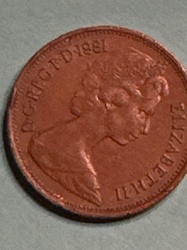
United Kingdom Two Pence
United Kingdom · 1981
Two Pence (2p)
New Penny
United Kingdom · 1978
1 New Penny
Ship Half Penny
United Kingdom · 1965
Half Penny (1/2d)
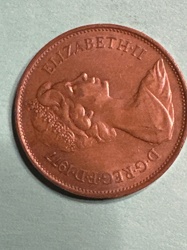
United Kingdom New Penny
United Kingdom · 1977
1 New Penny