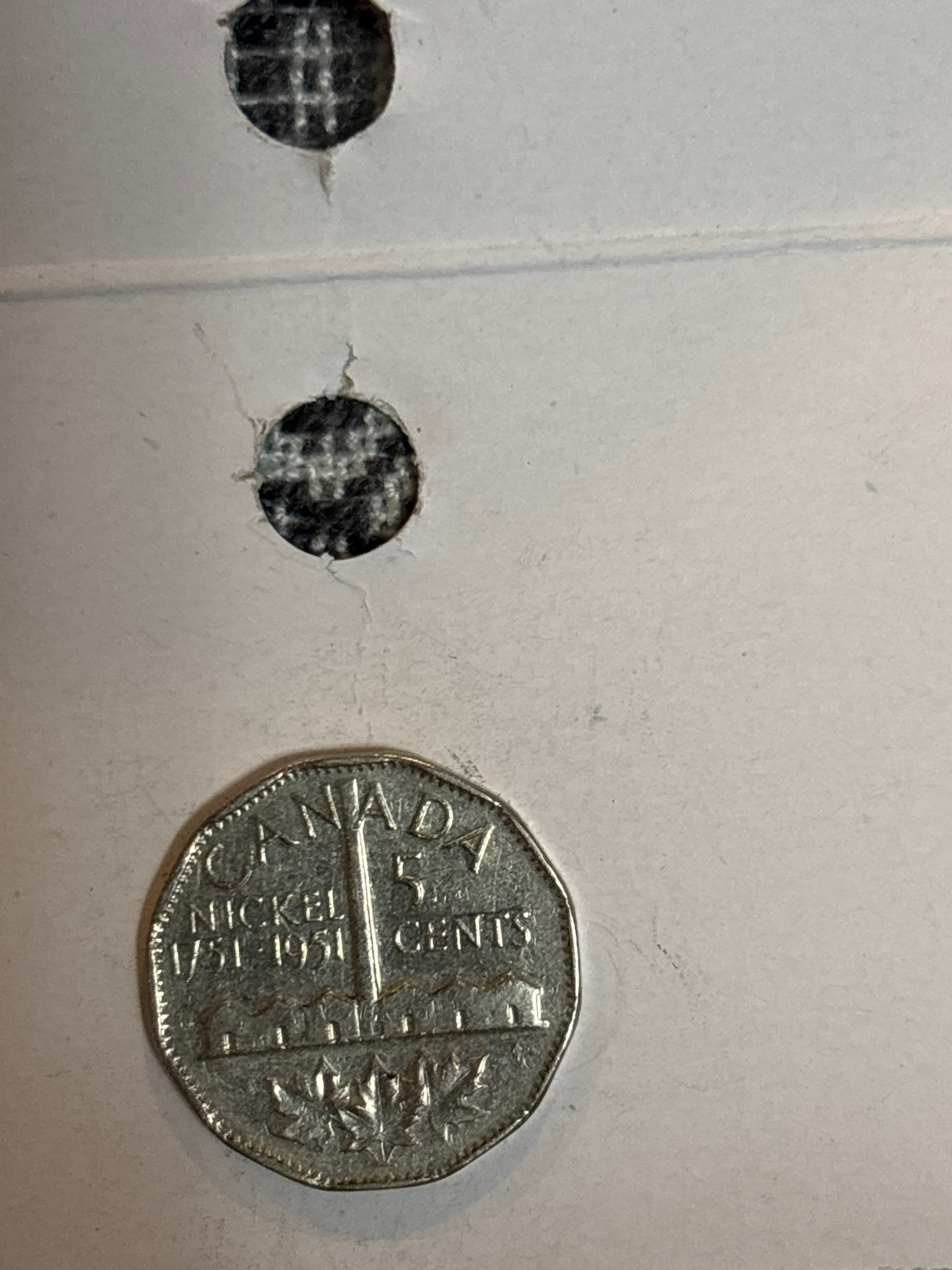
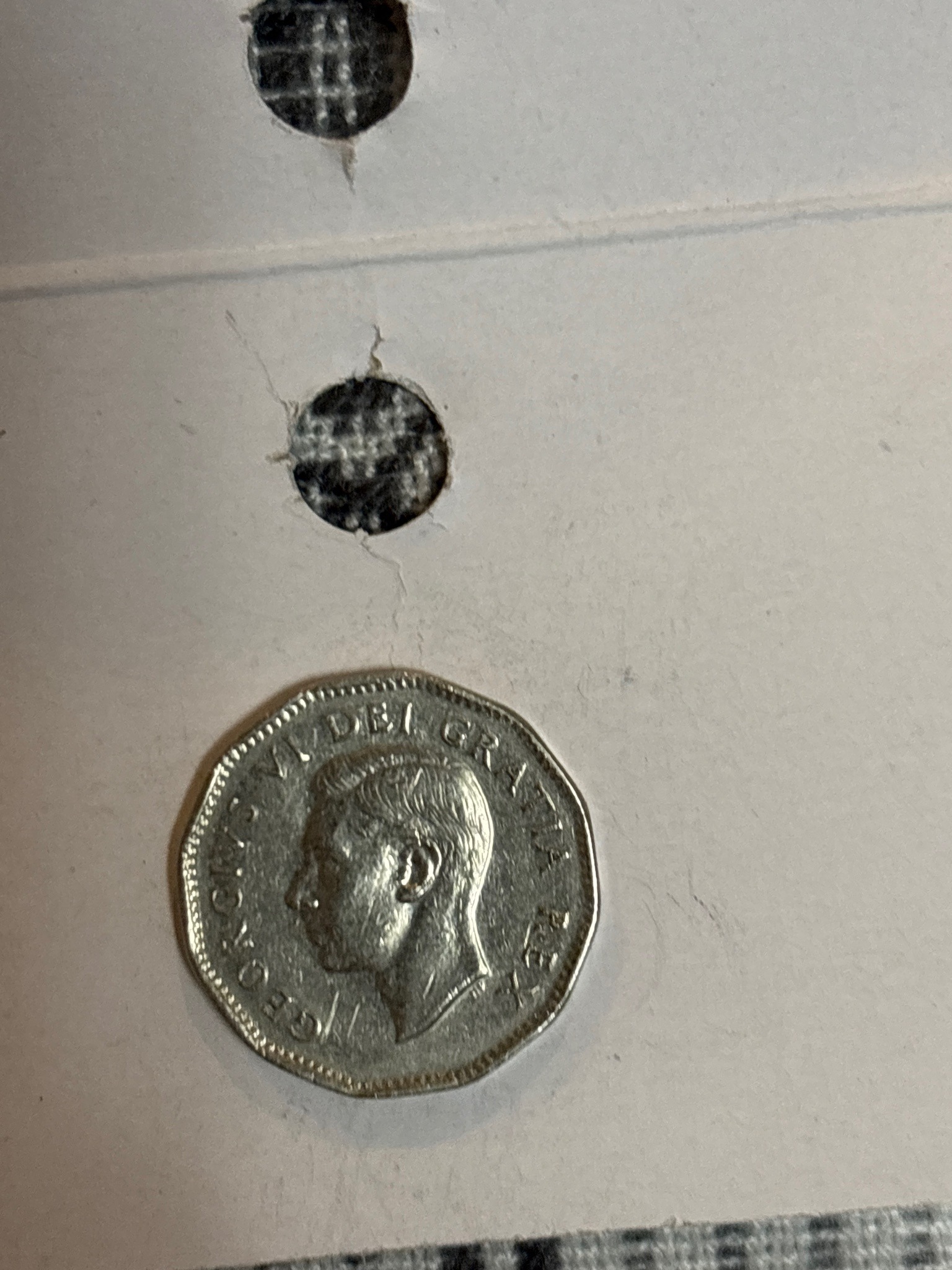
1951 Canadian Nickel Bicentenary 5 Cents
Canada (Royal Canadian Mint) · 1951
A 12-sided (tombac-style shape) nickel coin featuring King George VI and a commemorative design for the 200th anniversary of the naming of the element nickel.
- Country
- Canada (Royal Canadian Mint)
- Year
- 1951
- Denomination
- 5 Cents (Nickel)
- Metal
- 99.9% Nickel
This report is AI-generated and can be wrong. Always verify grade, authenticity, and value with a qualified dealer or certified grading service before buying, selling, or insuring.
Identify your own coins.
Get a report just like this from any photo, free.
Overview
Historical significance
Obverse (front)
Reverse (back)
Estimated value
What drives this coin's value
Grade assessment
Mintage & rarity
Authenticity & counterfeit red flags
Notable varieties & errors
Similar coins
Care & preservation
More like this
Other canada (royal canadian mint) coins
Canadian 10 Cents (Bluenose Dime)
Canada (Royal Canadian Mint) · 1940
Canadian 1-Dollar 'Loonie'
Canada (Royal Canadian Mint) · 1993
War of 1812: Tecumseh Commemorative Quarter
Canada (Royal Canadian Mint) · 2012
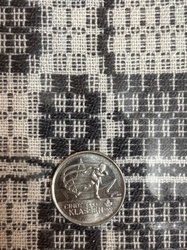
2009 Cindy Klassen - Olympic Moments 25-Cent Quarter
Canada, Royal Canadian Mint · 2009
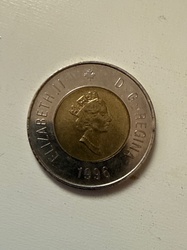
Canadian 2 Dollars ('Toonie')
Canada (Royal Canadian Mint) · 1996
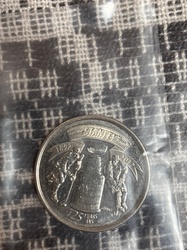
125th Anniversary of the Stanley Cup Quarter
Canada (Royal Canadian Mint) · 2017