
Coin Encyclopedia
Search and identify coins from around the world — with country, denomination, metal, mint, history, and how to tell them apart.
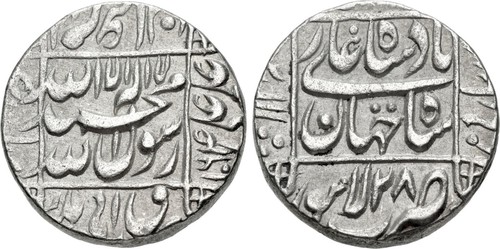
Shah Jahan Rupee
Hand-struck silver rupee of Mughal emperor Shah Jahan, all-Persian calligraphy in ornate cartouches, dated AH 1064 (AD 1653-1654).
Mughal India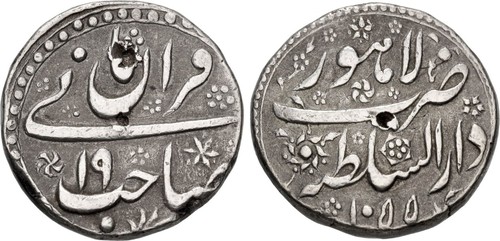
Shah Jahan Half Rupee
Silver half rupee of Mughal emperor Shah Jahan, dated AH 1055, carrying Persian-script inscriptions and ornamental borders instead of any portrait.
Mughal India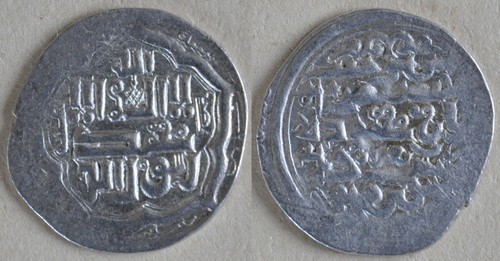
Ilkhanid Dirham of Ghazan
A silver dirham of the Mongol Ilkhanate struck for Ghazan Khan, with an ornamental cartouche bearing the ruler's name and concentric Arabic and Persian inscriptions.
Islamic (Medieval)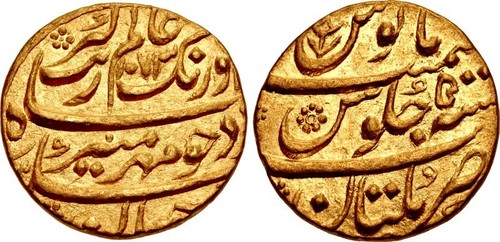
Gold Mohur of Aurangzeb
A hand-struck gold mohur of Mughal emperor Aurangzeb Alamgir, bearing Persian couplets and a mint name such as Multan.
Mughal India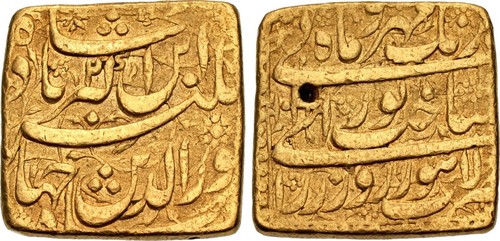
Gold Square Mohur of Jahangir
A square gold mohur of the Mughal emperor Jahangir, bearing Persian calligraphy, the Lahore mint, and regnal-year dating.
Mughal India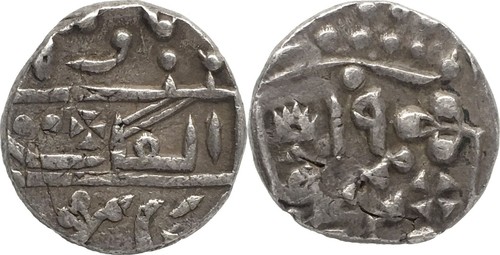
Kotah State Rupee
Silver rupee of the princely state of Kotah in Rajputana, struck with Persian and Devanagari legends and the state's katar-dagger emblem.
Princely & Presidency States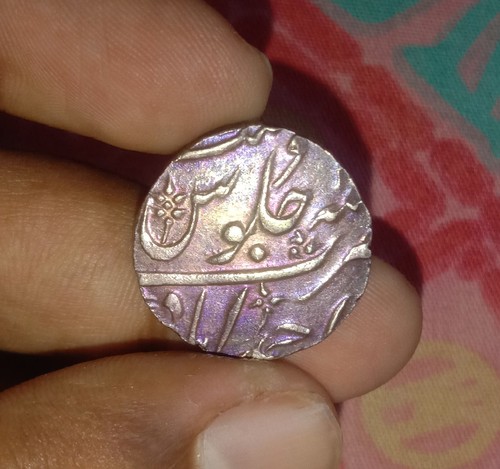
Silver Rupee of Bombay Presidency
British East India Company silver rupee struck at Bombay in the name of Mughal emperor Akbar II, bearing Persian legends.
Princely & Presidency States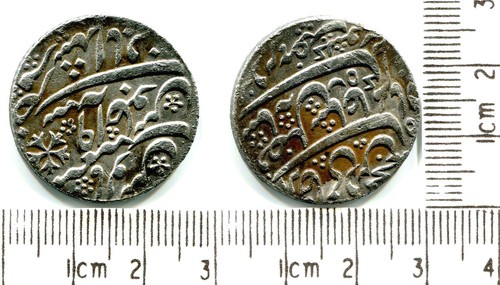
East India Company Rupee
British East India Company silver rupee struck to the Mughal pattern, carrying only Persian/Urdu calligraphy naming the reigning emperor.
British India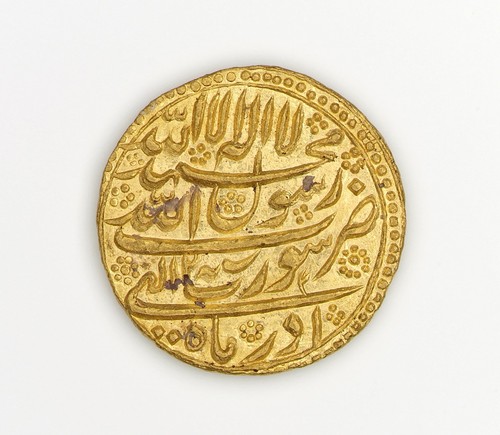
Gold Mohur of Shah Jahan
High-purity gold mohur struck under Mughal emperor Shah Jahan (1628-1658), bearing Persian imperial titles; this example carries the Balkh mint mark.
Mughal India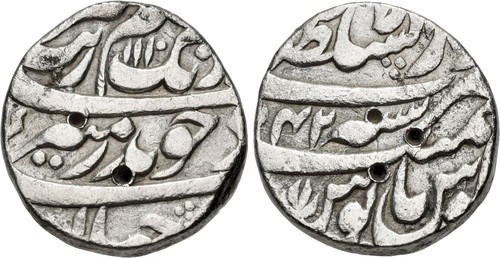
Aurangzeb Rupee
A broad, hand-struck silver rupee of the Mughal emperor Aurangzeb (Alamgir), carrying a Persian couplet and mint-and-year data rather than the usual Islamic creed.
Asian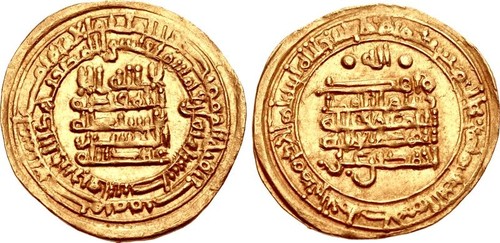
Gold Dinar of Abu'l-Fawaris Ahmad (Buyid)
A hand-struck gold dinar of the Iranian Buyid dynasty, naming the emir Abu'l-Fawaris Ahmad and dated AH 358, covered entirely in Kufic Arabic with no imagery.
Islamic (Medieval)