
Coin Encyclopedia
Search and identify coins from around the world — with country, denomination, metal, mint, history, and how to tell them apart.
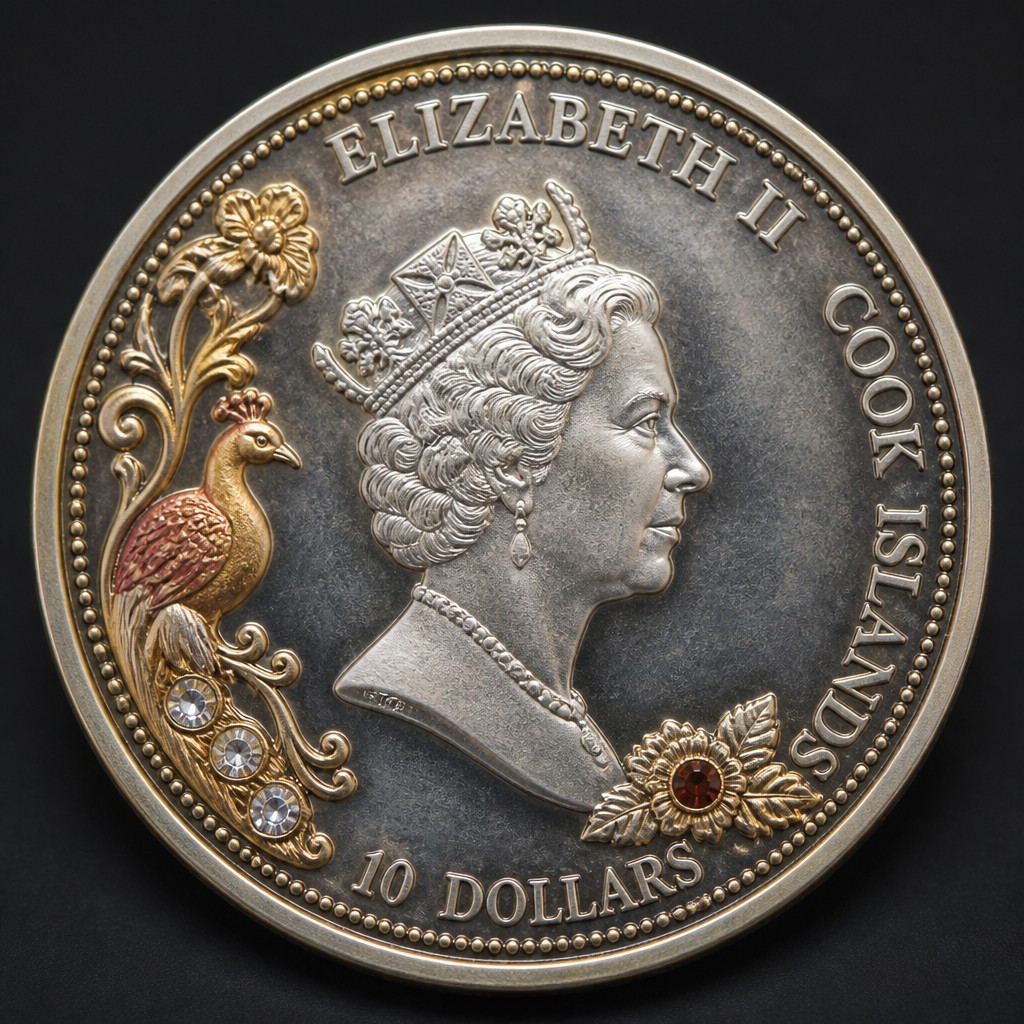
Cook Islands Colored Silver Coins
A broad category of colorful commemorative silver coins issued under the sovereignty of the Cook Islands, covering religious, historical, and pop-culture themes aimed at collectors worldwide.
Africa & Oceania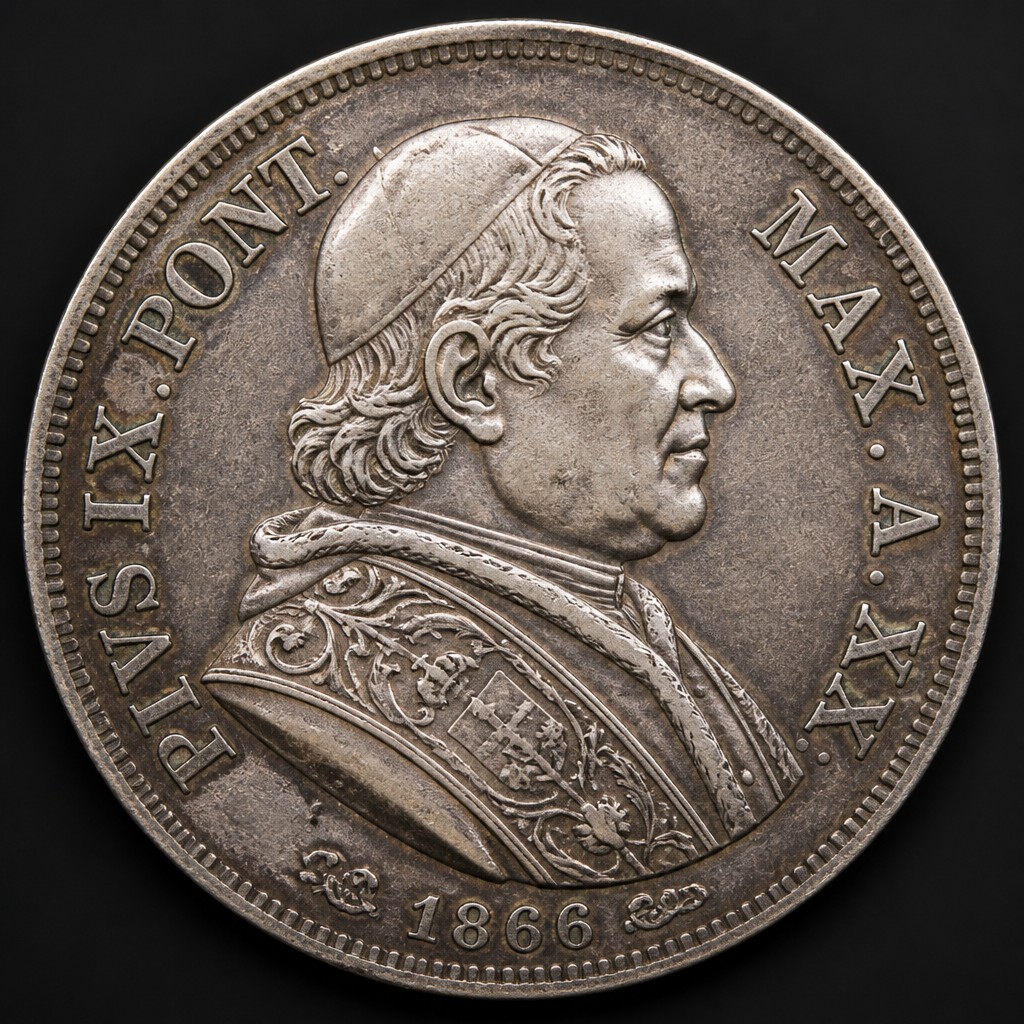
Papal States Scudo
The principal silver coin of the Papal States, bearing the portrait or arms of the reigning pope alongside religious imagery, struck for centuries until the Papal territories' loss of independence.
European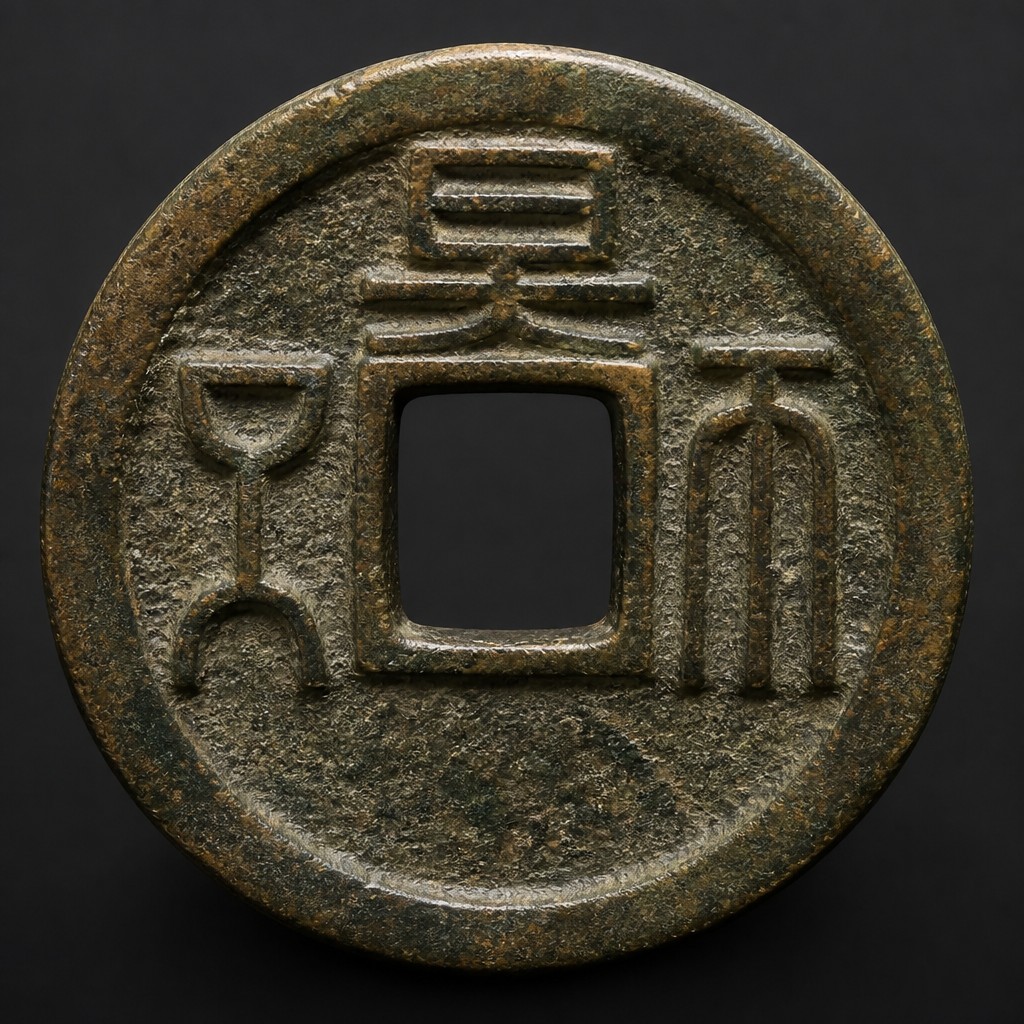
Chinese Wu Zhu Cash
One of history's longest-running coin types, cast continuously for over seven centuries across multiple Chinese dynasties after its introduction under Emperor Wu of Han.
Ancient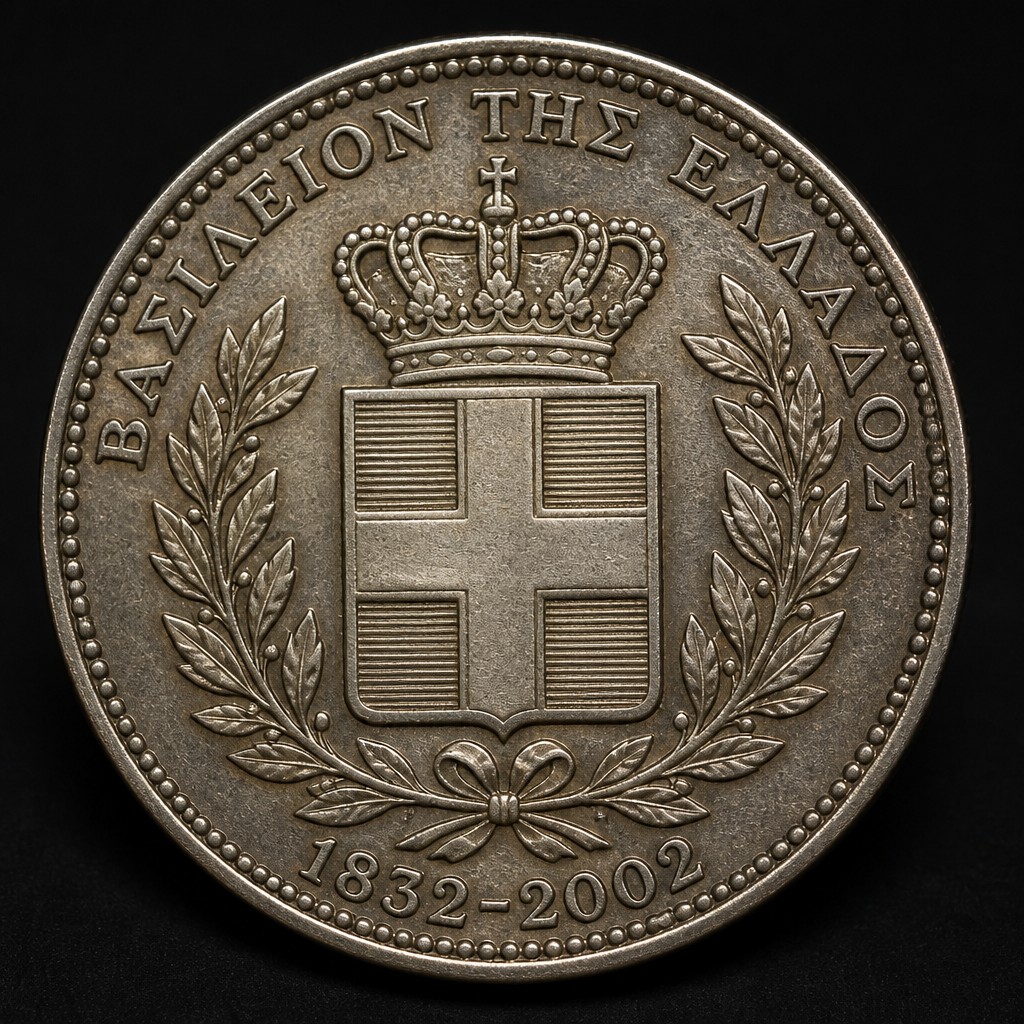
Greek Drachma
The modern national currency of Greece from shortly after independence until the adoption of the euro, reviving the name of the ancient Greek unit and featuring classical and historical imagery.
European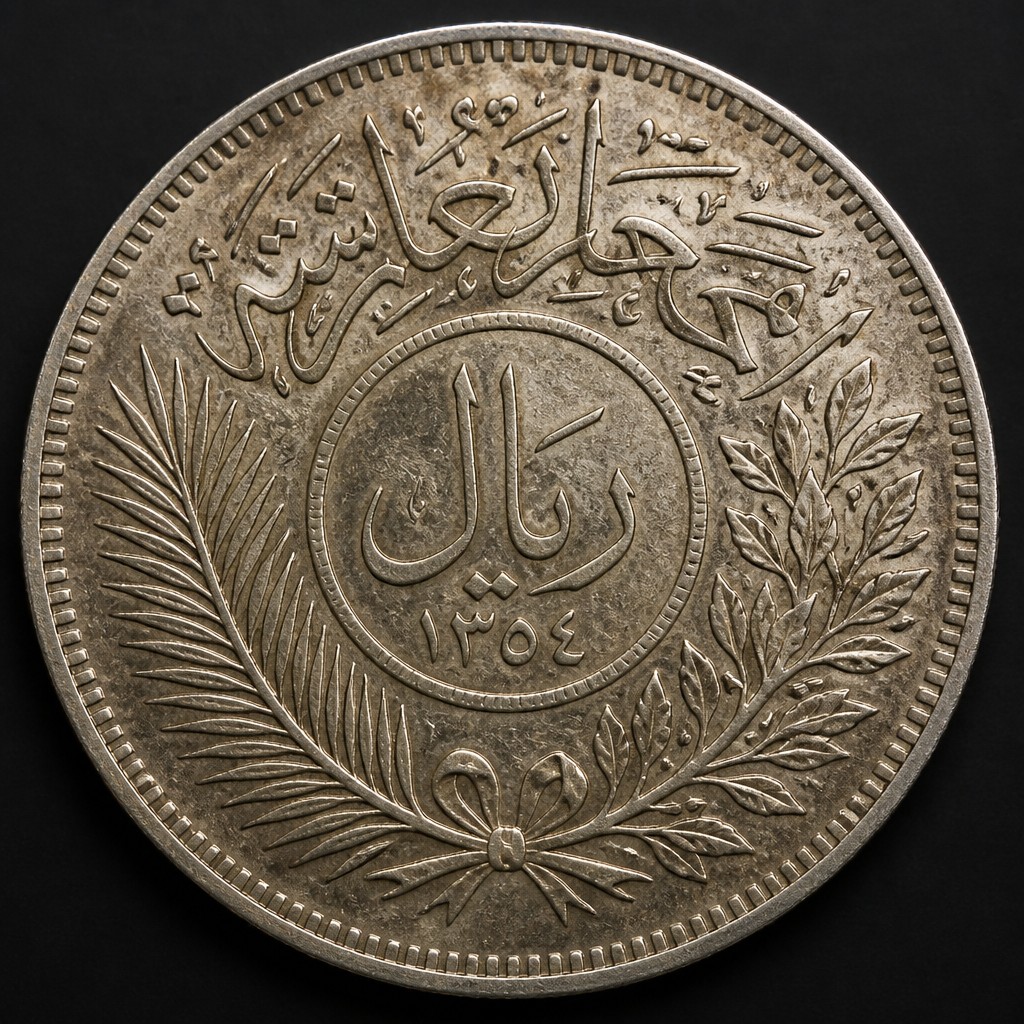
Saudi Arabian Riyal (silver)
The standardized silver riyal introduced by King Abdulaziz to unify the currency of the newly formed Kingdom of Saudi Arabia, featuring Arabic inscriptions and national emblems without a ruler's portrait.
Asian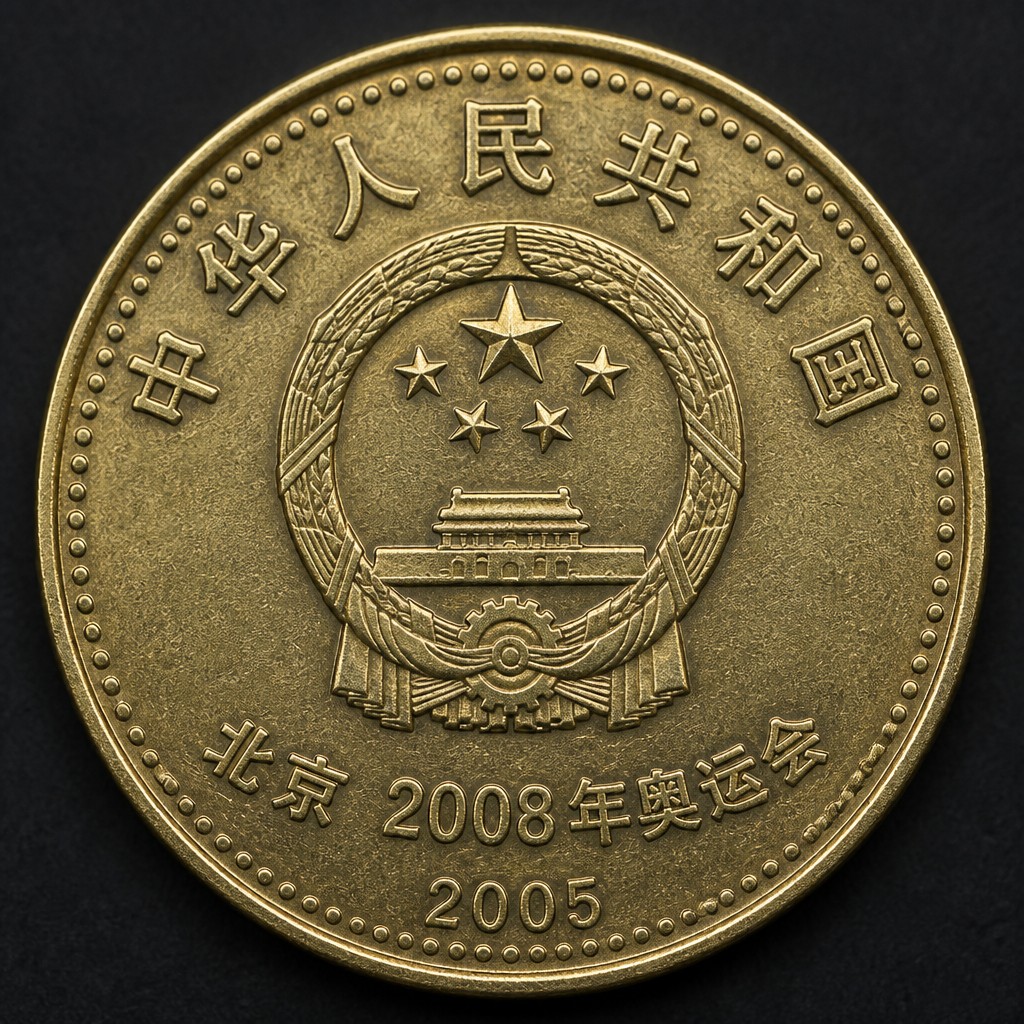
2008 Beijing Olympics Commemorative Coins
China issued a large multi-year coin program ahead of the 2008 Beijing Olympics, spanning circulating 1 Yuan pieces and extensive gold and silver proof series depicting Olympic sports and Beijing landmarks.
Commemorative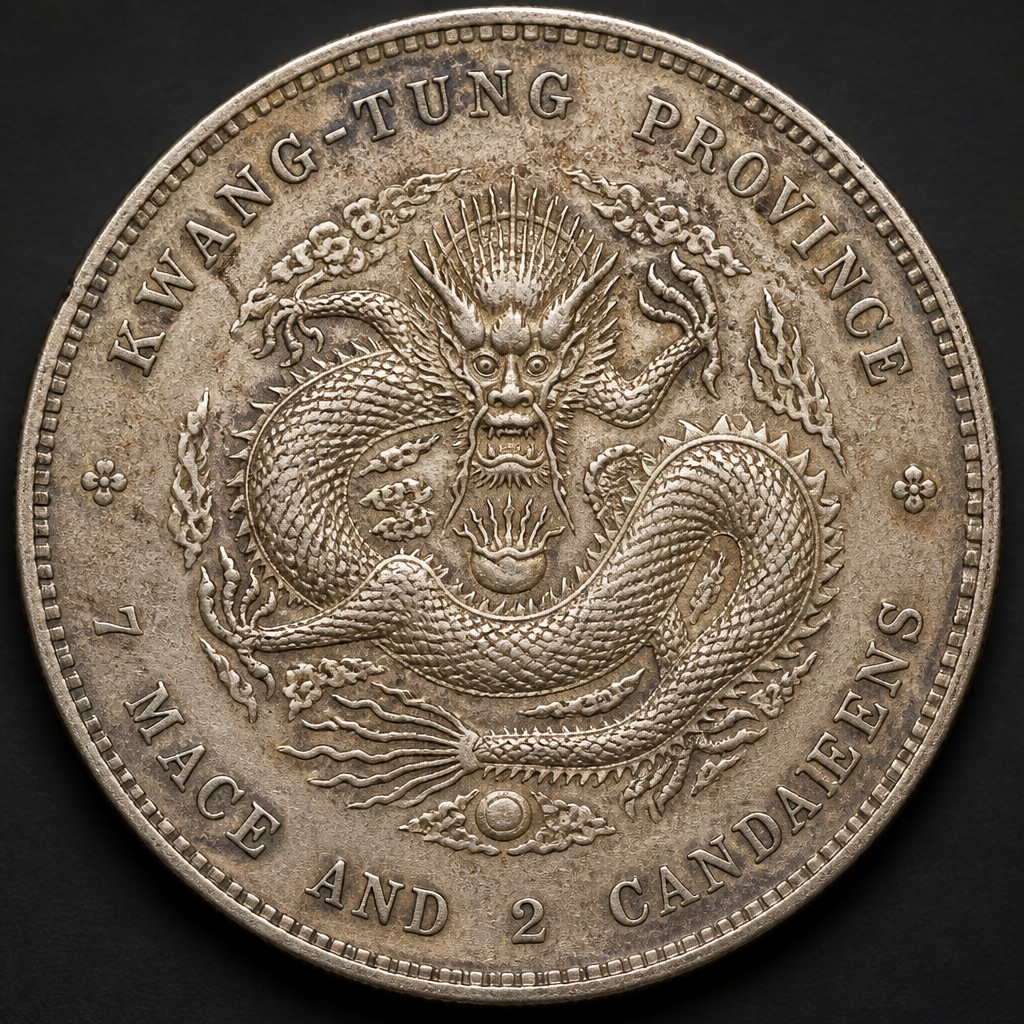
Chinese Silver Dragon Dollar (Kwangtung Province)
One of China's earliest machine-struck silver dollars, produced by Kwangtung province in the late Qing dynasty with an imperial dragon design, a pioneering issue other provinces soon imitated.
Asian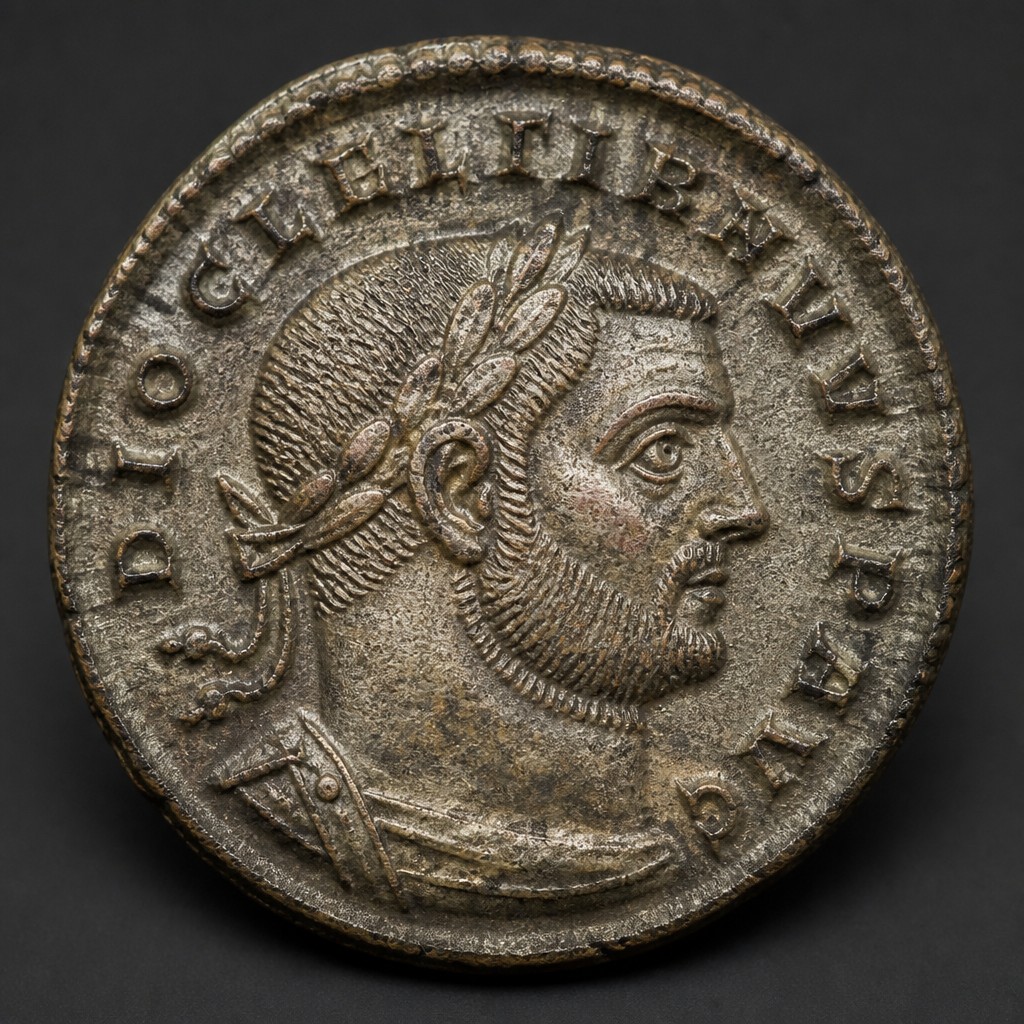
Diocletian Follis
Large bronze follis of Diocletian, whose sweeping reforms ended the Crisis of the Third Century, established the Tetrarchy, and introduced this new standardized coin denomination in 294 AD.
Ancient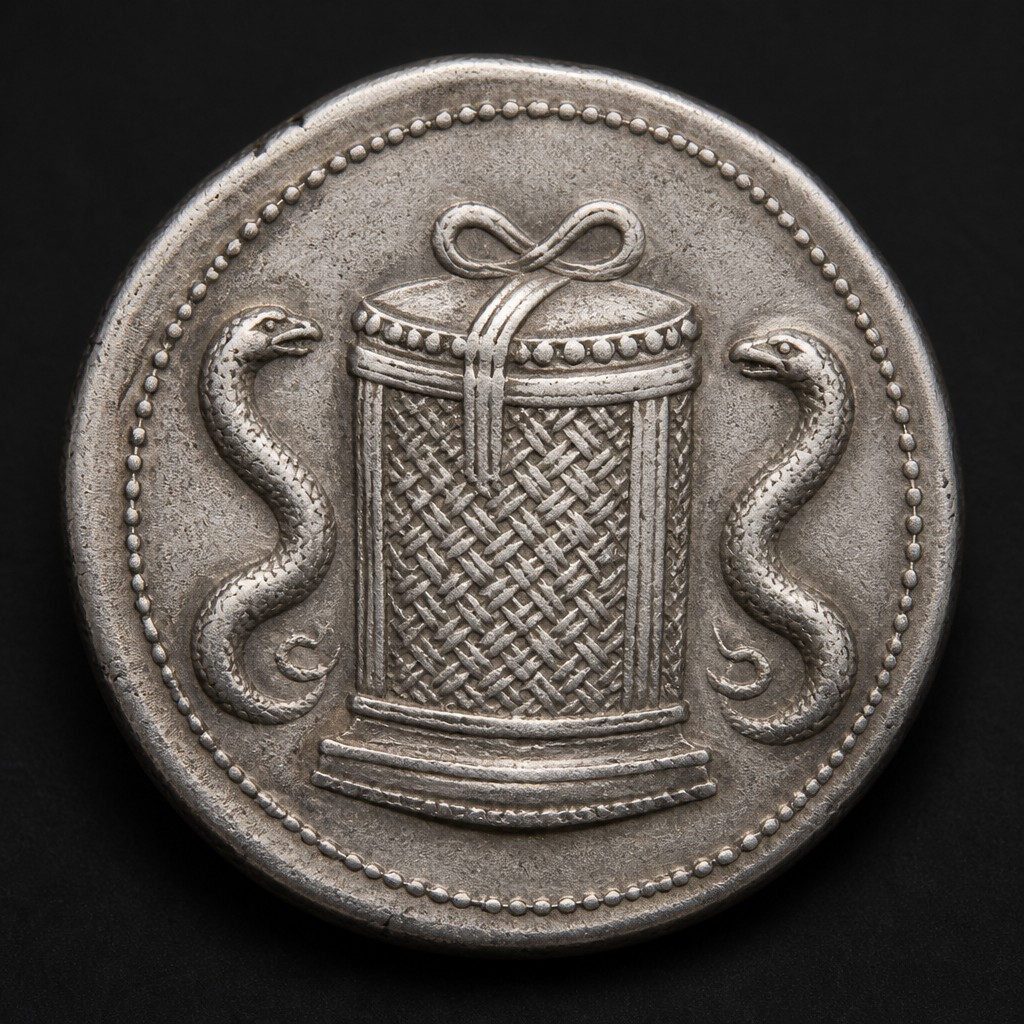
Pergamon Cistophoric Tetradrachm
A reduced-weight Hellenistic silver coin introduced by the Attalid kings of Pergamon, named for the sacred cista mystica chest depicted on the obverse and later adopted throughout Roman Asia.
Ancient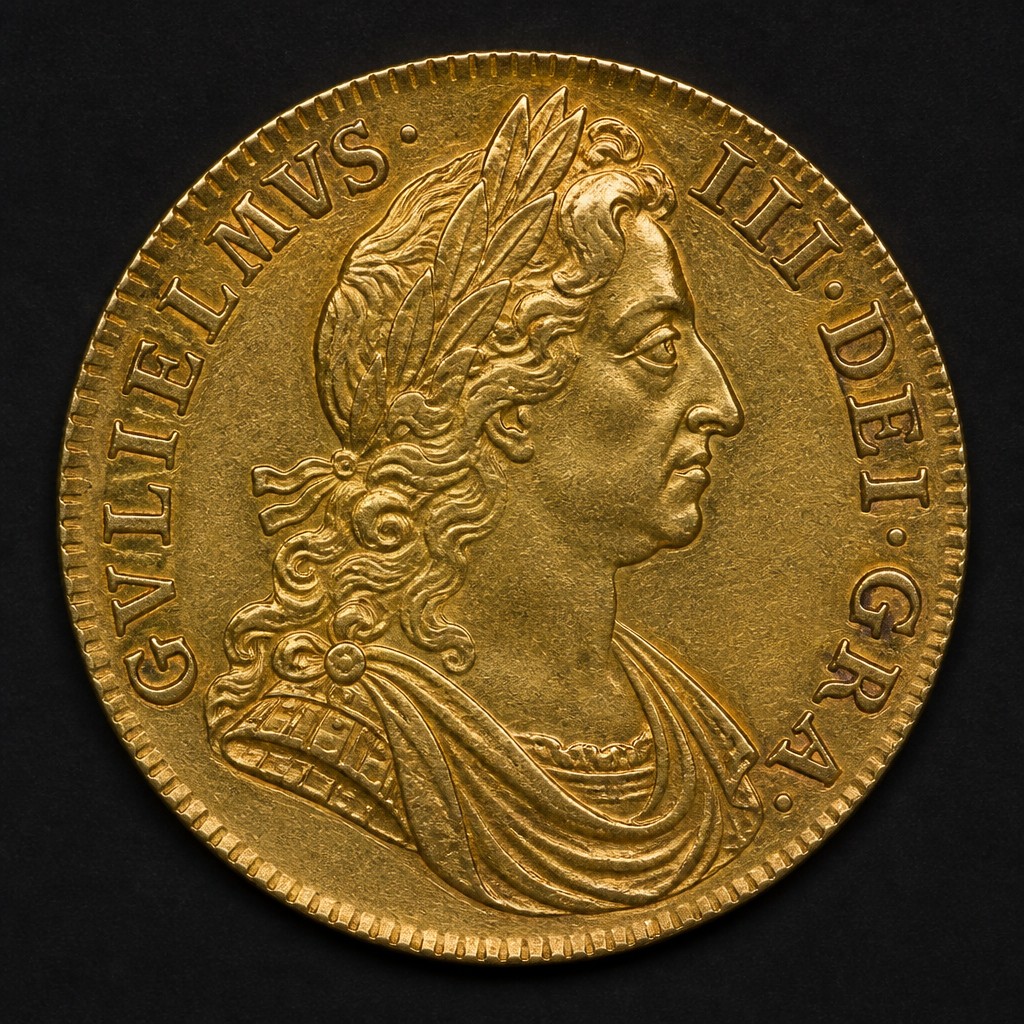
Five Guinea
The largest regularly issued gold denomination of the guinea coinage system, worth five guineas, struck from the reign of Charles II through George II for major transactions and presentation purposes.
British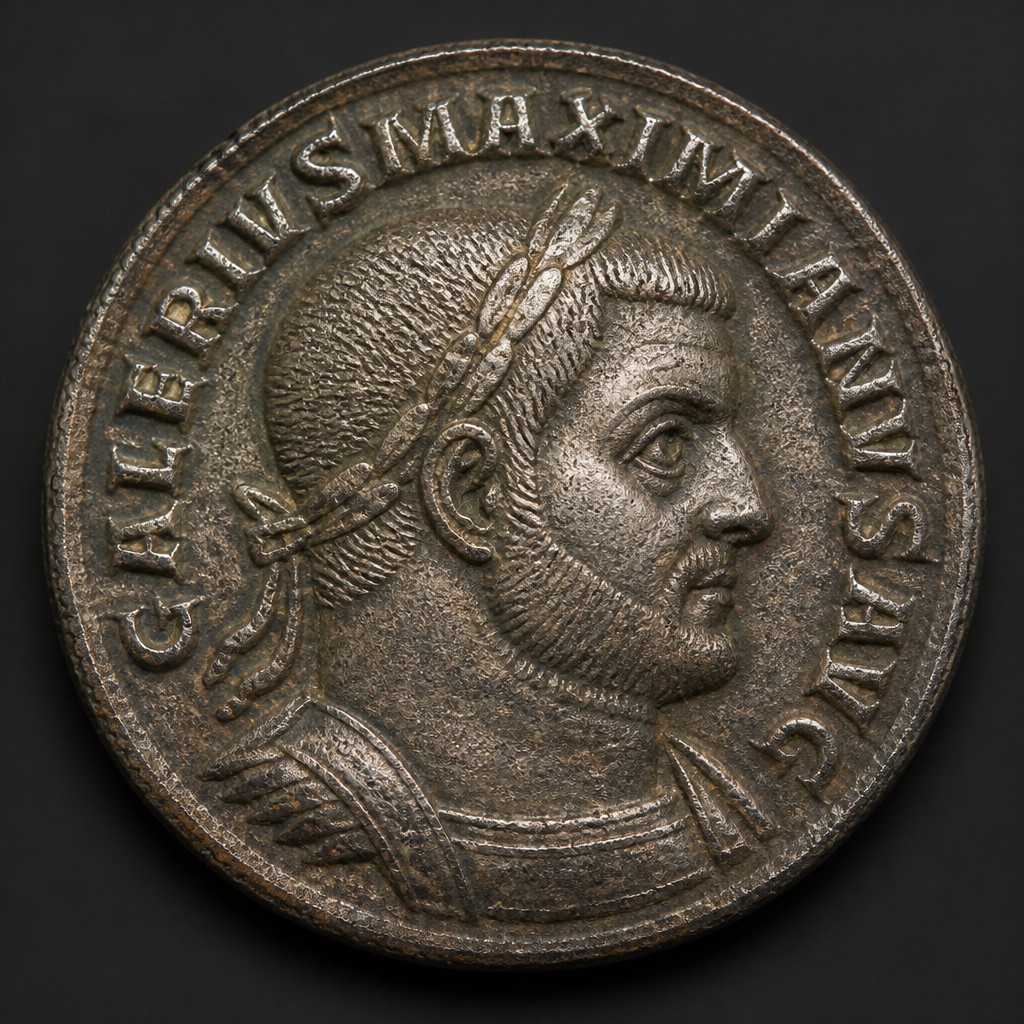
Galerius Follis
Reform-era bronze follis of Galerius, Caesar and later Augustus of the eastern Tetrarchy, remembered for early persecution of Christians and his later Edict of Toleration issued just before his death.
Ancient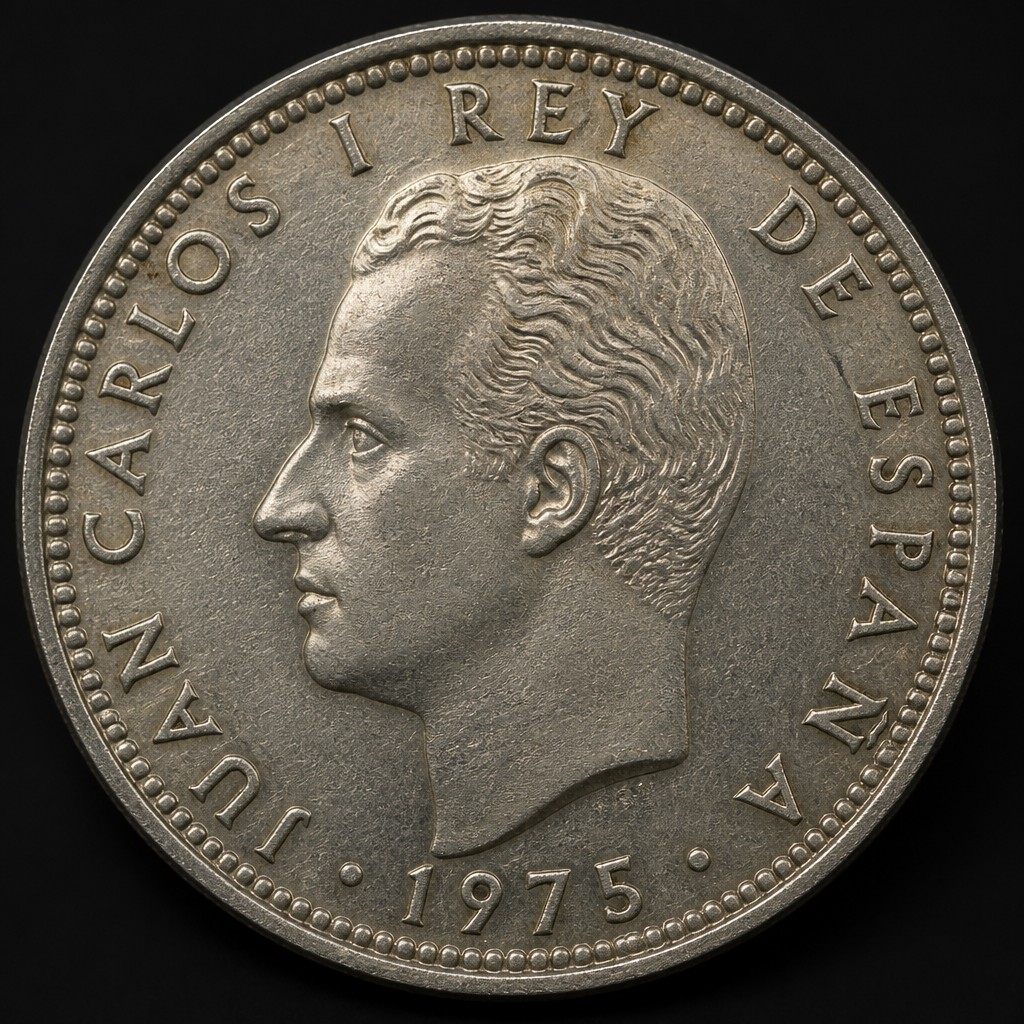
Spanish Peseta
The peseta was Spain's national currency for over 130 years, evolving from silver coinage under a provisional 19th-century government to copper-nickel coins used until the euro replaced it in 2002.
European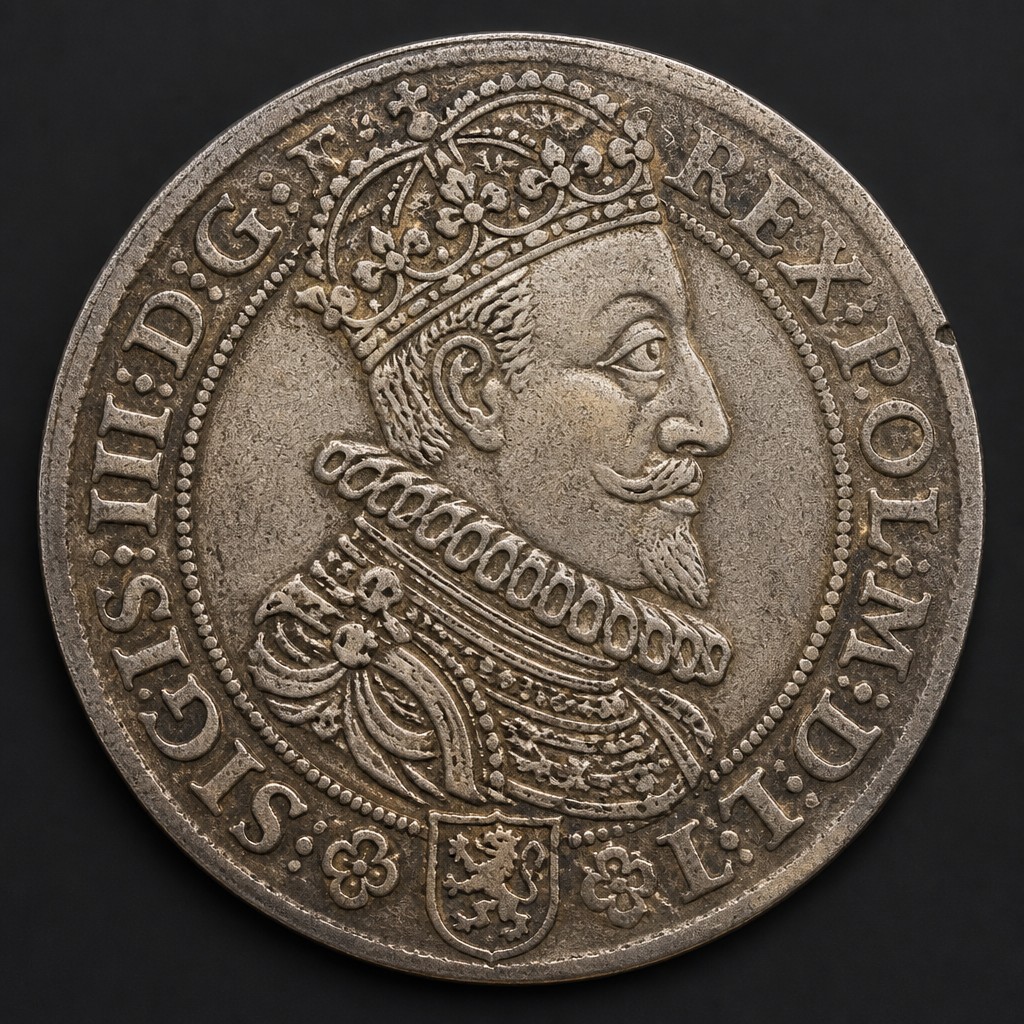
Polish-Lithuanian Thaler
The large silver trade coin of the Polish-Lithuanian Commonwealth, struck under successive kings from the 16th through 18th centuries, bearing royal portraits paired with the combined Polish eagle and Lithuanian Vytis arms.
European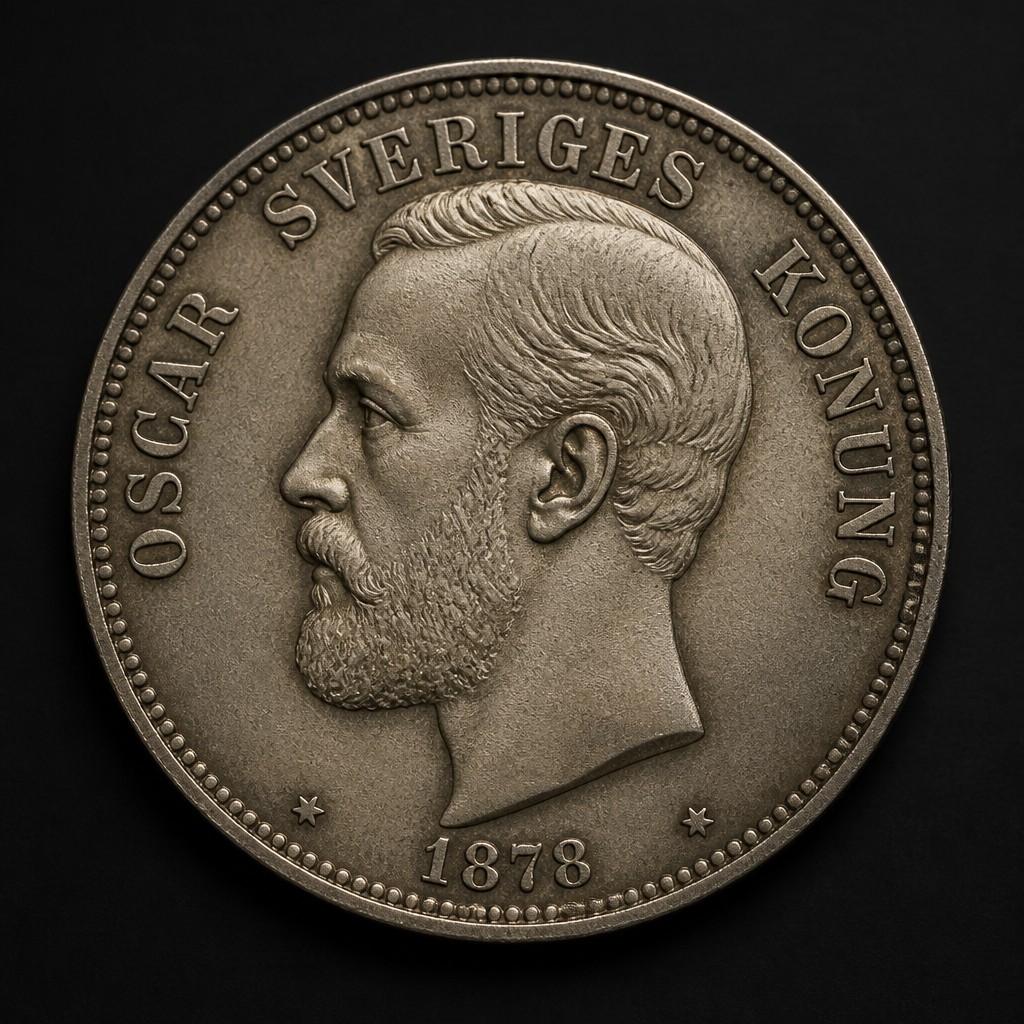
Swedish Krona
The krona has been Sweden's national currency since 1873, originally struck in silver as part of the Scandinavian Monetary Union and today issued in base metals bearing the reigning monarch's portrait.
European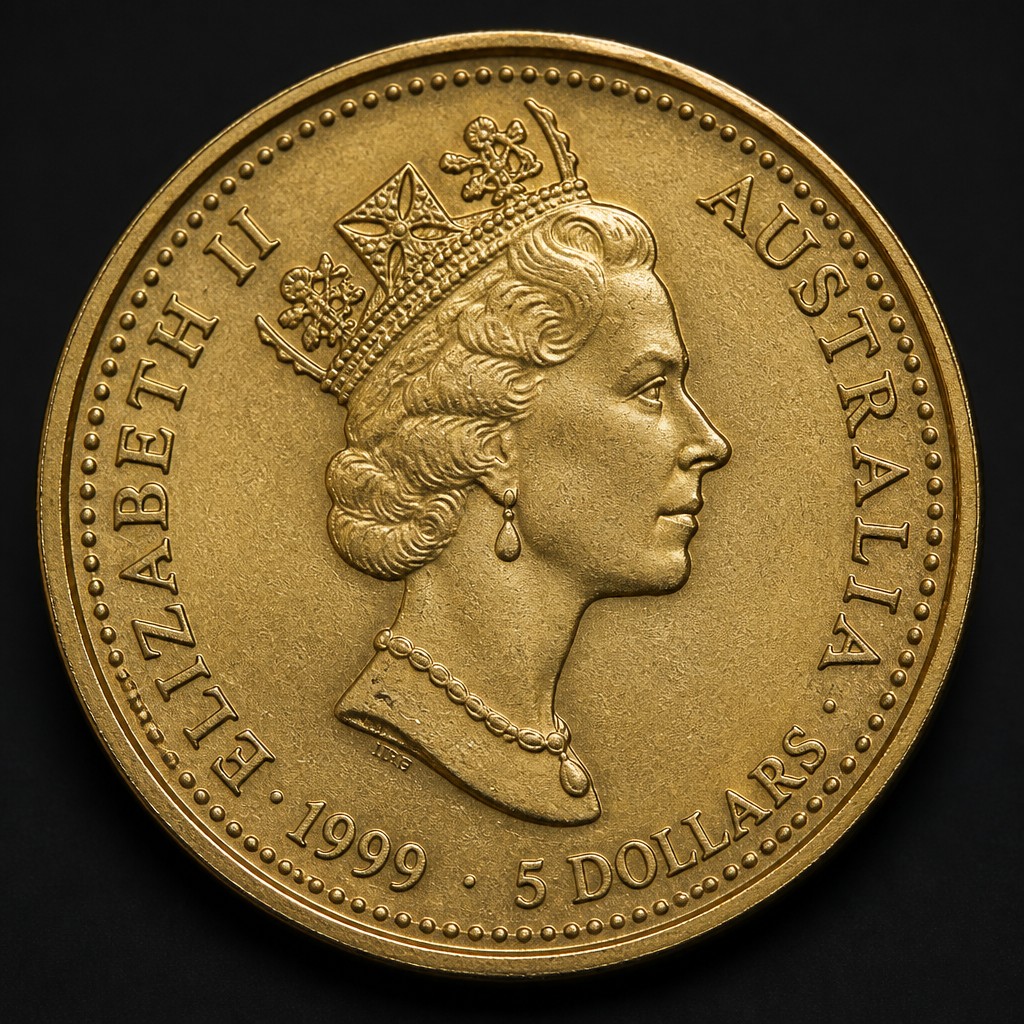
2000 Sydney Olympics Coin Series
The Royal Australian Mint issued one of the largest circulating commemorative coin programs ever produced for a single Olympics, featuring numerous $5 designs alongside premium silver and gold proof coins for the Sydney 2000 Games.
Commemorative