
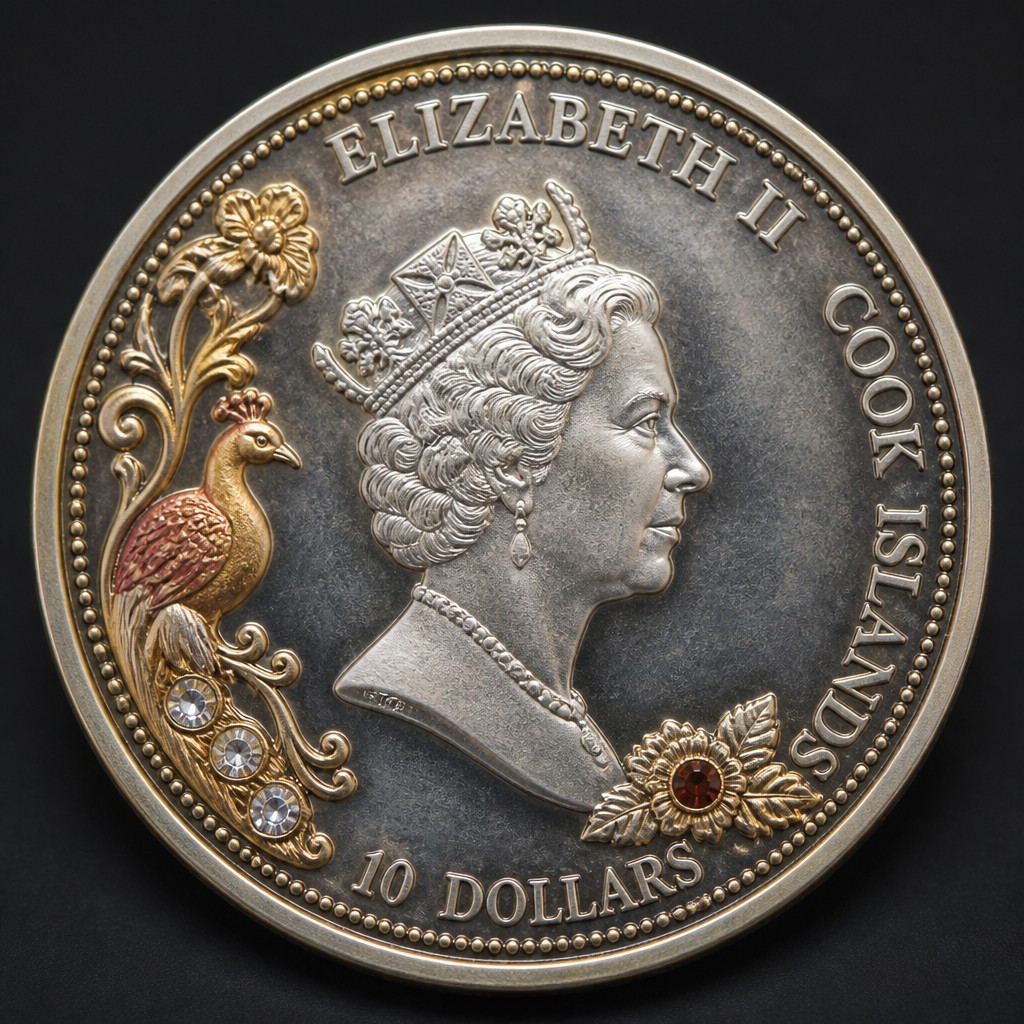
Cook Islands Colored Silver Coins
A broad category of colorful commemorative silver coins issued under the sovereignty of the Cook Islands, covering religious, historical, and pop-culture themes aimed at collectors worldwide.
- Country
- Cook Islands
- Denomination
- Varies (commonly 1, 2, 5, or 10 Dollars)
- Metal
- Sterling or fine silver with applied color, sometimes gilding or crystal inlay
Got a coin like this?
Identify any coin from a photo, free.
Overview
Cook Islands Colored Silver Coins refer to the wide array of decorative commemorative coins issued in the name of the Cook Islands, a self-governing territory in free association with New Zealand. Rather than a single coin design, this is an umbrella category covering dozens of different silver (and occasionally other metal) releases, many featuring vivid applied color, gilt highlighting, or inset elements like crystals and enamel.
These coins are produced under licensing arrangements between the Cook Islands government and various commercial mints, most notably New Zealand Mint, which use the islands' sovereign coinage authority to issue globally marketed collector pieces. Popular themes have included religious art and biblical scenes, historical figures, famous artworks, and holiday or zodiac subjects.
Because of the sheer variety of releases, Cook Islands coins are less defined by a consistent design than by their production model: small-nation coinage rights combined with modern colorization and finishing techniques to create eye-catching, giftable collector items.
History & Background
The Cook Islands began issuing coinage in the 1970s alongside its broader move toward self-governance, initially with more conventional circulating-style coin designs. As the global collector coin market grew increasingly interested in novelty finishes during the 1990s and 2000s, several private and semi-private mints began partnering with smaller nations, including the Cook Islands, to produce elaborately decorated silver coins for the international market.
This shift allowed the Cook Islands to generate revenue through coinage licensing fees while mints gained access to sovereign legal-tender status for their decorative products, a business model paralleled by similar arrangements with Niue, Palau, Tuvalu, and other small Pacific and Caribbean nations.
Over time, the range of Cook Islands releases expanded dramatically, covering religious series, wildlife, historical anniversaries, and licensed collaborations, making the country's coinage catalog one of the most eclectic in the modern commemorative coin world.
How to Identify
Cook Islands coins generally carry the country name "COOK ISLANDS" along with the year of issue and a face value denomination on one side, often alongside a portrait of the reigning British monarch (as head of state through its association with the New Zealand realm) in earlier or more traditional issues.
The reverse (or sometimes both sides) carries the specific commemorative artwork, which varies enormously by release: some show finely detailed engraved scenes, others incorporate full-color printed or enameled imagery, gilding on selected design elements, or inset gemstones and crystals. Because of the wide range of finishes, identification typically relies on matching the exact artwork, denomination, and date to a specific known release rather than a generic design template.
Metal content varies by issue, most commonly .999 or .925 silver, with weight and fineness usually marked somewhere on the coin. Collectors should check for the issuing mint's identifying mark (often New Zealand Mint or another contract mint) and compare the coin against official series catalogs, since Cook Islands products span an unusually broad range of sizes, shapes, and decorative techniques.
Value & Collectibility
Because this is a broad category rather than a single coin, value varies enormously by specific release, mintage, and demand for the particular theme. Popular religious, cultural, or licensed-franchise series with lower mintages and elaborate finishes (gilding, crystal inlay, or shaped coins) tend to command the highest premiums above silver melt value.
Frequently asked questions
Are these coins actually used in the Cook Islands?
No, they are collector-oriented products produced under licensing agreements and are not intended for everyday circulation.
Who actually mints Cook Islands coins?
Various contract mints, most notably New Zealand Mint, strike these coins using the Cook Islands' sovereign coinage authority.
What makes these coins valuable to collectors?
Elaborate finishes such as full color printing, gilding, and inset crystals, combined with limited mintages and appealing themes, drive collector interest beyond silver content alone.
Is the silver content consistent across all Cook Islands coins?
No, weight and fineness vary by specific release, so each coin should be checked individually for its metal specifications.
Why do so many small nations issue coins like this?
Licensing sovereign coinage rights to commercial mints provides revenue for small nations while giving mints legal-tender status for globally marketed decorative coins.
Other coins you may enjoy
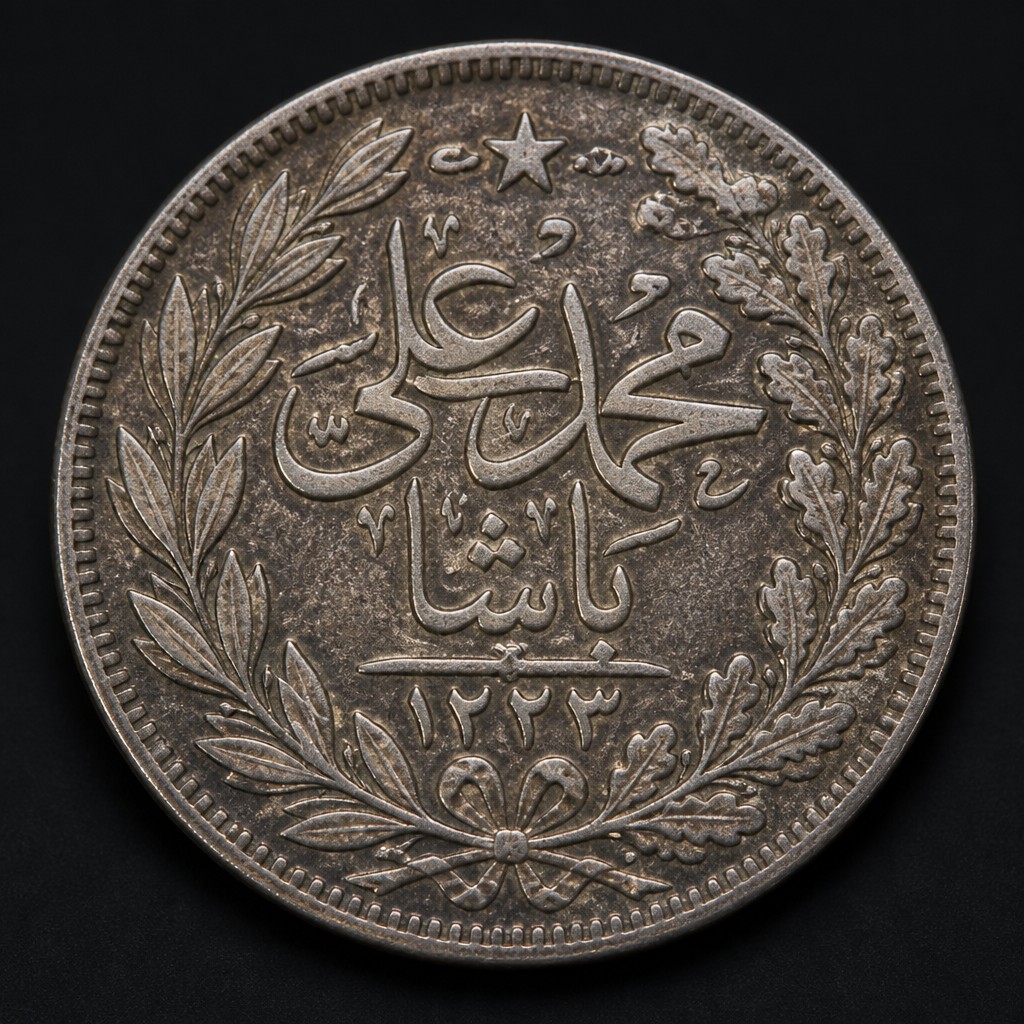
Egyptian Qirsh (Muhammad Ali Era)
Early-to-mid 19th century (c. 1805–1848)
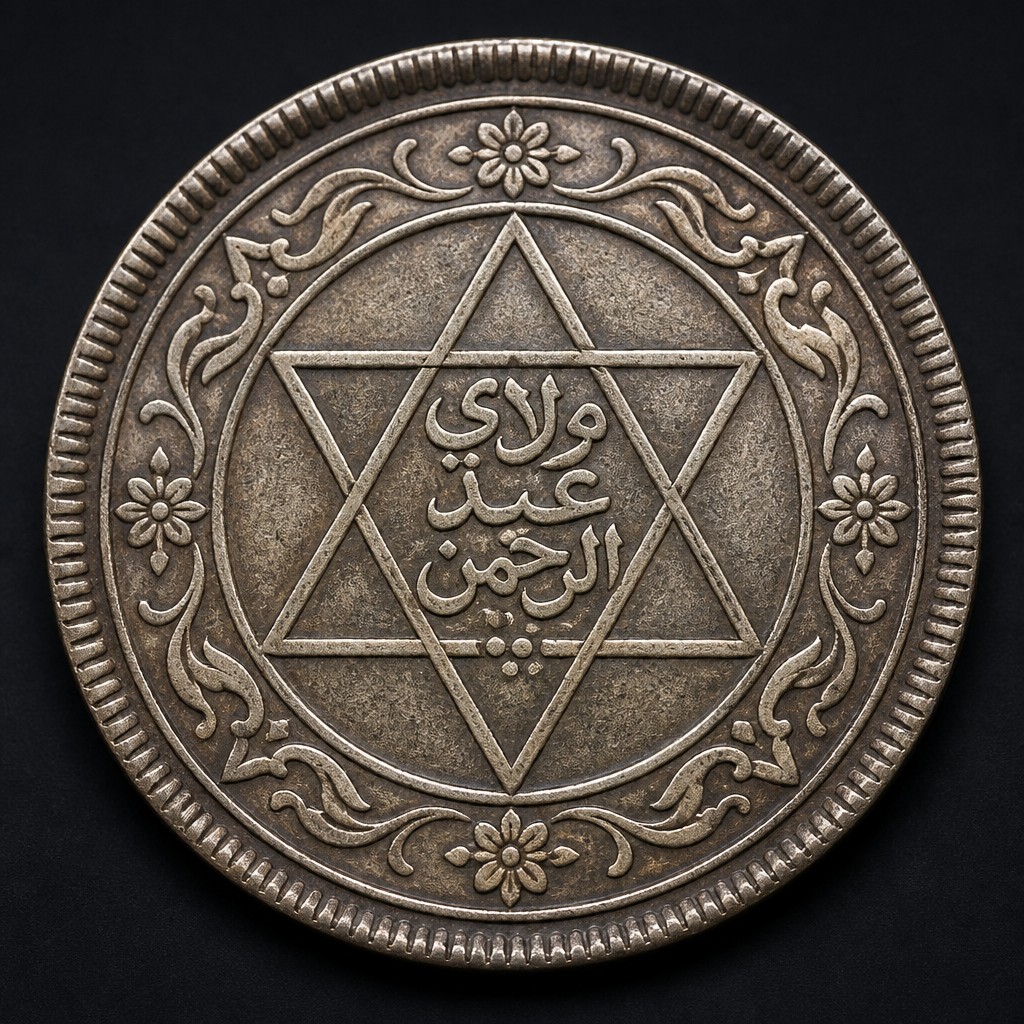
Moroccan Rial (Alawi Dynasty Coinage)
18th–19th century (pre-protectorate era)
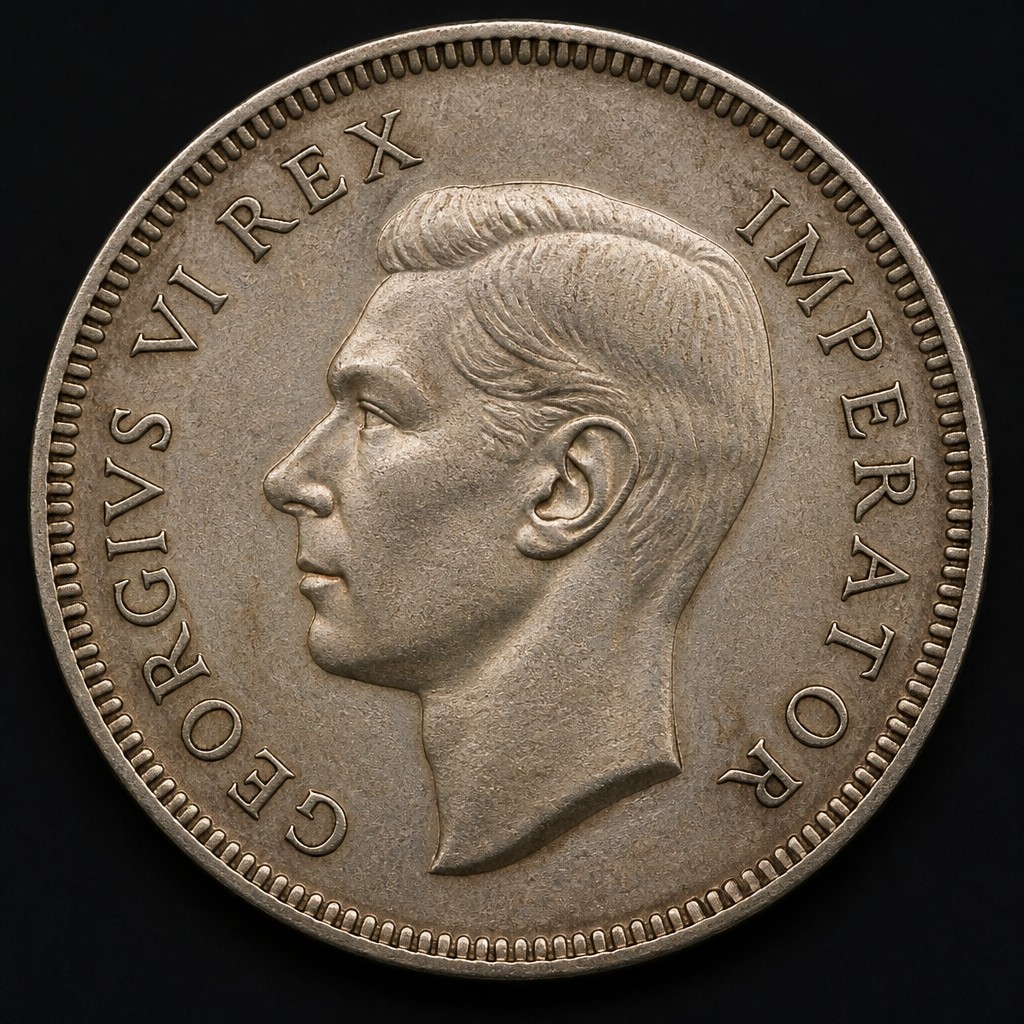
South African Sixpence (Union)
1923-1960
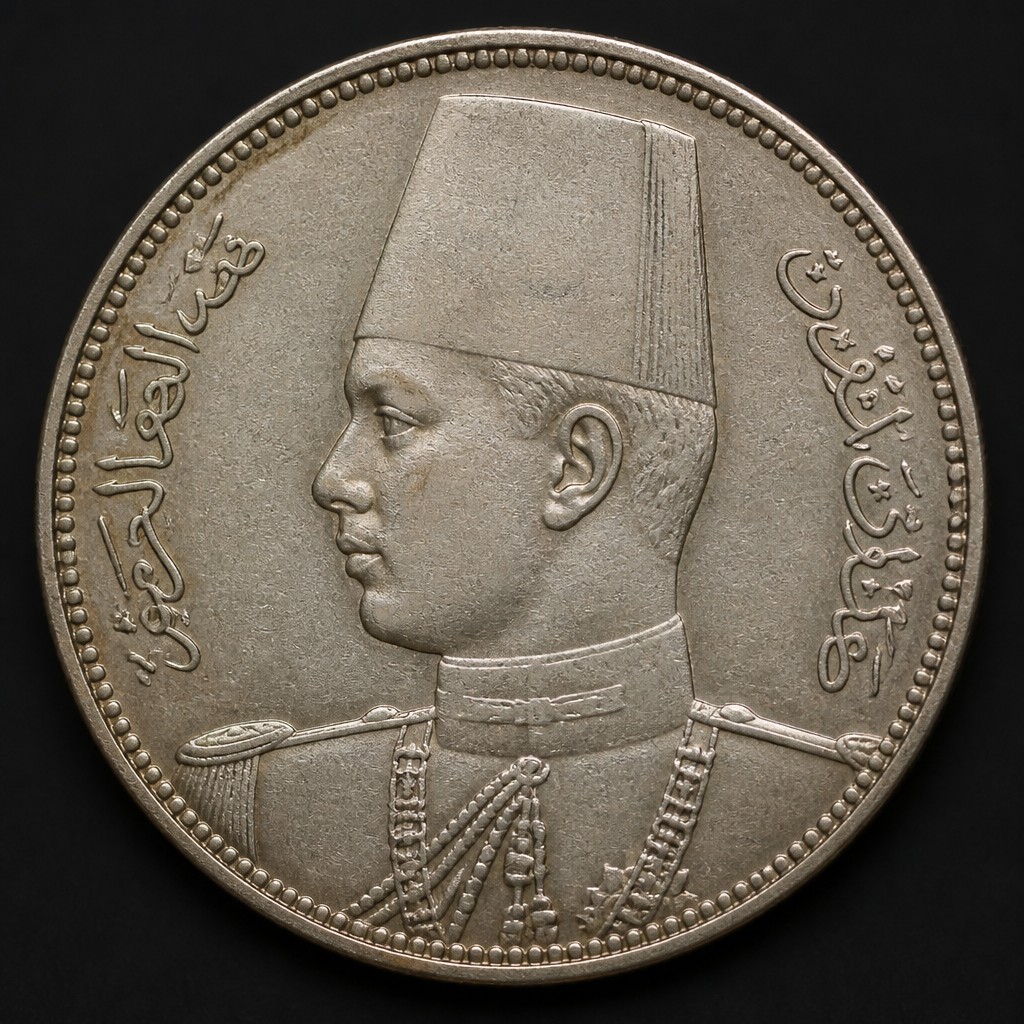
Egyptian Farouk 5 Piastres
1937-1952
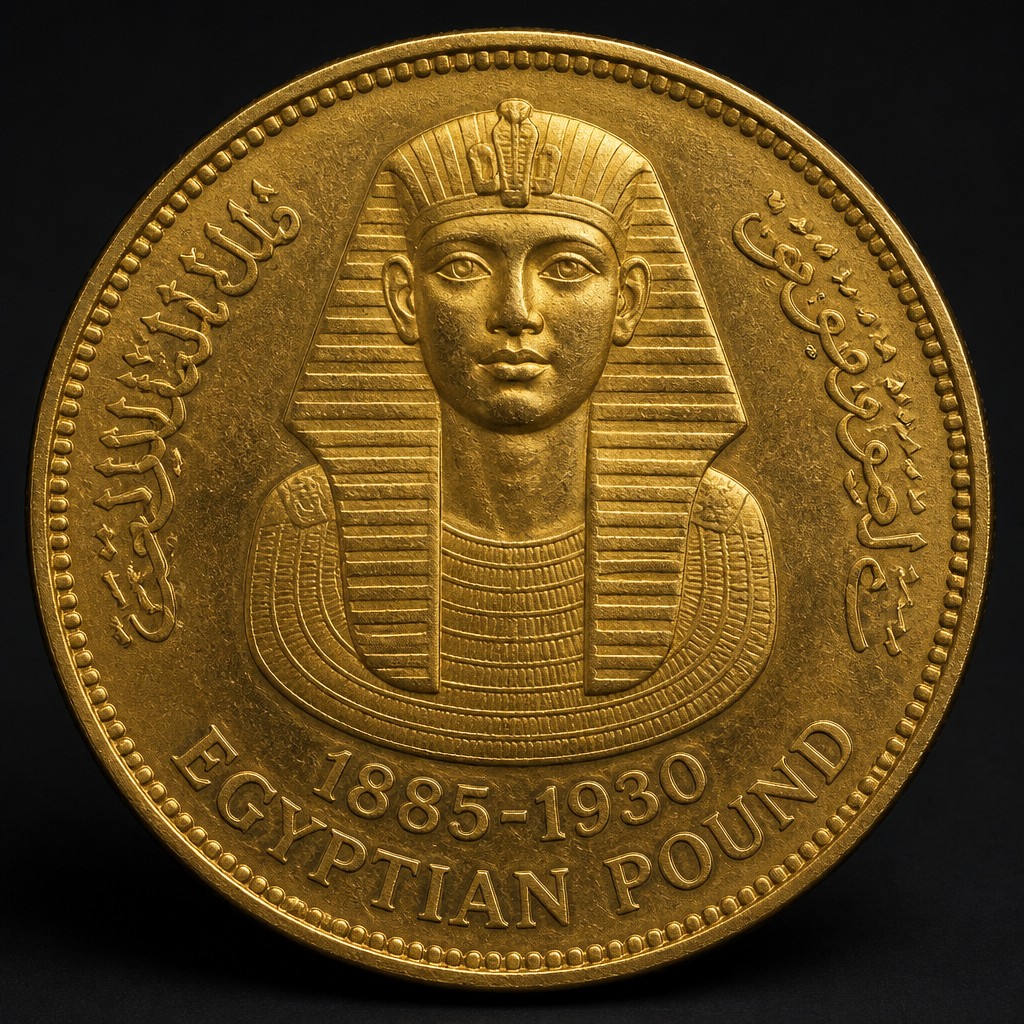
Egyptian Pound (gold)
1885–1930
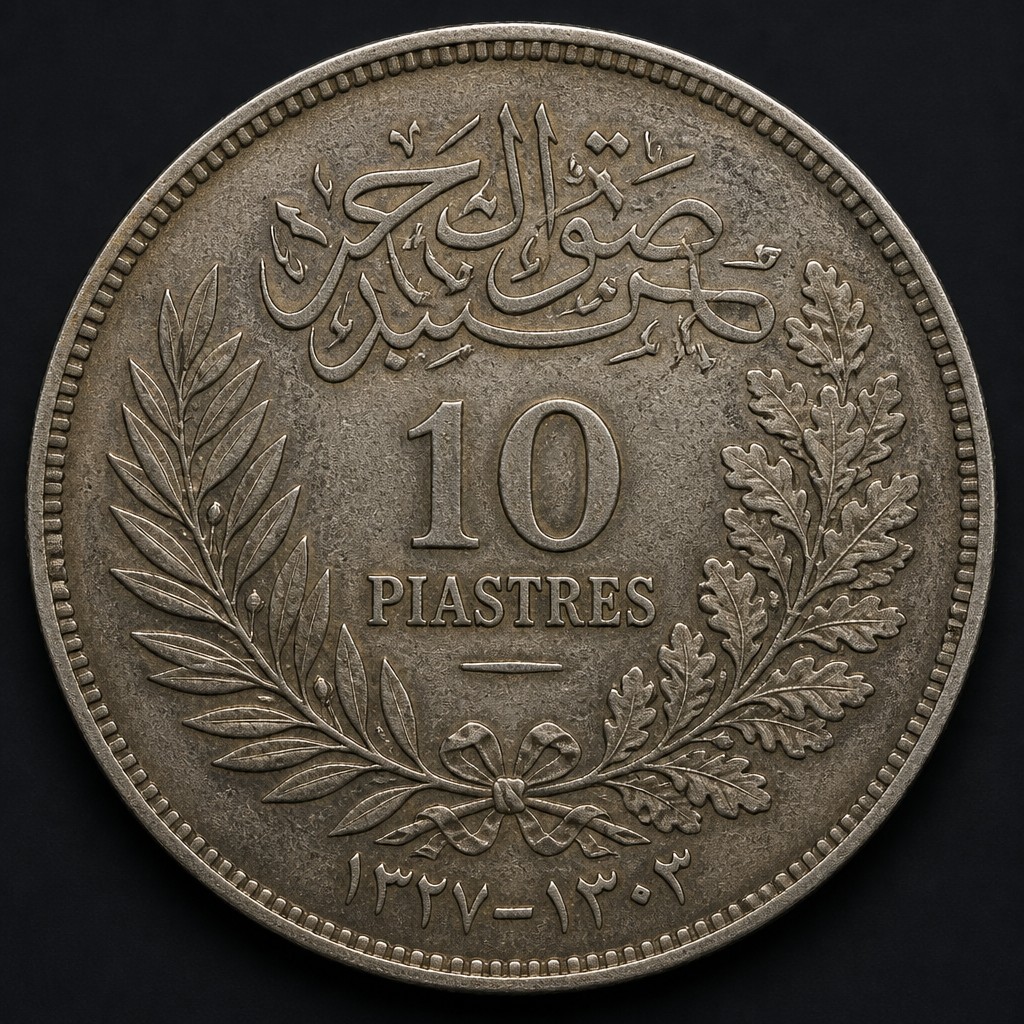
Egyptian 10 Piastres (silver)
1885–1939
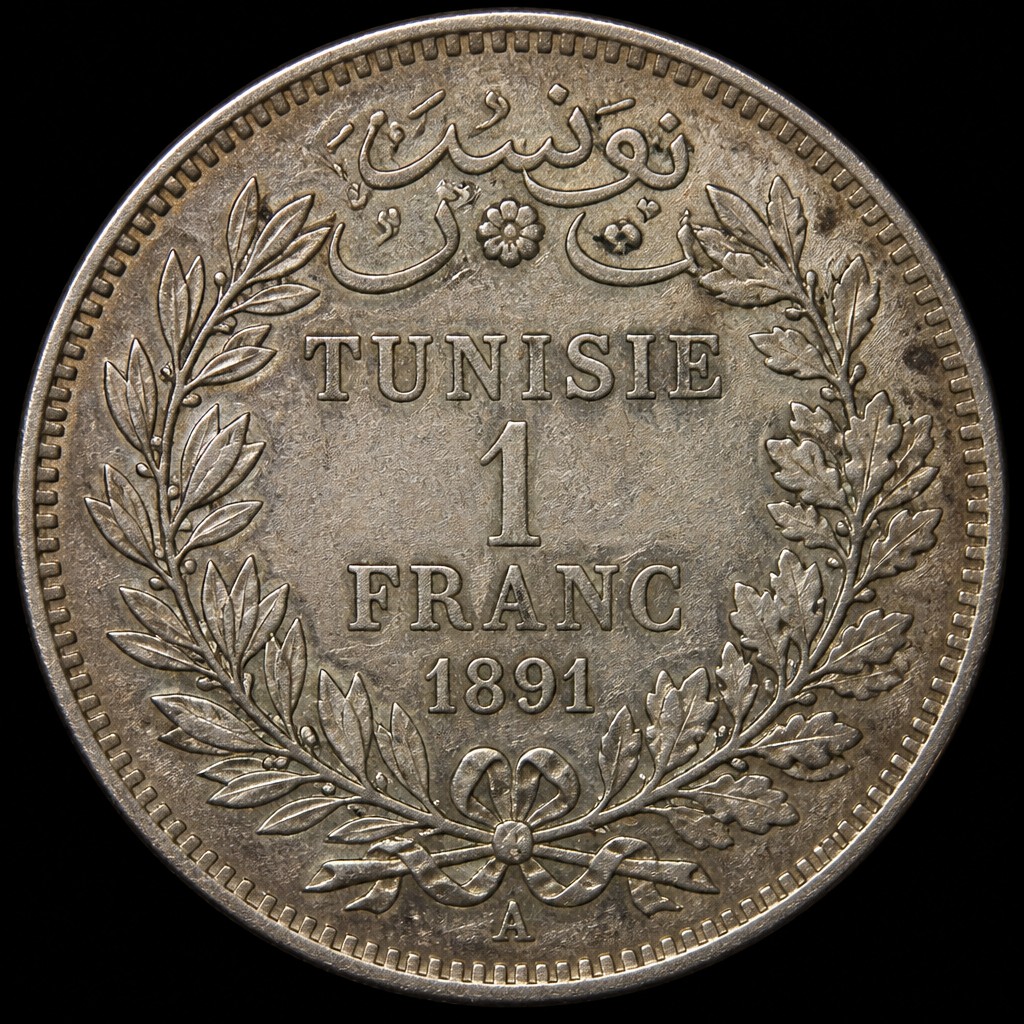
Tunisian Franc (Beylik Era)
Late 19th–early 20th century (c. 1891–1957 transition)
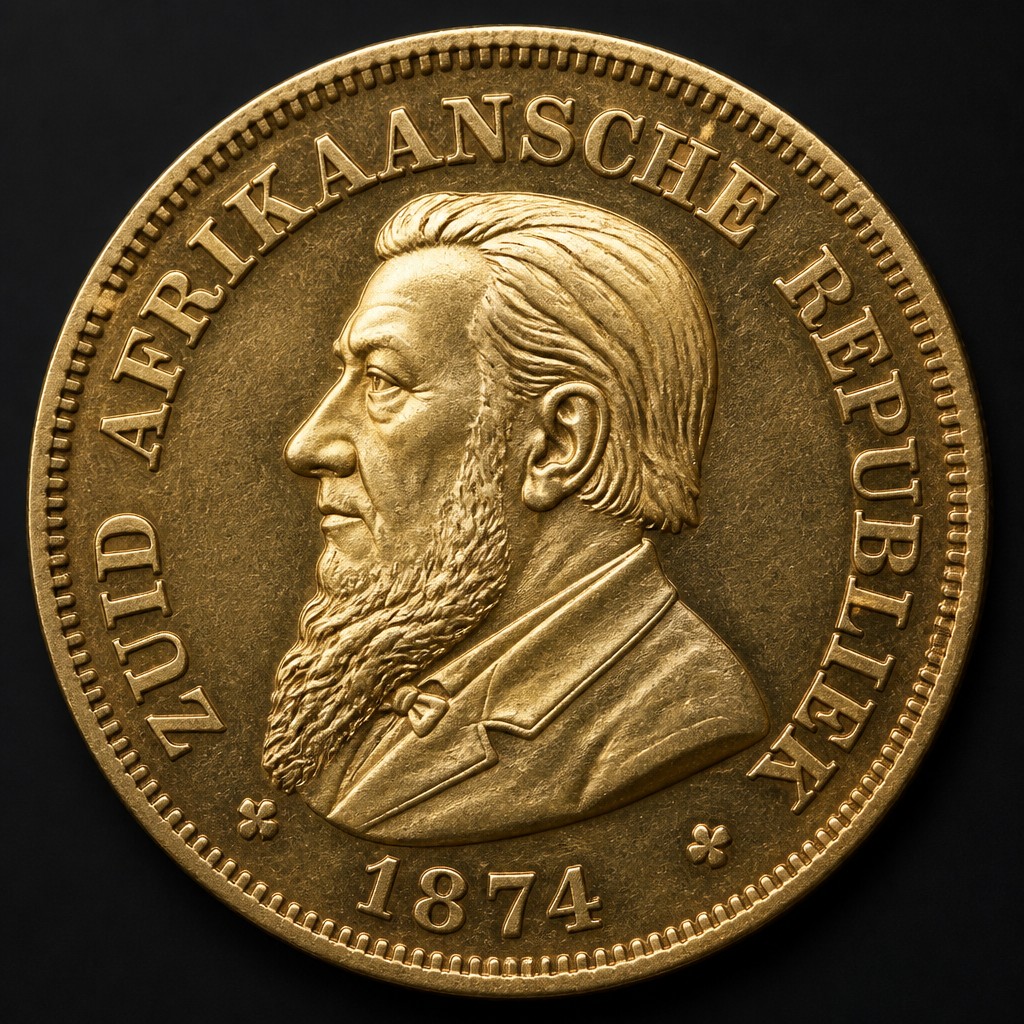
South African Republic Burgers Pond
1874
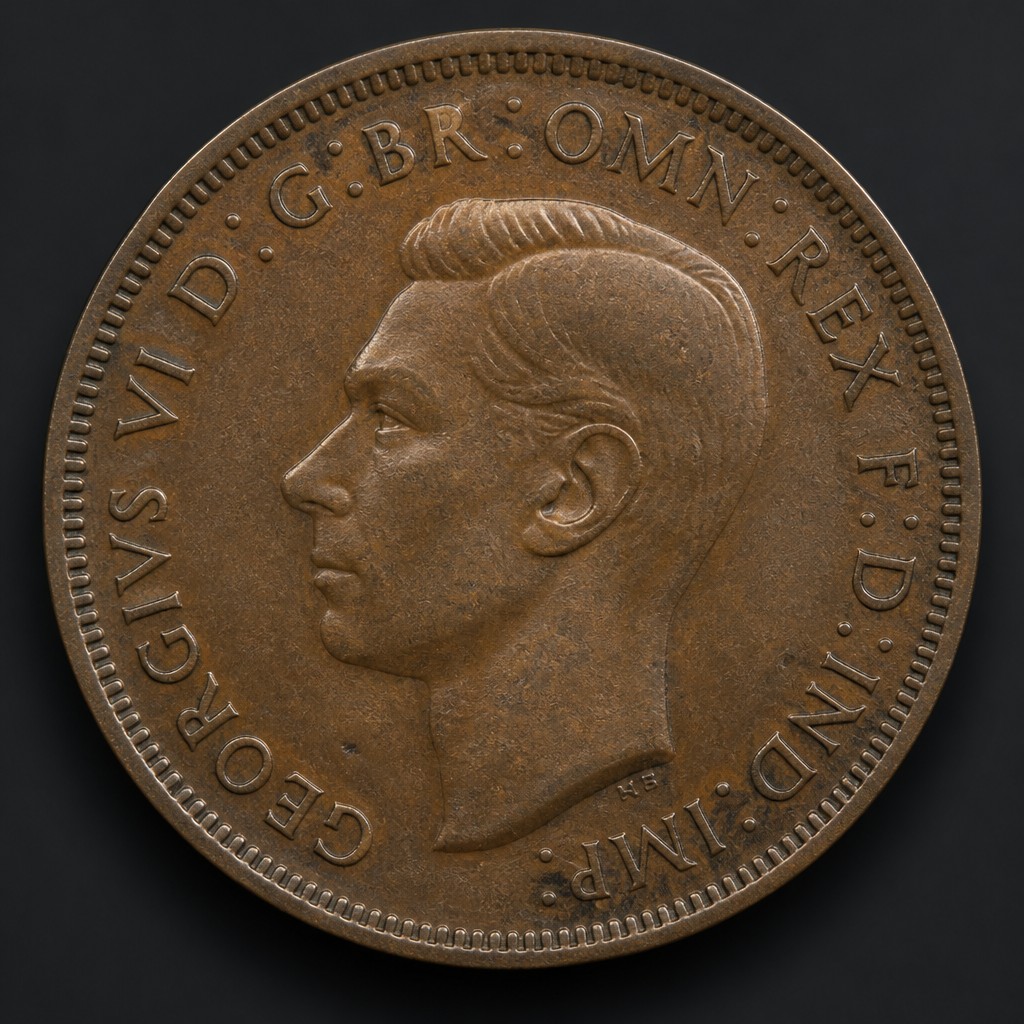
New Zealand Penny (KGVI)
1937-1952
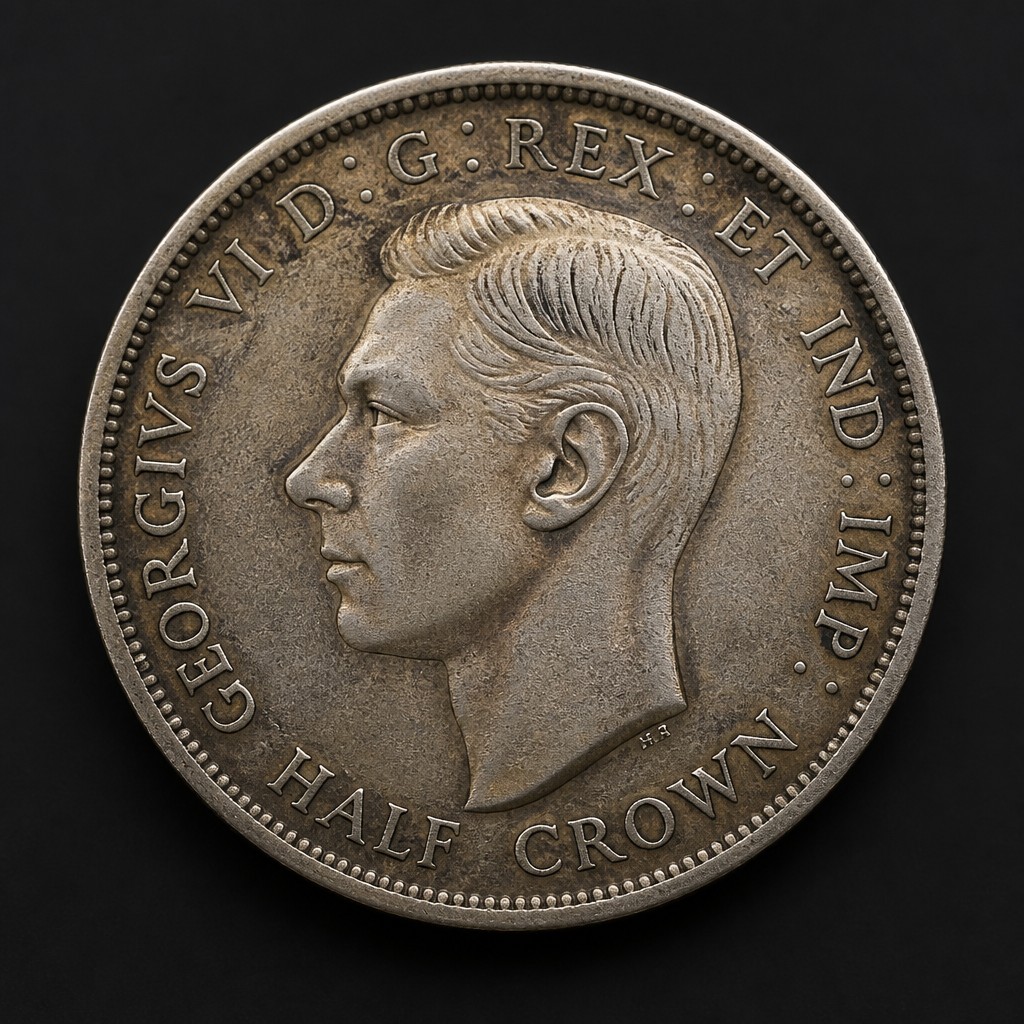
New Zealand Half Crown (pre-decimal)
1933-1965
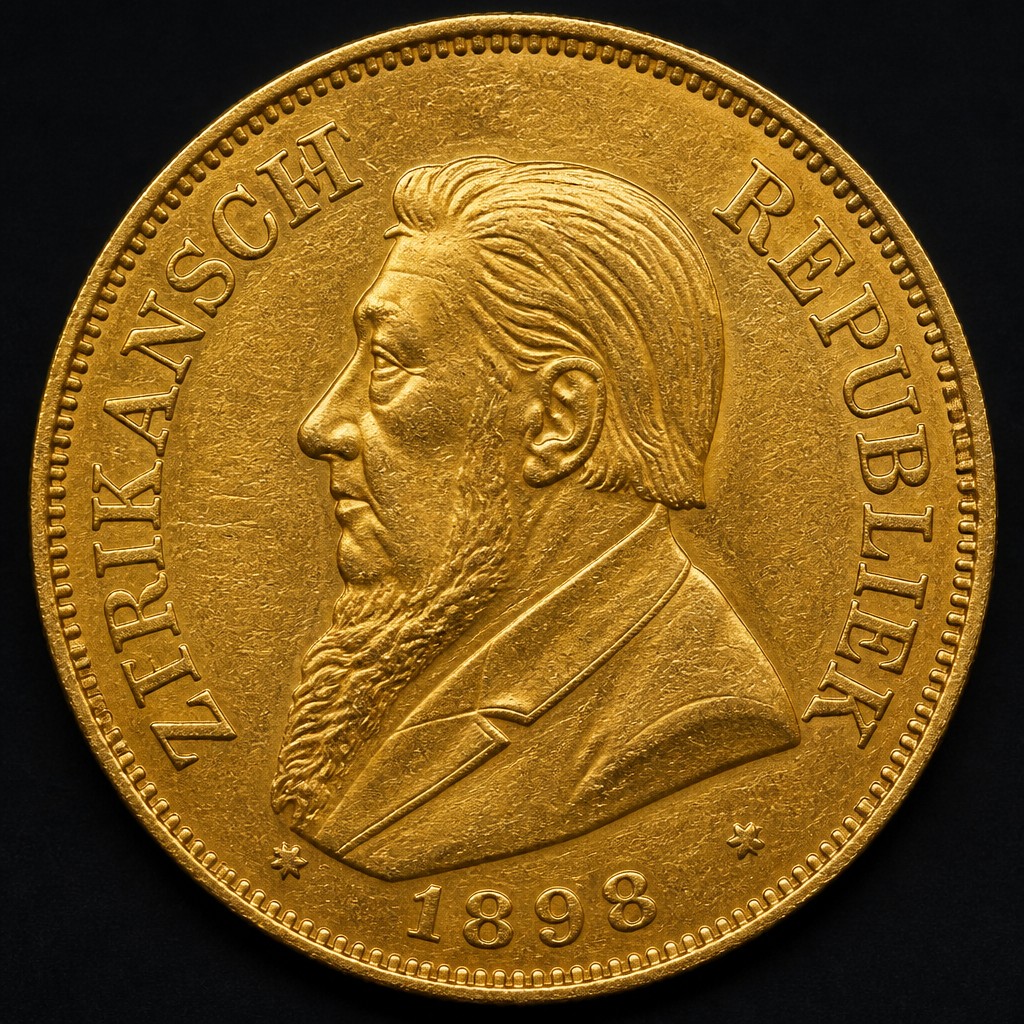
South African ZAR Kruger Pond
1892-1900
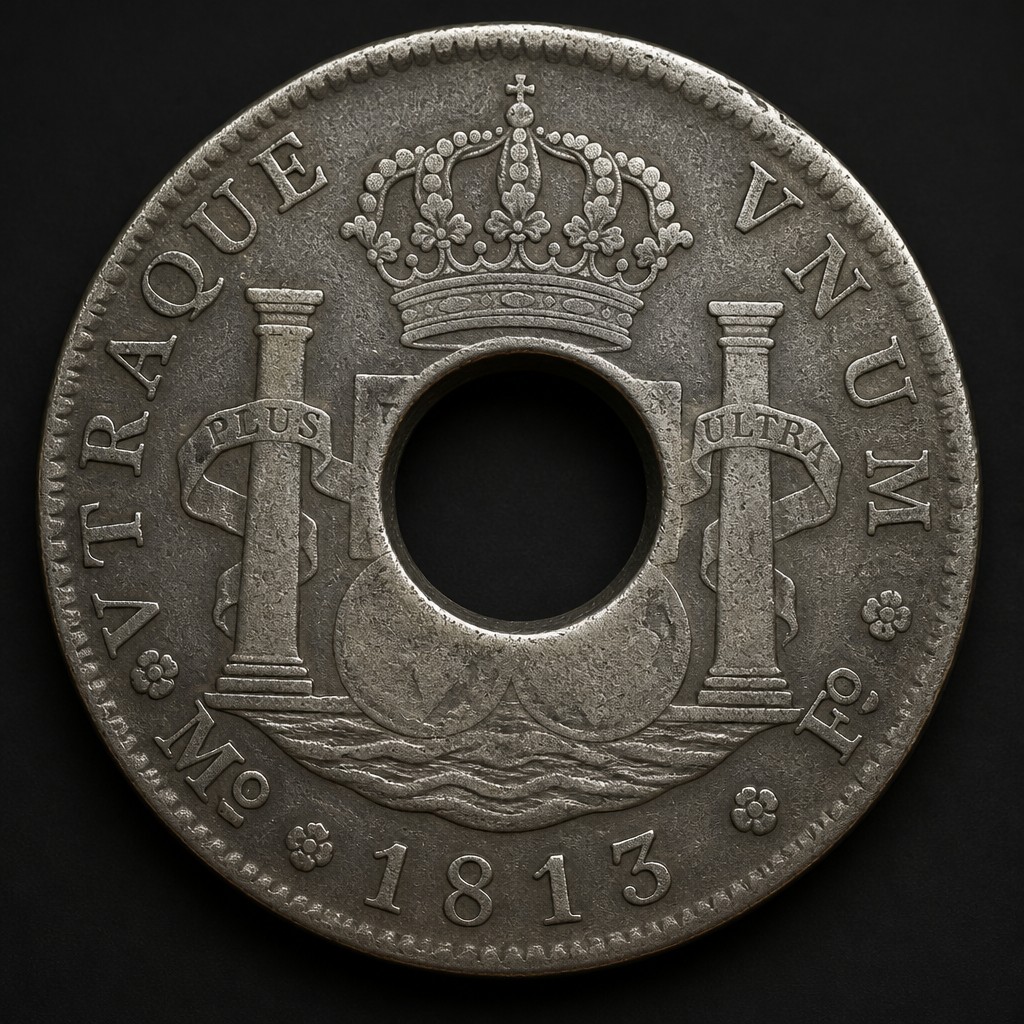
Australian Holey Dollar and Dump
1813