
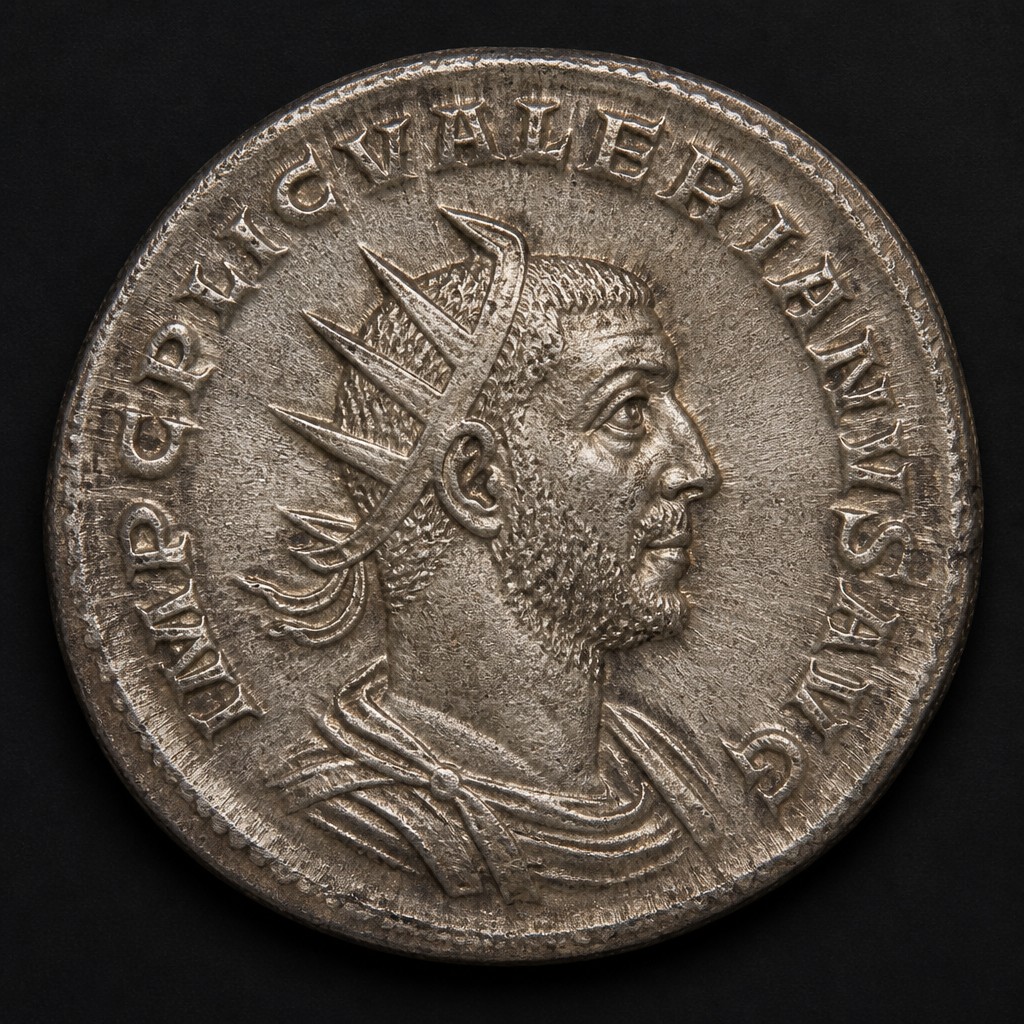
Valerian Antoninianus
Radiate coin of Valerian, the only Roman emperor ever captured alive by a foreign enemy, taken prisoner by the Sassanid king Shapur I in 260 AD.
- Country
- Ancient Rome
- Denomination
- Antoninianus
- Metal
- Debased Silver (Billon)
Got a coin like this?
Identify any coin from a photo, free.
Overview
Valerian's antoniniani are historically resonant because of his singular and humiliating fate: he remains the only Roman emperor known to have been captured alive in battle by a foreign power. His coinage circulated widely during a turbulent period of the Crisis of the Third Century, when the empire faced simultaneous pressure from Germanic tribes, Persian forces, and internal usurpers.
Collectors are drawn to Valerian coinage both for its historical drama and for the fact that it was struck across a wide network of mints as Rome tried to manage threats on multiple fronts, alongside coinage for his son and co-emperor Gallienus.
History & Background
Publius Licinius Valerianus was a respected senator and military commander who was proclaimed emperor in 253 AD following the death of Trebonianus Gallus, and he quickly elevated his son Gallienus as co-emperor to jointly manage the empire's mounting crises. Valerian took personal command of the eastern frontier to confront the resurgent Sassanid Persian Empire under Shapur I.
In 260 AD, Valerian was decisively defeated near Edessa and captured alive by Shapur I, becoming the only Roman emperor in history to suffer this fate. Ancient and later sources, particularly the Christian writer Lactantius, describe Valerian's captivity in humiliating terms, including claims he was used as a human footstool by the Persian king, though the precise details remain historically debated. He is believed to have died in captivity, and his capture stands as one of the most stunning blows to Roman prestige in the empire's history.
How to Identify
The obverse depicts a radiate, draped and cuirassed bust of Valerian, with legends such as IMP C P LIC VALERIANVS AVG or similar. Because coinage was struck at multiple mints to serve both his and Gallienus's simultaneous campaigns, portrait style and fabric can vary noticeably between Rome and eastern mint issues.
Reverse types are diverse and include Fides Militum, Pax, Providentia, Restitutor Orientis (referencing his eastern command), and various military and dynastic themes reflecting joint rule with Gallienus. Legends beneath each personification identify the specific type.
The coin follows the standard antoninianus format of roughly 21-23mm with continuing silver debasement typical of the mid-third century. Distinguishing Valerian's coins from his son Gallienus's requires close attention to the obverse legend, since portrait styles can be similar during the years of joint rule.
Value & Collectibility
Valerian antoniniani are generally available to collectors and often found in the roughly $25 to $70 range for typical circulated grades of common reverse types. Certain eastern mint issues or those referencing specific campaign titles can bring higher prices due to relative scarcity and strong collector interest in his dramatic historical story.
As with most third-century issues, sharpness of strike, centering, and surface preservation heavily influence value, and well-struck portraits of this historically significant emperor are particularly sought after.
Frequently asked questions
What makes Valerian historically unique among Roman emperors?
He is the only Roman emperor known to have been captured alive by a foreign power, taken prisoner by the Sassanid king Shapur I in 260 AD.
What happened to Valerian after his capture?
He remained a captive of the Persians and is believed to have died in captivity; ancient accounts of his humiliating treatment vary in reliability.
Who ruled Rome while Valerian was captured?
His son and co-emperor Gallienus continued to rule the empire, eventually as sole emperor.
Are Valerian coins hard to find?
No, they are reasonably available to collectors, though certain mints and reverse types are scarcer than others.
Other coins you may enjoy
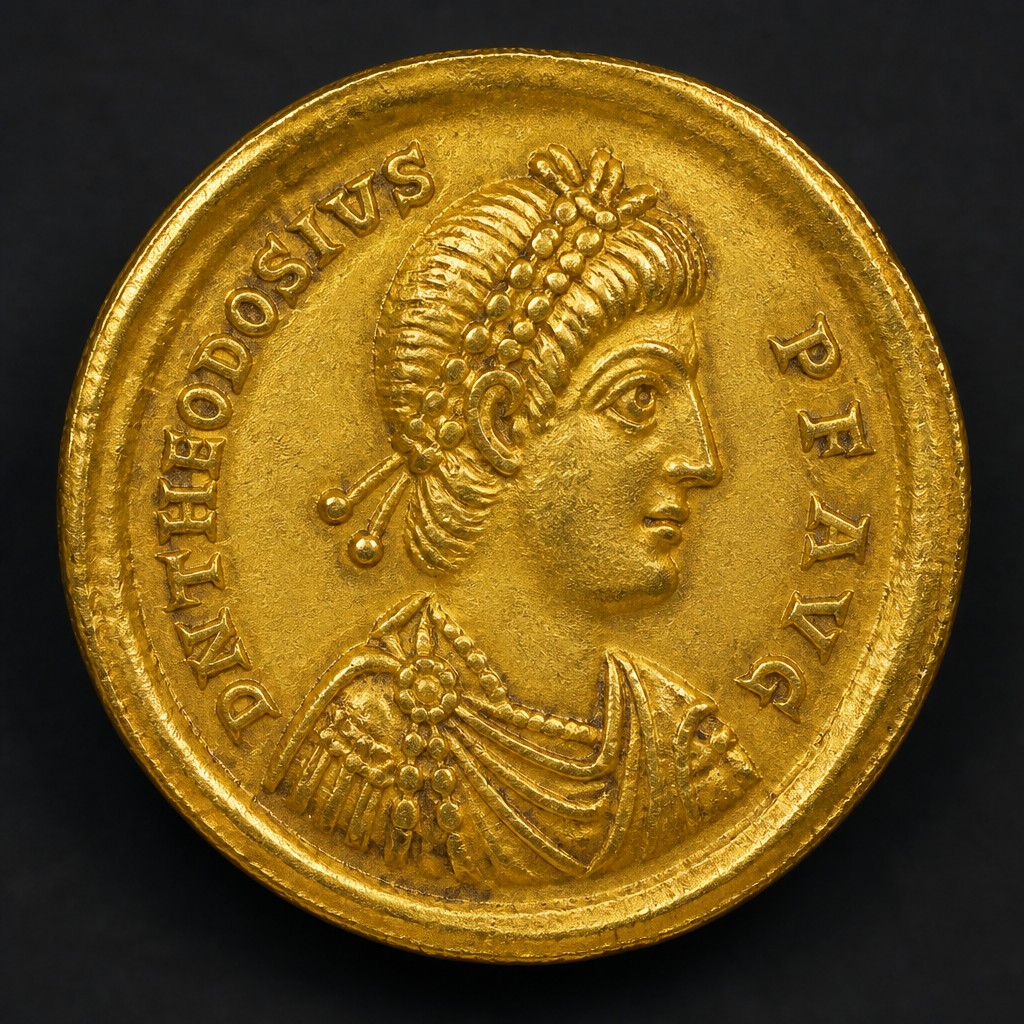
Theodosius I Solidus
379–395 AD
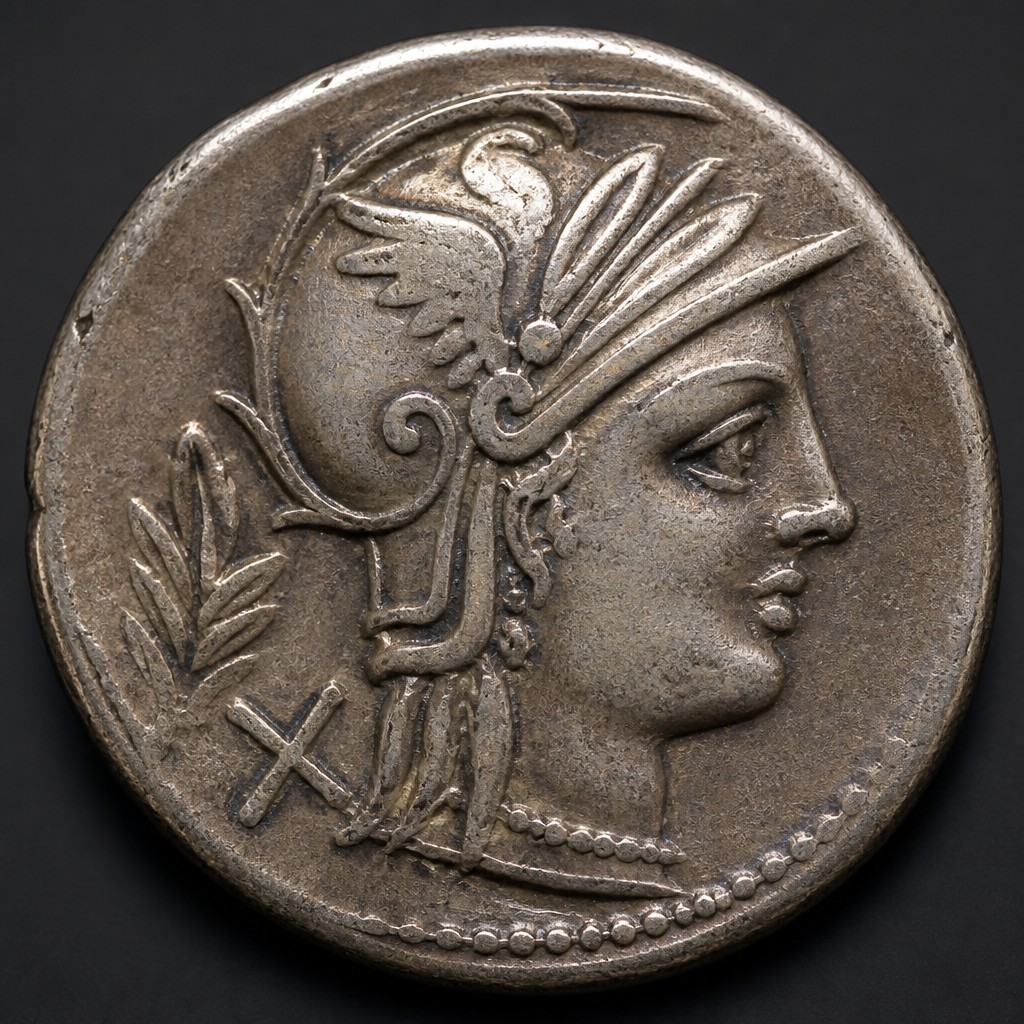
Republican Victoriatus
c. 211–170 BC
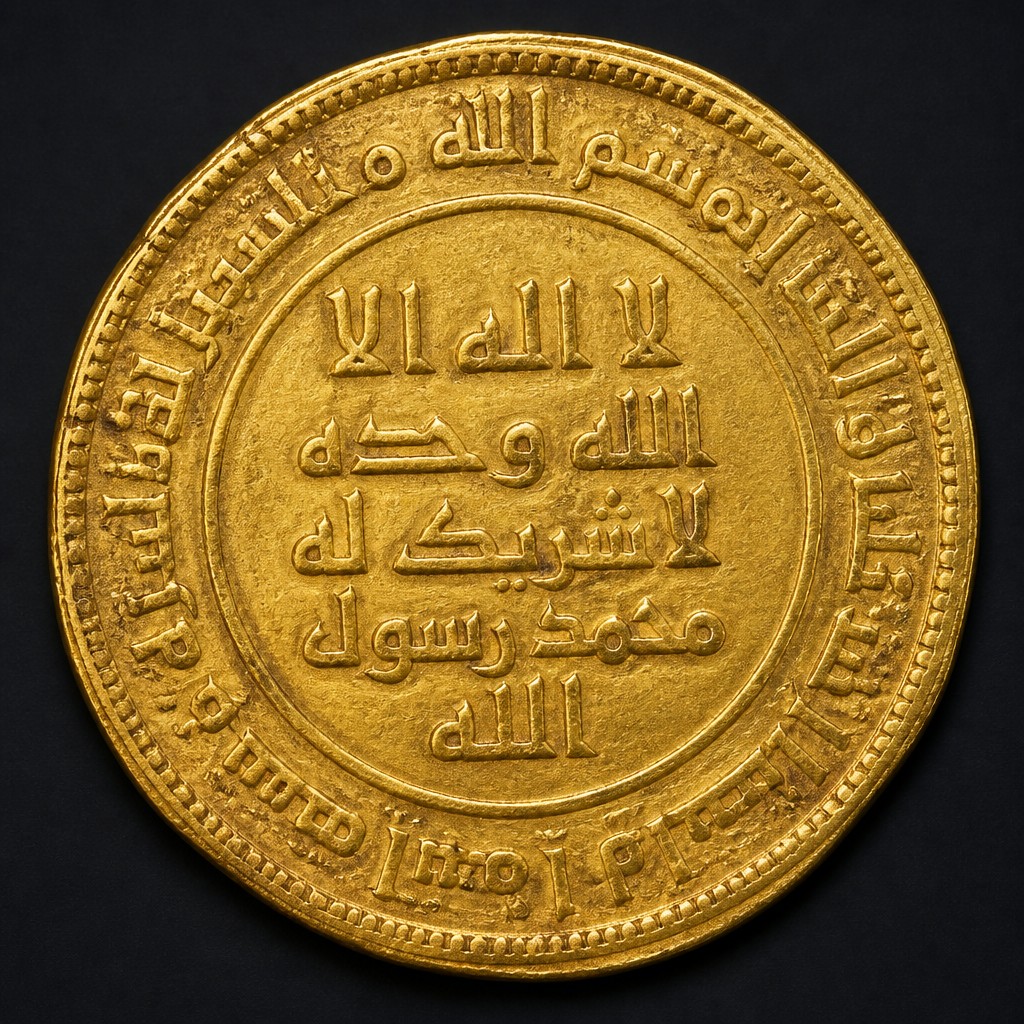
Islamic Gold Dinar (Umayyad)
c. 696–750 AD
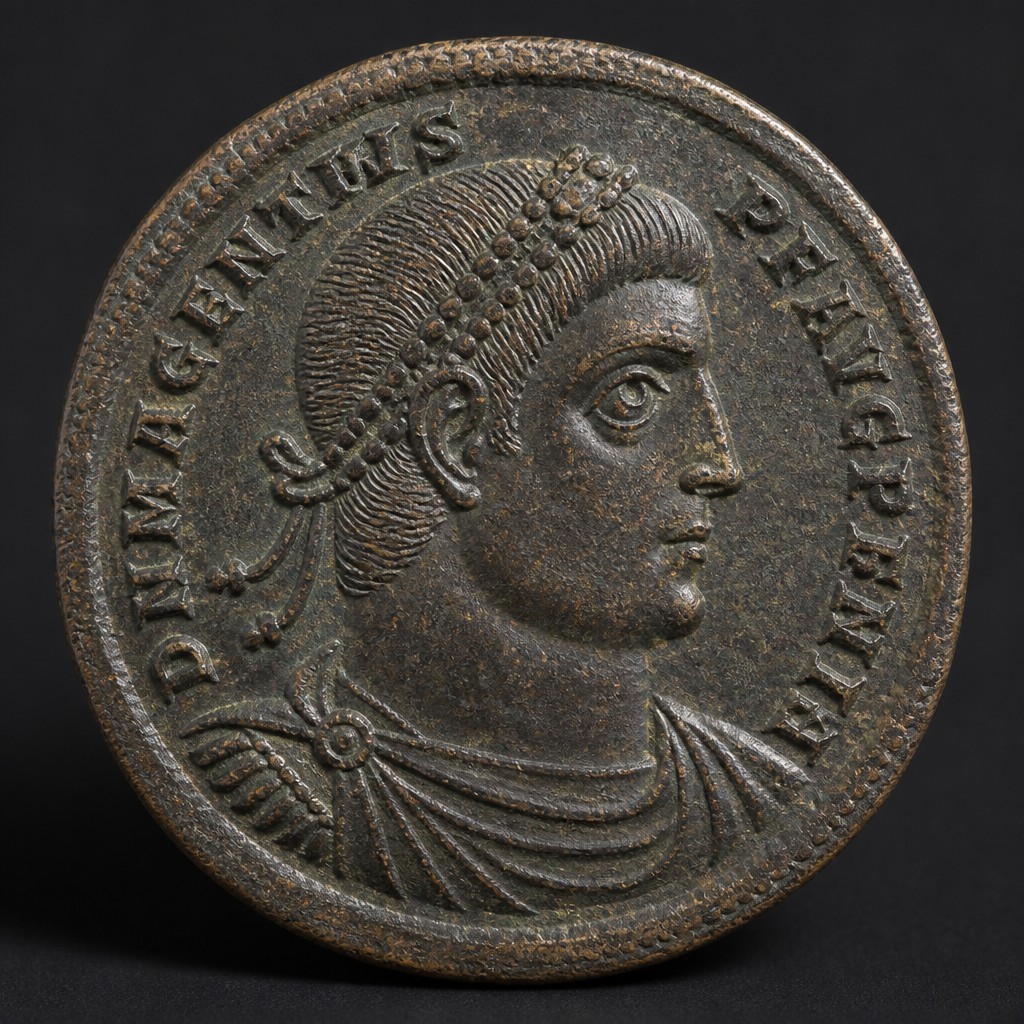
Magnentius Double Centenionalis
350–353 AD
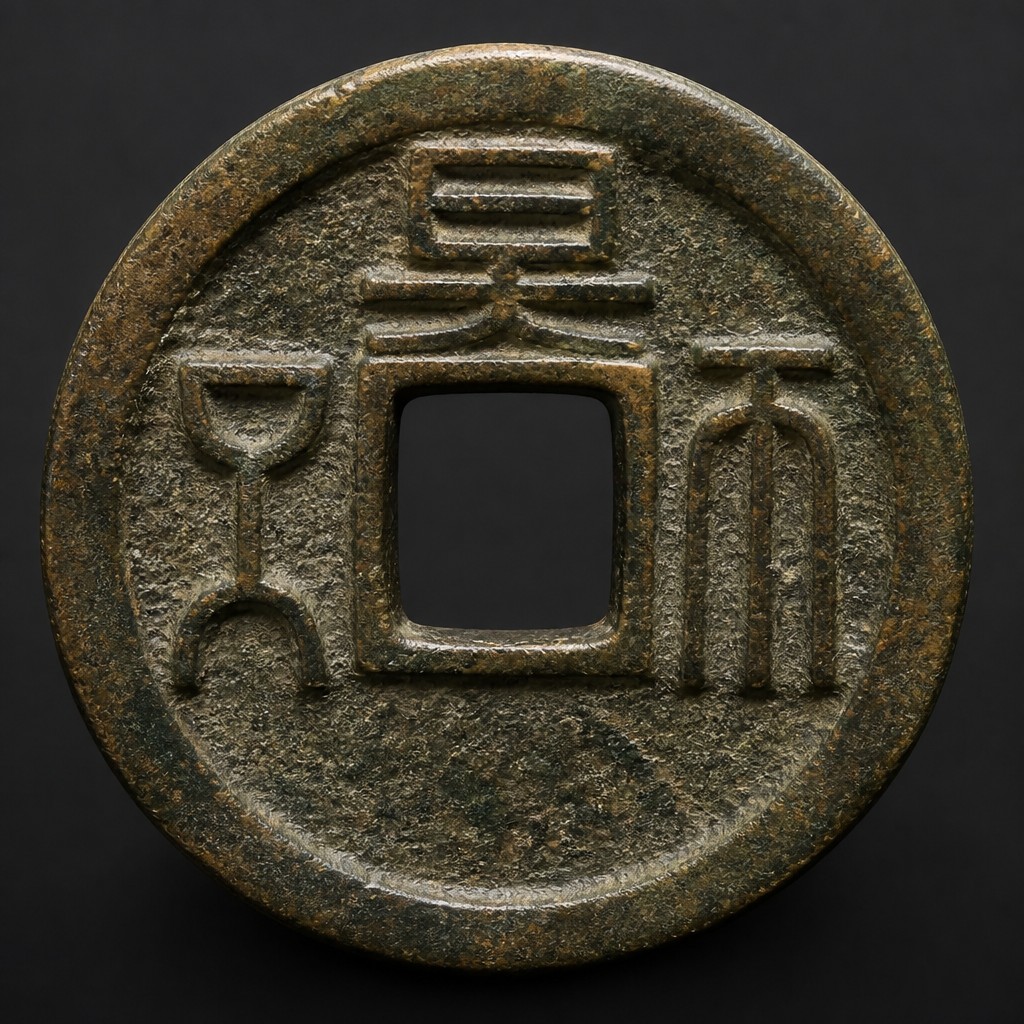
Chinese Wu Zhu Cash
118 BC – 618 AD
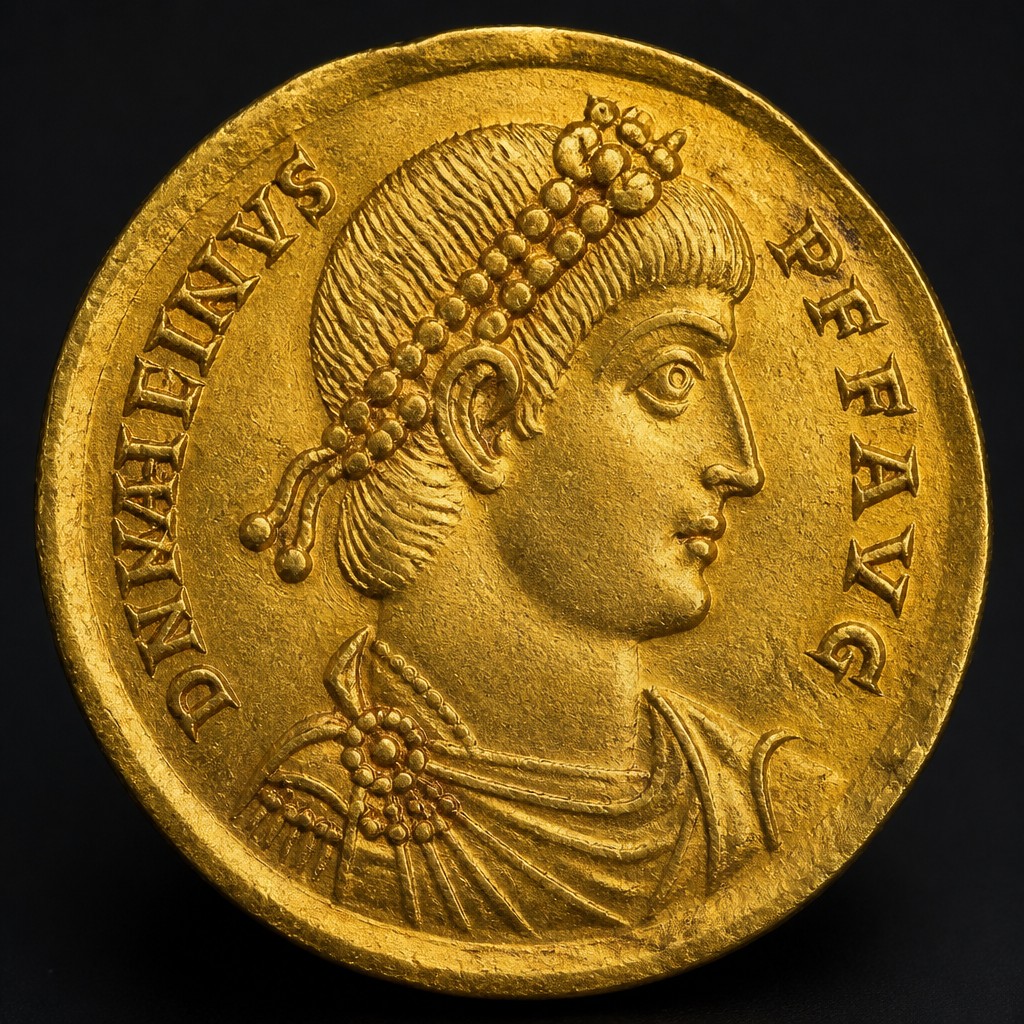
Valentinian I Solidus
364–375 AD
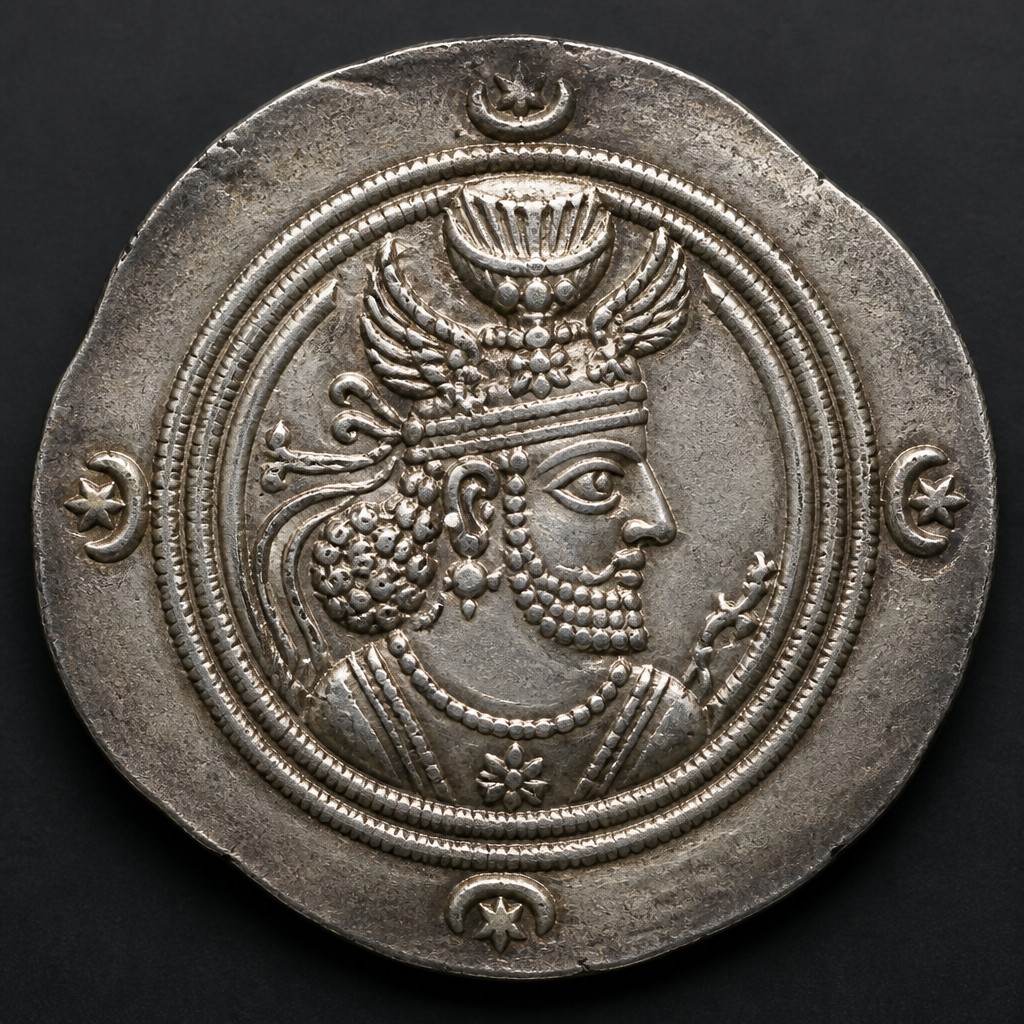
Sassanian Silver Drachm
c. 224–651 AD
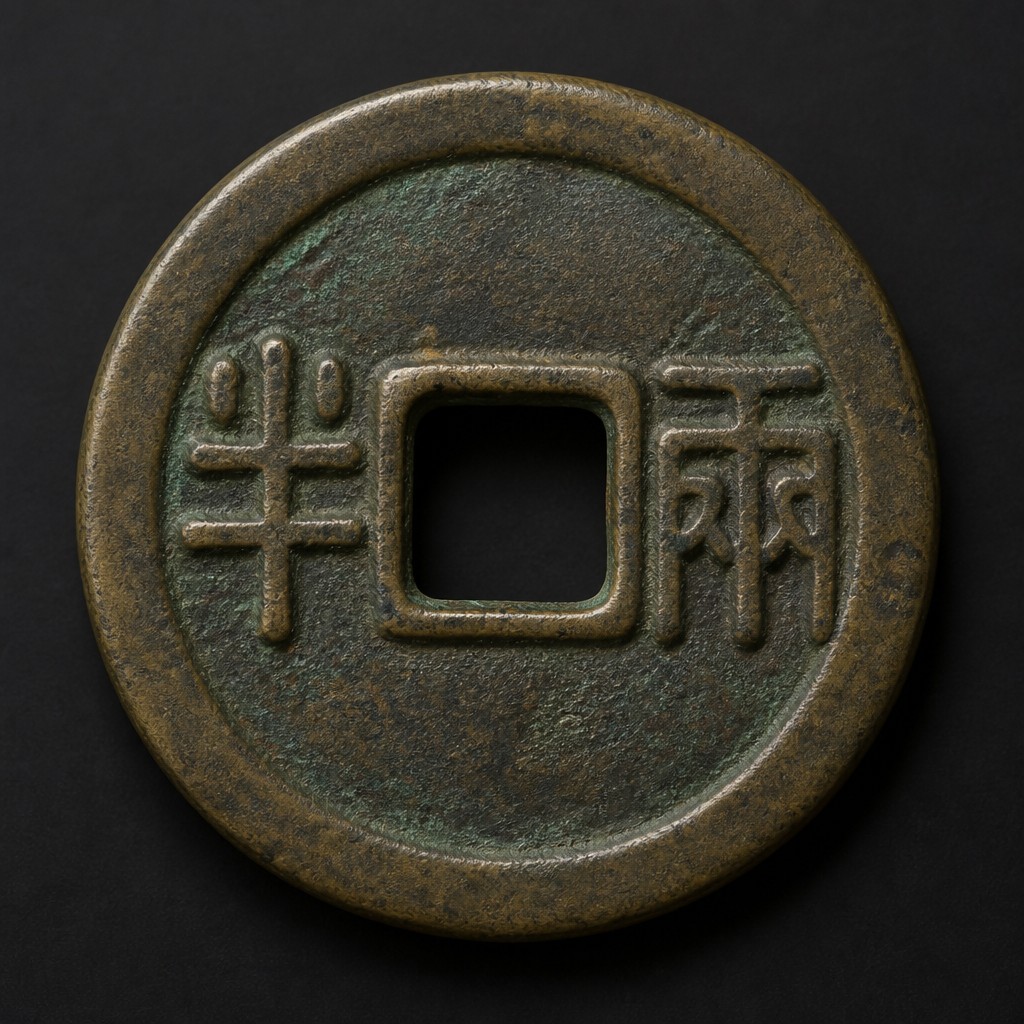
Chinese Ban Liang Cash
c. 221–118 BC
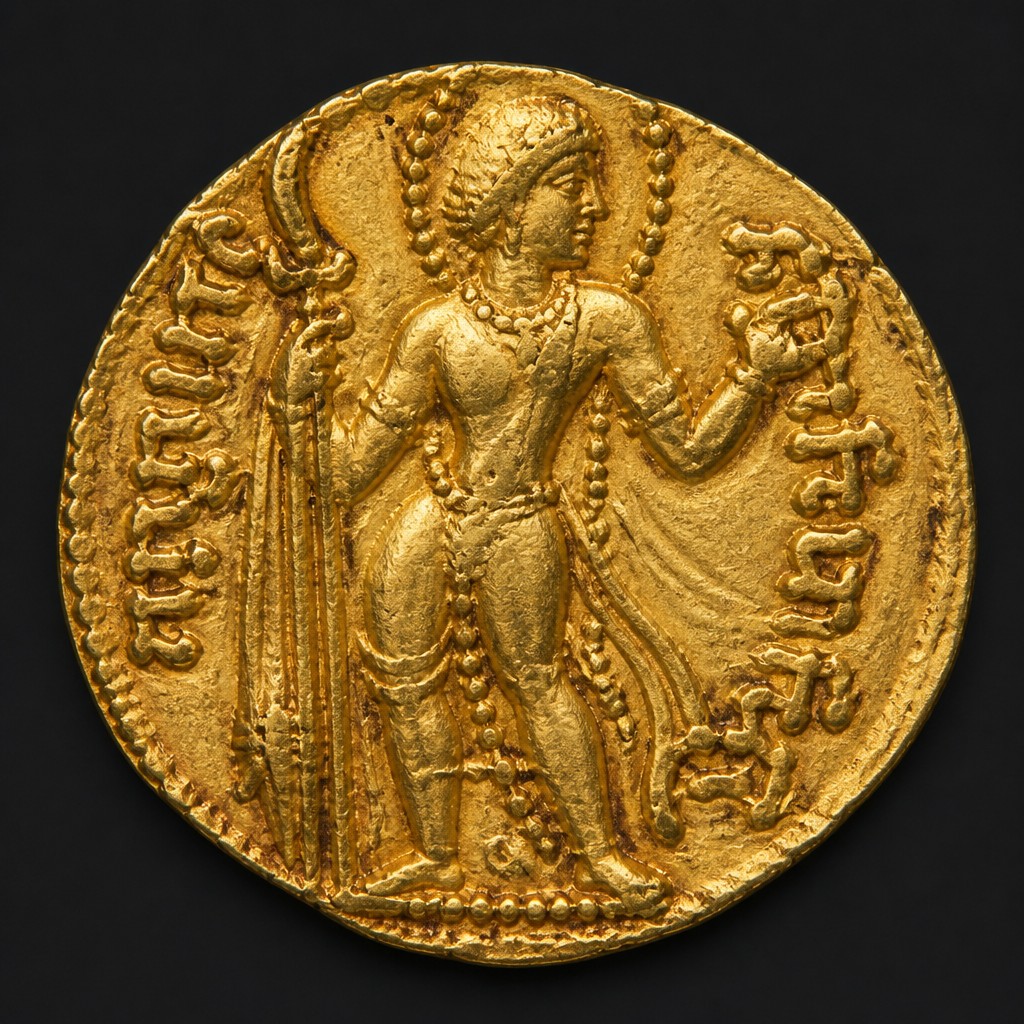
Gupta Empire Gold Dinar
c. 320–550 AD
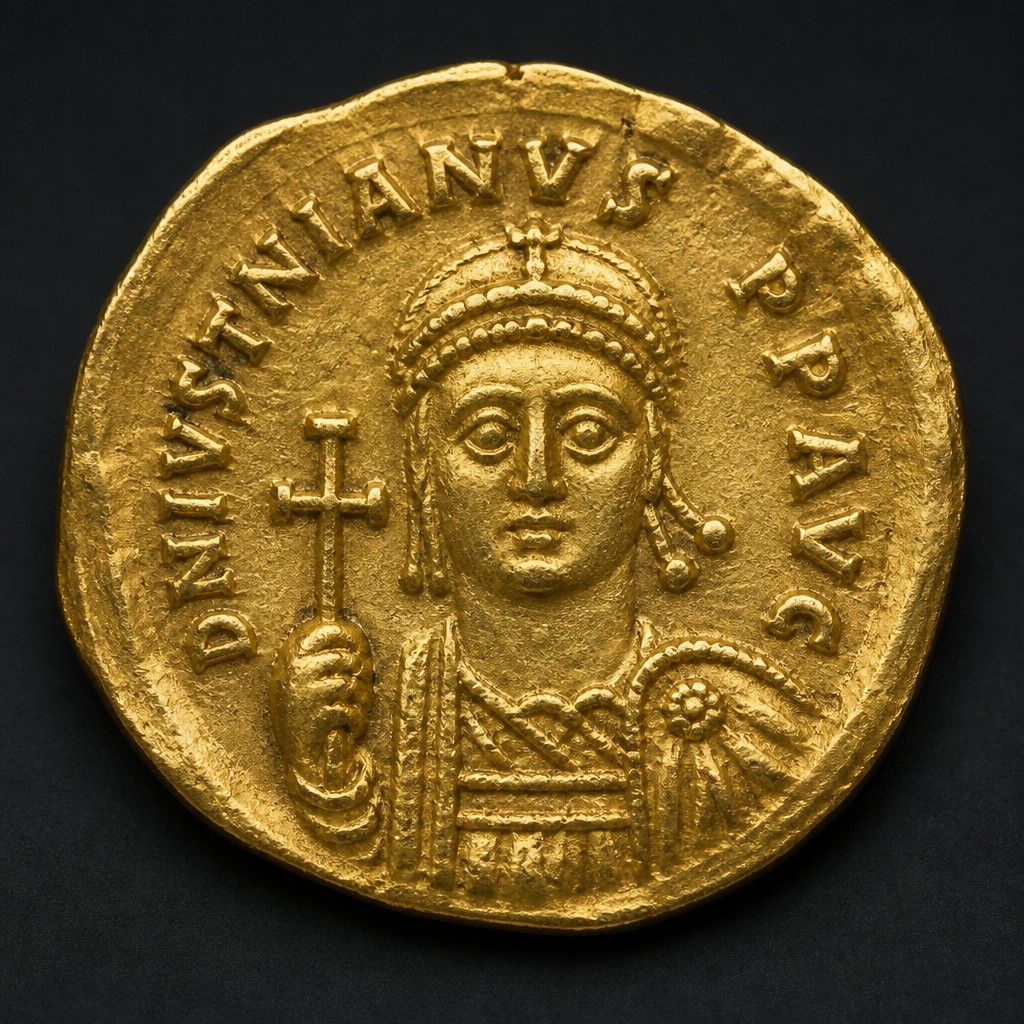
Byzantine Gold Tremissis
c. 4th–7th century AD
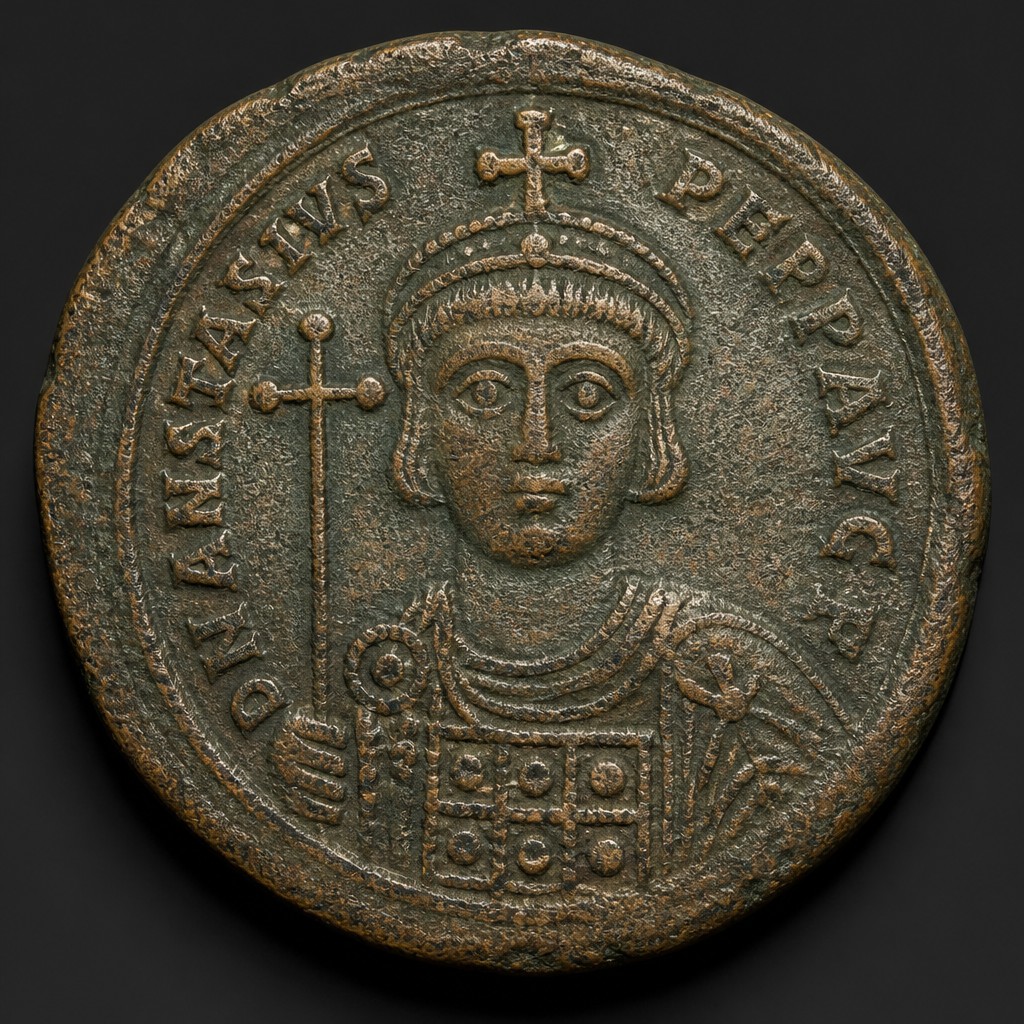
Byzantine Follis
498–c. 11th century AD
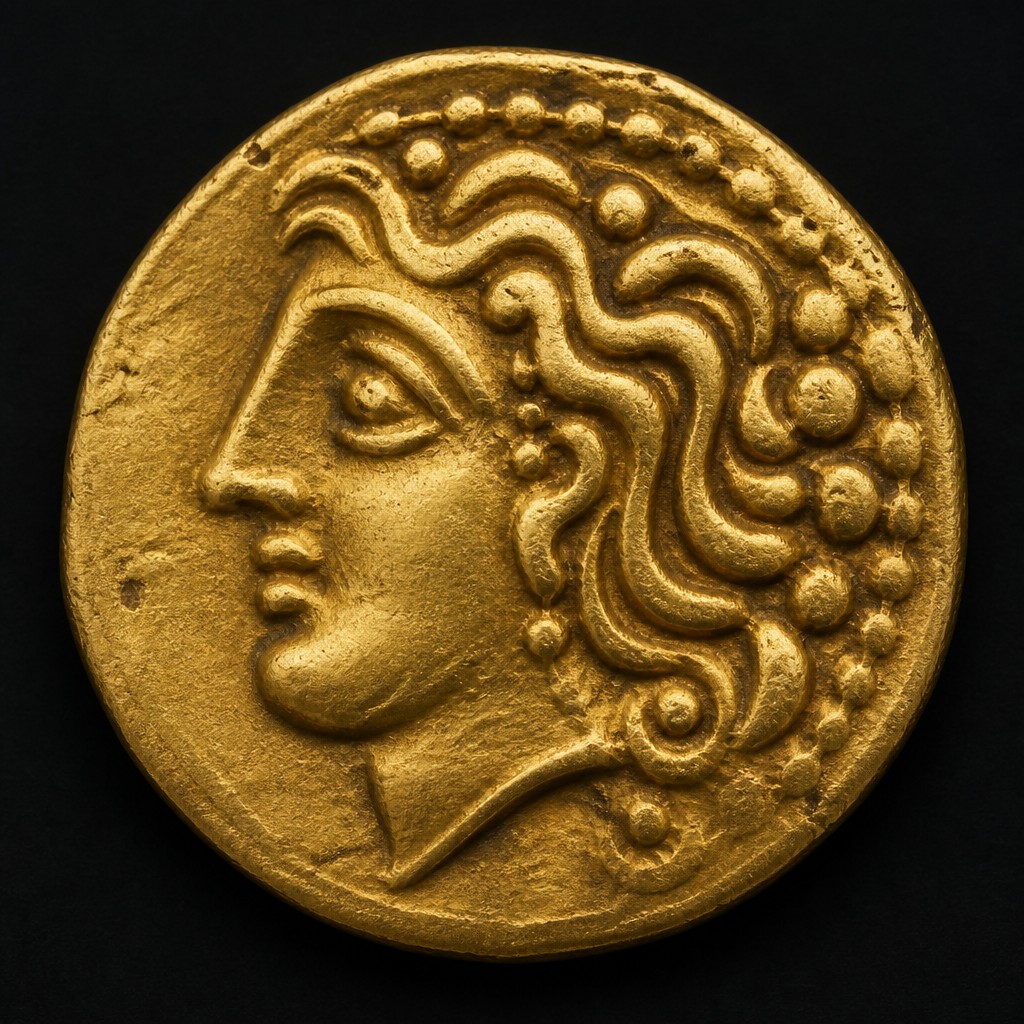
Celtic Gold Stater
c. 3rd century BC – 1st century AD