
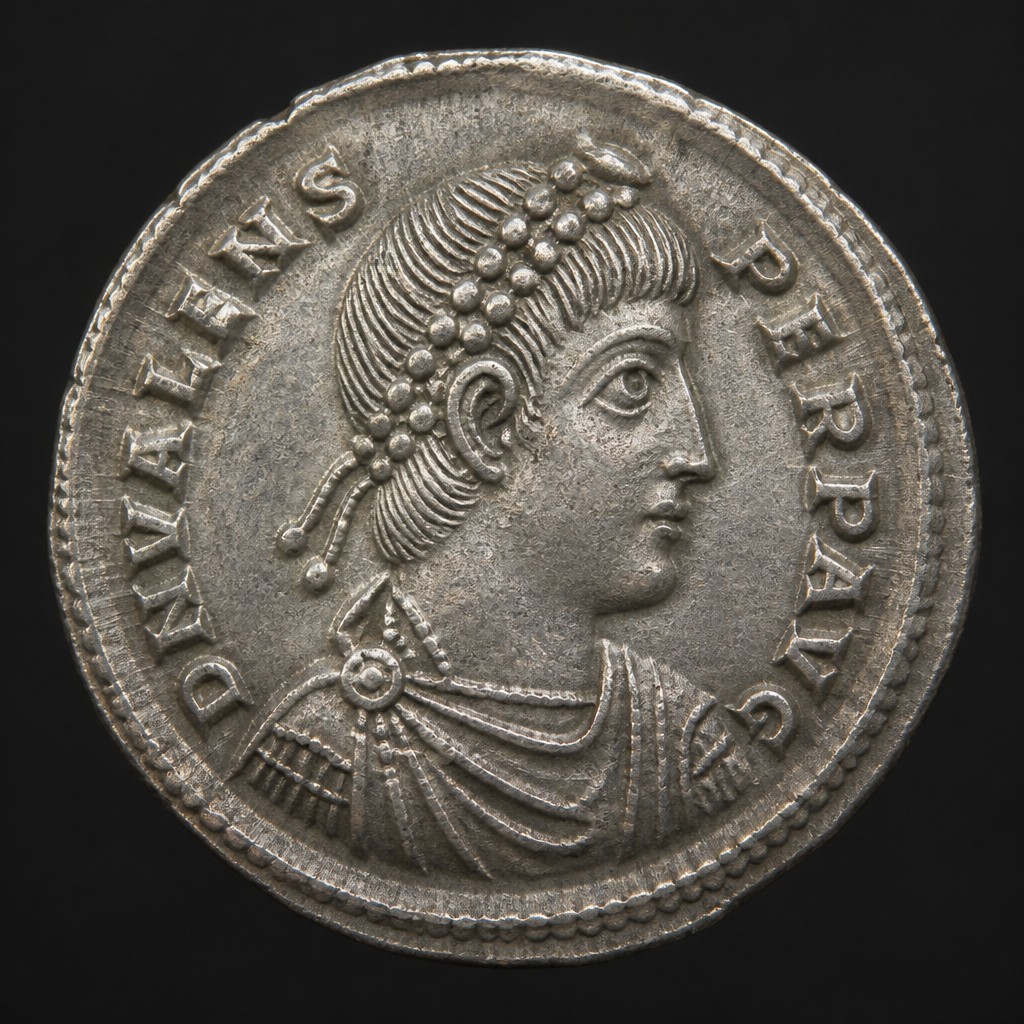
Valens Siliqua
A thin silver siliqua of Valens, eastern Roman emperor who died at the disastrous Battle of Adrianople against the Goths in 378 AD.
- Country
- Ancient Rome
- Denomination
- Siliqua
- Metal
- Silver
Got a coin like this?
Identify any coin from a photo, free.
Overview
This small, thin silver coin was struck during the reign of Valens, eastern co-emperor alongside his brother Valentinian I, whose reign ended in one of the most consequential military disasters in Roman history. The siliqua denomination represented the standard small silver coin of the 4th century, used widely alongside the gold solidus and bronze coinage of the day.
Collectors are particularly drawn to Valens's coinage because of its direct connection to the catastrophic 378 AD Battle of Adrianople, where Valens was killed fighting the Goths, an event many historians view as a turning point on the road to the fall of the western Roman Empire.
History & Background
Valens became eastern Roman emperor in 364 AD when his brother Valentinian I elevated him to co-rule the empire. His reign was marked by ongoing military and religious challenges, including conflicts with Persia, internal usurpations, and growing pressure from Gothic groups pushed into Roman territory by the advancing Huns.
In 378 AD, Valens led a Roman army against a large Gothic force near Adrianople and suffered a devastating defeat in which he himself was killed, along with a substantial portion of the eastern Roman field army. The disaster shocked the Roman world and is often cited by historians as accelerating the empire's long-term struggles with Germanic migration and settlement within its borders.
How to Identify
The obverse shows a pearl-diademed, draped bust of Valens facing right, with the legend D N VALENS P F AVG. Reverse types vary, with common examples showing a seated personification such as Roma or Constantinopolis enthroned, or a wreath enclosing a vow inscription such as VOT V MVLT X, reflecting anniversary vows for the emperor's reign.
The siliqua is a thin, broad, lightweight silver coin, typically 16–19mm in diameter but very thin compared to earlier denarii, a hallmark of 4th-century Roman silver coinage. Its light weight and characteristic thinness distinguish it at a glance from earlier, thicker Roman silver denominations, while the obverse legend identifies the specific emperor among several contemporaries who issued similar types.
Value & Collectibility
Siliquae of Valens are reasonably available to collectors, as this denomination was struck in significant quantities during his reign, with prices generally modest compared to gold solidi of the same era. Condition, strike sharpness, and the presence of a clipped or unclipped flan (siliquae were frequently clipped in antiquity, especially in Britain, to recover silver) significantly affect value, with full, unclipped examples bringing notably more.
His coinage's association with the Battle of Adrianople adds a layer of historical interest that keeps demand steady even for coins in average condition, though the type is not considered particularly rare on the ancient coin market.
Frequently asked questions
What is a siliqua?
It was a small, thin silver coin used throughout the 4th-century Roman Empire, denominated as a fraction of the gold solidus.
Why is Valens historically significant?
He was the eastern Roman emperor killed at the Battle of Adrianople in 378 AD, a crushing defeat to the Goths that historians often cite as a major turning point for the later Roman Empire.
Why are some siliquae clipped?
In antiquity, particularly in Roman Britain, silver was sometimes shaved from the edges of siliquae to recover metal, resulting in smaller, irregular-edged coins that collectors distinguish from full, unclipped examples.
Is this coin expensive?
It is generally affordable, as siliquae were struck in significant numbers, though well-preserved, unclipped examples command a premium.
Other coins you may enjoy
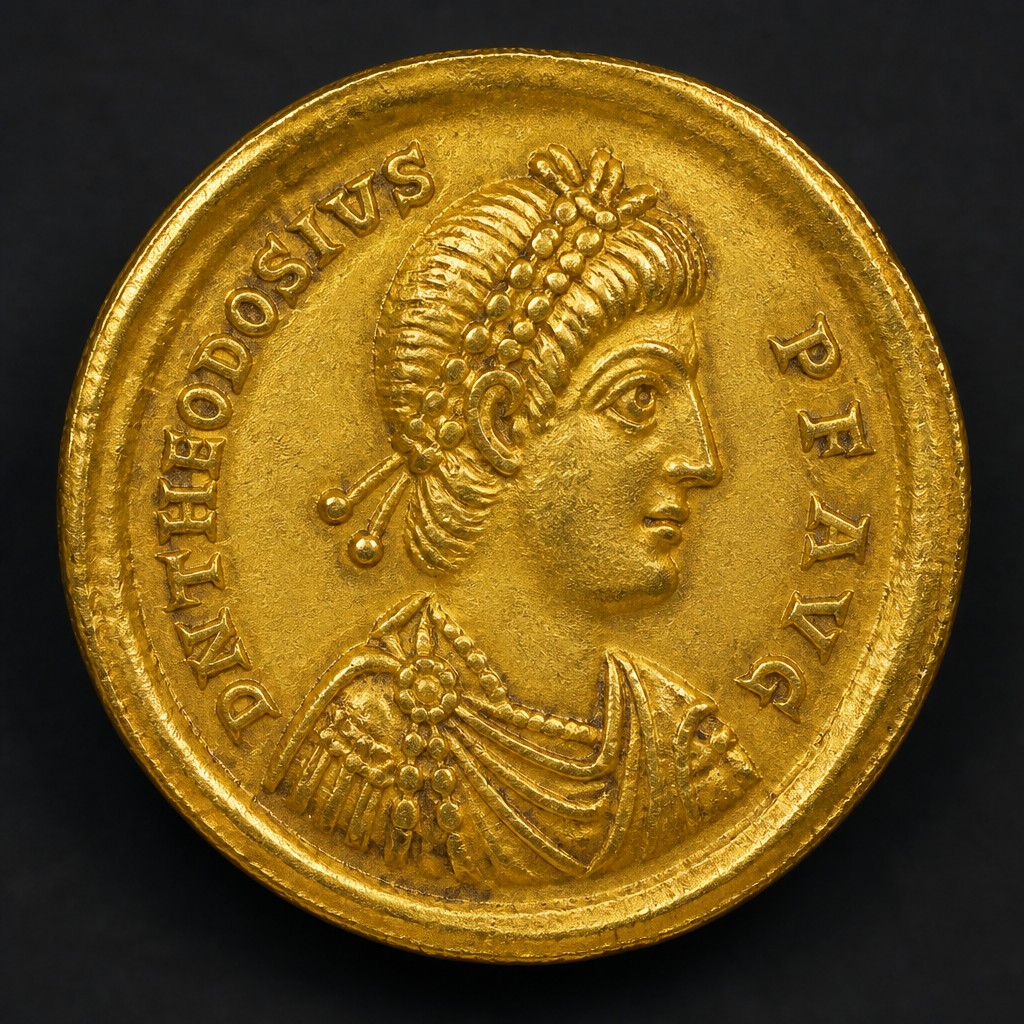
Theodosius I Solidus
379–395 AD
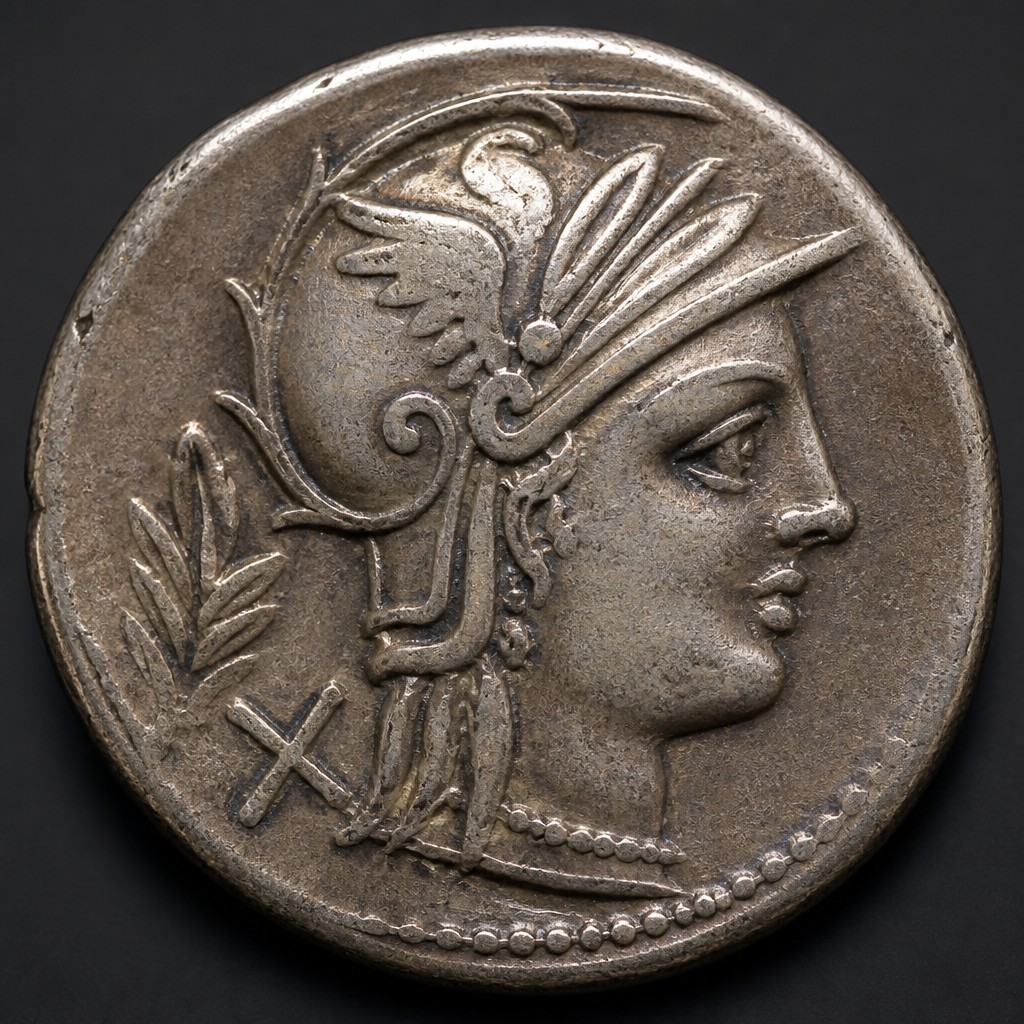
Republican Victoriatus
c. 211–170 BC
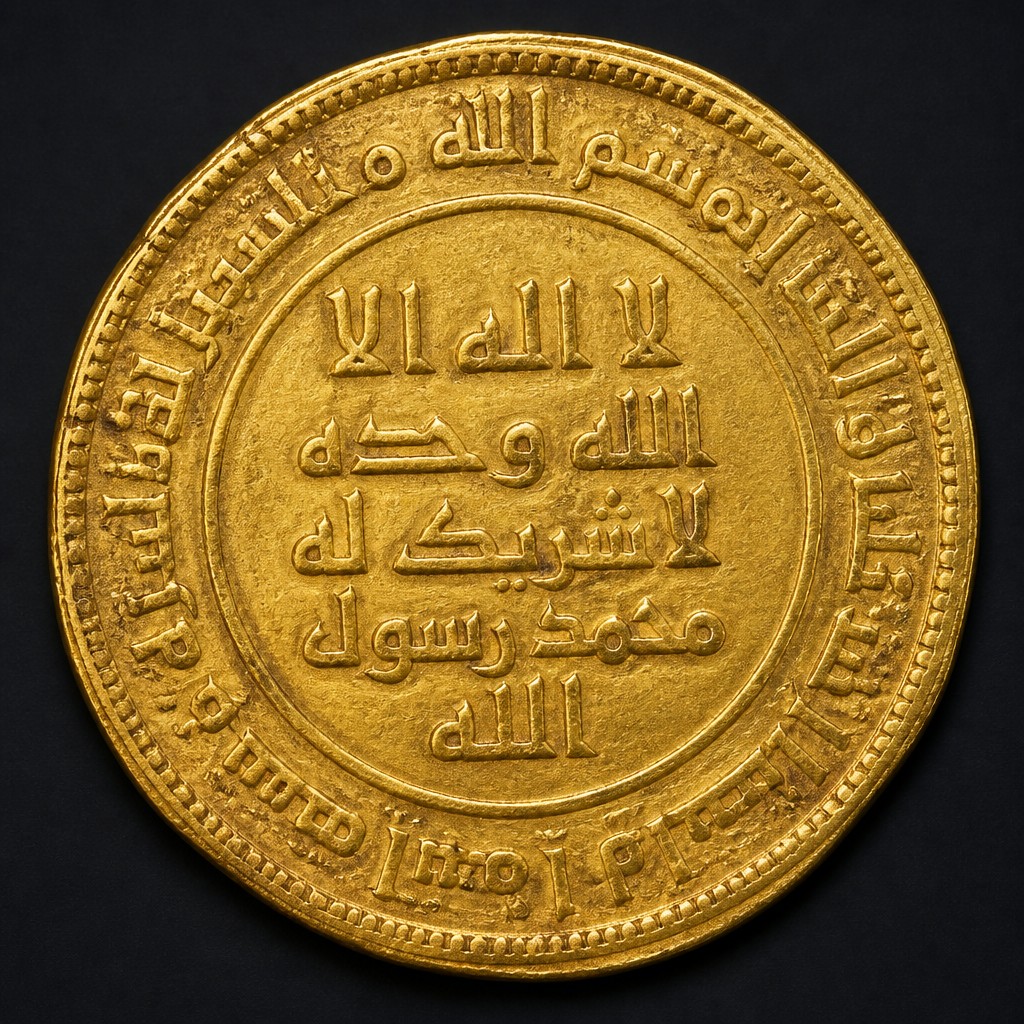
Islamic Gold Dinar (Umayyad)
c. 696–750 AD
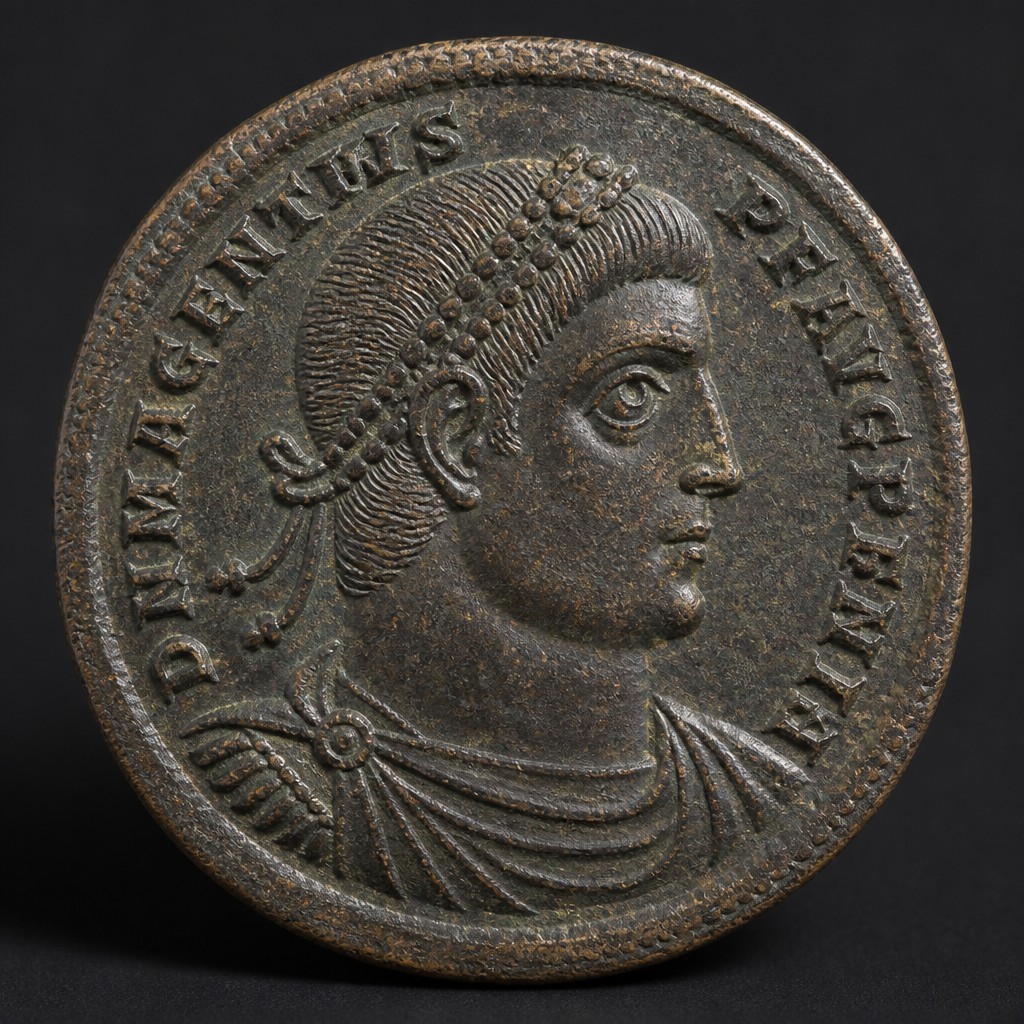
Magnentius Double Centenionalis
350–353 AD
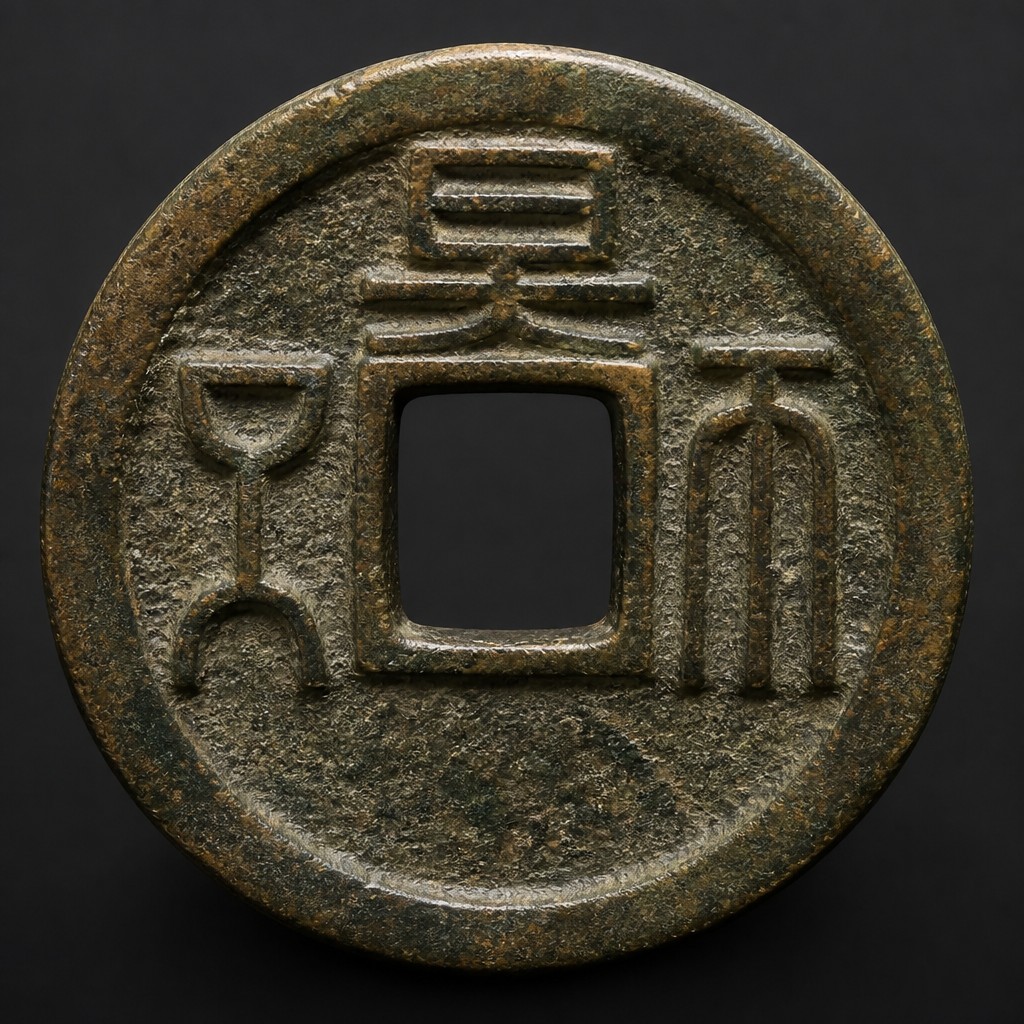
Chinese Wu Zhu Cash
118 BC – 618 AD
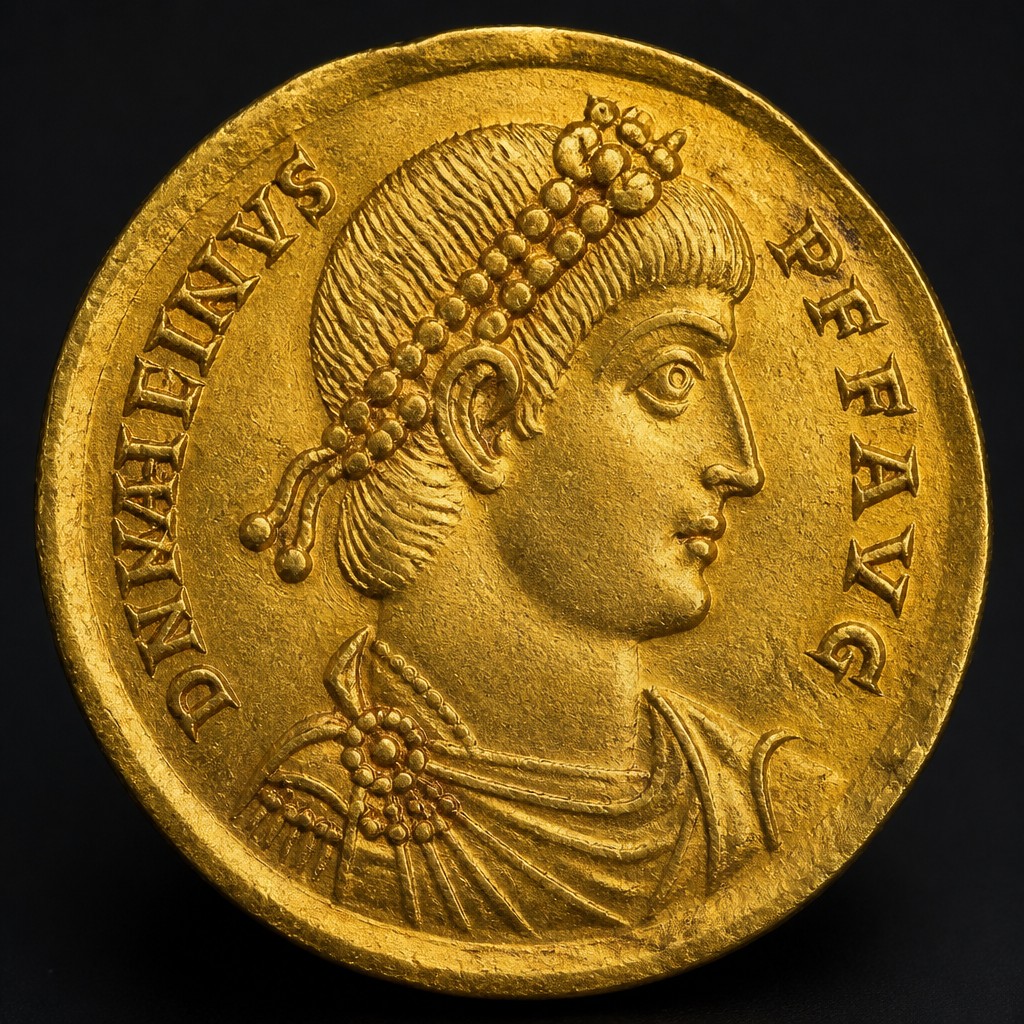
Valentinian I Solidus
364–375 AD
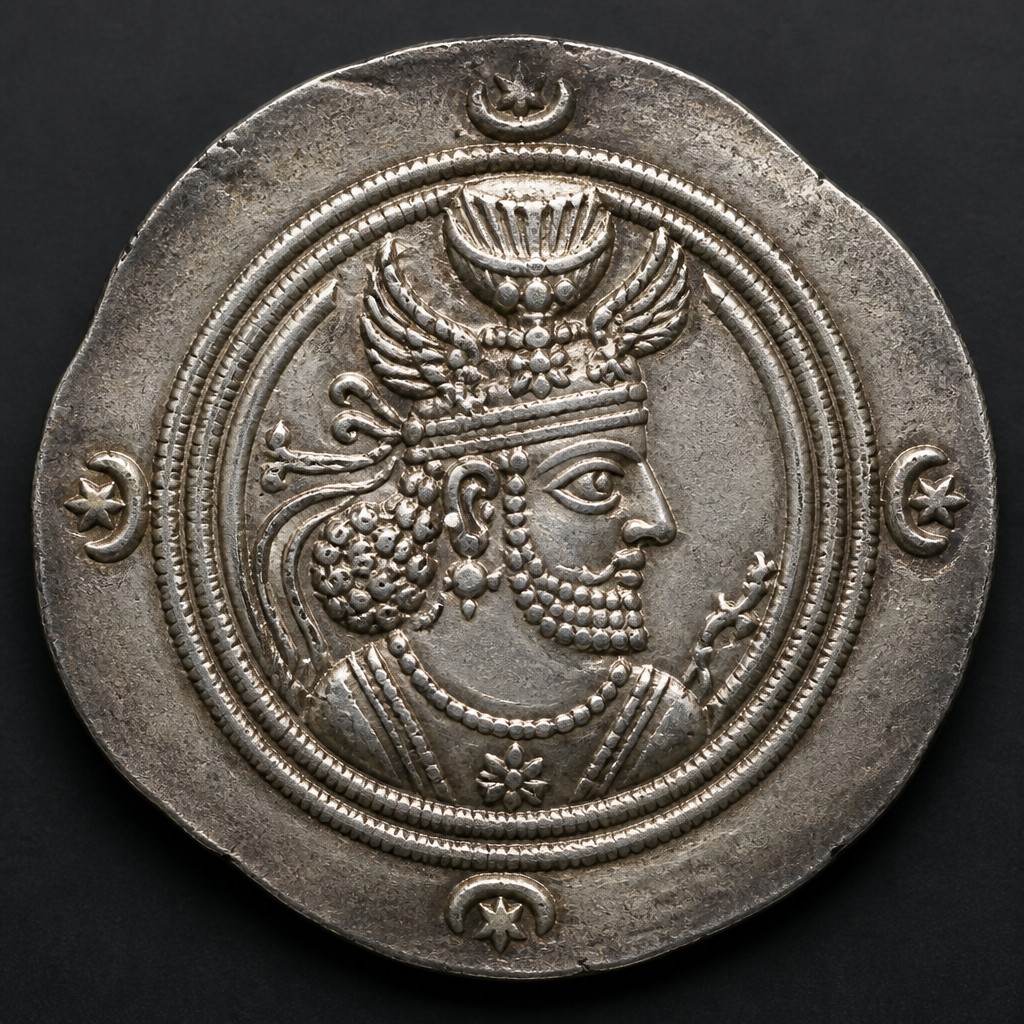
Sassanian Silver Drachm
c. 224–651 AD
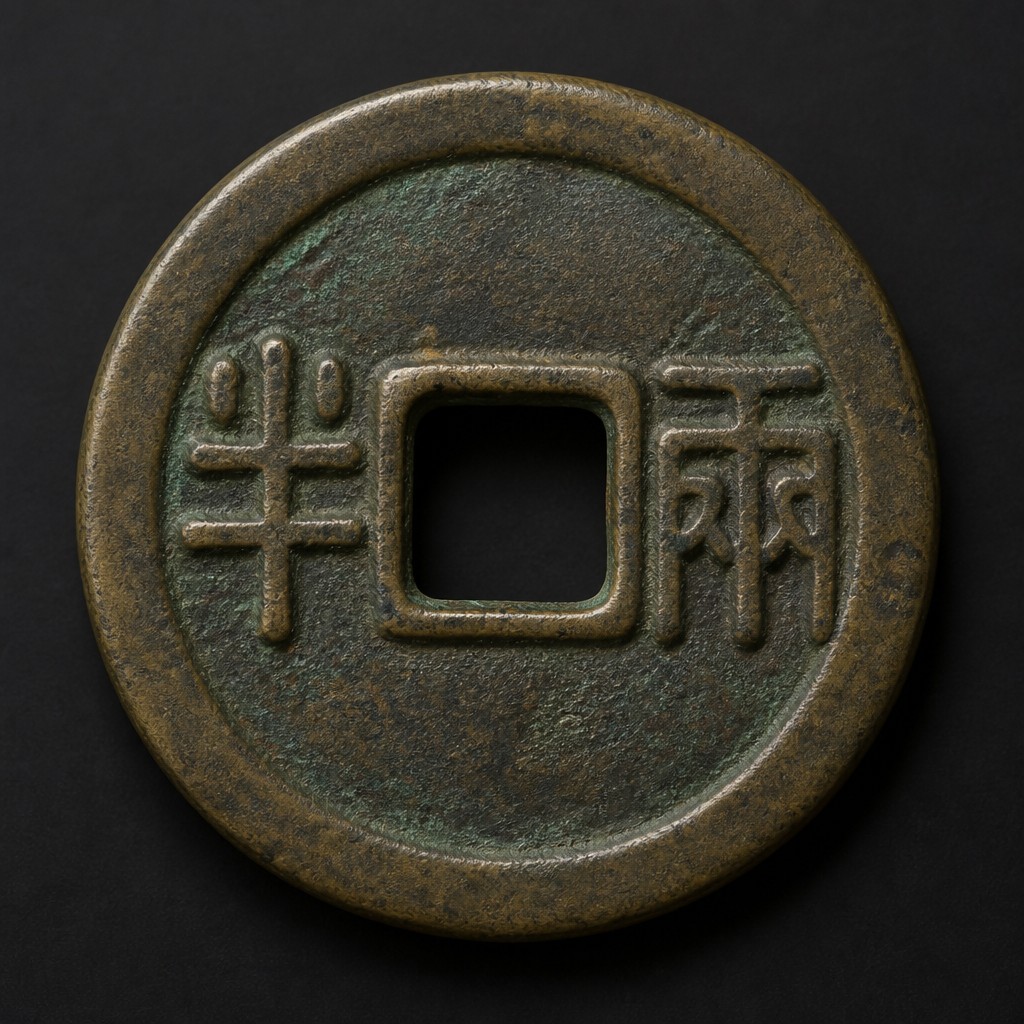
Chinese Ban Liang Cash
c. 221–118 BC
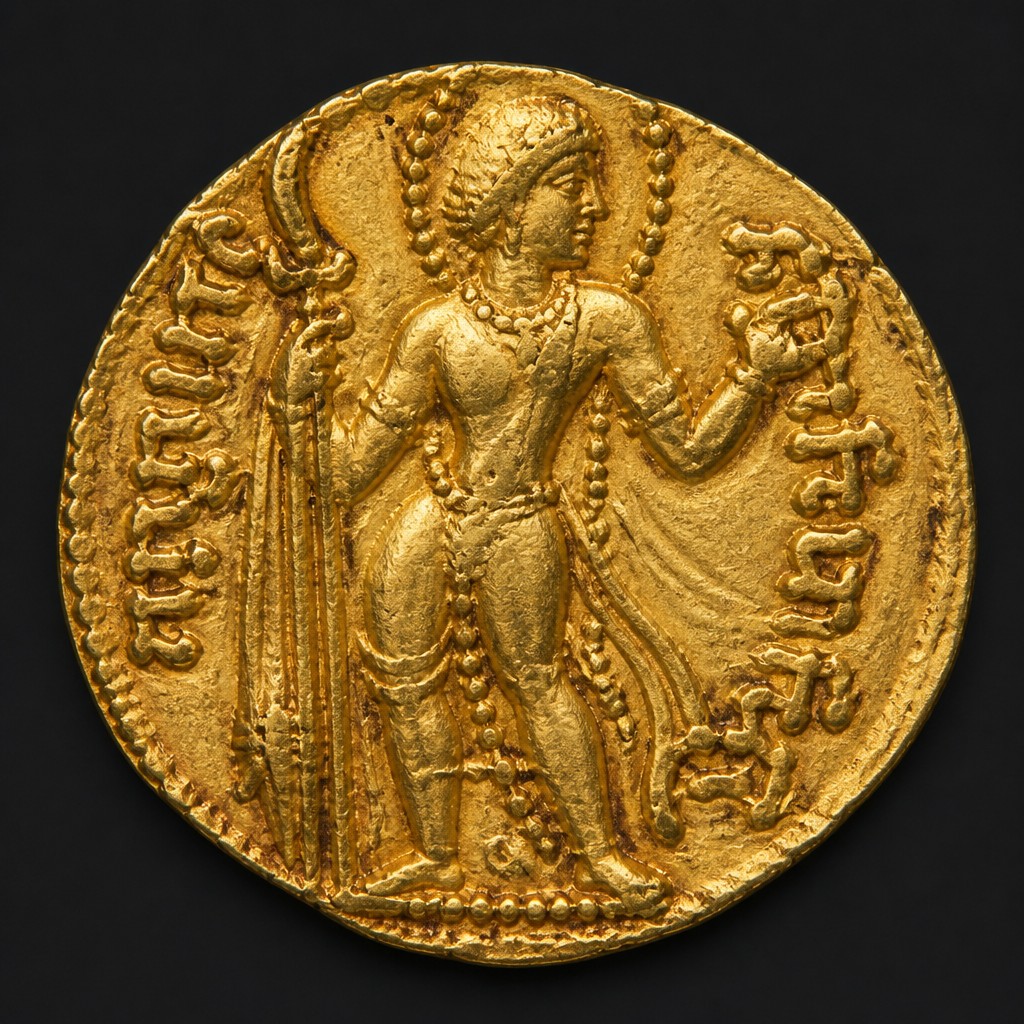
Gupta Empire Gold Dinar
c. 320–550 AD
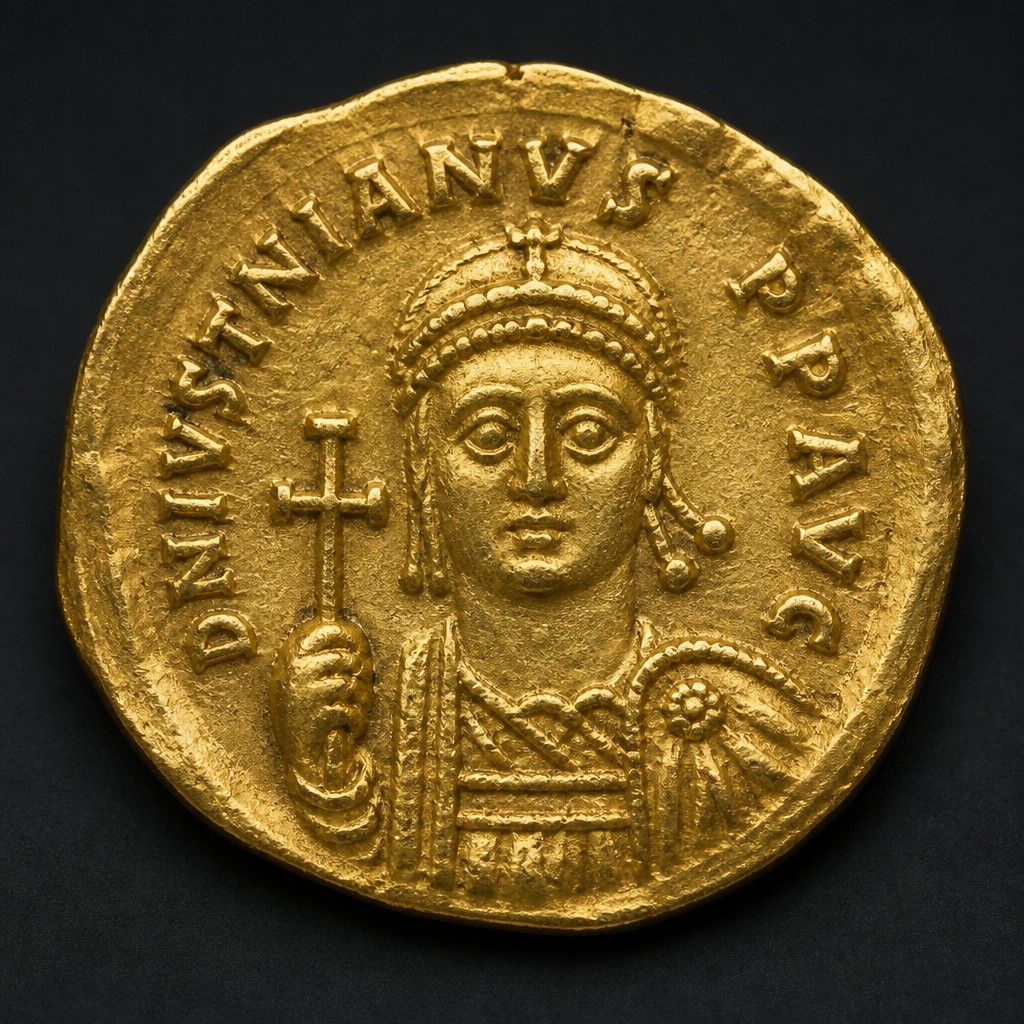
Byzantine Gold Tremissis
c. 4th–7th century AD
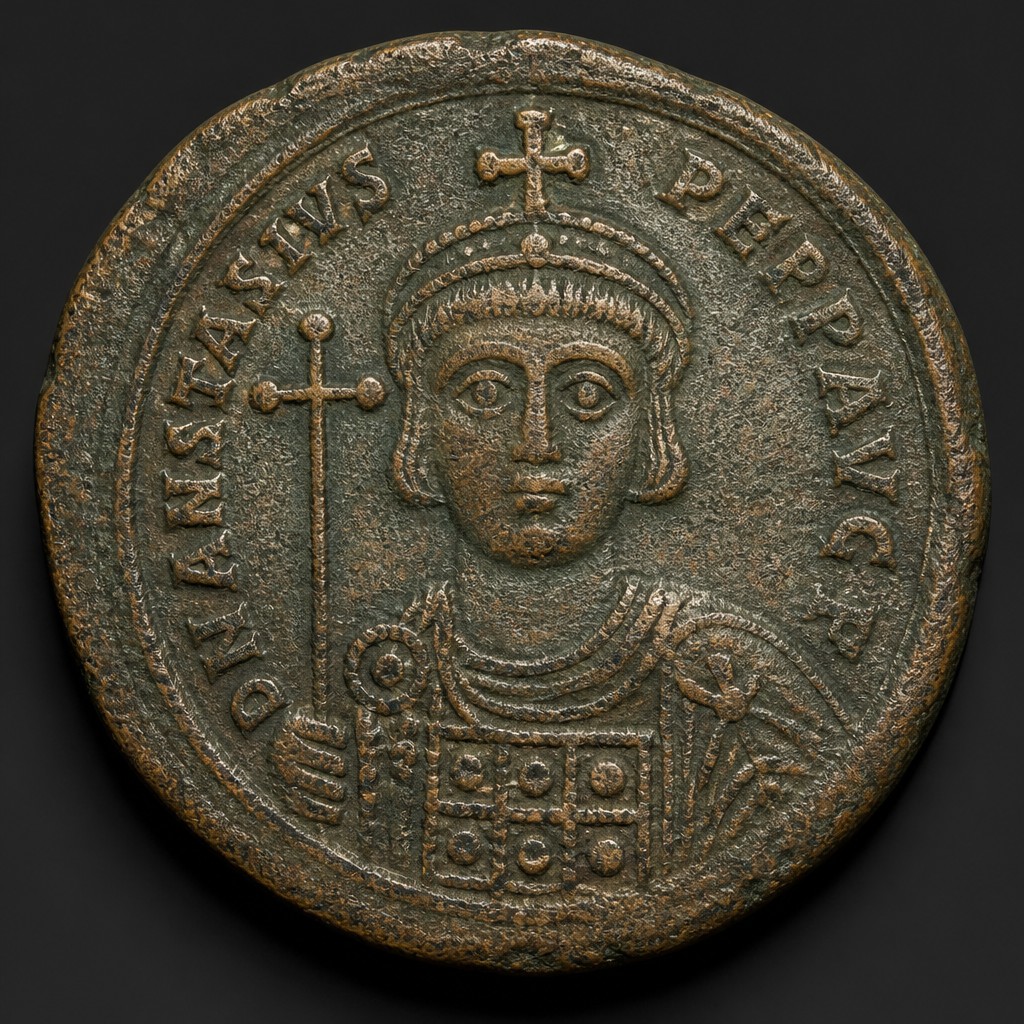
Byzantine Follis
498–c. 11th century AD
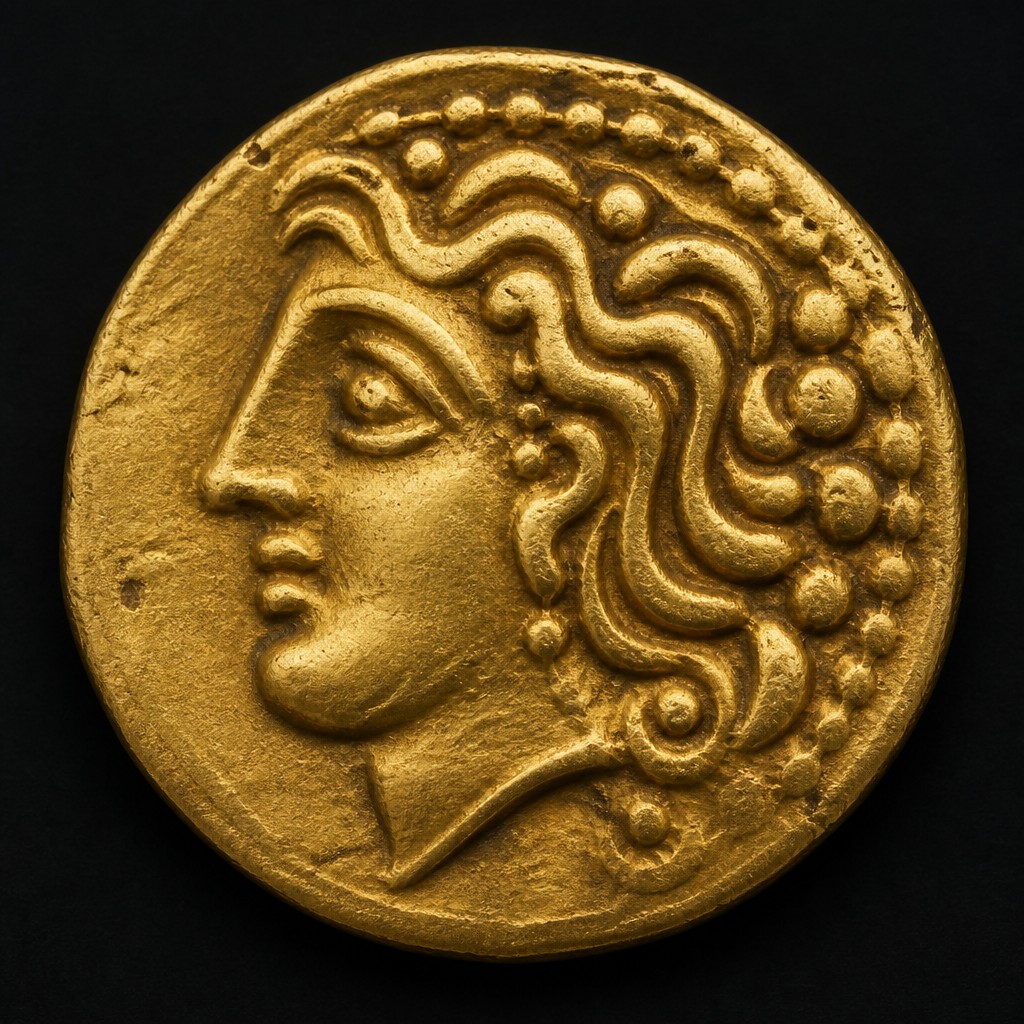
Celtic Gold Stater
c. 3rd century BC – 1st century AD