
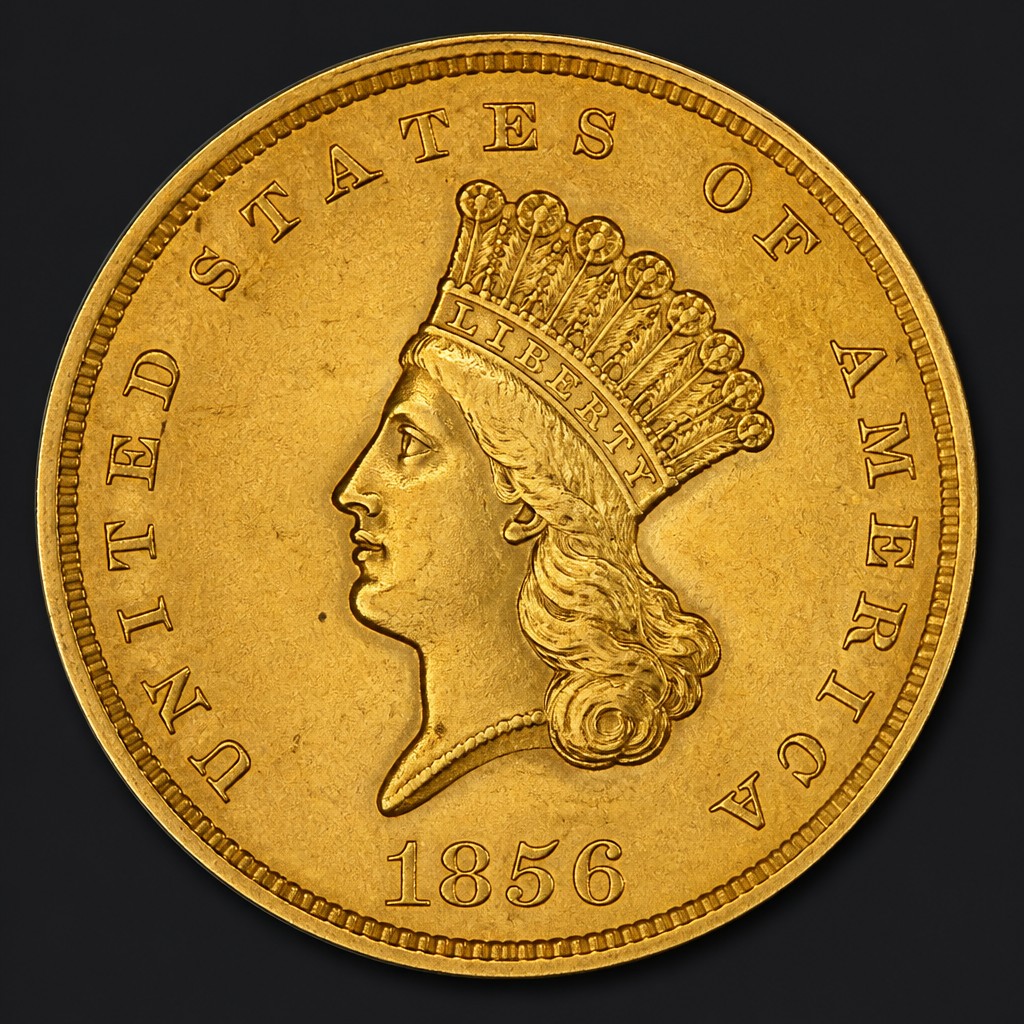
Type 3 Indian Princess Gold Dollar
The final and longest-running design of the U.S. gold dollar, featuring a larger, better-struck Native American princess portrait than its short-lived Type 2 predecessor.
- Country
- United States
- Denomination
- One Dollar
- Metal
- Gold (.900 fine)
Got a coin like this?
Identify any coin from a photo, free.
Overview
The Type 3 Indian Princess Gold Dollar represents the final and most successful design of the American gold dollar series, correcting the striking problems that plagued the brief Type 2 issue. It remained in production longer than either of its predecessors, spanning over three decades until the denomination's discontinuation in 1889.
Collectors value the series for its combination of accessible common dates and a number of genuinely rare, low-mintage later issues struck mostly for collectors rather than commerce.
History & Background
James B. Longacre revised his own Type 2 Indian Princess design in 1856 to address complaints about weak, poorly struck coins, enlarging the head and lowering the relief slightly to improve strike quality on the tiny gold dollar planchet. The resulting Type 3 design proved far more practical to produce and became the standard gold dollar for the remainder of the denomination's existence.
Production continued at Philadelphia, with the Dahlonega Mint striking the design until the Civil War closed that facility in 1861, and San Francisco contributing intermittently. As the gold dollar became increasingly impractical for everyday use due to its tiny size, later mintages, especially from the 1870s and 1880s, dropped to very small numbers, often struck primarily to satisfy collector demand.
The denomination, along with the Three-Dollar Gold Piece, was discontinued in 1889 as the Mint moved away from denominations with little practical circulation use.
How to Identify
The obverse depicts a larger Native American princess head facing left, wearing a feathered headdress, with UNITED STATES OF AMERICA around the border and the date below. The reverse shows the denomination 1 DOLLAR within a wreath of wheat, cotton, corn, and tobacco leaves, with the date placed on the obverse.
Mintmarks appear on the reverse below the wreath: D for Dahlonega (through 1861) and S for San Francisco, with Philadelphia coins carrying no mark. Compared to the Type 2 design, the Type 3 portrait is noticeably larger and set slightly differently on the coin, generally showing sharper, more complete details even on well-worn examples.
The coin retains the tiny overall diameter of the gold dollar series and a reeded edge, and collectors should watch closely for old mount removal or cleaning, both common on this small, historically jewelry-favored coin.
Value & Collectibility
Common-date Philadelphia Type 3 gold dollars from the 1850s through 1860s trade with modest premiums over gold bullion value, while later, very low-mintage Philadelphia and San Francisco dates from the 1870s and 1880s, often struck in small numbers primarily for collectors, command substantially higher prices.
Dahlonega-mint examples are particularly desirable due to that mint's closure in 1861 and its Southern gold rush history, and Mint State examples of any late, low-mintage date can bring strong premiums reflecting genuine scarcity.
Frequently asked questions
How is Type 3 different from Type 2?
Type 3 features a larger, lower-relief portrait that struck up more completely, fixing the weak-strike problems common to the short-lived Type 2 design.
Why do later dates have such low mintages?
By the 1870s and 1880s, the gold dollar had little practical use in commerce, so many late-date coins were struck mainly to meet collector demand.
Which mint made this design longest?
Philadelphia struck the Type 3 gold dollar for the entire span from 1856 to 1889, the longest of any mint in the series.
When did the gold dollar denomination end?
Production ended in 1889, when the U.S. Mint discontinued both the gold dollar and the Three-Dollar Gold Piece.
Other coins you may enjoy
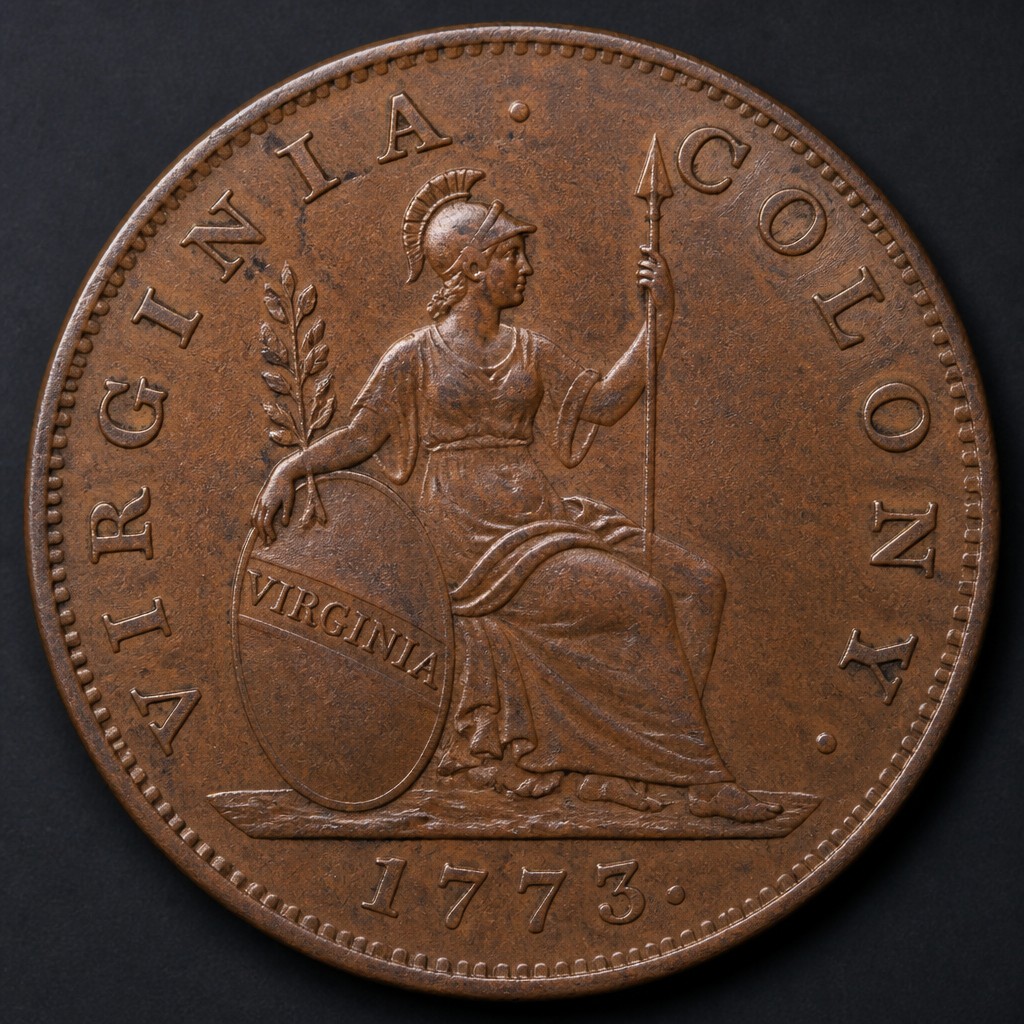
Virginia Halfpenny
1773
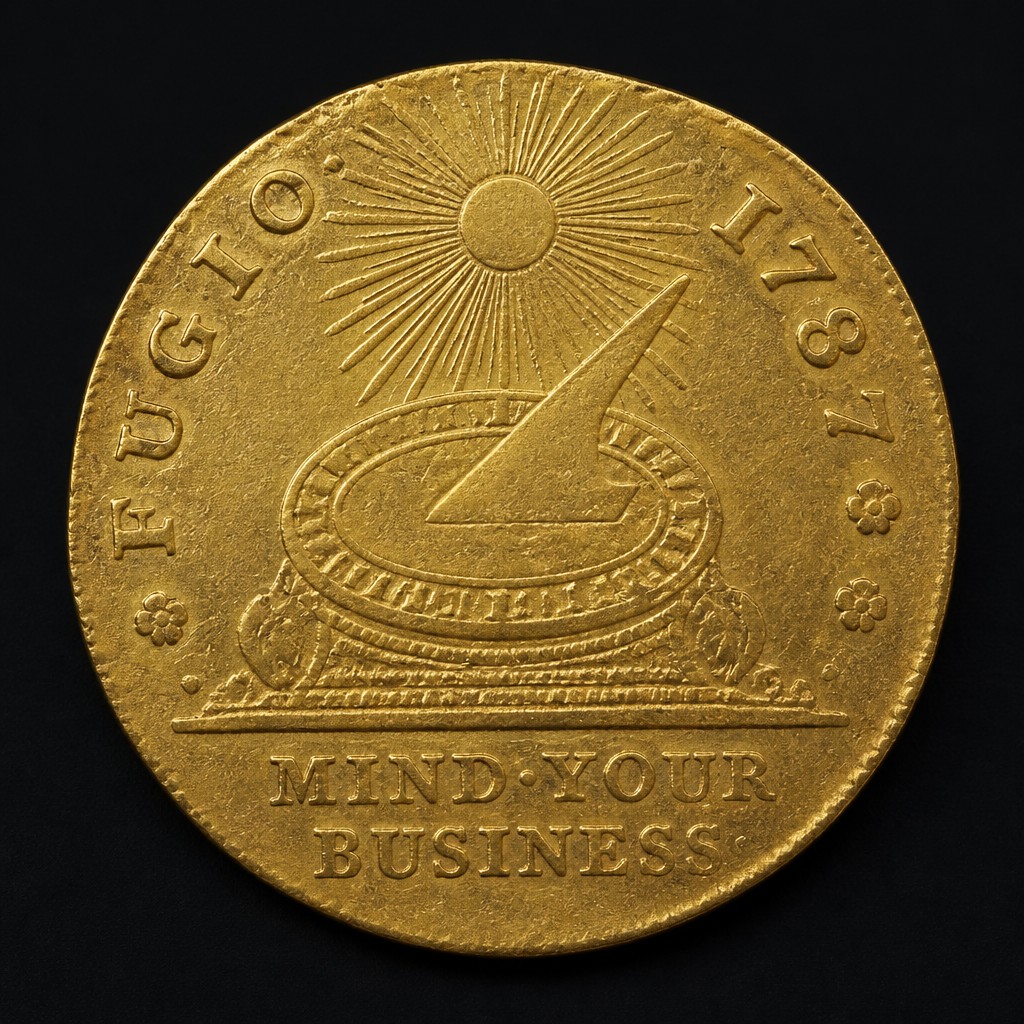
Brasher Doubloon
1787
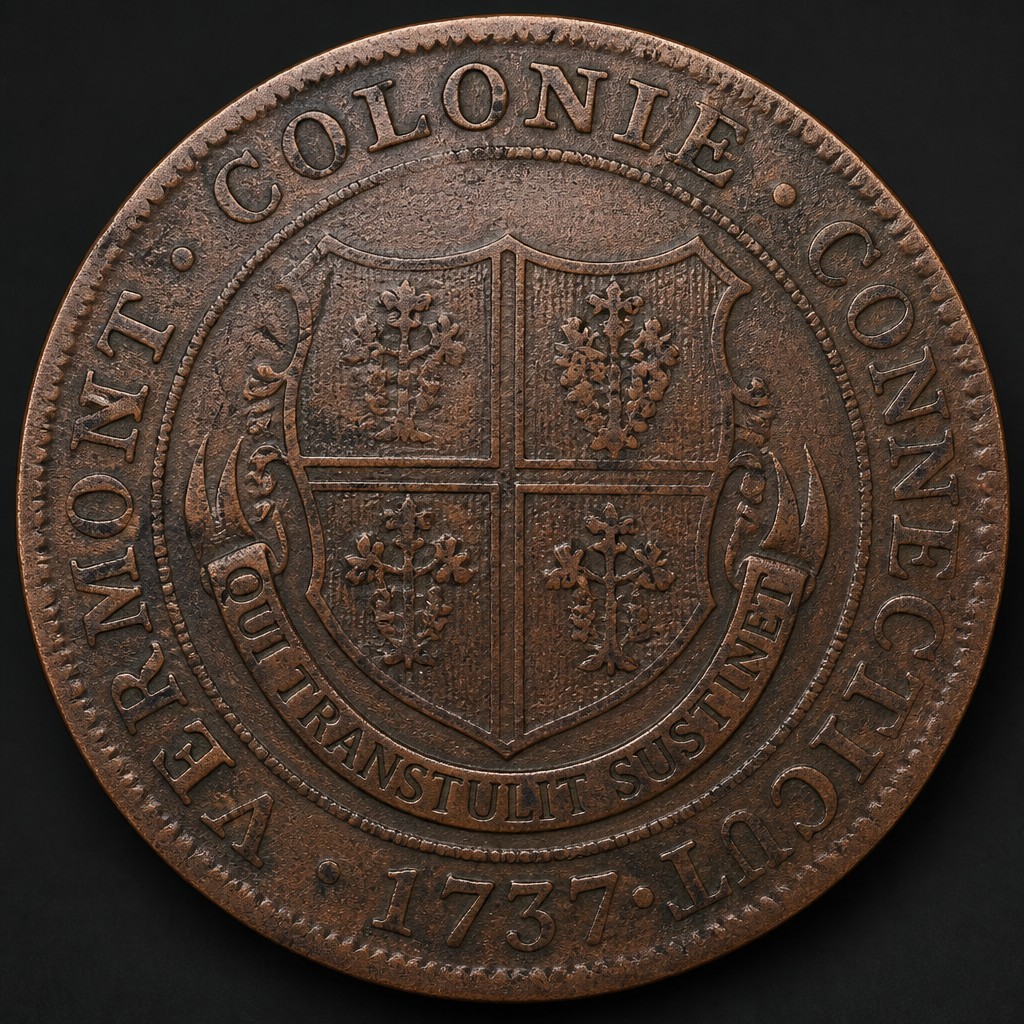
Higley Copper
1737–1739
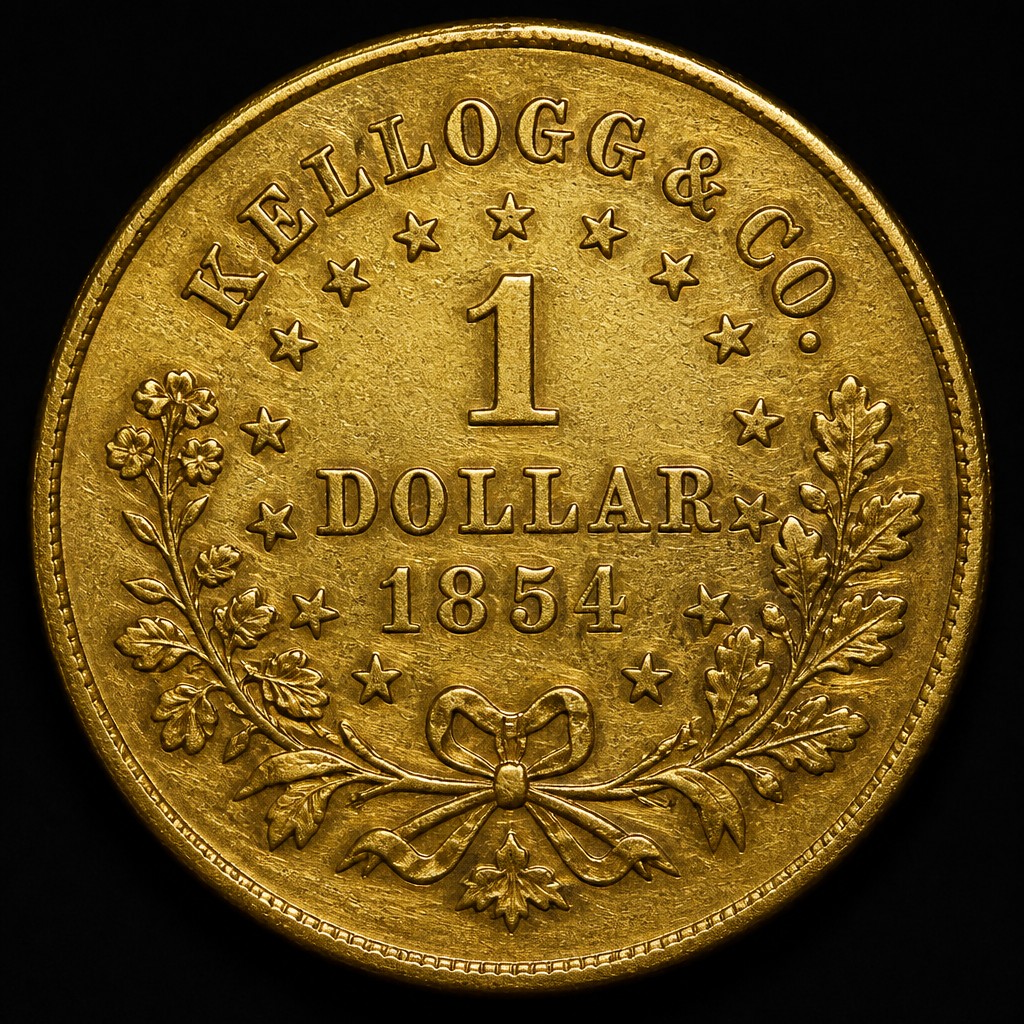
Kellogg & Co. Gold Piece
1854–1855
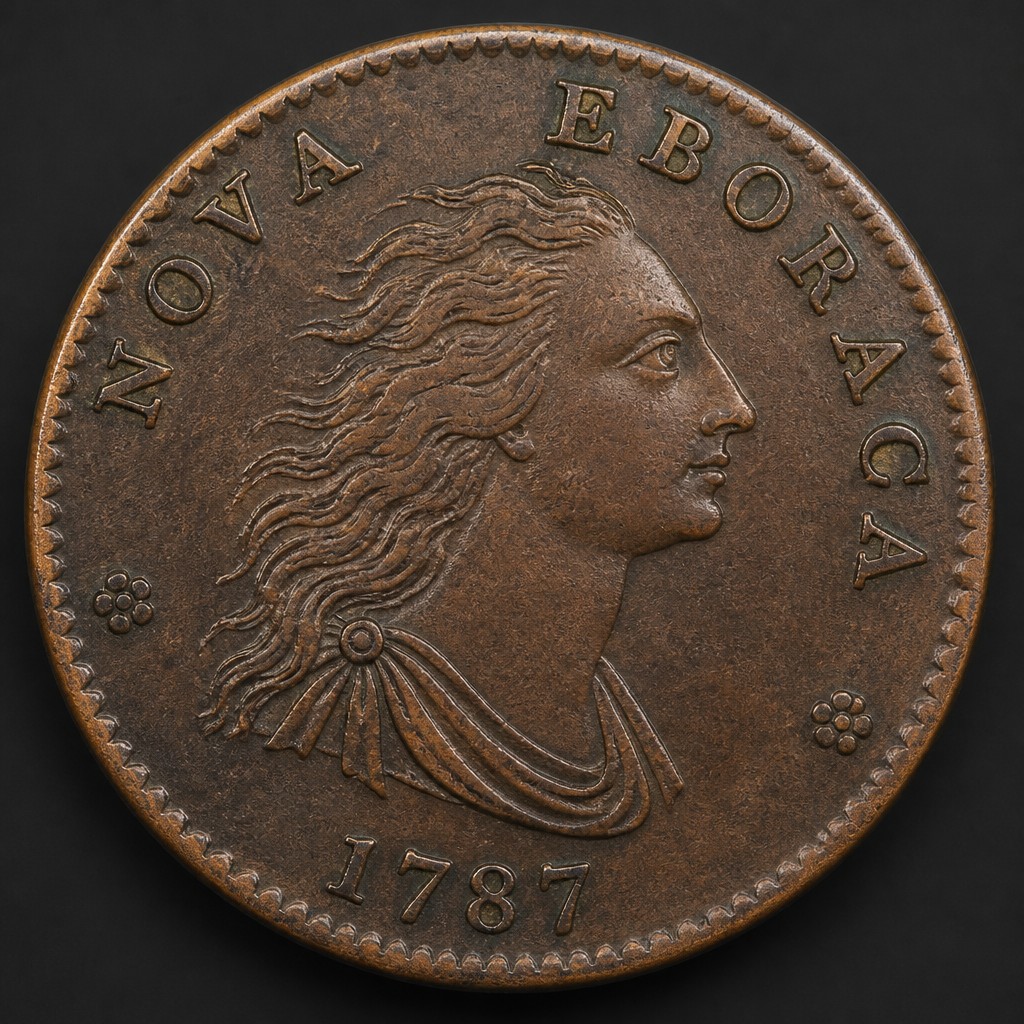
Nova Eborac Copper
1787
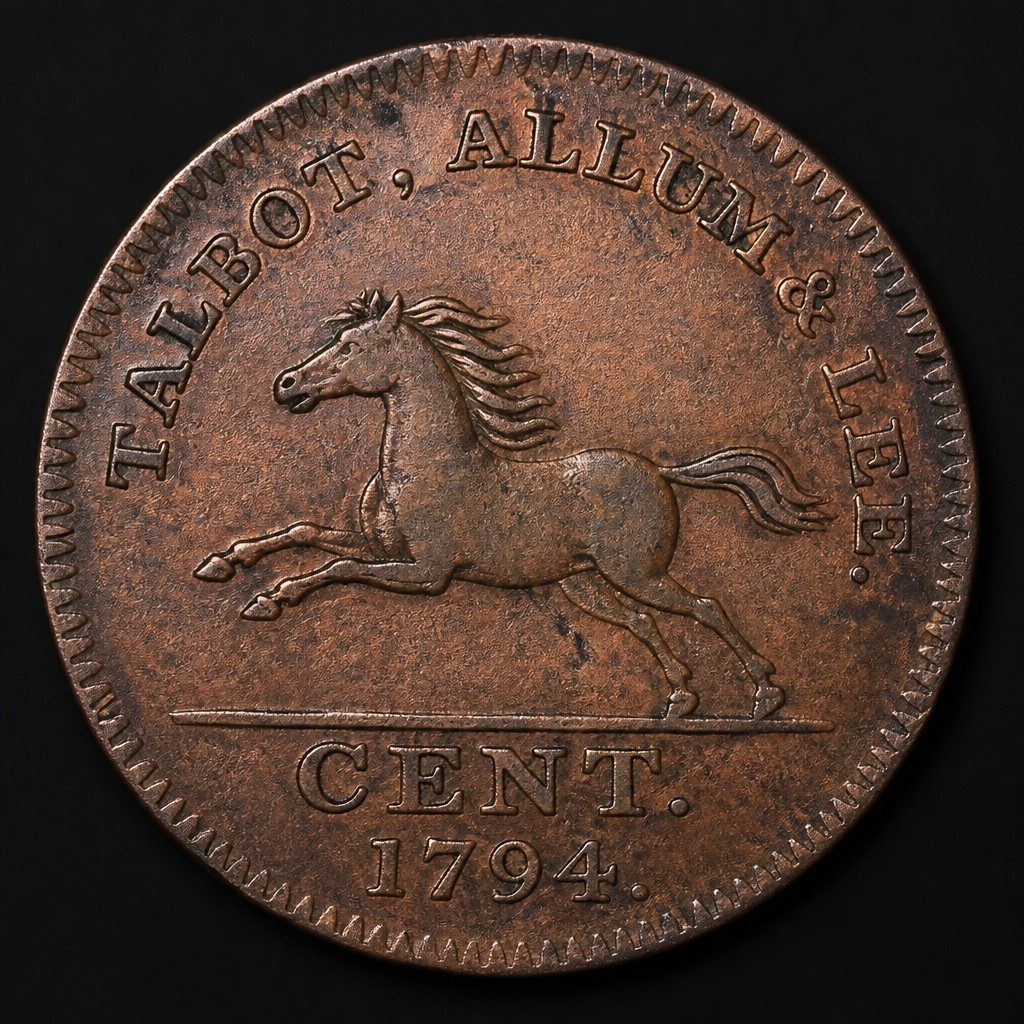
Talbot, Allum & Lee Cent
1794–1795
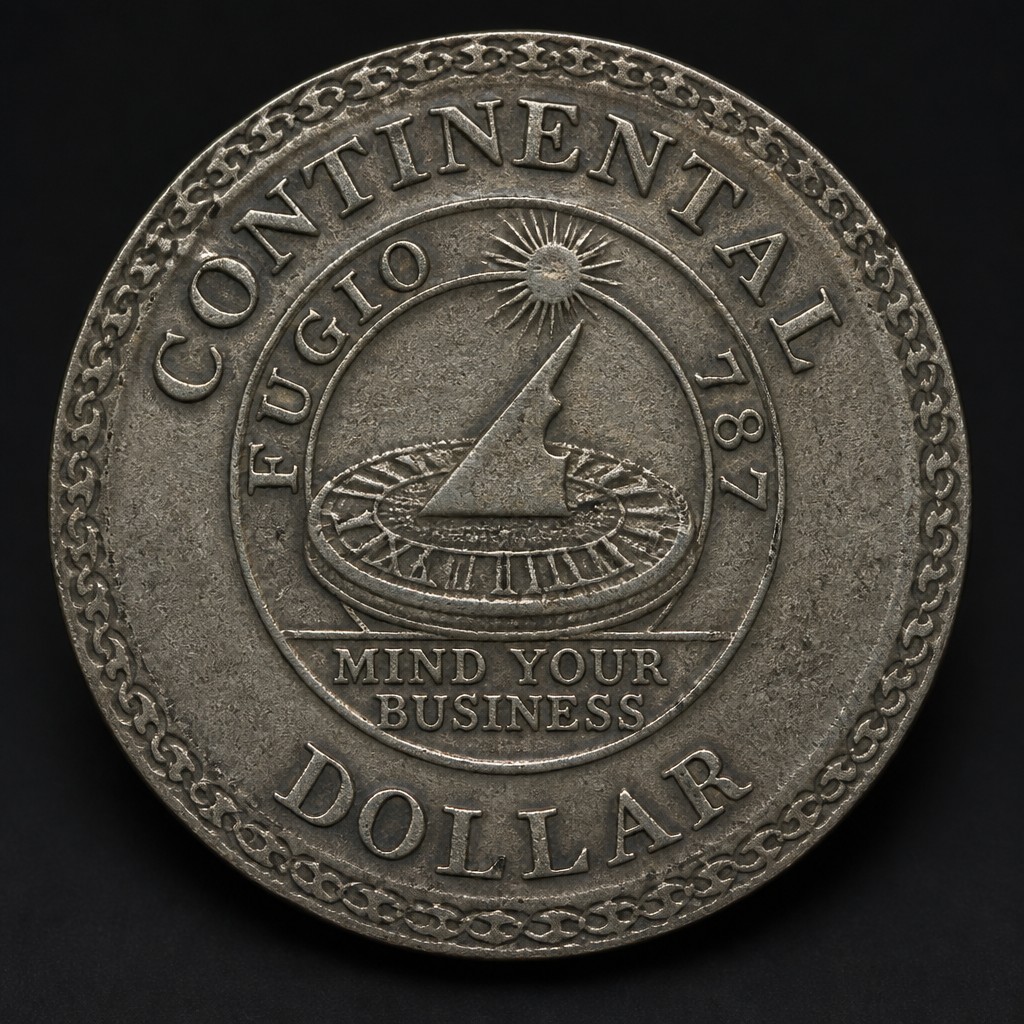
Continental Dollar
1776
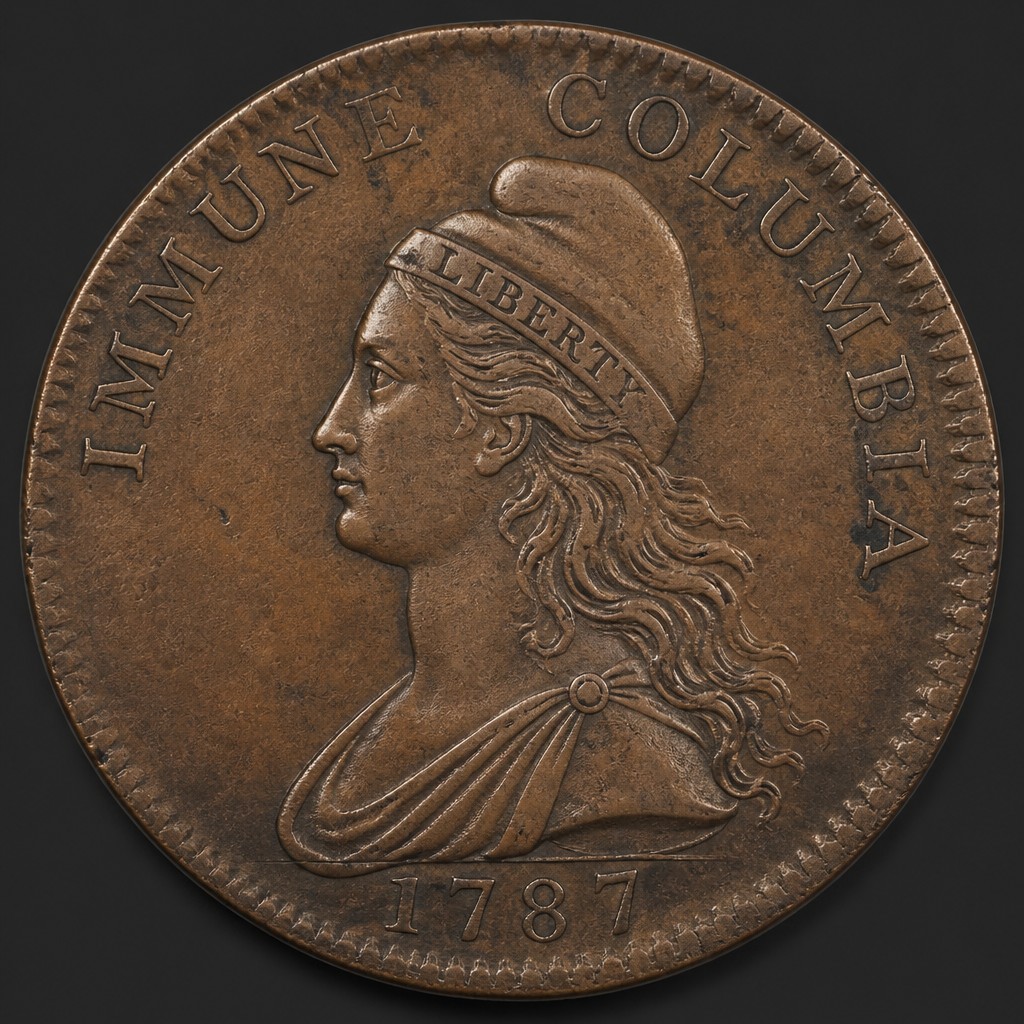
Immune Columbia Copper
circa 1785–1787
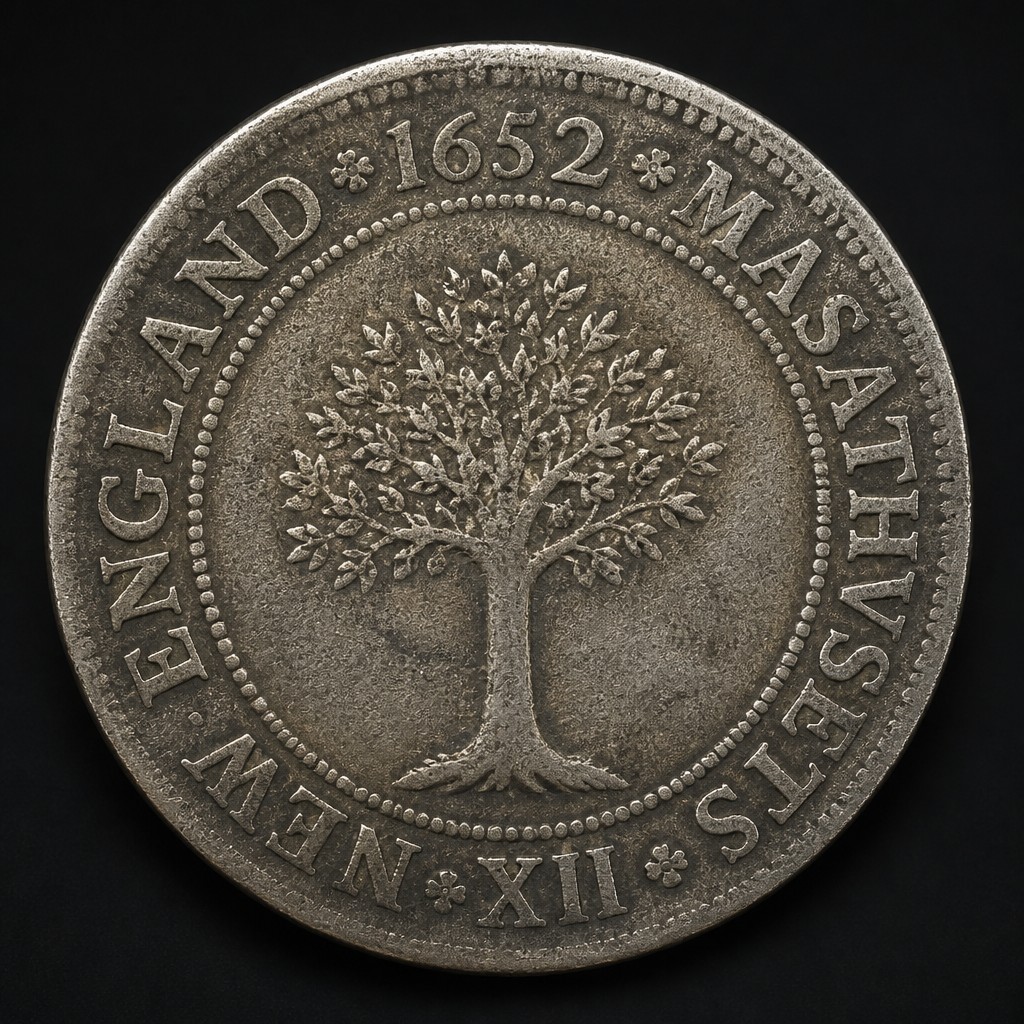
Massachusetts Oak Tree Shilling
Dated 1652, struck circa 1660–1667
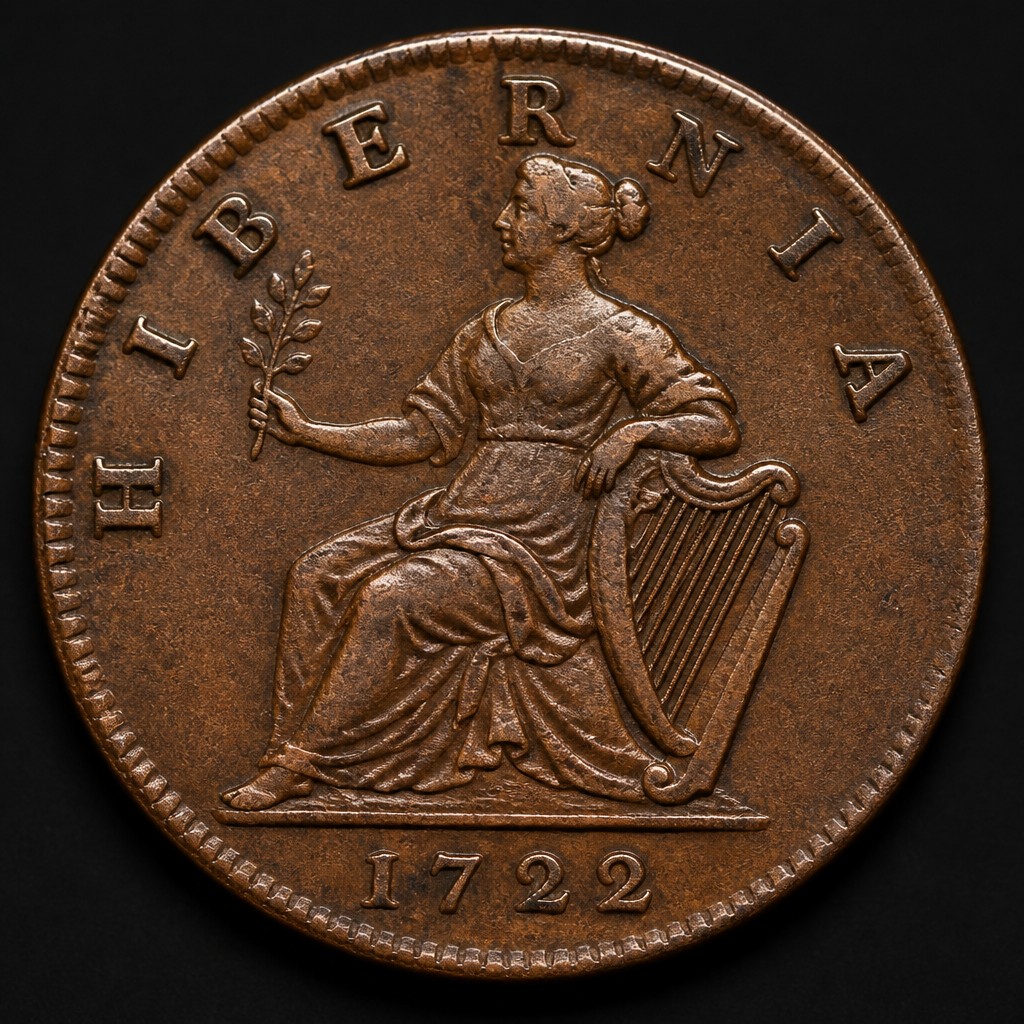
Wood's Hibernia Halfpenny
1722–1724
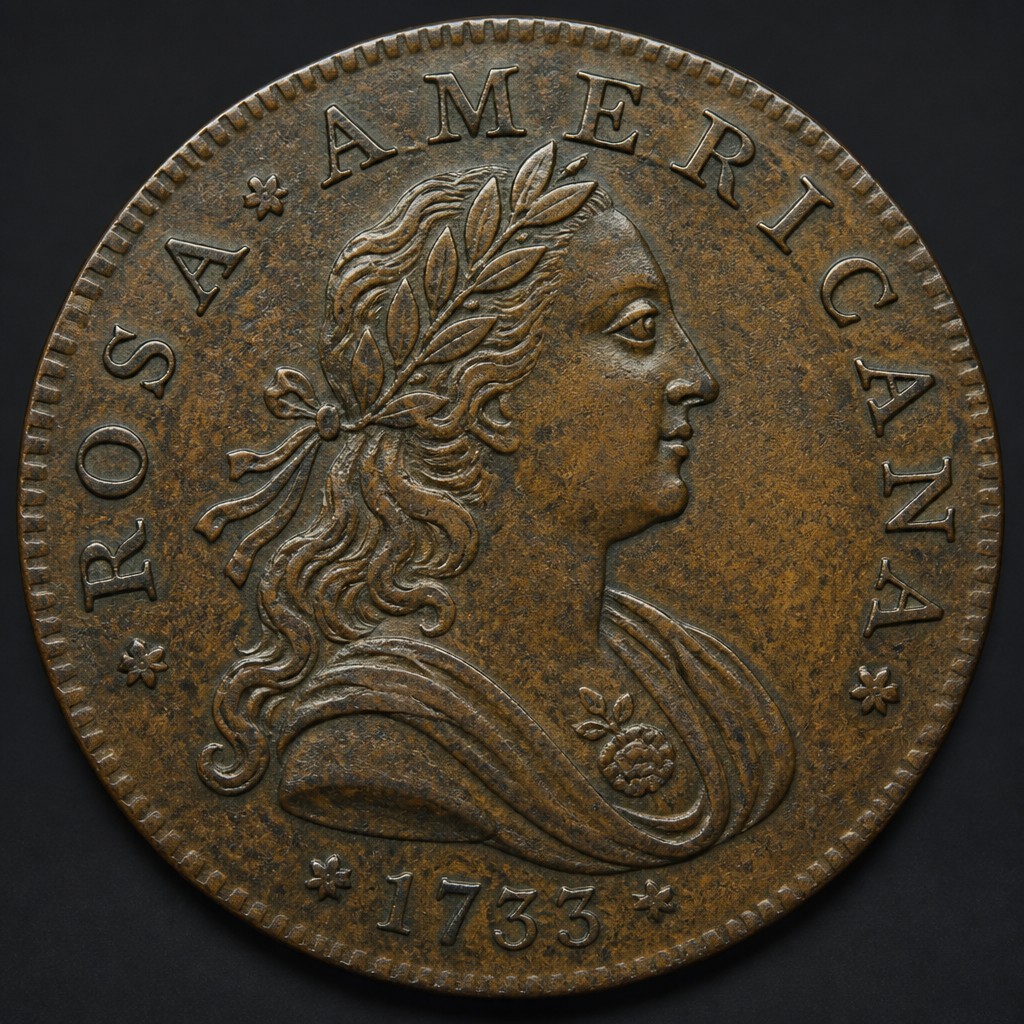
Rosa Americana Coinage
1722–1724 (with pattern issues dated 1733)
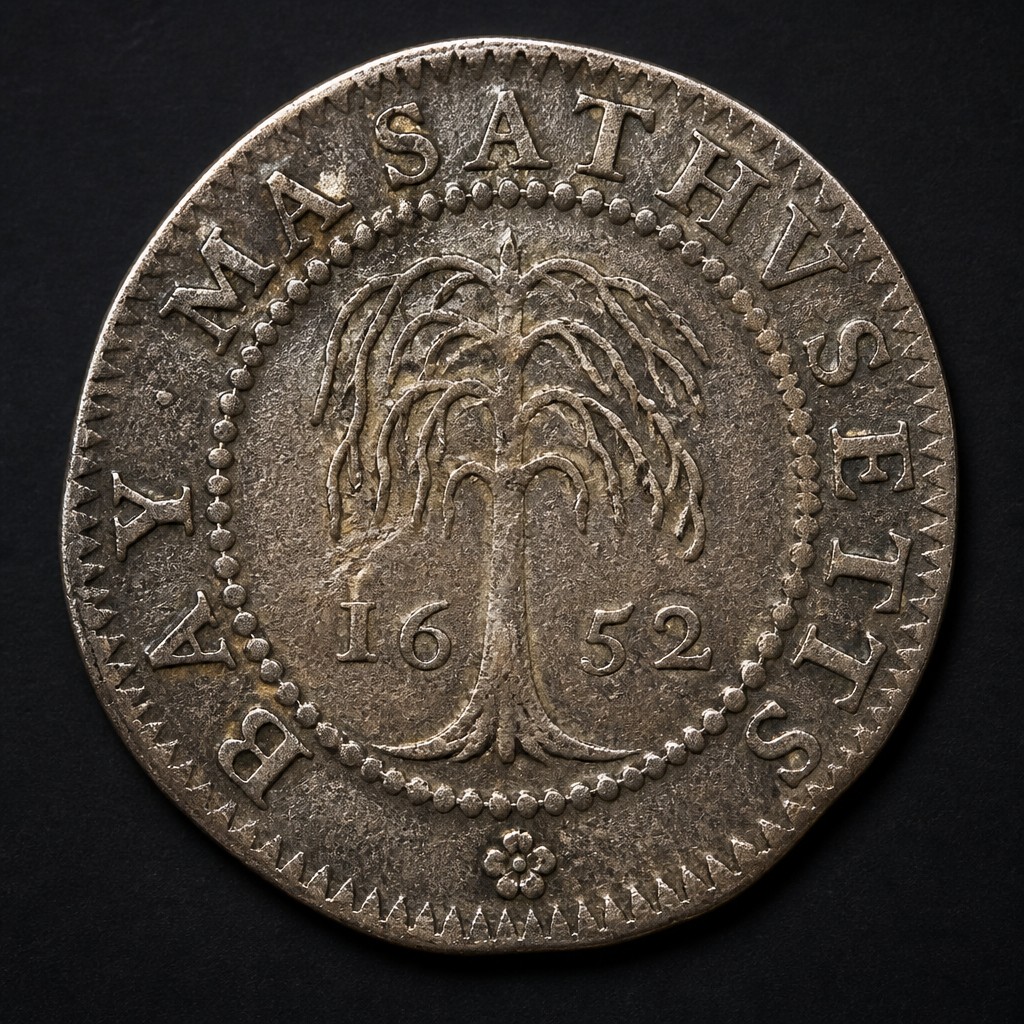
Massachusetts Willow Tree Shilling
Dated 1652, struck circa 1653–1660