
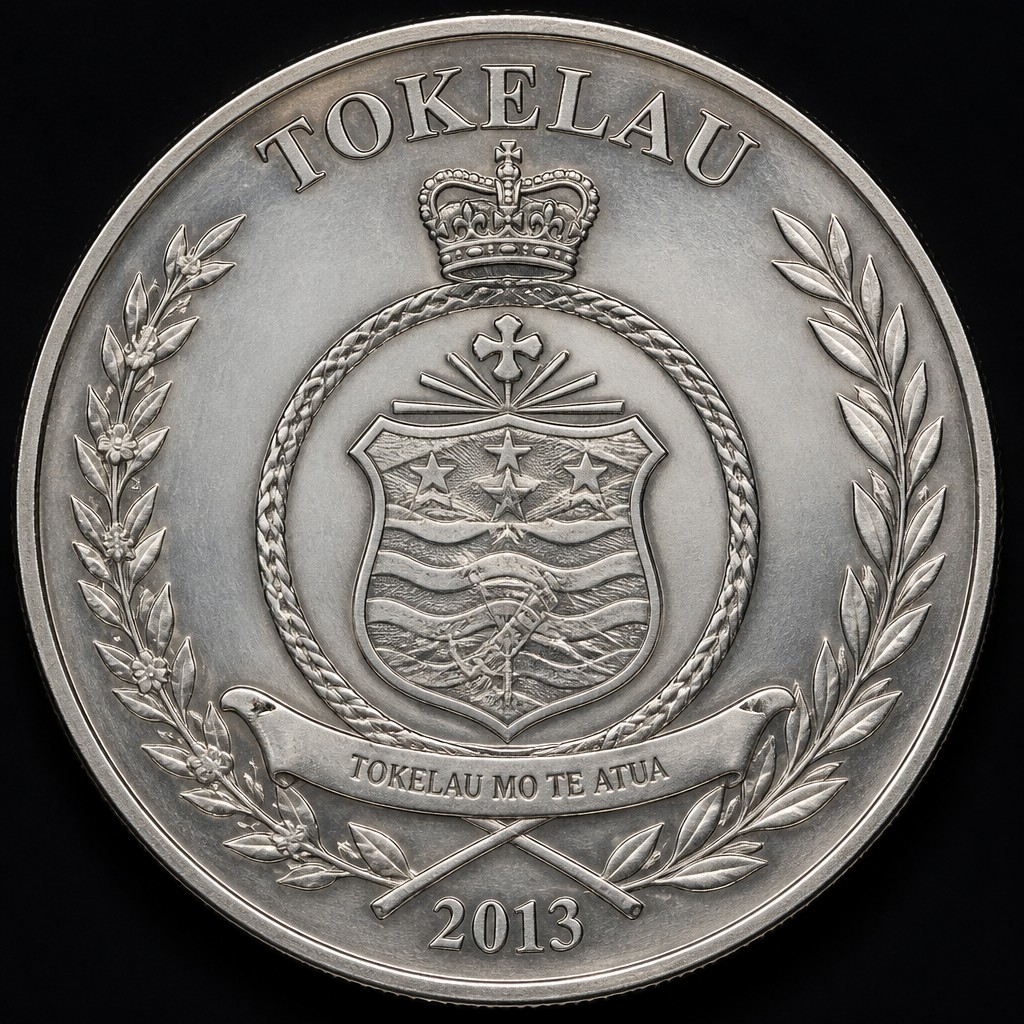
Tokelau Silver Series
A family of novelty-themed silver bullion coins issued in the name of Tokelau, a New Zealand territory, often featuring innovative designs like rotating or gyroscopic elements.
- Country
- Tokelau
- Denomination
- $5 (1 oz); other denominations for fractional/large sizes
- Metal
- 0.999 fine silver
Got a coin like this?
Identify any coin from a photo, free.
Overview
The Tokelau Silver Series refers to a range of bullion and collector coins issued under the sovereignty of Tokelau, a small Pacific territory of New Zealand, produced through arrangements with commercial coin-marketing companies and struck at various contract mints. Rather than a single unified design, Tokelau coinage spans multiple thematic subseries, some featuring notably creative or technically innovative designs such as rotating globe or gyroscopic-style coins.
Most issues are struck in .999 fine silver, commonly in a one-ounce weight, though the series includes considerable variety in size, finish, and presentation depending on the specific theme being marketed under the Tokelau name.
Because Tokelau's coin program functions largely as a platform for private mints and marketing companies to release novel bullion and collector products, the series is best understood as a broad umbrella of Tokelau-sovereign coins rather than one consistent, recognizable design family.
History & Background
Tokelau, a small non-self-governing territory administered by New Zealand, began authorizing coinage in the early 2010s as part of a wider trend of small territories and nations licensing their sovereign name to commercial coin producers seeking a legal tender designation for internationally marketed bullion and novelty coins. This arrangement allows private companies to design and market coins while Tokelau's government provides the legal tender status.
Over the years, numerous distinct coin programs have been released under the Tokelau name, produced at various contract mints including facilities in Poland and elsewhere in Europe, covering themes ranging from wildlife to space to mechanically innovative 'rotating' or 'spinning' coin designs that gained attention in the numismatic novelty coin market.
Because the Tokelau name has been used across many unrelated design programs rather than one continuous series, its coinage is generally identified and collected by the specific themed program (for example, a particular wildlife or space-themed release) rather than as a single unified 'Tokelau Series.'
How to Identify
The obverse across Tokelau issues generally displays a design referencing Tokelau or its coat of arms along with the country name, denomination, and year, though exact obverse treatments vary by the specific commercial program. The reverse design depends entirely on the particular themed release, which could range from wildlife imagery to abstract or mechanically animated designs.
Most coins are struck in .999 fine silver in a standard one-ounce weight with a $5 face value, though sizes, shapes, and finishes vary considerably depending on the specific product line. Because many different companies and mints have produced coins under the Tokelau name, there is no single consistent design standard across the whole body of Tokelau coinage.
Collectors identify specific Tokelau coins primarily by the individual themed program name and its particular design, rather than by mint mark alone, since production has been spread across multiple contract mints over the years.
Value & Collectibility
Value for standard bullion-weight Tokelau coins tracks the spot price of silver, though novelty or technically innovative designs, such as rotating or mechanically animated coins, often carry substantial premiums above simple bullion value due to their unusual production techniques and limited mintages.
Because the Tokelau name spans many unrelated commercial coin programs, collector interest and pricing vary widely by specific theme and release rather than following one uniform market. Some novelty designs have developed strong followings and secondary market premiums, while more standard bullion-style issues trade closer to melt value.
As with all bullion and novelty coins, buyers should research the specific themed program and its production numbers directly, since general price guides may not adequately capture the wide variation across different Tokelau-issued coins.
Frequently asked questions
Why does Tokelau issue so many different coin designs?
Tokelau's sovereign name is licensed to commercial coin producers, who create varied themed programs under its legal tender status rather than one single unified coin series.
Who actually makes these coins?
Various contract mints, including facilities in Poland and other parts of Europe, produce Tokelau-issued coins for different commercial coin programs.
What purity is typical?
Most Tokelau silver issues are struck in .999 fine silver, though specifications can vary by specific program.
Are Tokelau coins legal tender?
Yes, they carry legal tender status under Tokelau's authority, though their practical value is driven by precious metal content and collector demand.
What makes some Tokelau coins especially collectible?
Certain novelty designs, such as rotating or mechanically animated coins, have gained strong collector followings due to their unusual engineering and limited production.
Other coins you may enjoy
Egyptian Qirsh (Muhammad Ali Era)
Early-to-mid 19th century (c. 1805–1848)
Moroccan Rial (Alawi Dynasty Coinage)
18th–19th century (pre-protectorate era)
South African Sixpence (Union)
1923-1960
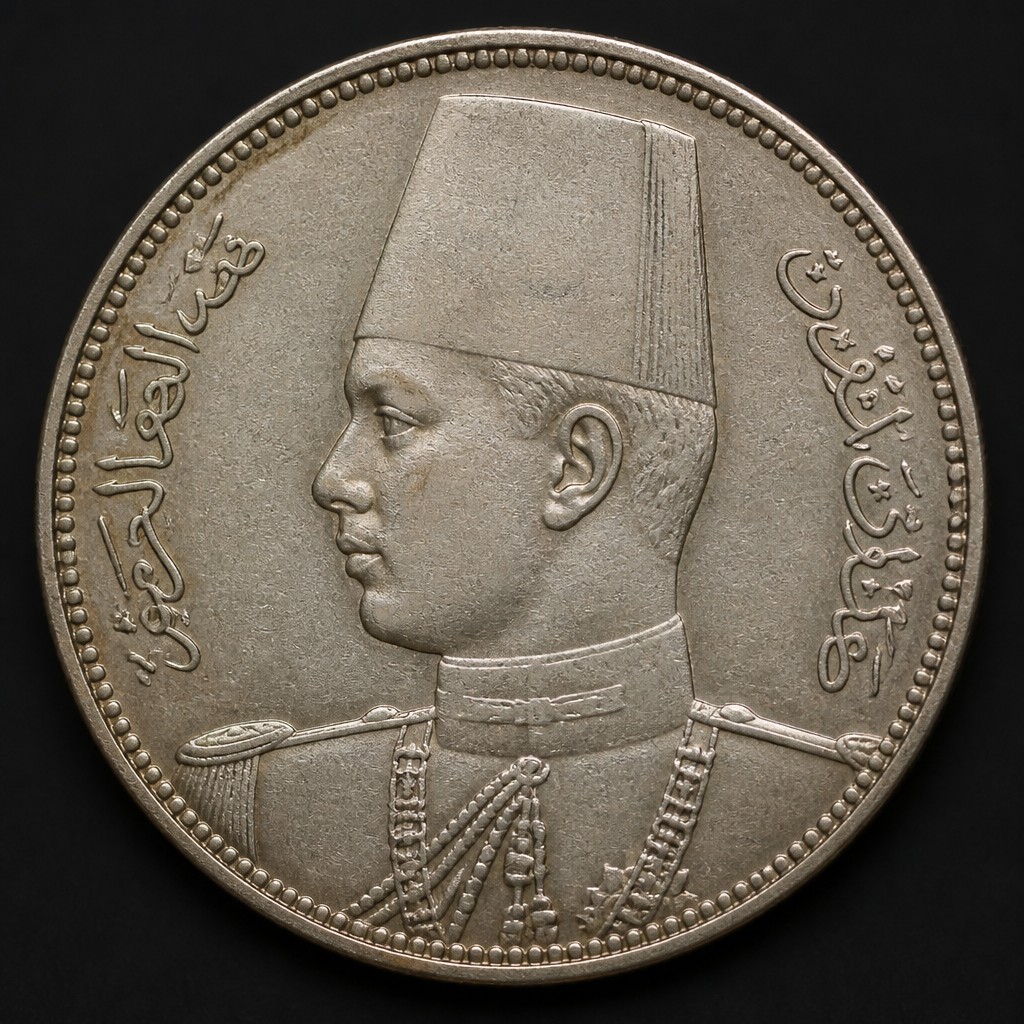
Egyptian Farouk 5 Piastres
1937-1952
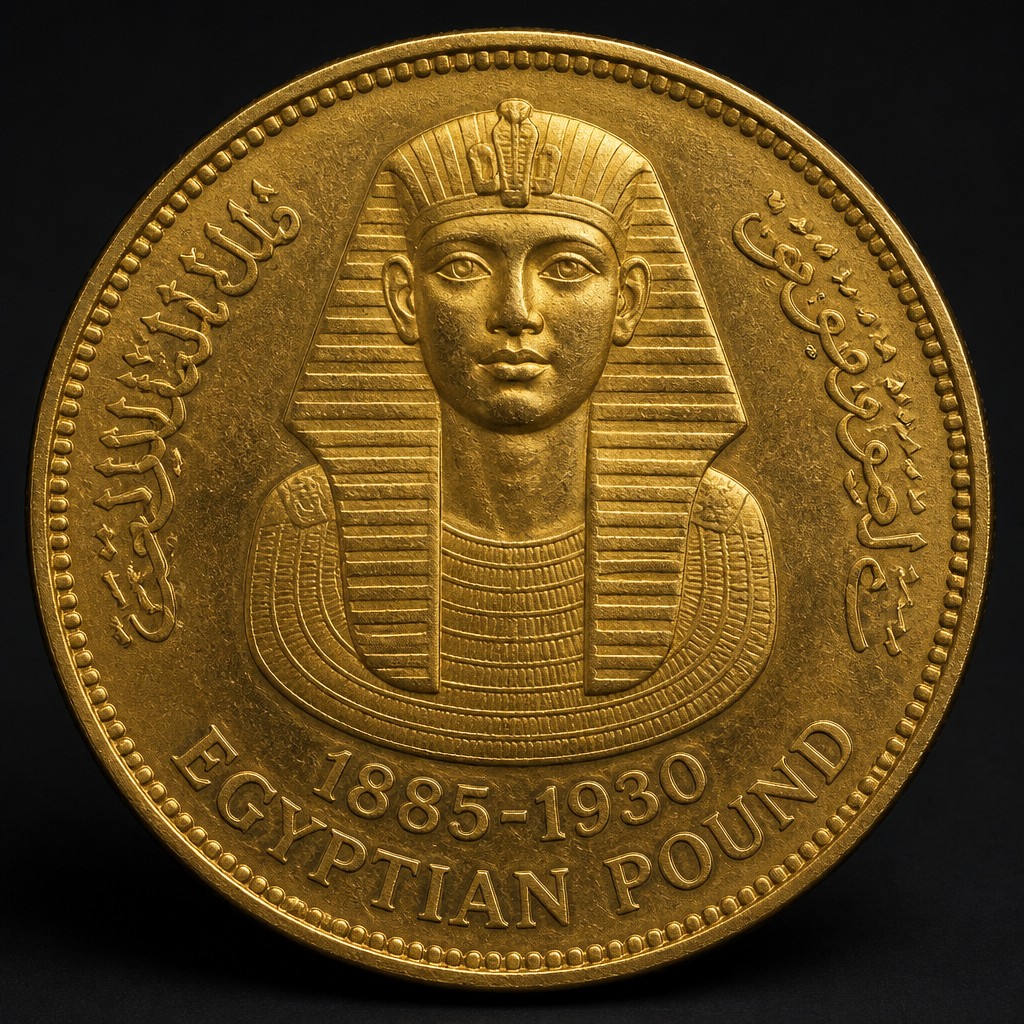
Egyptian Pound (gold)
1885–1930
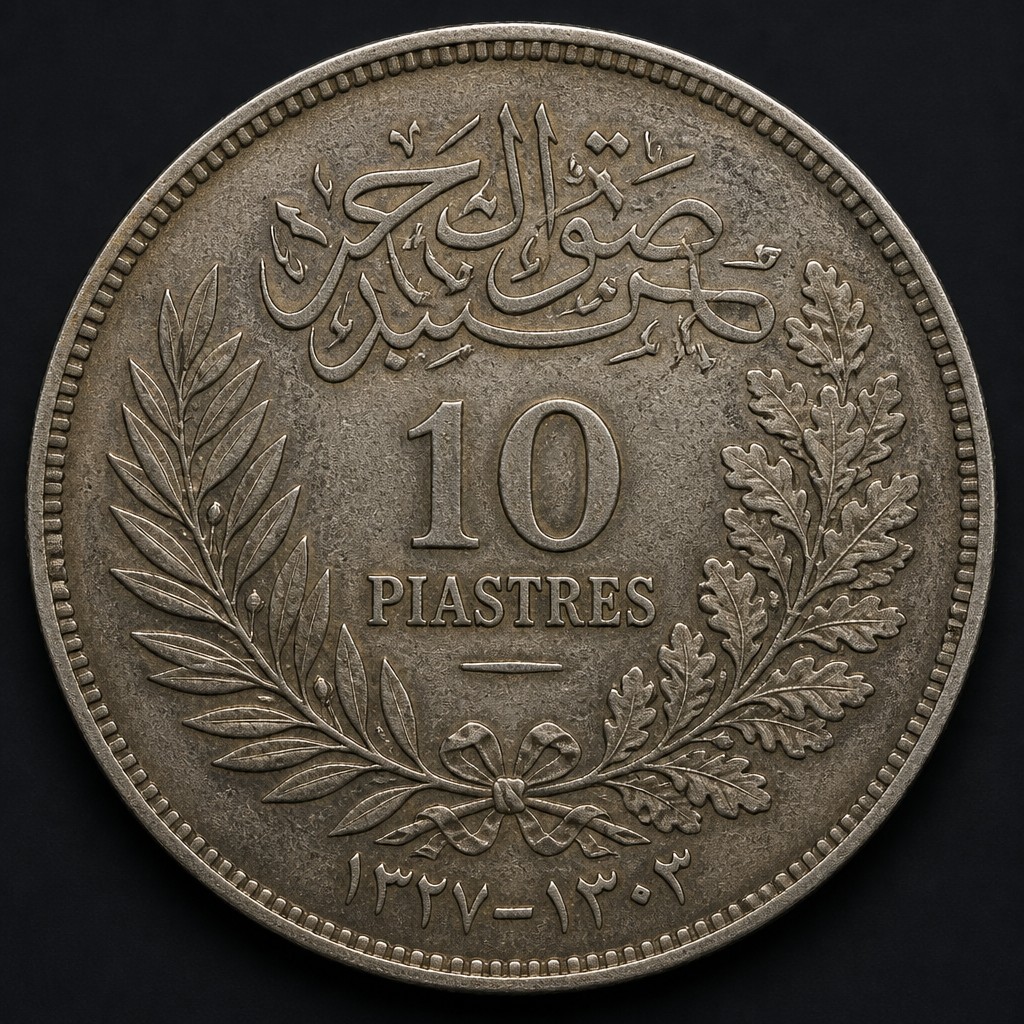
Egyptian 10 Piastres (silver)
1885–1939
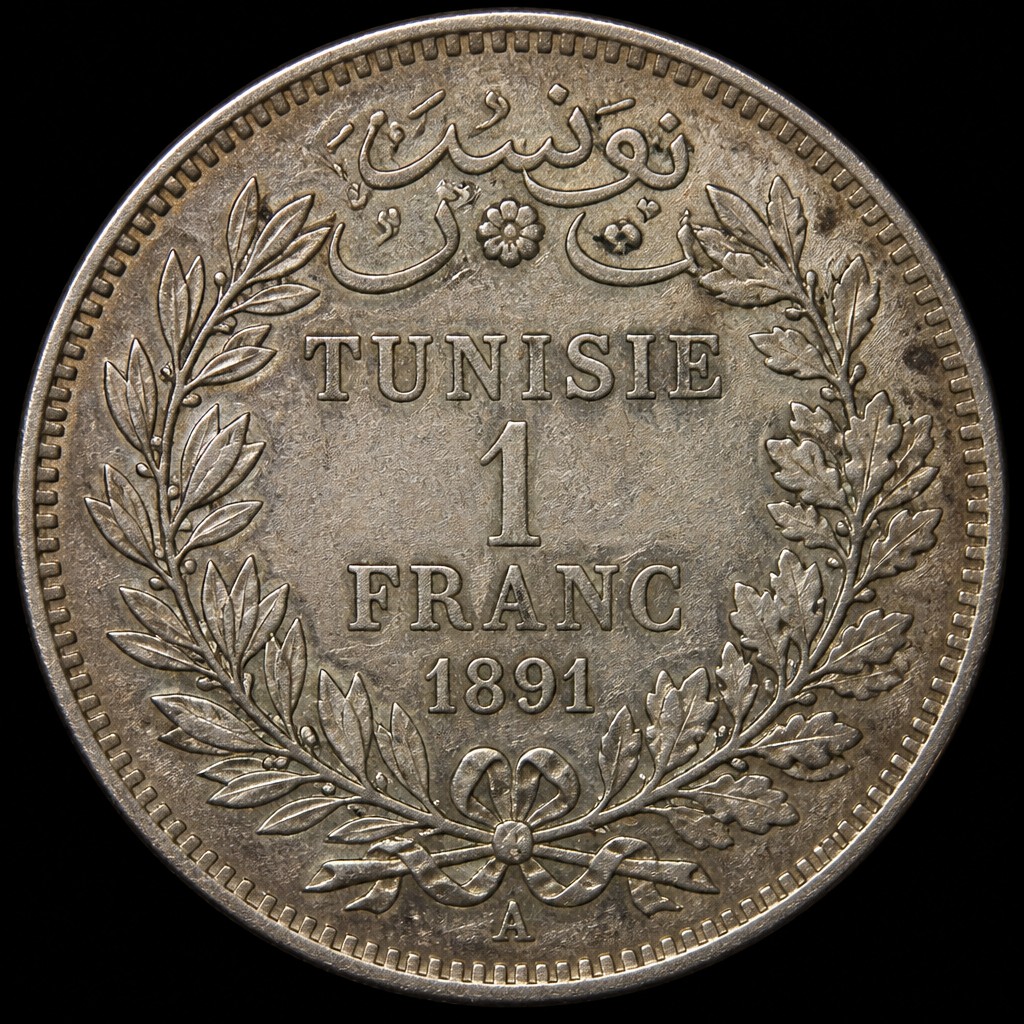
Tunisian Franc (Beylik Era)
Late 19th–early 20th century (c. 1891–1957 transition)
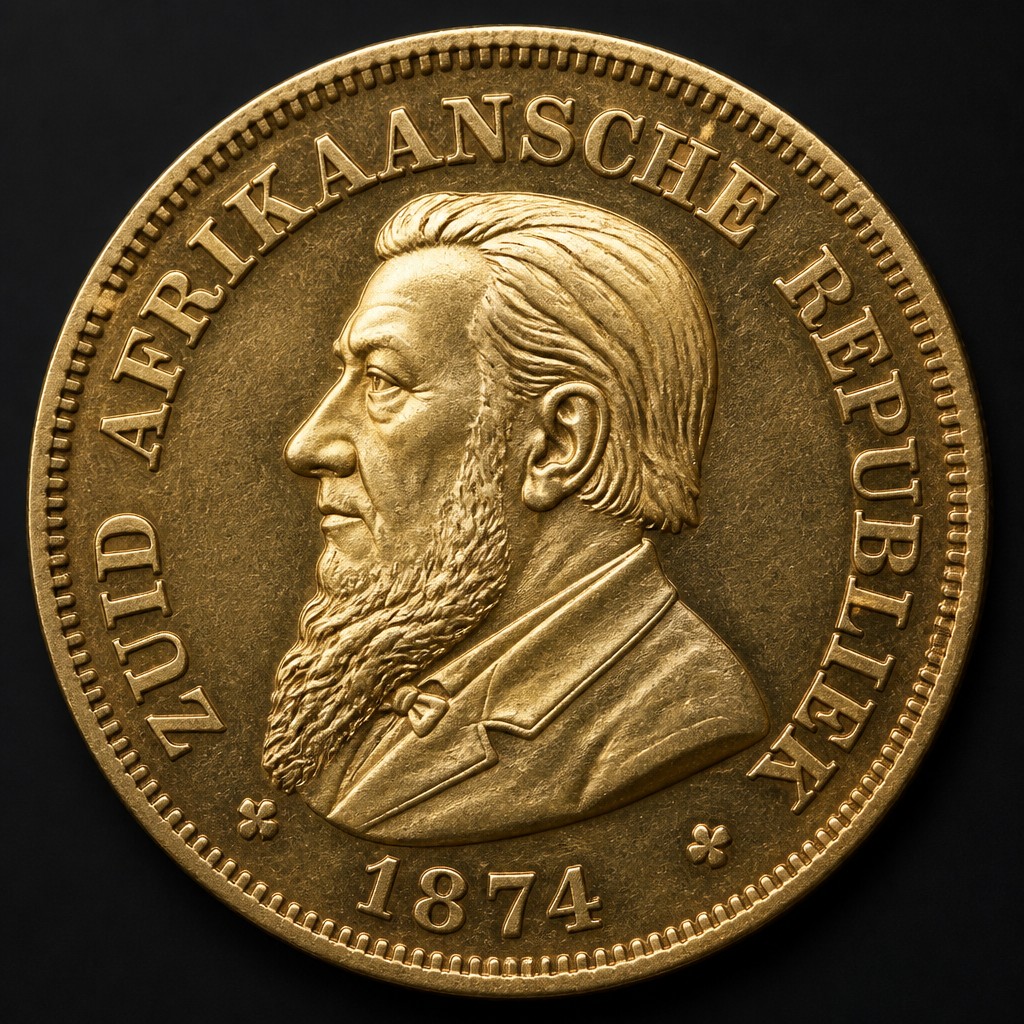
South African Republic Burgers Pond
1874
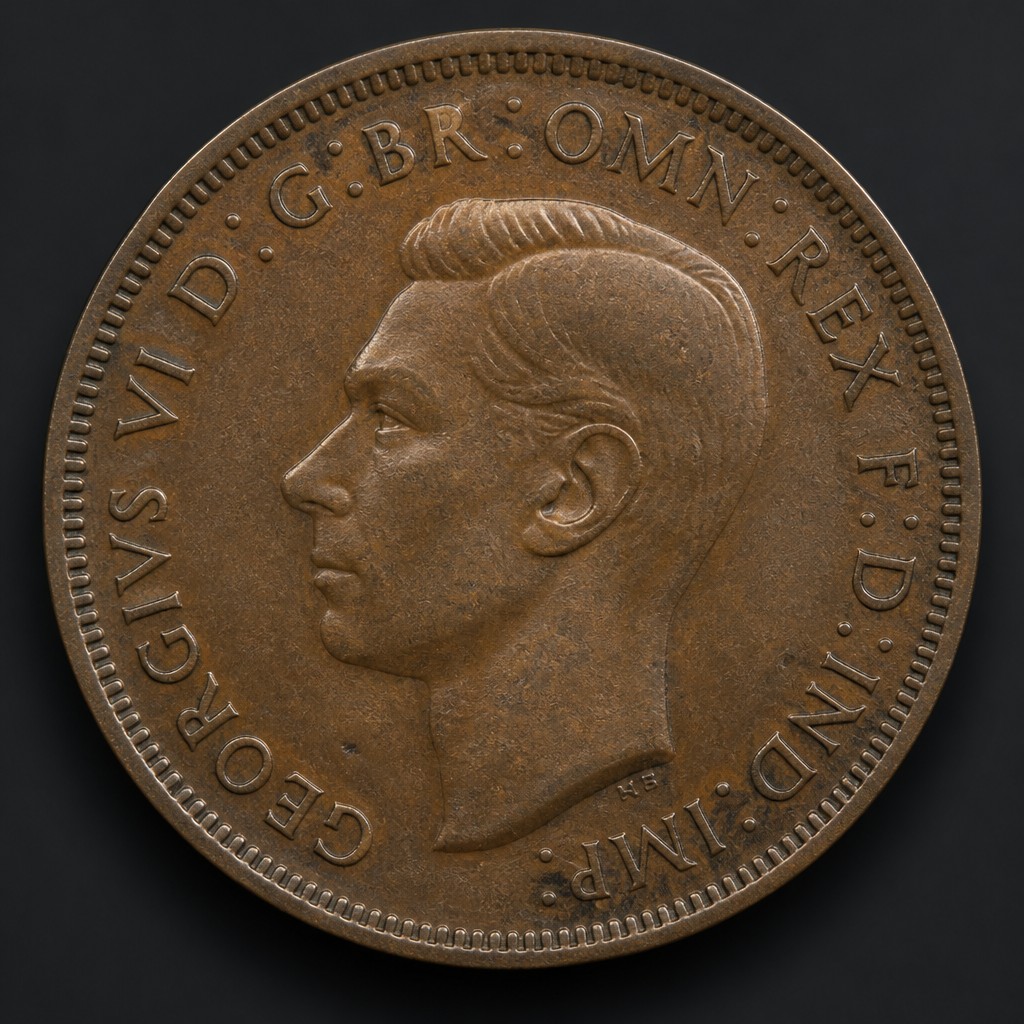
New Zealand Penny (KGVI)
1937-1952
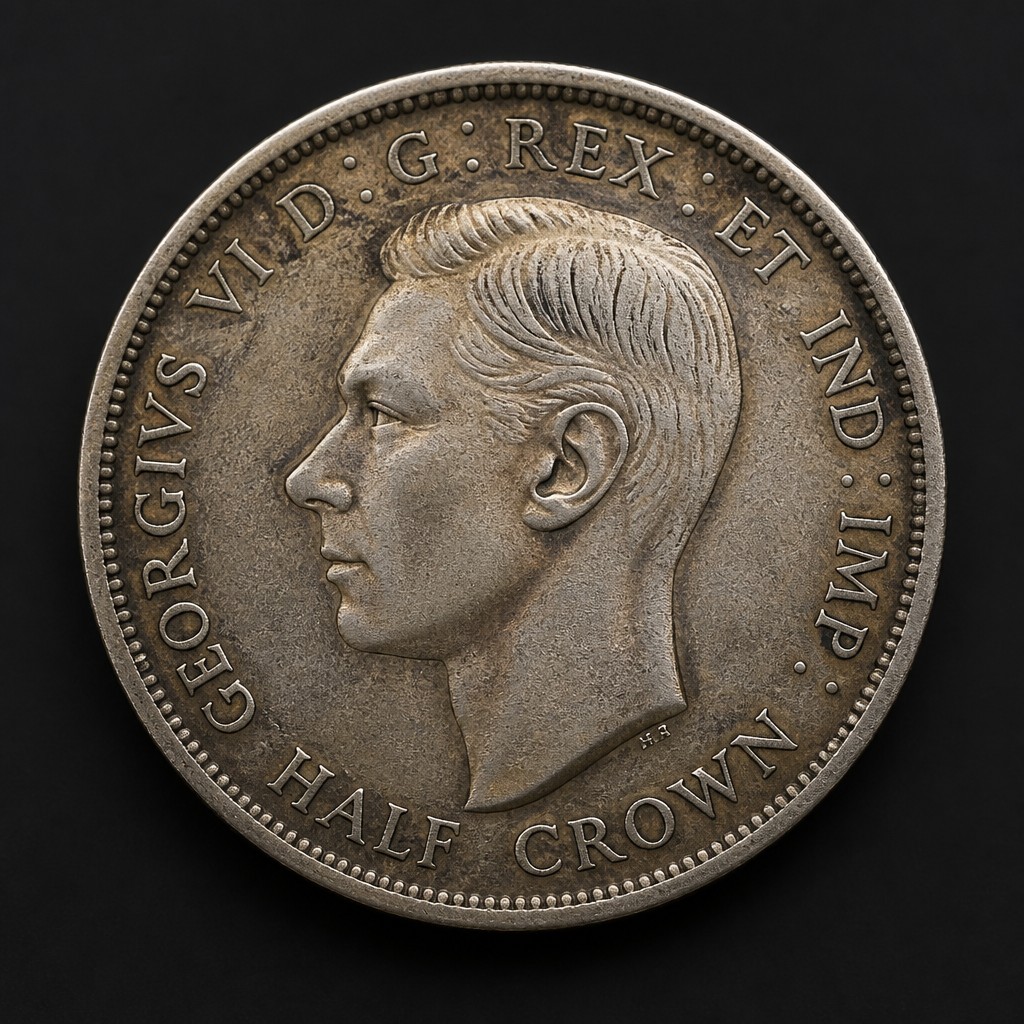
New Zealand Half Crown (pre-decimal)
1933-1965
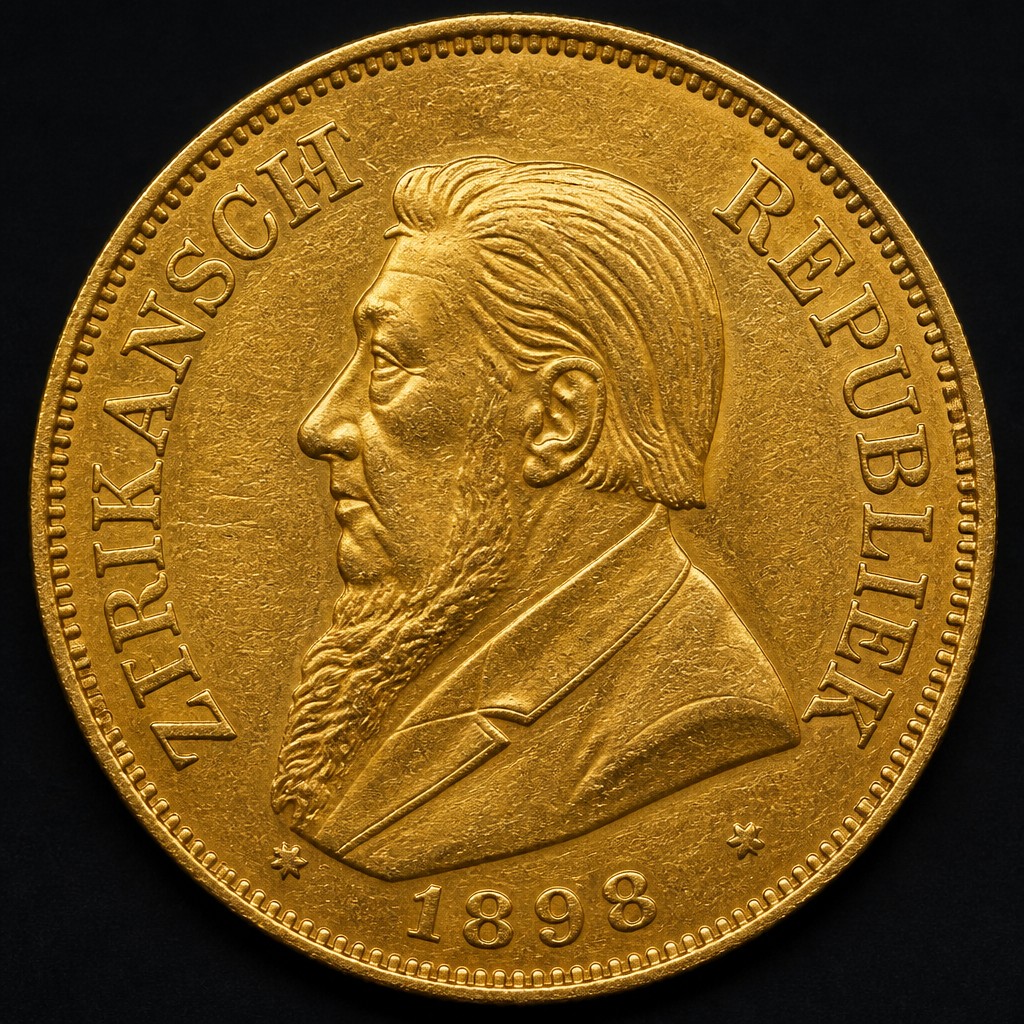
South African ZAR Kruger Pond
1892-1900
Australian Holey Dollar and Dump
1813