
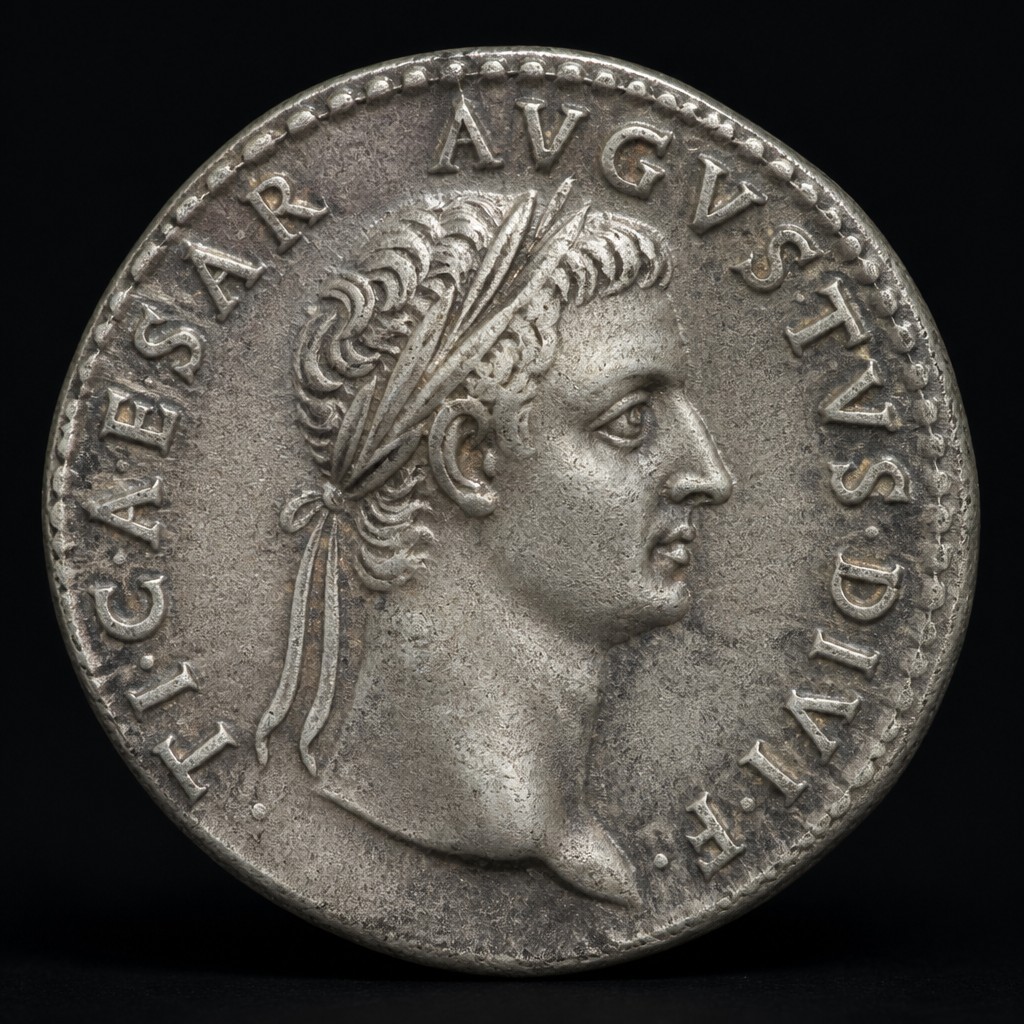
Tiberius Tribute Penny Denarius
The famous silver denarius of Emperor Tiberius traditionally identified as the biblical 'Tribute Penny' from the New Testament's 'Render unto Caesar' episode.
- Country
- Ancient Rome
- Denomination
- Denarius
- Metal
- Silver
Got a coin like this?
Identify any coin from a photo, free.
Overview
This silver denarius of Emperor Tiberius is one of the most famous ancient coins in the world, traditionally identified as the "tribute penny" referenced in the New Testament episode in which Jesus is asked whether it is lawful to pay taxes to Caesar. Its enormous cultural resonance, spanning nearly two thousand years of religious and historical significance, sets it apart from most other Roman coins of comparable rarity.
Collectors are drawn to this coin not only for its connection to a well-known biblical narrative but also as a well-made, historically important piece of Julio-Claudian coinage, minted in vast numbers at the important Gaulish mint of Lugdunum and widely circulated throughout the Roman world during the early 1st century AD.
History & Background
Tiberius succeeded Augustus as emperor in 14 AD and ruled until his death in 37 AD, presiding over the empire during the very years traditionally associated with the life and ministry of Jesus of Nazareth in Roman Judea. This particular denarius type, struck at Lugdunum (modern Lyon) in Gaul, was produced in enormous quantities and served as one of the standard silver coins circulating throughout the empire, including its eastern provinces, during Tiberius's reign.
Because of its wide circulation and its dating to the correct period, this type has long been popularly associated with the coin described in the Gospels, even though scholars note that other contemporary silver coins could equally have served in that role. Regardless of the precise historical episode, its identification as the "tribute penny" has made it one of the most requested ancient coins among collectors with an interest in biblical history.
How to Identify
The obverse shows the laureate head of Tiberius facing right, with the legend TI CAESAR DIVI AVG F AVGVSTVS ("Tiberius Caesar Augustus, son of the deified Augustus"). The reverse depicts a seated female figure, generally identified as Tiberius's mother Livia in the guise of the goddess Pax (peace), seated right on a chair with ornate legs, holding an olive branch and a scepter or long vertical scepter, with the legend PONTIF MAXIM ("Pontifex Maximus," chief priest) below.
The coin is a standard Roman silver denarius, roughly 18–19mm in diameter, with a distinctively fine, well-controlled Lugdunum mint style recognizable for its careful engraving and consistent weight standard. Its combination of Tiberius's portrait, the specific reverse legend, and the seated Pax/Livia figure make this type easy to identify and distinguish from other Julio-Claudian denarii, which typically carry different reverse compositions.
Value & Collectibility
This is one of the most popular ancient coins in the entire hobby due to its biblical association, and demand consistently outstrips that for many otherwise comparably common Roman denarii of the period. Even heavily worn or lower-grade examples command solid interest and pricing well above typical common denarii, purely because of the coin's storytelling appeal.
Well-preserved examples with a sharp, clear portrait and fully legible legends bring meaningfully more, and the type remains a perennial favorite for buyers seeking a tangible, genuine link to the New Testament era, even though it was struck in large quantities and is not considered rare in an absolute numismatic sense.
Frequently asked questions
Is this definitely the coin mentioned in the Bible?
It cannot be proven with certainty; this type is traditionally identified as the 'tribute penny' due to its wide circulation and correct dating, but other contemporary silver coins could equally match the biblical account.
Who is depicted on the reverse?
The seated female figure is generally identified as Livia, Tiberius's mother, portrayed in the guise of the goddess Pax holding an olive branch and scepter.
Why was it minted at Lugdunum rather than Rome?
Lugdunum (modern Lyon) served as a major imperial mint for Julio-Claudian silver coinage, producing large quantities of standardized denarii for circulation across the empire.
Why is this coin so popular with collectors?
Its long-standing association with a famous New Testament episode gives it broad appeal well beyond typical ancient coin collectors, driving strong and consistent demand.
Other coins you may enjoy
Theodosius I Solidus
379–395 AD
Republican Victoriatus
c. 211–170 BC
Islamic Gold Dinar (Umayyad)
c. 696–750 AD
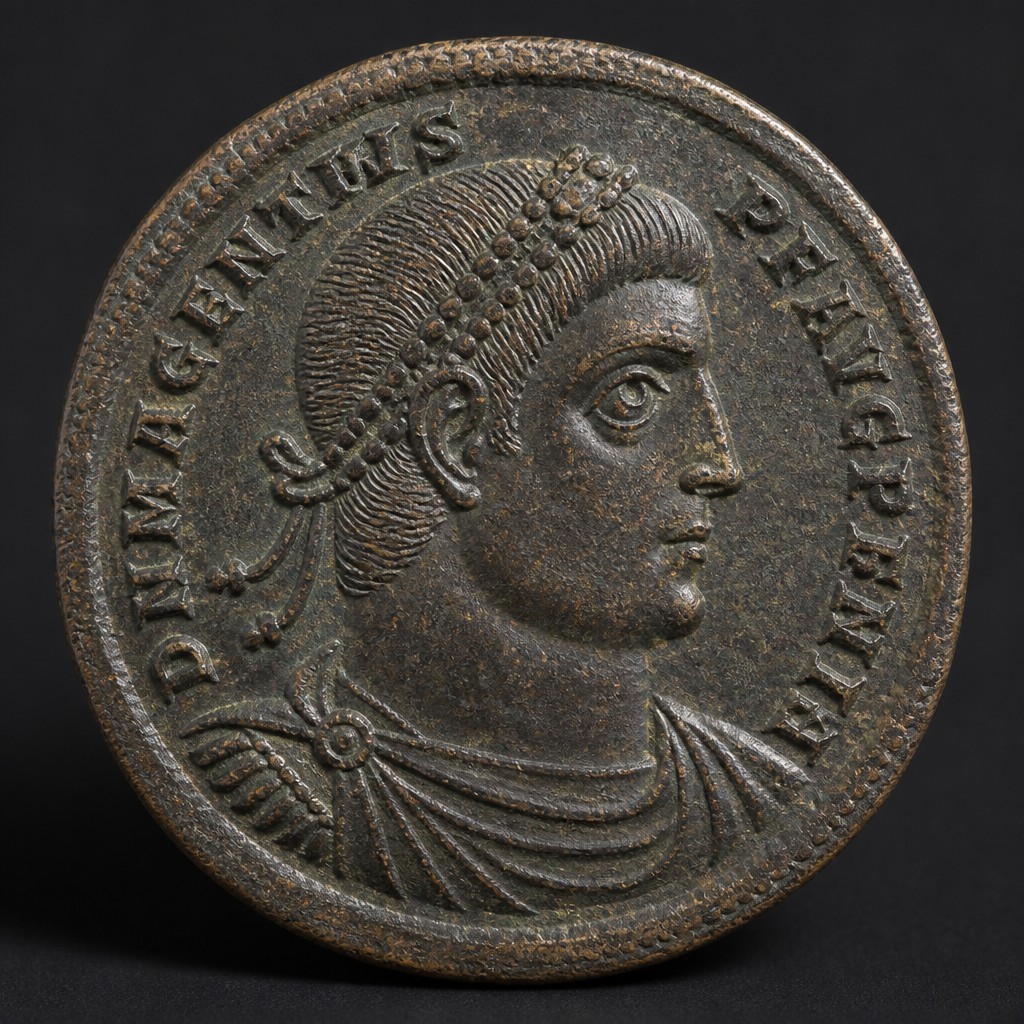
Magnentius Double Centenionalis
350–353 AD
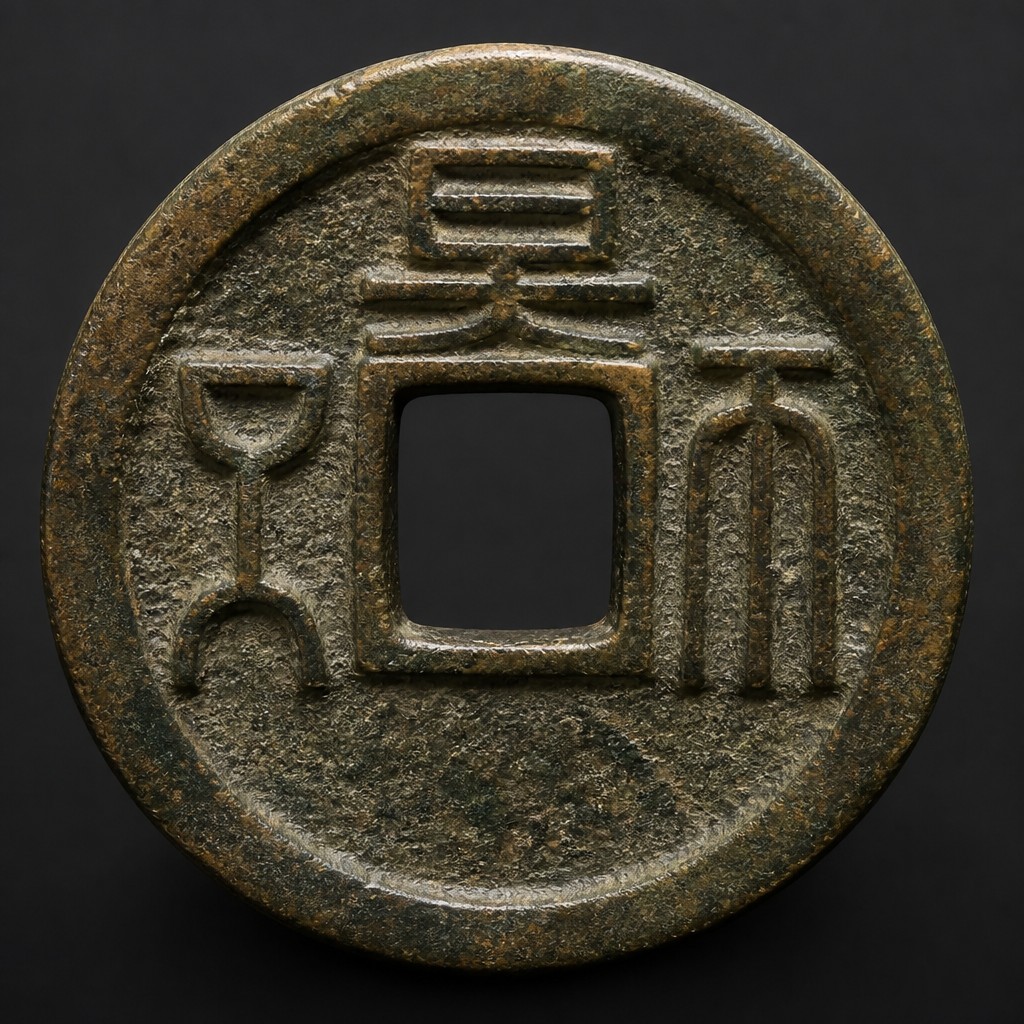
Chinese Wu Zhu Cash
118 BC – 618 AD
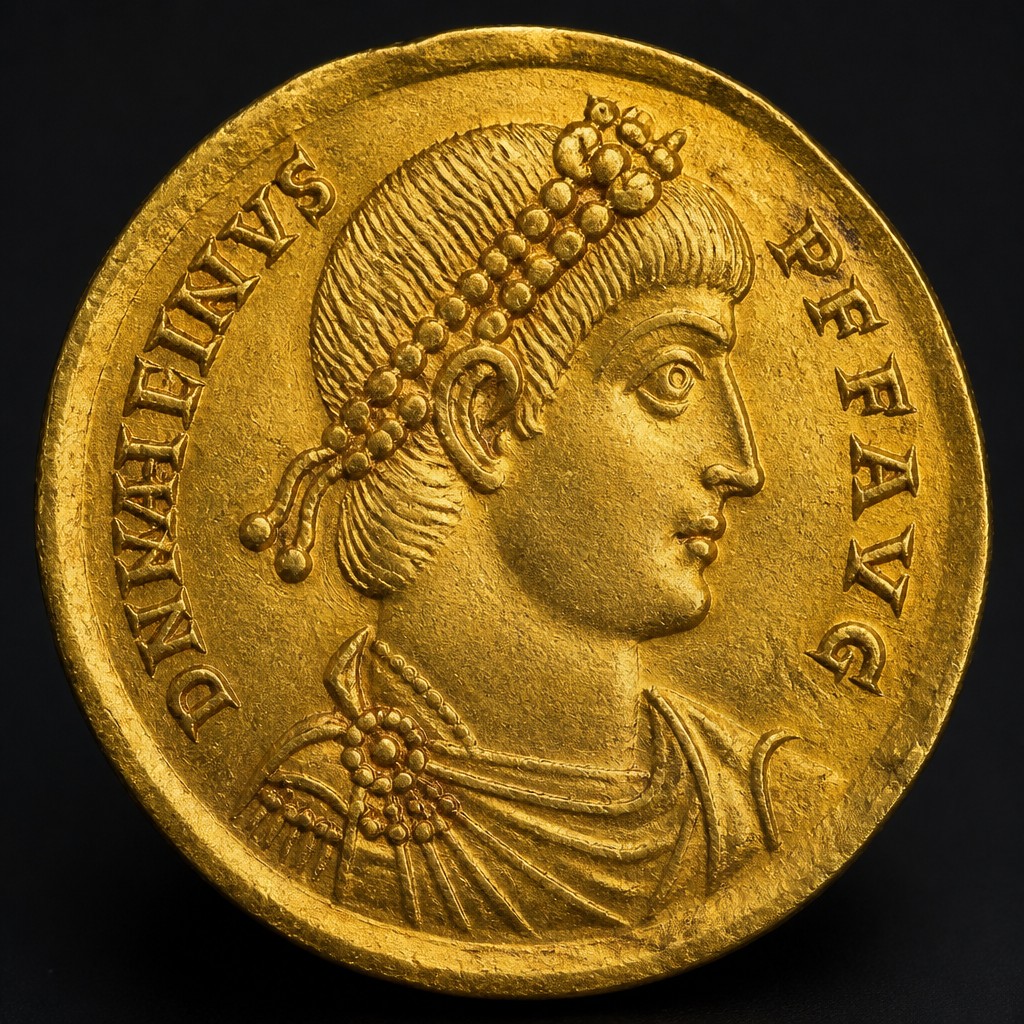
Valentinian I Solidus
364–375 AD
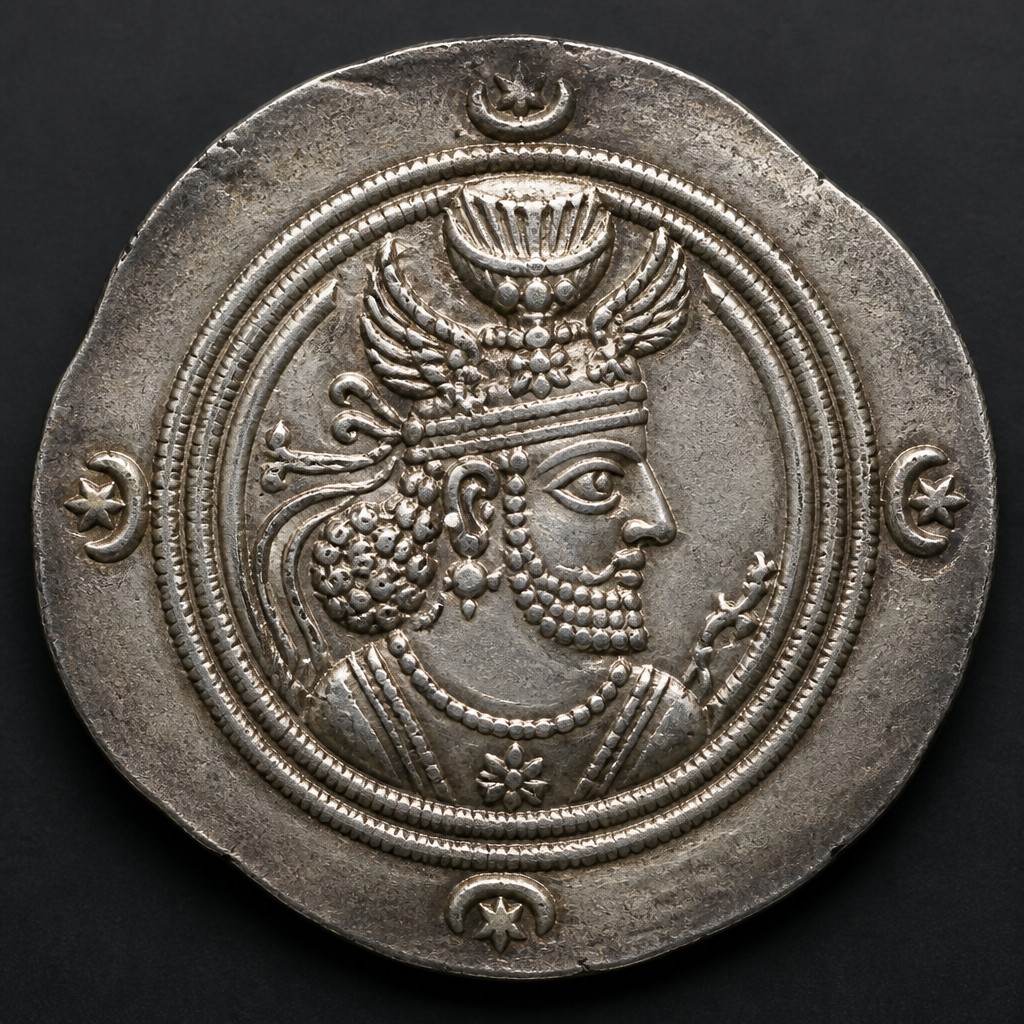
Sassanian Silver Drachm
c. 224–651 AD
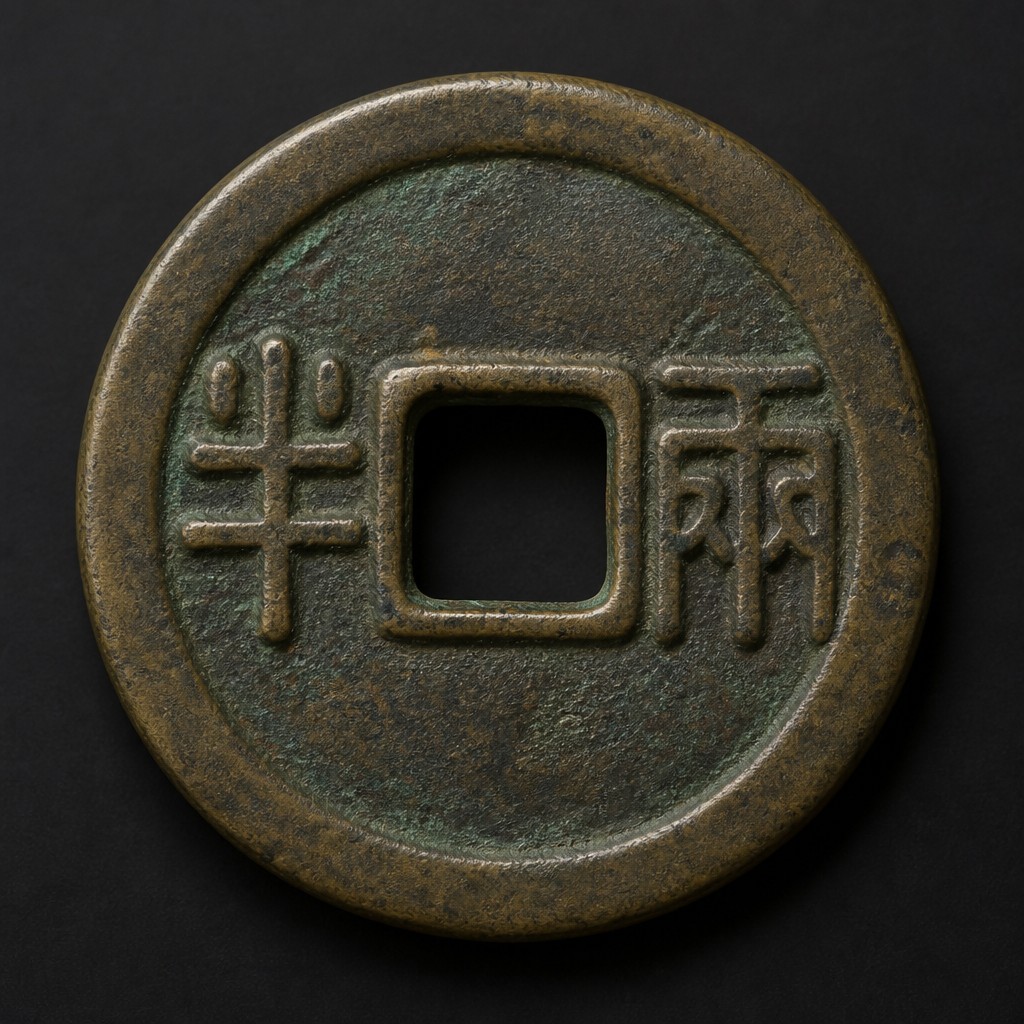
Chinese Ban Liang Cash
c. 221–118 BC
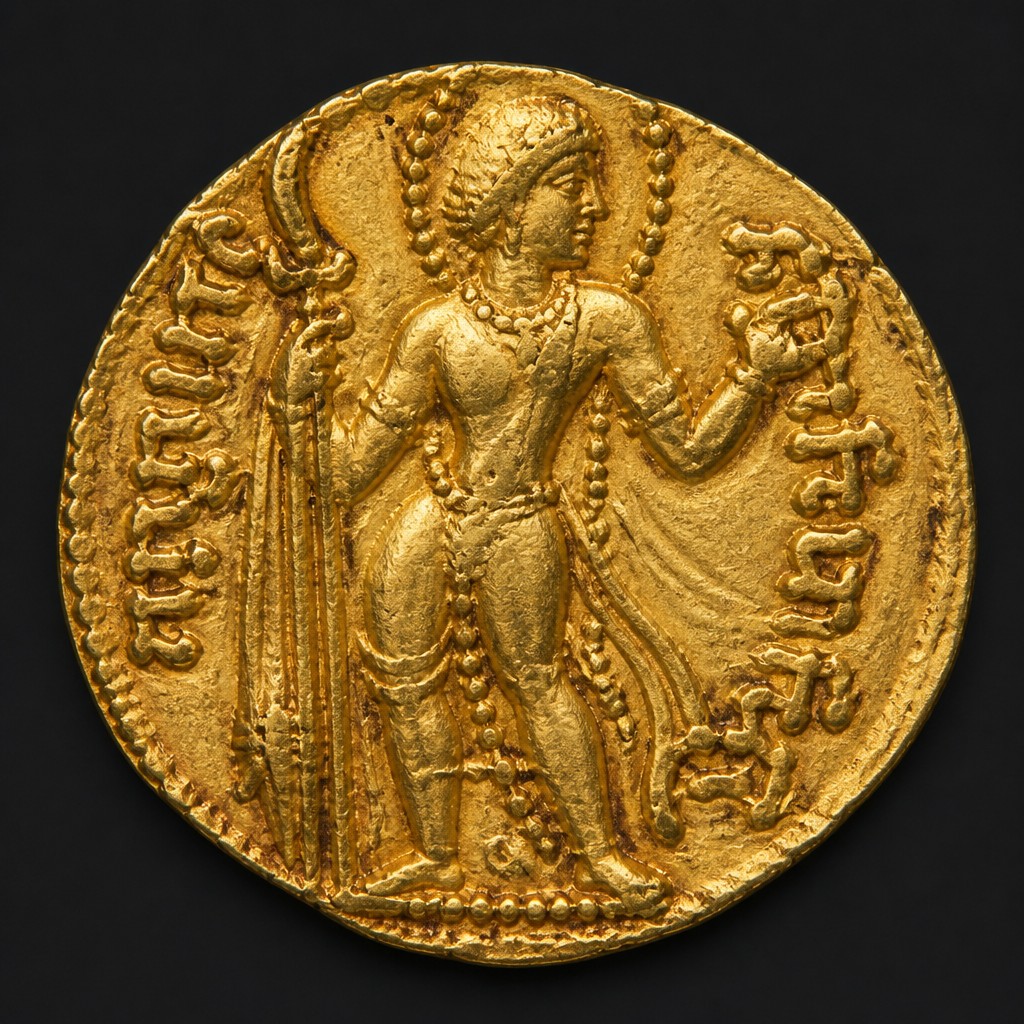
Gupta Empire Gold Dinar
c. 320–550 AD
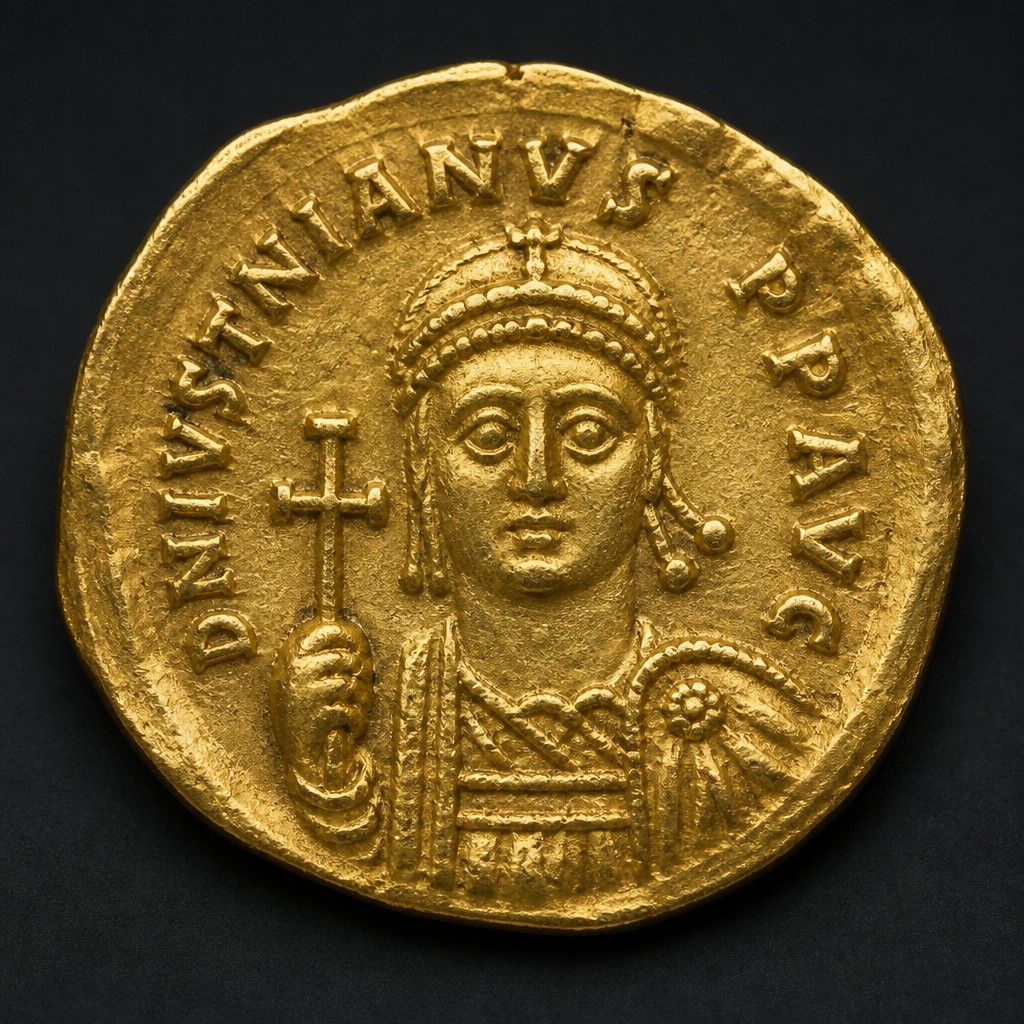
Byzantine Gold Tremissis
c. 4th–7th century AD
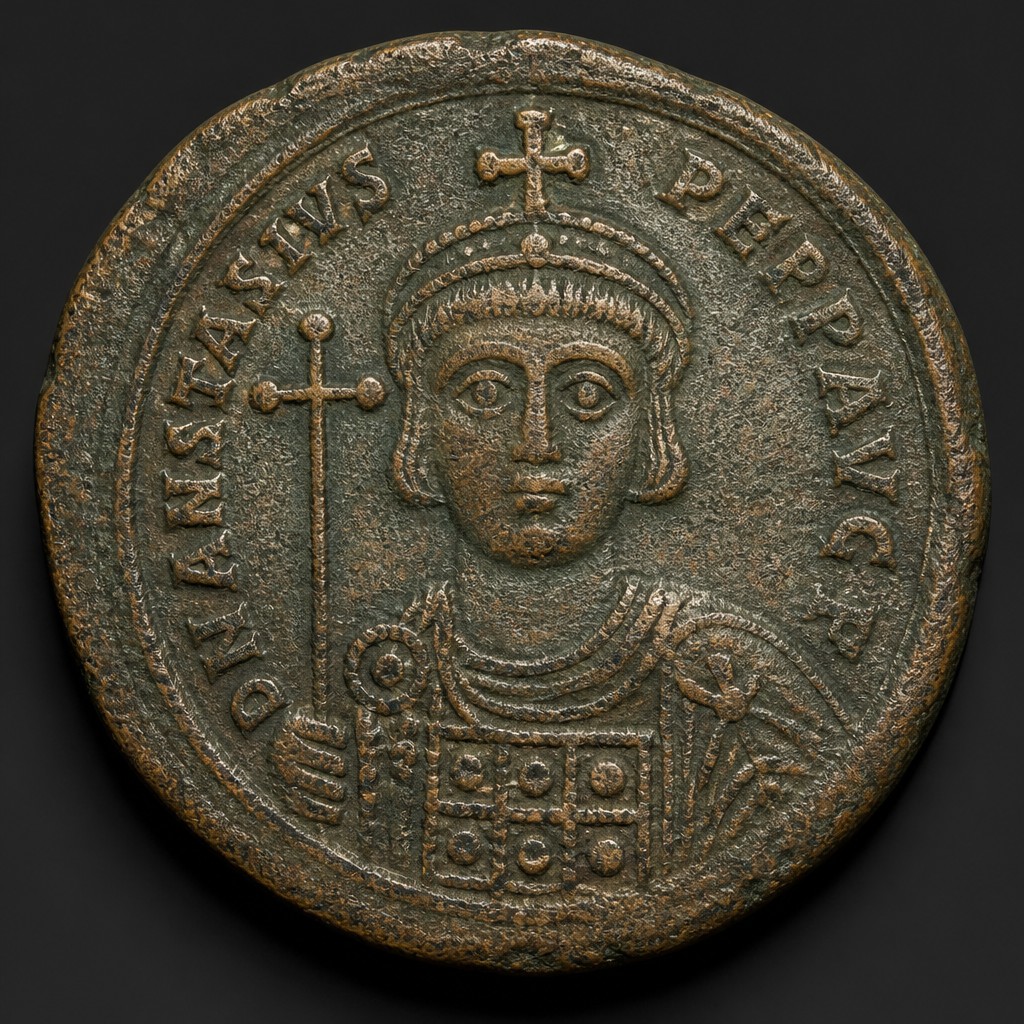
Byzantine Follis
498–c. 11th century AD
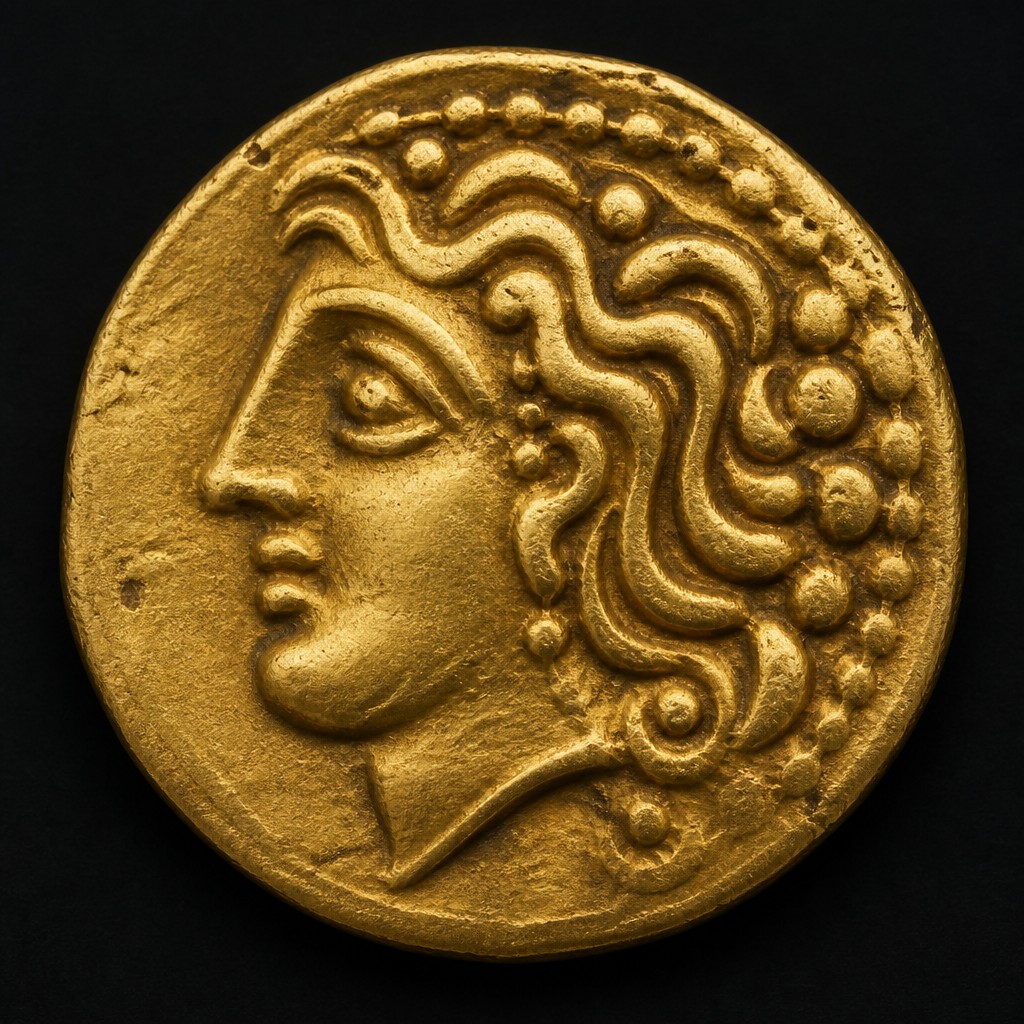
Celtic Gold Stater
c. 3rd century BC – 1st century AD