
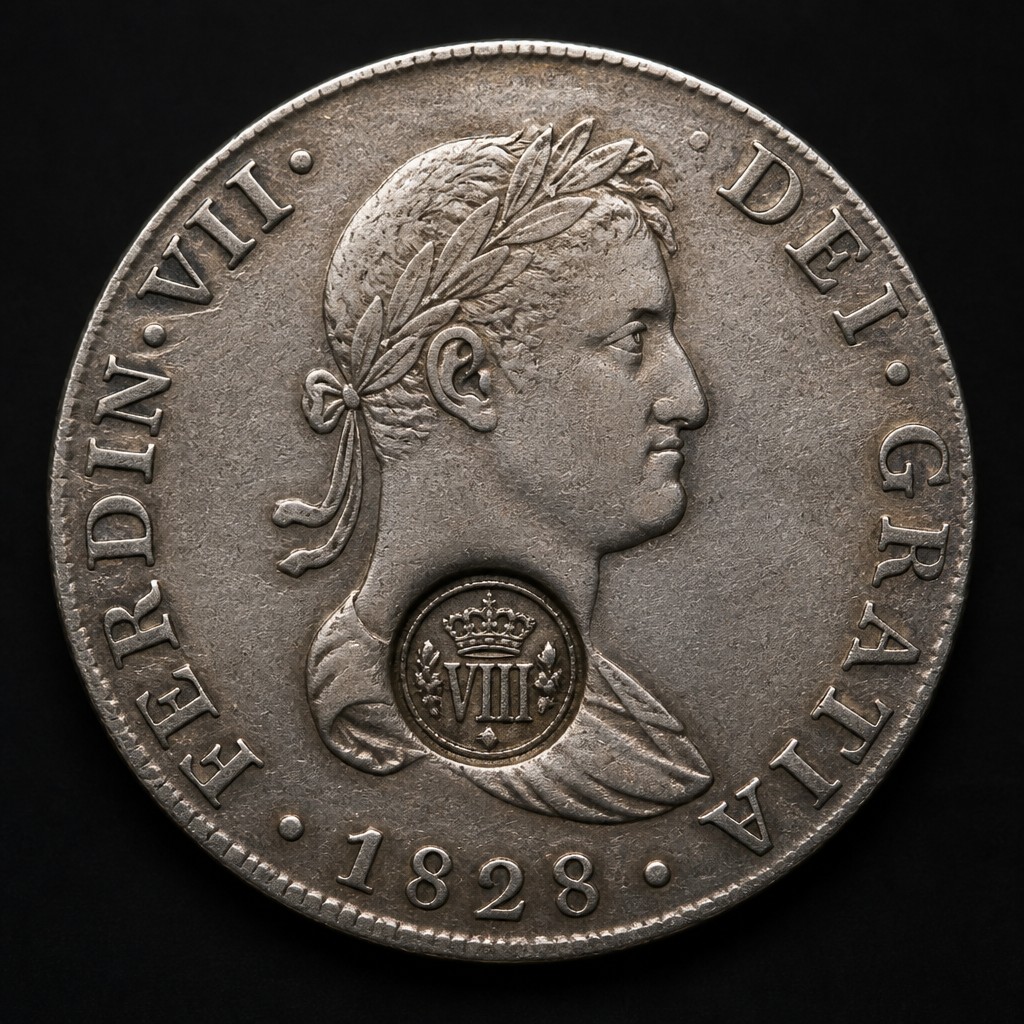
Spanish-Philippine 8 Reales Counterstamped Dollar
Spanish colonial 8 reales silver dollar officially countermarked for circulation in the Philippines, a hybrid of Spanish American and Philippine monetary history.
- Country
- Spanish Philippines
- Denomination
- 8 Reales (Peso)
- Metal
- Silver
Got a coin like this?
Identify any coin from a photo, free.
Overview
This coin refers to Spanish colonial silver 8 reales pieces -- typically minted in Spanish America such as Mexico, Peru, or Bolivia -- that were officially countermarked by Spanish authorities in Manila for authorized circulation in the Philippine Islands. The practice reflects the role of Spanish American silver dollars as a global trade currency, even within Spain's own Asian colony.
Collectors are drawn to these coins for the way they combine two distinct numismatic traditions -- the original Spanish colonial dollar and the added Philippine countermark -- into a single, historically layered artifact.
History & Background
For much of the Spanish colonial period, the Philippines relied heavily on silver 8 reales coins shipped from Spanish America via the Manila galleon trade, since the islands lacked a large domestic mint of their own for high-value coinage. To formalize and control the currency in circulation, and to address concerns over counterfeiting and unauthorized foreign silver, Spanish colonial authorities applied official countermarks to selected 8 reales coins for validated Philippine use, notably during the early 1830s.
The countermark typically consisted of a small crown-and-monogram device stamped onto the host coin, validating it for circulation within the islands and distinguishing it from other silver dollars entering Philippine trade from outside sources.
How to Identify
The base or "host" coin is a standard Spanish colonial 8 reales piece, showing either the Spanish king's portrait bust (post-1772 "portrait dollar" types) or the earlier "pillars and waves" design, along with the mint mark of its Spanish American mint of origin, such as Mexico City, Lima, or Potosi, and its assayer initials.
The distinguishing feature is a small official countermark punched into the coin's surface, often near the portrait or in the field, typically a crowned monogram or similar Spanish Philippine administrative device applied to validate the coin for island circulation.
Because genuine countermarks are small and precise, collectors should examine them closely under magnification, comparing the punch's design, placement, and strike quality to documented reference examples, since fraudulent or later-applied countermarks are a known risk in this specialized area.
Value & Collectibility
Because these coins combine a genuine Spanish colonial 8 reales host with a historically significant countermark, values depend on the desirability of both elements: the host coin's mint, date, and condition, plus the clarity, authenticity, and rarity of the countermark itself. Well-documented, clearly struck examples with legible countermarks tend to command a premium over an equivalent host coin without one.
This is a specialized collecting niche, so provenance and expert authentication of the countermark carry significant weight in valuation, particularly given the risk of spurious or added countermarks on genuine but otherwise ordinary host coins.
Frequently asked questions
Why would a Spanish American coin be countermarked in the Philippines?
To authorize and validate specific coins for circulation within the islands, helping colonial authorities manage currency amid shortages and counterfeiting concerns.
What does the countermark look like?
Typically a small crowned monogram or similar official device punched into the coin's surface.
What is the "host" coin?
The original Spanish colonial 8 reales piece, usually minted in Mexico, Peru, or Bolivia, before it received the Philippine countermark.
Are these coins rare?
Genuine, clearly countermarked examples are considered scarce and specialized, more so than an ordinary uncountermarked 8 reales of the same type.
What should I watch for?
Be cautious of spurious or later-added countermarks; comparison to documented references or expert opinion is advisable.
Other coins you may enjoy
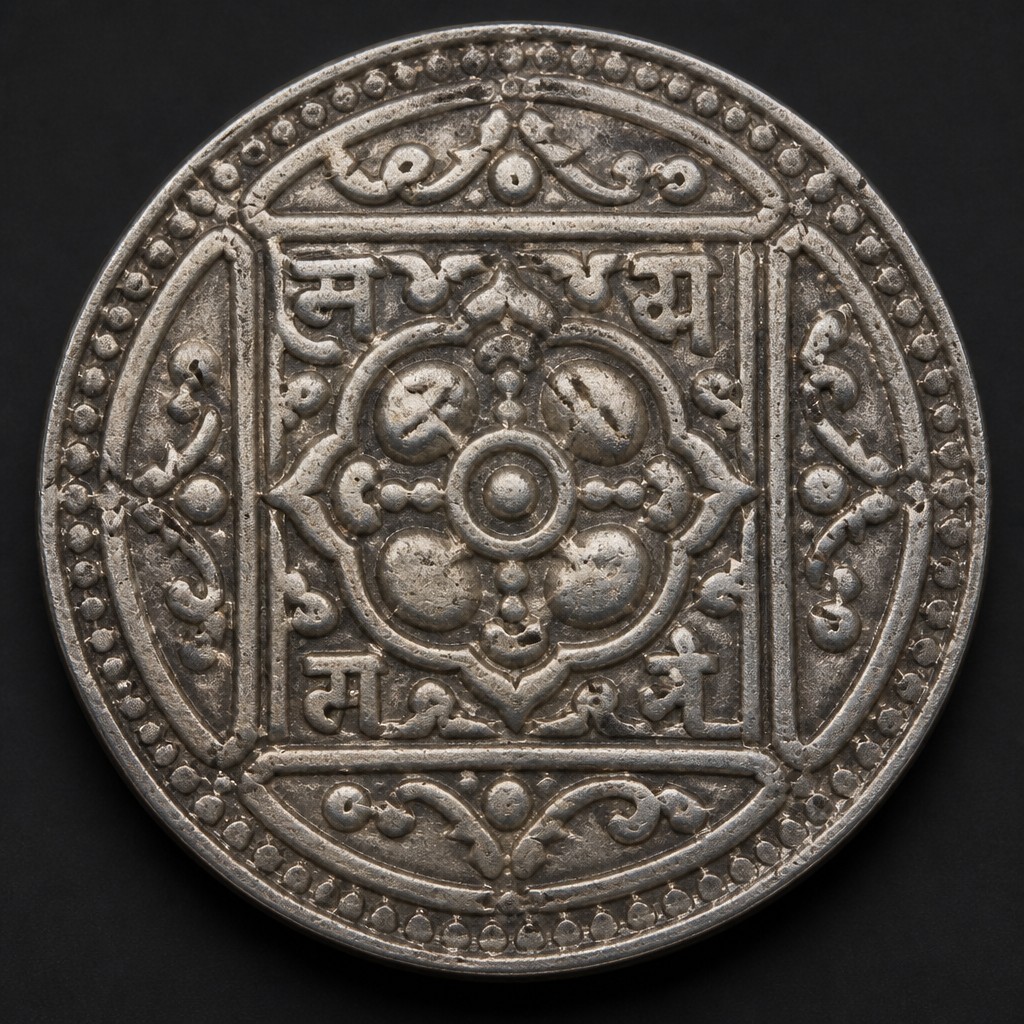
Nepal Silver Mohar
c. 16th–19th century
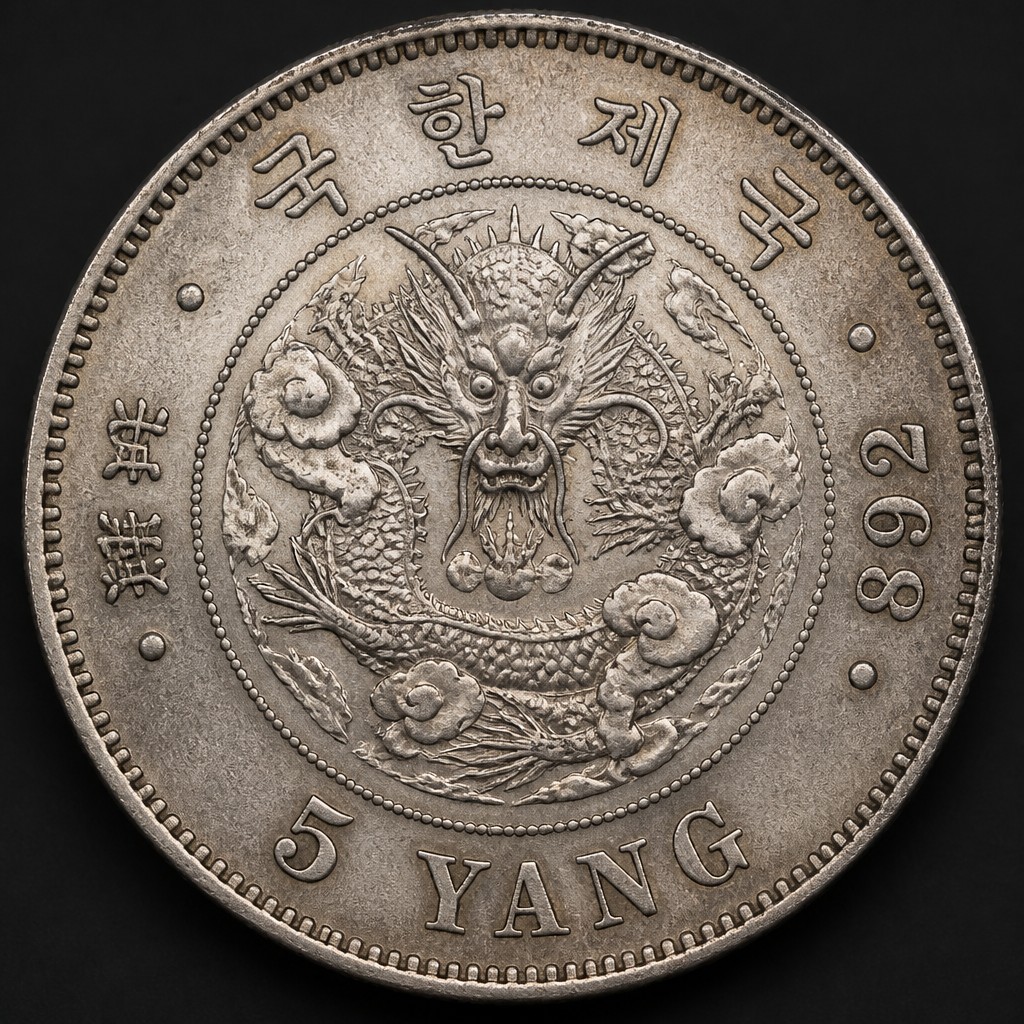
Korean 5 Yang Silver Dollar (1892)
1892
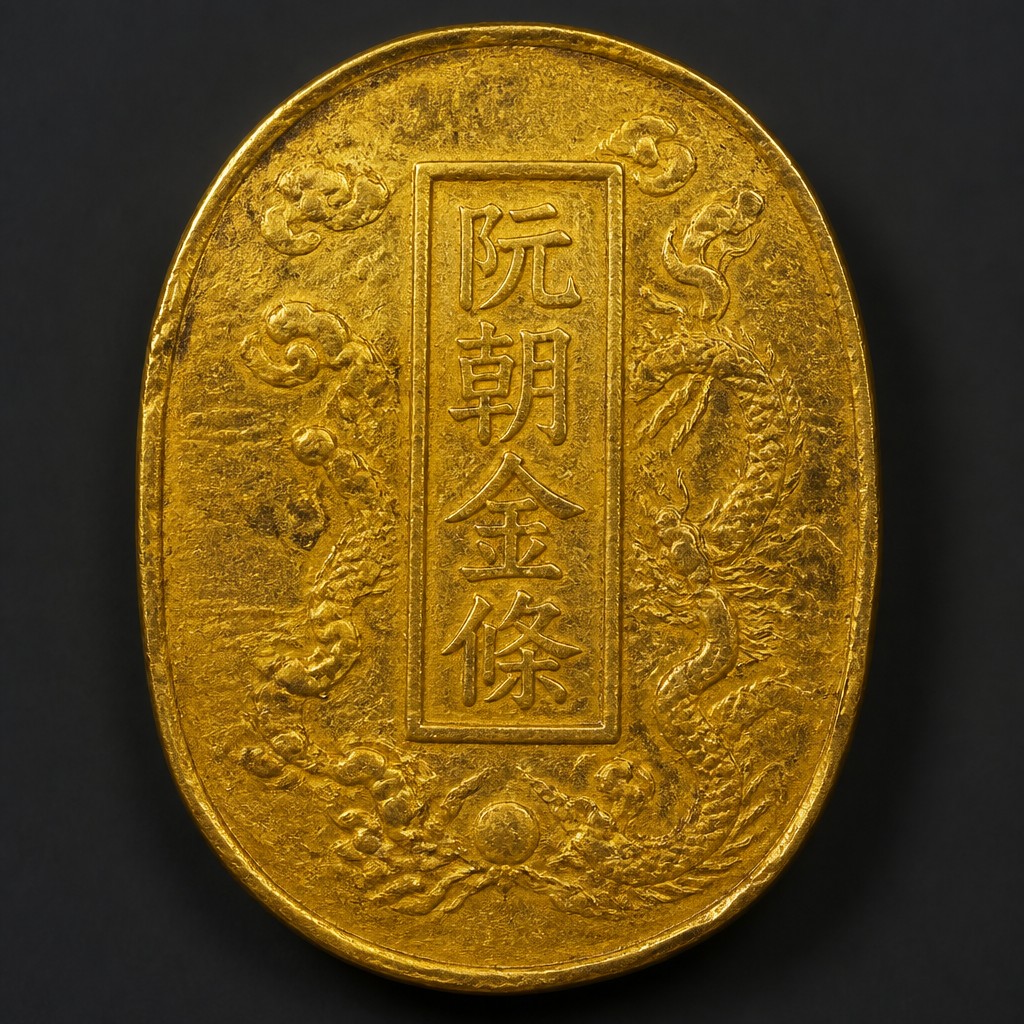
Nguyen Dynasty Gold Bar (Vietnam)
19th century
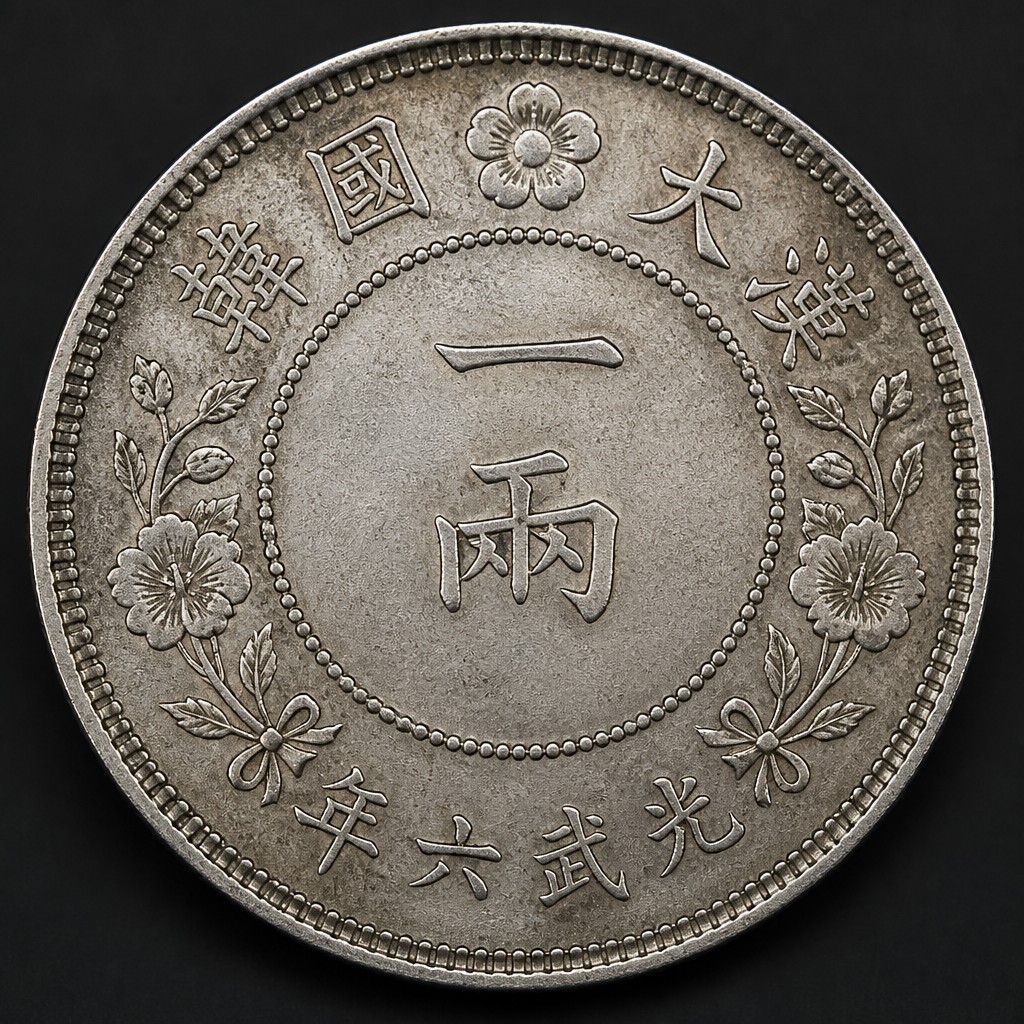
Korean 1 Yang Silver (Joseon/Great Han Empire)
1892–1902
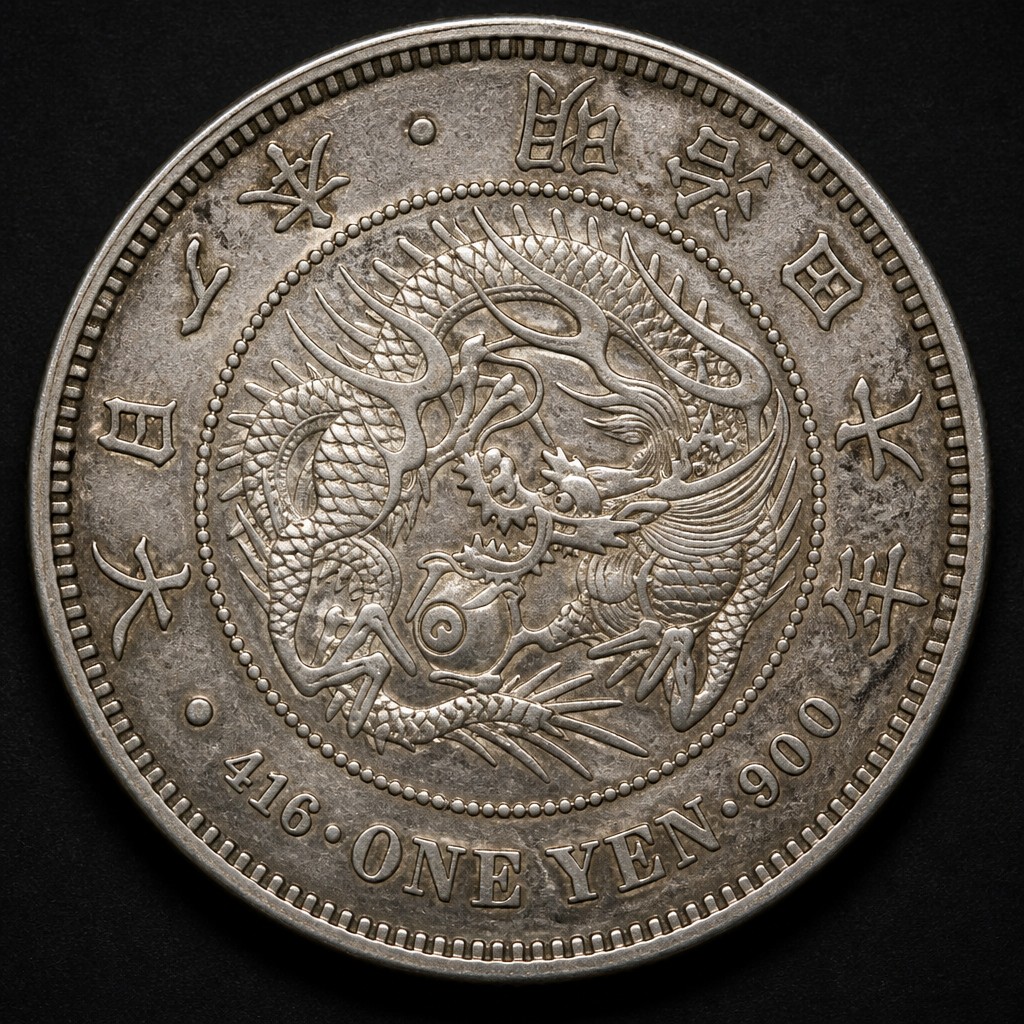
Japanese 1 Yen Silver 'Dragon' Trade Dollar
1870–1914 (trade dollar variant 1875–1877)
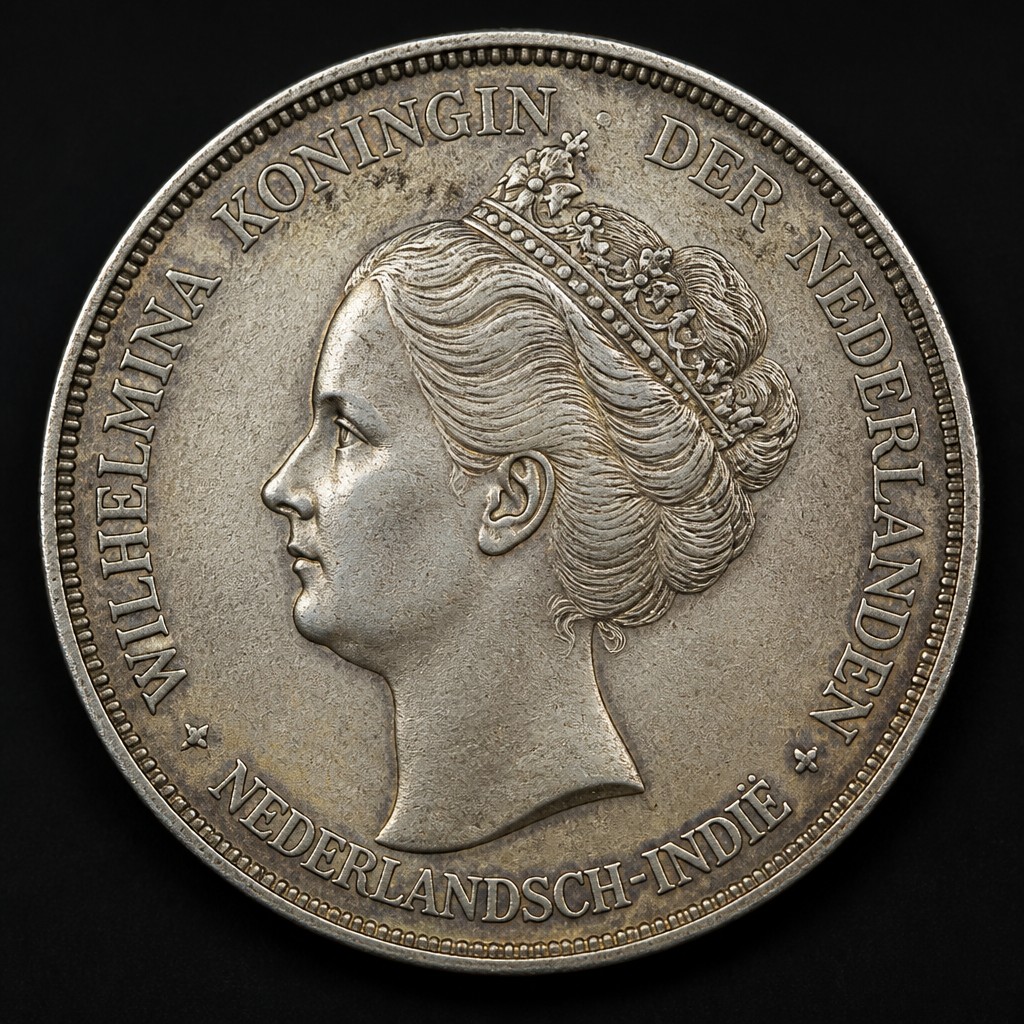
Netherlands East Indies Gulden (Wilhelmina)
1897–1945
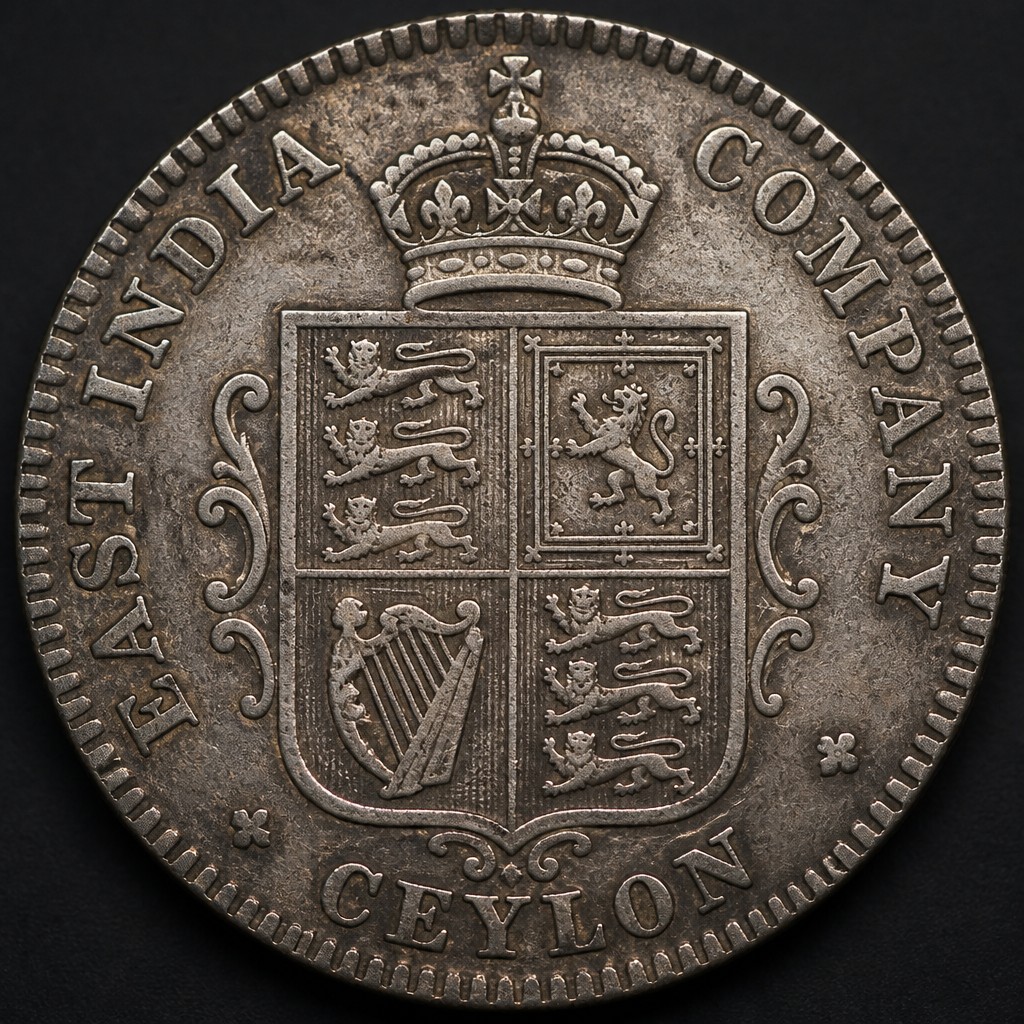
Ceylon (Sri Lanka) EIC Rixdollar
c. 1802–1821
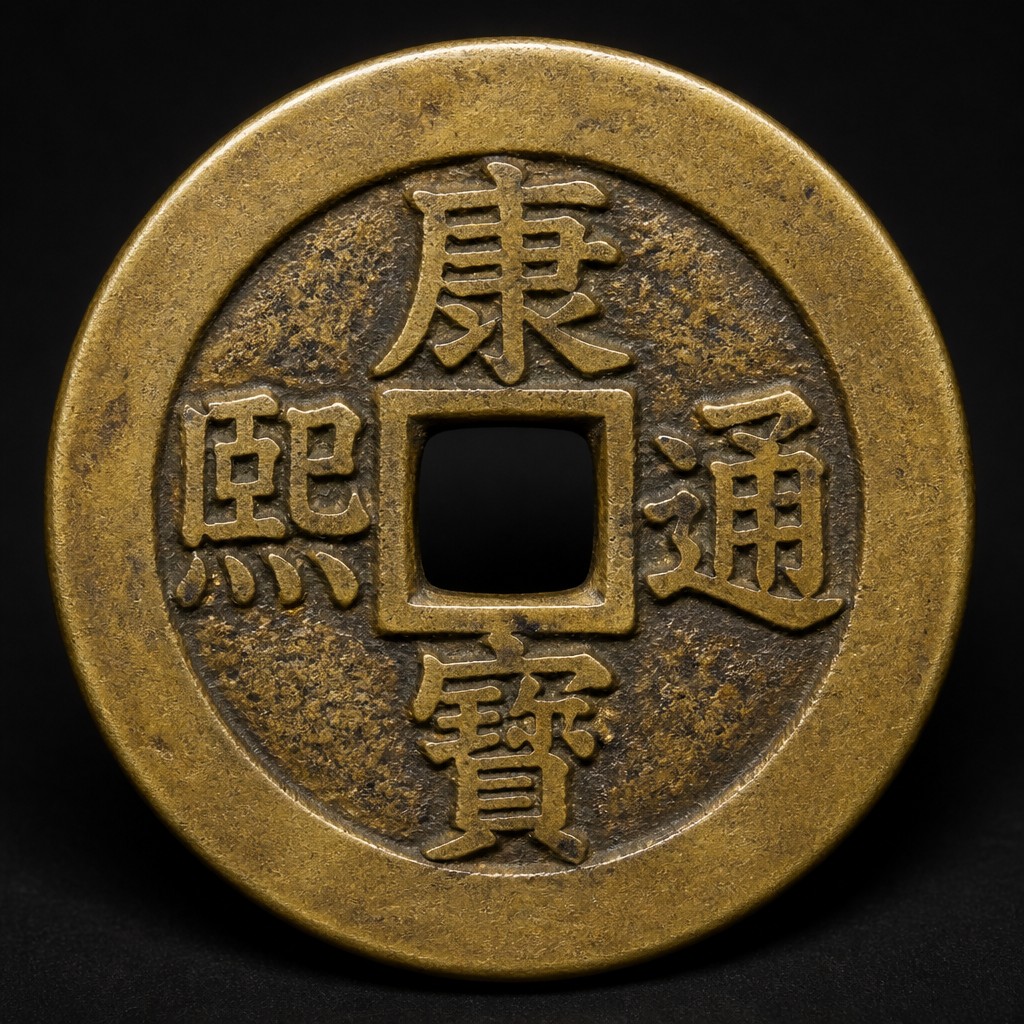
Chinese Cash Coin (Qing Dynasty 'Kangxi Tongbao')
1662–1722
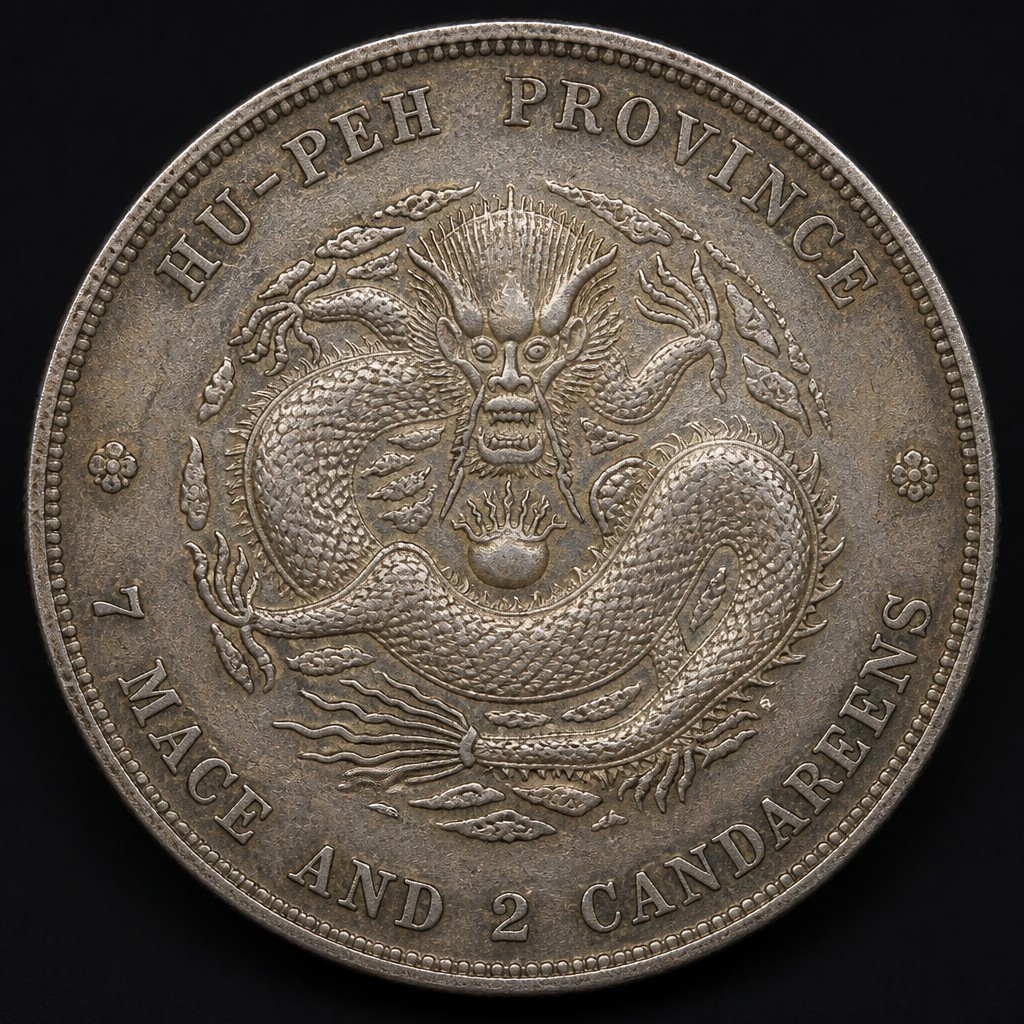
Chinese Hupeh Province Dragon Dollar
c. 1895–1909
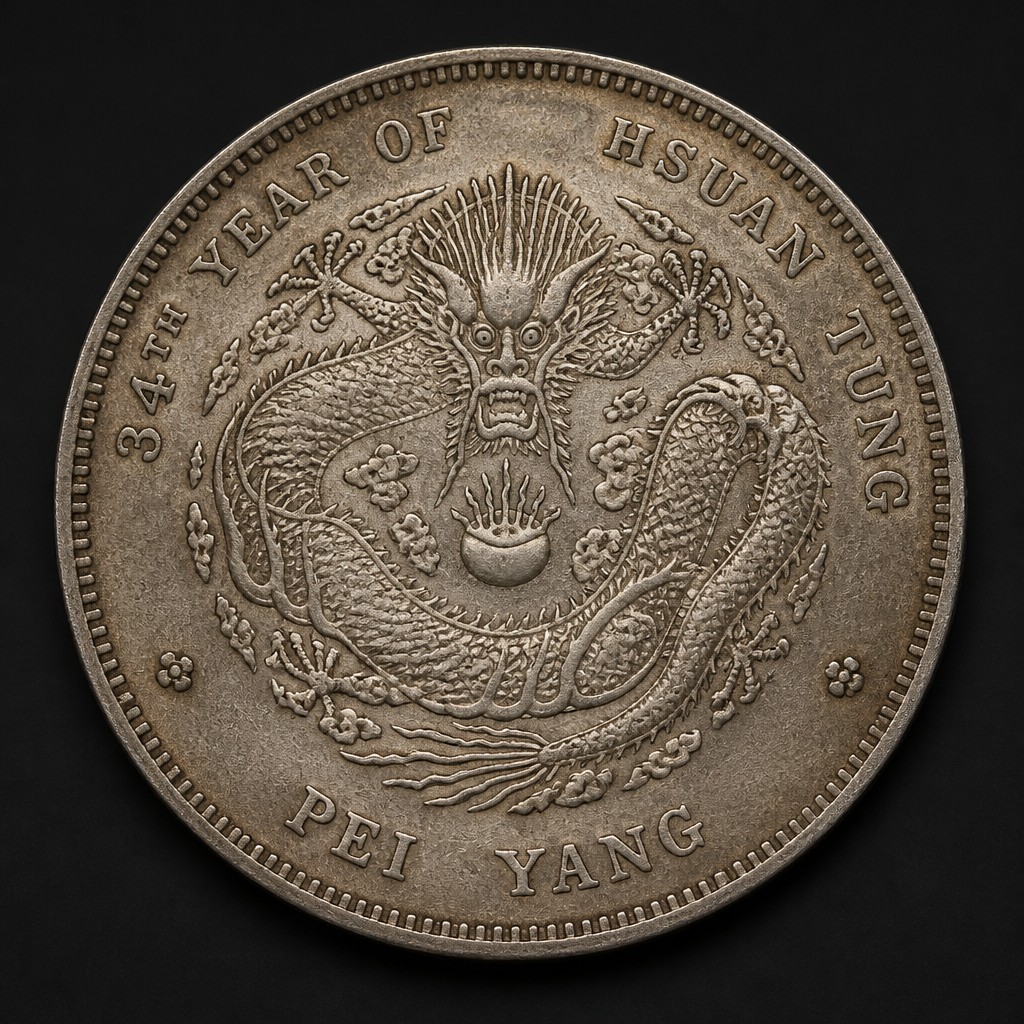
Chinese Empire Silver Dollar (Hsuan Tung Dragon)
1909–1911
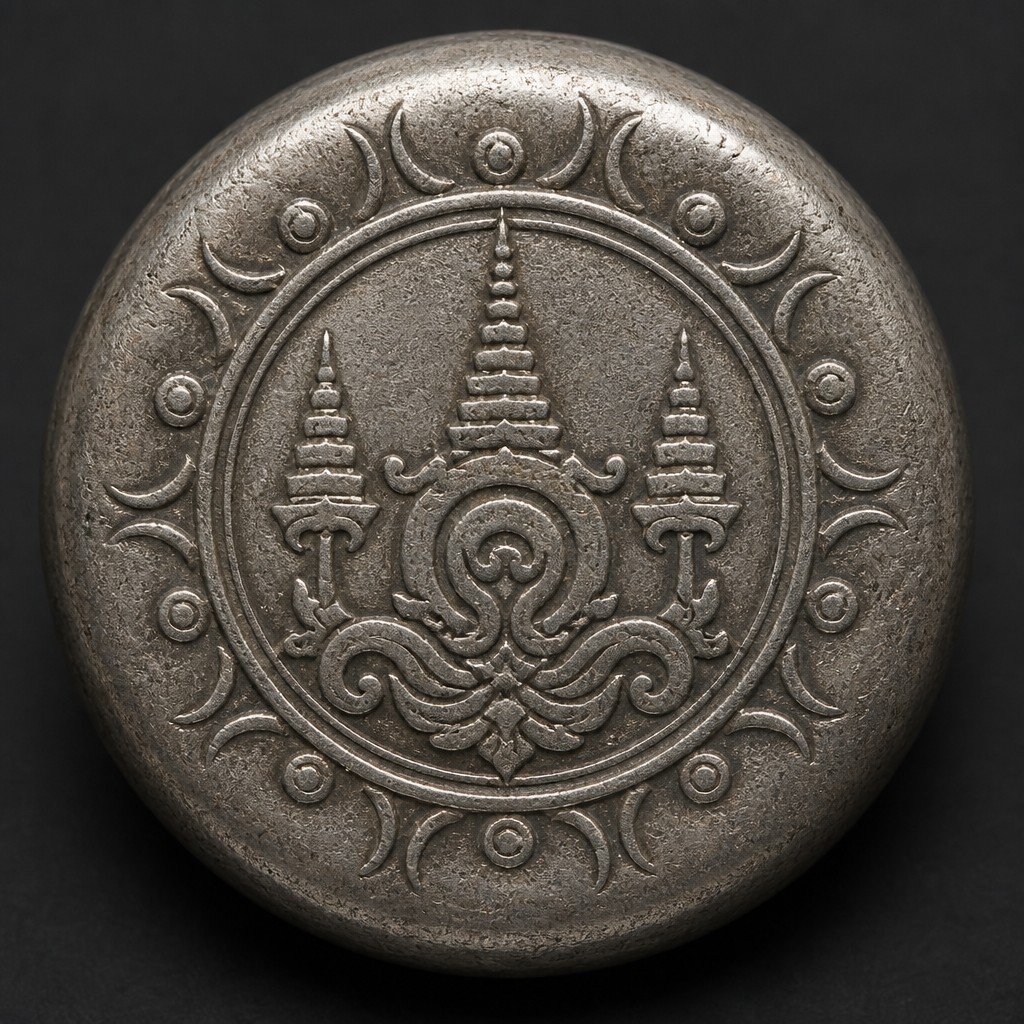
Thailand (Siam) Silver Baht 'Bullet Money' (Pod Duang)
c. 13th century – late 19th century
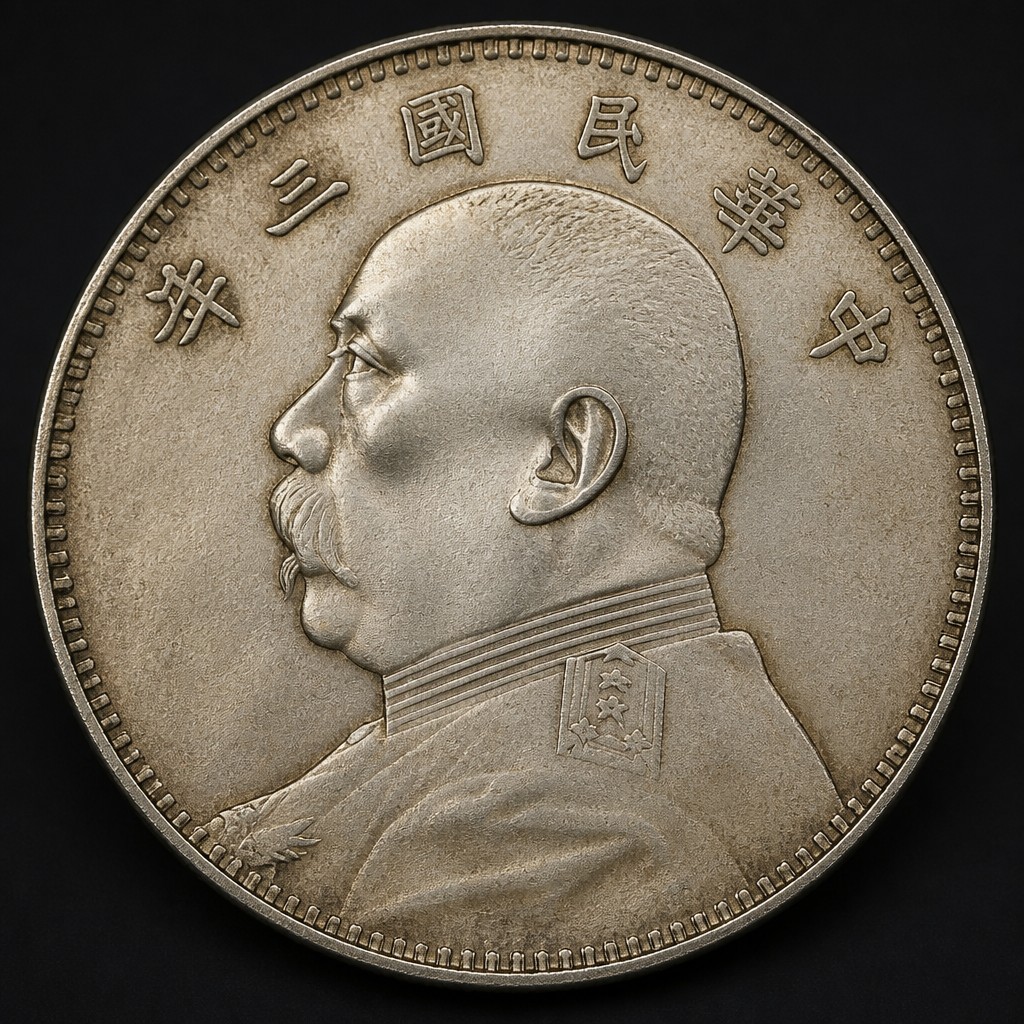
Yuan Shikai 'Fatman' Dollar (1914)
Dated 1914, struck into the early 1920s