
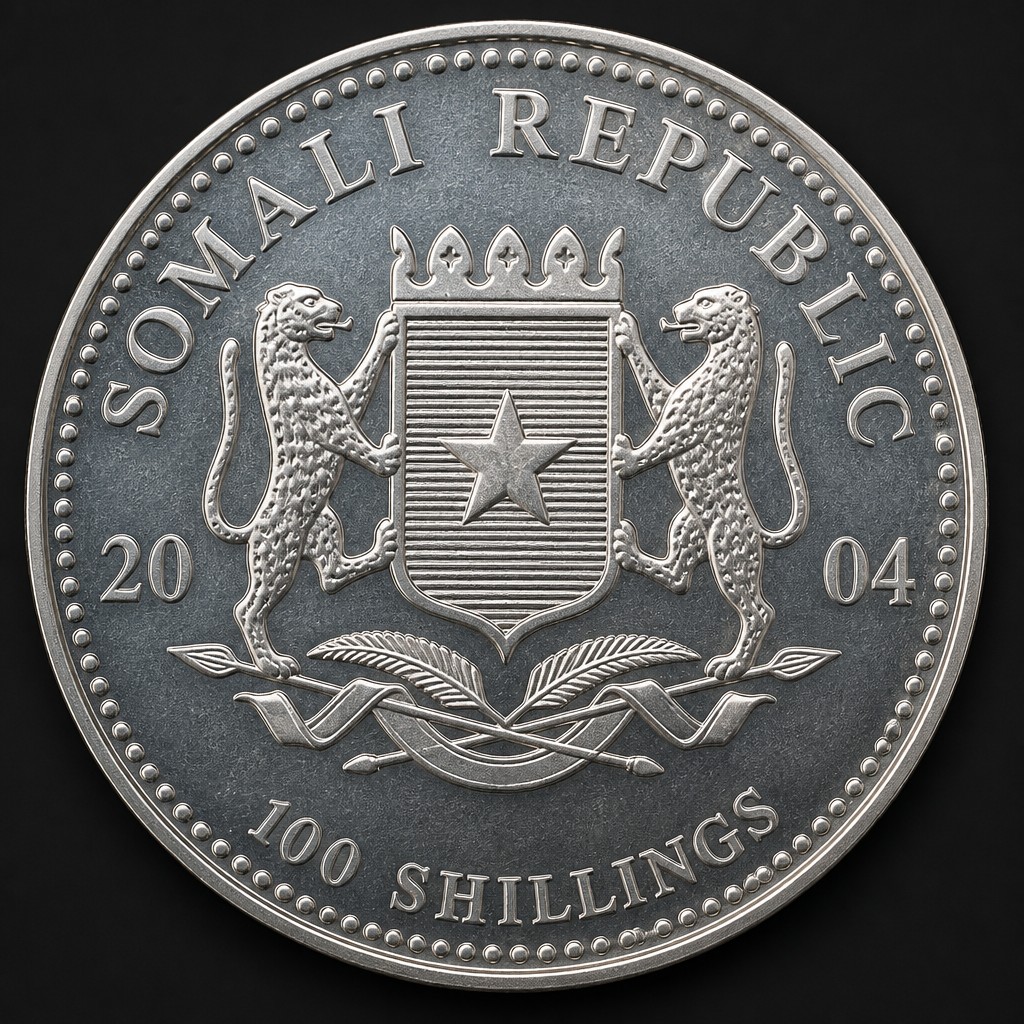
Somalia Elephant Silver Coin
A popular annually-redesigned bullion coin issued in the name of Somalia depicting an African elephant, part of a broader African Wildlife series struck by a German mint.
- Country
- Somalia
- Denomination
- 100 Shillings (1 oz silver, denomination varies by weight)
- Metal
- 99.9% fine silver (also struck in gold and other weights)
Got a coin like this?
Identify any coin from a photo, free.
Overview
The Somalia Elephant is a silver (and less commonly gold or other metal) bullion coin issued under the authority of the Somali government but physically struck by Germany's Bavarian State Mint. It forms the flagship entry in the broader "African Wildlife" coin program, which also issues similarly styled coins for other African nations depicting native animals.
Each year's elephant coin features a freshly designed depiction of an African elephant, distinguishing it from bullion series with a fixed design and encouraging collectors to pursue complete date runs. The coin is struck primarily in one troy ounce .999 fine silver for its standard bullion release, alongside gold versions and other special formats in some years.
Despite bearing Somalia's name and denomination, the coin is a contract-mint product aimed at the international bullion and collector market rather than a coin intended for domestic circulation in Somalia.
History & Background
The Somalia Elephant series began in the early 2000s as issuers and private mints increasingly explored using small or destabilized nations' coinage authority to create internationally marketed bullion products. Somalia, lacking a fully functioning centralized minting infrastructure at the time, licensed its coinage name to the Bavarian State Mint (Bayerisches Hauptmünzamt) in Germany, which designs, strikes, and distributes the coins worldwide.
The series proved popular enough that it inspired a wider "African Wildlife" or similar family of coins featuring other African nations' names and animals, all produced under comparable licensing arrangements, cementing the elephant coin's role as a trendsetter in the modern bullion market.
Because production and design are effectively controlled by the contracted mint rather than a domestic Somali mint, the coin's history is really that of a globally distributed silver bullion product using the country's sovereign coinage rights, a business model that became increasingly common in the bullion industry during the 2000s and 2010s.
How to Identify
The obverse typically bears the Somali coat of arms or national emblem along with the country name "SOMALIA," the year of issue, and the face value denomination, sometimes accompanied by additional inscriptions identifying the fineness and weight.
The reverse features the annually changing elephant artwork, usually a full-body depiction of an African elephant in a natural setting, though some years incorporate closer portrait-style views or elephants with calves. The design is refreshed yearly, so identifying the specific issue requires checking the exact artwork and date rather than relying on a single fixed image.
Standard silver releases measure about 38.61mm in diameter for the 1 oz size and are struck in .999 fine silver, with weight and purity typically marked on the coin. Look for small mint or privy marks that may appear in certain years, and compare font style and elephant pose carefully since the series' popularity has led to close visual similarities across different animal-themed contract coins from the same producer.
Value & Collectibility
As a mainstream bullion product, the Somalia Elephant's value tracks the spot price of silver closely, typically selling at a modest premium reflecting minting and distribution costs. Certain early years with lower mintages, first-year issues, or special finishes (such as antiqued, gilded, or high-relief versions) can command stronger collector premiums above standard bullion pricing.
Because the design changes annually, some collectors pursue complete year sets, which can increase demand for particular scarce dates. Standard 1 oz silver examples in typical bullion condition generally trade close to melt value plus a small premium, while special editions or low-mintage variants can be worth meaningfully more.
Condition matters most for special proof or antique-finish releases, where scratches or handling marks reduce desirability; standard bullion-strike coins are valued primarily by weight and current silver price rather than grade.
Frequently asked questions
Is this coin actually minted in Somalia?
No, it is struck by Germany's Bavarian State Mint under license from the Somali government, a common arrangement for internationally marketed bullion coins.
Why does the elephant design change every year?
The annual redesign is a deliberate marketing strategy to encourage collectors to buy each year's coin and build a complete series.
What is the silver purity of the coin?
Standard releases are struck in .999 fine silver, typically in a 1 troy ounce weight.
Is the Somalia Elephant coin legal tender?
It carries a nominal face value under Somali coinage authority, but like most modern bullion coins it trades based on metal content rather than face value.
Are there gold versions of this coin?
Yes, gold and other special-metal versions have been issued in some years alongside the primary silver release.
Other coins you may enjoy
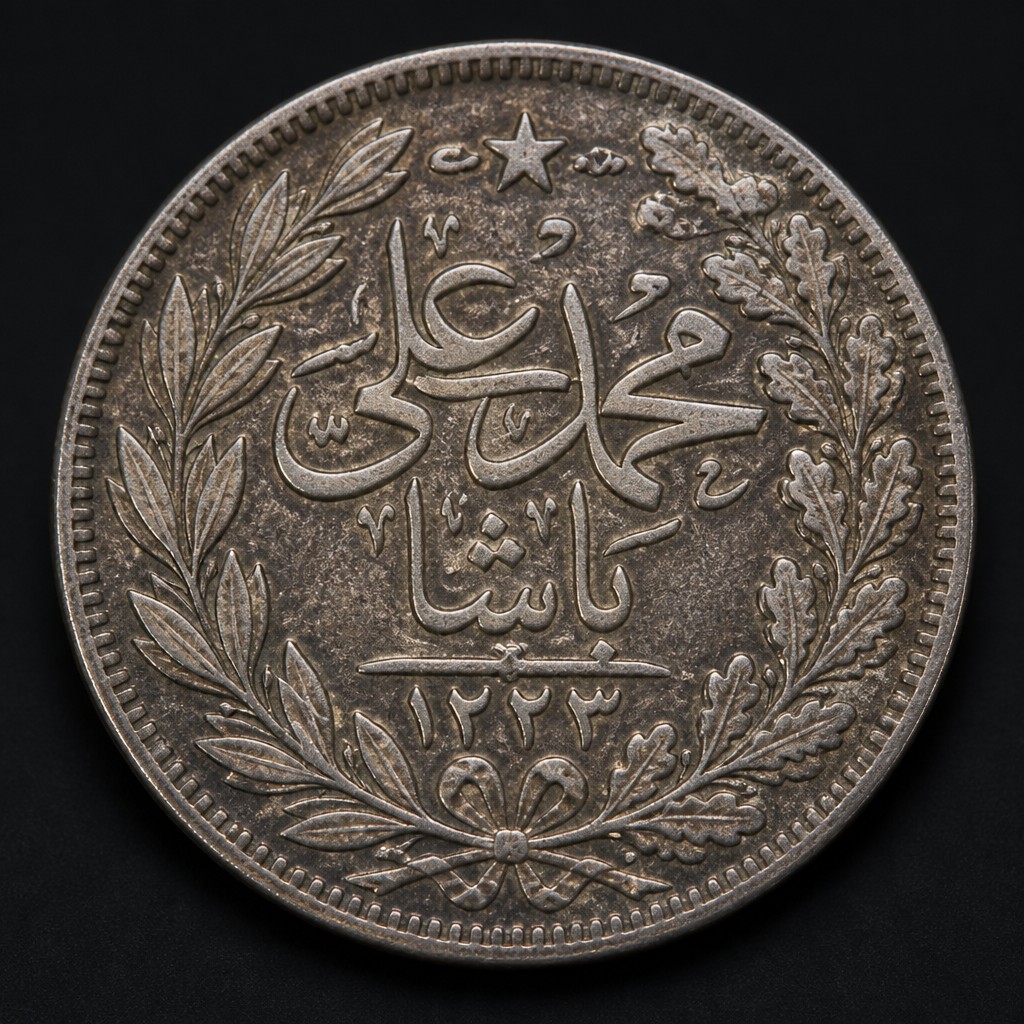
Egyptian Qirsh (Muhammad Ali Era)
Early-to-mid 19th century (c. 1805–1848)
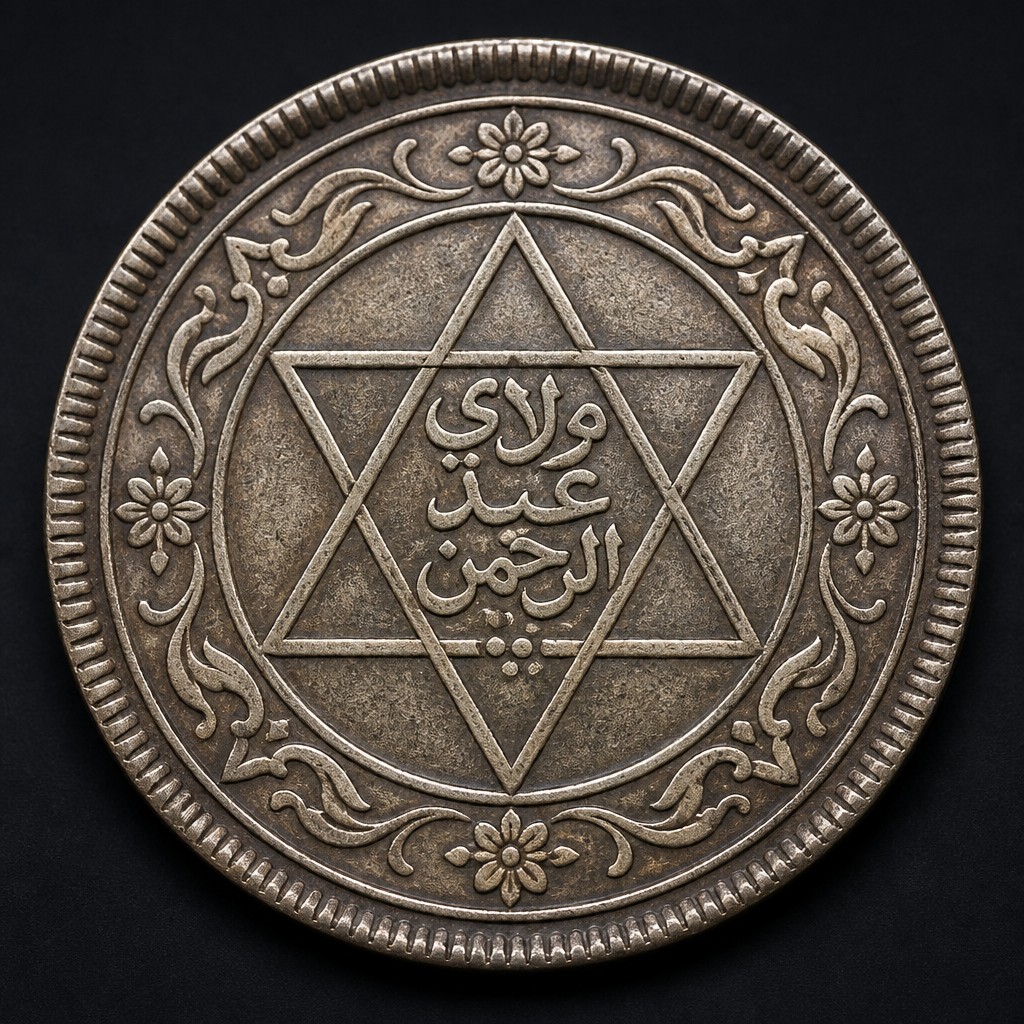
Moroccan Rial (Alawi Dynasty Coinage)
18th–19th century (pre-protectorate era)
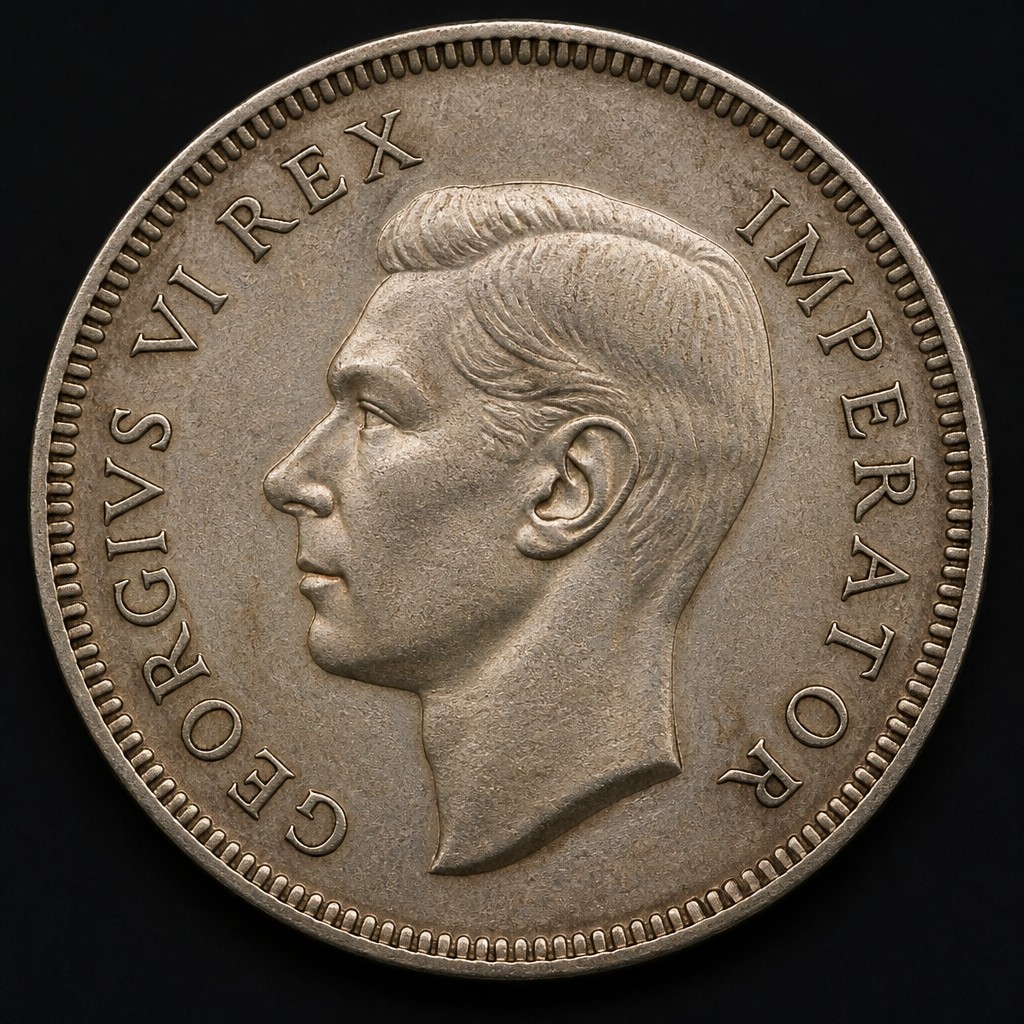
South African Sixpence (Union)
1923-1960
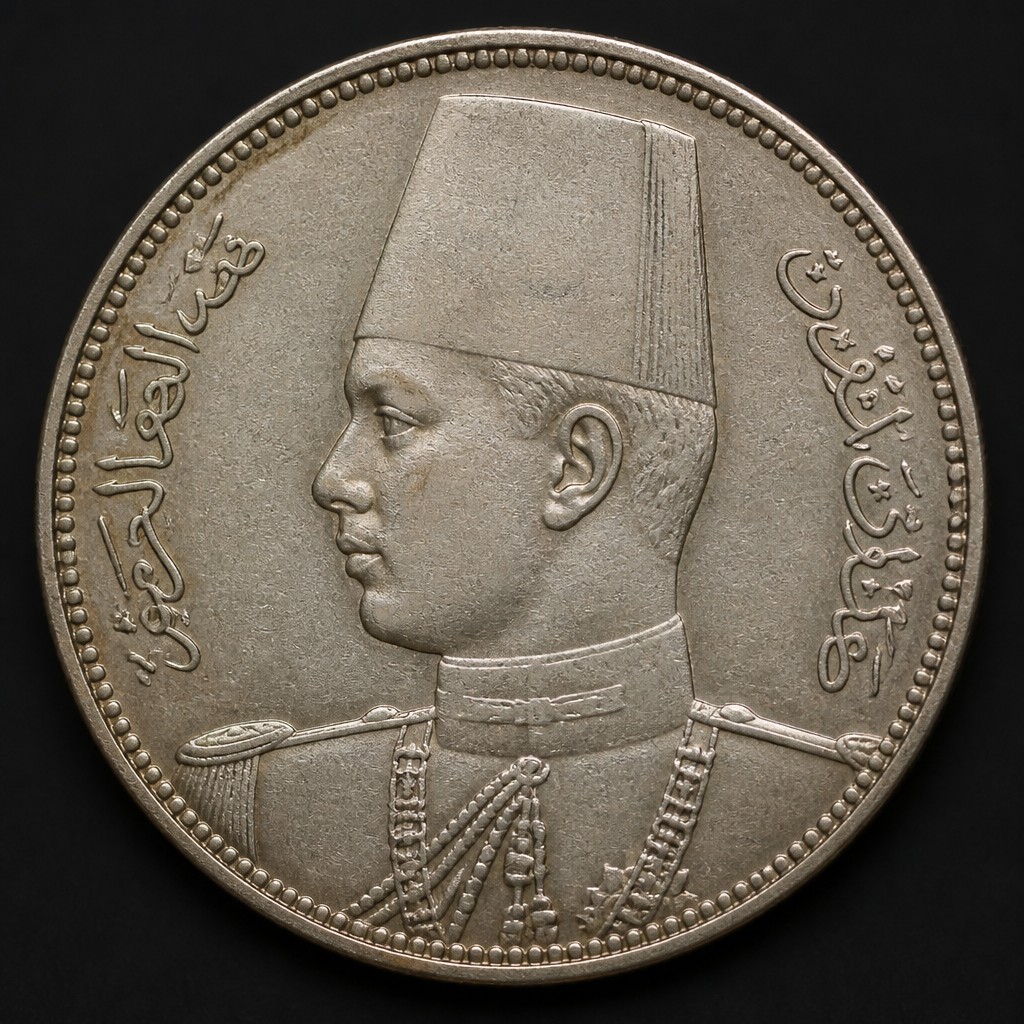
Egyptian Farouk 5 Piastres
1937-1952
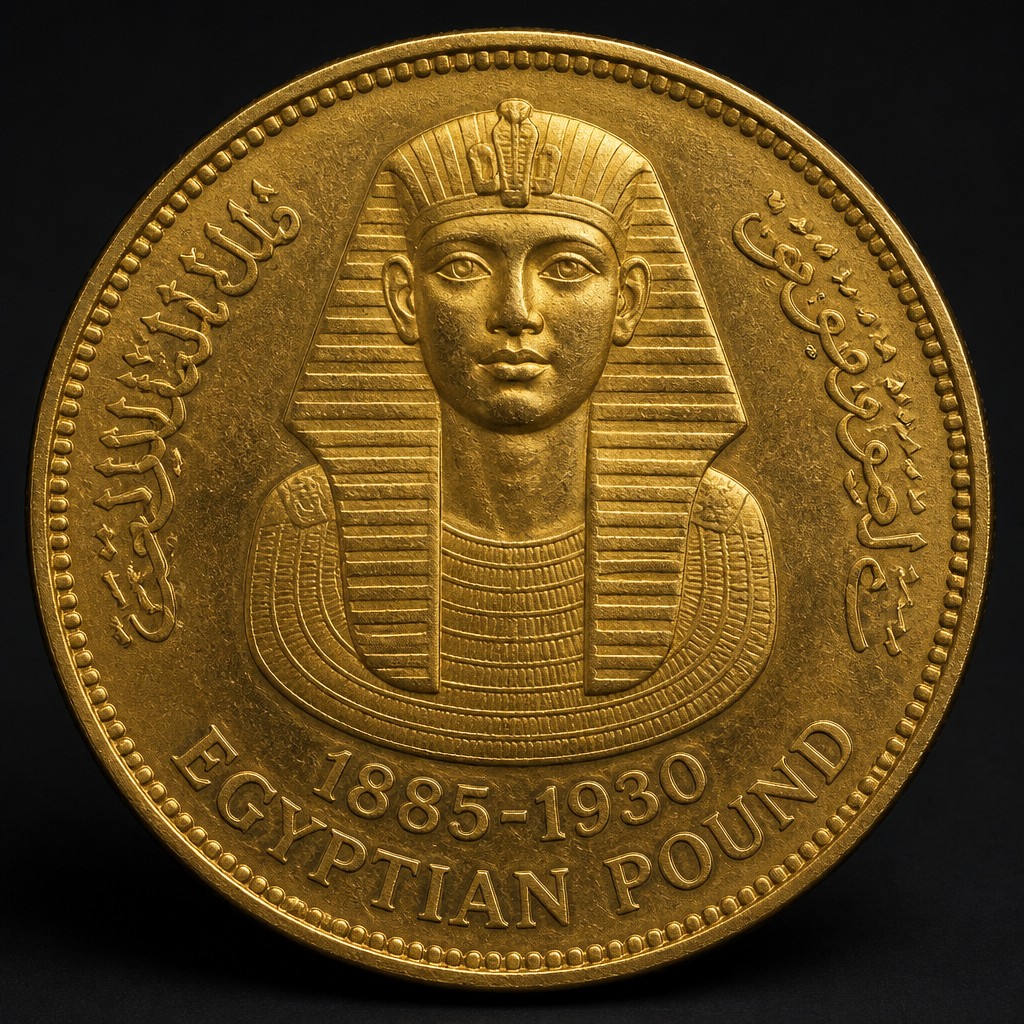
Egyptian Pound (gold)
1885–1930
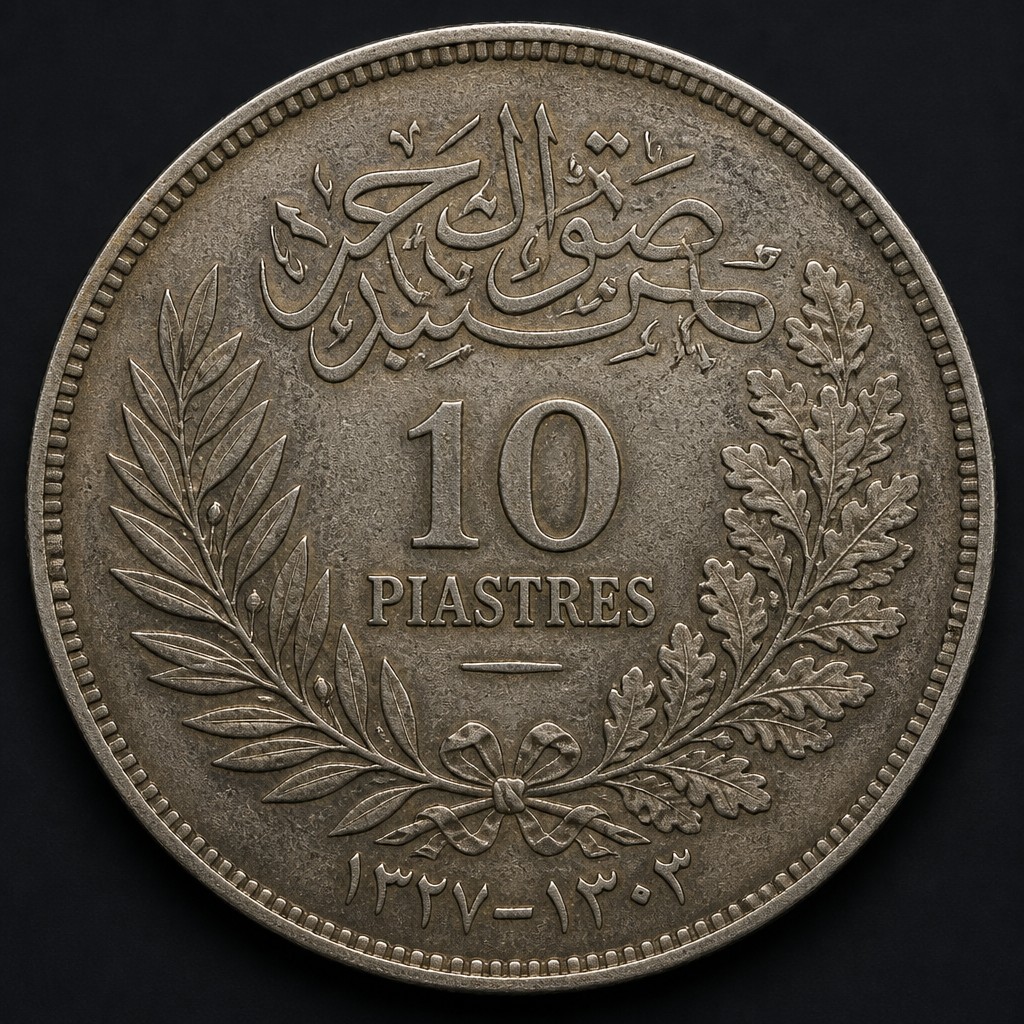
Egyptian 10 Piastres (silver)
1885–1939
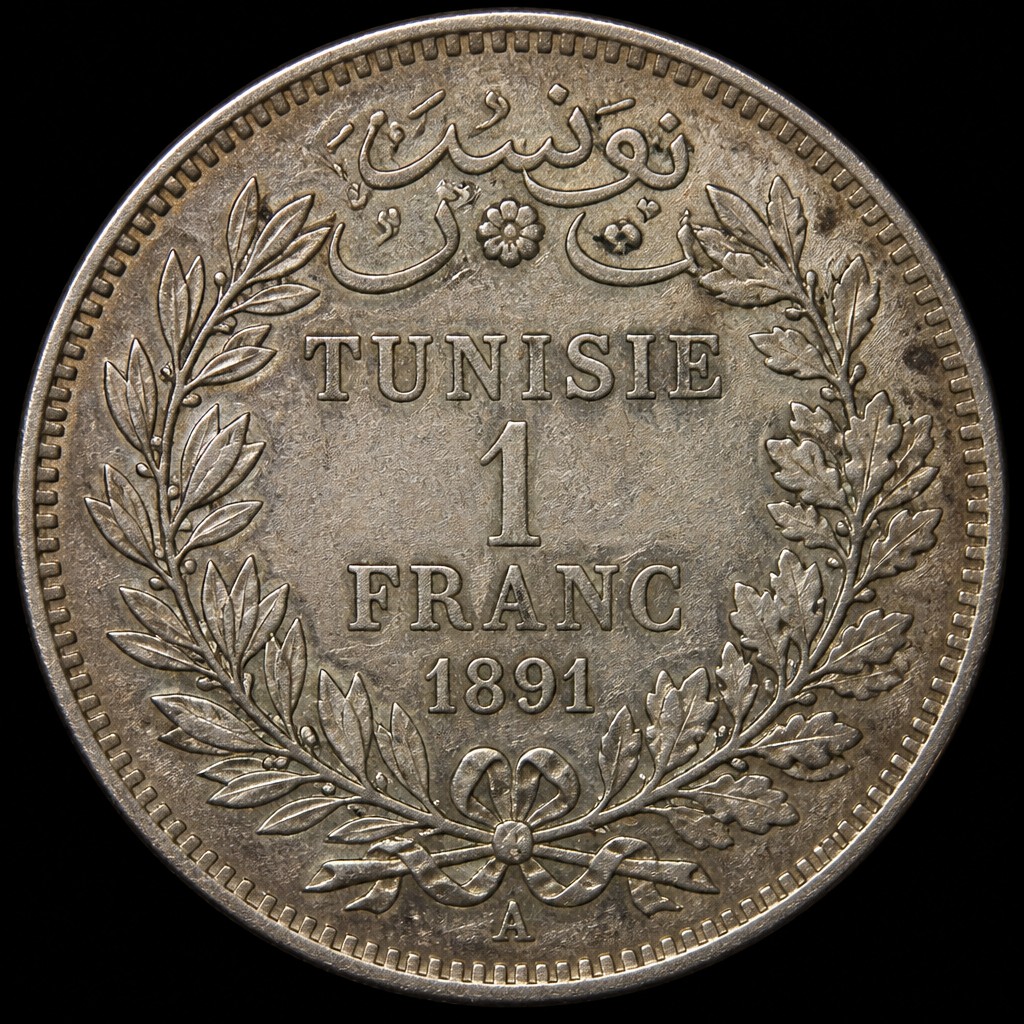
Tunisian Franc (Beylik Era)
Late 19th–early 20th century (c. 1891–1957 transition)
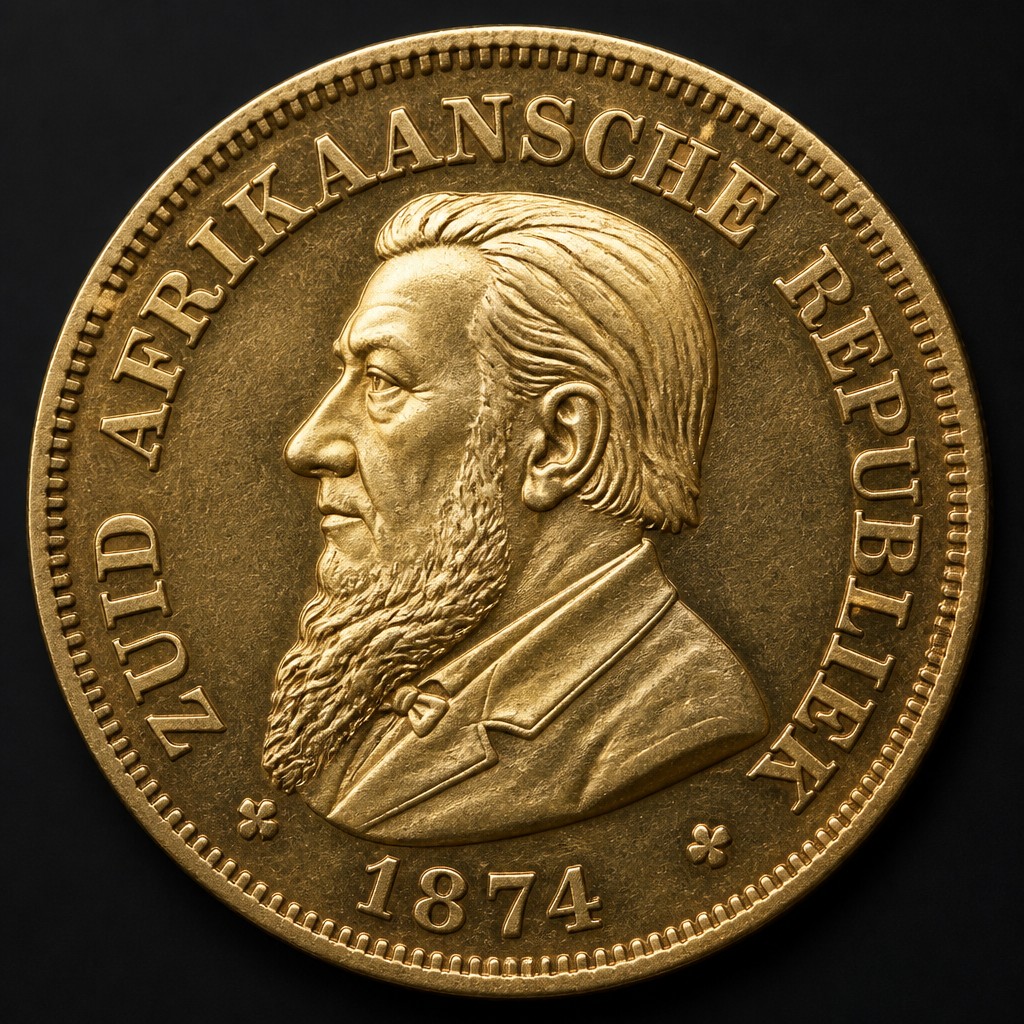
South African Republic Burgers Pond
1874
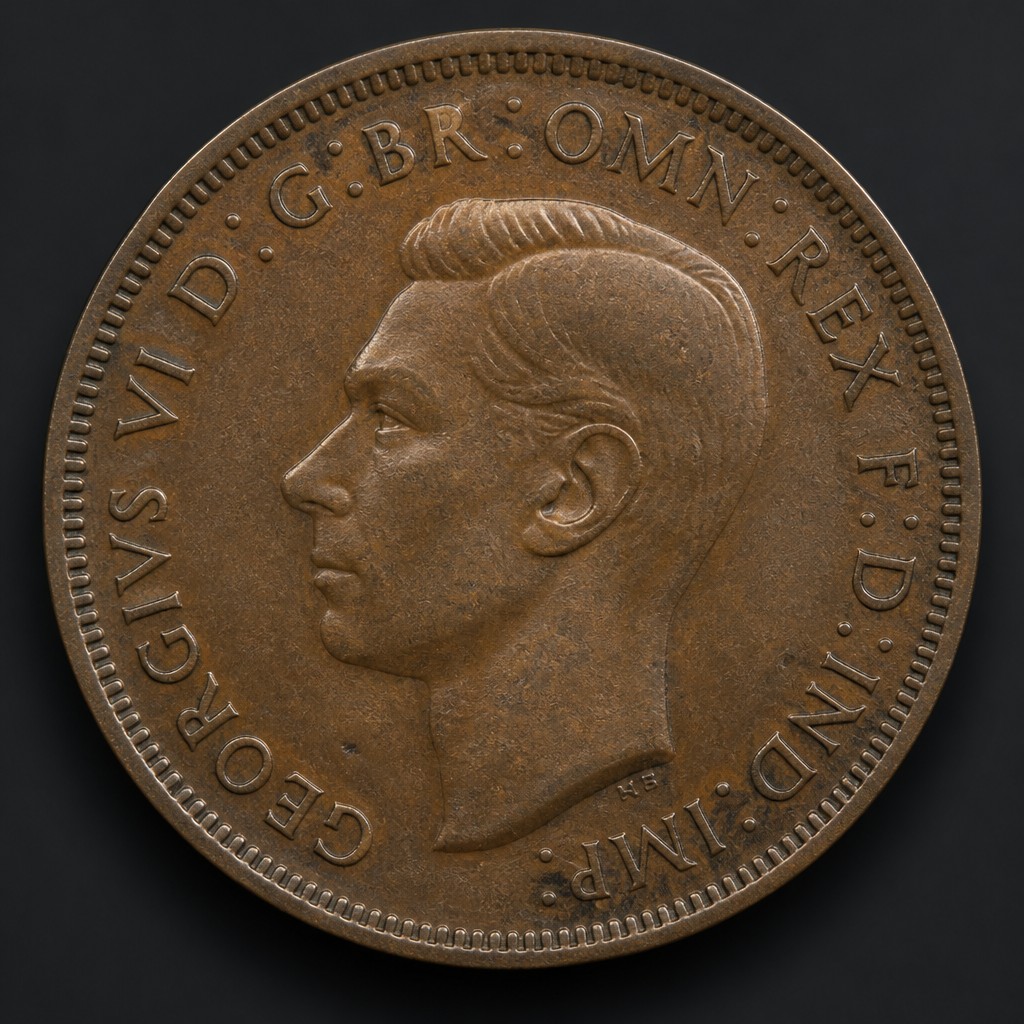
New Zealand Penny (KGVI)
1937-1952
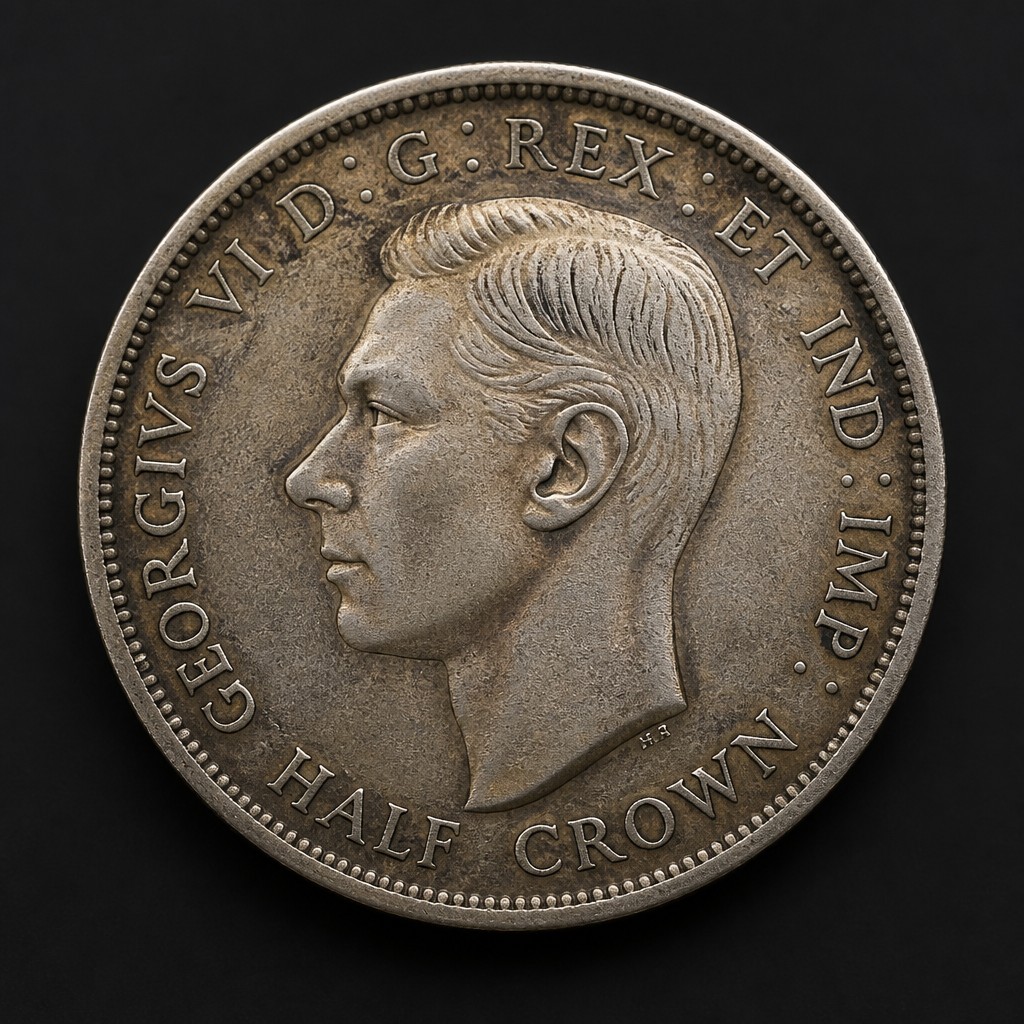
New Zealand Half Crown (pre-decimal)
1933-1965
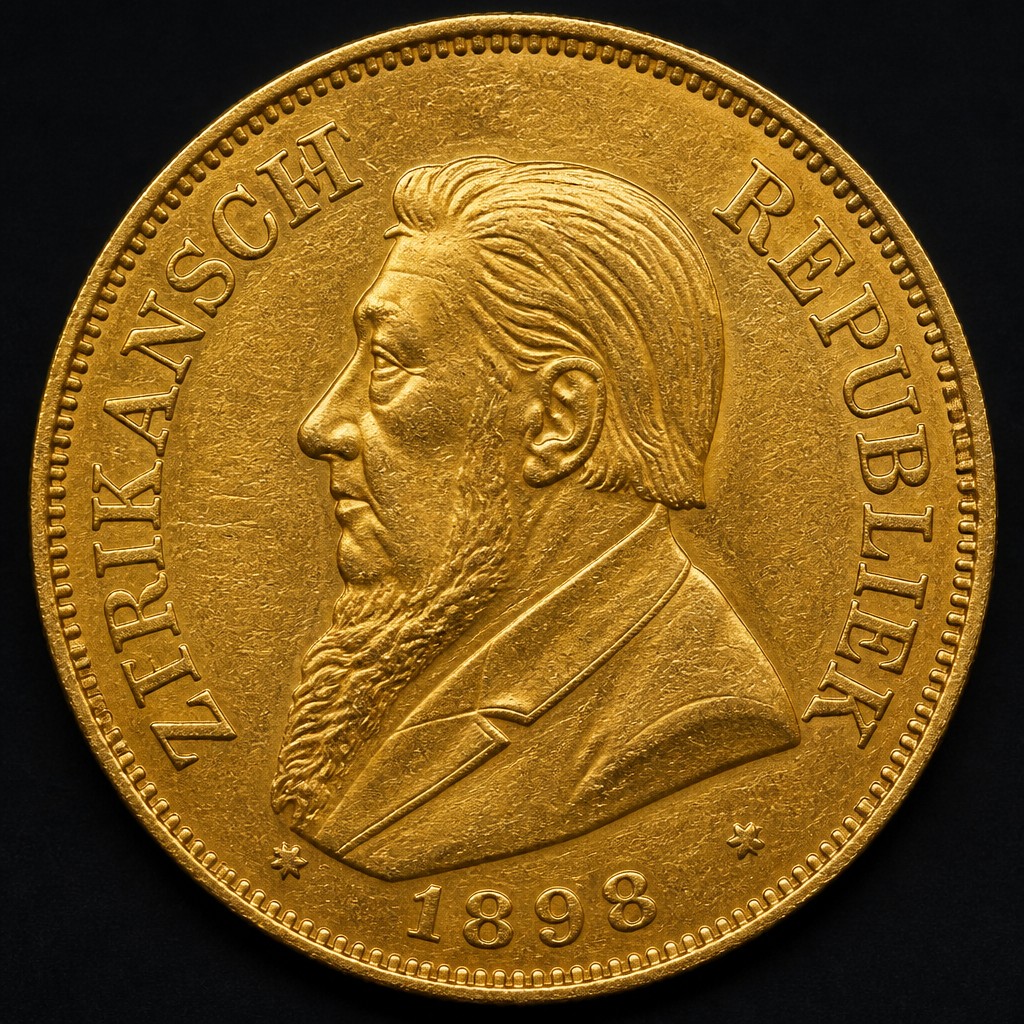
South African ZAR Kruger Pond
1892-1900
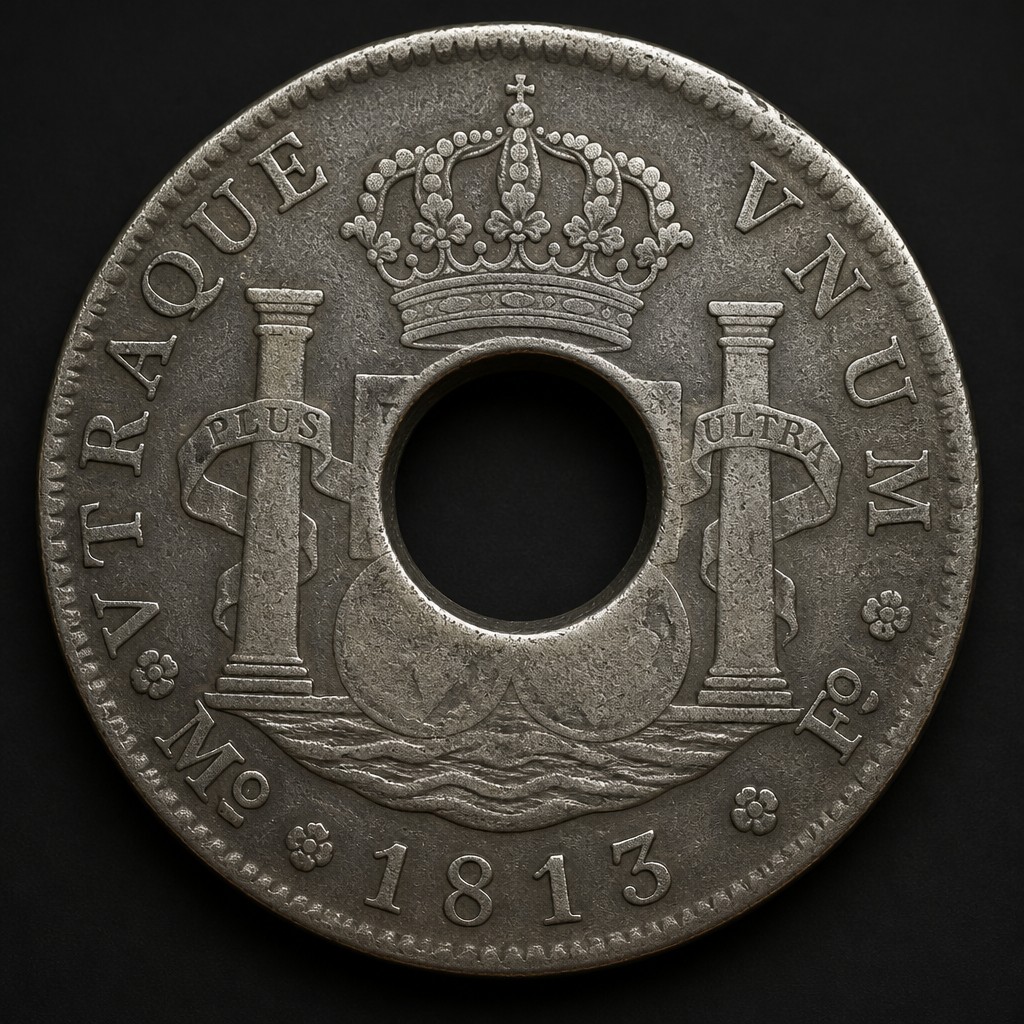
Australian Holey Dollar and Dump
1813