
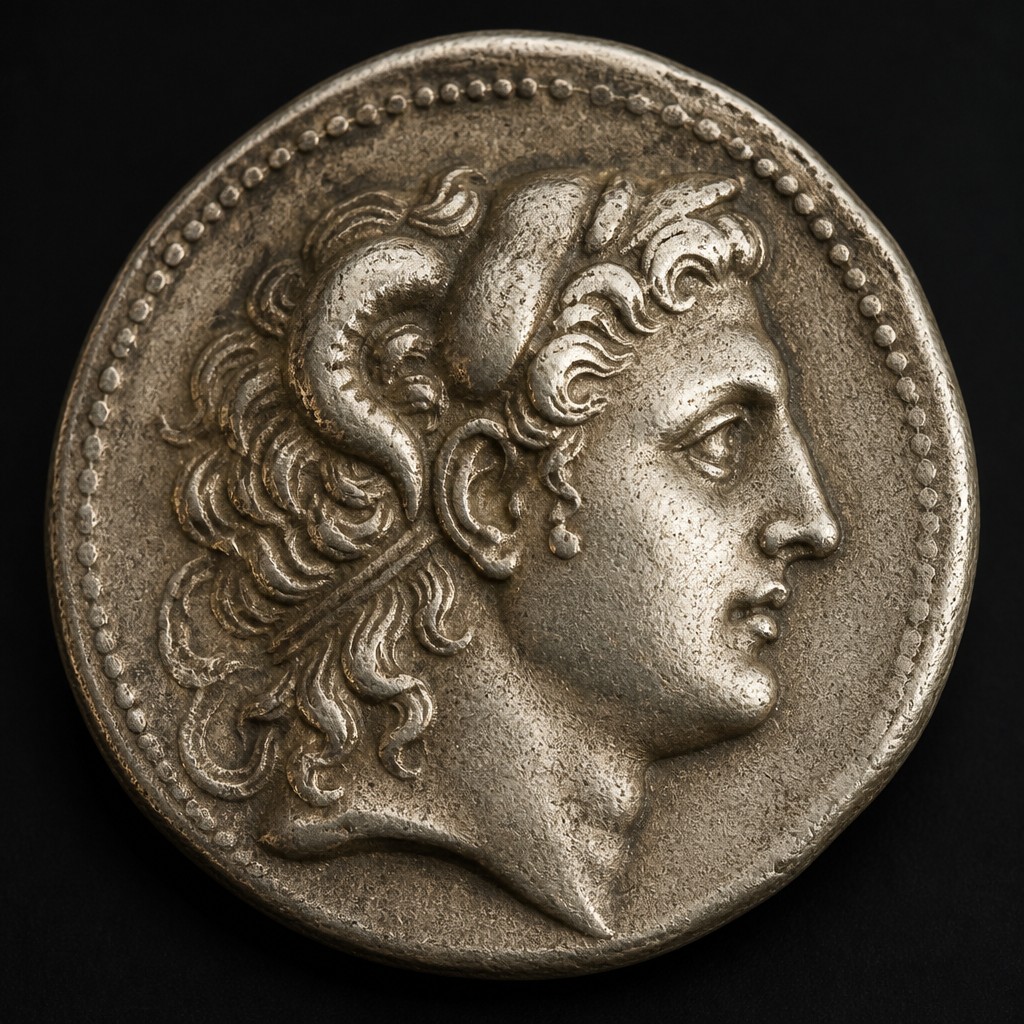
Seleukos I Nikator Tetradrachm
Silver tetradrachm of Seleukos I Nikator, founder of the Seleucid Empire, often showing elephant and Nike-and-trophy imagery celebrating his eastern campaigns.
- Country
- Ancient Greece (Seleucid Empire)
- Denomination
- Tetradrachm
- Metal
- Silver
Got a coin like this?
Identify any coin from a photo, free.
Overview
The Seleukos I Nikator tetradrachm is a large silver coin struck in the name of Seleukos I (c. 358–281 BC), the general of Alexander the Great who carved out the vast Seleucid Empire stretching from Asia Minor to India. As one of the most historically important of the Hellenistic "Successor" (Diadochi) coinages, it is prized by collectors for its direct link to the political fragmentation of Alexander's empire.
Seleukos issued several distinct types over his long reign, some continuing the popular Alexander the Great designs and others introducing his own portrait and personal symbols, especially elephants and horned helmets that referenced his campaigns in India and his famous elephant corps.
History & Background
After Alexander the Great's death in 323 BC, his empire was divided among his generals in the wars of the Diadochi. Seleukos I Nikator ('the Victor') eventually secured the eastern satrapies, founding the Seleucid Empire and a dynasty that would rule parts of the Near East for over two centuries. His coinage financed his armies and administration, and much of it was struck at newly founded or expanded mints such as Seleucia on the Tigris.
Seleukos's early coins continued the Alexander-type tetradrachm (Herakles/Zeus) used broadly by the Successors, but later issues introduced new imagery tied to his own achievements, including a famous type showing Nike crowning a trophy flanked by an elephant, and portraits with bull's horns symbolizing his taming of a wild elephant or horse. These innovations mark the beginning of the shift from generic Alexander-type coinage to individualized royal portraiture that would define Hellenistic numismatics.
How to Identify
Obverse types vary: some show the youthful head of Herakles wearing a lion-skin headdress in the Alexander tradition, while other issues depict Seleukos himself, sometimes helmeted with a bull's horn and ear, alluding to his exploits with elephants and horses. Reverse designs likewise vary between a seated Zeus holding an eagle and scepter (the classic Alexander reverse) and more personal types such as Nike crowning a trophy of arms with an elephant standing beside it, or Athena riding in a chariot drawn by elephants.
The Greek legend typically reads BASILEOS SELEUKOU ("of King Seleukos") once his own name appears on the coin, replacing the earlier Alexander legend. The tetradrachm is a large silver piece, generally around 16–17 grams and 26–30mm, with mint marks and monograms in the field identifying the specific eastern mint.
Distinguishing a Seleukos I issue from a generic Alexander-type tetradrachm of another Successor requires attention to the control marks, style, and, on the later personal types, the distinctive elephant and horned-portrait imagery unique to his reign.
Value & Collectibility
Values vary enormously by type and condition. Common Alexander-type tetradrachms struck in Seleukos's name are generally the most affordable, often available for a few hundred dollars in worn to average grades, while the rarer personal types with elephants, horned portraits, or the Nike-and-trophy design command significantly higher premiums, sometimes into the low thousands of dollars for well-struck, well-centered examples.
As with most ancient coins, strike quality, centering, surface preservation, and toning matter more than a numeric grade, and coins with clear, well-detailed portraits are especially sought after. Because these coins were struck at many mints over a long reign, mint attribution and rarity of the specific control marks can also influence price.
Frequently asked questions
Who was Seleukos I Nikator?
He was a general of Alexander the Great who, after Alexander's death, founded the Seleucid Empire, one of the largest Hellenistic kingdoms, ruling much of the former Persian territories.
Why do some Seleukos I coins look like Alexander the Great coins?
Early in his reign Seleukos continued striking the widely trusted Alexander-type tetradrachm (Herakles obverse, seated Zeus reverse) before introducing his own personalized designs.
What does the elephant symbolize on these coins?
The elephant references Seleukos's campaigns in India, where he received a large corps of war elephants, which became a hallmark of Seleucid military power and propaganda.
Are Seleukos I tetradrachms rare?
Some types, especially the standard Alexander-type issues, are relatively available to collectors, while personalized portrait and elephant types are scarcer and more valuable.
Other coins you may enjoy
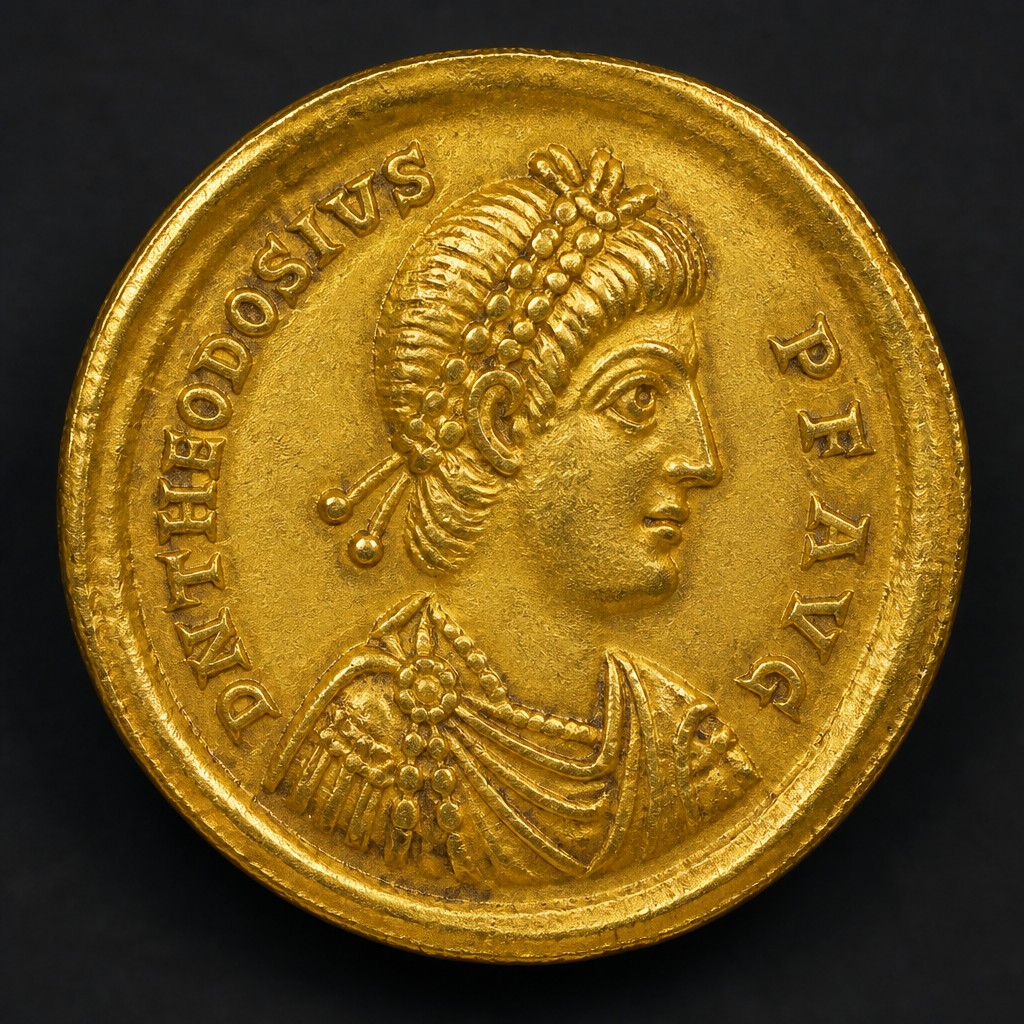
Theodosius I Solidus
379–395 AD
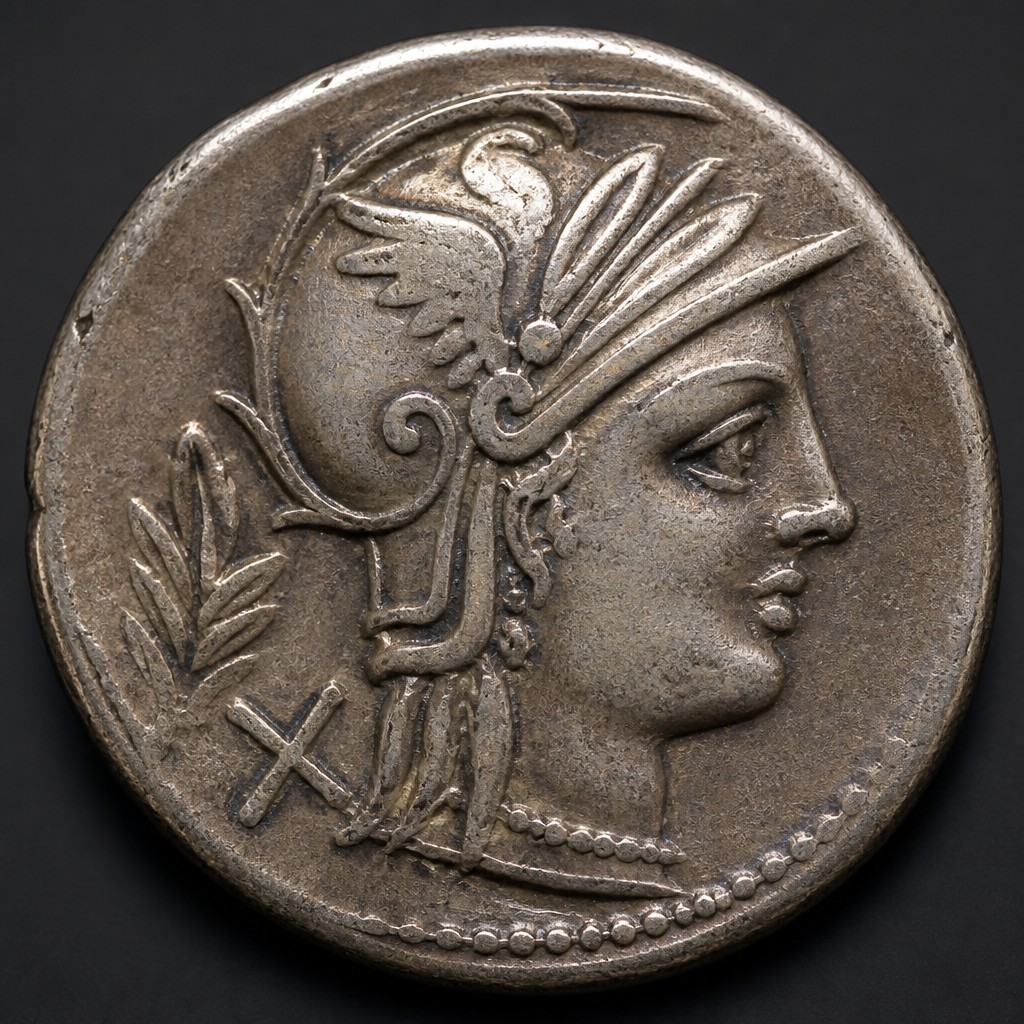
Republican Victoriatus
c. 211–170 BC
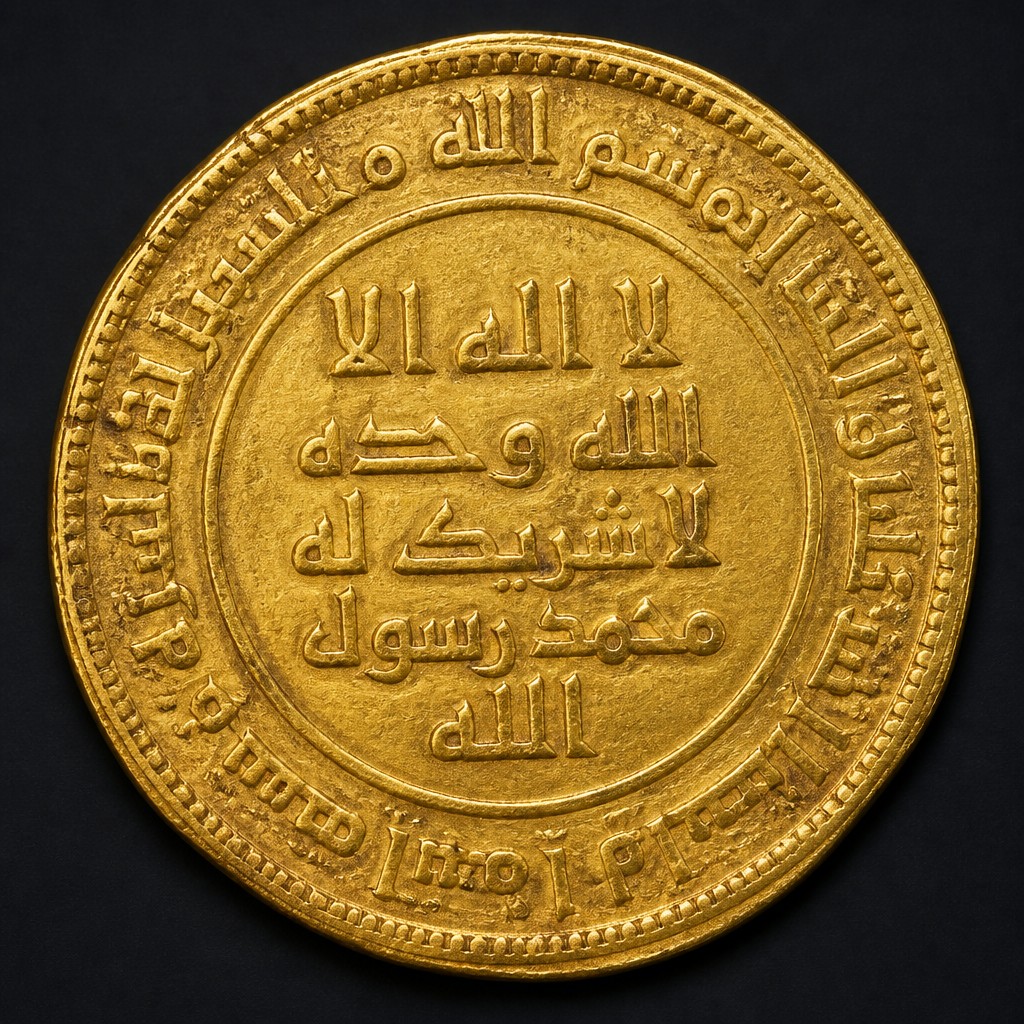
Islamic Gold Dinar (Umayyad)
c. 696–750 AD
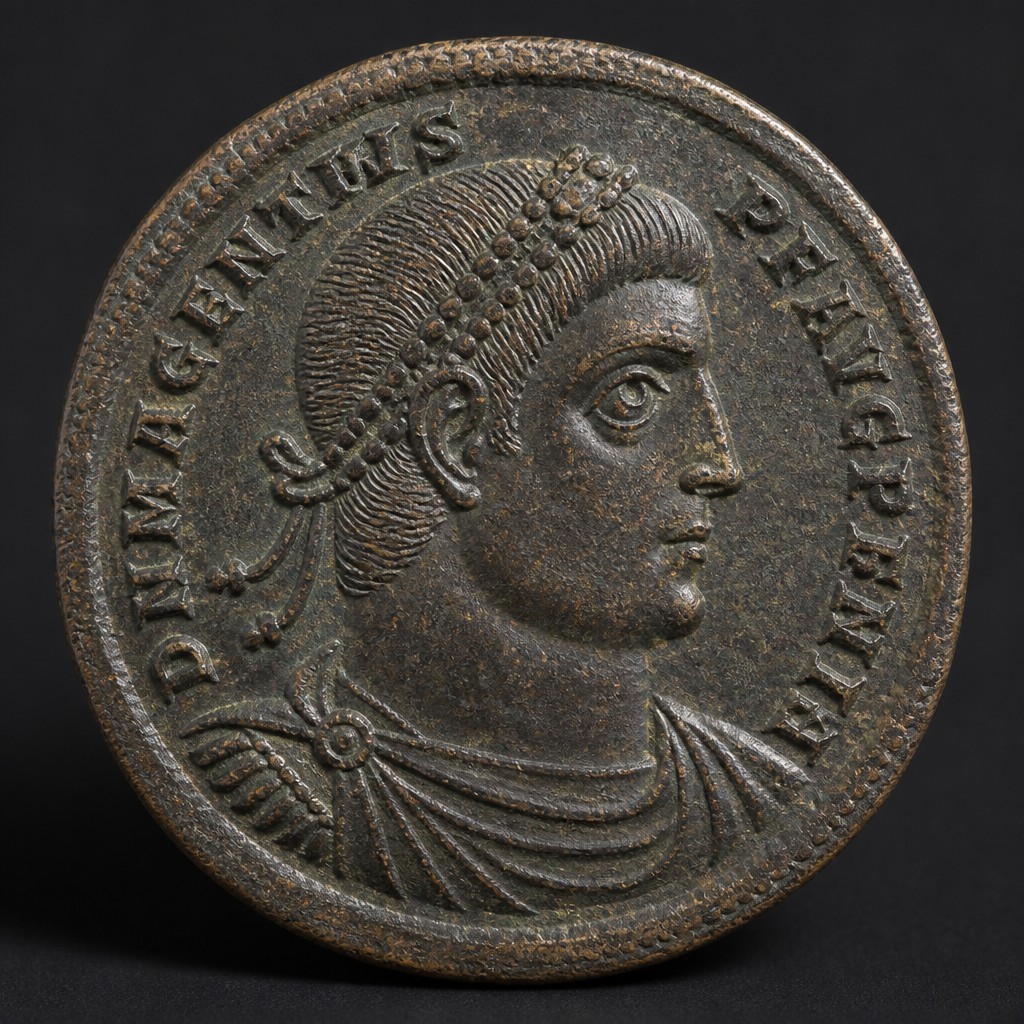
Magnentius Double Centenionalis
350–353 AD
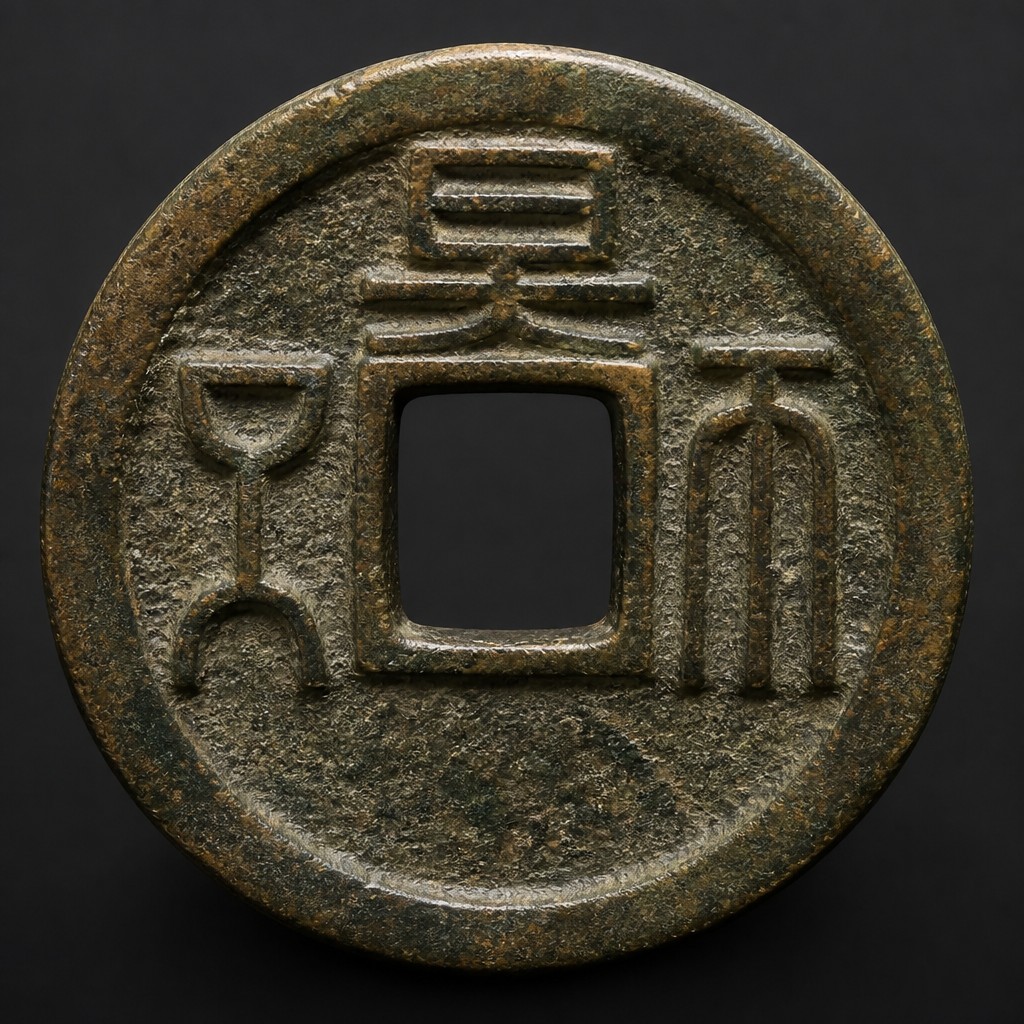
Chinese Wu Zhu Cash
118 BC – 618 AD
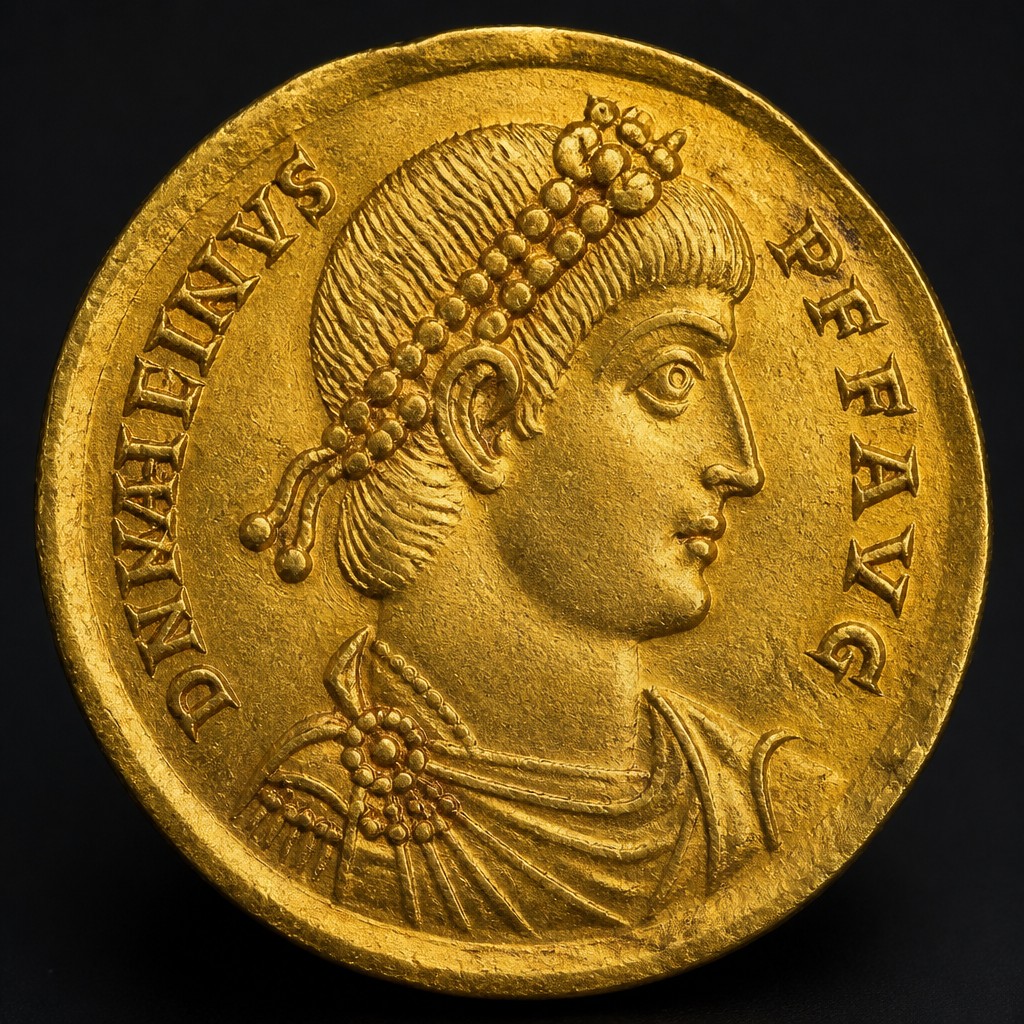
Valentinian I Solidus
364–375 AD
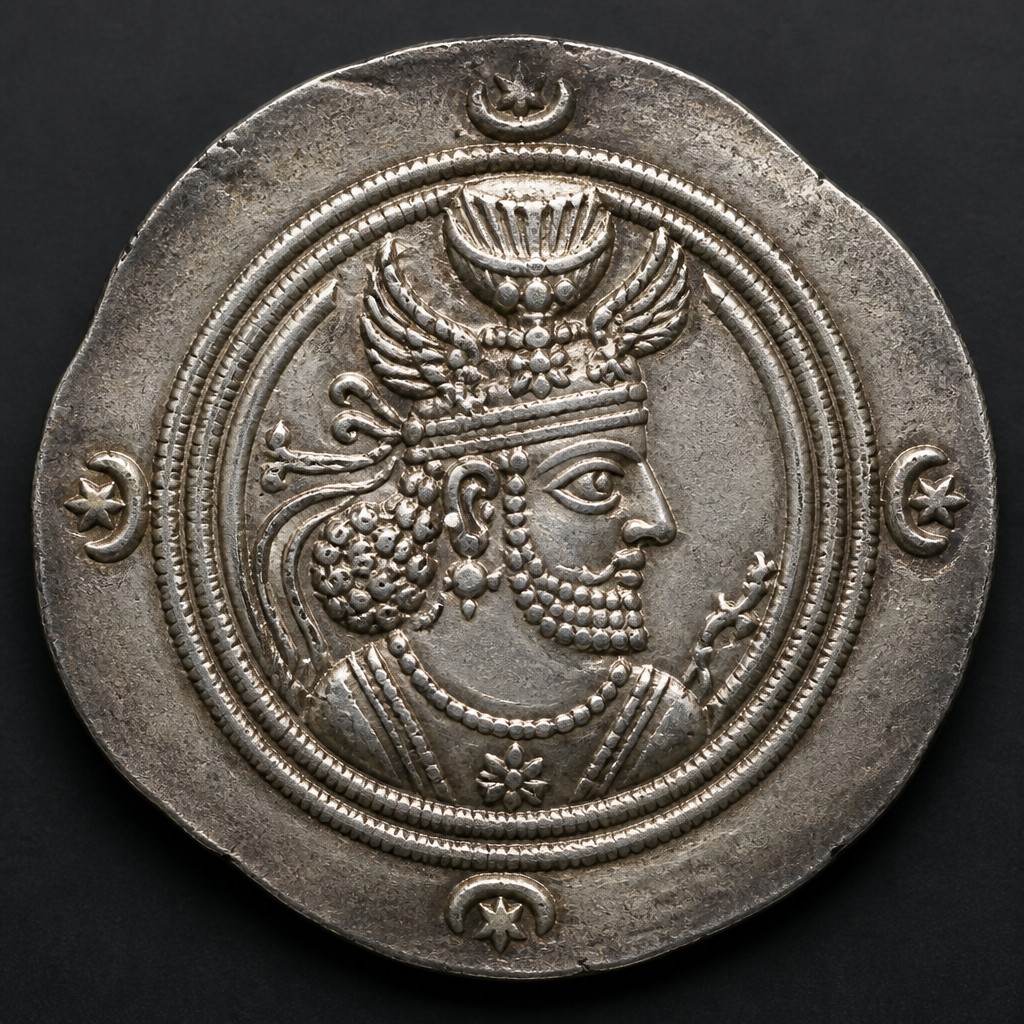
Sassanian Silver Drachm
c. 224–651 AD
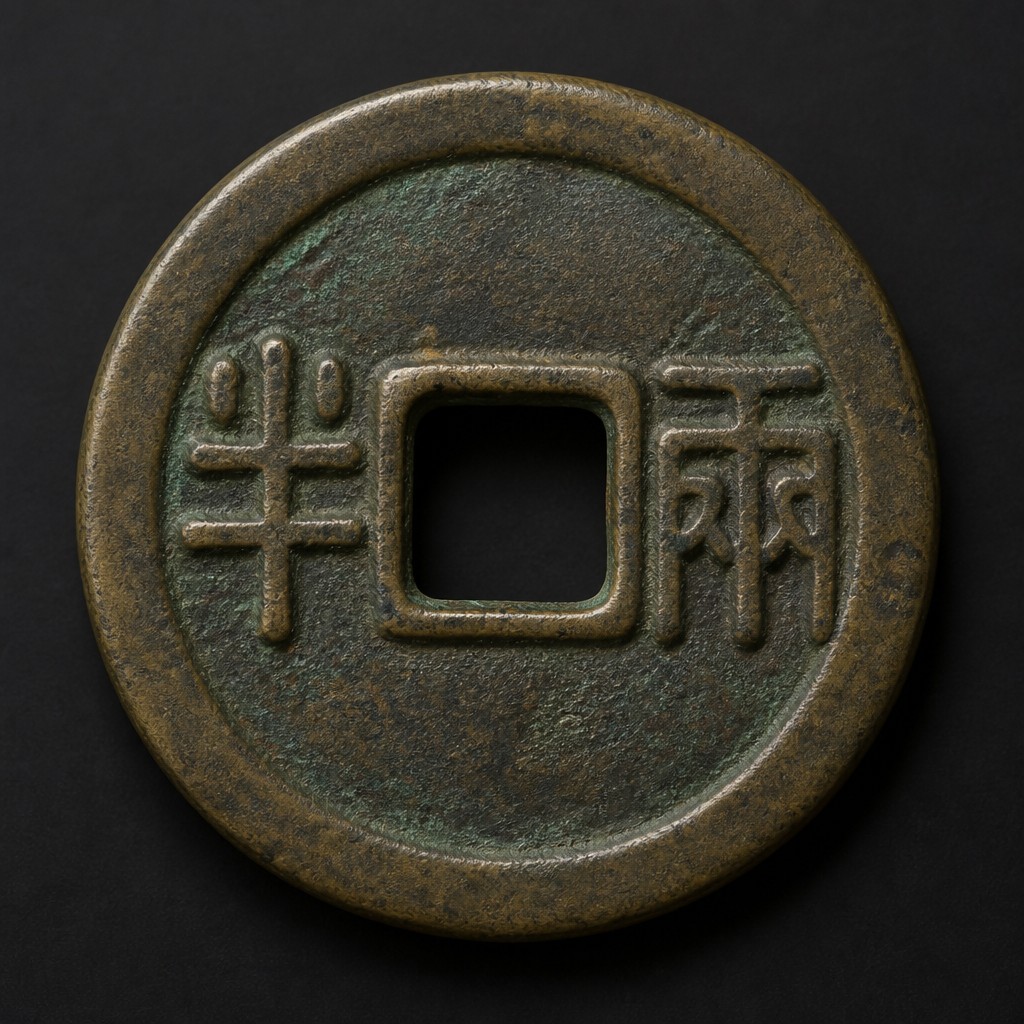
Chinese Ban Liang Cash
c. 221–118 BC
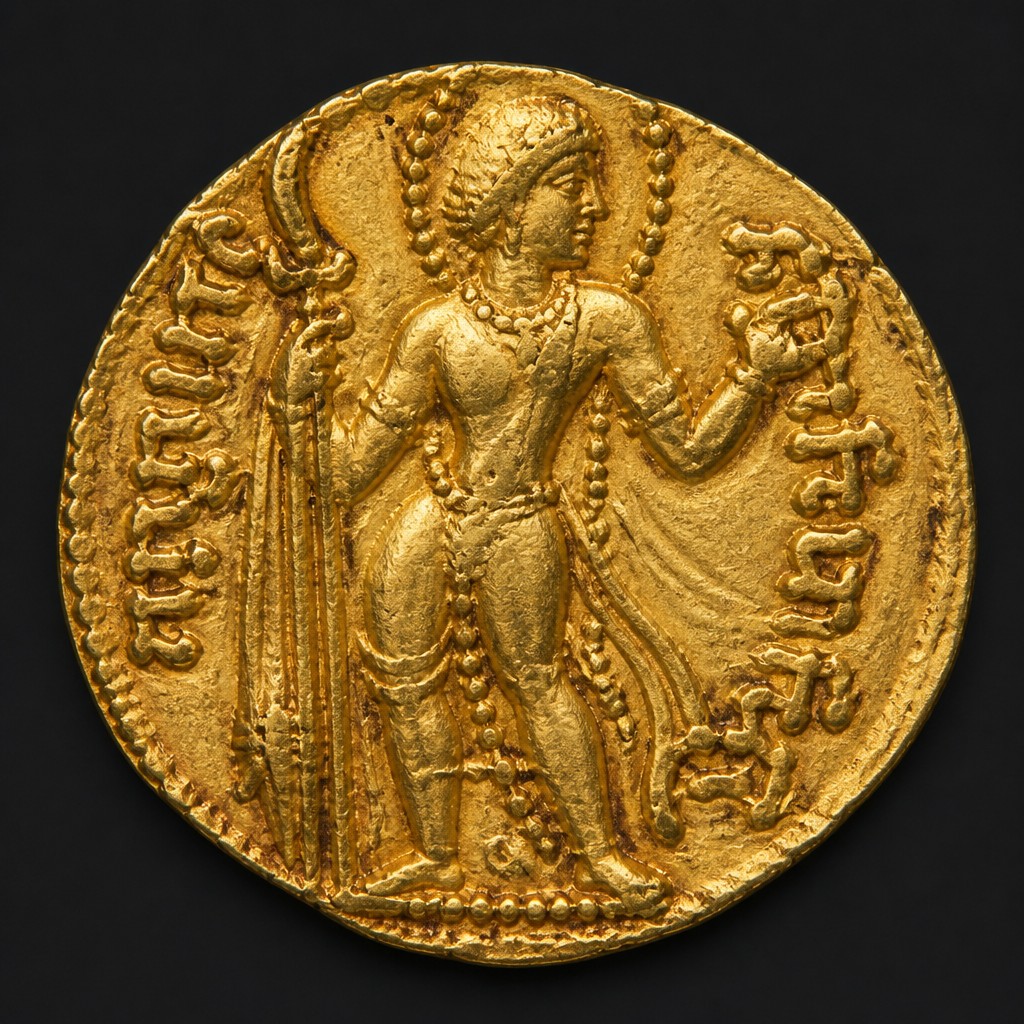
Gupta Empire Gold Dinar
c. 320–550 AD
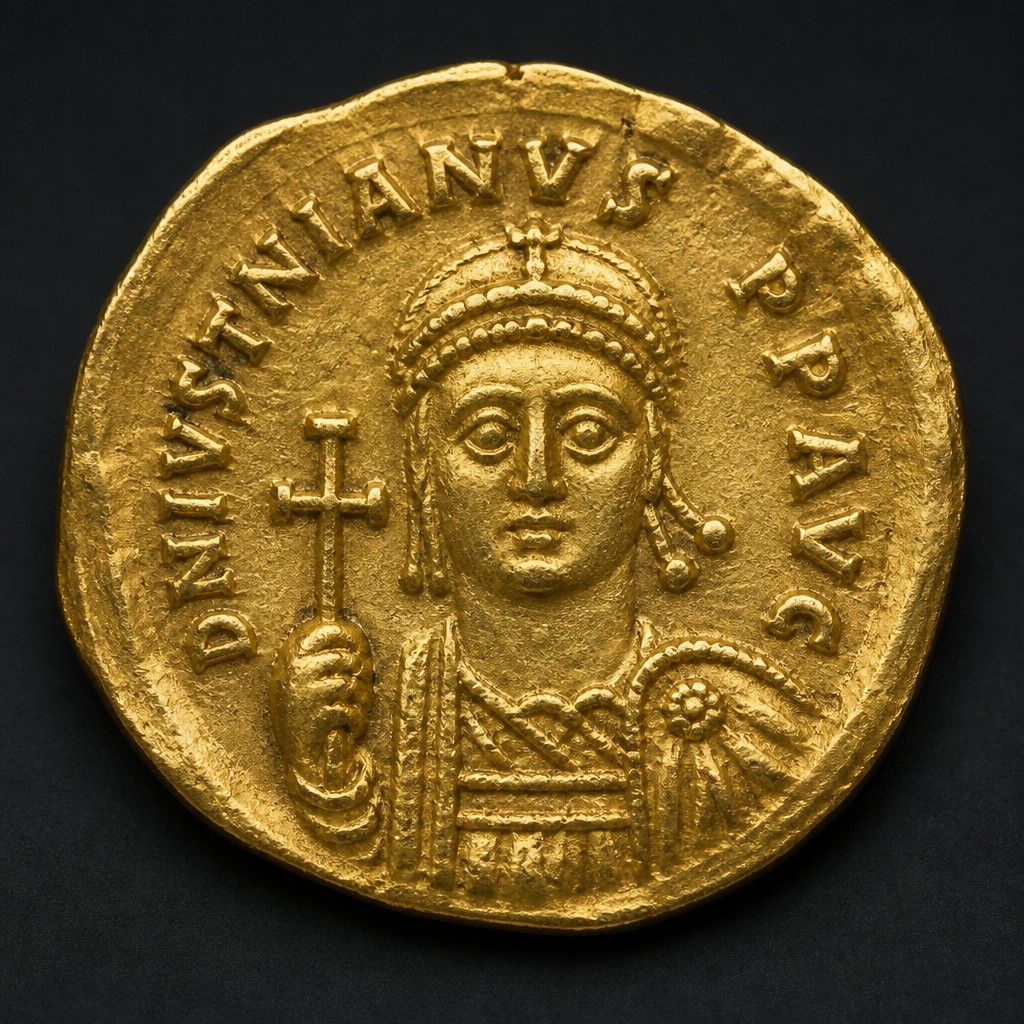
Byzantine Gold Tremissis
c. 4th–7th century AD
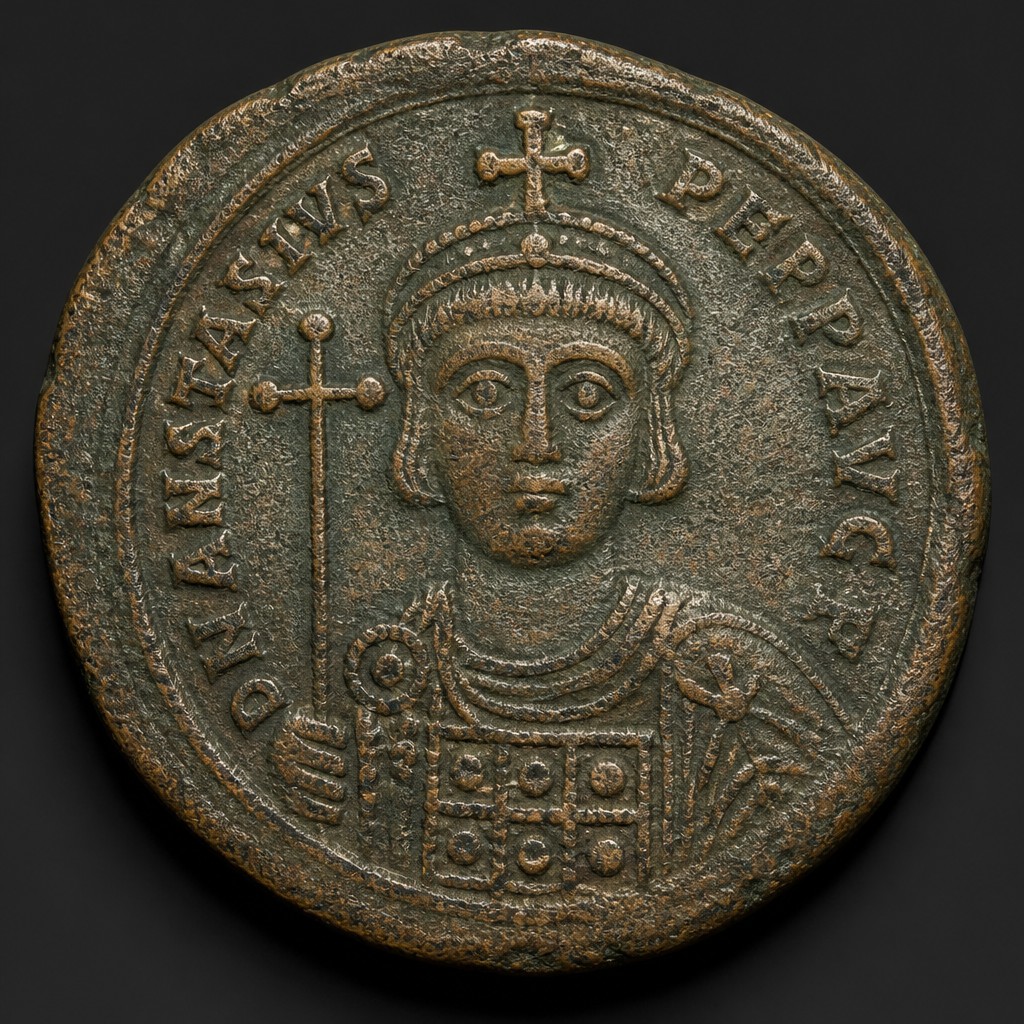
Byzantine Follis
498–c. 11th century AD
Celtic Gold Stater
c. 3rd century BC – 1st century AD