
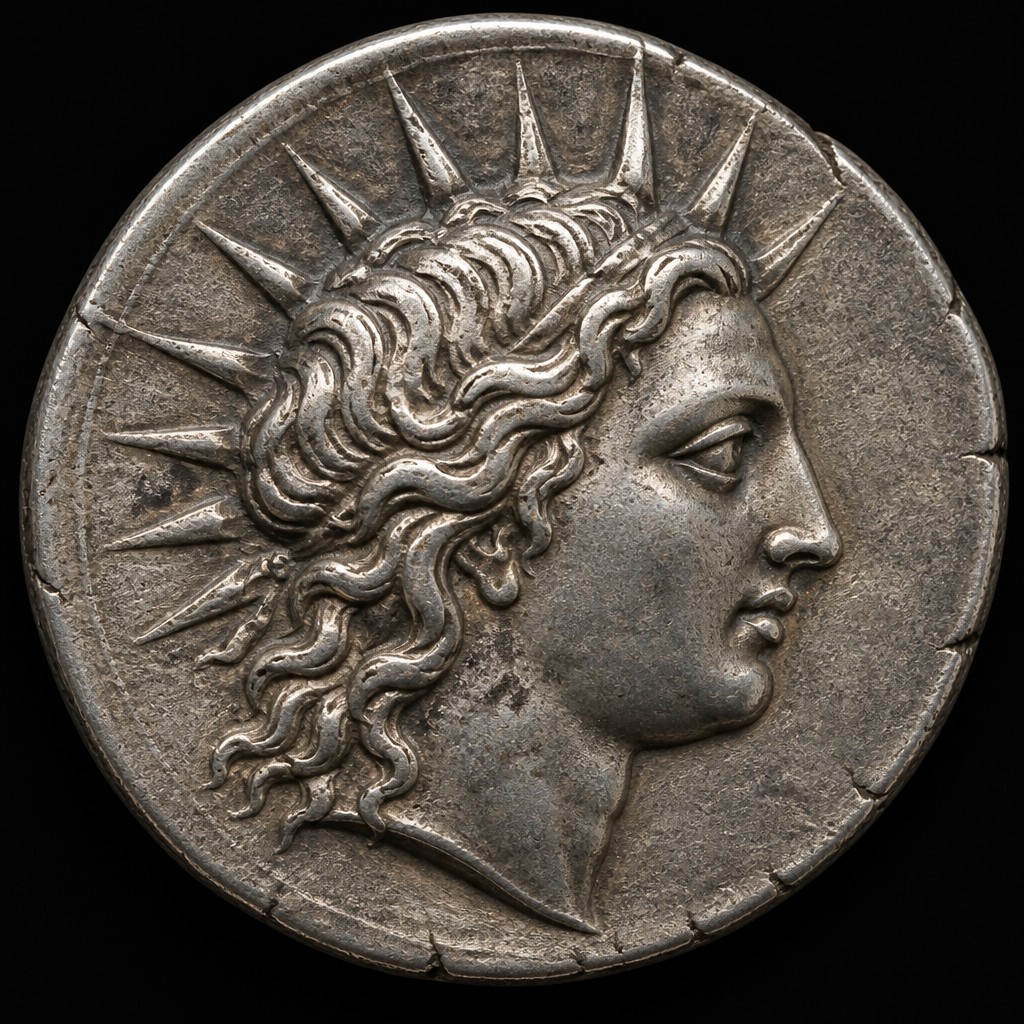
Rhodes Rose and Helios Tetradrachm
A silver tetradrachm from the island of Rhodes, pairing a radiant frontal head of the sun god Helios with the island's punning emblem, a rose.
- Country
- Ancient Greece (Rhodes)
- Denomination
- Tetradrachm
- Metal
- Silver
Got a coin like this?
Identify any coin from a photo, free.
Overview
The Rhodian tetradrachm is the flagship silver coinage of the island city-state of Rhodes, famous in the ancient world for its wealth, maritime trade, and the towering bronze Colossus of Rhodes, one of the Seven Wonders of the Ancient World. The coin's design plays on the city's own name, since "rhodon" is the Greek word for rose, pairing the flower with an image of Helios, the sun god particularly venerated at Rhodes.
Rhodian coinage circulated widely across the eastern Mediterranean as a trusted trade currency, and the tetradrachm in particular is admired by collectors for its bold, near-frontal facial image of Helios, considered one of the finer portrait achievements in Greek numismatic art.
History & Background
Rhodes rose to prominence as a major maritime and commercial power in the Hellenistic period, following the synoecism (unification) of the island's cities around 408 BC, and its coinage soon became one of the standard trade currencies of the Aegean and eastern Mediterranean. The island's patron deity was Helios, credited in myth with raising the island from the sea, and the famous Colossus of Rhodes, a giant bronze statue of Helios, was erected near the harbor early in the 3rd century BC, roughly contemporary with the finest issues of this coinage.
Rhodian trade coinage remained influential and widely imitated by other cities for its consistent weight standard, and the city's political and commercial importance persisted through the Hellenistic era until Rhodes came under increasing Roman influence in the 2nd century BC.
How to Identify
The obverse shows the radiate head of Helios facing three-quarters or nearly frontal, with rays of light emanating from his hair, a bold departure from the profile portraits typical of most Greek coinage. The reverse depicts a rose in full bloom, often with a small bud beside it, accompanied by the ethnic ΡΟΔΙΟΝ ("of the Rhodians") and sometimes a magistrate's name.
The tetradrachm is struck in silver on the distinctive "Rhodian" weight standard, which is lighter than the Attic standard used at Athens, so Rhodian tetradrachms feel noticeably smaller and lighter than Athenian owls of the same denomination.
Value & Collectibility
Rhodian tetradrachms are admired for their striking portrait of Helios and are moderately available on the market, with well-struck, attractive examples typically found in the low-to-mid hundreds of dollars, while exceptional strikes with full facial detail and strong centering can command significantly more. Because the frontal Helios head is technically demanding to strike well, coins with sharp, fully centered portraits are especially sought after and priced at a premium over more ordinary, softly struck examples.
Frequently asked questions
Why does the coin show a rose?
The rose is a pun on the city's name, since "rhodon" means rose in Greek, making it Rhodes's civic emblem.
Who is depicted on the obverse?
Helios, the sun god, who was the patron deity of Rhodes and the subject of the famous Colossus of Rhodes statue.
Is the Rhodian tetradrachm the same weight as an Athenian owl?
No, Rhodes used its own lighter weight standard, so its tetradrachms are noticeably smaller and lighter than Athenian tetradrachms.
What makes some examples more valuable than others?
Strike quality matters a great deal, since the frontal Helios portrait is hard to strike sharply; well-centered, fully detailed examples bring a premium.
When was this coinage produced?
Primarily during the Hellenistic period, from the late 4th through the 2nd century BC.
Other coins you may enjoy
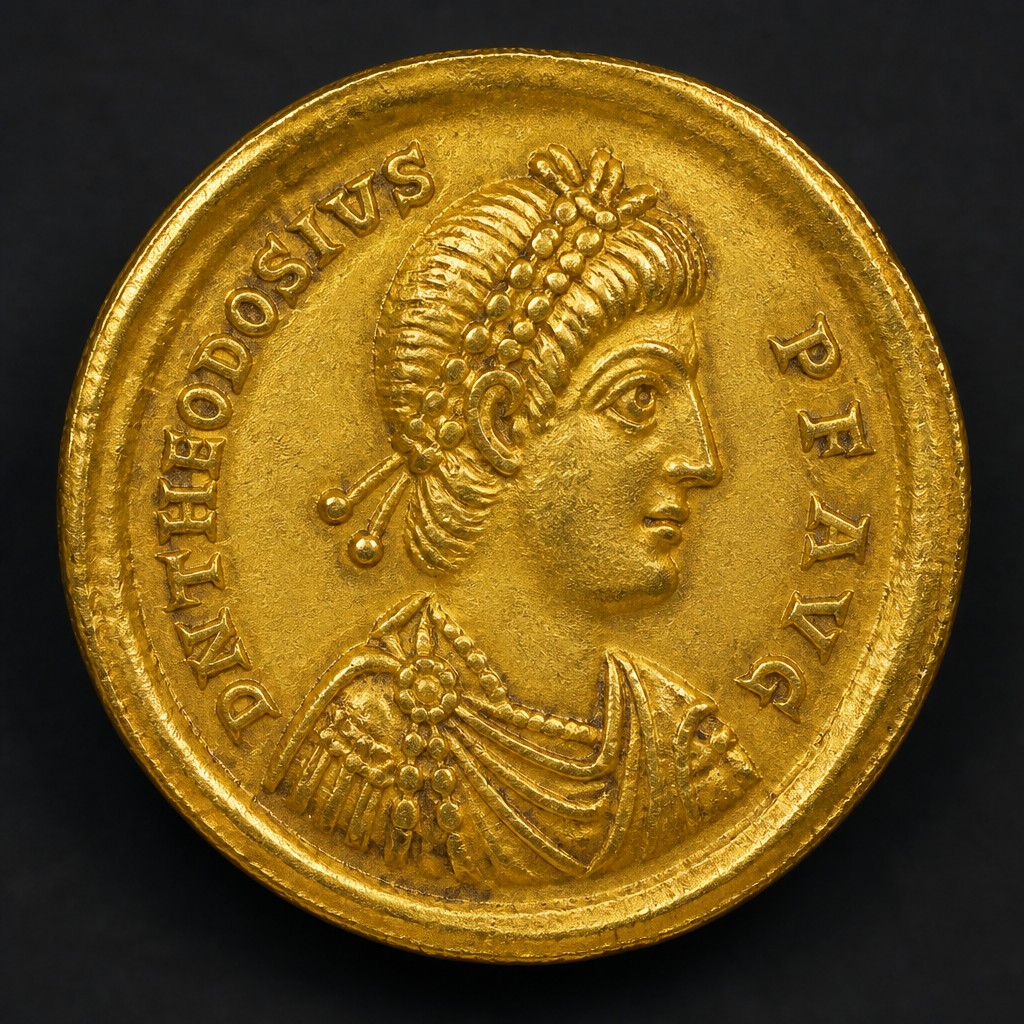
Theodosius I Solidus
379–395 AD
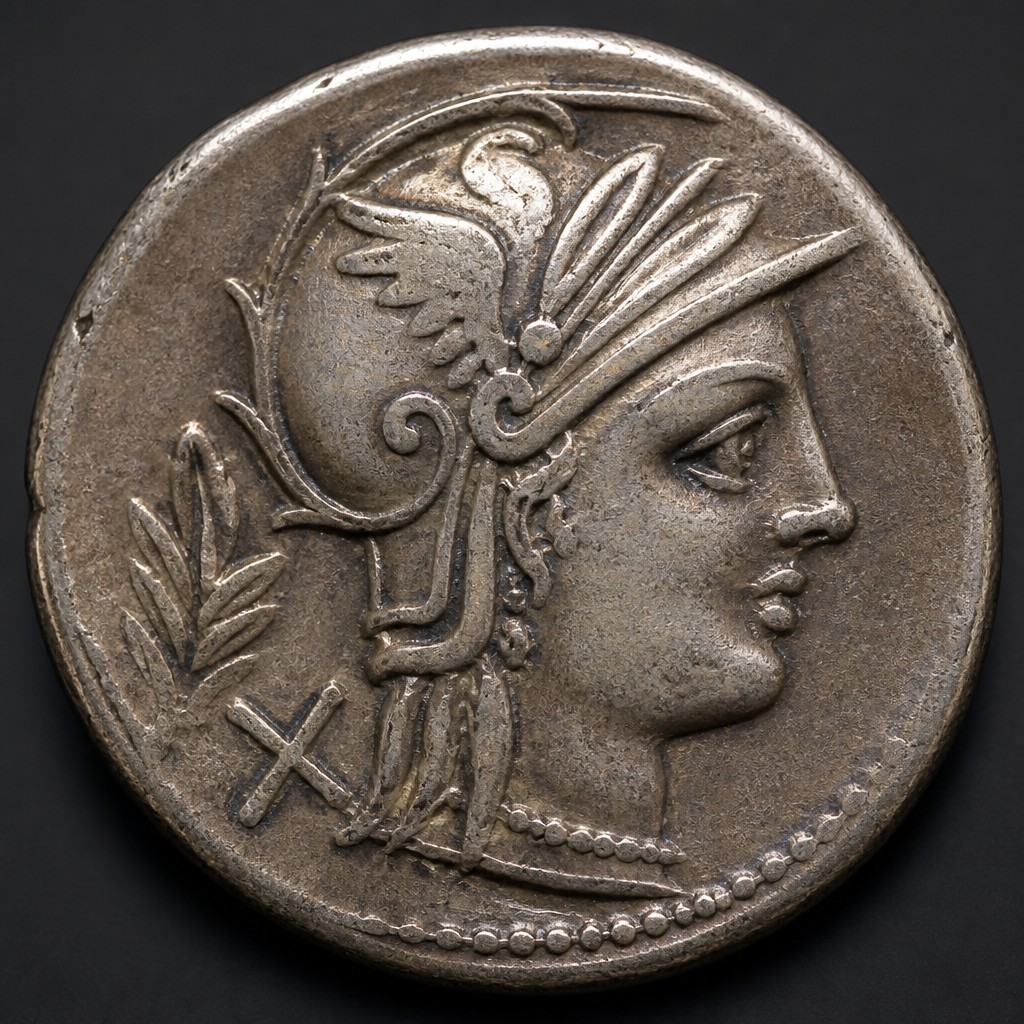
Republican Victoriatus
c. 211–170 BC
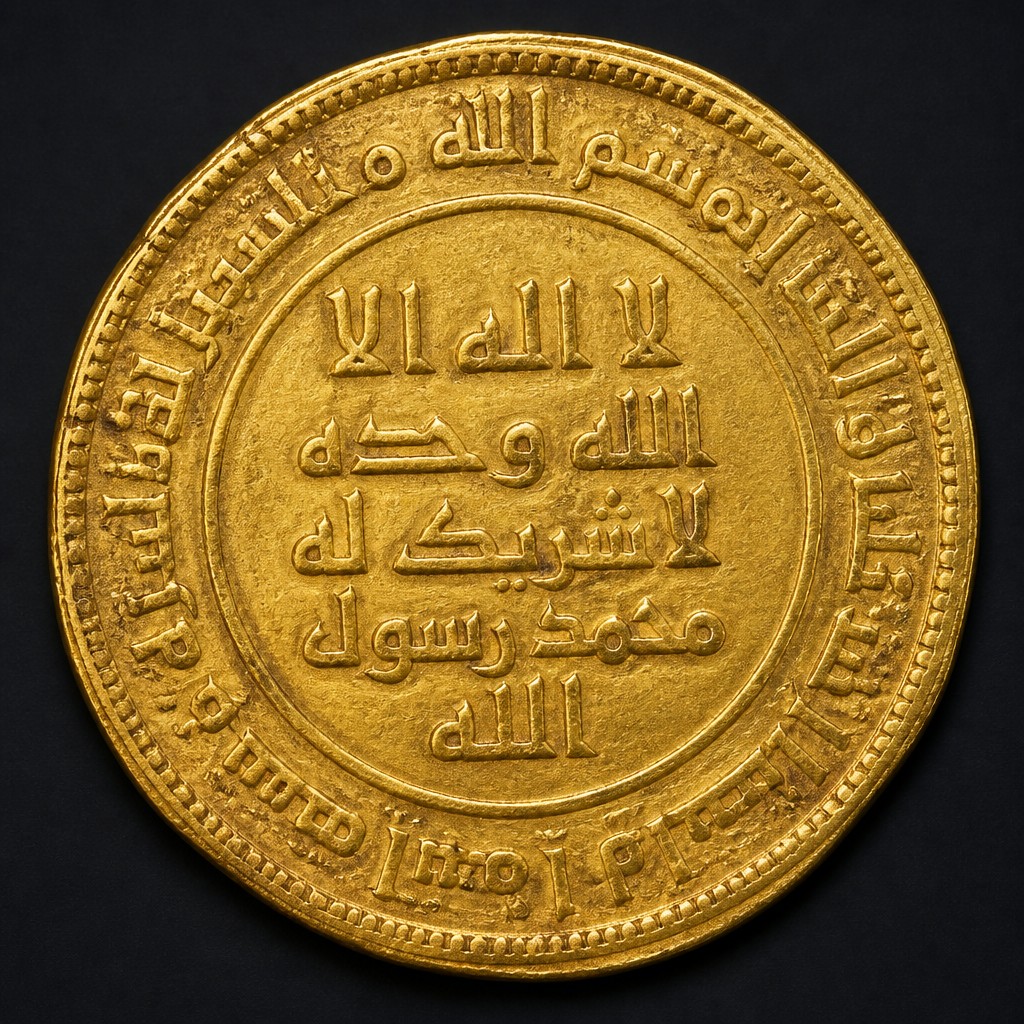
Islamic Gold Dinar (Umayyad)
c. 696–750 AD
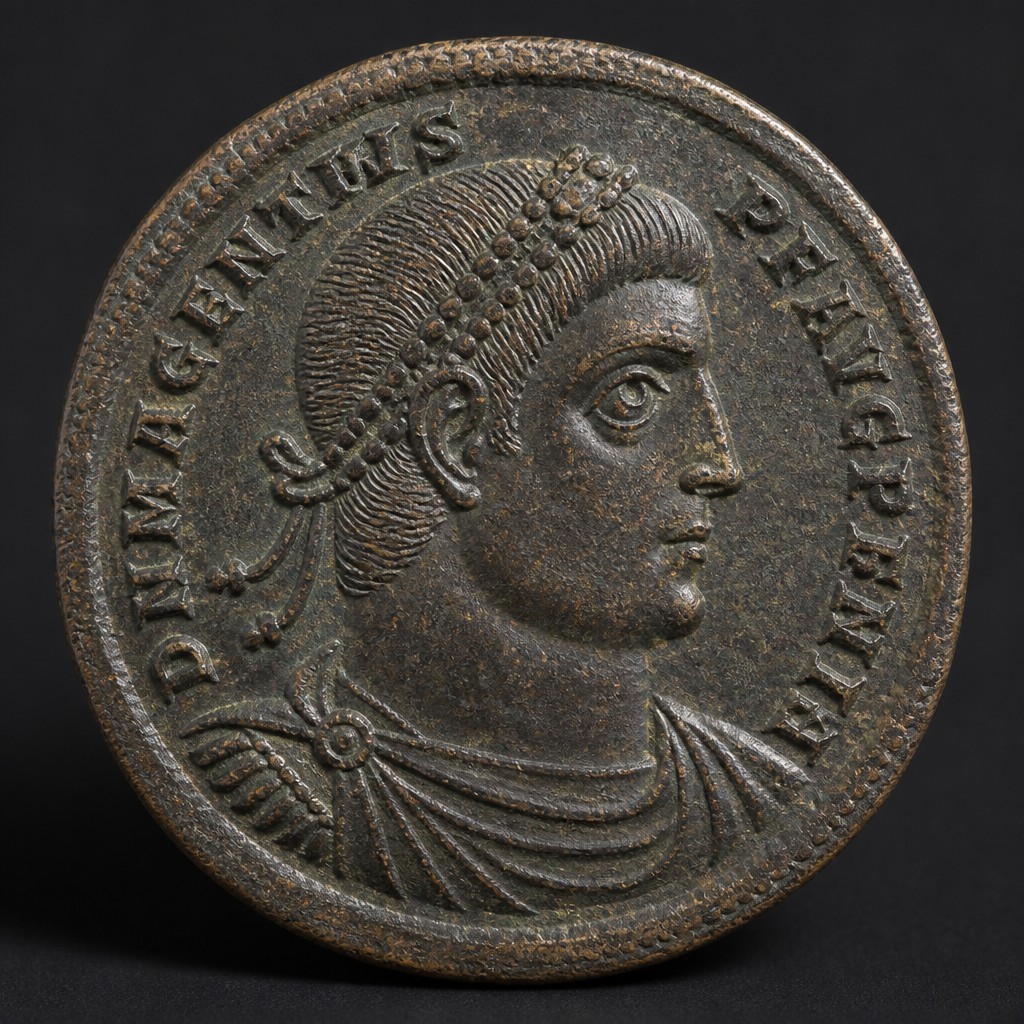
Magnentius Double Centenionalis
350–353 AD
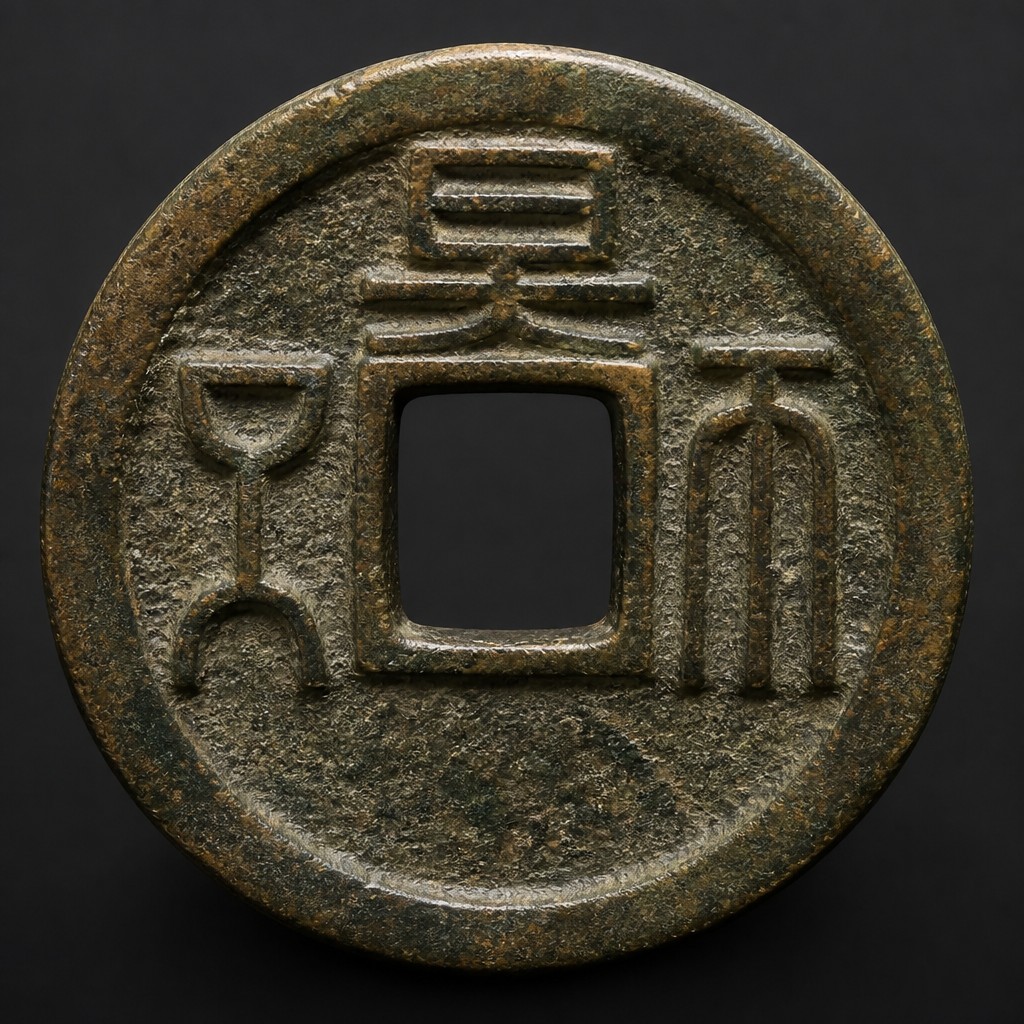
Chinese Wu Zhu Cash
118 BC – 618 AD
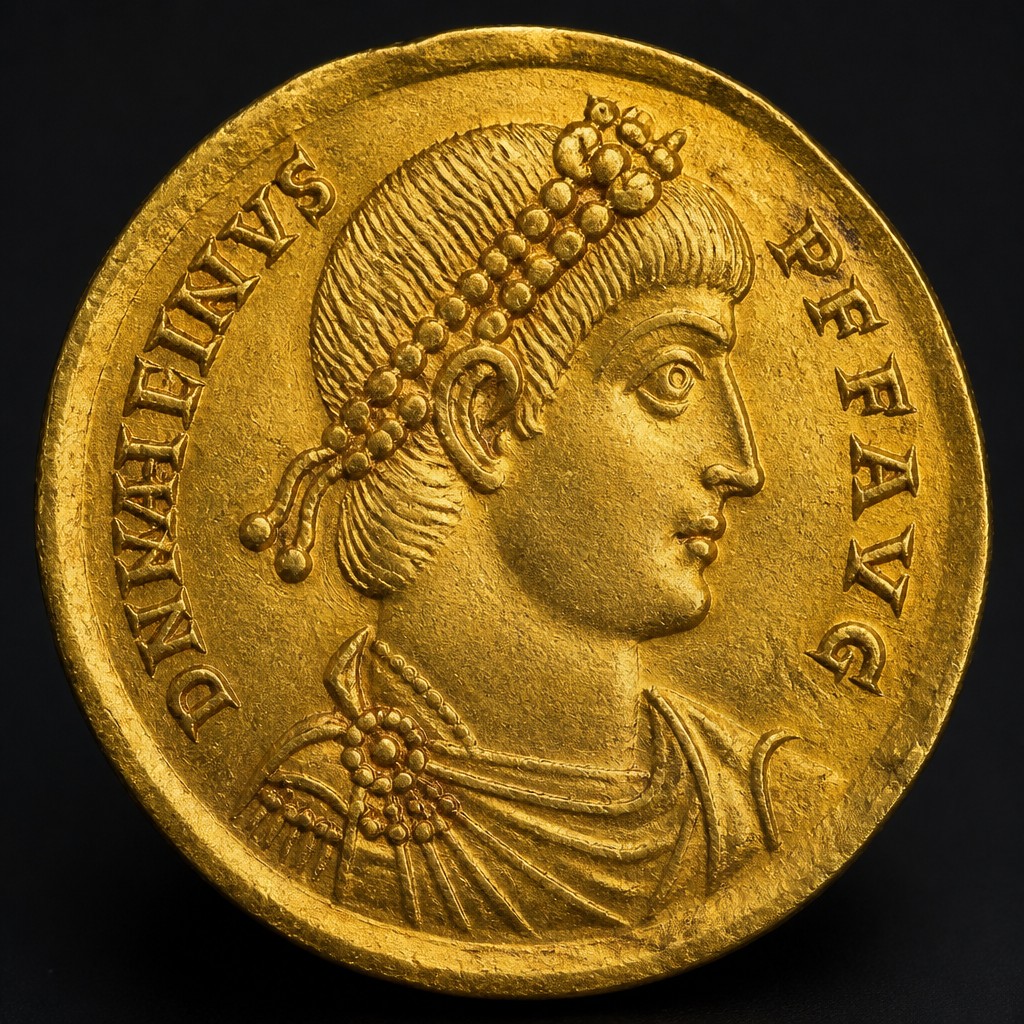
Valentinian I Solidus
364–375 AD
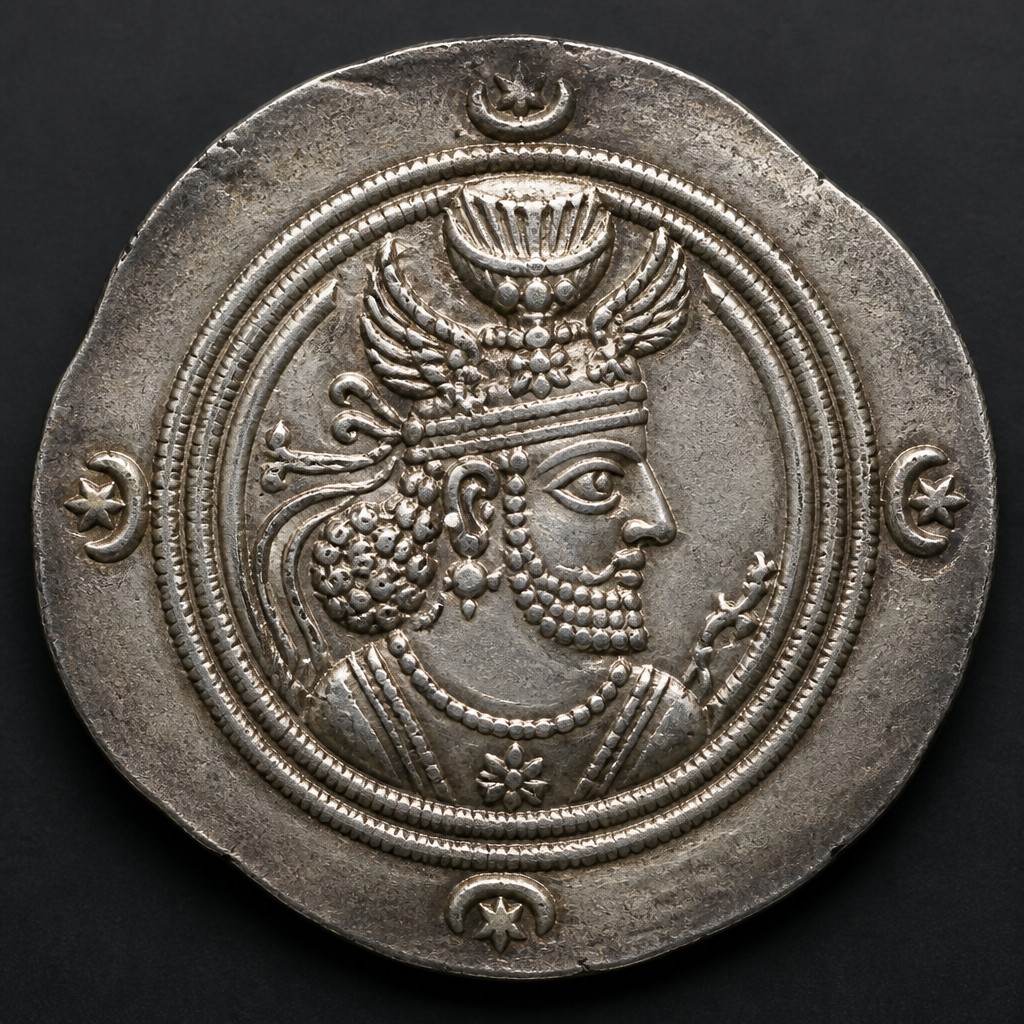
Sassanian Silver Drachm
c. 224–651 AD
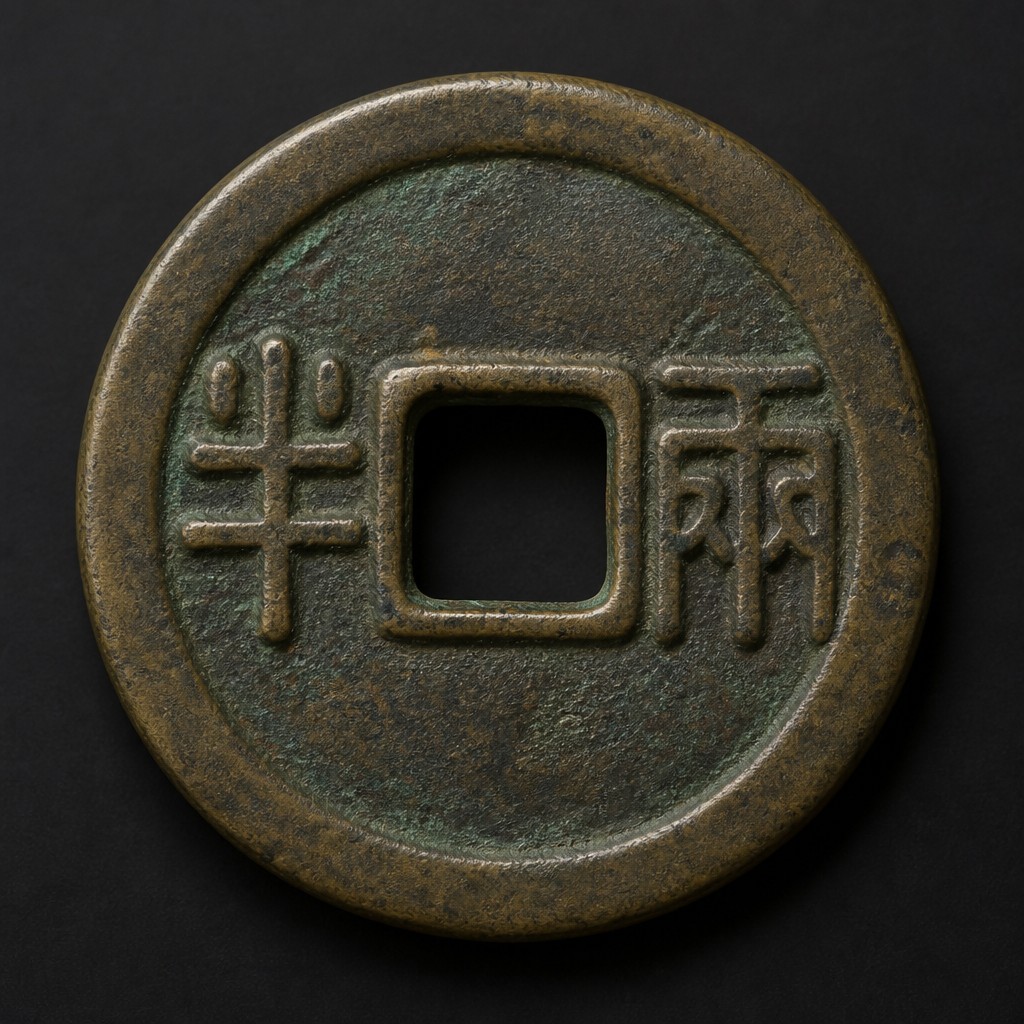
Chinese Ban Liang Cash
c. 221–118 BC
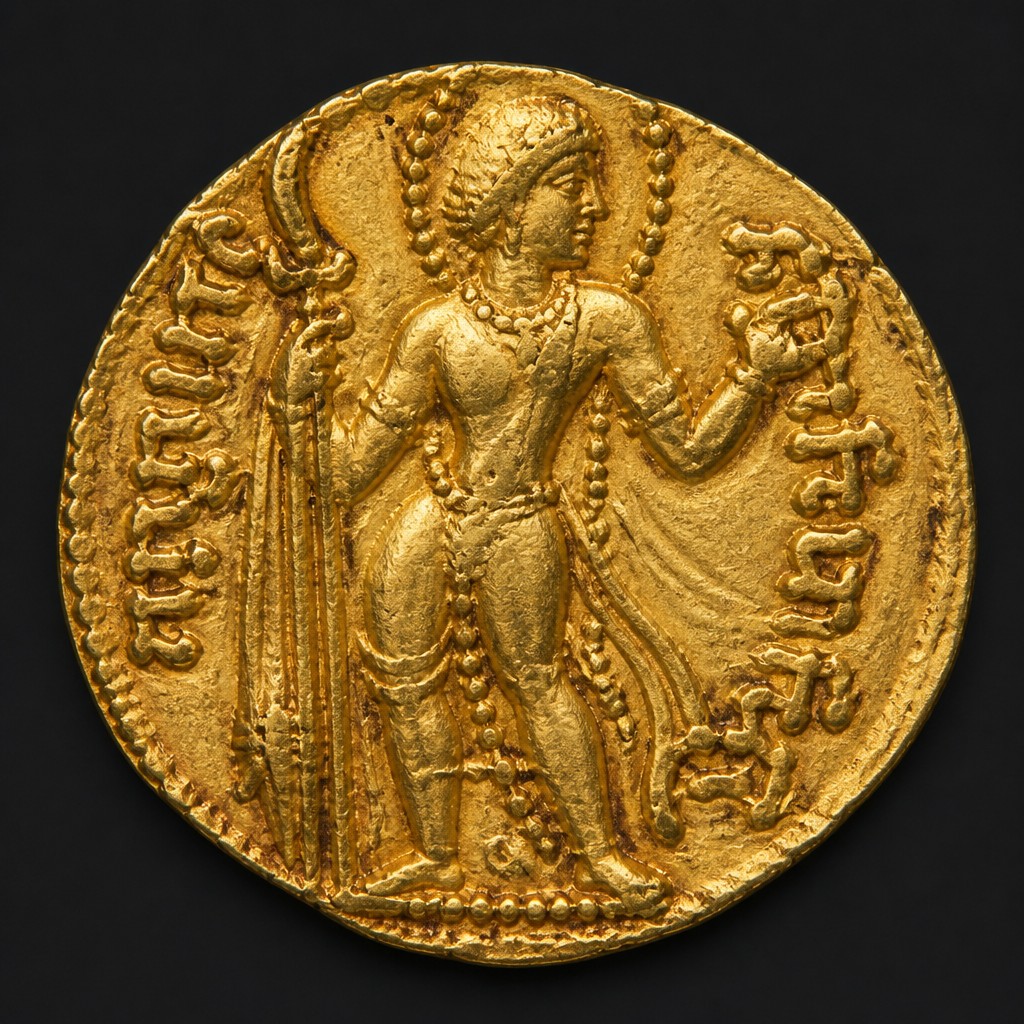
Gupta Empire Gold Dinar
c. 320–550 AD
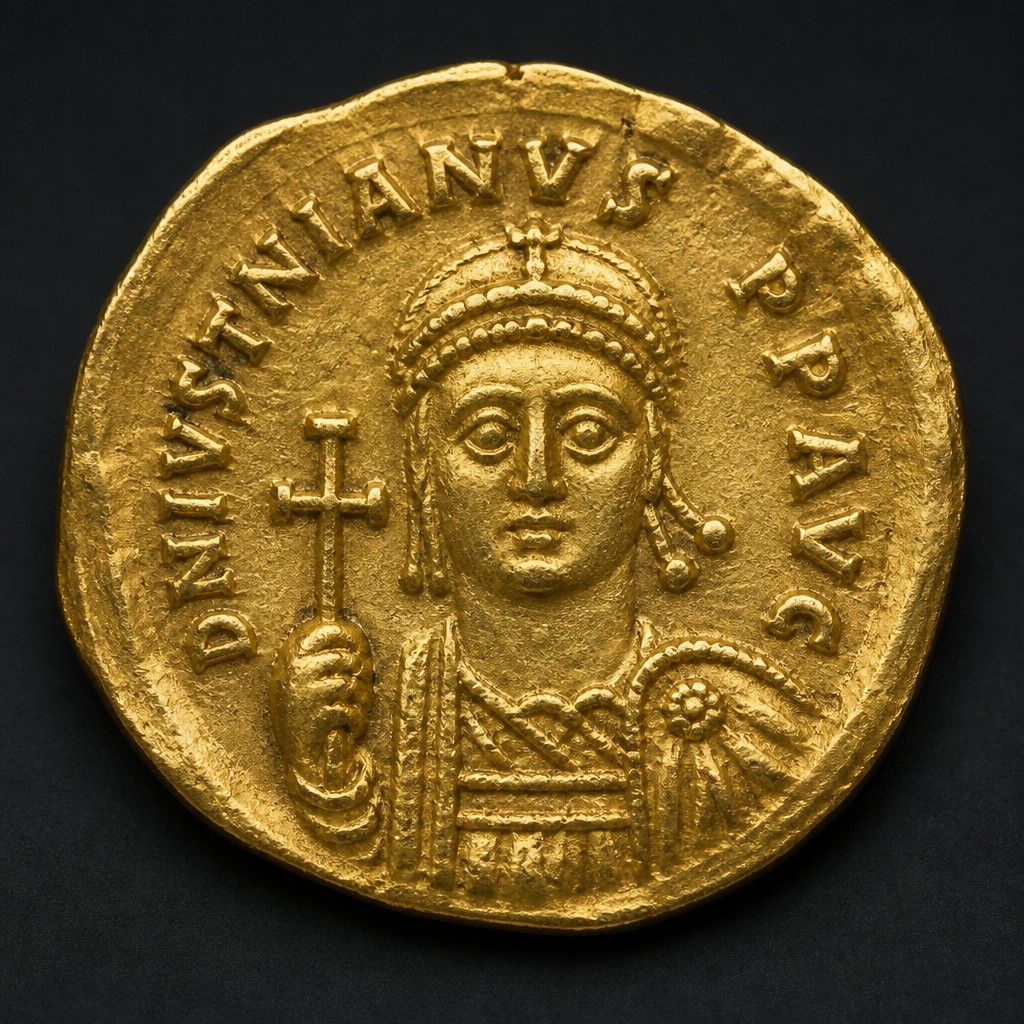
Byzantine Gold Tremissis
c. 4th–7th century AD
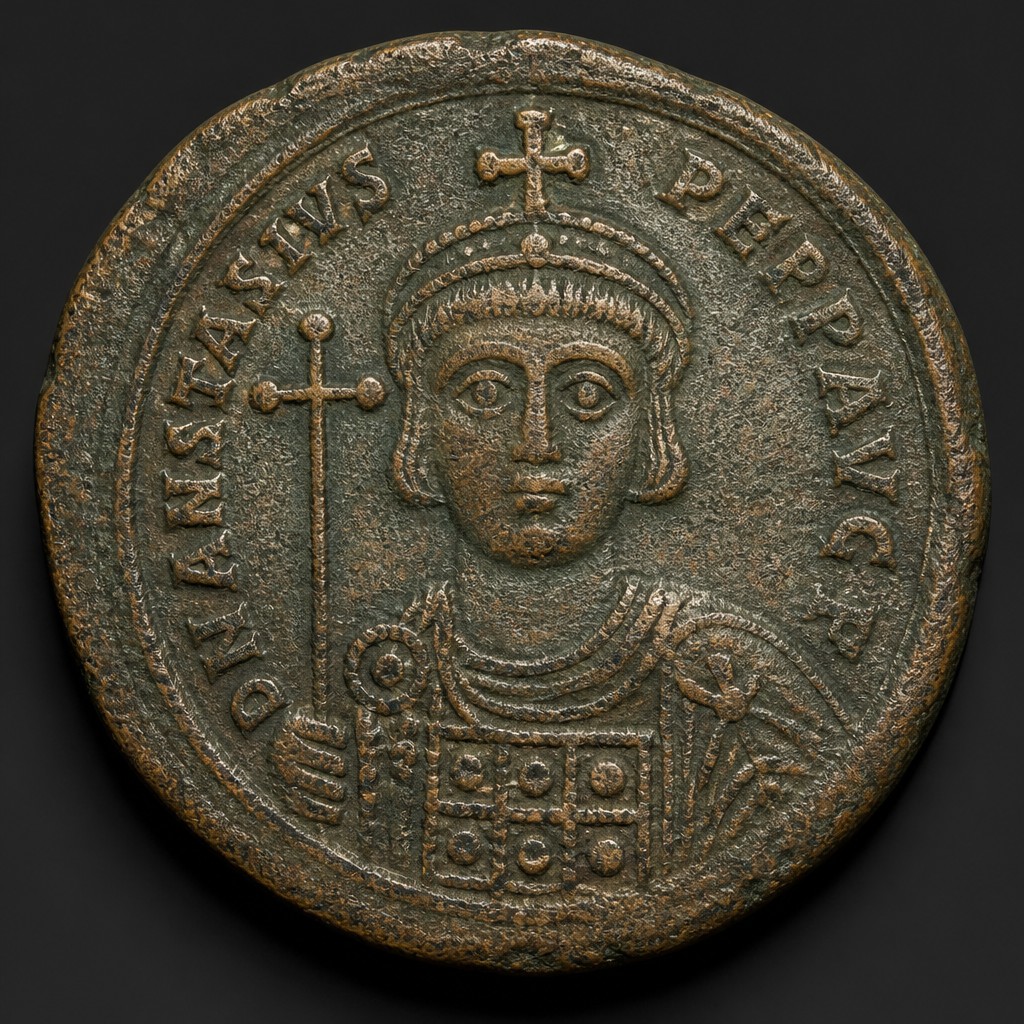
Byzantine Follis
498–c. 11th century AD
Celtic Gold Stater
c. 3rd century BC – 1st century AD