
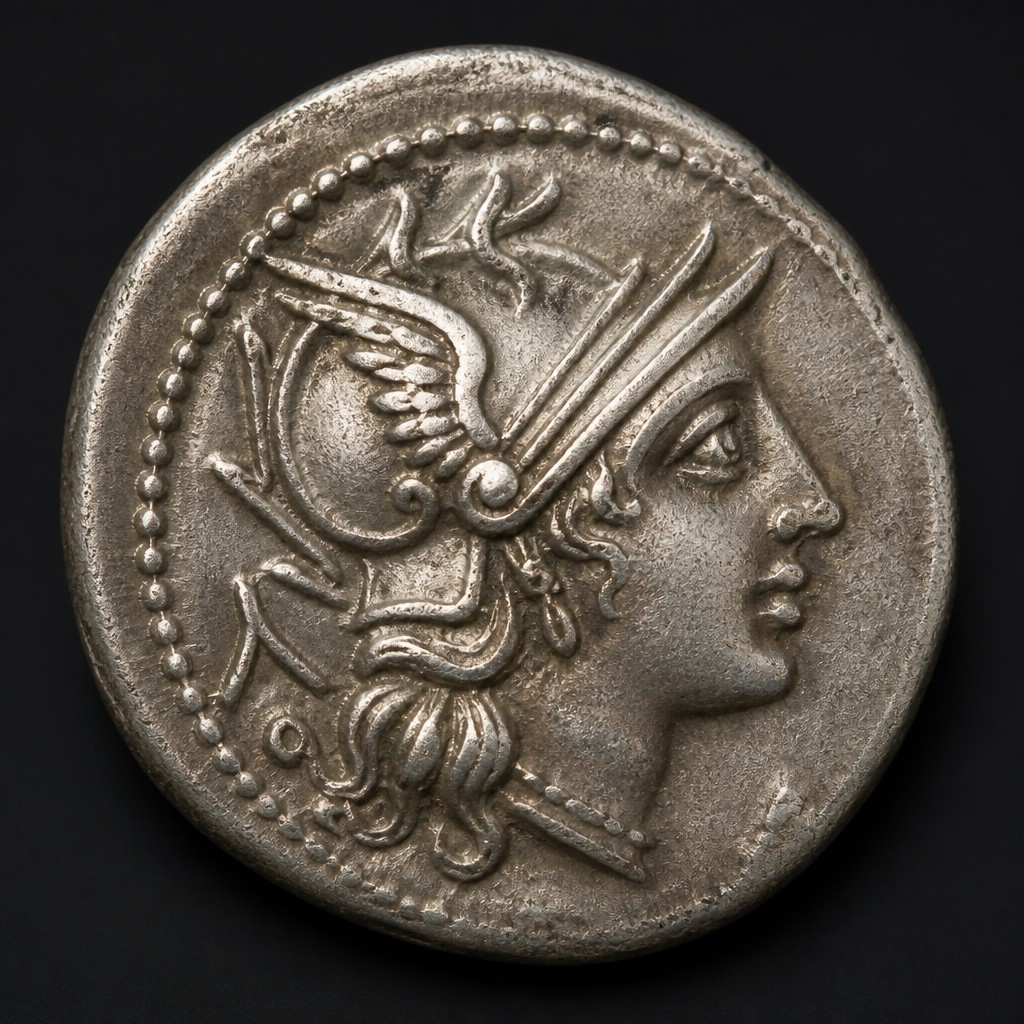
Republican Quinarius
A half-denarius silver coin of the Roman Republic, often depicting the twin gods Castor and Pollux (the Dioscuri) riding on horseback.
- Country
- Roman Republic
- Denomination
- Quinarius
- Metal
- Silver
Got a coin like this?
Identify any coin from a photo, free.
Overview
The quinarius was introduced as a half-value denomination alongside the denarius during Rome's major silver coinage reform of the late 3rd century BC. Though struck far less frequently than the denarius throughout most of Republican history, it offers collectors a smaller, often charmingly designed complement to the standard silver coin of Rome.
Its most classic reverse type, the mounted Dioscuri (Castor and Pollux), links the coin to a deeply rooted piece of Roman religious tradition, in which the divine twins were credited with appearing to help Rome win an early battle, making the quinarius a coin with genuine mythological resonance for collectors of Republican silver.
History & Background
The quinarius entered circulation as part of the same coinage reform, around 211 BC, that established the denarius as Rome's principal silver denomination, providing a smaller-value coin for everyday transactions. Its early reverse type, showing Castor and Pollux on horseback, echoed a design already used on early denarii and evoked the legend of the Dioscuri's miraculous appearance at the Battle of Lake Regillus in aid of Rome.
Production of the quinarius continued only sporadically through most of the Republic compared to the denarius, with occasional revivals by individual moneyers who sometimes updated the reverse design while retaining the coin's traditional half-denarius status.
How to Identify
The obverse of early quinarii shows the helmeted head of Roma facing right, similar in style to contemporary denarii. The reverse depicts the Dioscuri, Castor and Pollux, riding galloping horses, with the legend ROMA typically below.
The quinarius is roughly half the weight and slightly smaller diameter than a denarius of the same period, generally around 13–15mm and about 1.7 grams. Later Republican quinarii, especially those struck during the 1st century BC by various moneyers, sometimes carried different reverse designs, such as Victory, so the Dioscuri type is most characteristic of earlier issues, and denomination size relative to the denarius remains the clearest identifying feature throughout the series.
Value & Collectibility
Quinarii are collected as a scarcer complement to the denarius series, generally struck in smaller quantities during most periods of the Republic and therefore somewhat less common on the market than denarii of comparable date. Prices depend heavily on the specific type, moneyer, and condition, with early Dioscuri types being widely collected and reasonably available while some later, moneyer-specific issues can be genuinely scarce.
Overall, the denomination offers an interesting and often more affordable alternative to denarii for collectors who want authentic Roman Republican silver with attractive mythological imagery.
Frequently asked questions
What is a quinarius?
It was a Roman Republican silver coin valued at half a denarius, introduced alongside the denarius during the coinage reform of the late 3rd century BC.
Who are the figures on the reverse?
Early quinarii typically show Castor and Pollux, the mythological twin gods known as the Dioscuri, riding on horseback.
Is the quinarius rarer than the denarius?
Generally yes; it was struck in smaller quantities throughout most of Republican history, making it somewhat scarcer, though not uniformly rare across all types.
How can I tell a quinarius from a denarius at a glance?
Compare size and weight: the quinarius is noticeably smaller and lighter, roughly half the weight of a contemporary denarius.
Other coins you may enjoy
Theodosius I Solidus
379–395 AD
Republican Victoriatus
c. 211–170 BC
Islamic Gold Dinar (Umayyad)
c. 696–750 AD
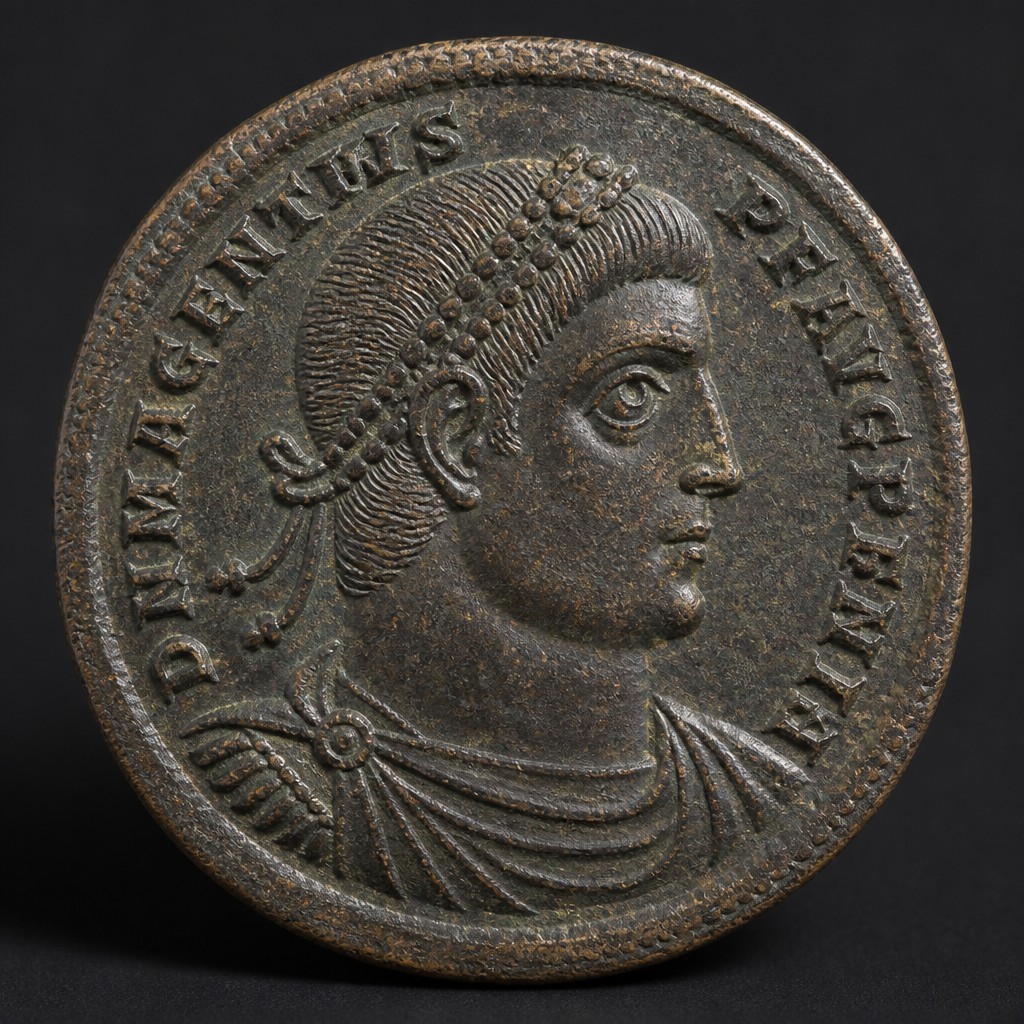
Magnentius Double Centenionalis
350–353 AD
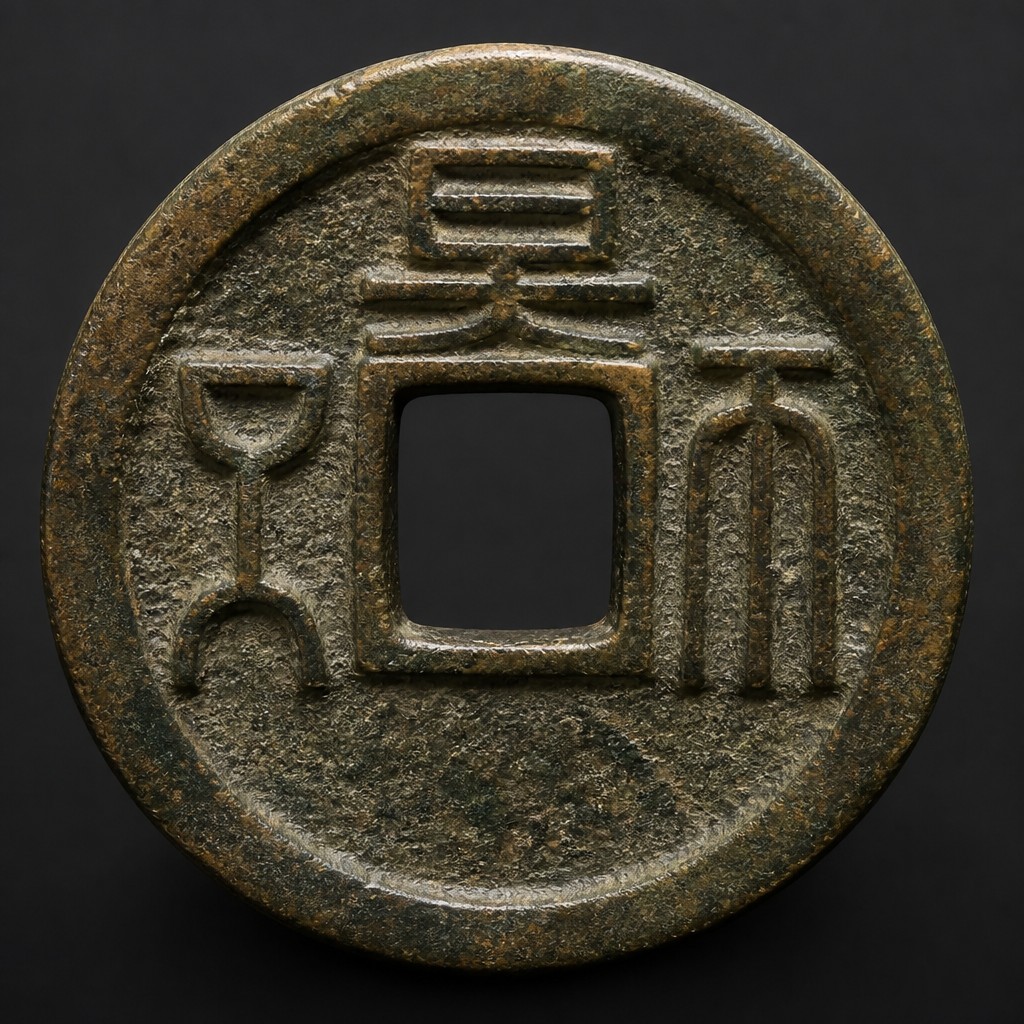
Chinese Wu Zhu Cash
118 BC – 618 AD
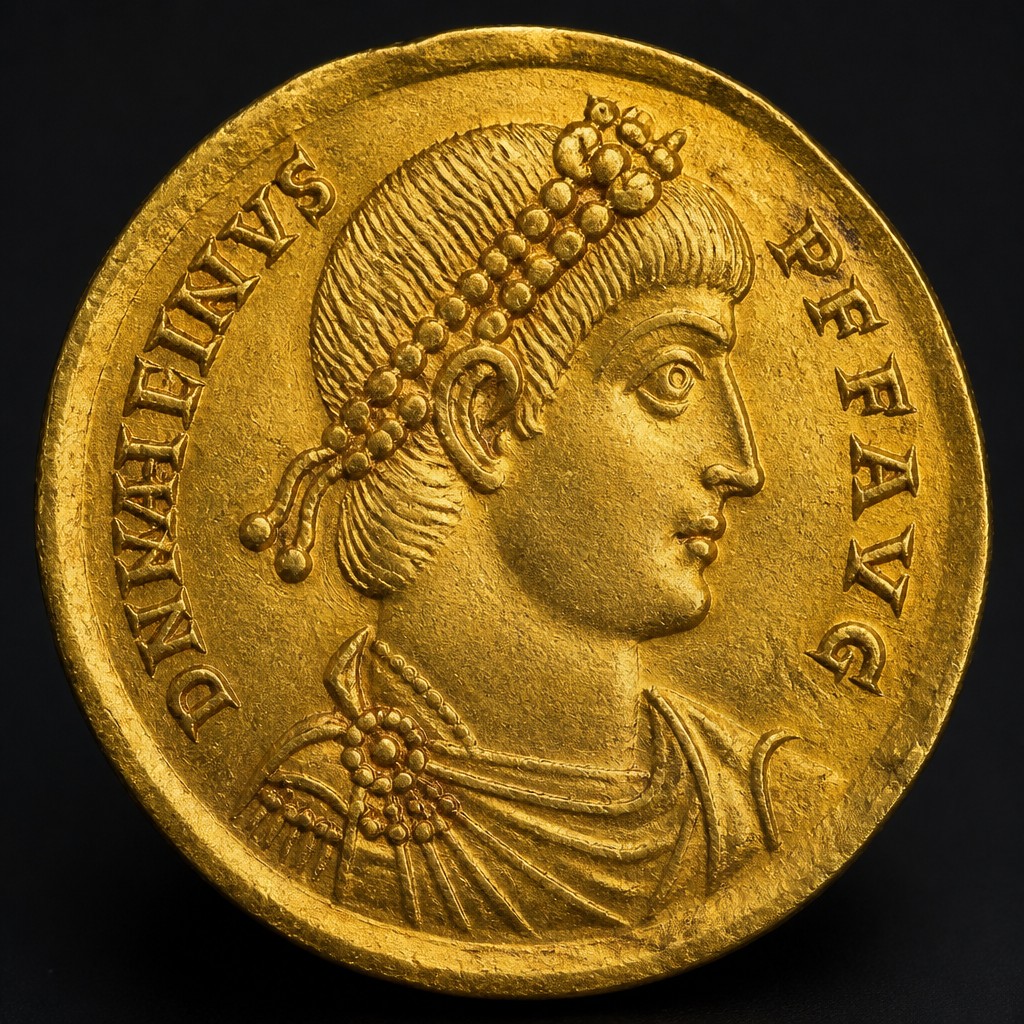
Valentinian I Solidus
364–375 AD
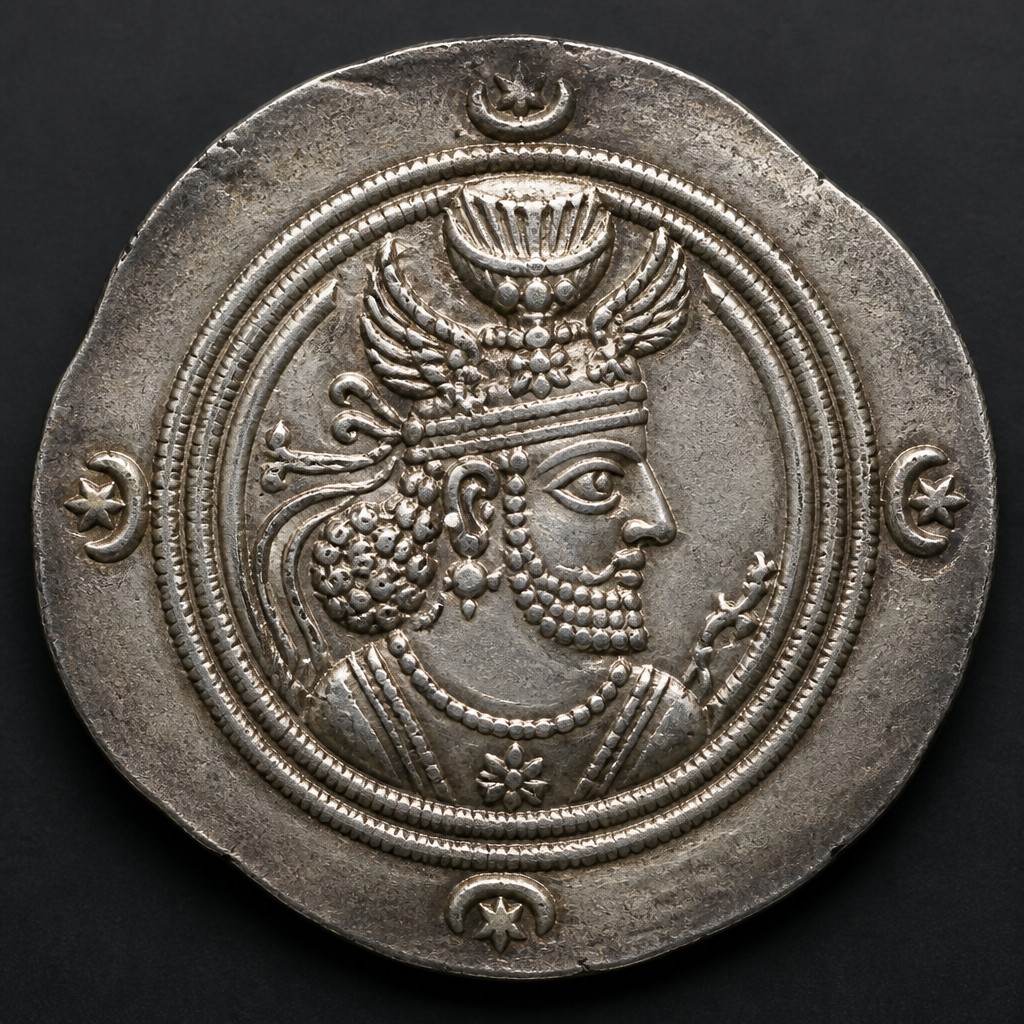
Sassanian Silver Drachm
c. 224–651 AD
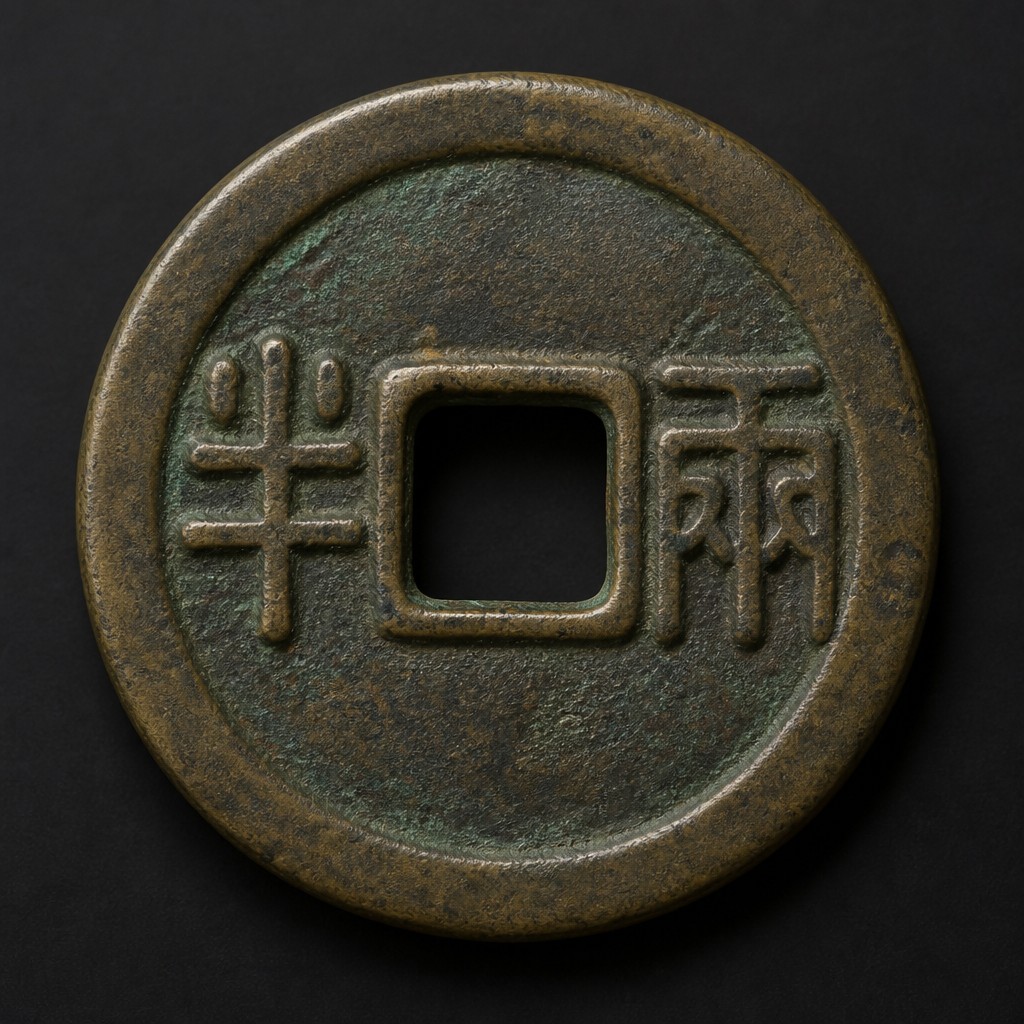
Chinese Ban Liang Cash
c. 221–118 BC
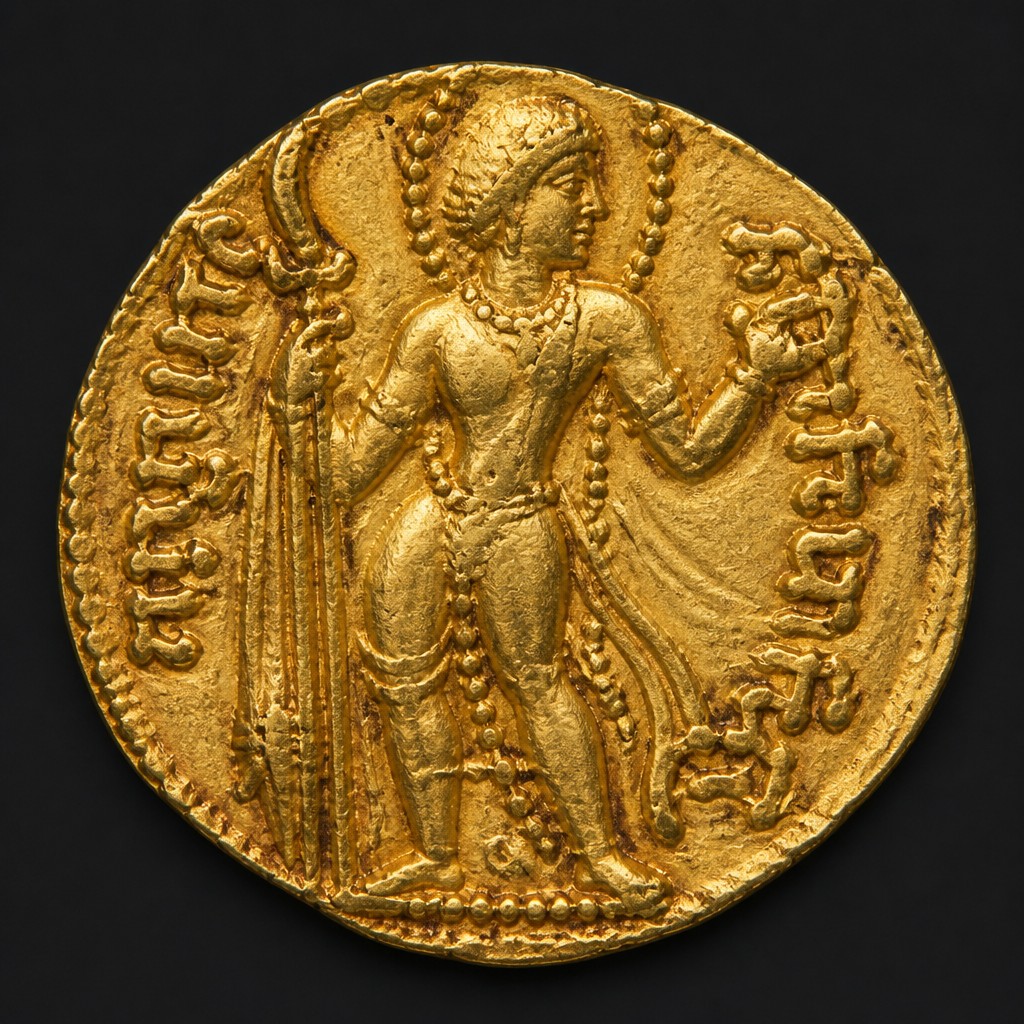
Gupta Empire Gold Dinar
c. 320–550 AD
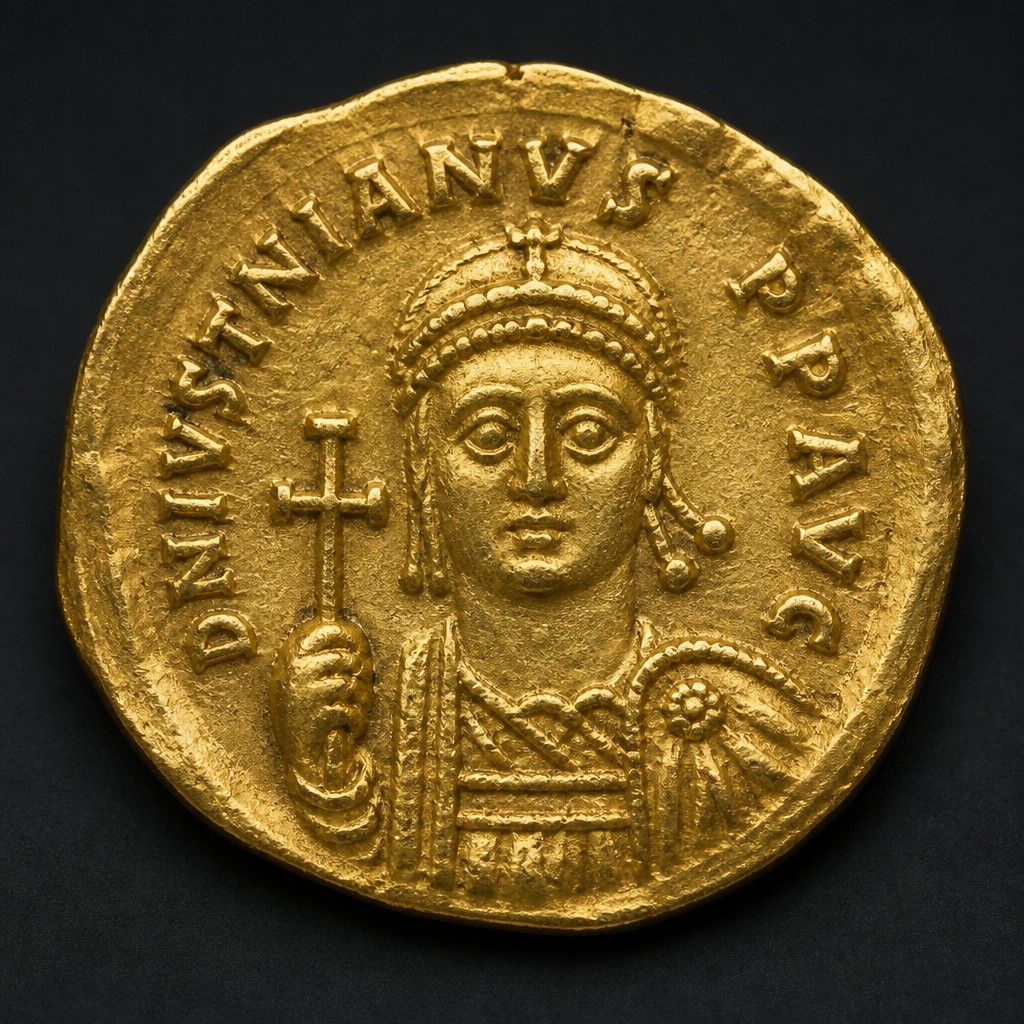
Byzantine Gold Tremissis
c. 4th–7th century AD
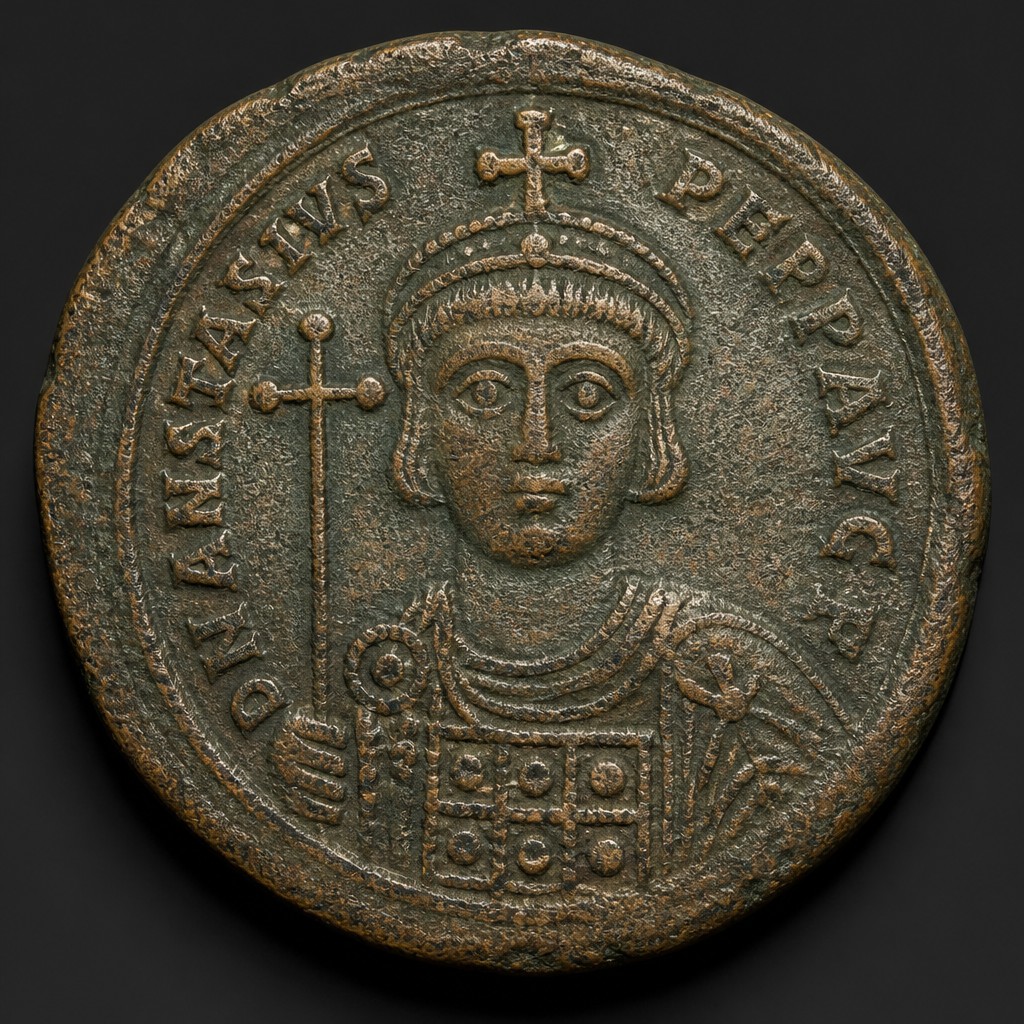
Byzantine Follis
498–c. 11th century AD
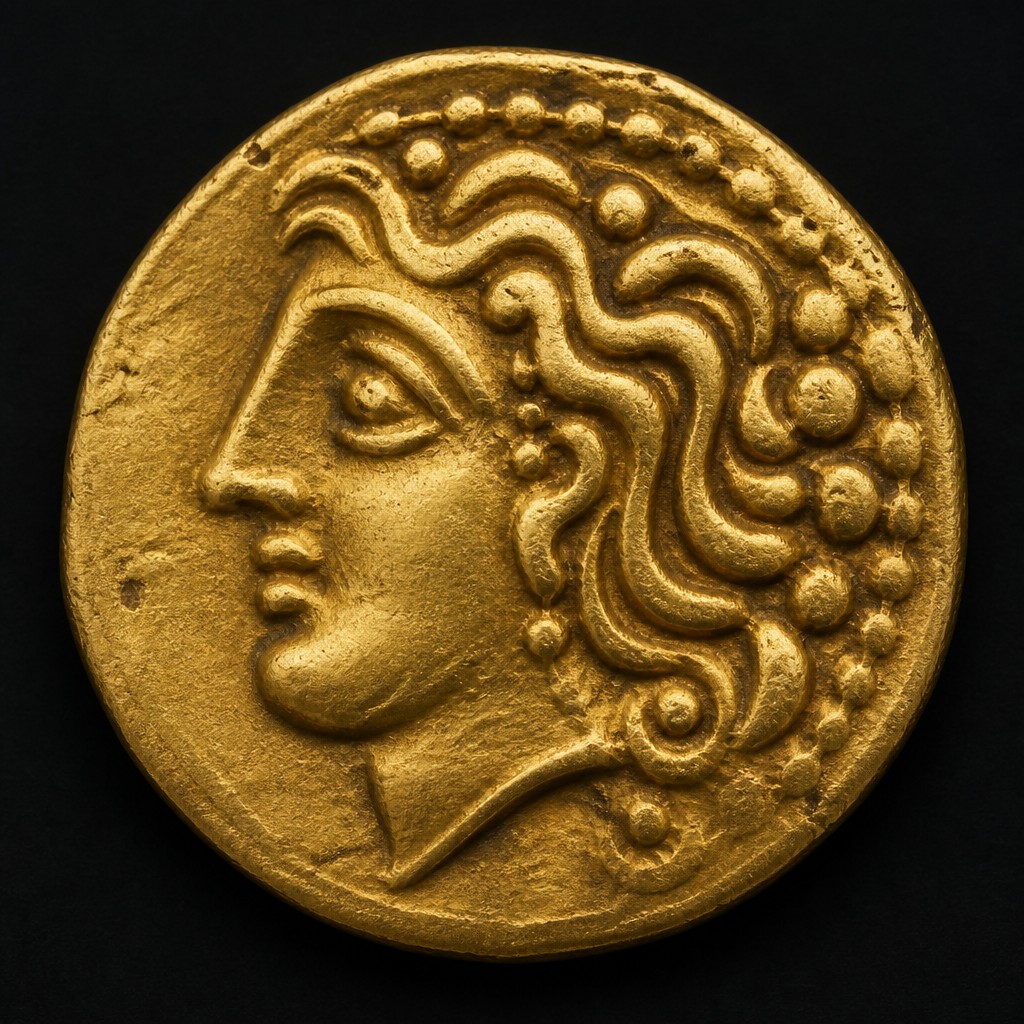
Celtic Gold Stater
c. 3rd century BC – 1st century AD