
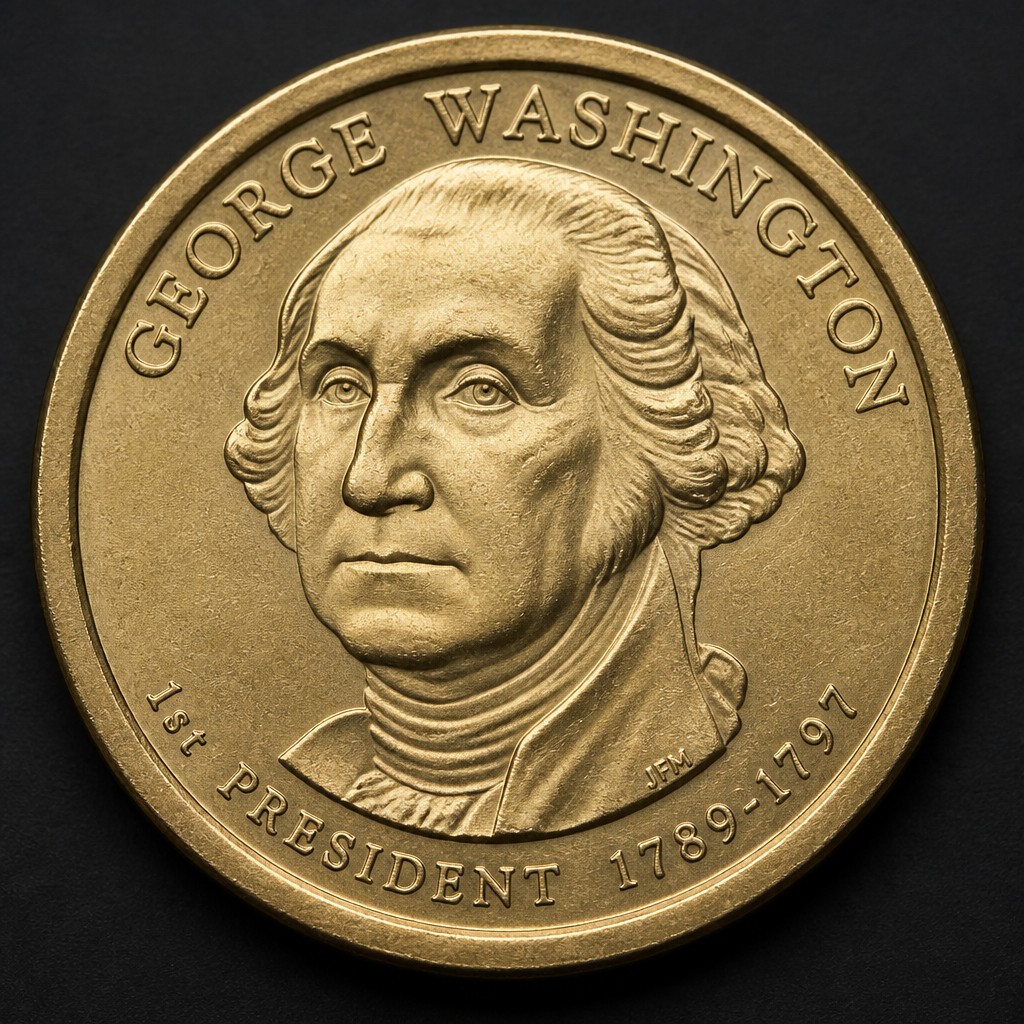
Presidential Dollar - George Washington
The first coin in the U.S. Presidential Dollar series, honoring George Washington, notable for edge-lettering errors including the famous 'Godless Dollar' missing IN GOD WE TRUST.
- Country
- United States
- Denomination
- One Dollar
- Metal
- Manganese Brass Clad (copper core)
Got a coin like this?
Identify any coin from a photo, free.
Overview
The George Washington Presidential Dollar was the inaugural release in the United States Mint's Presidential $1 Coin Program, which began issuing dollar coins honoring deceased U.S. presidents in the order they served, starting in 2007. As the very first coin of the series, it attracted significant attention, both for its historical significance and for a notable minting error involving missing edge lettering.
The coin's gold-colored appearance comes from its manganese brass clad composition, similar to the Sacagawea dollar it succeeded on circulating dollar coin production lines, and it introduced the novel feature of incused edge lettering carrying the date, mintmark, and mottos rather than printing them on the coin's face.
History & Background
Congress passed the Presidential $1 Coin Act in 2005, authorizing the Mint to issue a series of circulating dollar coins honoring former presidents, four per year, in the order they held office, beginning with George Washington. The program aimed to generate public interest in dollar coins, which had struggled to gain widespread circulation acceptance since the Susan B. Anthony and Sacagawea dollar introductions.
Washington's coin was released in February 2007 and quickly became notable when a number of coins from the Philadelphia mint were discovered without the edge lettering that was supposed to carry the date, mint mark, and the mottos E PLURIBUS UNUM and IN GOD WE TRUST. Because the missing edge lettering meant these particular coins lacked any reference to God, the error coins were nicknamed "Godless Dollars" by collectors and the media, sparking notable public and press attention.
Doubled-edge-lettering varieties, where the edge text appears twice or overlapping, were also discovered on some Washington dollars, adding further interest for error-variety collectors during the series' debut year.
How to Identify
The obverse depicts a portrait of George Washington facing right, with the inscriptions GEORGE WASHINGTON, IN GOD WE TRUST (in early releases moved to the edge), and the years he served as president, 1789-1797. Later, after public complaints about missing mottos, the design was modified. The reverse shows the Statue of Liberty with UNITED STATES OF AMERICA and the denomination $1, a common reverse design used throughout the first years of the Presidential Dollar series.
A distinguishing feature of the series is that the date, mint mark, and the mottos E PLURIBUS UNUM and IN GOD WE TRUST are incused into the edge of the coin rather than printed on its obverse or reverse faces, a departure from typical U.S. coinage. The coin is golden in color due to its manganese brass clad composition over a pure copper core, and it is the same 26.5mm diameter and general weight as the earlier Sacagawea dollar.
To identify a "Godless Dollar" error, examine the edge closely under good light: a genuine error piece will show a smooth, blank edge with no lettering at all, rather than the usual incused text; doubled-lettering varieties instead show overlapping or doubled edge inscriptions.
Value & Collectibility
Standard circulation-strike Washington Presidential Dollars are common and generally trade close to face value or a small collector premium in typical condition. The "Godless Dollar" edge-lettering error coins, however, became a notable modern rarity story, with clearly authenticated examples selling for hundreds of dollars, particularly in uncirculated condition, though values have moderated somewhat as more examples were identified and the novelty wore off.
Doubled-edge-lettering varieties also carry a collector premium over normal coins, though generally less than the missing-lettering error. As with all modern error coins, third-party certification is important for buyers seeking assurance that an edge-lettering variety is genuine rather than a coin that simply had its edge lettering worn away or altered.
Frequently asked questions
Why is it called the Godless Dollar?
Some 2007 Washington dollars from Philadelphia were struck without any edge lettering, meaning they were missing the motto IN GOD WE TRUST that was supposed to appear there.
Where is the date on a Presidential Dollar?
The date, mint mark, and mottos are incused into the edge of the coin rather than appearing on the obverse or reverse.
Is the Washington dollar made of gold?
No, it only has a golden color from its manganese brass clad composition; it contains no actual gold.
How many presidents are honored in this series?
The Presidential Dollar series ran from 2007 through 2016, ultimately covering many former U.S. presidents in order of service.
Other coins you may enjoy
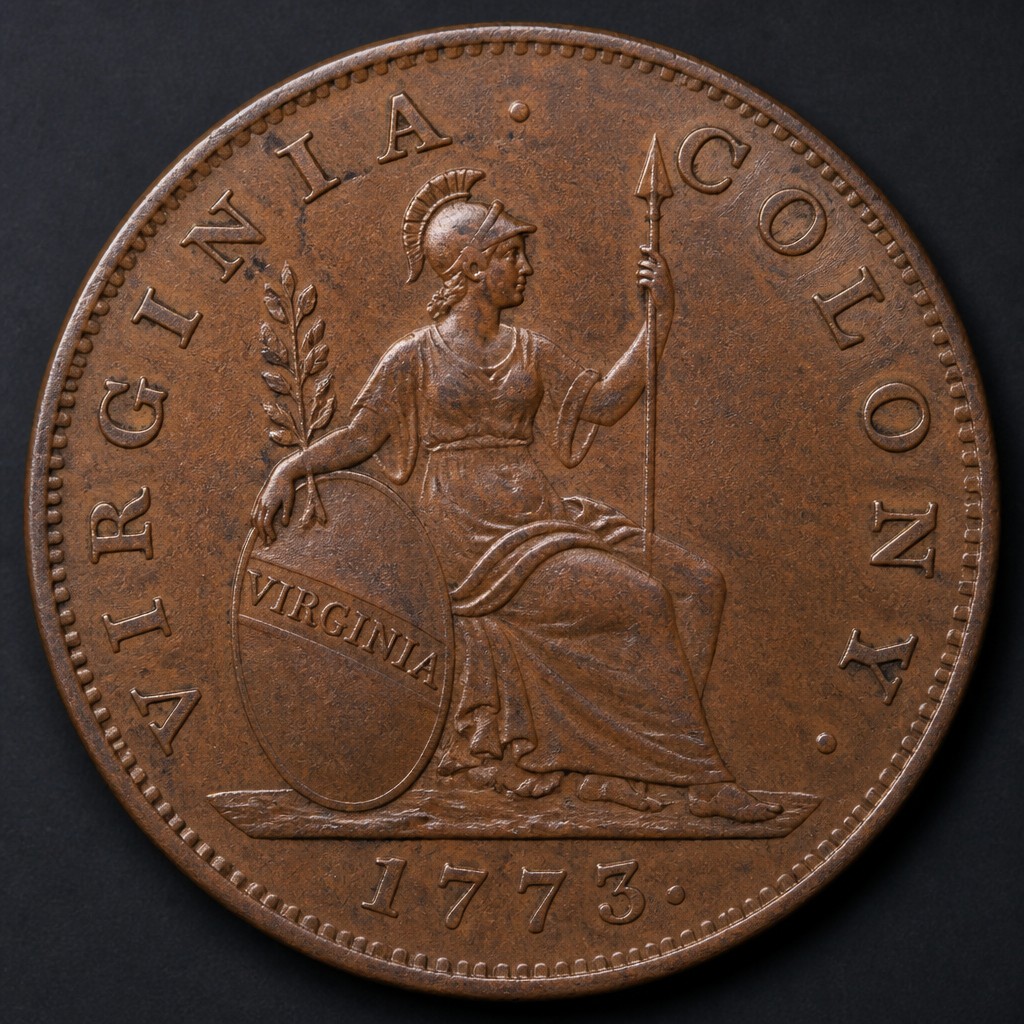
Virginia Halfpenny
1773
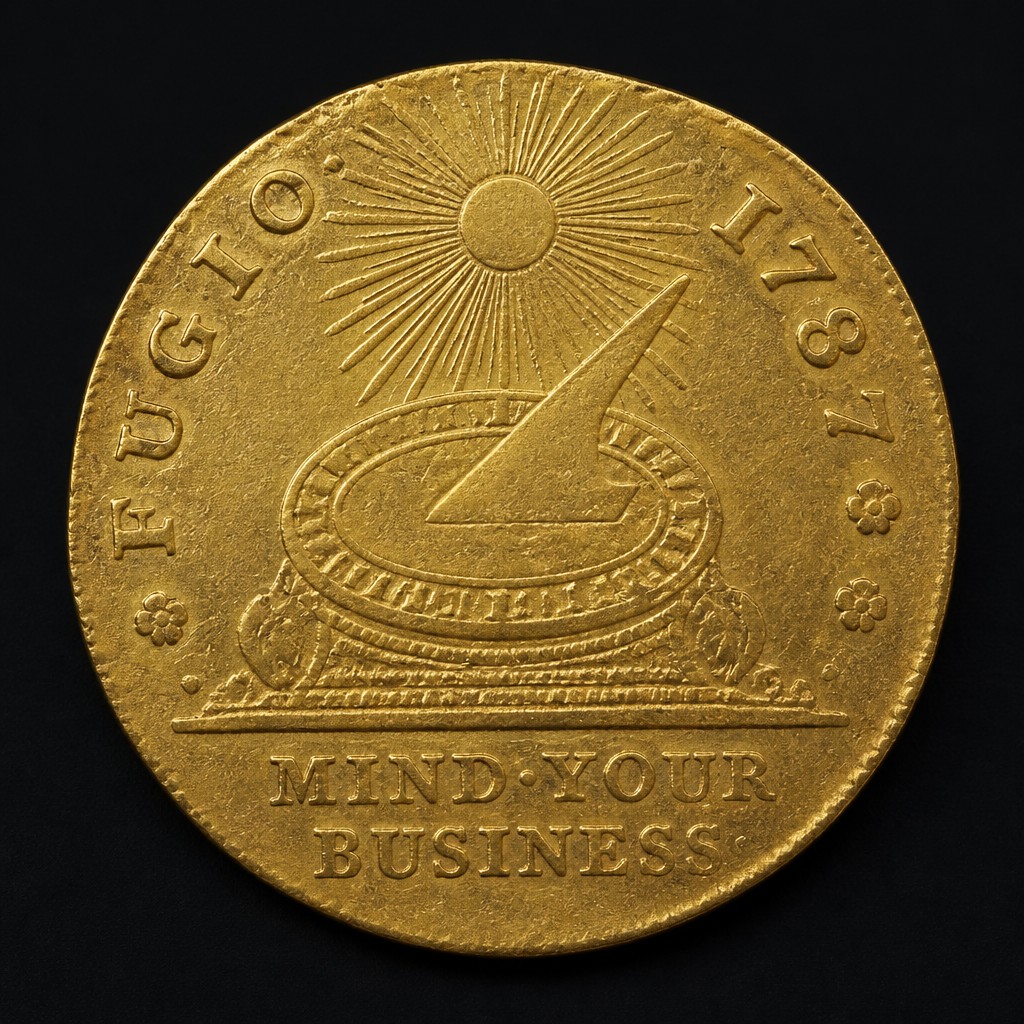
Brasher Doubloon
1787
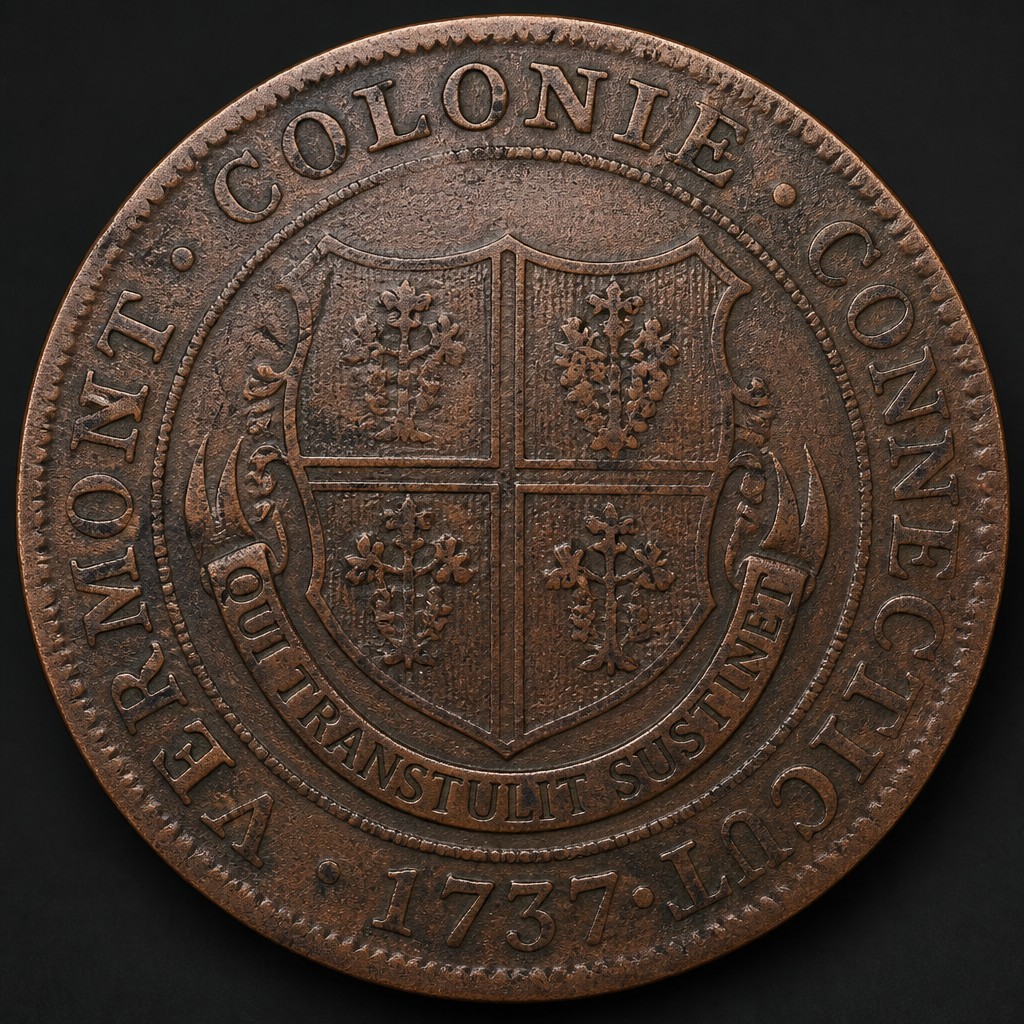
Higley Copper
1737–1739
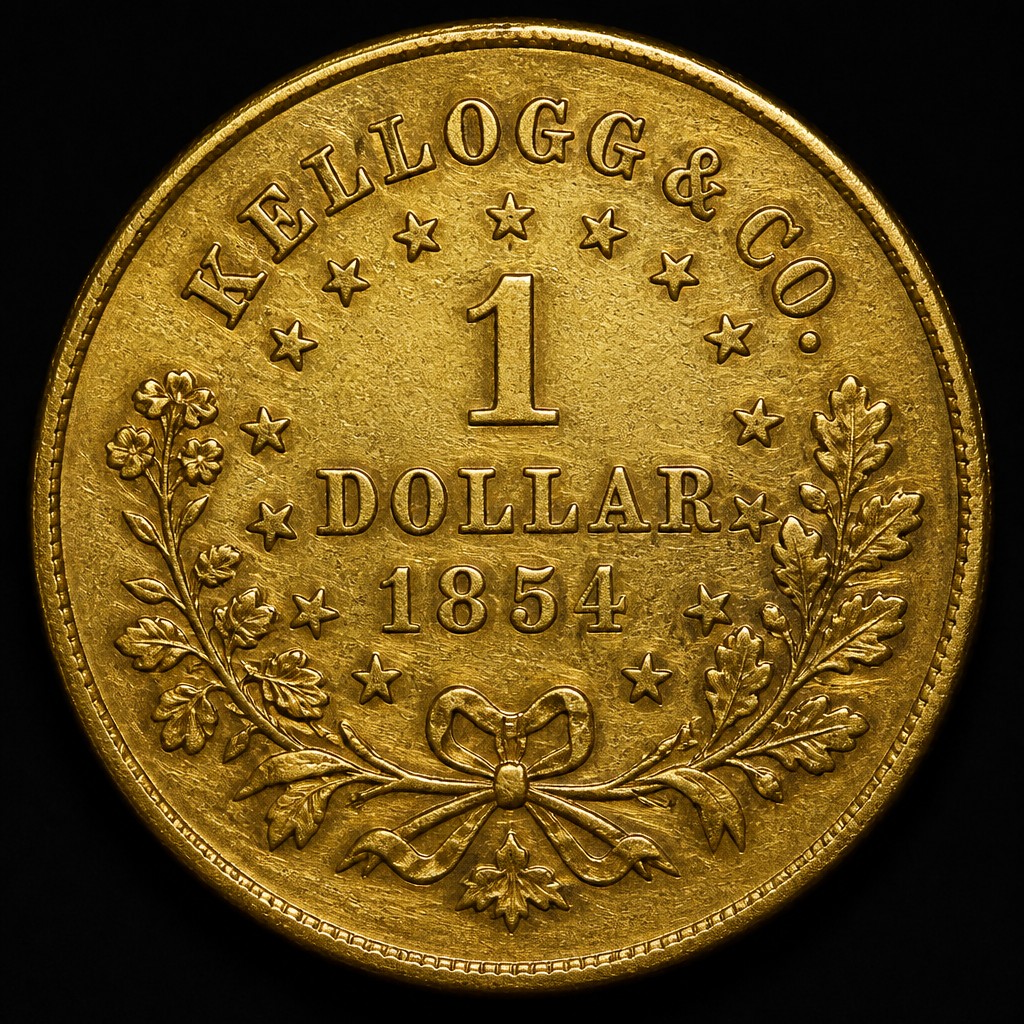
Kellogg & Co. Gold Piece
1854–1855
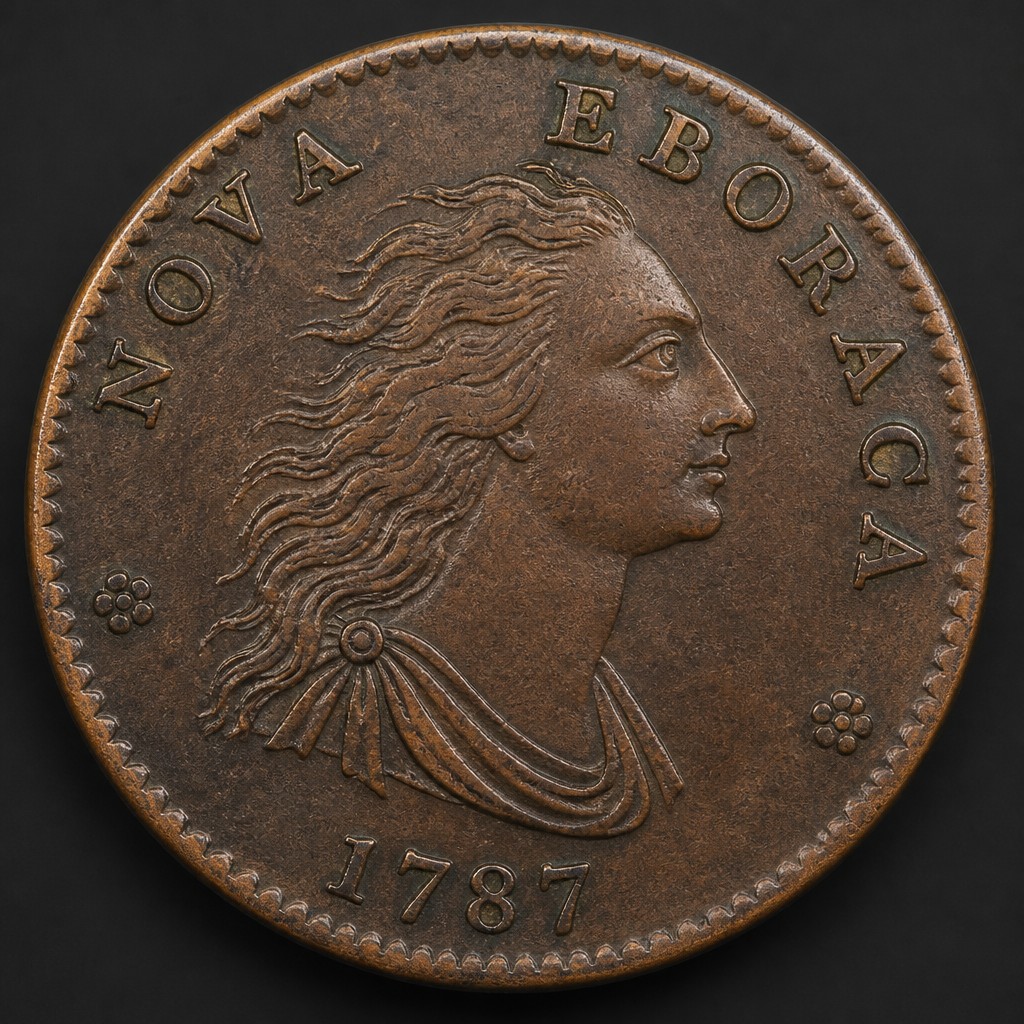
Nova Eborac Copper
1787
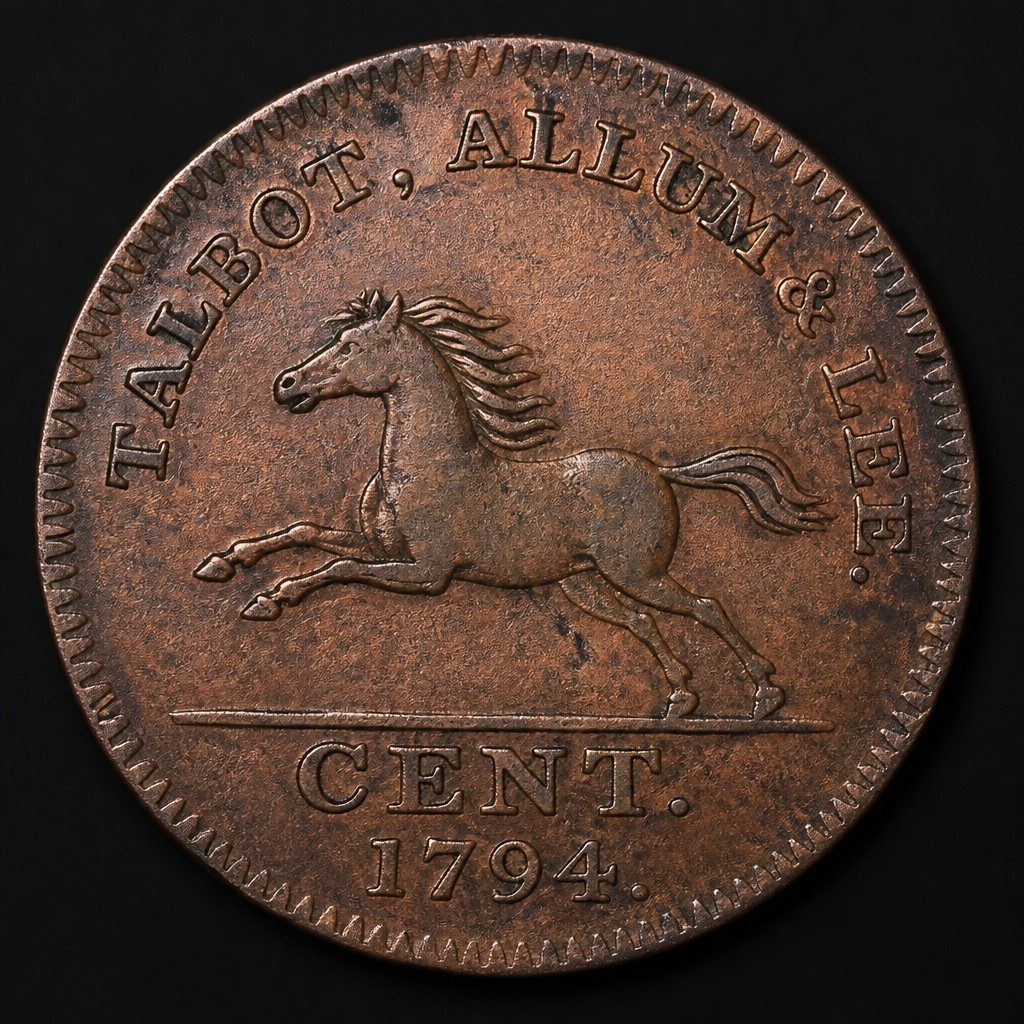
Talbot, Allum & Lee Cent
1794–1795
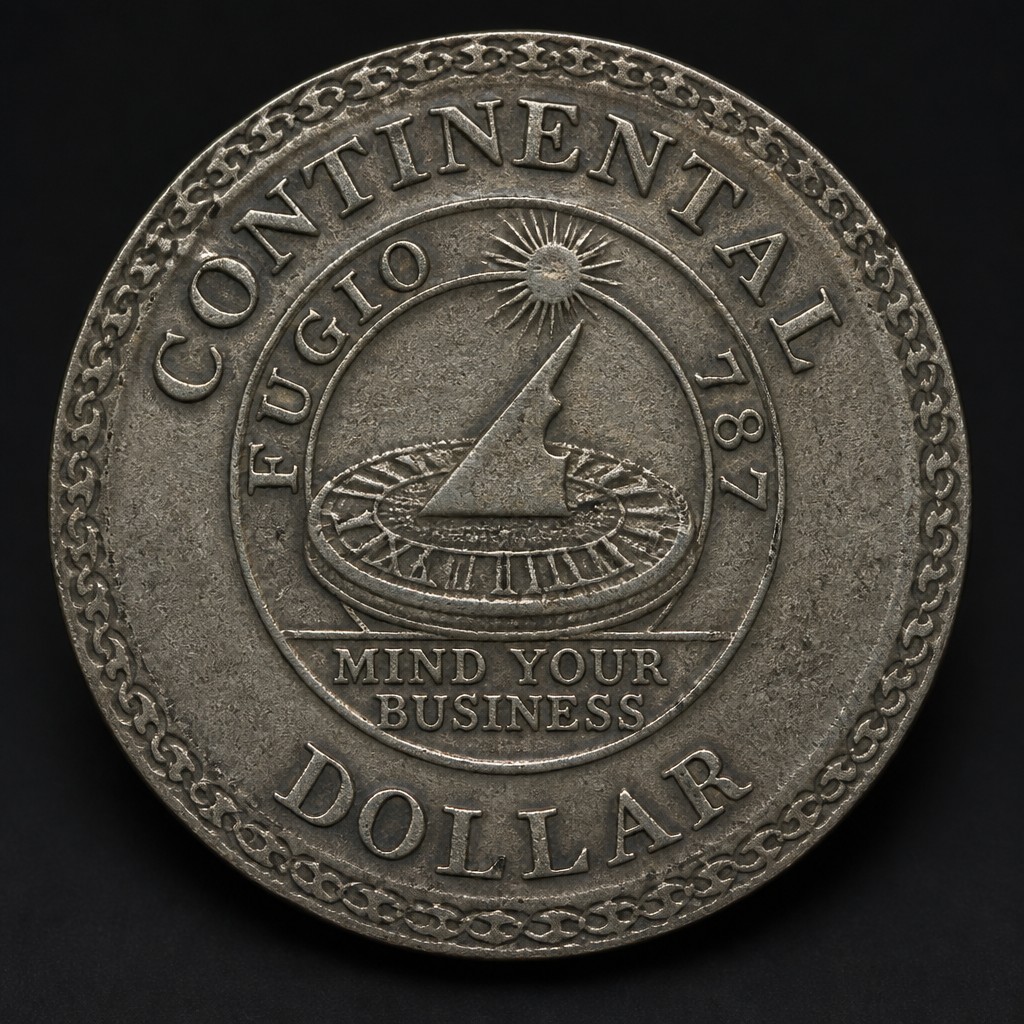
Continental Dollar
1776
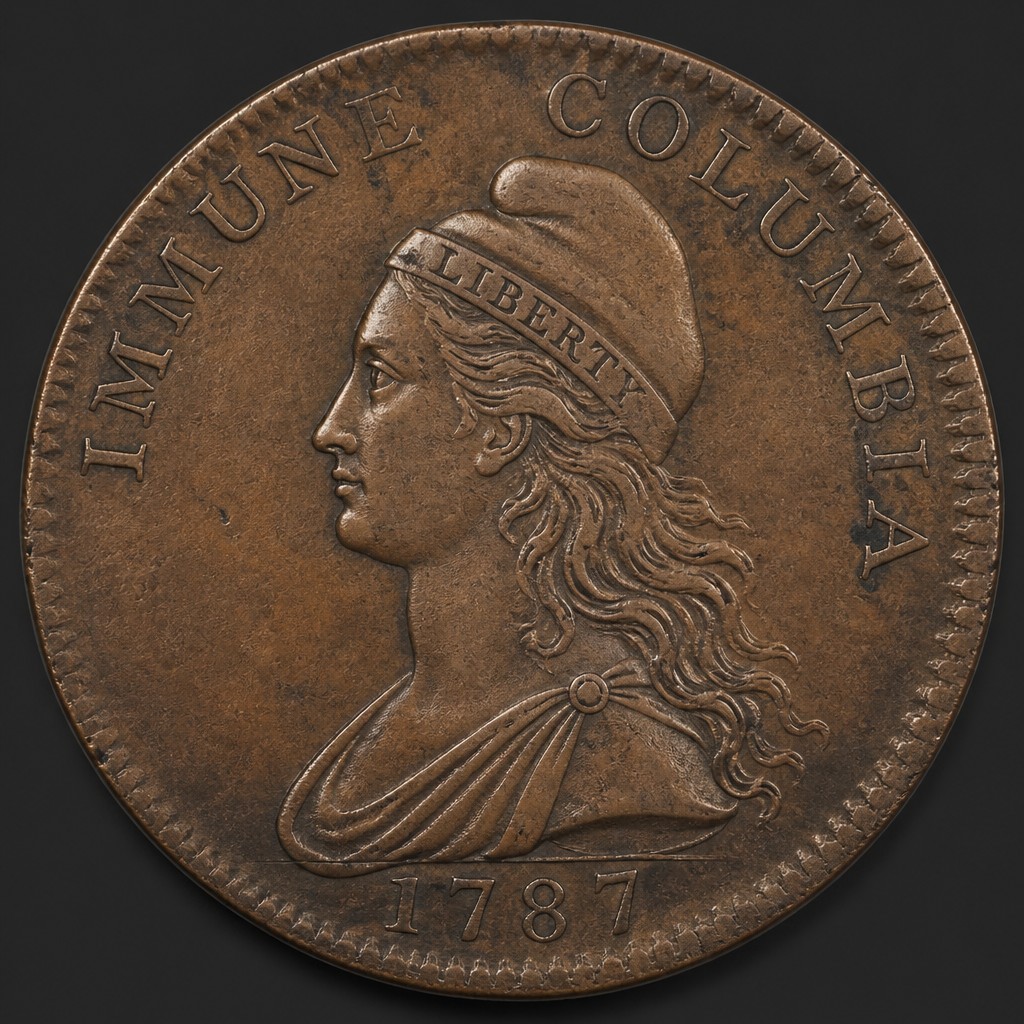
Immune Columbia Copper
circa 1785–1787
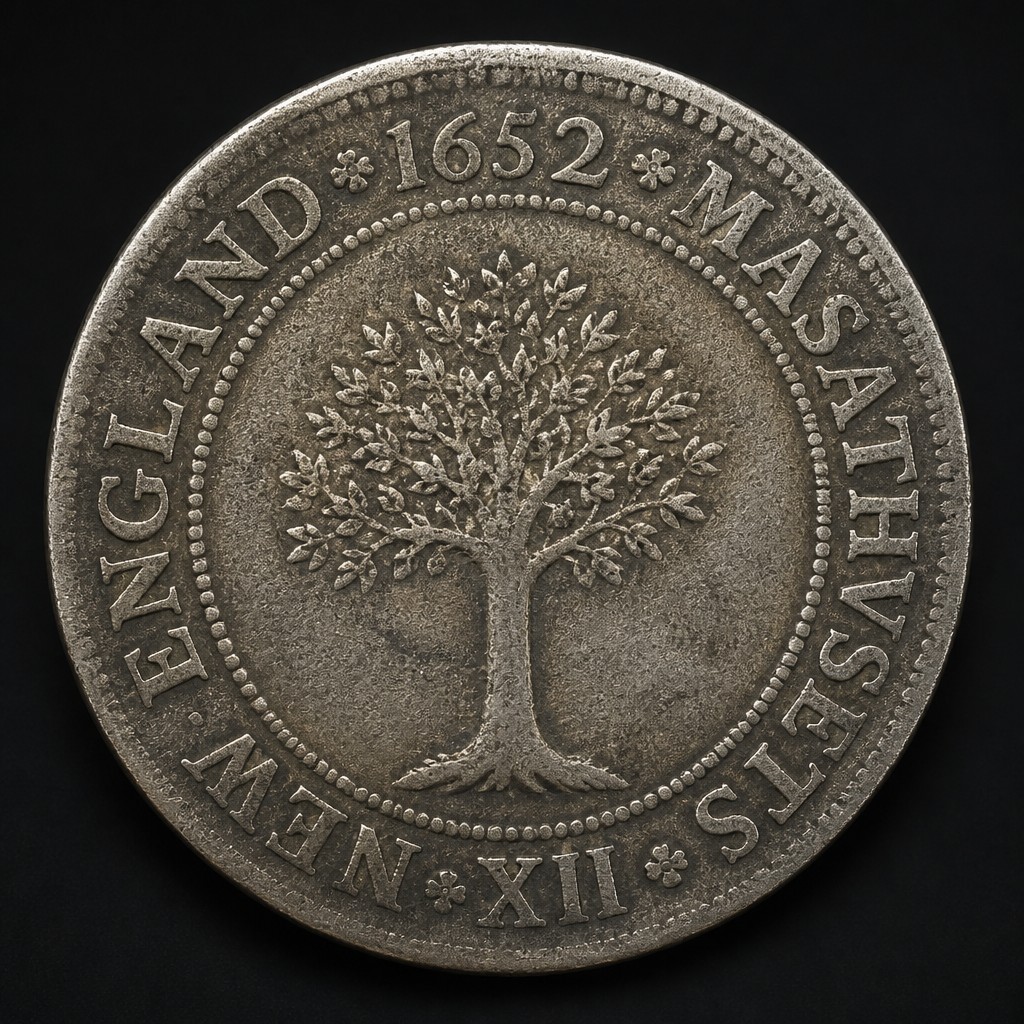
Massachusetts Oak Tree Shilling
Dated 1652, struck circa 1660–1667
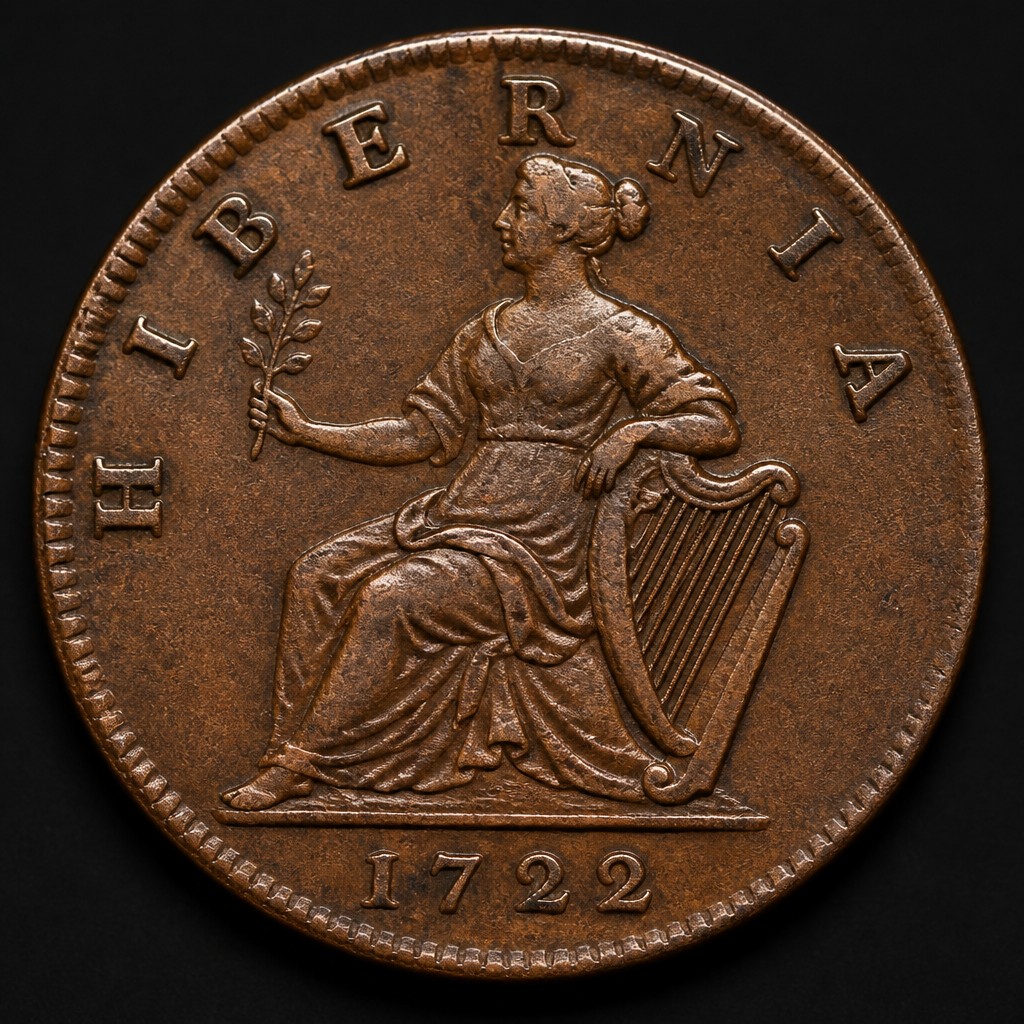
Wood's Hibernia Halfpenny
1722–1724
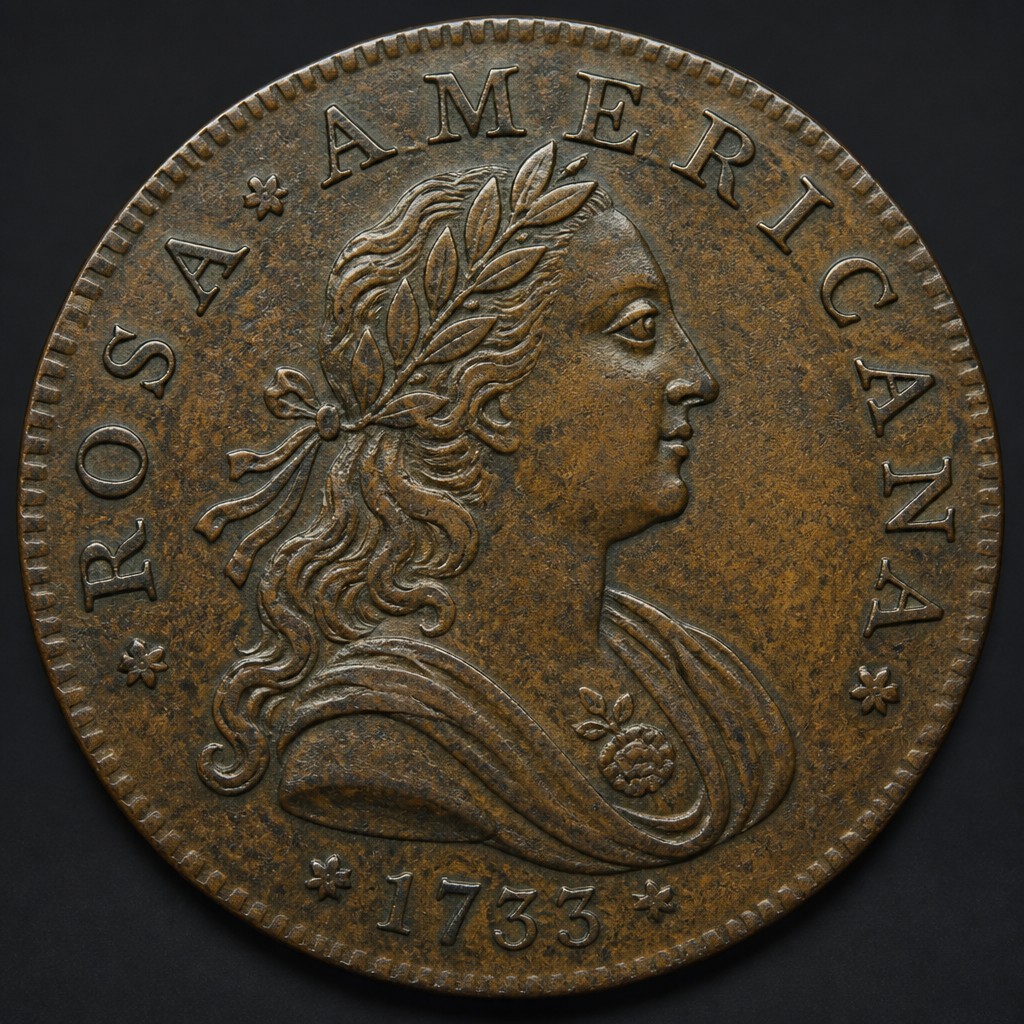
Rosa Americana Coinage
1722–1724 (with pattern issues dated 1733)
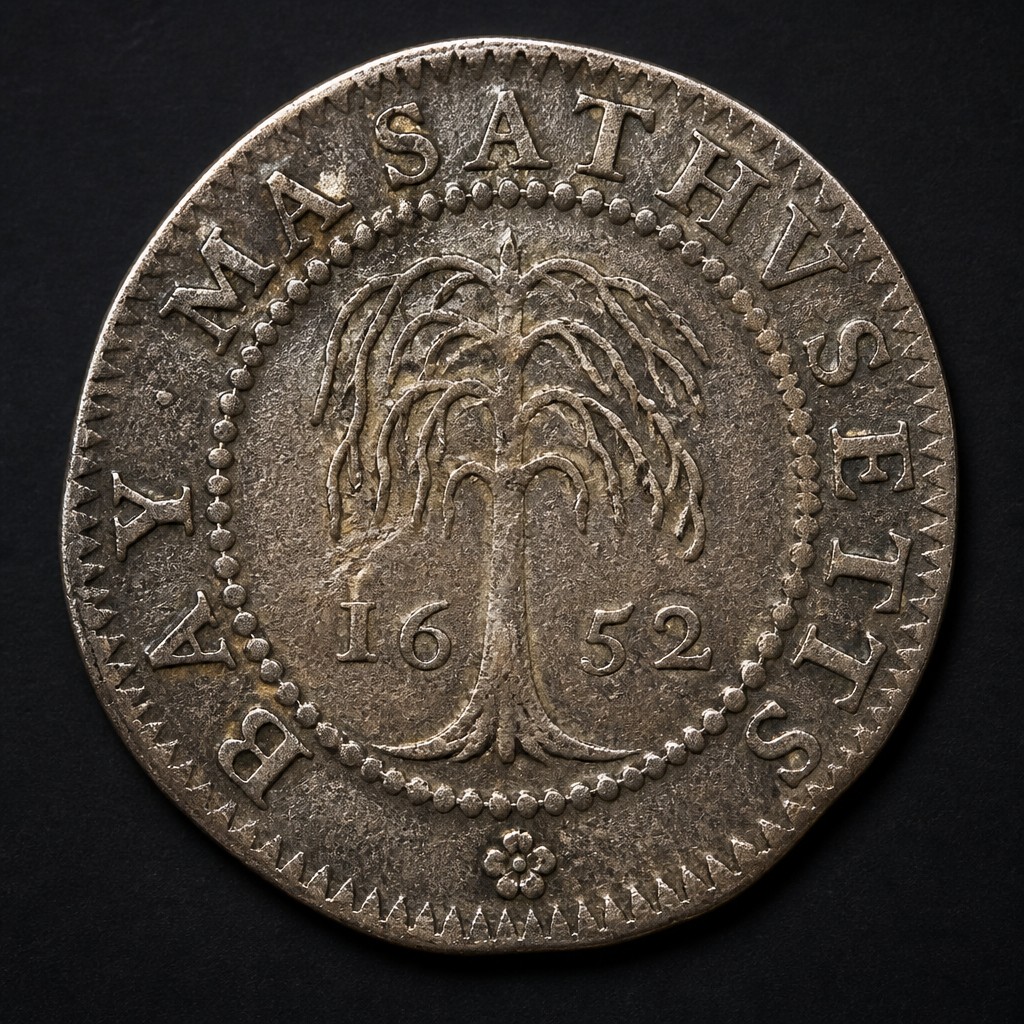
Massachusetts Willow Tree Shilling
Dated 1652, struck circa 1653–1660