
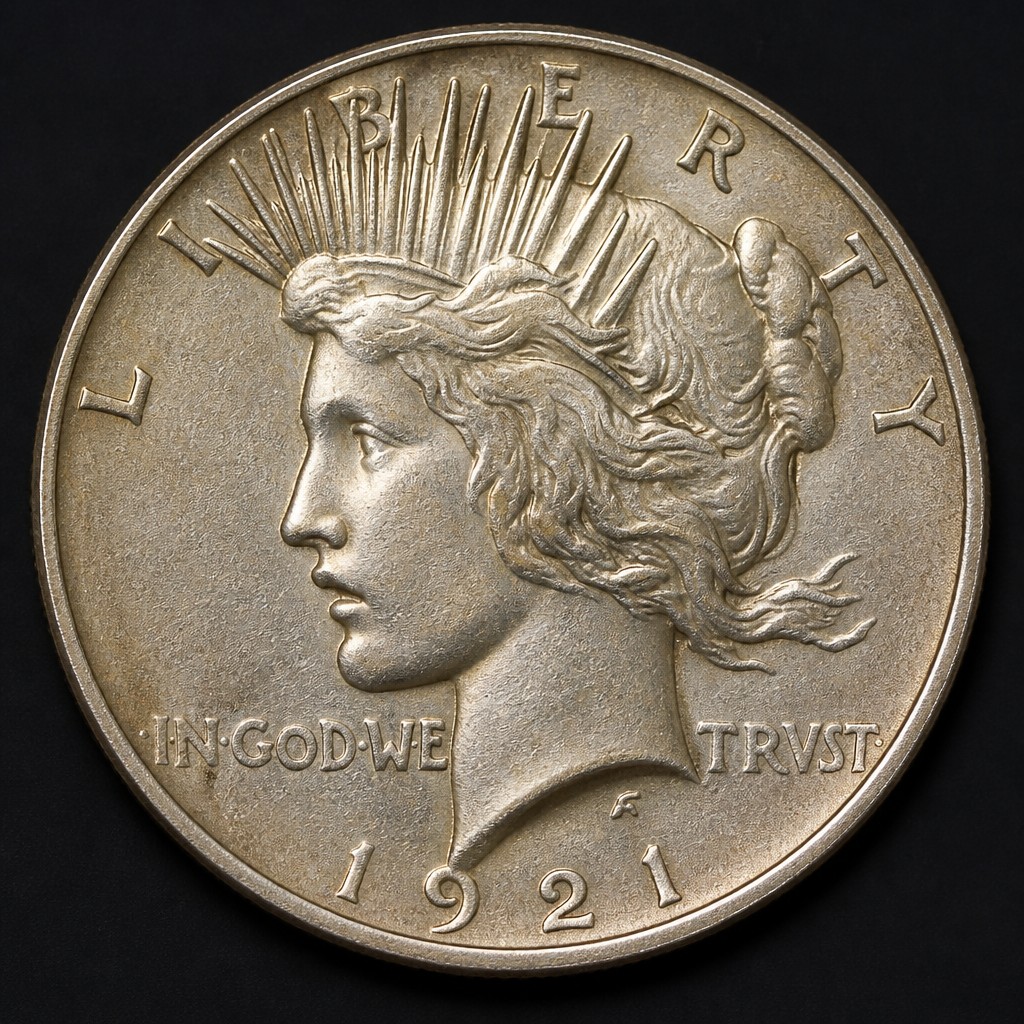
Peace Silver Dollar
Silver dollar issued to commemorate peace after World War I, succeeding the Morgan dollar in 1921 with a striking Art Deco Liberty portrait and eagle-on-rock reverse.
- Country
- United States
- Denomination
- One Dollar
- Metal
- 90% Silver, 10% Copper
Got a coin like this?
Identify any coin from a photo, free.
Overview
The Peace Dollar was created specifically to commemorate the end of World War I and the return of peace, making it one of the few U.S. coins with an explicitly commemorative origin adopted for regular circulation. Its bold, modern Art Deco styling sets it apart from earlier, more classical American coin designs.
Collectors value the series both for its historical symbolism and for the design quality of sculptor Anthony de Francisci's work, along with several genuinely scarce dates that make assembling a complete set a worthwhile challenge.
History & Background
Following the armistice ending World War I, numismatists and the American Numismatic Association pushed for a coin that would commemorate peace, leading the Treasury and Mint to quickly commission a new silver dollar design in late 1921 under the same Pittman Act silver coinage authority that also funded new Morgan dollar production that year. Sculptor Anthony de Francisci won a design competition, basing his Liberty portrait partly on his wife, Teresa.
The coin was rushed into production in high relief for its debut in December 1921, then adjusted to a lower relief for regular striking starting in 1922 for easier mass production. Production continued through 1928, paused during the Depression, and resumed briefly in 1934-1935 before silver dollar coinage ended until the later Eisenhower dollar of the 1970s.
How to Identify
The obverse depicts a left-facing portrait of Liberty with a radiate crown, evoking both classical imagery and the Statue of Liberty, with "LIBERTY" above and the date below. The reverse shows an eagle at rest on a rocky mountaintop, clutching an olive branch, facing the rising sun with its rays visible, and the word "PEACE" inscribed along the base of the rock.
The coin measures 38.1 mm in diameter and weighs 26.73 grams, matching the Morgan dollar's size and silver content, with a reeded edge. Mint marks (D or S) appear on the reverse near the base of the eagle's rock perch; Philadelphia coins carry no mint mark. The 1921 high-relief issue is more sharply and deeply struck than the flatter 1922-onward coins.
Value & Collectibility
Most Peace Dollars are affordable in circulated grades, trading close to silver bullion value with modest premiums for common dates, making the series accessible to new collectors. The high-relief 1921 issue and the low-mintage 1928 Philadelphia issue are notable key dates commanding significant premiums.
High-grade uncirculated examples with strong luster, especially from certain San Francisco and Denver issues of the 1920s, can be considerably scarcer than their mintage figures suggest due to weak strikes and bag marks common to the series. As with Morgan dollars, condition and strike quality heavily influence value beyond simple date rarity.
Frequently asked questions
Why was the Peace Dollar created?
It was designed to commemorate the peace following World War I, a deliberate departure from earlier coin designs to mark a historic event.
Who is depicted on the obverse?
A stylized portrait of Liberty by sculptor Anthony de Francisci, reportedly modeled in part on his wife, Teresa.
What is the key date in the series?
The 1928 Philadelphia issue had a low mintage and is considered the key date, alongside the special high-relief 1921 issue.
How is it different from the Morgan Dollar?
It shares the same size, weight, and silver content as the Morgan Dollar but features an entirely different Art Deco design symbolizing peace rather than the earlier Liberty Head and heraldic eagle motif.
Other coins you may enjoy
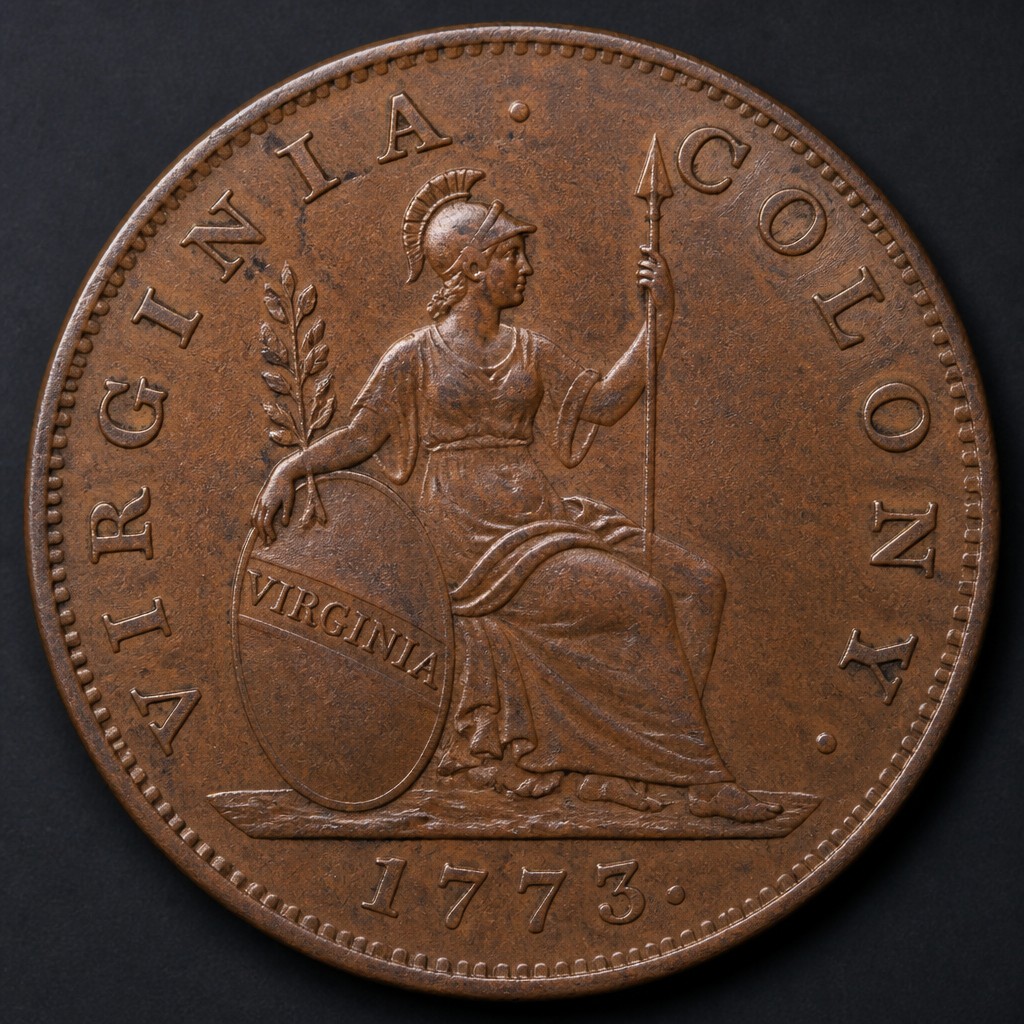
Virginia Halfpenny
1773
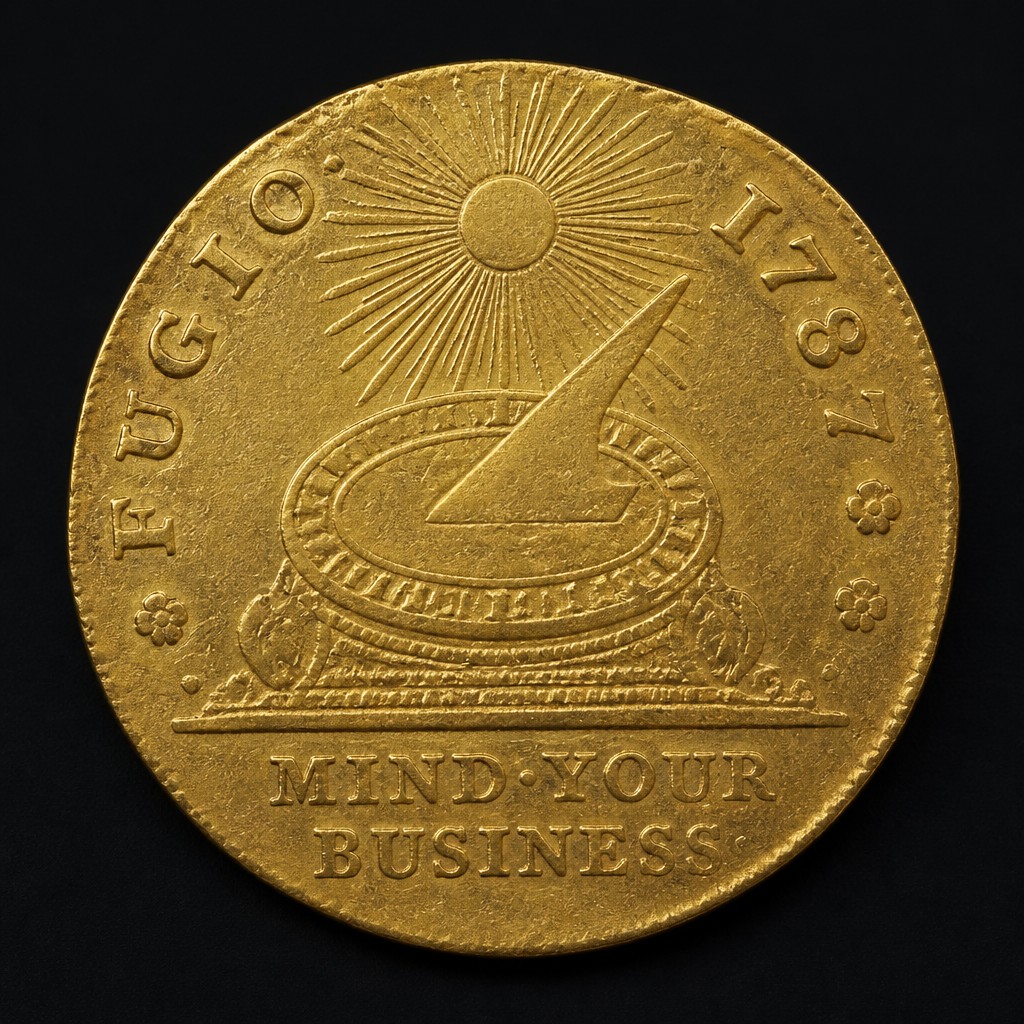
Brasher Doubloon
1787
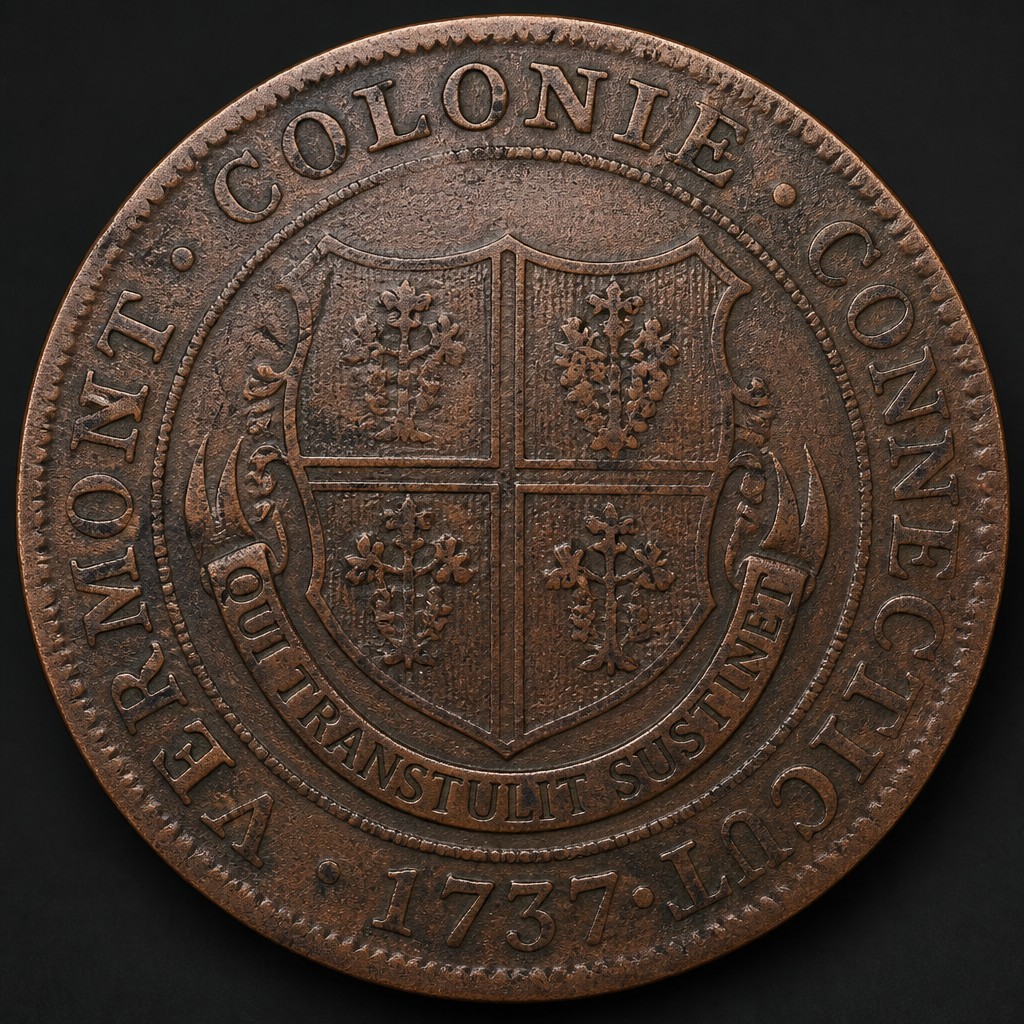
Higley Copper
1737–1739
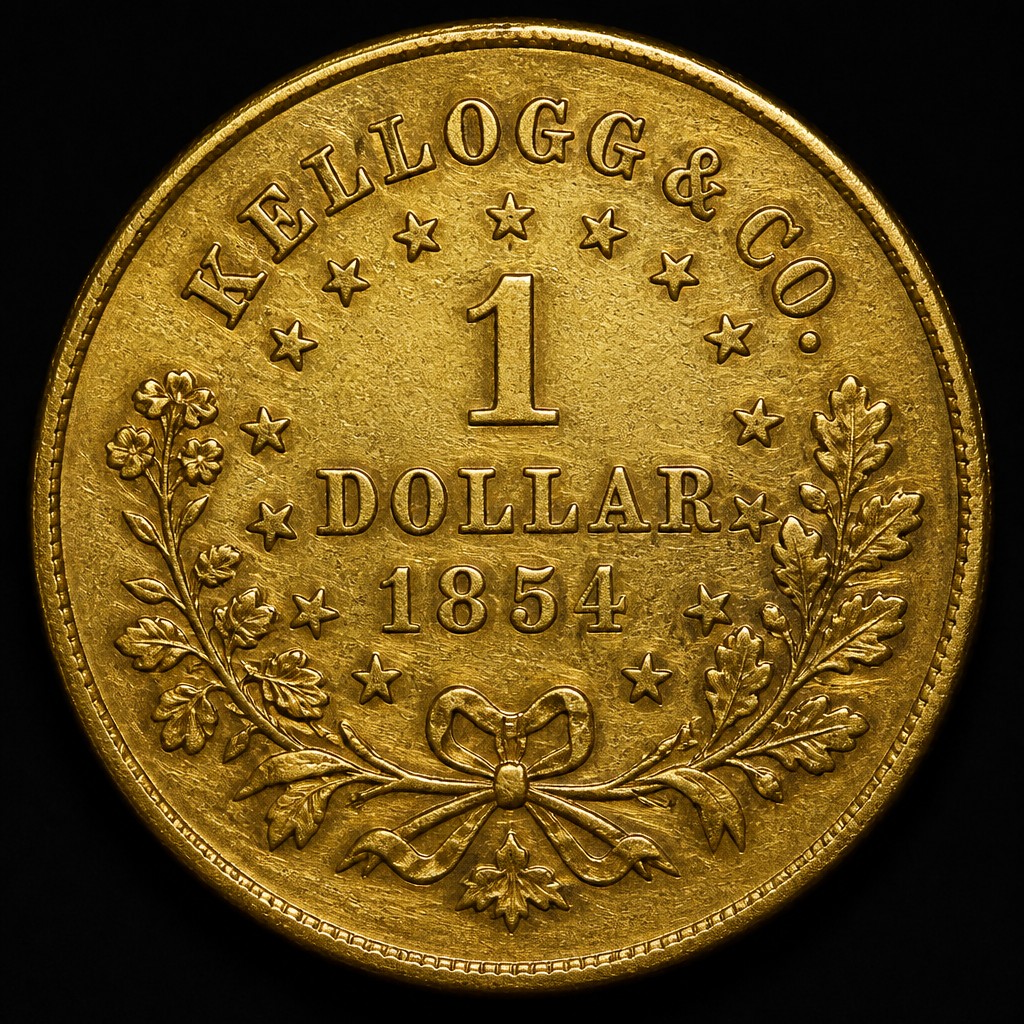
Kellogg & Co. Gold Piece
1854–1855
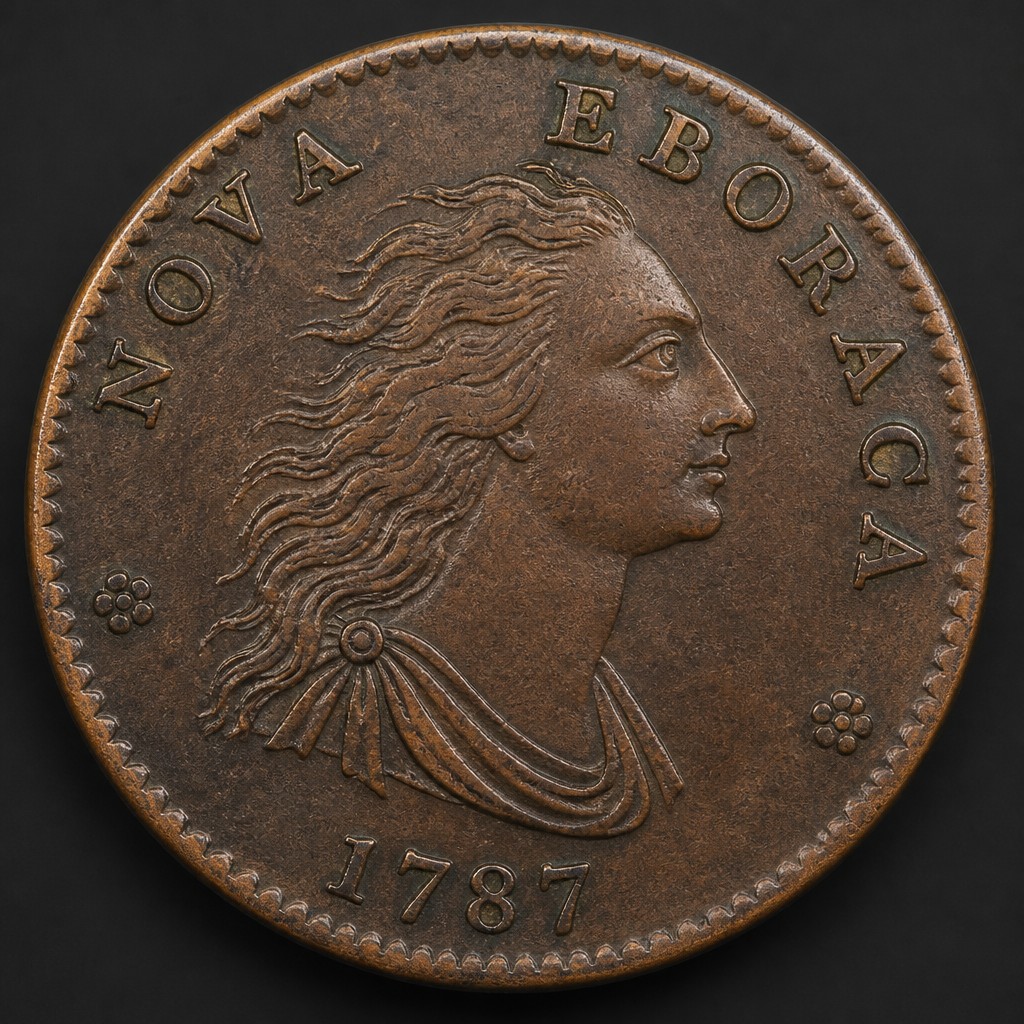
Nova Eborac Copper
1787
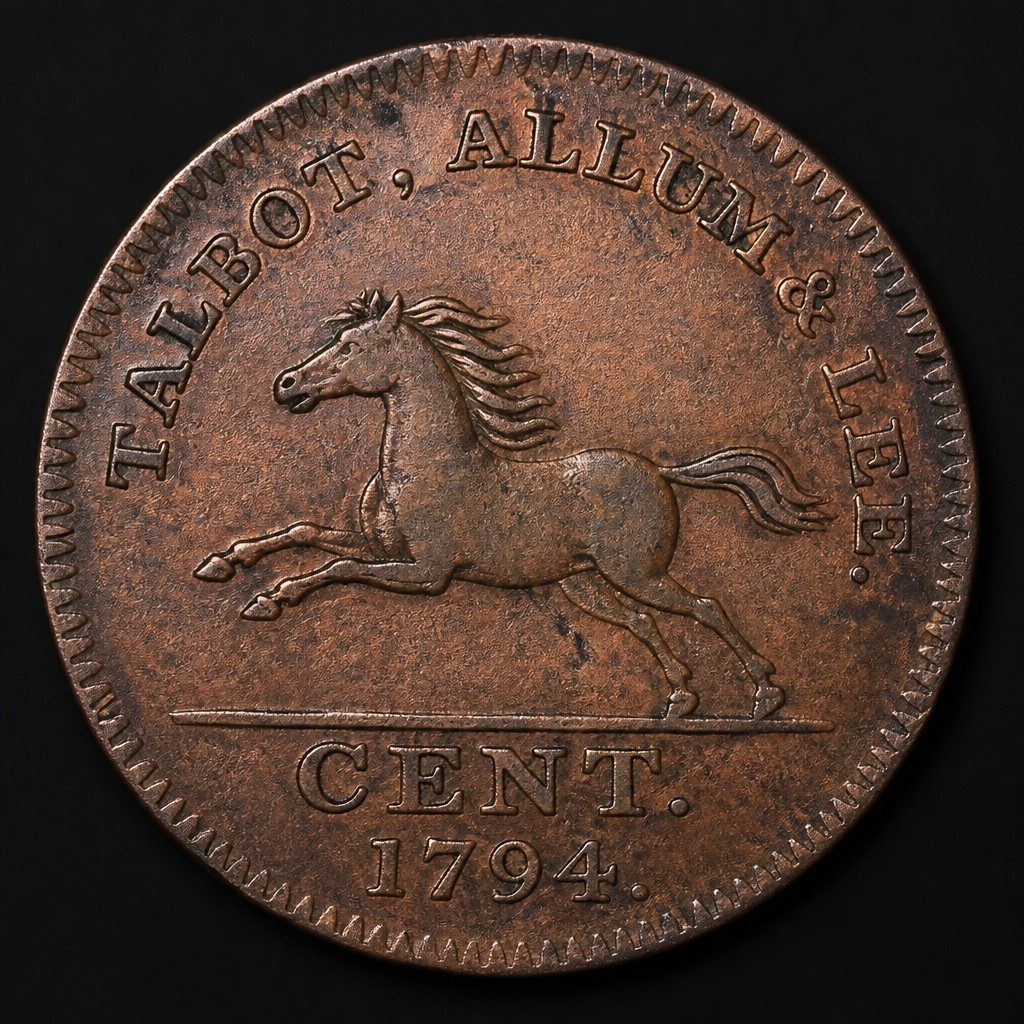
Talbot, Allum & Lee Cent
1794–1795
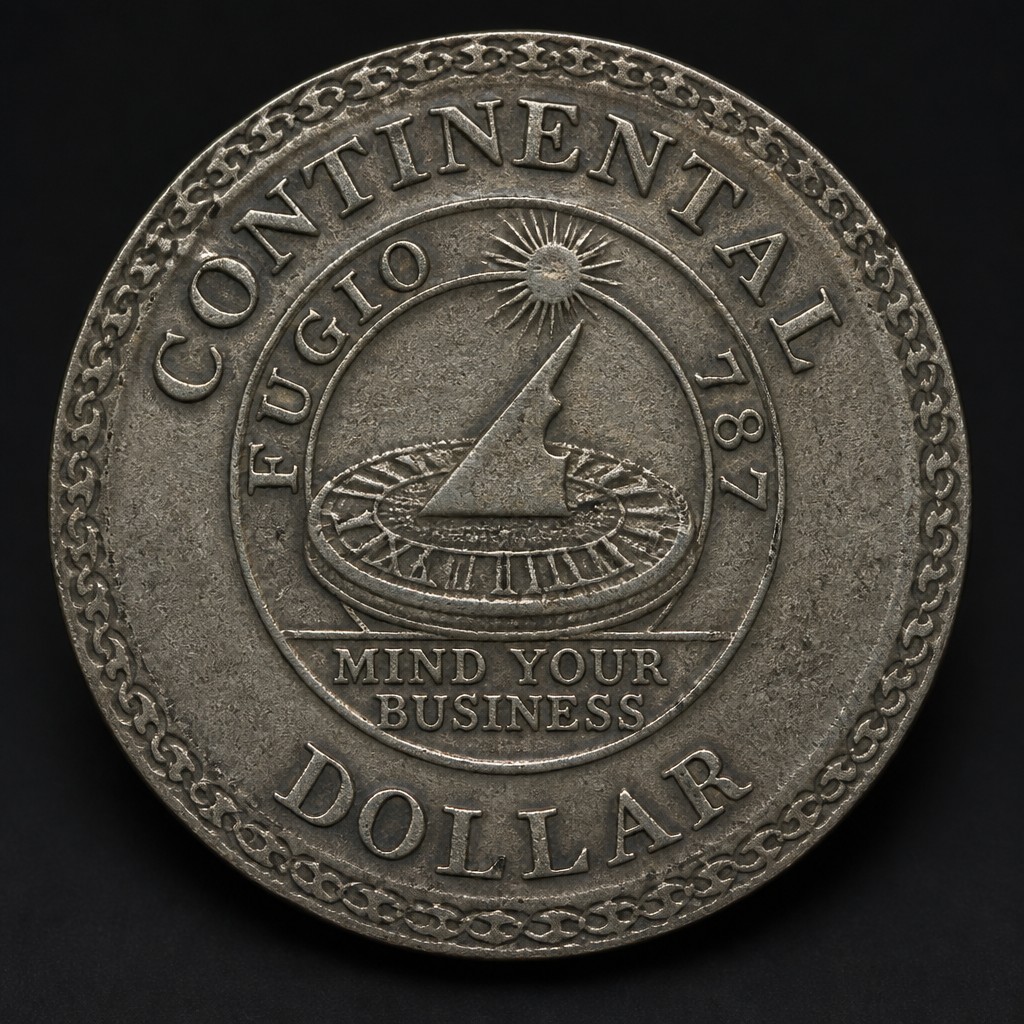
Continental Dollar
1776
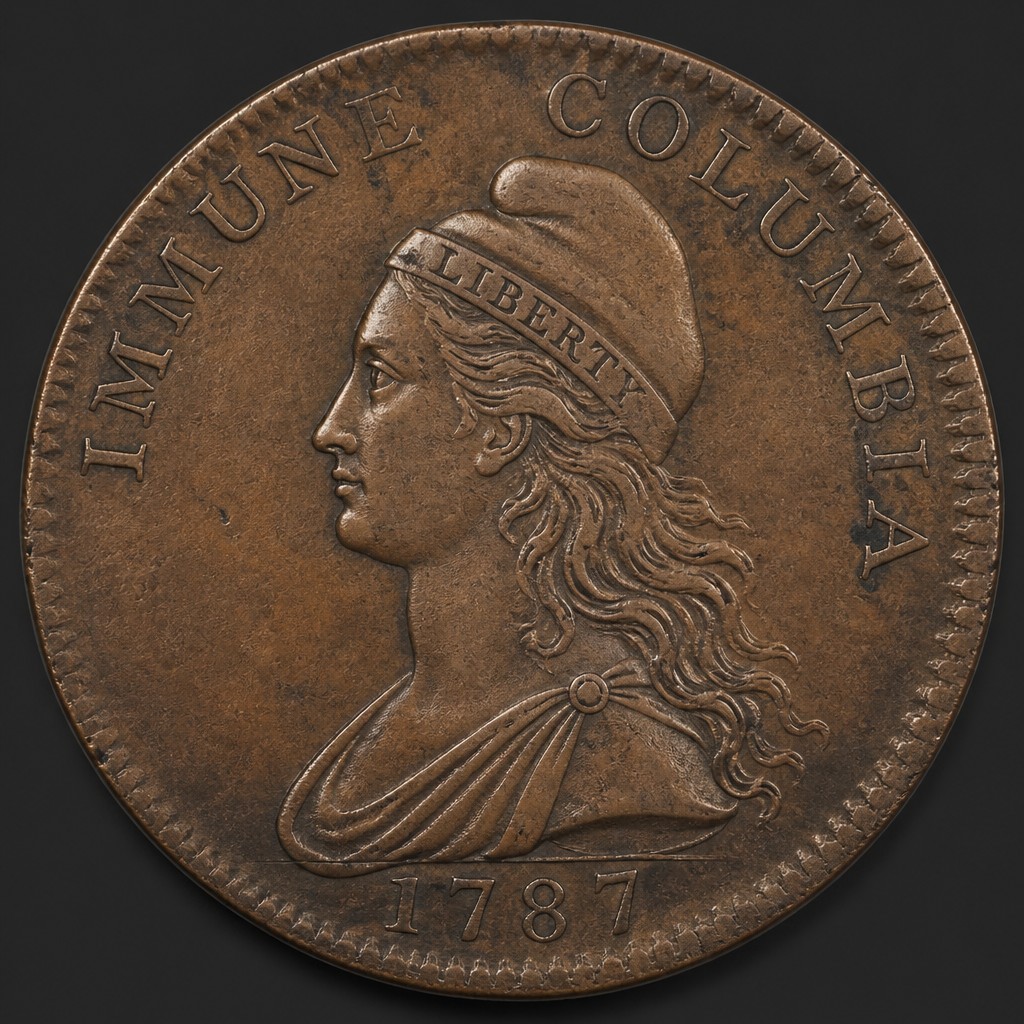
Immune Columbia Copper
circa 1785–1787
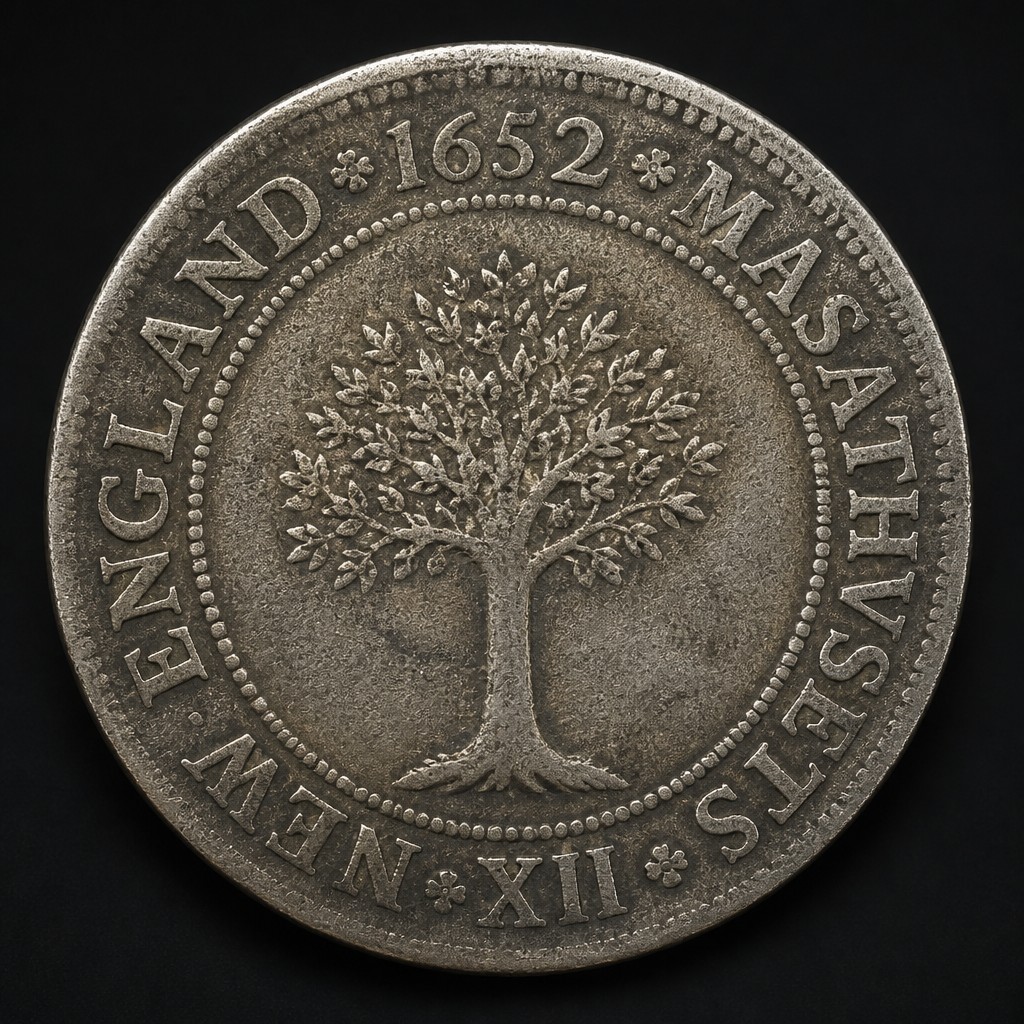
Massachusetts Oak Tree Shilling
Dated 1652, struck circa 1660–1667
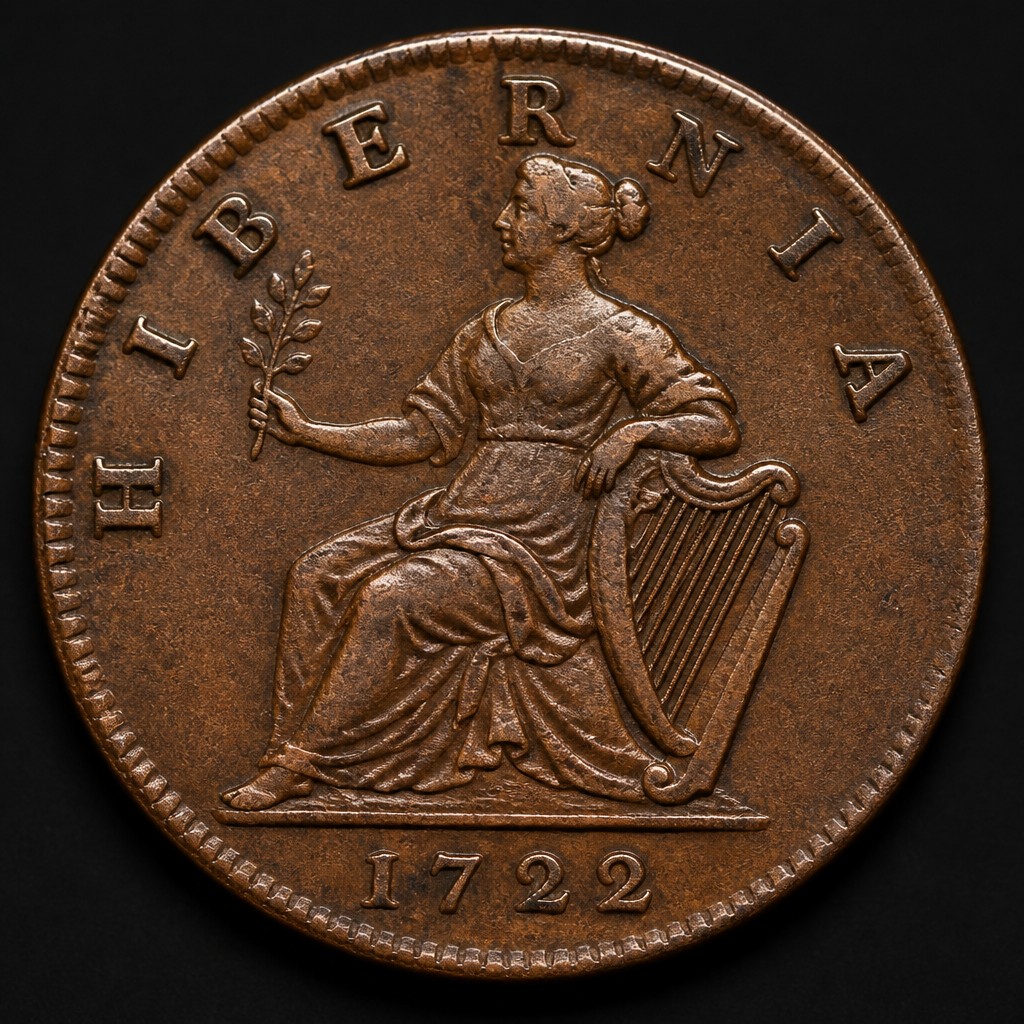
Wood's Hibernia Halfpenny
1722–1724
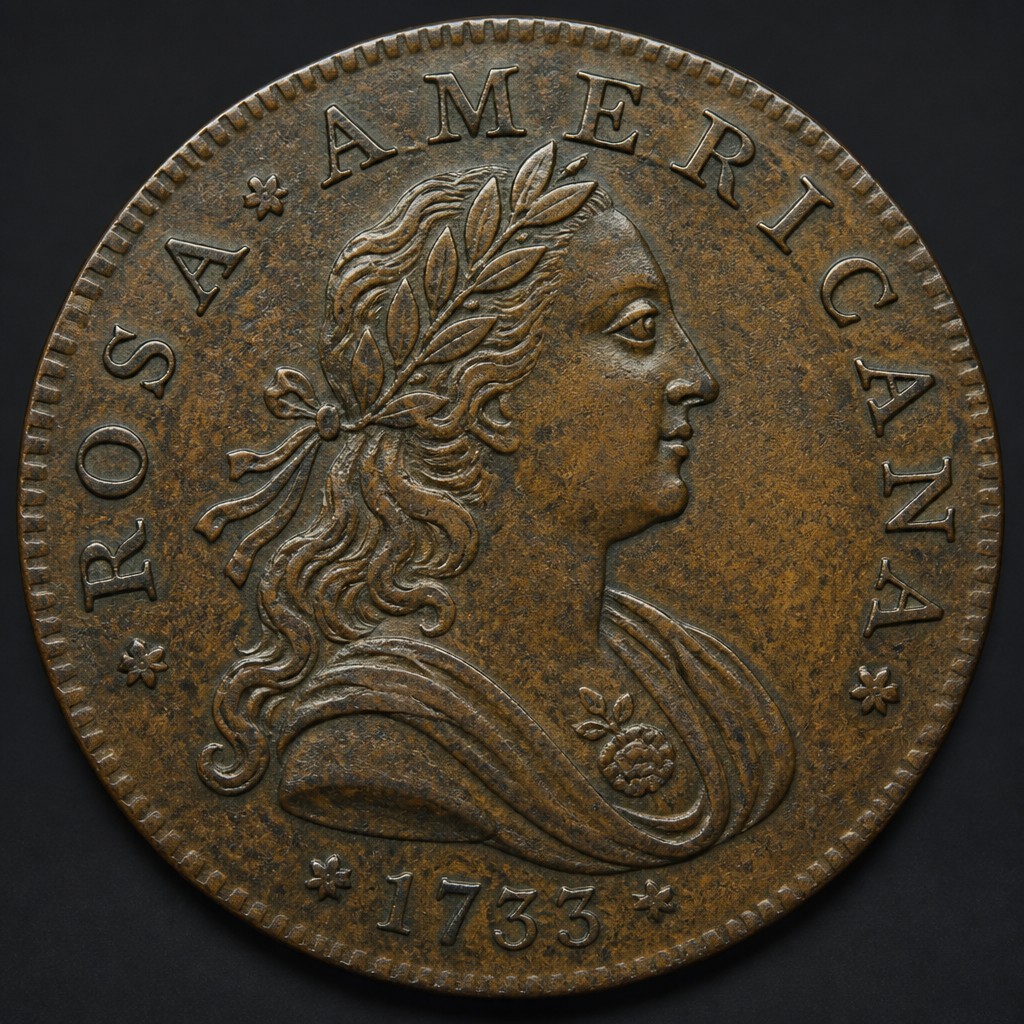
Rosa Americana Coinage
1722–1724 (with pattern issues dated 1733)
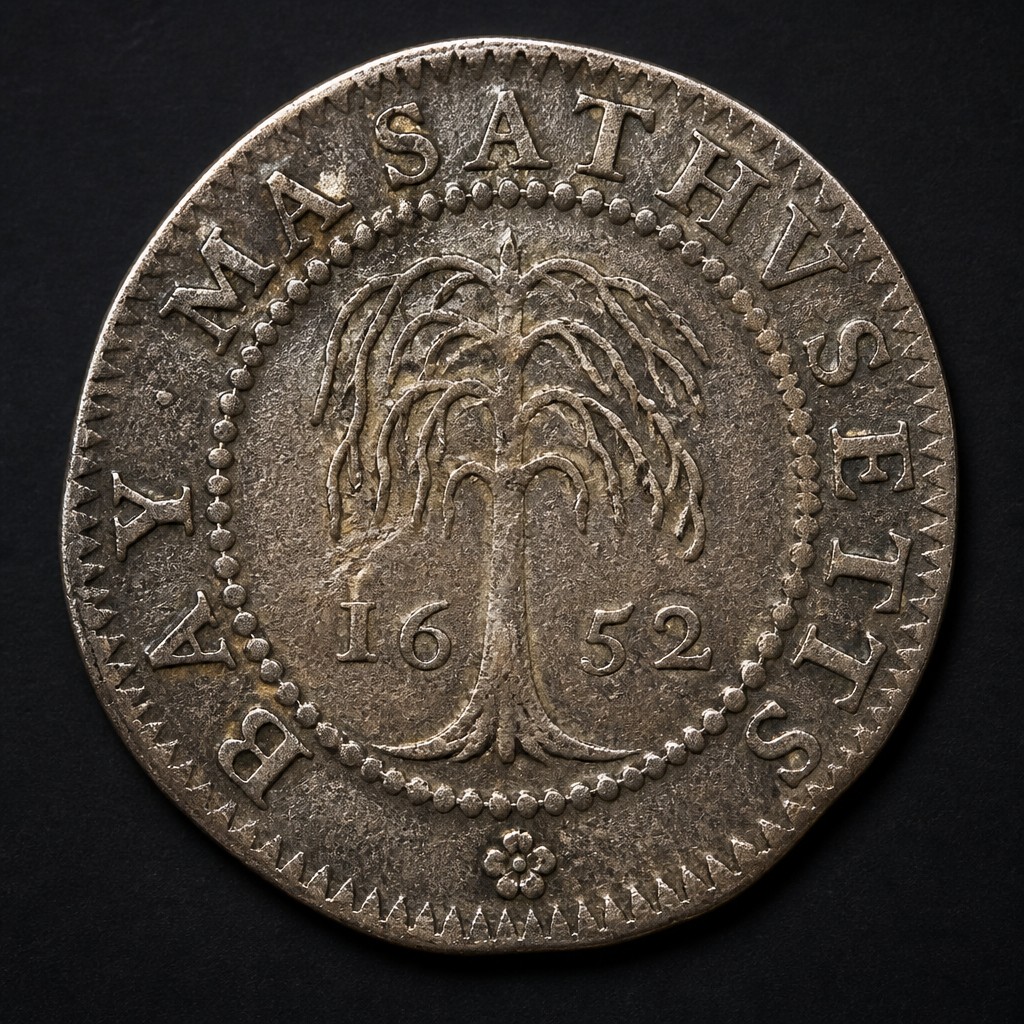
Massachusetts Willow Tree Shilling
Dated 1652, struck circa 1653–1660