
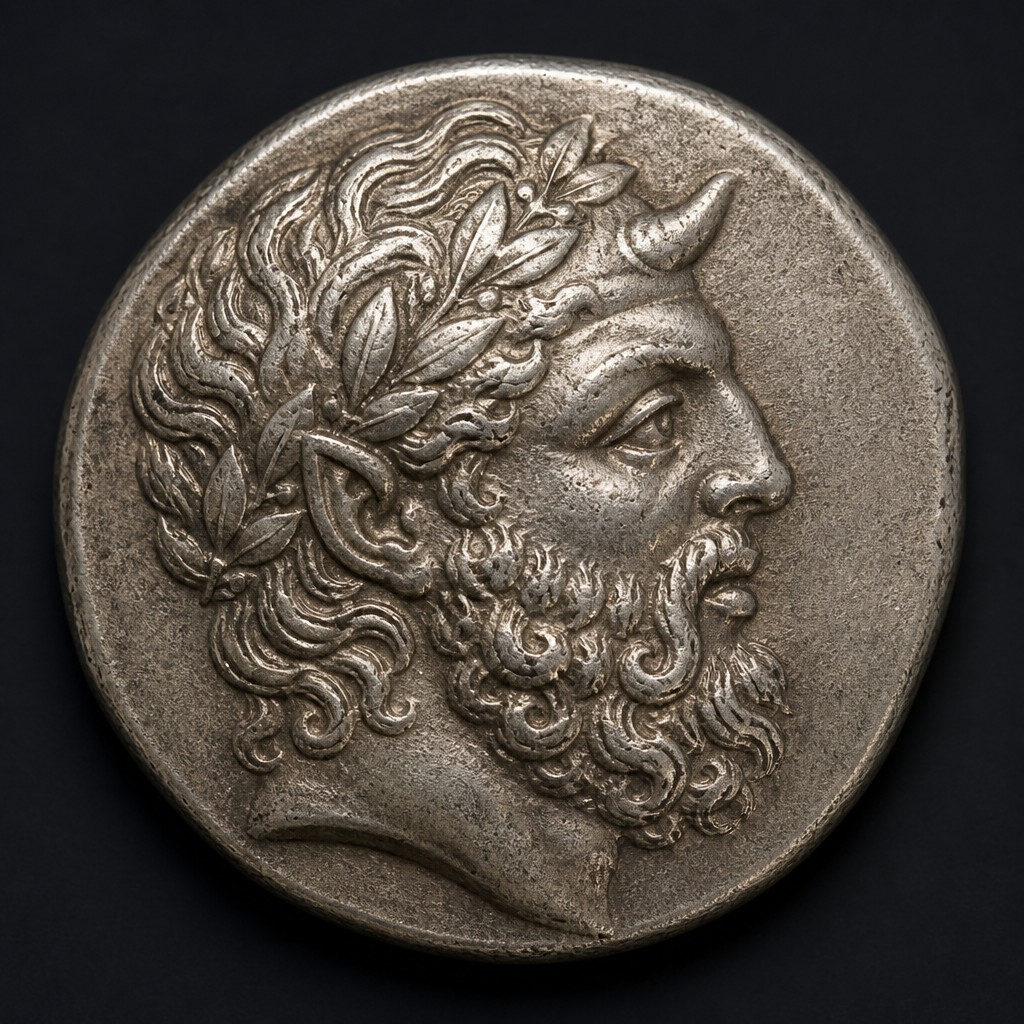
Naxos Silenus Tetradrachm (Sicily)
A silver tetradrachm from the Sicilian Greek colony of Naxos, celebrated for its masterful head of Dionysos and a vividly rendered seated Silenus on the reverse.
- Country
- Ancient Greece (Sicily)
- Denomination
- Tetradrachm
- Metal
- Silver
Got a coin like this?
Identify any coin from a photo, free.
Overview
The Naxos (Sicily) Silenus tetradrachm is widely regarded by scholars and collectors as one of the artistic high points of ancient Greek coinage, produced by a small colony that nonetheless employed some of the most gifted die engravers of Sicily's classical period. The coin's combination of a refined, youthful head of Dionysos and a vividly characterized, almost comic figure of the satyr Silenus on the reverse makes it a favorite subject in surveys of Greek numismatic art.
Despite the modest size of the city that issued it, the coinage's reputation for artistic excellence places it among the most admired and actively collected tetradrachms from Sicily, alongside far larger and wealthier mints such as Syracuse.
History & Background
Naxos was the earliest Greek colony founded in Sicily, established by settlers from the island of Naxos in the Aegean along with Chalcidian Greeks, and it maintained its own coinage during the 5th century BC before being destroyed by Syracuse late in that century. Despite its relatively small size and eventual destruction, the city's mint attracted or trained highly skilled engravers whose work on the Dionysos and Silenus types is still studied today as an example of the artistic flowering that occurred across Sicilian mints during the Classical period.
The coinage's brief production window and the historical fate of the city, ultimately razed by Syracuse and later refounded, add a layer of historical poignancy that collectors often note when studying the series.
How to Identify
The obverse shows the head of the young Dionysos (Bacchus), often wreathed in ivy, rendered with notably soft, naturalistic modeling of the hair and features. The reverse depicts Silenus, the bearded and balding companion of Dionysos, typically shown seated on the ground or on a rock, often holding a kantharos (drinking cup), with the ethnic NAXION nearby.
The vivid, almost caricature-like rendering of Silenus's features, including his snub nose and animal-like ears, is a hallmark that distinguishes this coinage from more idealized Greek portrait types. The coin is a silver tetradrachm struck on the Attic-influenced Sicilian standard typical of Sicilian city coinages of the period.
Value & Collectibility
Naxos Silenus tetradrachms are scarce and highly regarded, and even moderately preserved examples can command significant prices due to the coinage's fame and artistic reputation, often reaching into the low-to-mid five figures for well-struck pieces, with exceptional examples bringing considerably more at auction. Because the type is closely studied by specialists, die identification, centering, and the sharpness of Silenus's distinctive facial features all play a major role in determining value.
Frequently asked questions
Why is this coin considered so artistically important?
It is celebrated for its refined head of Dionysos and vividly characterized figure of Silenus, widely regarded as among the finest engraving achievements of Classical Sicilian coinage.
Who is Silenus?
A companion and tutor of the god Dionysos in Greek mythology, typically portrayed as an older, balding satyr fond of wine.
Is this coin rare?
Yes, genuine examples are scarce and command strong prices due to both rarity and artistic reputation.
What happened to the city of Naxos?
It was destroyed by Syracuse late in the 5th century BC, which helps explain the relatively limited window of this coinage's production.
How is it different from other Sicilian tetradrachms?
Its distinctive combination of a youthful Dionysos obverse and a seated, characterful Silenus reverse sets it apart from other Sicilian city types such as those of Syracuse or Akragas.
Other coins you may enjoy
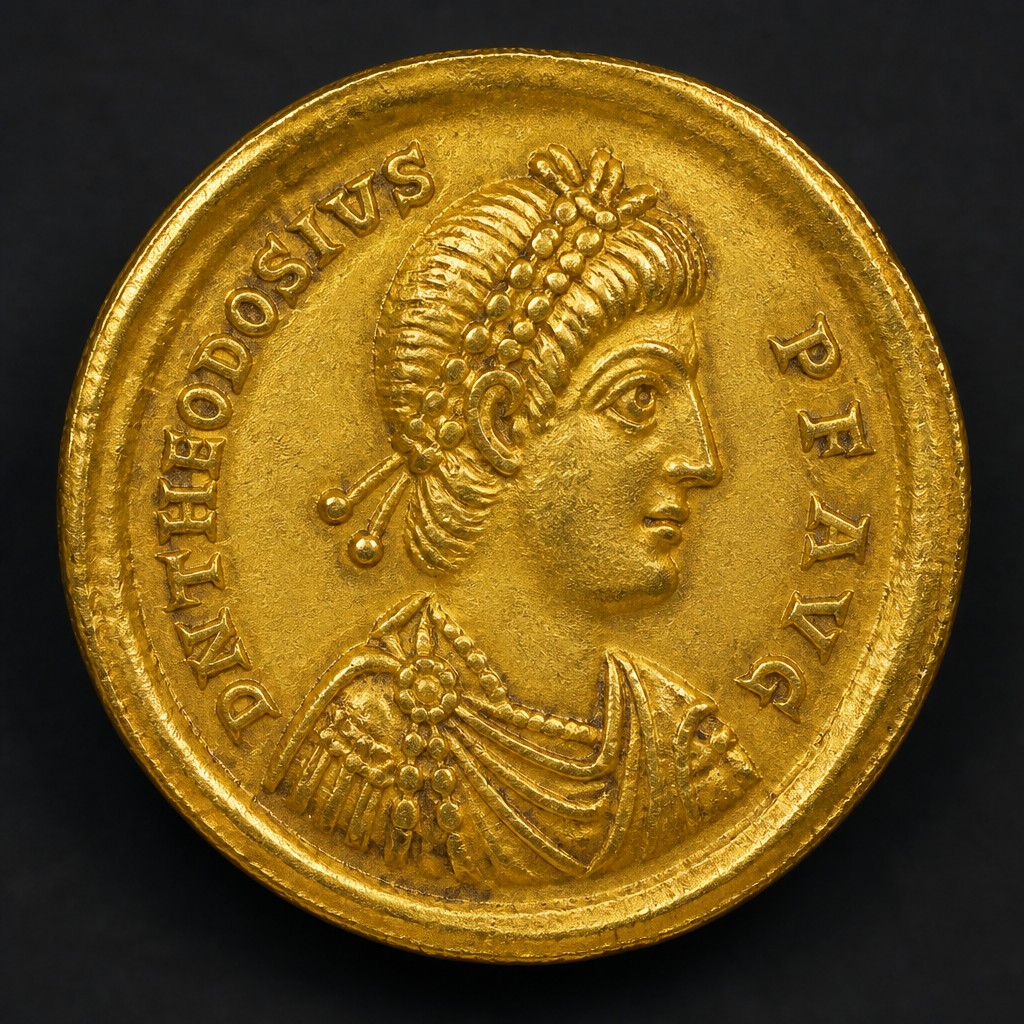
Theodosius I Solidus
379–395 AD
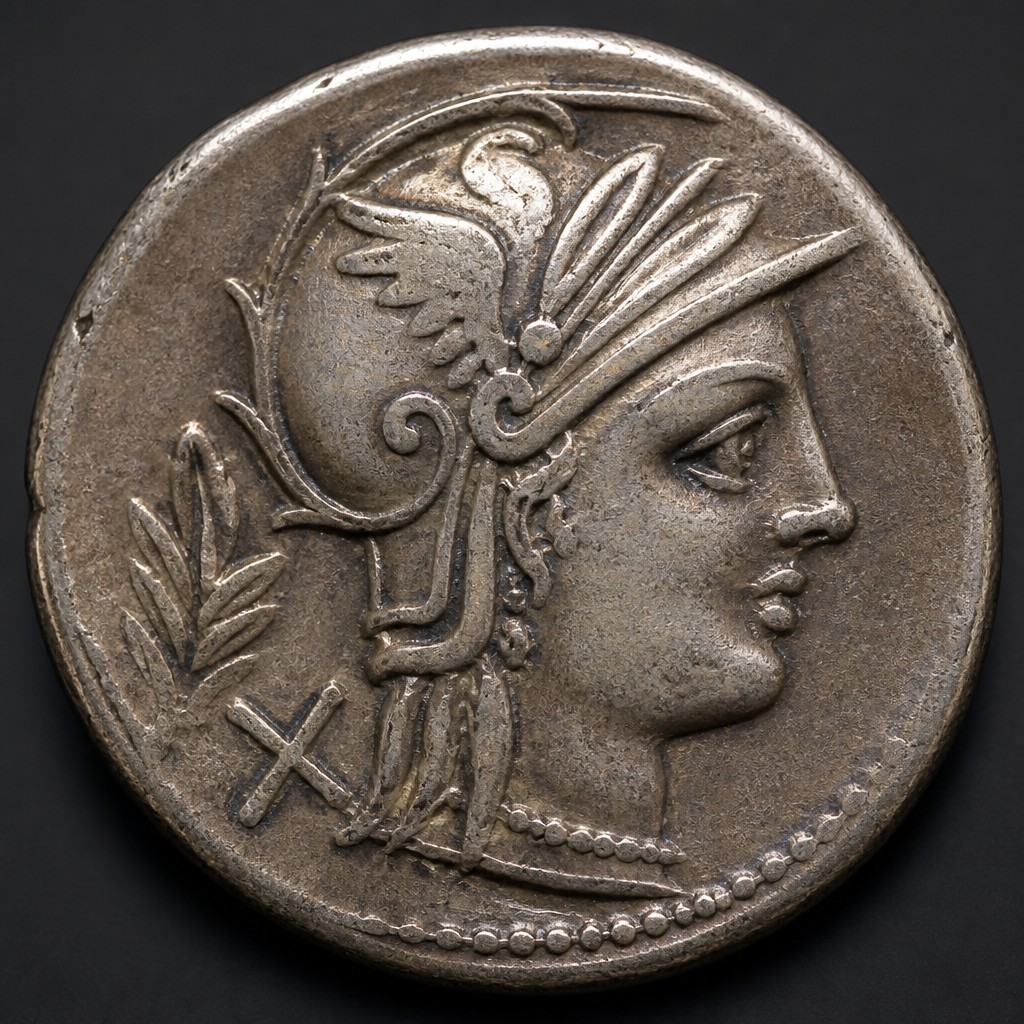
Republican Victoriatus
c. 211–170 BC
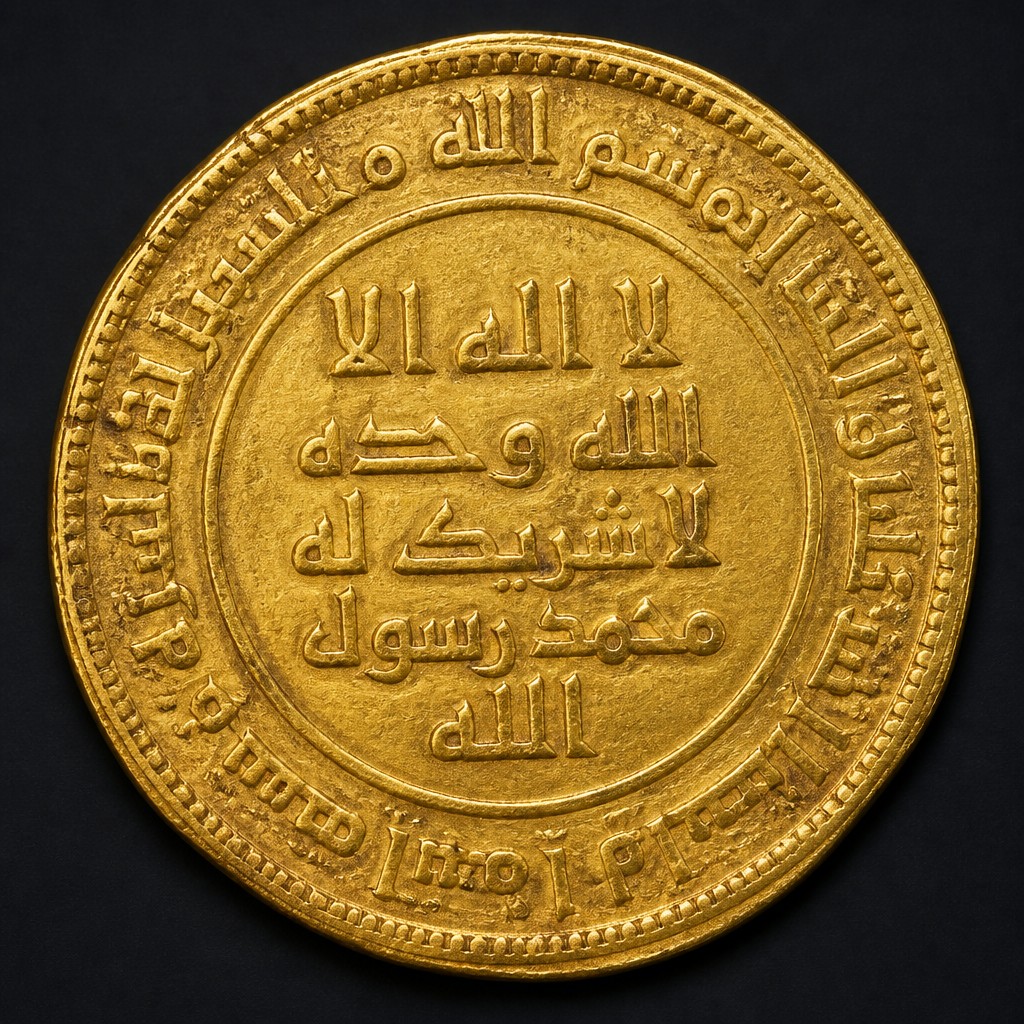
Islamic Gold Dinar (Umayyad)
c. 696–750 AD
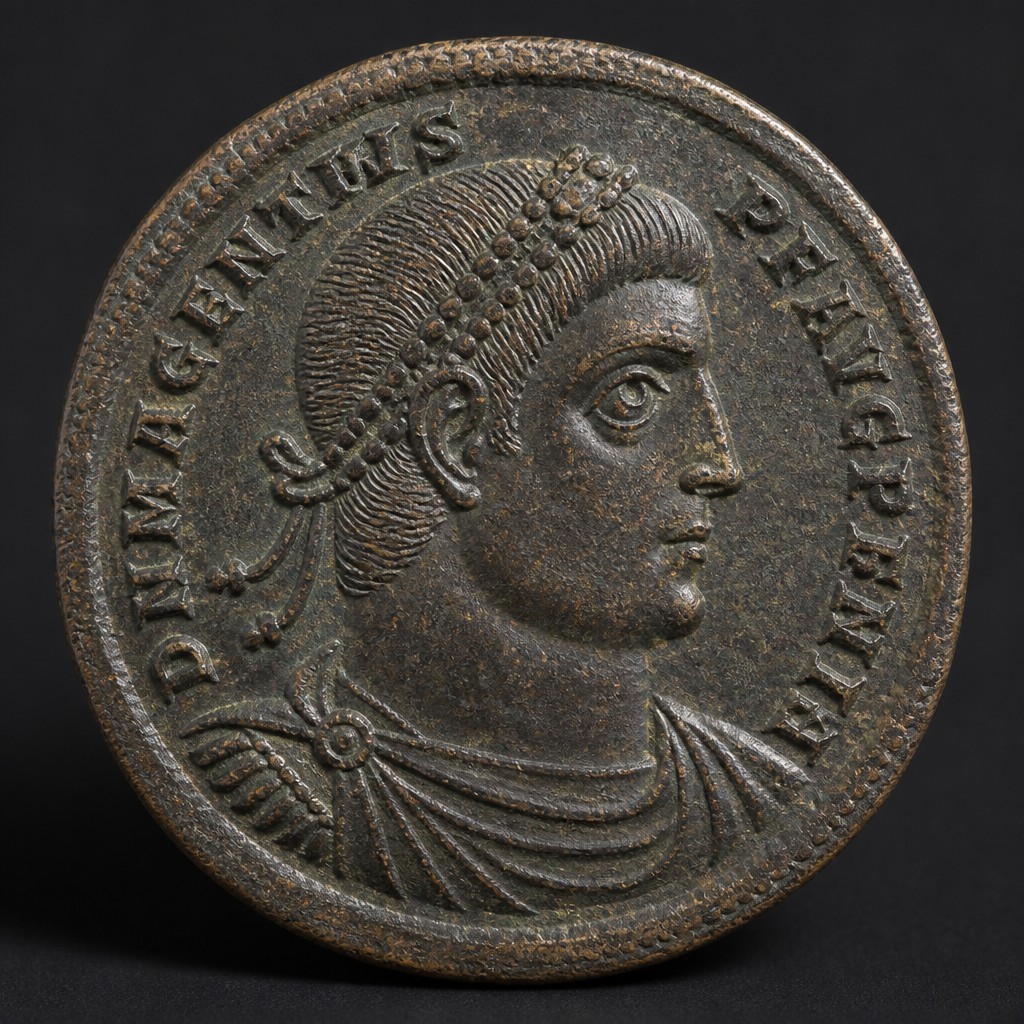
Magnentius Double Centenionalis
350–353 AD
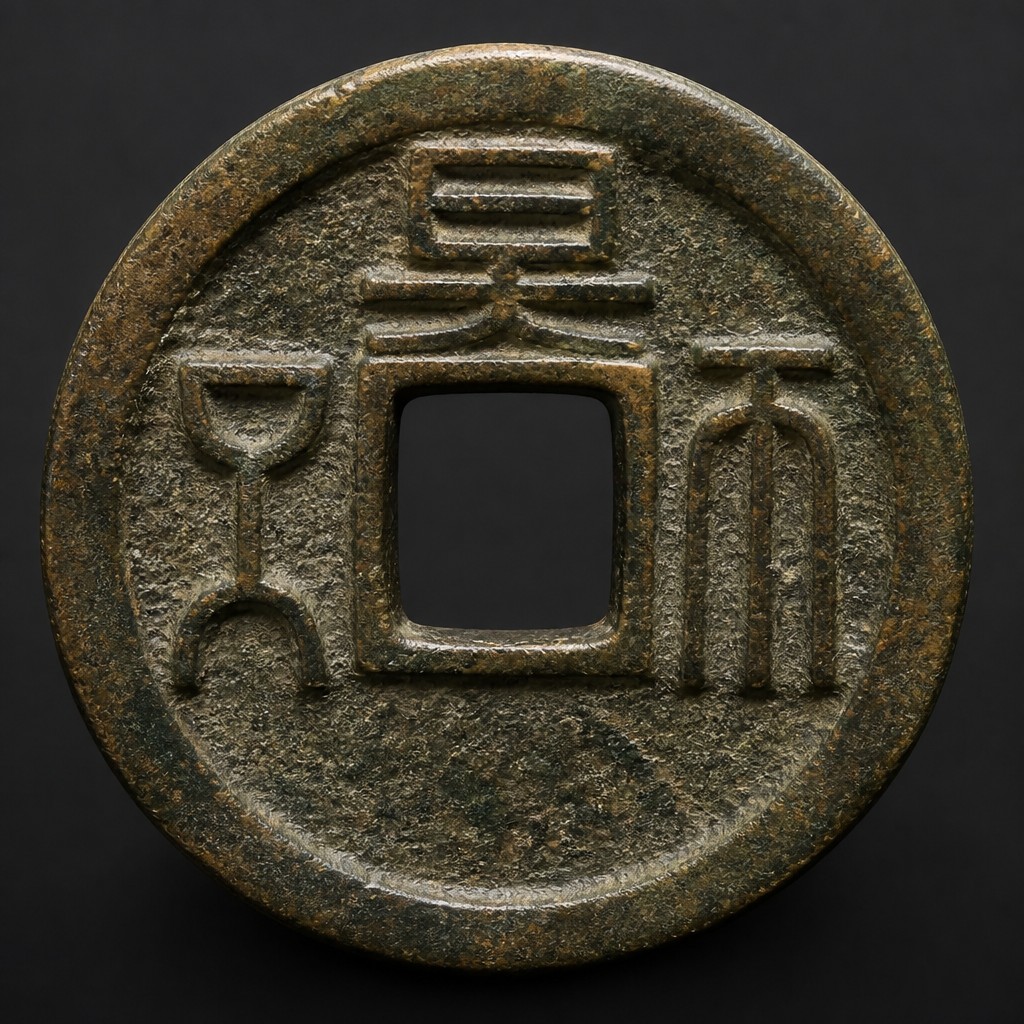
Chinese Wu Zhu Cash
118 BC – 618 AD
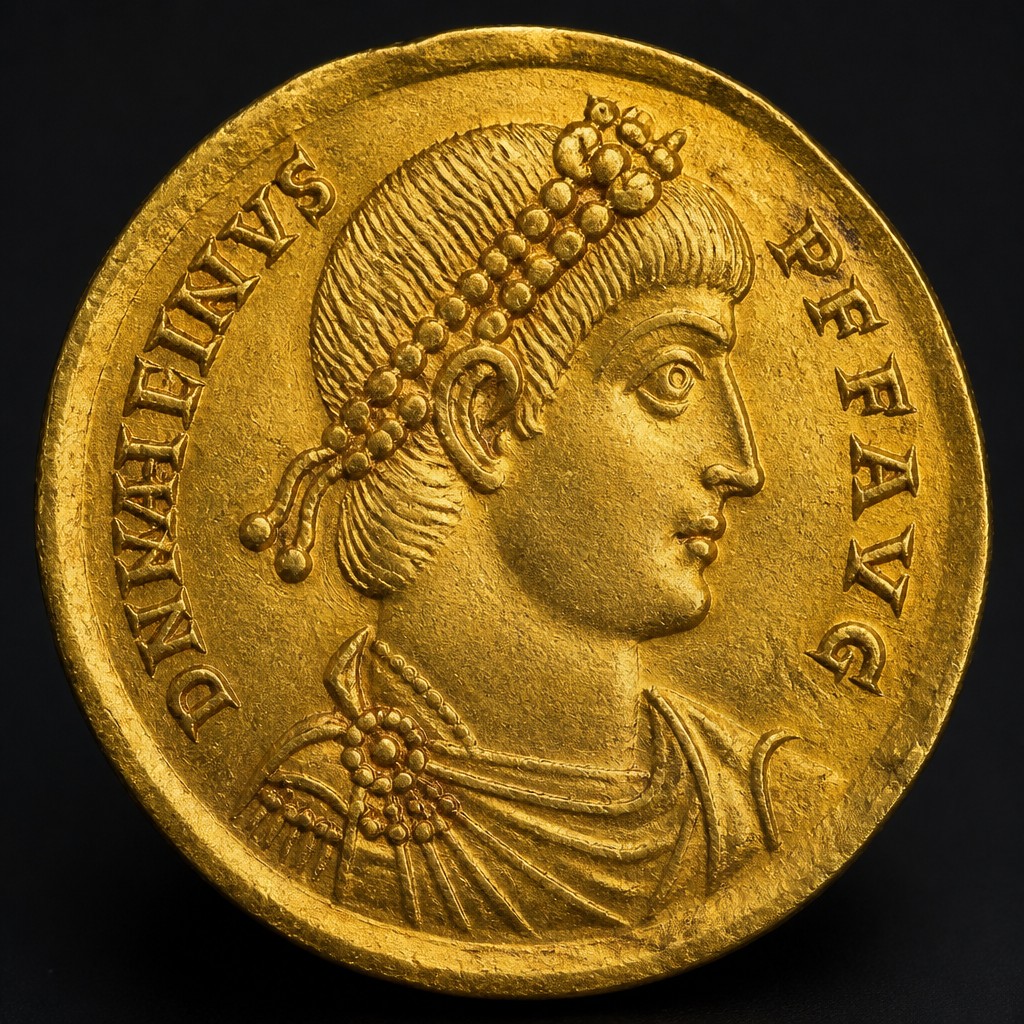
Valentinian I Solidus
364–375 AD
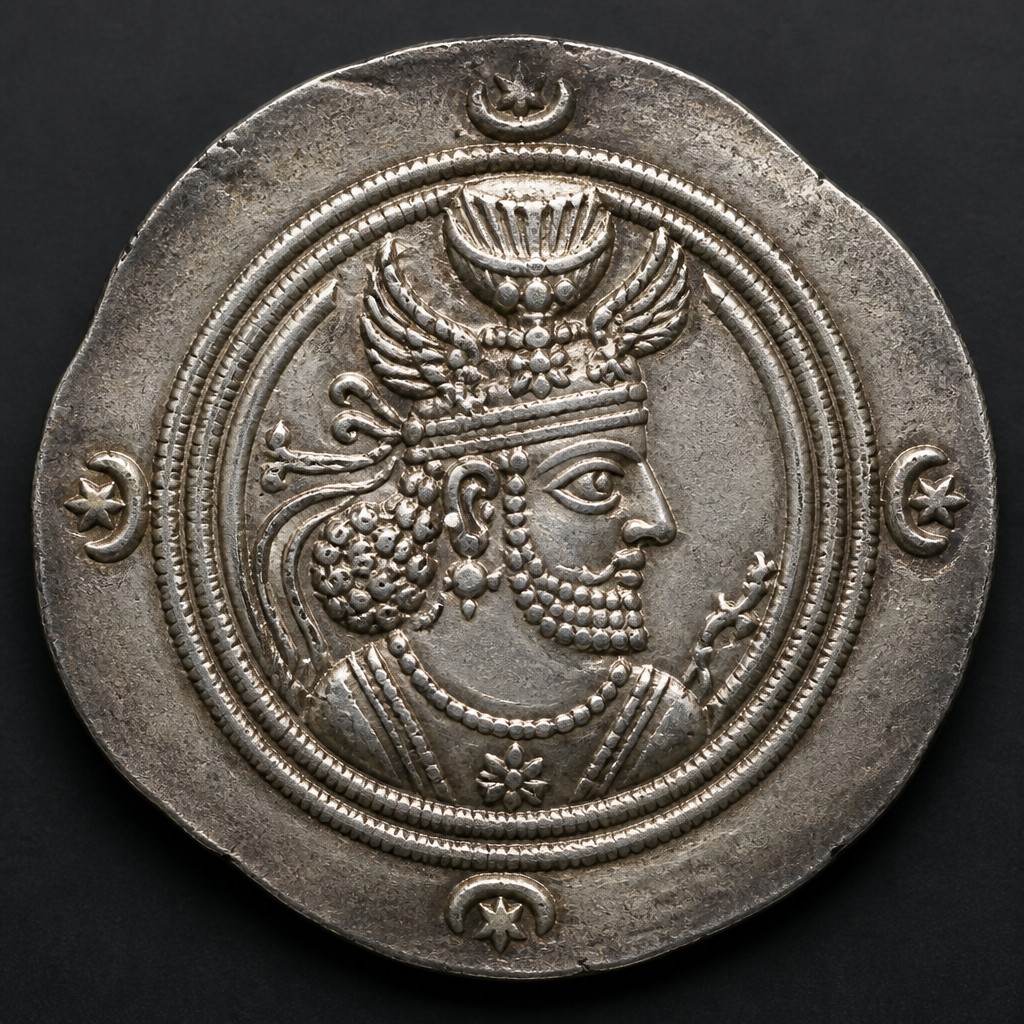
Sassanian Silver Drachm
c. 224–651 AD
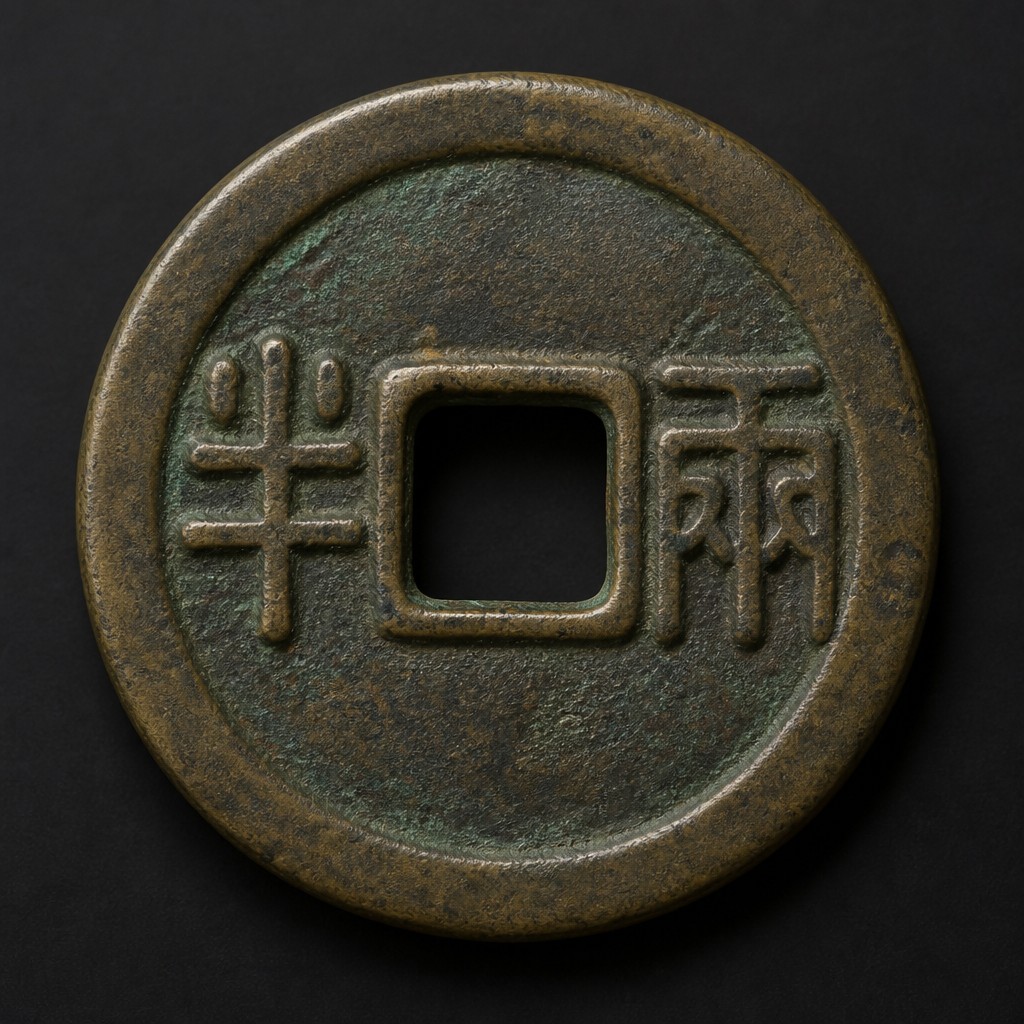
Chinese Ban Liang Cash
c. 221–118 BC
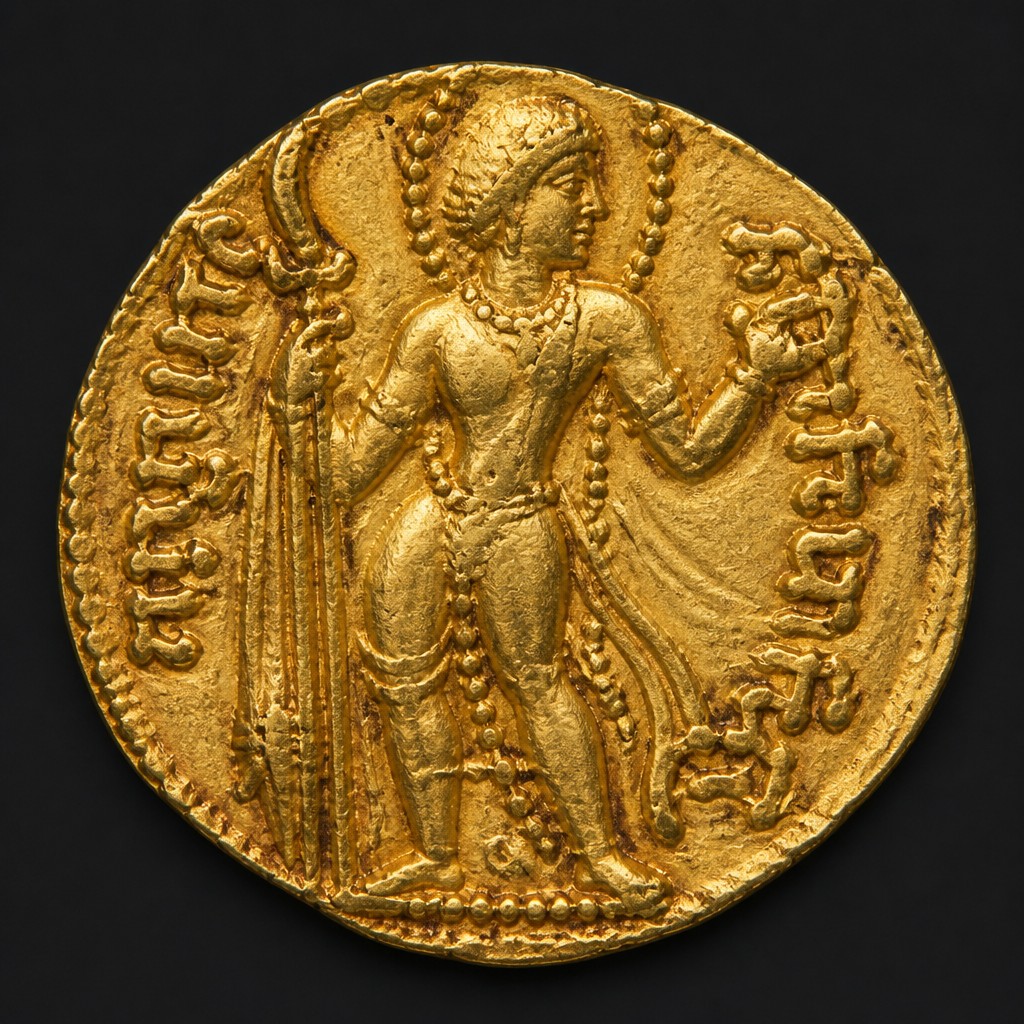
Gupta Empire Gold Dinar
c. 320–550 AD
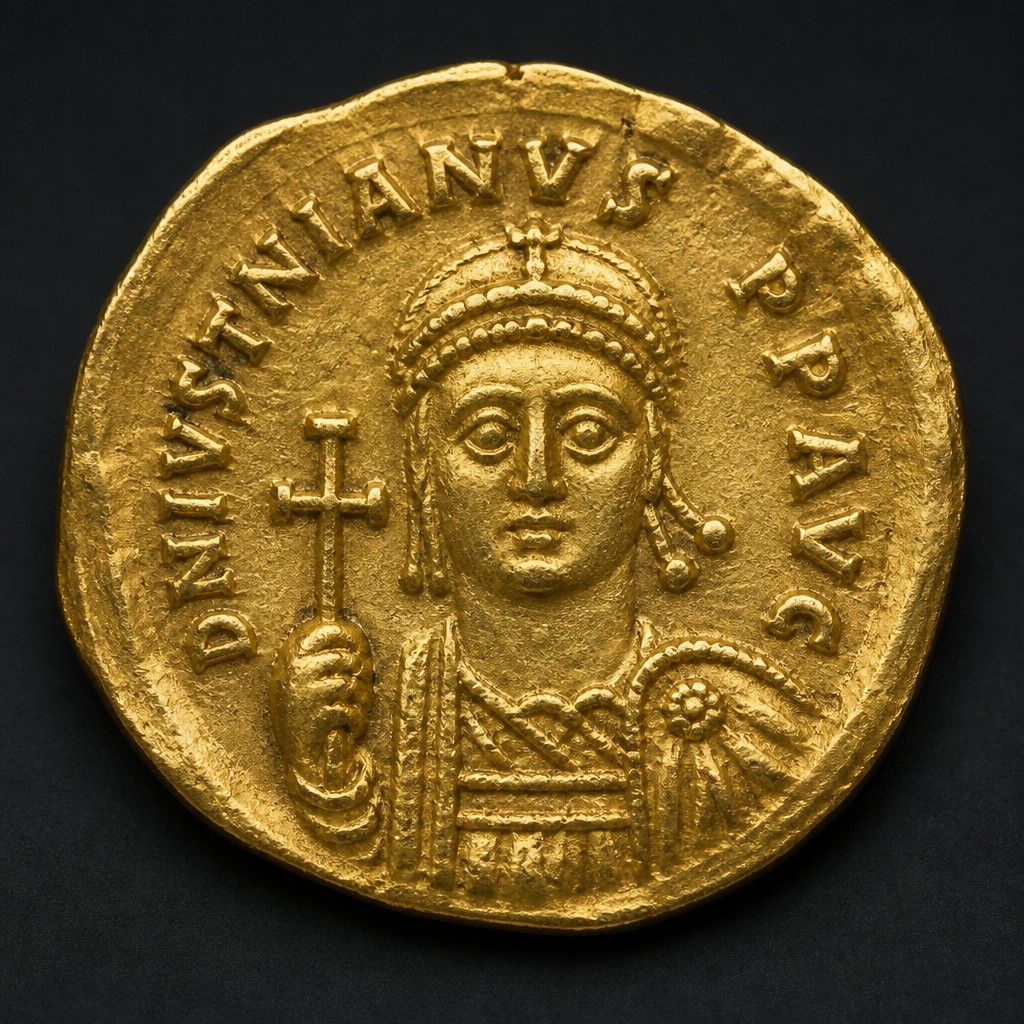
Byzantine Gold Tremissis
c. 4th–7th century AD
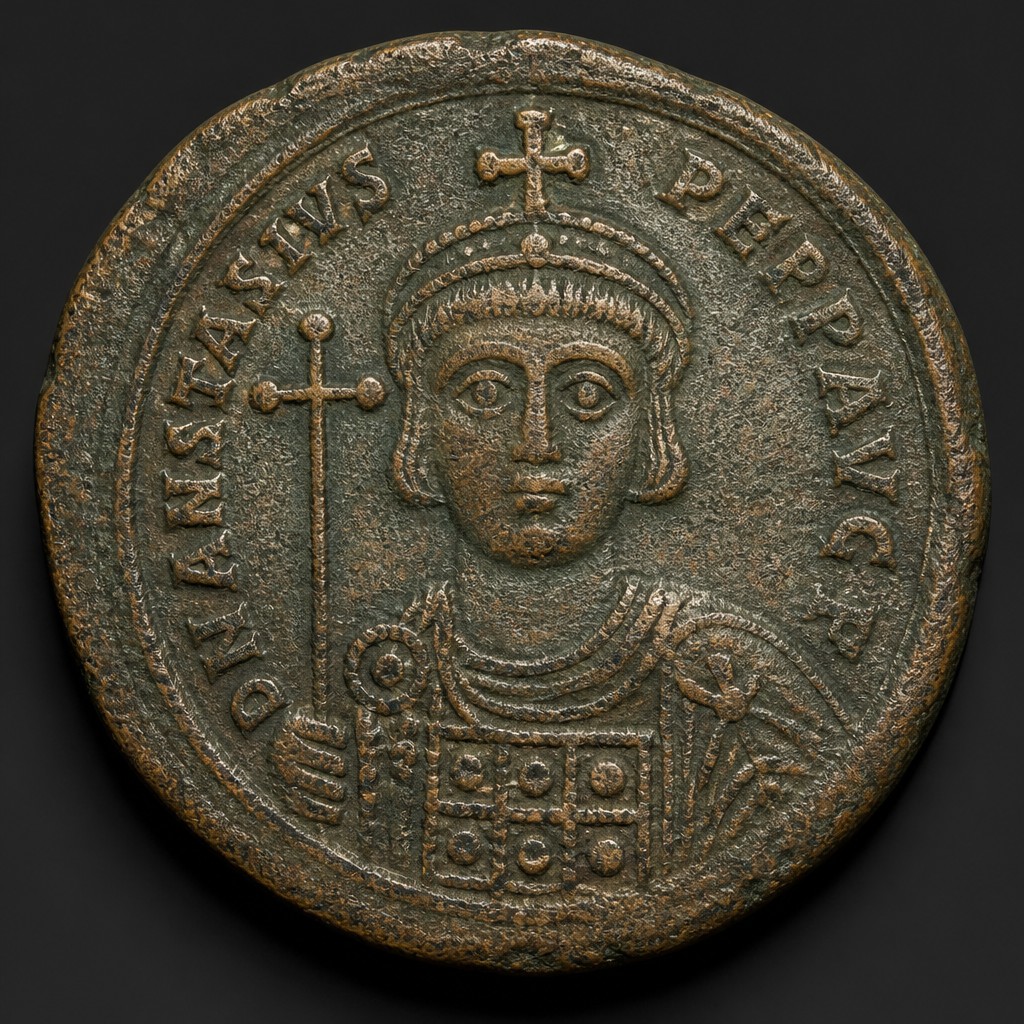
Byzantine Follis
498–c. 11th century AD
Celtic Gold Stater
c. 3rd century BC – 1st century AD