
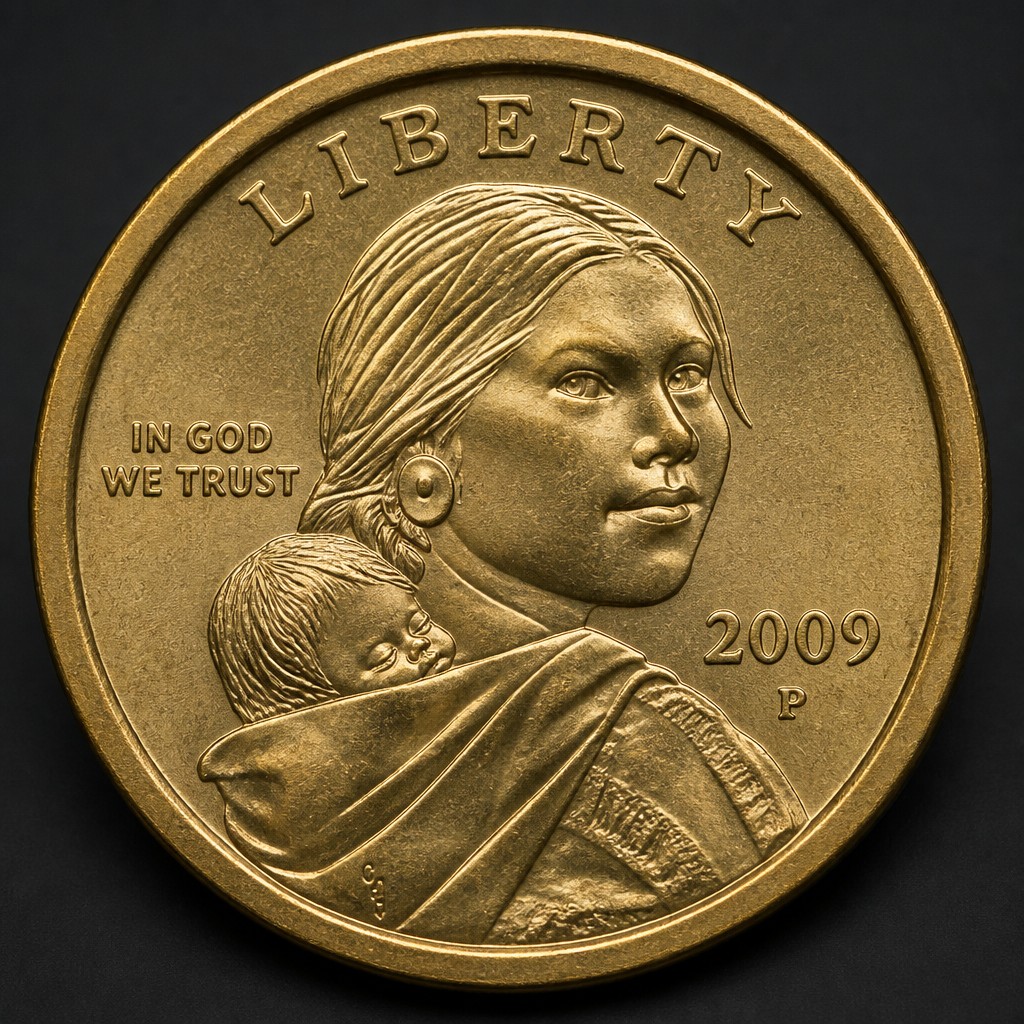
Native American Dollar (Sacagawea Reverse Series)
A continuation of the Sacagawea dollar with an annually changing reverse honoring Native American history and culture, while keeping Sacagawea's portrait on the obverse.
- Country
- United States
- Denomination
- One Dollar
- Metal
- Manganese Brass Clad (copper core)
Got a coin like this?
Identify any coin from a photo, free.
Overview
The Native American $1 Coin Series continues the golden-colored Sacagawea dollar begun in 2000, retaining Glenna Goodacre's portrait of Sacagawea carrying her infant son on the obverse while replacing the original soaring eagle reverse with a new design each year celebrating a different aspect of Native American history and contributions. The series began in 2009 and has continued annually with themes ranging from agriculture to treaties, trade, and notable individuals.
Collectors appreciate the series both for its rotating, educational reverse designs and for its continuity with the earlier Sacagawea dollar program, making it a natural extension for anyone already collecting golden dollar coins. Like the Presidential Dollar series that ran alongside it, these coins use incused edge lettering for the date and mint mark.
History & Background
Congress passed the Native American $1 Coin Act in 2007, directing the Mint to issue a new reverse design each year for the Sacagawea dollar starting in 2009, in order to more meaningfully honor the contributions of Native Americans and Native American tribes throughout U.S. history. This addressed criticism that the original 2000-2008 eagle reverse, while attractive, did not convey specific historical content the way the new annually changing designs could.
Each year's design has been selected in consultation with tribal representatives and historians, covering topics such as agricultural techniques shared with early colonists, treaties and alliances, code talkers who served in the U.S. military, and other significant contributions. The obverse portrait of Sacagawea, the Shoshone woman who assisted the Lewis and Clark Expedition, has remained unchanged throughout, preserving visual continuity with the original 2000 design by Glenna Goodacre.
Like the Presidential Dollar series running concurrently, these coins feature the date, mint mark, and mottos incused on the edge rather than on the coin's obverse or reverse faces, a format introduced across U.S. dollar coinage in 2007.
How to Identify
The obverse shows Sacagawea in profile, carrying her infant son Jean Baptiste on her back, with the inscription LIBERTY above and the date's mintmark information relocated to the edge in most modern strikes. The reverse changes annually, depicting a specific Native American historical theme along with UNITED STATES OF AMERICA, $1, and, depending on the year, a short title related to that year's subject.
The coin retains the same 26.5mm diameter and golden manganese brass clad composition used since the original Sacagawea dollar debuted in 2000, making it similar in size and color to the Presidential Dollar series. Mintmarks (P for Philadelphia, D for Denver) along with the date and mottos E PLURIBUS UNUM and IN GOD WE TRUST are incused into the coin's edge.
To determine the specific year and theme of a Native American dollar, collectors typically need to examine the reverse artwork and any accompanying inscriptions closely, since the design changes annually and each year's release covers a different historical topic.
Value & Collectibility
Most Native American dollars are common modern coins struck primarily for circulation and collector sets, and typical examples trade close to face value or with only a small premium in uncirculated condition. Certain years or mint-set-only finishes can carry slightly higher demand among collectors building complete date-and-mintmark sets.
As with other modern clad dollar coins, condition, certification, and completeness of a full date run matter more to collector value than any single year being especially rare, since production numbers across the series have generally been ample for collector demand.
Frequently asked questions
Why does the reverse of this dollar coin change every year?
Congress directed the Mint to feature a new Native American-themed reverse annually starting in 2009 to better honor Native American history and contributions.
Does the portrait of Sacagawea ever change?
No, the obverse portrait of Sacagawea and her son has remained the same design since the coin's introduction in 2000.
Where is the date located on these coins?
The date, along with the mint mark and mottos, is incused into the edge of the coin rather than printed on its front or back.
Are Native American dollars rare?
Generally no; most years were struck in sufficient quantities for circulation and collecting, so typical examples are common and affordable.
Other coins you may enjoy
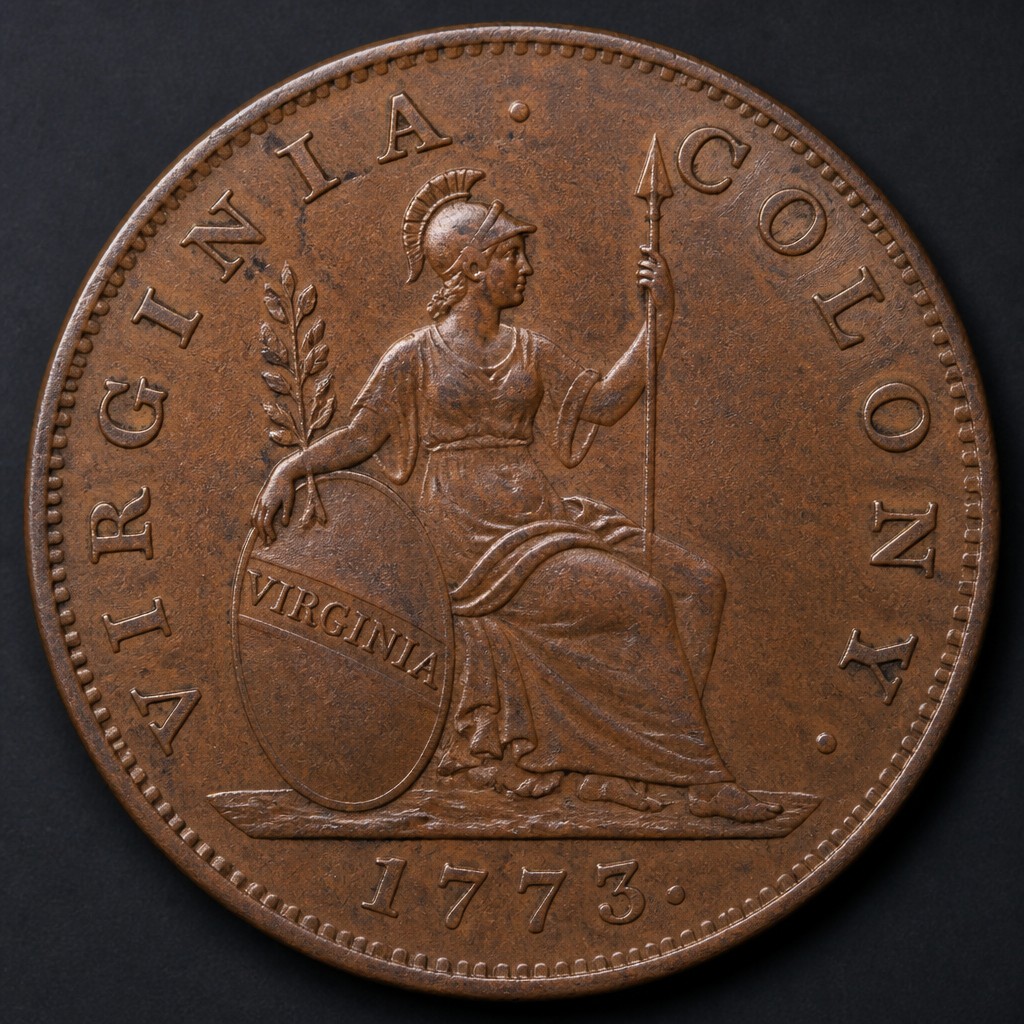
Virginia Halfpenny
1773
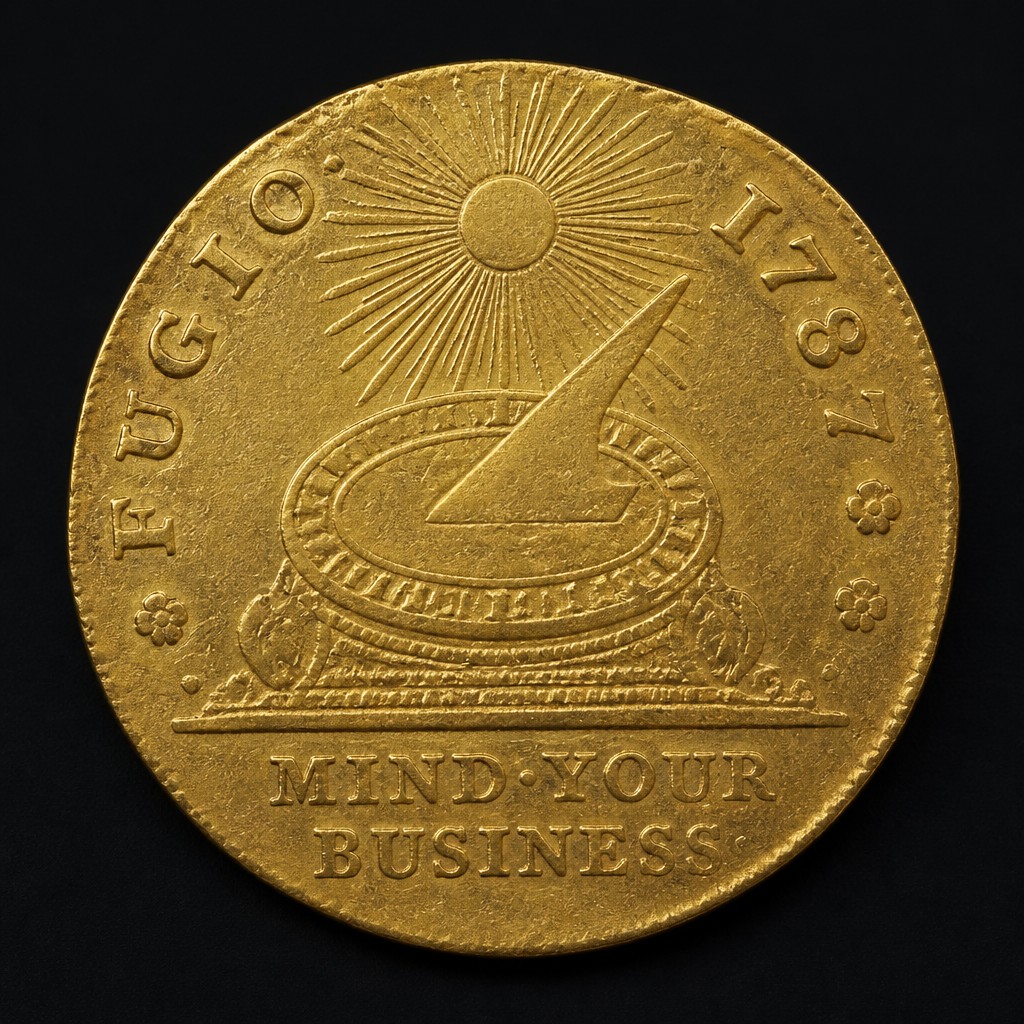
Brasher Doubloon
1787
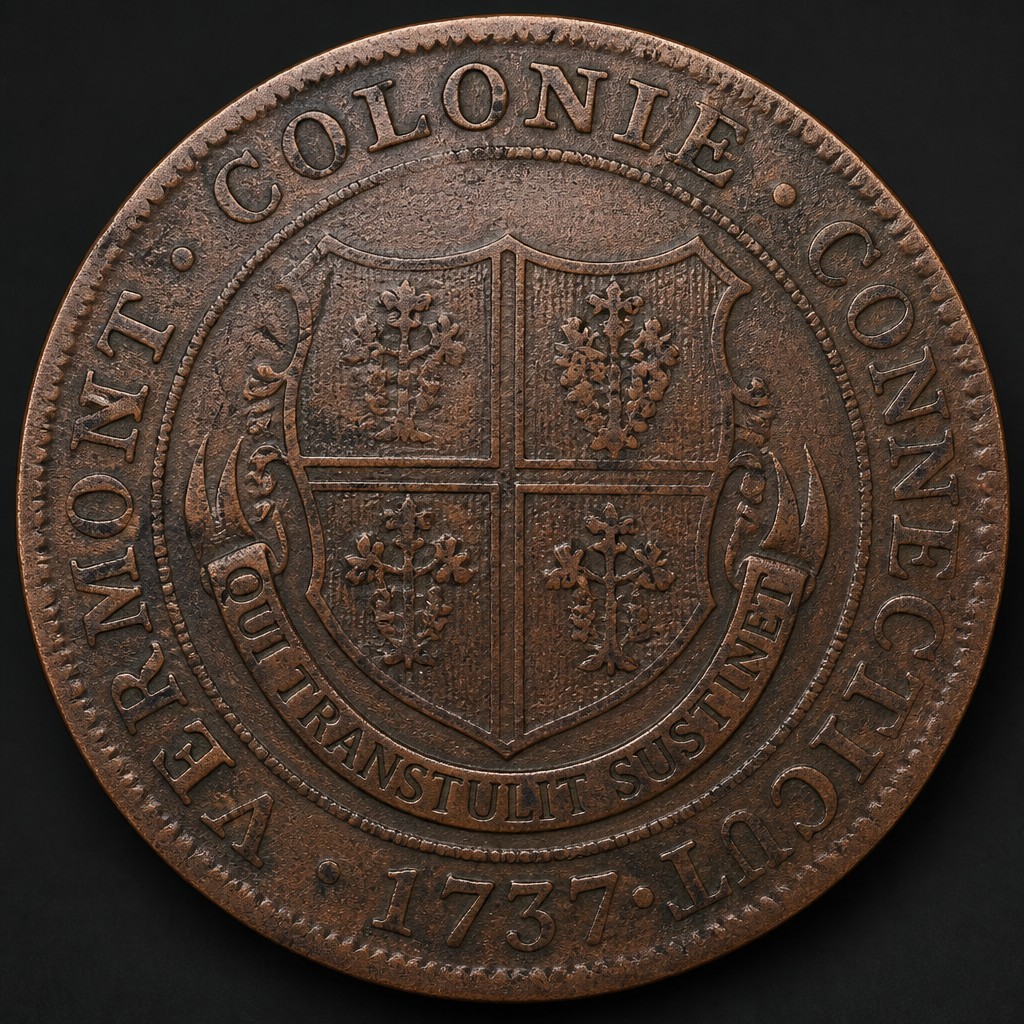
Higley Copper
1737–1739
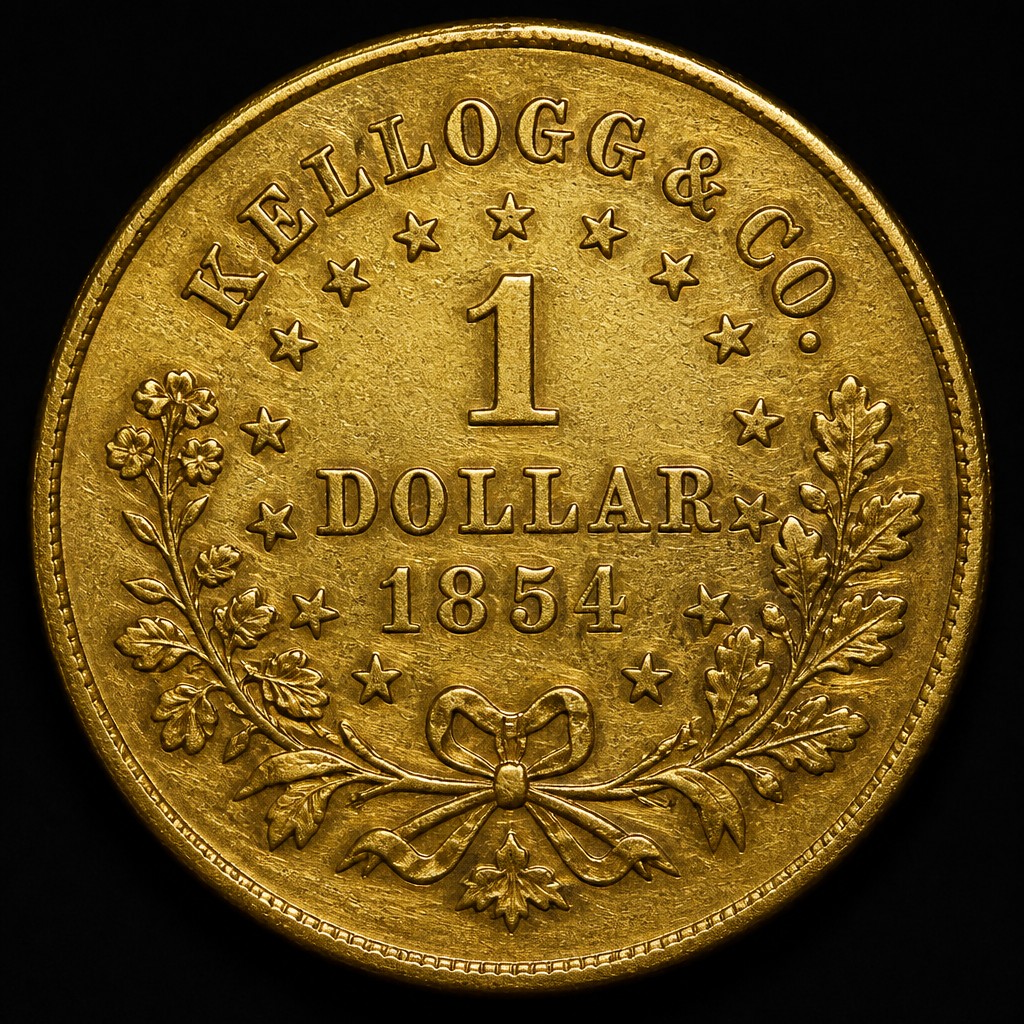
Kellogg & Co. Gold Piece
1854–1855
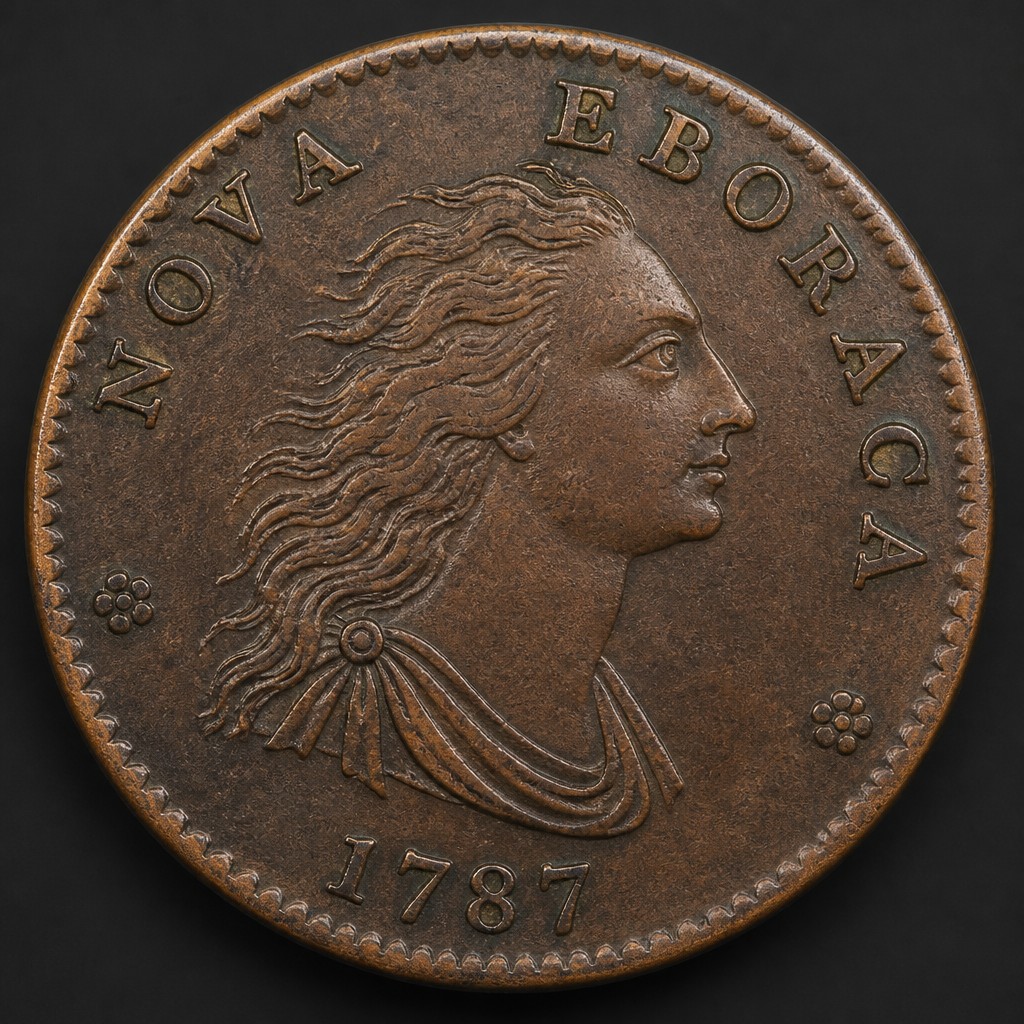
Nova Eborac Copper
1787
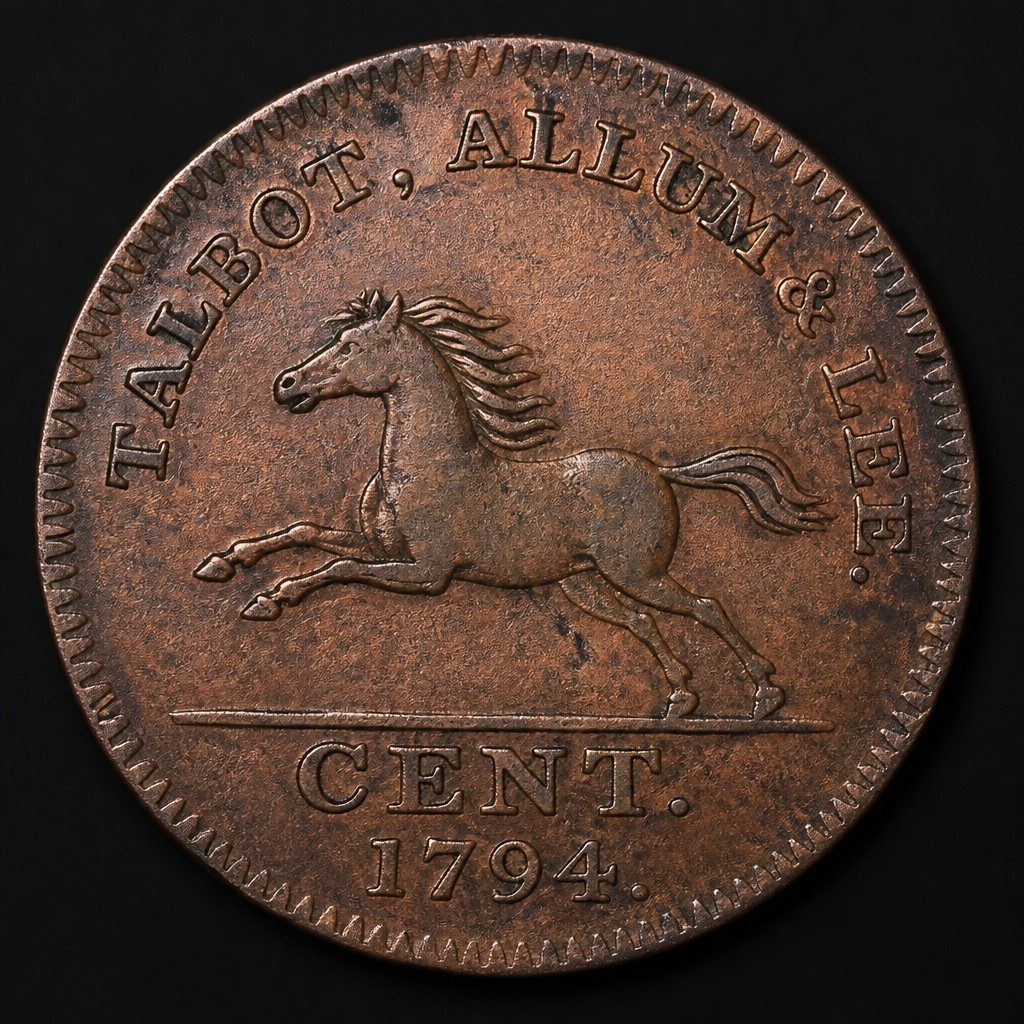
Talbot, Allum & Lee Cent
1794–1795
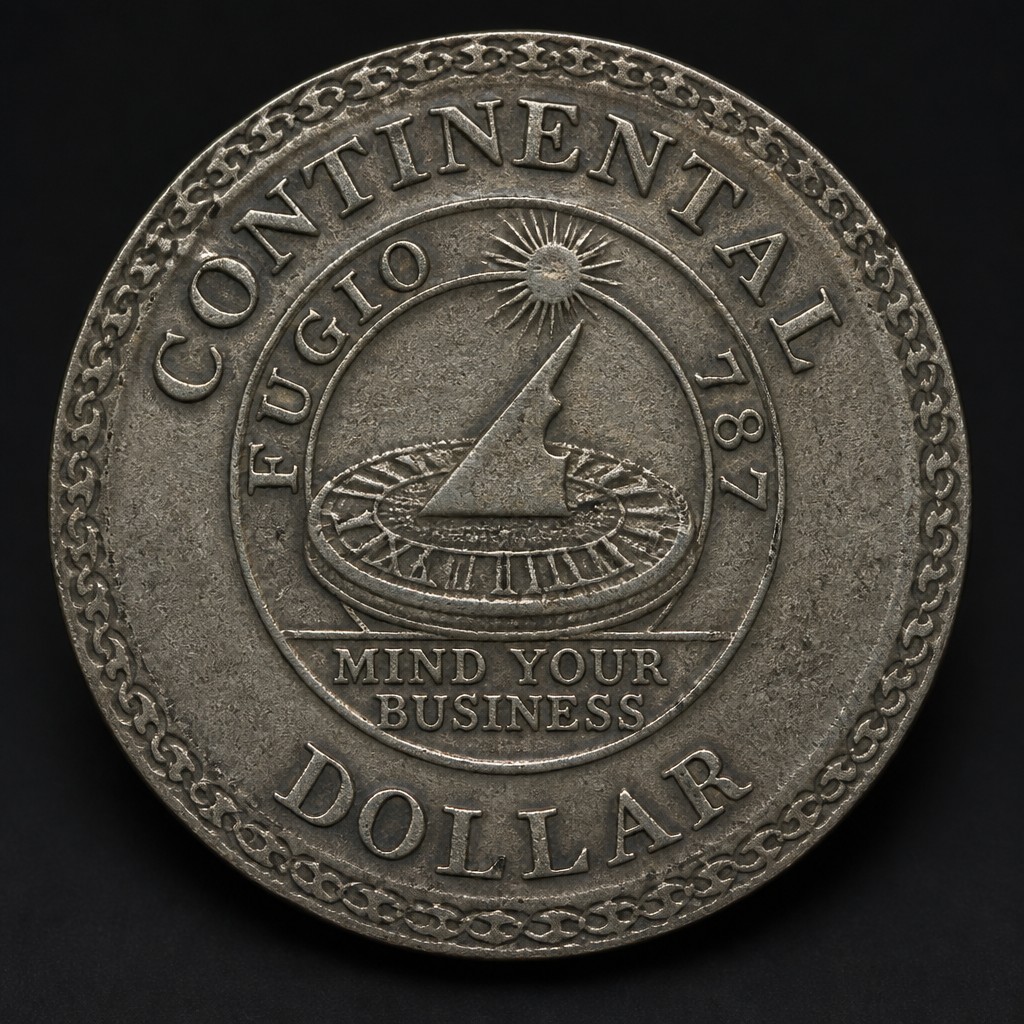
Continental Dollar
1776
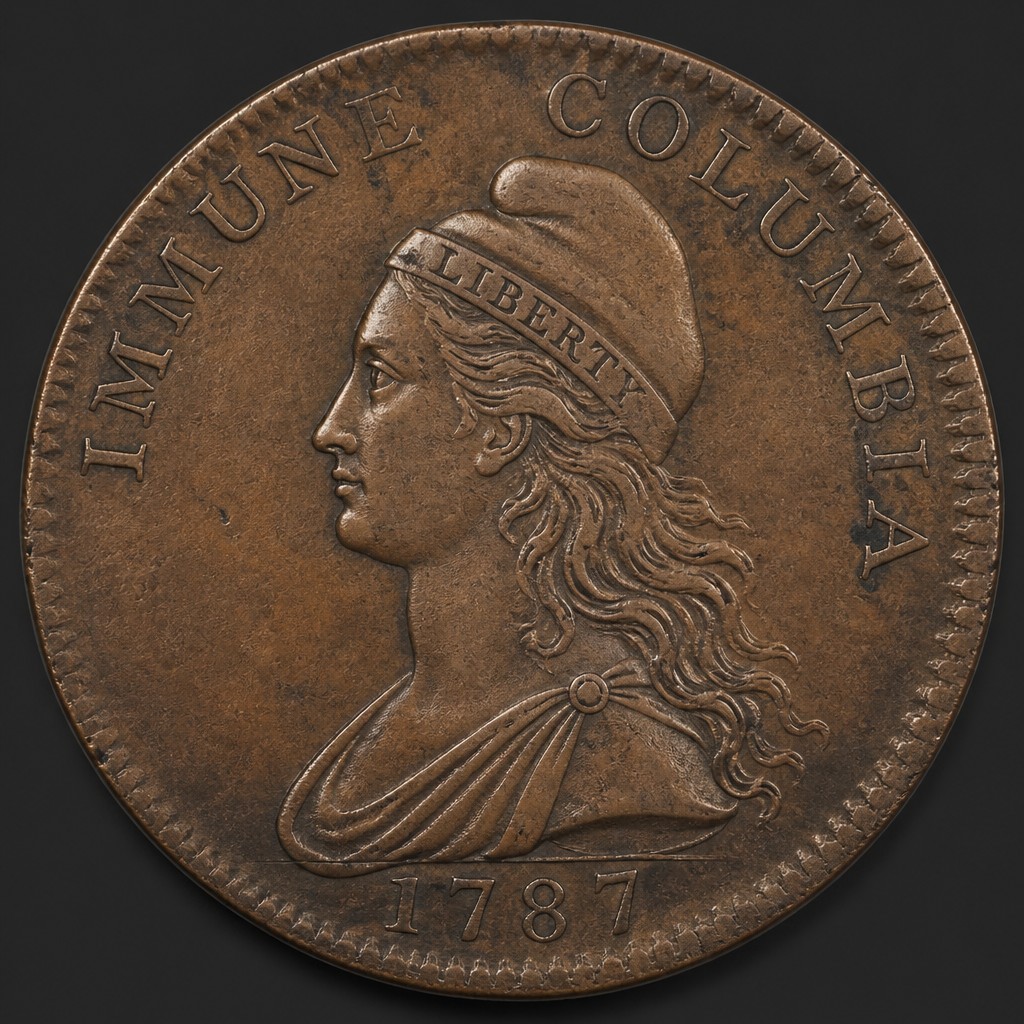
Immune Columbia Copper
circa 1785–1787
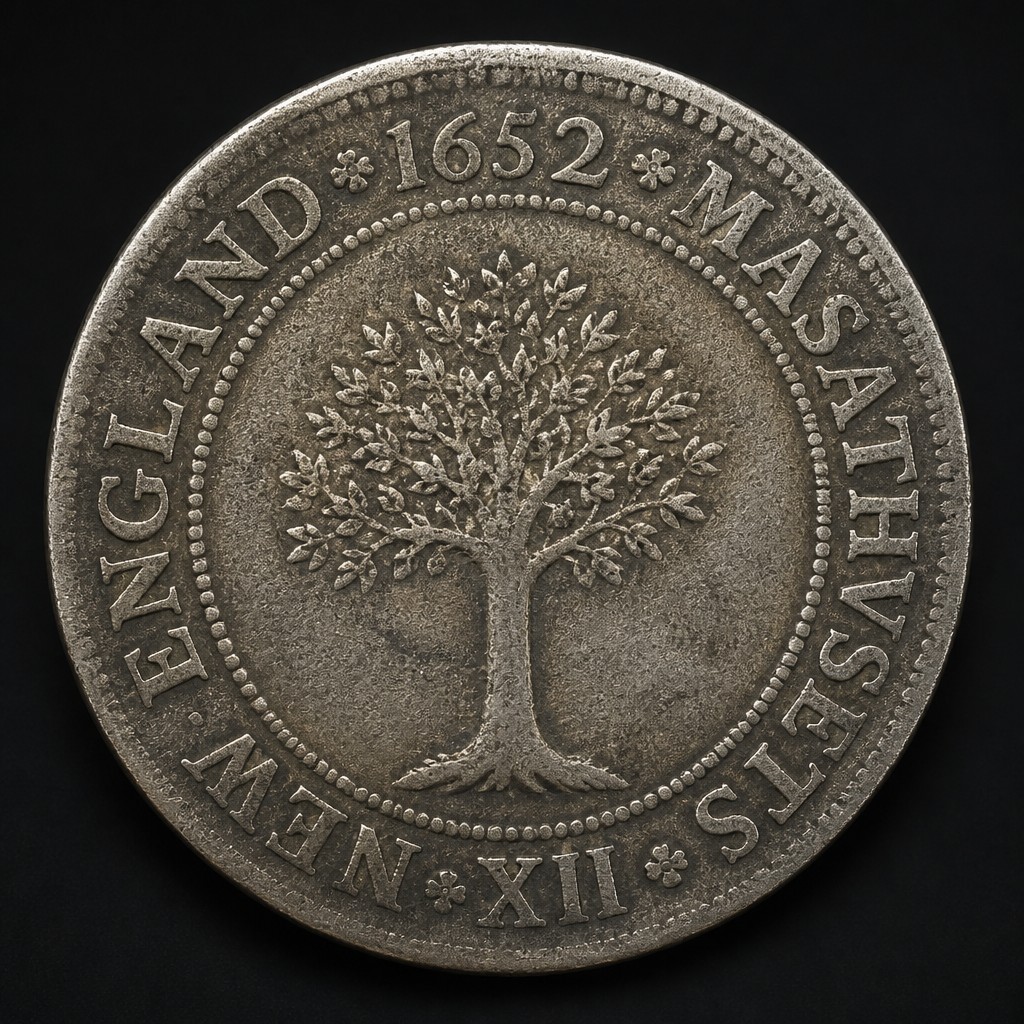
Massachusetts Oak Tree Shilling
Dated 1652, struck circa 1660–1667
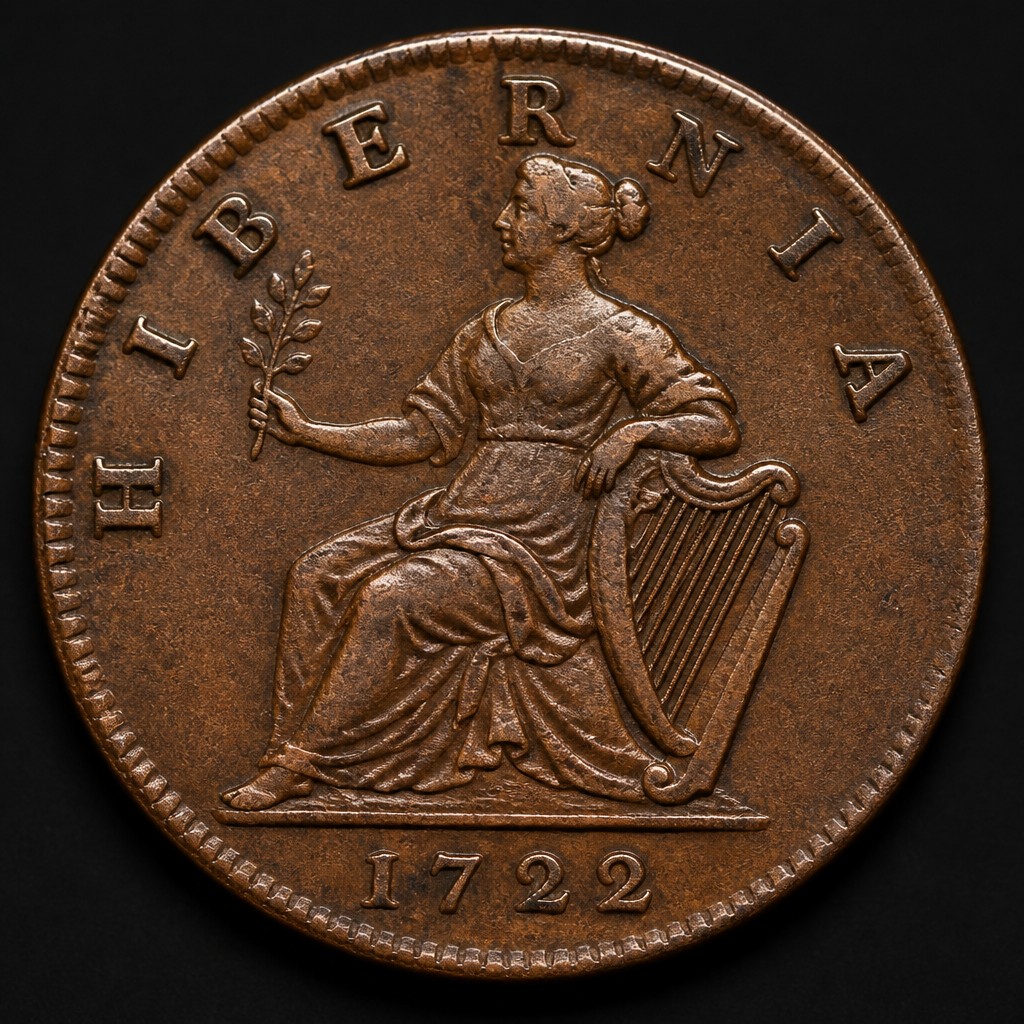
Wood's Hibernia Halfpenny
1722–1724
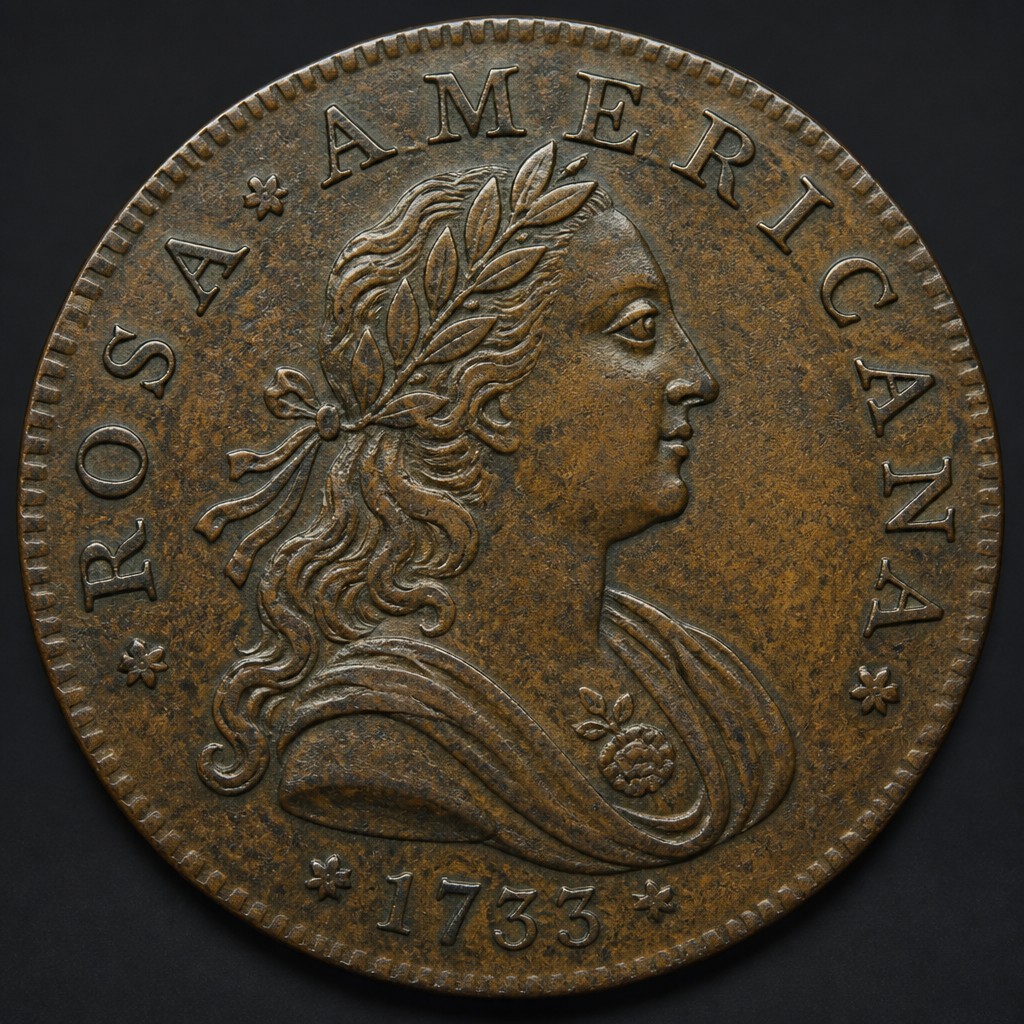
Rosa Americana Coinage
1722–1724 (with pattern issues dated 1733)
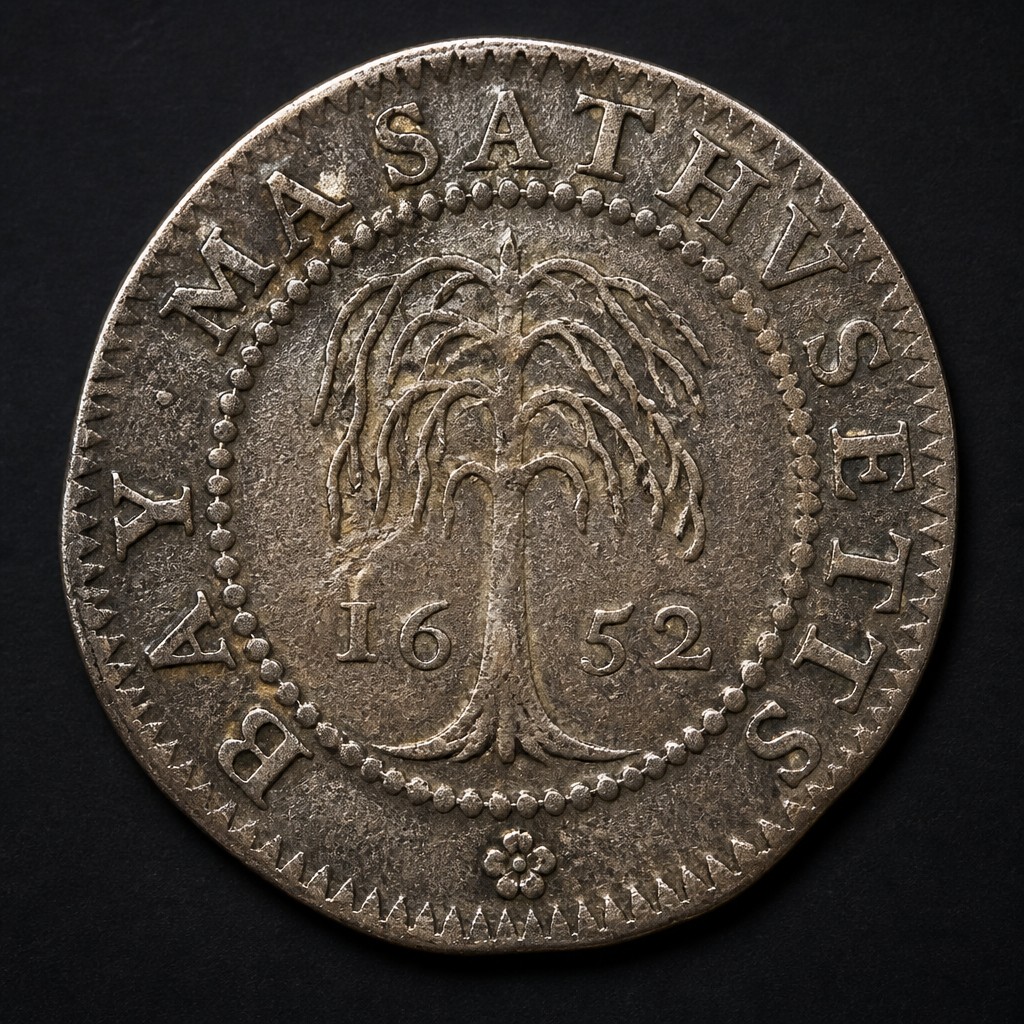
Massachusetts Willow Tree Shilling
Dated 1652, struck circa 1653–1660