
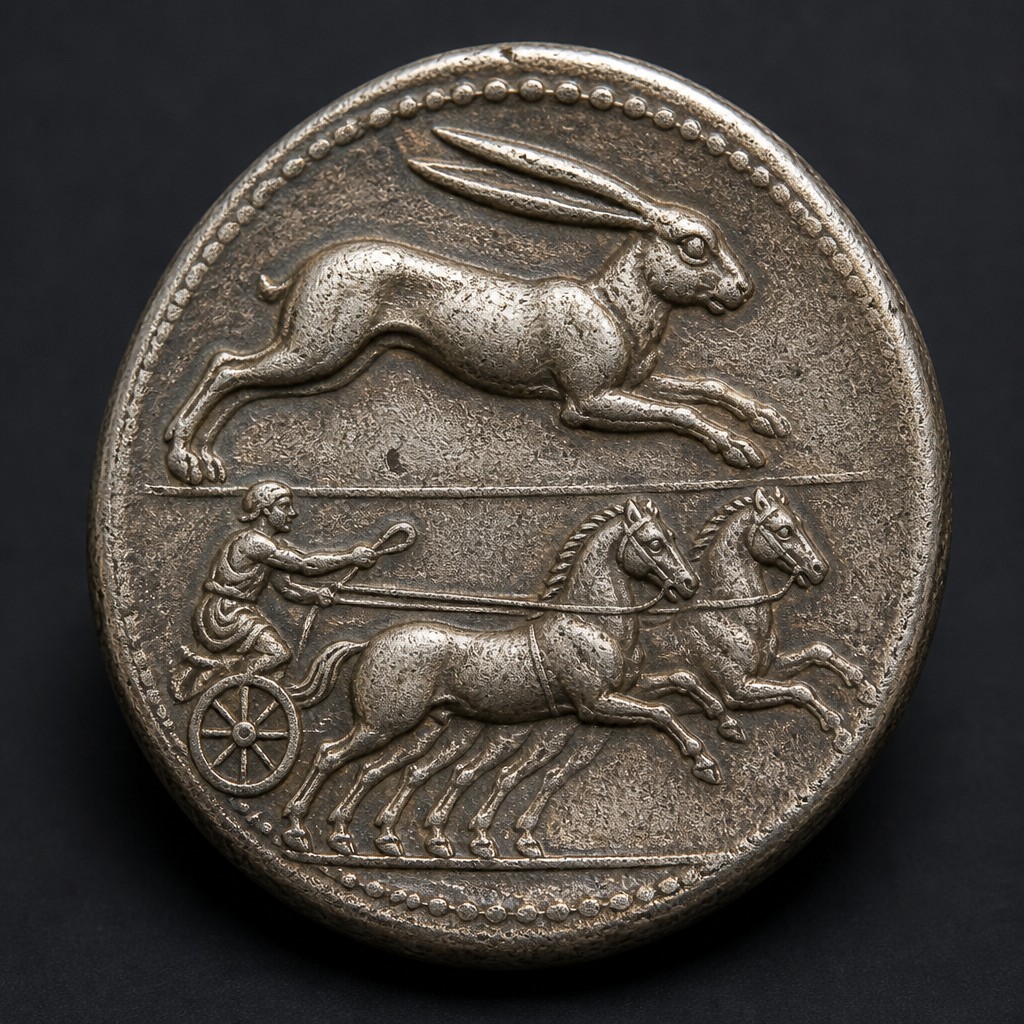
Messana Hare and Biga Tetradrachm
Silver tetradrachm of Messana in Sicily, famous for its obverse mule-cart (biga) driven by a charioteer crowned by Nike, paired with a running hare on the reverse.
- Country
- Ancient Greece (Sicily)
- Denomination
- Tetradrachm
- Metal
- Silver
Got a coin like this?
Identify any coin from a photo, free.
Overview
The Messana tetradrachm is one of the most distinctive and celebrated coins of Classical Sicily, instantly recognizable for its obverse scene of a mule-drawn biga (two-mule cart) crowned by a flying Nike, and its reverse depicting a running hare. The unusual choice of mules rather than horses for the chariot scene sets this coinage apart from virtually all other Greek city issues.
The type is a favorite among ancient coin collectors for its charming, unmistakable imagery and its connection to Messana's strategic position controlling the narrow strait between Sicily and mainland Italy.
History & Background
Messana, located at the narrow strait separating Sicily from the Italian mainland (the modern Strait of Messina), had earlier been known as Zancle before being renamed by Anaxilas, tyrant of nearby Rhegium, who seized the city and repopulated it partly with Messenian refugees, giving it the new name. Anaxilas is credited with introducing the mule-cart design to the city's coinage, reportedly commemorating either his own victory in the mule-cart race at the Olympic Games or the city's connection to mule breeding.
The hare on the reverse is also associated with Anaxilas, said to have introduced hares to Sicily, making the animal a personal and civic emblem. Messana's coinage continued through the 5th century BC, evolving stylistically while retaining its signature mule-cart and hare imagery, until the city faced destruction in later Carthaginian invasions of Sicily.
How to Identify
The obverse shows a biga (two-wheeled cart) drawn by a pair of mules, driven by a charioteer, with Nike flying above to crown the mules with a wreath, a striking departure from the horse-drawn quadrigas common on other Sicilian coins. The reverse depicts a hare running or leaping, with the ethnic ΜΕΣΣΑΝΙΩΝ ("of the Messanians") in the field.
The tetradrachm follows the Attic-Sicilian weight standard, around 17 grams, and displays the high-relief Classical style typical of the finest Sicilian mints. Style and minor design details, such as the position of the hare or the presence of additional small symbols, vary across the coinage's production span.
The mule-cart obverse alone reliably distinguishes Messana's coinage from virtually every other Greek city, since no other major mint used this specific chariot type as its primary design.
Value & Collectibility
Messana's mule-cart tetradrachms are highly sought after due to their unique and visually appealing design, commanding strong demand among Sicilian coin specialists and general ancient coin collectors alike. Prices for representative examples often range from several hundred to well over a thousand dollars, with exceptional, sharply struck, well-centered pieces reaching considerably higher figures.
As with other Sicilian issues, strike quality and centering on both the mule-cart scene and the hare are the primary value drivers, along with overall eye appeal and toning, more so than raw technical grade alone.
Frequently asked questions
Why does the coin show mules instead of horses?
Tradition credits the ruler Anaxilas with introducing the mule-cart design, possibly commemorating a mule-cart race victory at the Olympic Games or the city's association with mule breeding.
Why is there a hare on the reverse?
The hare is also linked to Anaxilas, who is said to have introduced hares to Sicily, making the animal a personal and civic symbol for Messana.
What was Messana called before?
The city was originally named Zancle before being renamed Messana after Anaxilas resettled it with Messenian refugees.
Is this design unique among ancient coins?
The mule-drawn biga is a highly distinctive design rarely if ever used as the primary obverse type by other ancient mints, making it easy to identify.
Other coins you may enjoy
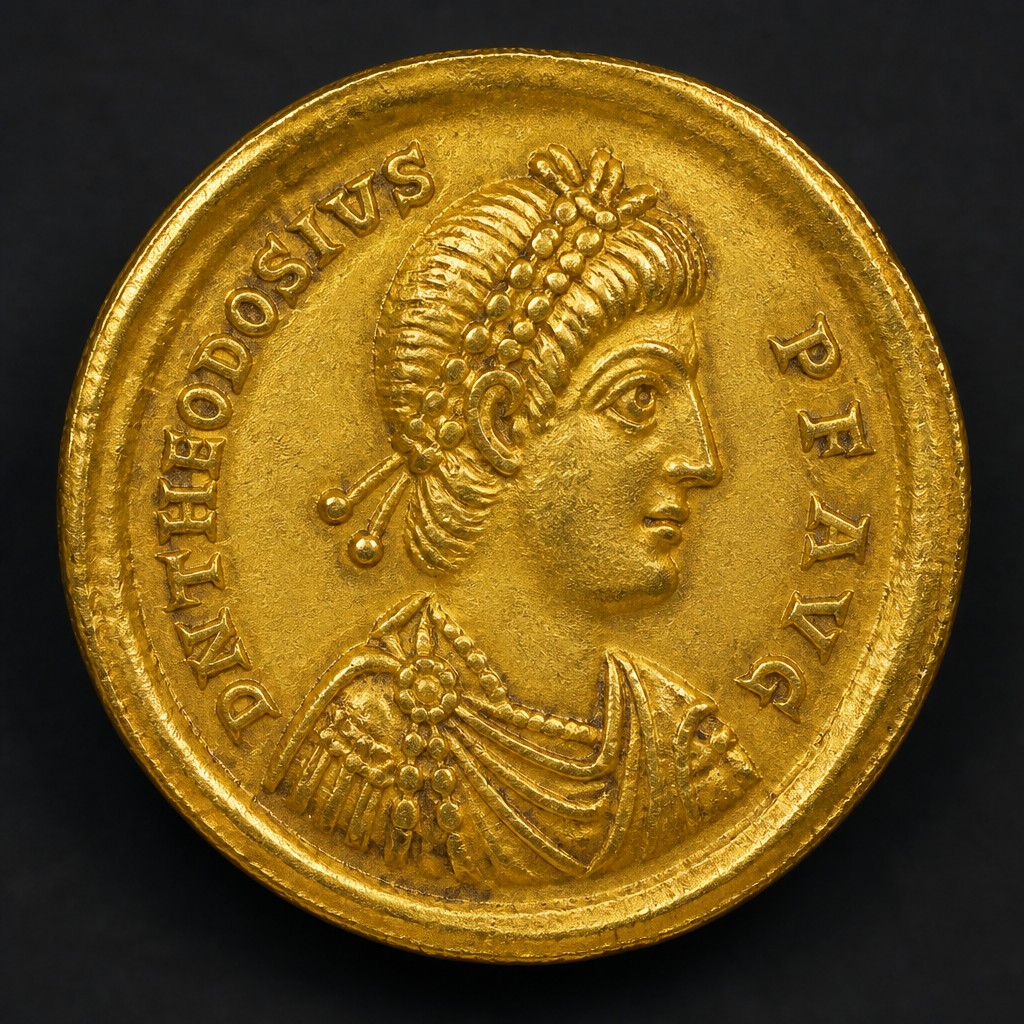
Theodosius I Solidus
379–395 AD
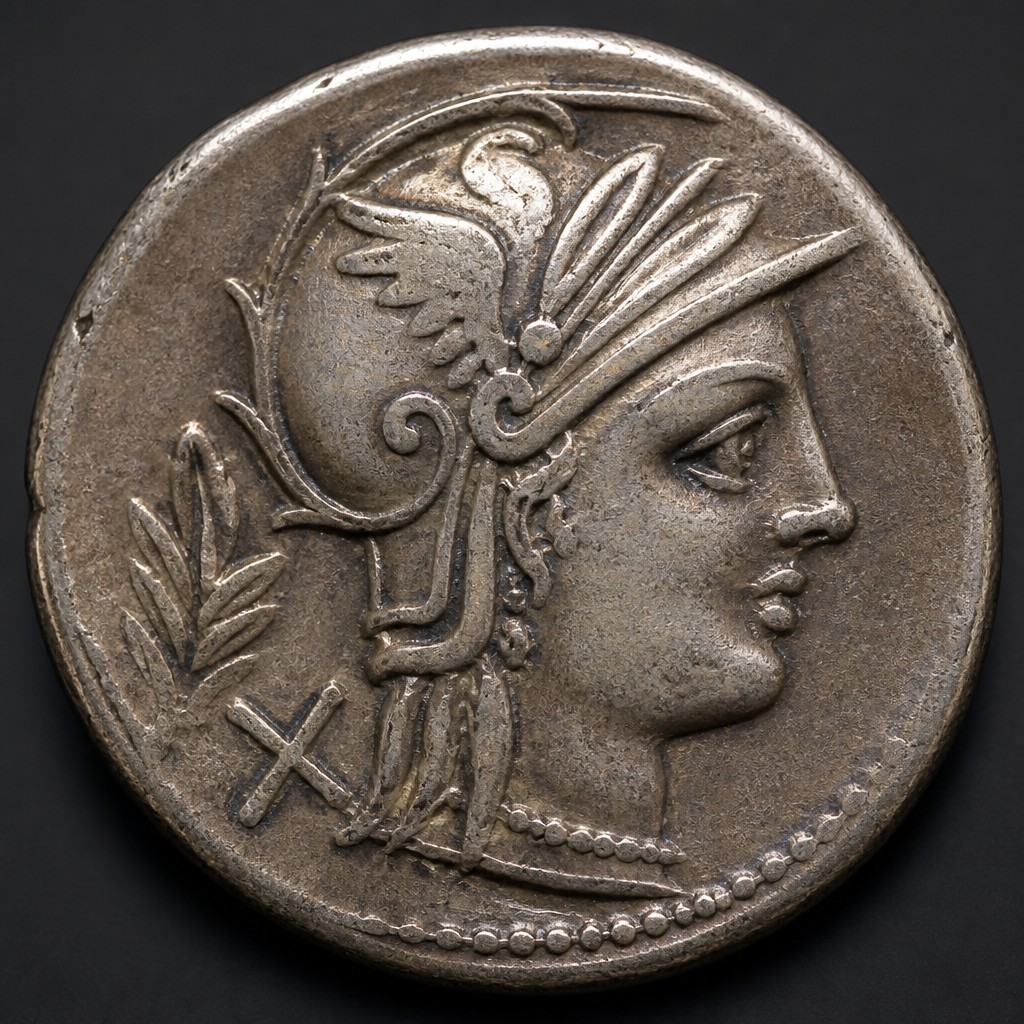
Republican Victoriatus
c. 211–170 BC
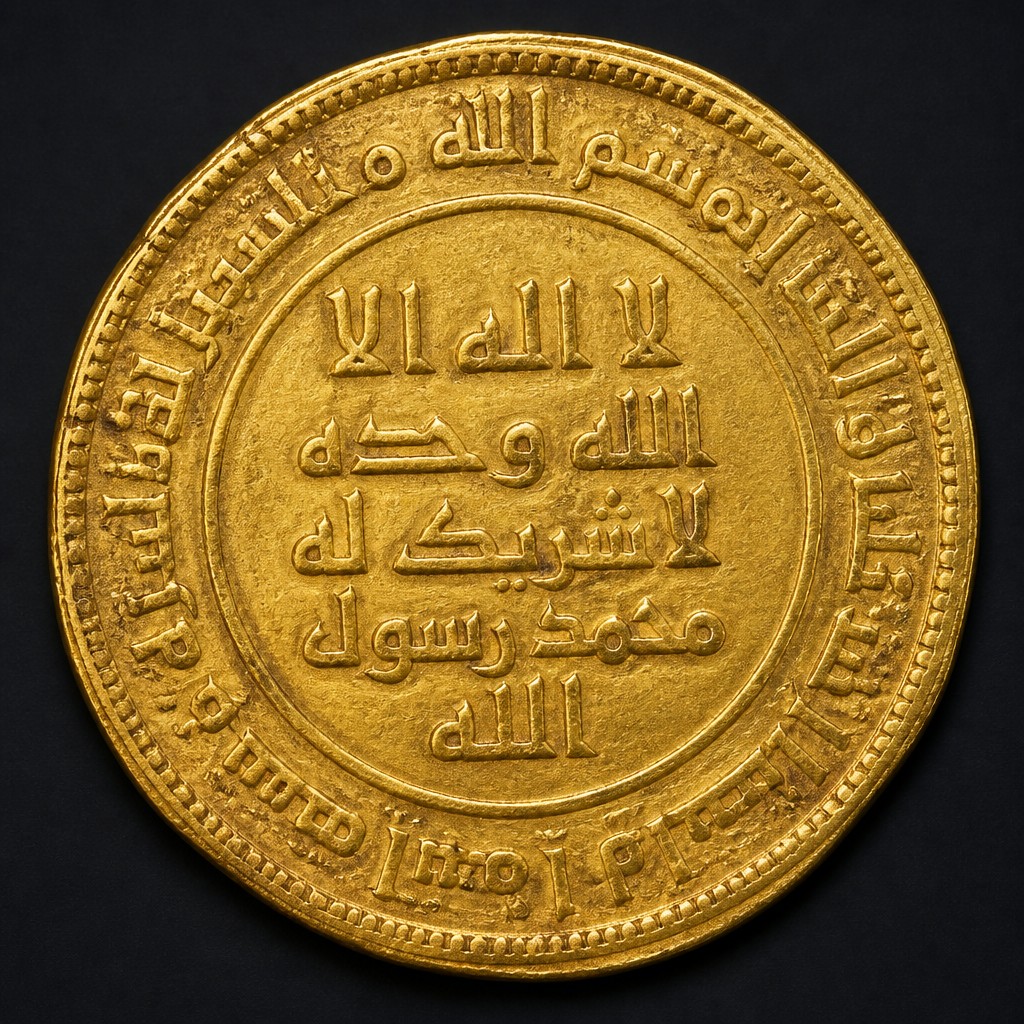
Islamic Gold Dinar (Umayyad)
c. 696–750 AD
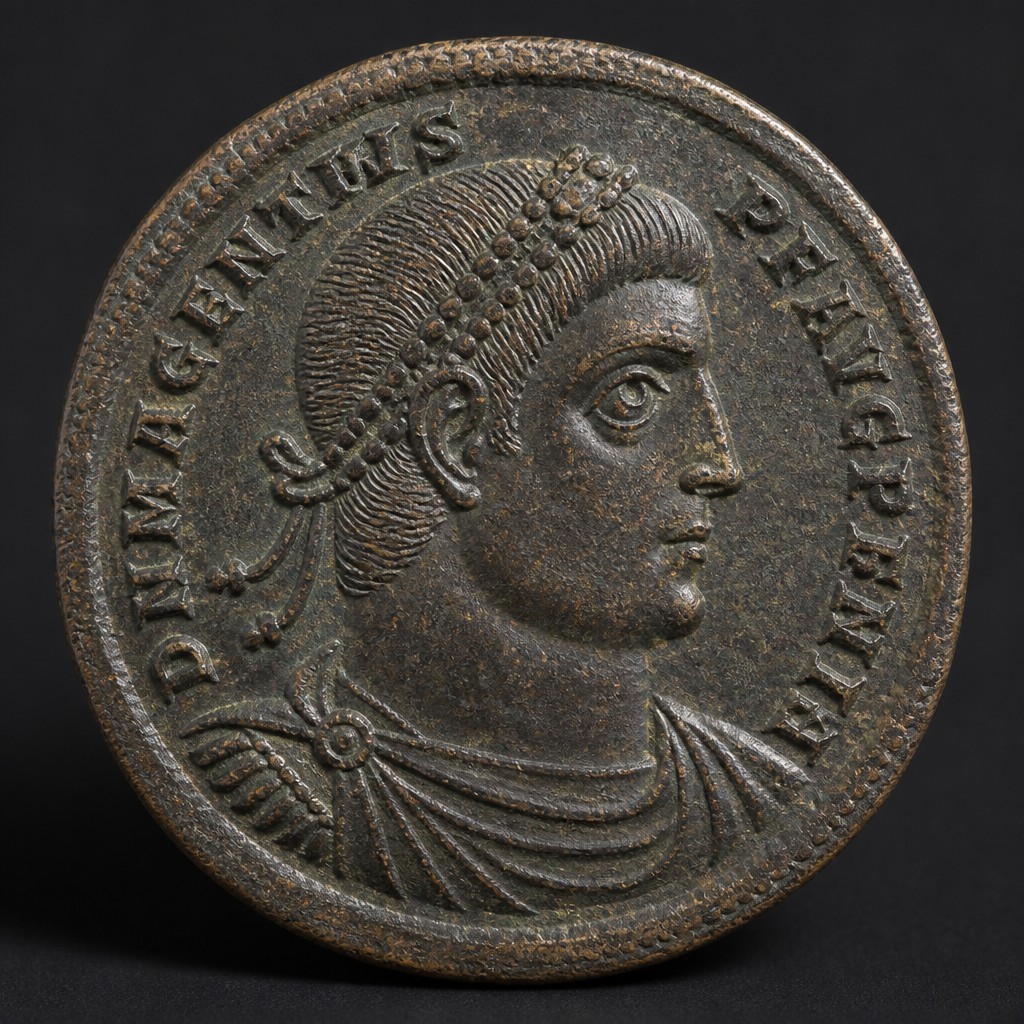
Magnentius Double Centenionalis
350–353 AD
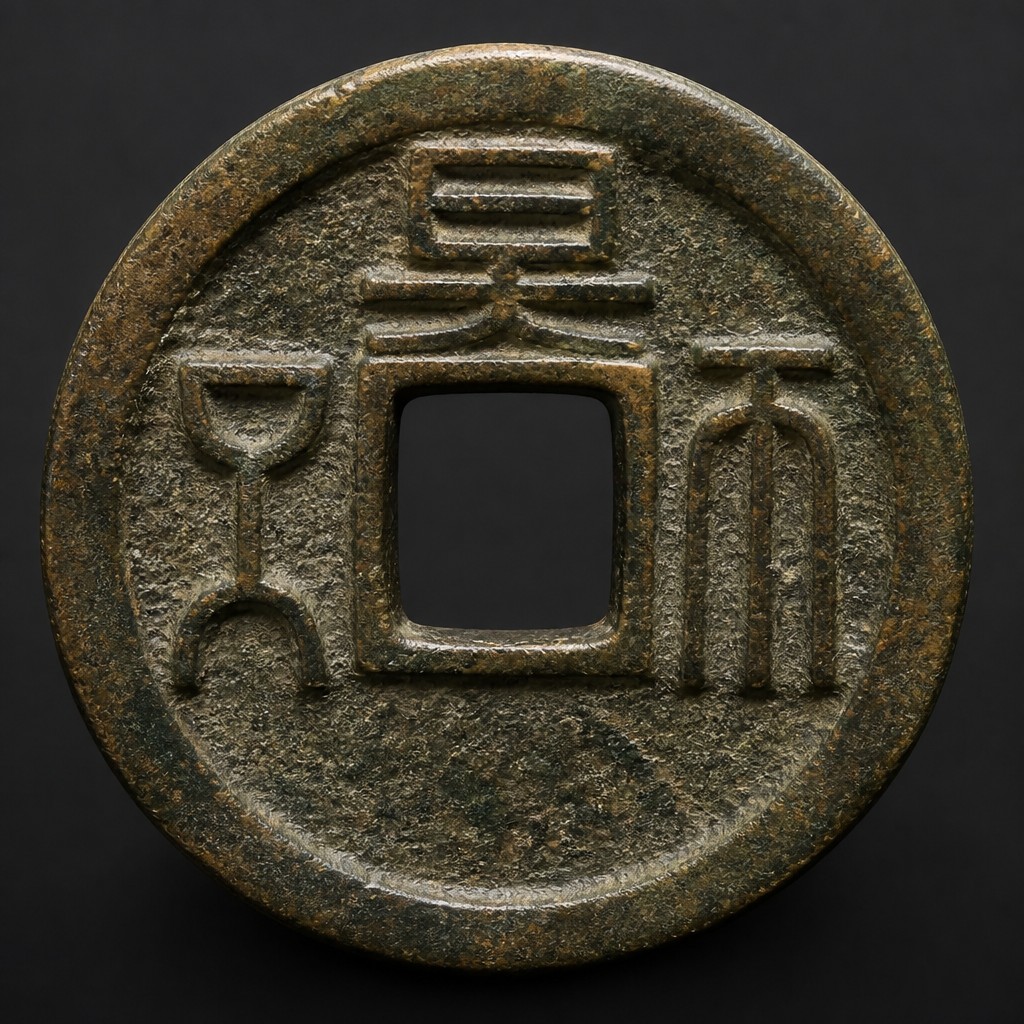
Chinese Wu Zhu Cash
118 BC – 618 AD
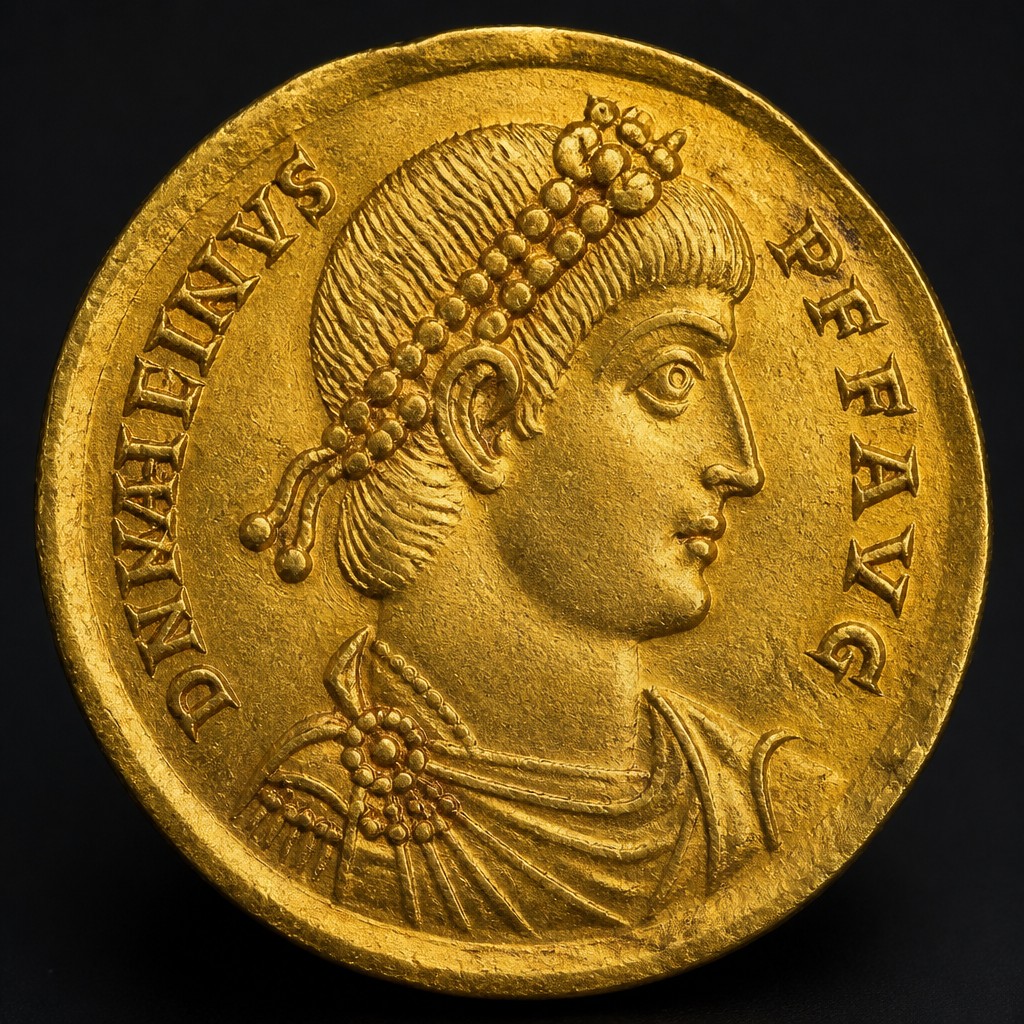
Valentinian I Solidus
364–375 AD
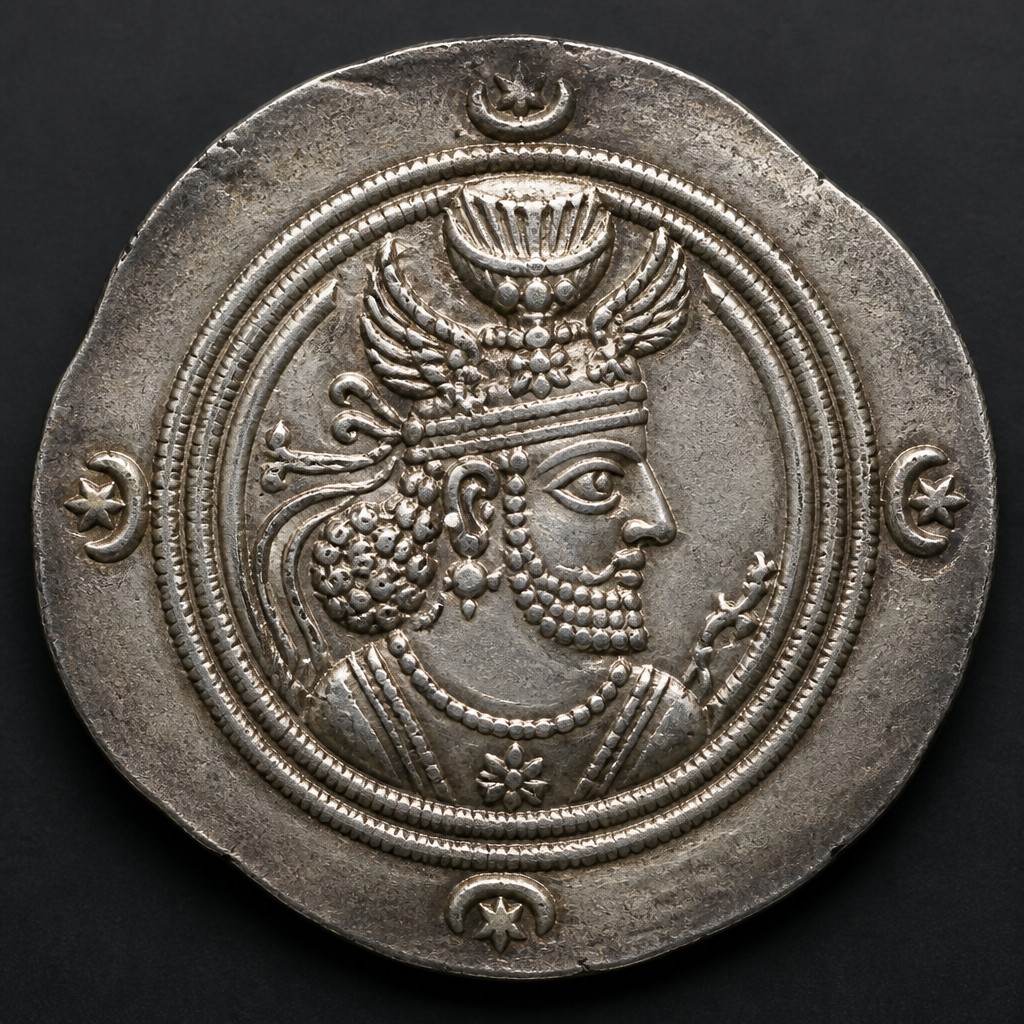
Sassanian Silver Drachm
c. 224–651 AD
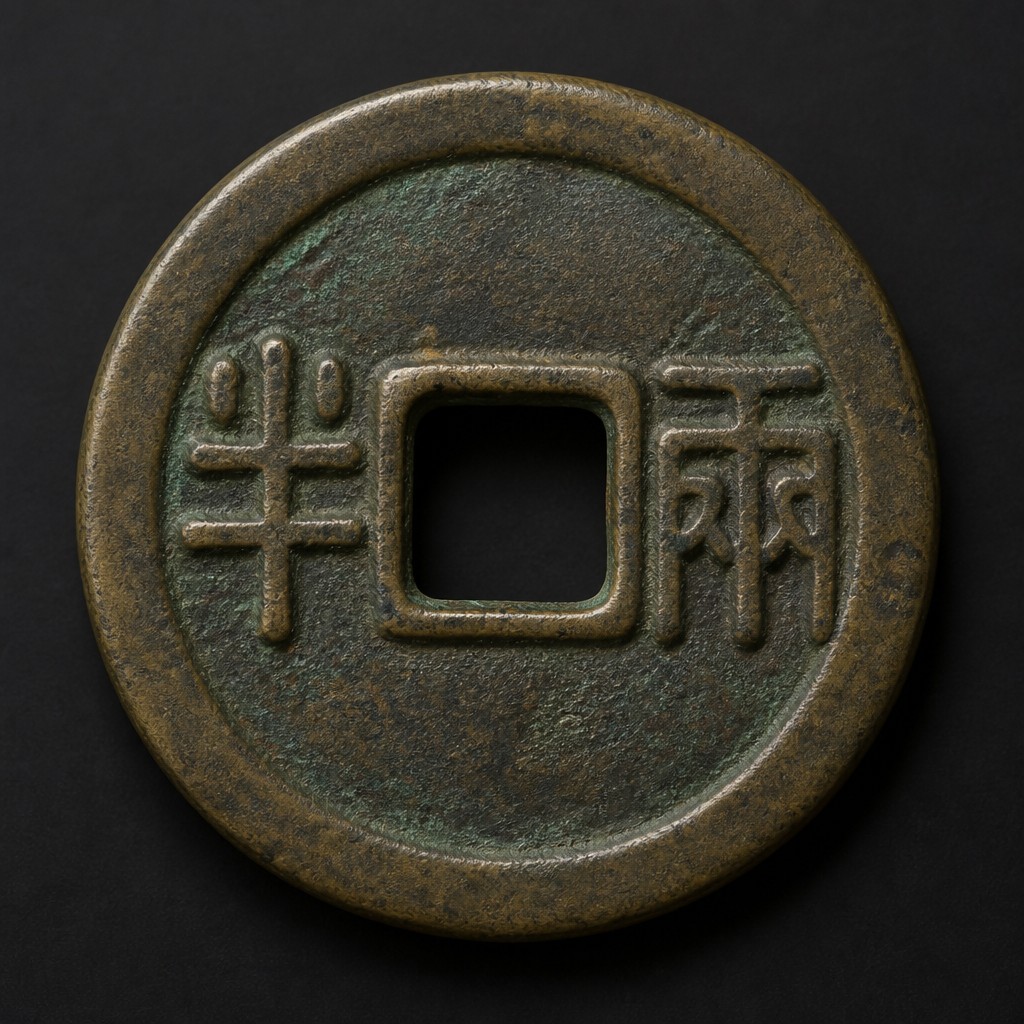
Chinese Ban Liang Cash
c. 221–118 BC
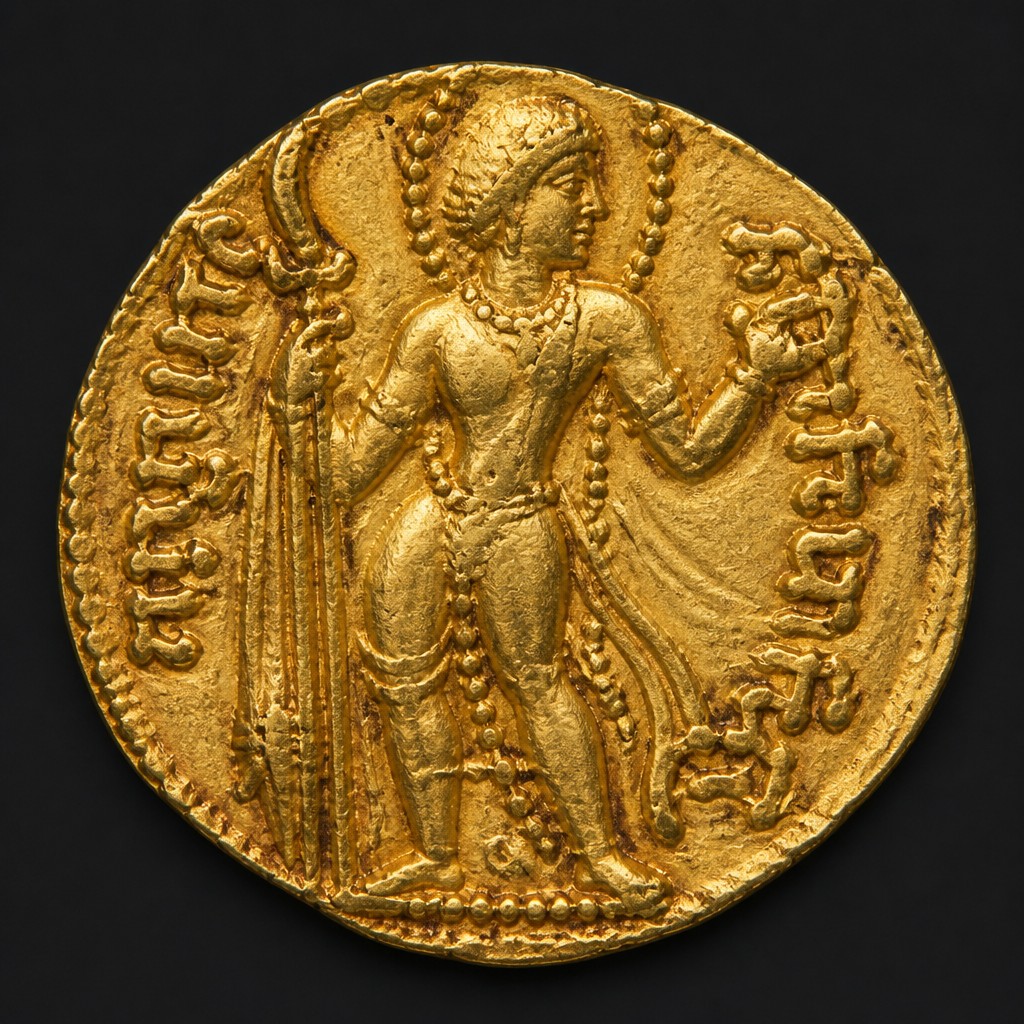
Gupta Empire Gold Dinar
c. 320–550 AD
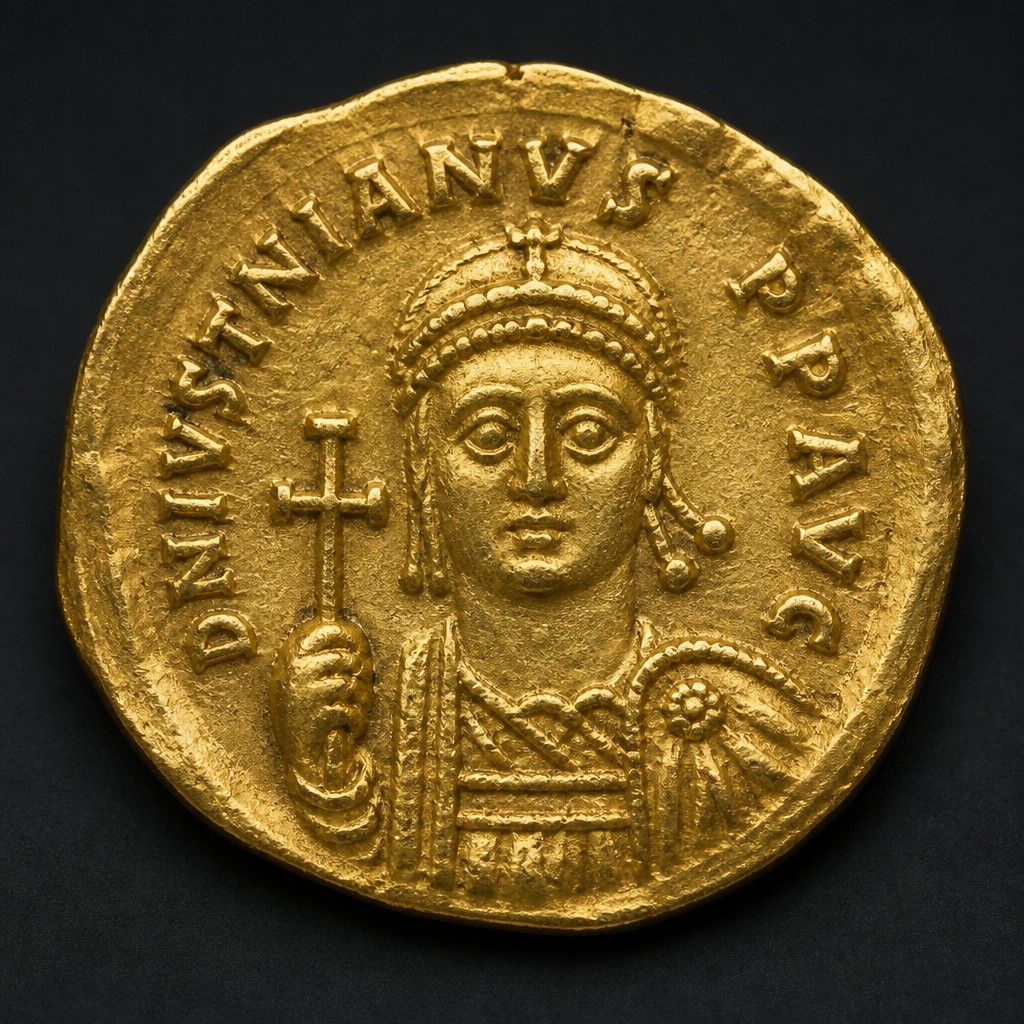
Byzantine Gold Tremissis
c. 4th–7th century AD
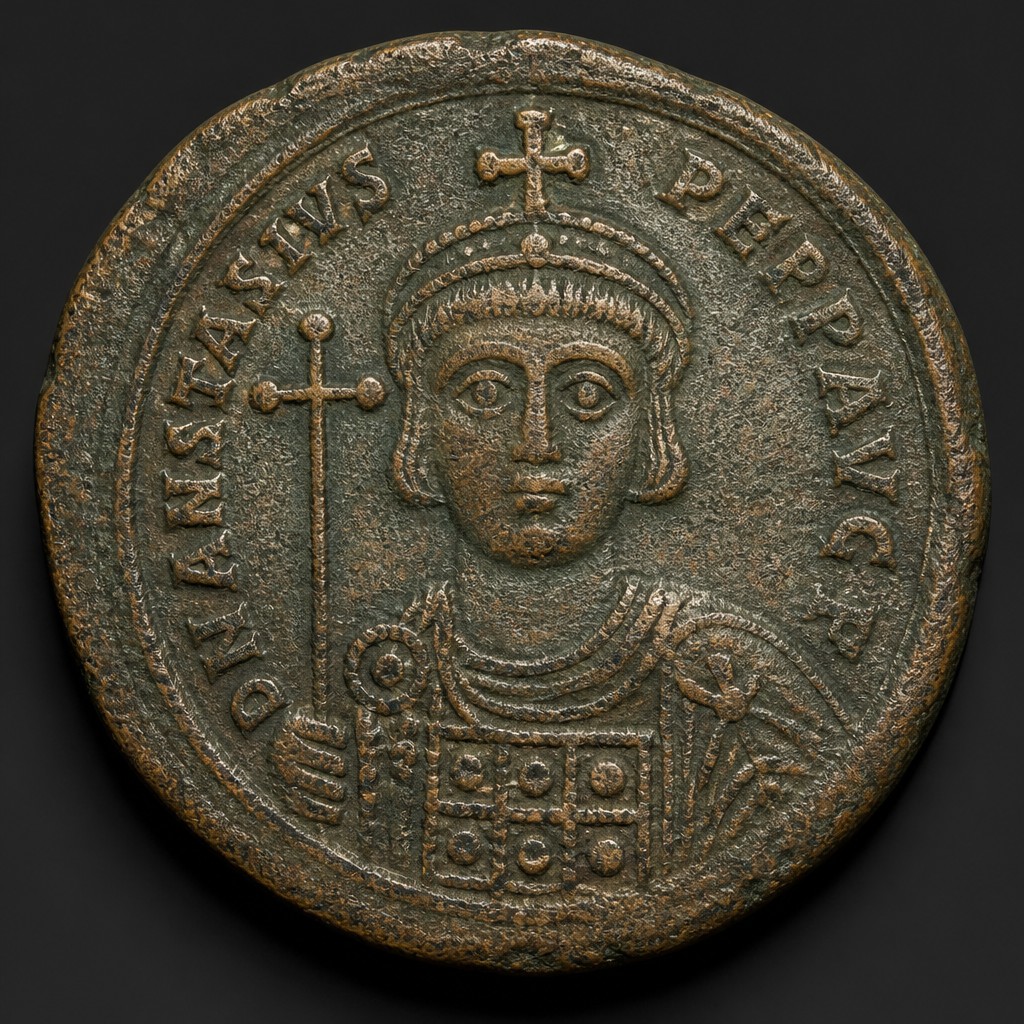
Byzantine Follis
498–c. 11th century AD
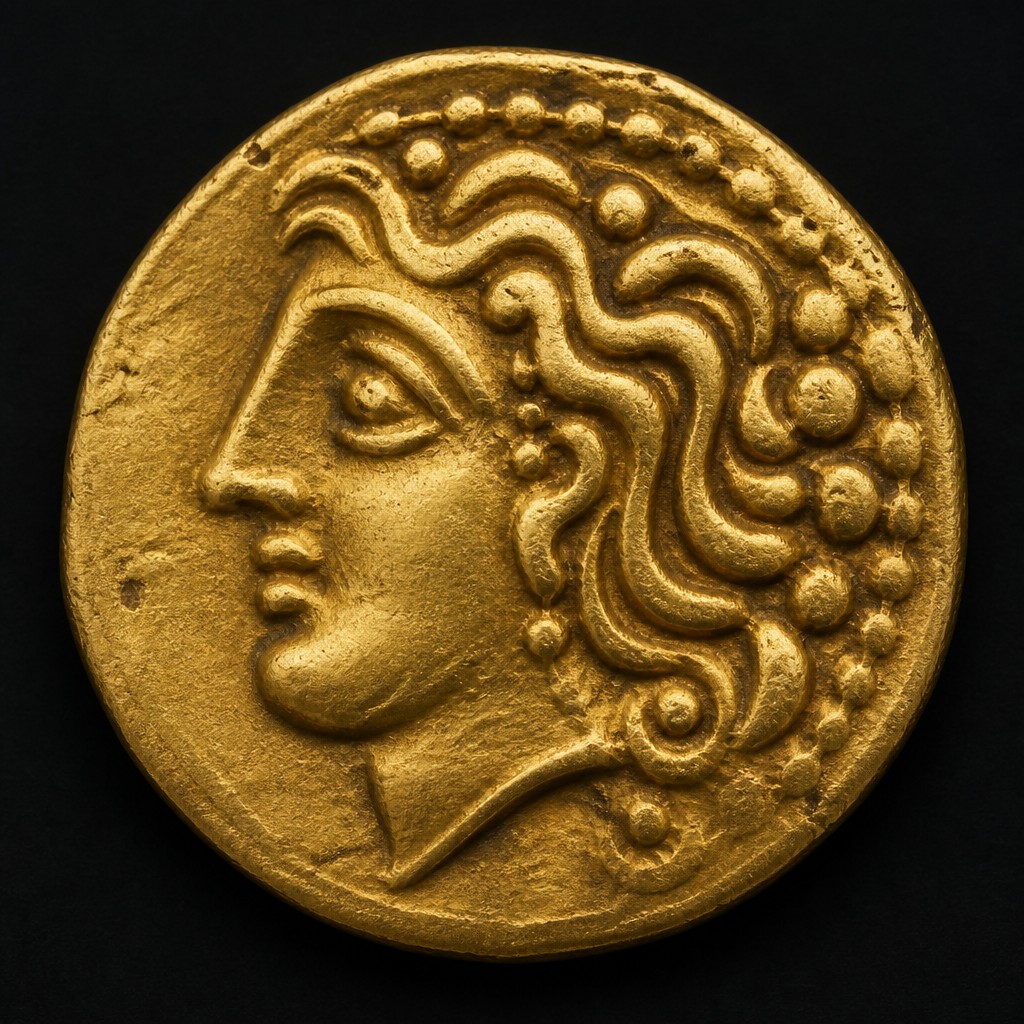
Celtic Gold Stater
c. 3rd century BC – 1st century AD