
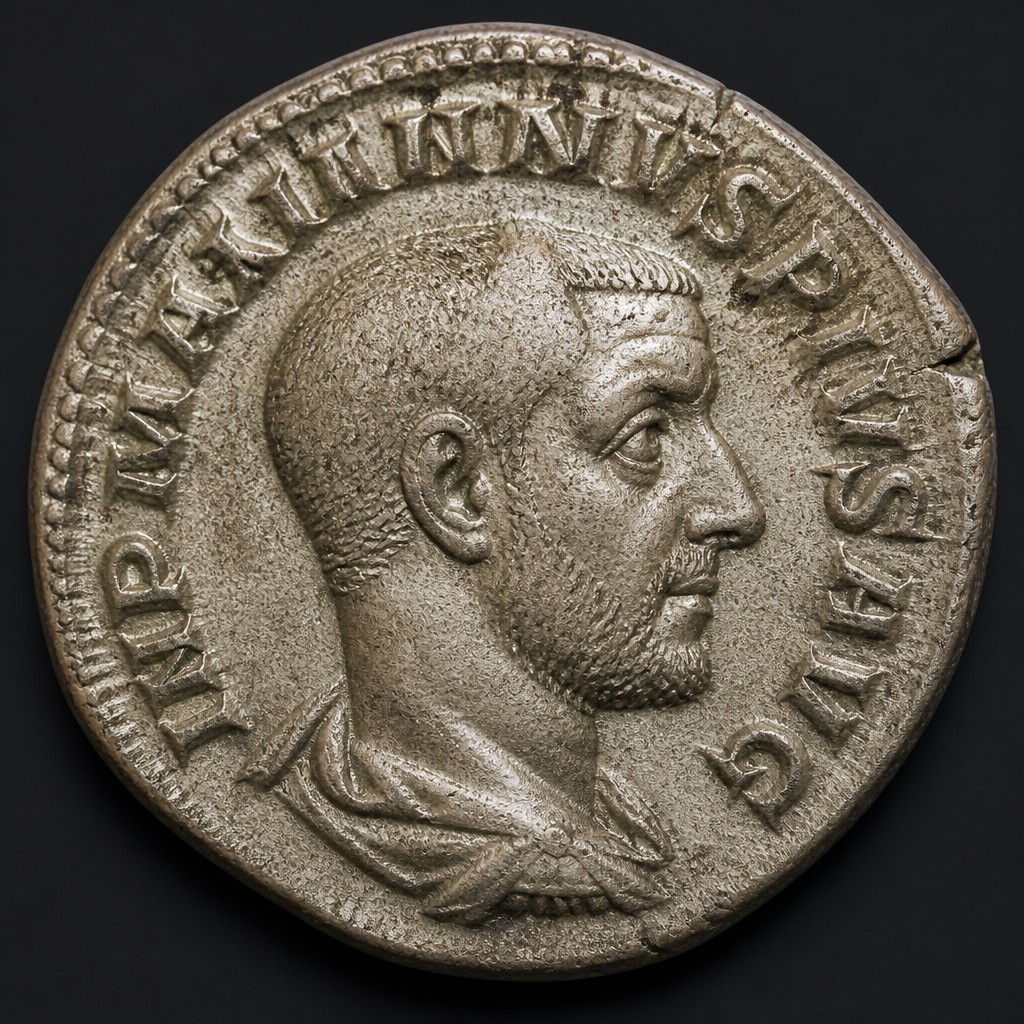
Maximinus Thrax Denarius
Silver denarius of Maximinus Thrax, the first Roman emperor risen from the common soldiery rather than the senatorial class, ruling amid the onset of the Crisis of the Third Century.
- Country
- Ancient Rome
- Denomination
- Denarius
- Metal
- Debased Silver
Got a coin like this?
Identify any coin from a photo, free.
Overview
Maximinus Thrax denarii document a pivotal turning point in Roman history: the first time a common soldier, with no senatorial background, ascended directly to the imperial throne through military acclamation. His coinage, though brief in span, is historically significant as a marker of the army's growing power over the choice of emperor.
Ancient sources describe Maximinus as a man of enormous physical size and strength, and while such accounts are likely exaggerated, they have made him a memorable figure among Roman emperors and a point of interest for collectors of third-century coinage.
History & Background
Maximinus Thrax, born in the Roman province of Thrace (or possibly Moesia) to humble origins, rose through the ranks of the Roman army to command respect among the legions on the Rhine frontier. In 235 AD, following the assassination of Severus Alexander, the troops proclaimed Maximinus emperor, bypassing the traditional senatorial elite entirely.
His three-year reign was spent largely campaigning against Germanic tribes along the Rhine and Danube frontiers, and he never set foot in Rome itself. Distrust from the Senate and a tax-driven rebellion in North Africa (the revolt of Gordian I and II) eventually spiraled into civil war, and Maximinus was assassinated by his own troops outside Aquileia in 238 AD, a year remembered for its parade of six emperors.
How to Identify
The obverse shows a laureate, cuirassed or draped bust of Maximinus, typically depicted with a strong, heavy-featured face, with the legend IMP MAXIMINVS PIVS AVG or similar. Because his reign was short, portrait variation is more limited than for longer-reigning emperors.
Reverse types commonly include Fides Militum (military loyalty), Pax, Salus, Victoria, and Providentia, reflecting the military character of his rule and his reliance on the army's continued support. Legends identify the personification directly beneath the image.
The coin is a standard small silver denarius of roughly 18-19mm, with silver content further reduced from Severus Alexander's issues. Collectors should compare the obverse portrait and legend carefully, as posthumous or later imitative pieces exist; genuine Rome-mint issues have consistent, well-executed engraving typical of the official mint of this period.
Value & Collectibility
Maximinus Thrax denarii are scarcer than those of many Severan predecessors because his reign was brief, though they remain obtainable and not considered a major rarity. Typical worn to fine examples often fall in the range of roughly $50 to $150, with sharp, well-struck, or higher-grade pieces bringing more.
Collector interest is boosted by his unusual biography as the first non-senatorial soldier-emperor, which adds historical appeal beyond pure numismatic scarcity.
Frequently asked questions
Why is Maximinus Thrax historically significant?
He was the first Roman emperor to rise purely through military rank without senatorial or aristocratic background, symbolizing the army's growing control over succession.
Did Maximinus Thrax ever visit Rome?
No historical evidence indicates he ever entered the city of Rome during his reign; he ruled from the frontier while campaigning.
Are these denarii scarce?
They are less common than issues from longer reigns but are still available to collectors, generally at moderate prices.
What does 'Thrax' mean in his name?
It is a later historical nickname meaning 'the Thracian,' referencing his origin from the Thracian region of the Balkans.
Other coins you may enjoy
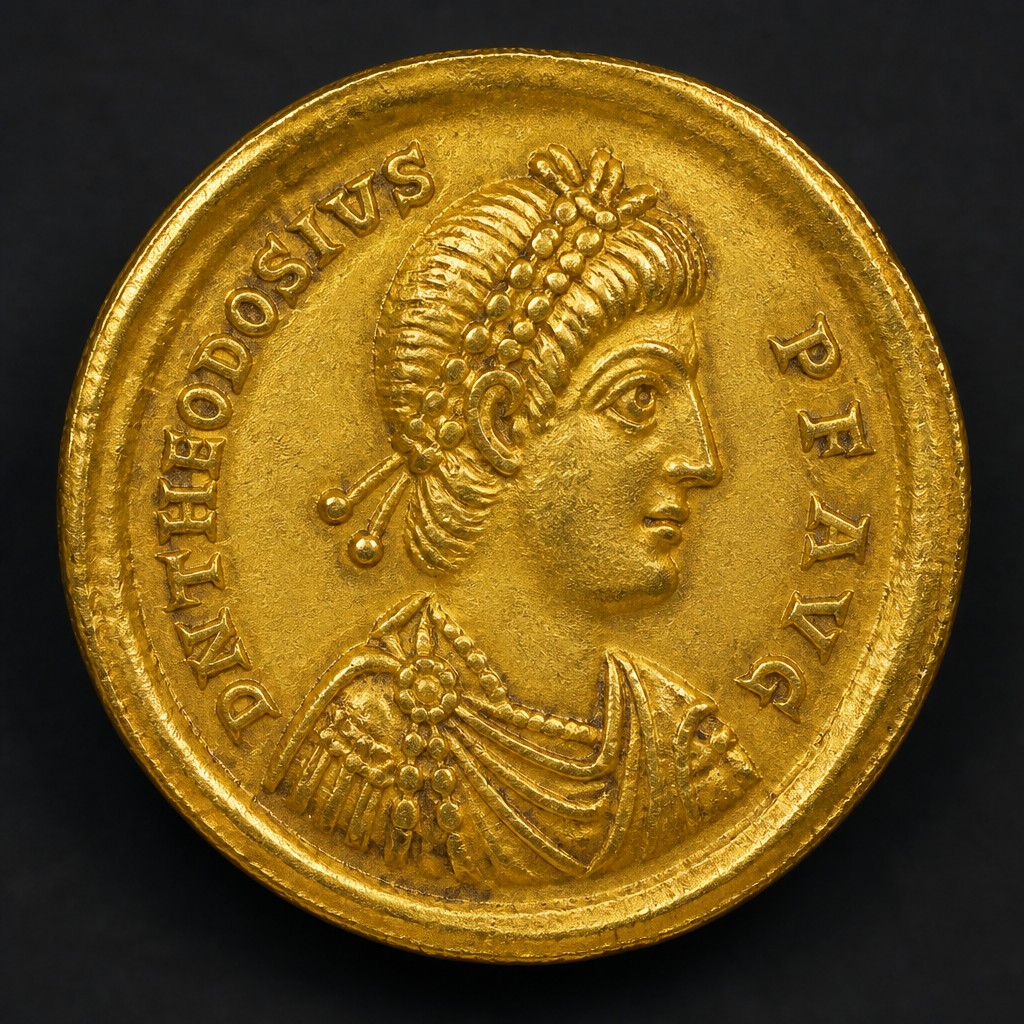
Theodosius I Solidus
379–395 AD
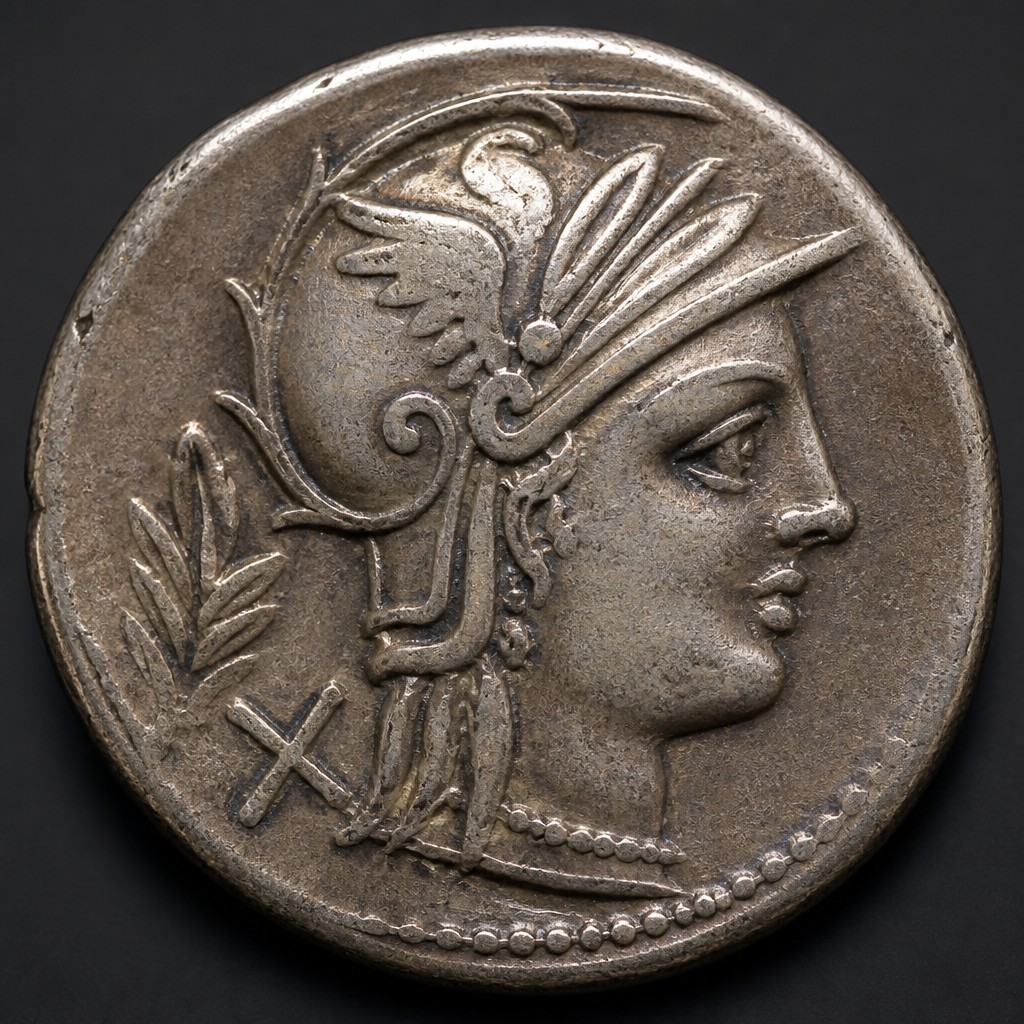
Republican Victoriatus
c. 211–170 BC
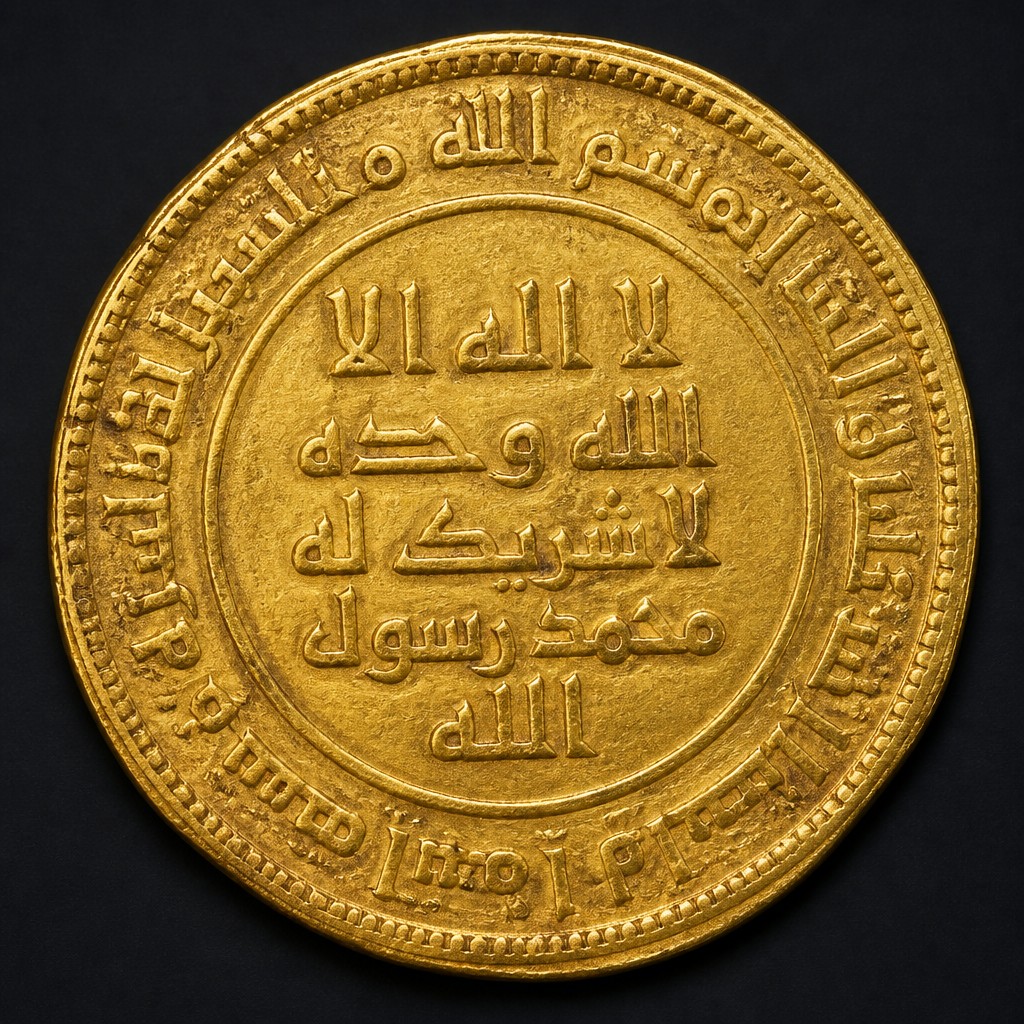
Islamic Gold Dinar (Umayyad)
c. 696–750 AD
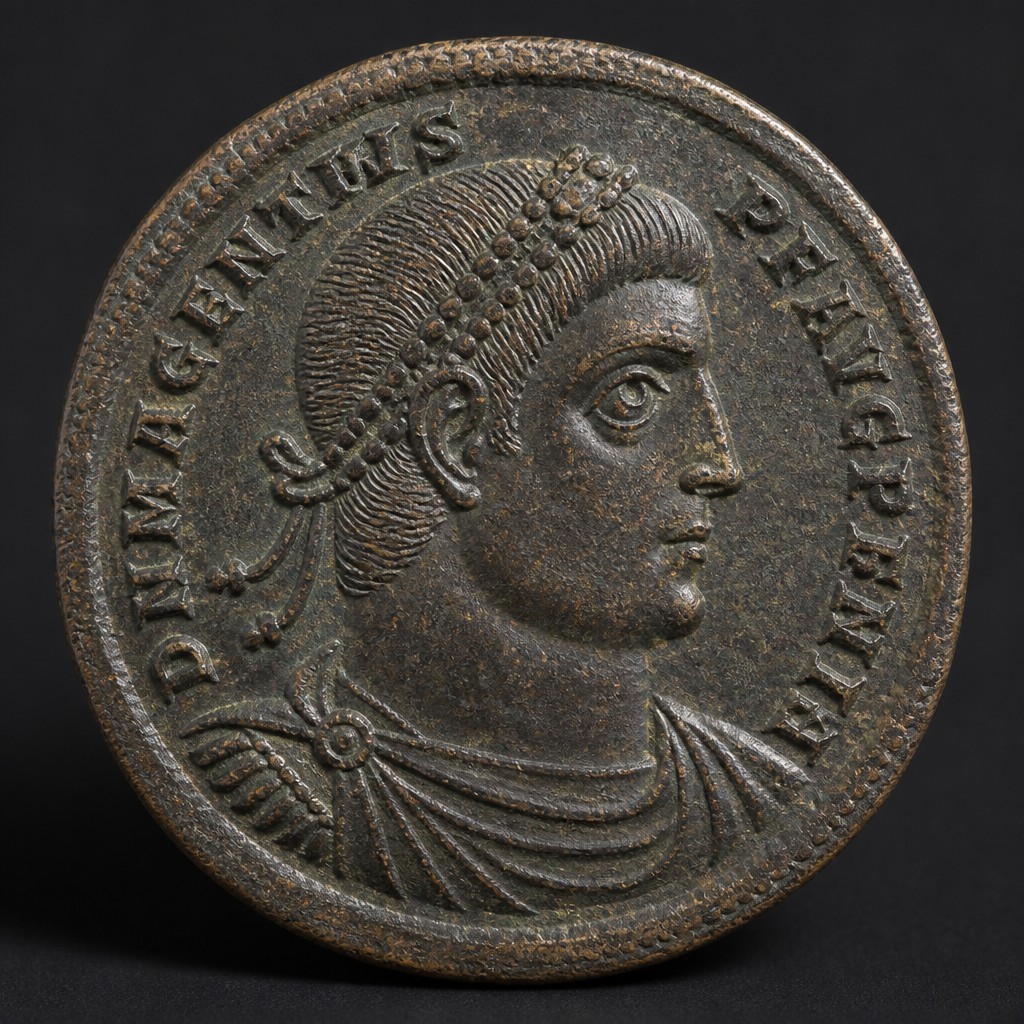
Magnentius Double Centenionalis
350–353 AD
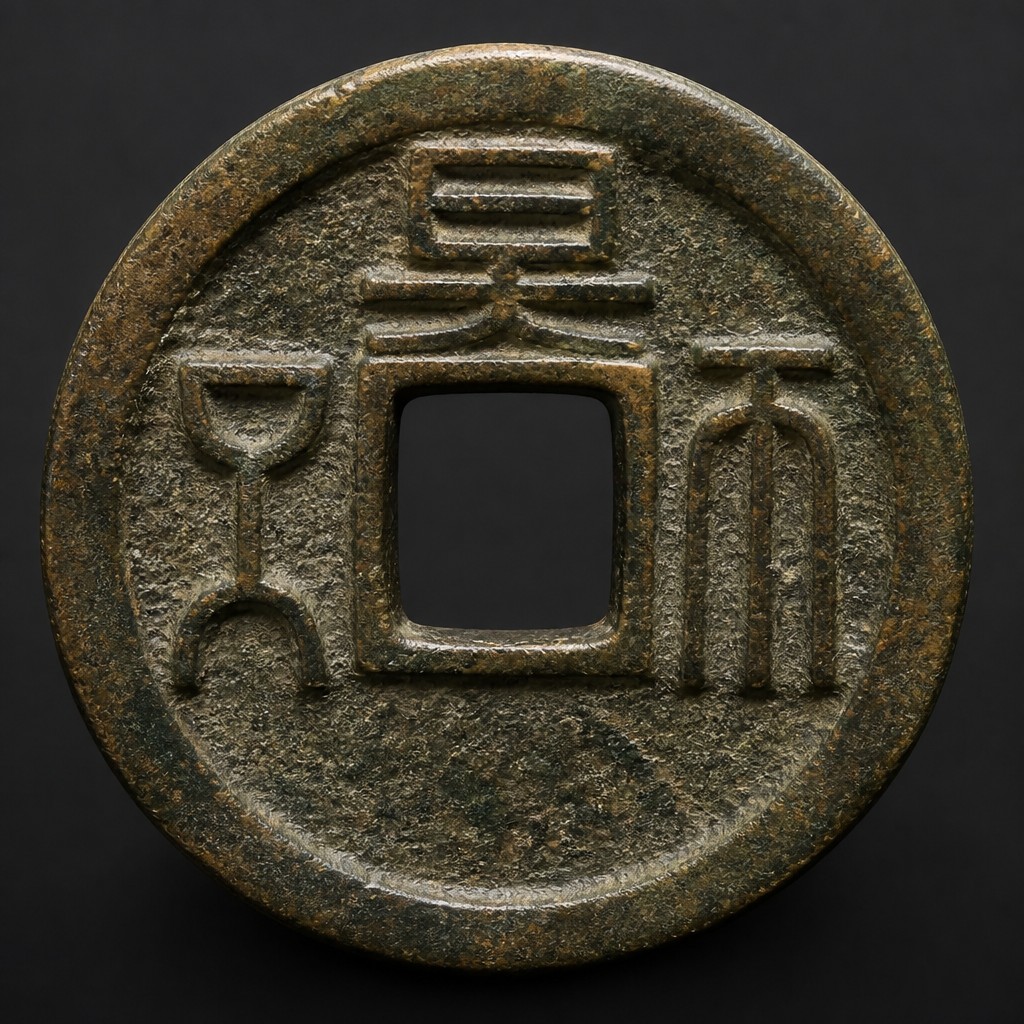
Chinese Wu Zhu Cash
118 BC – 618 AD
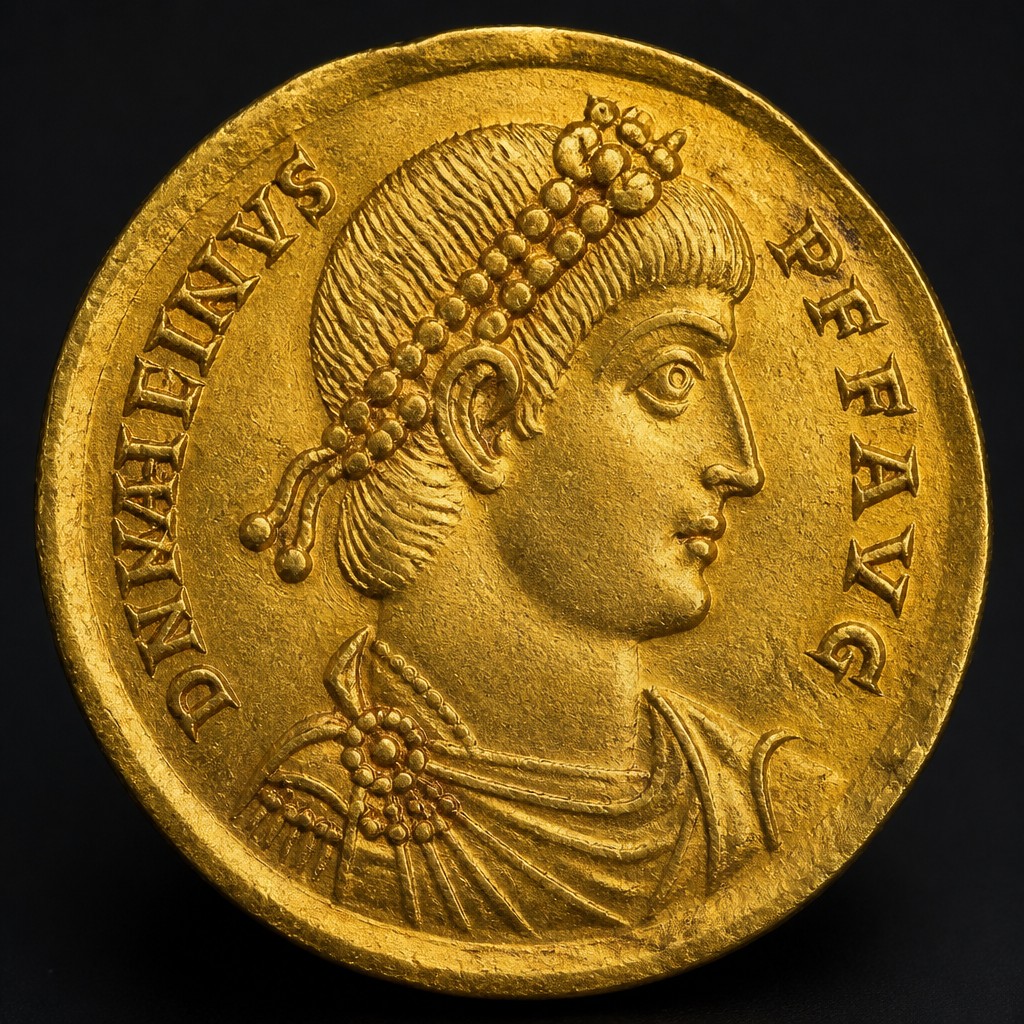
Valentinian I Solidus
364–375 AD
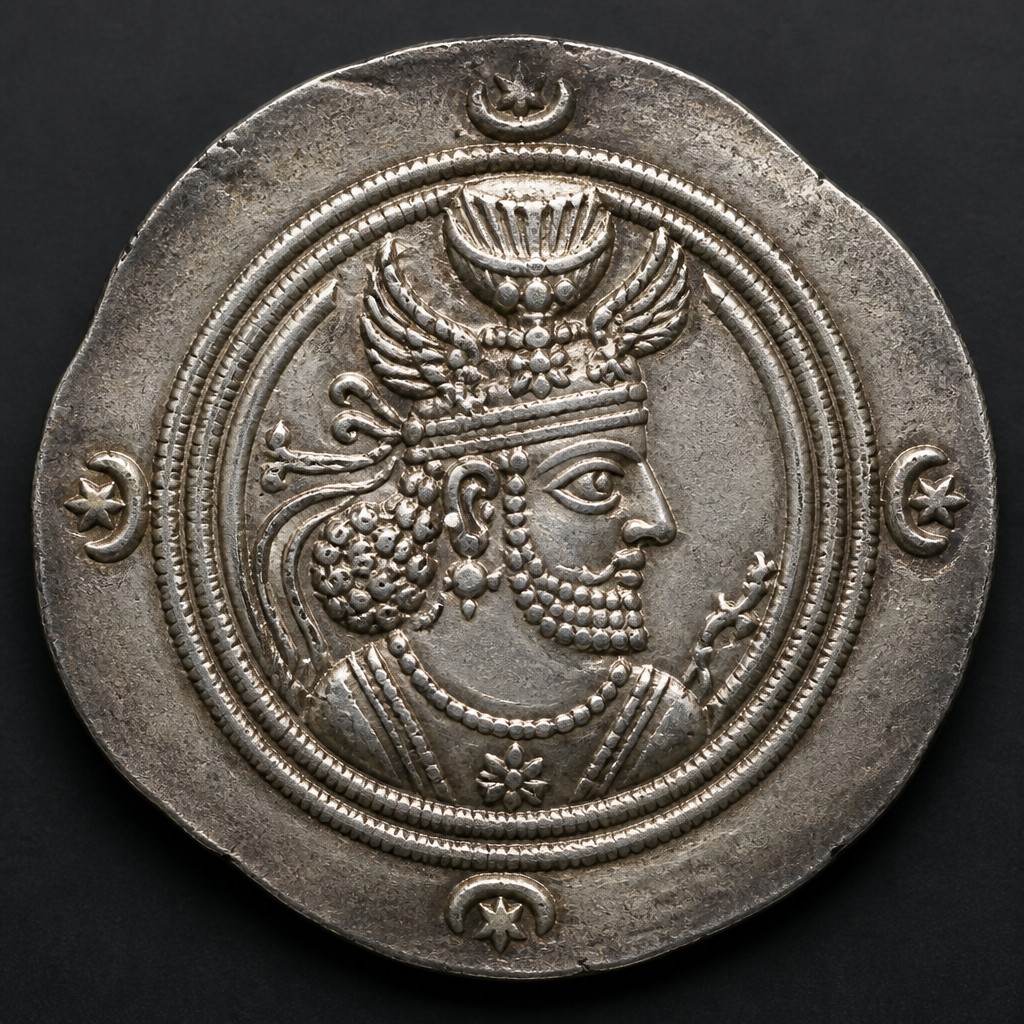
Sassanian Silver Drachm
c. 224–651 AD
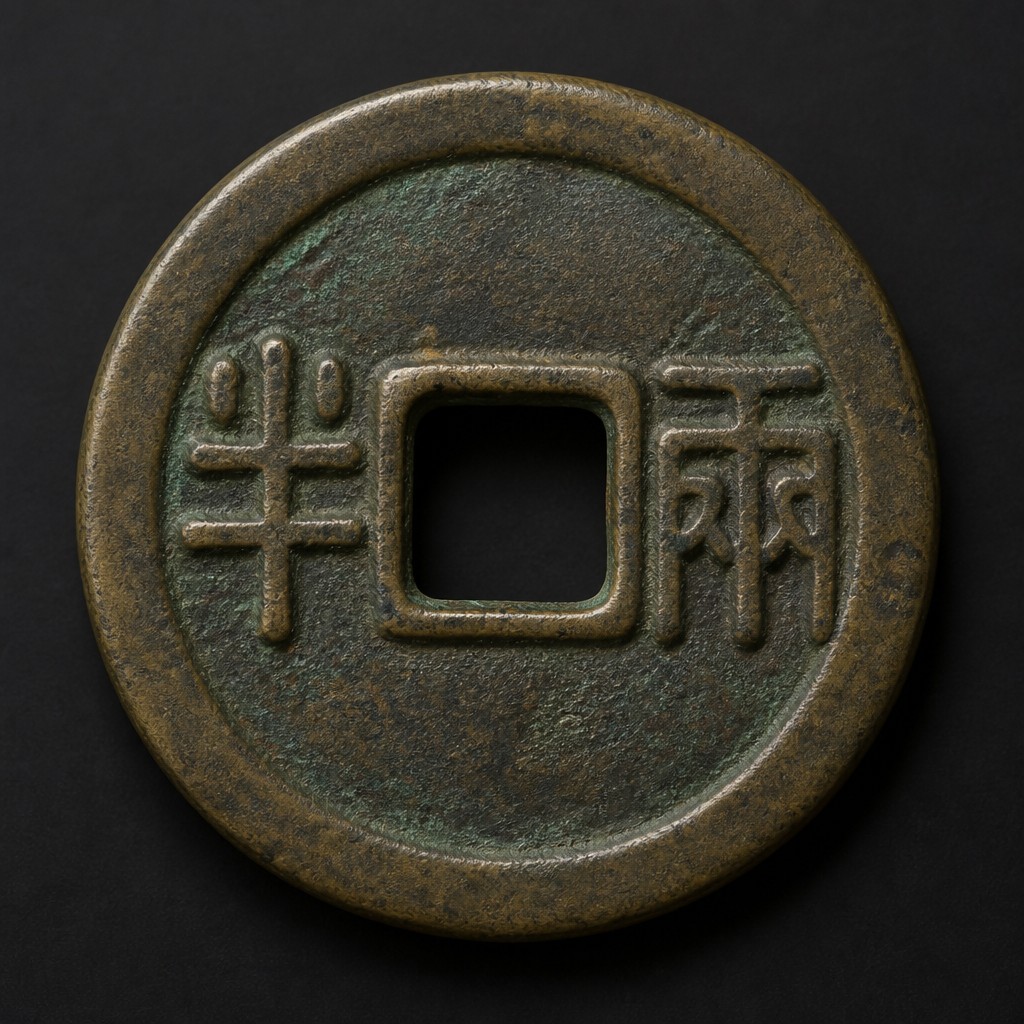
Chinese Ban Liang Cash
c. 221–118 BC
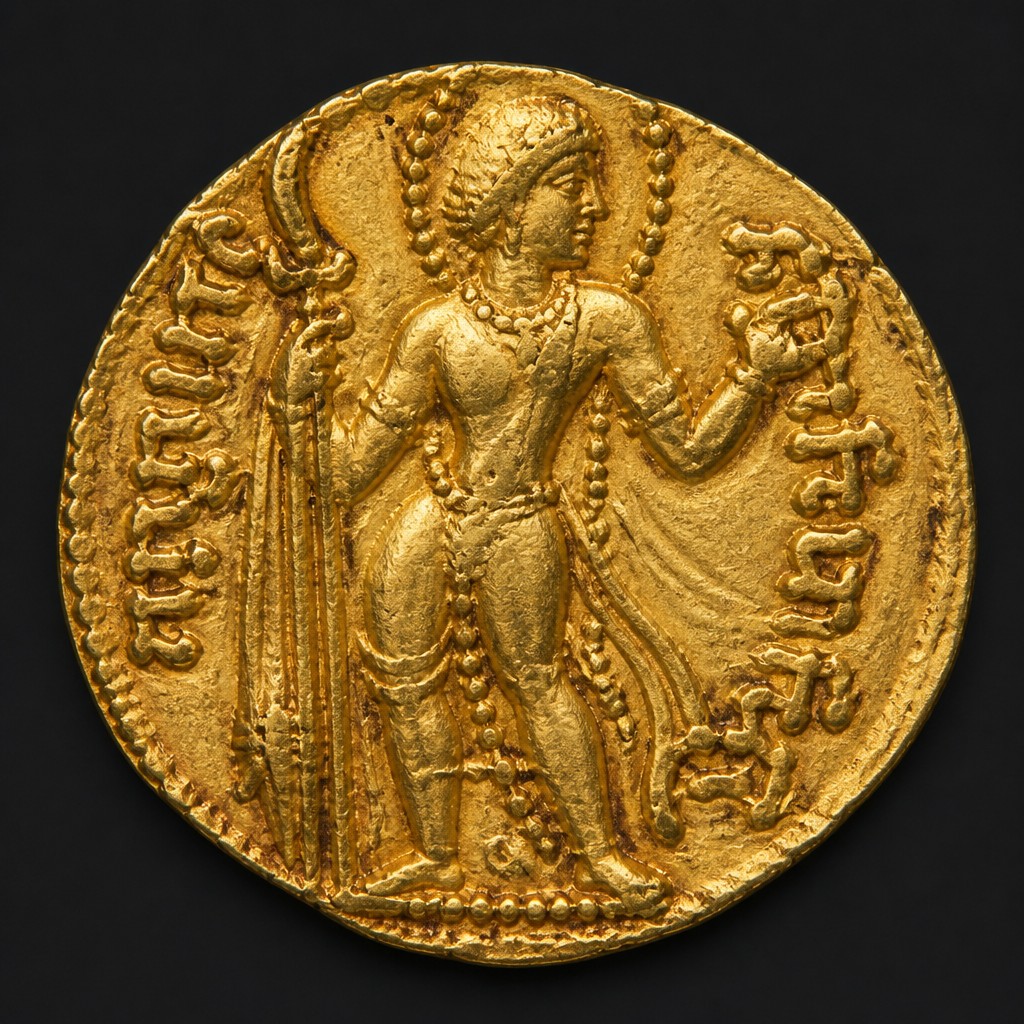
Gupta Empire Gold Dinar
c. 320–550 AD
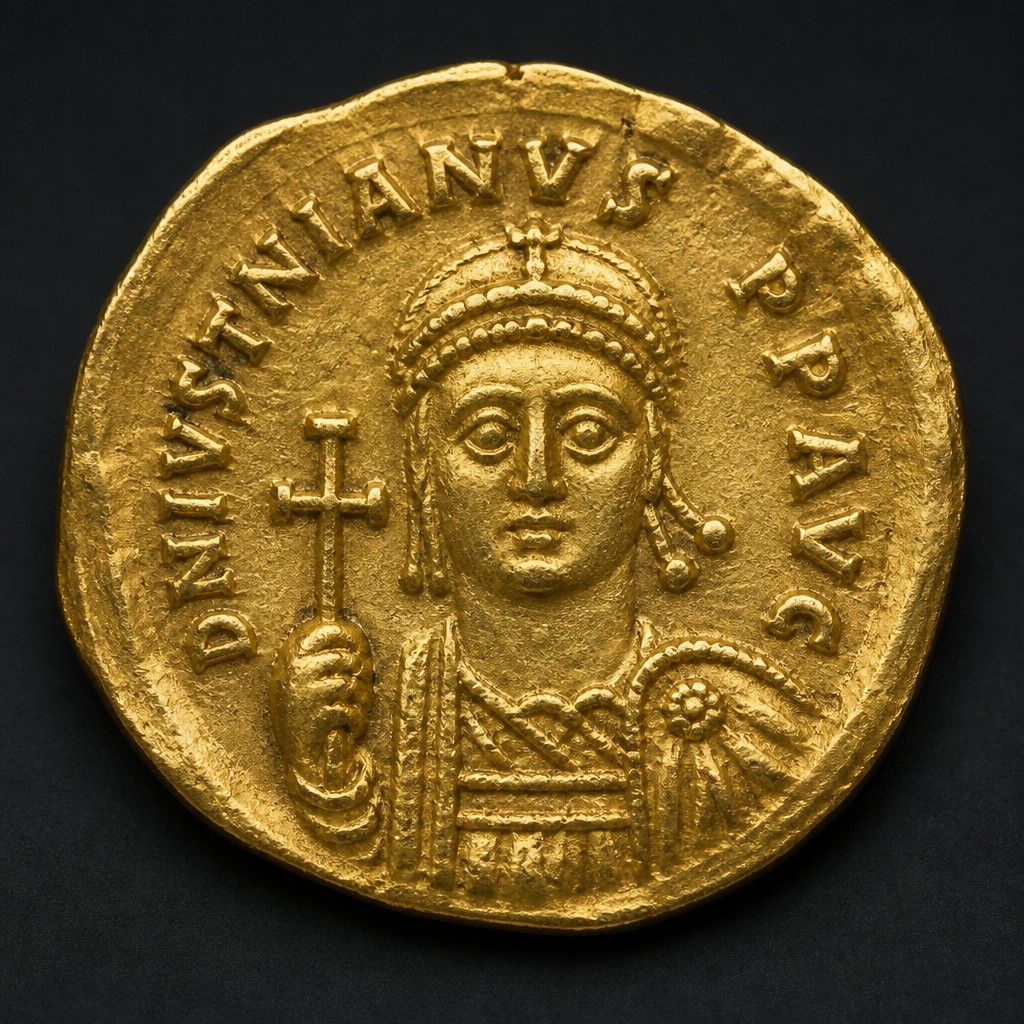
Byzantine Gold Tremissis
c. 4th–7th century AD
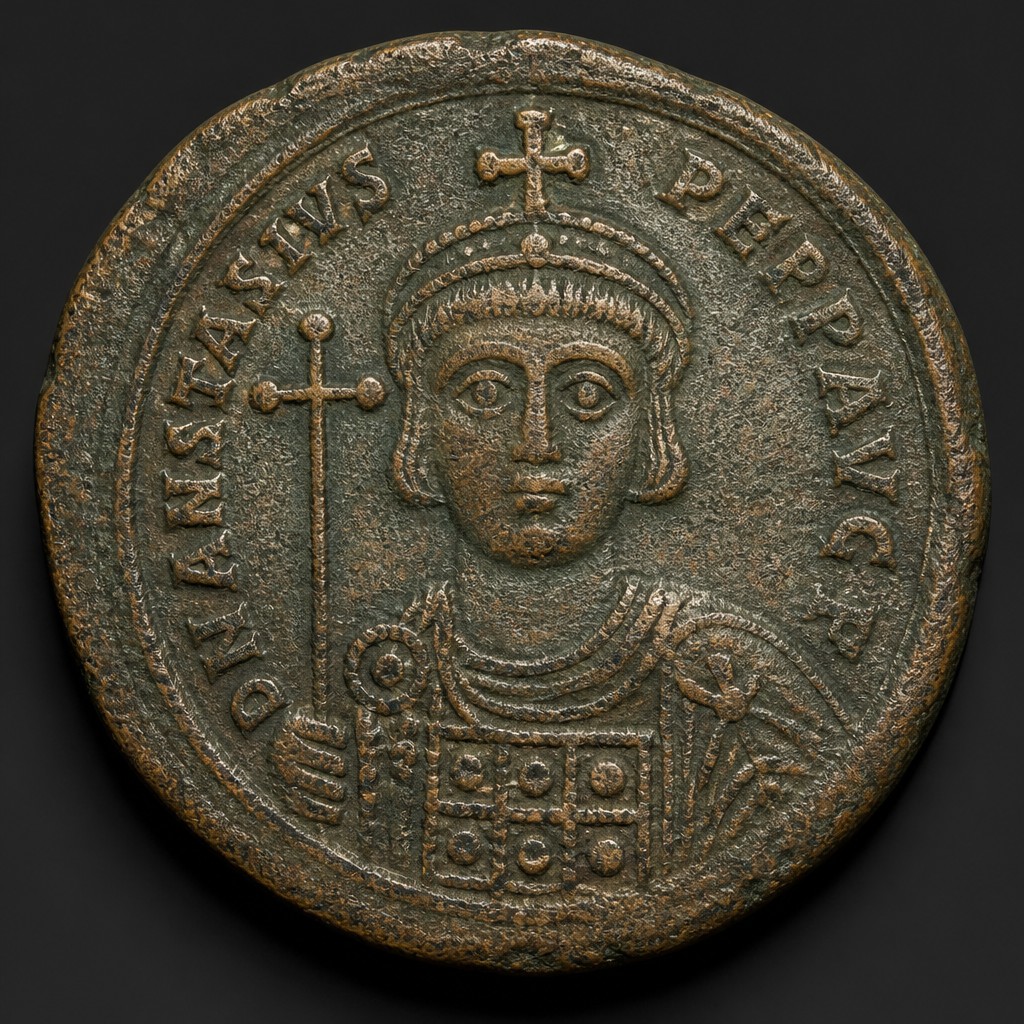
Byzantine Follis
498–c. 11th century AD
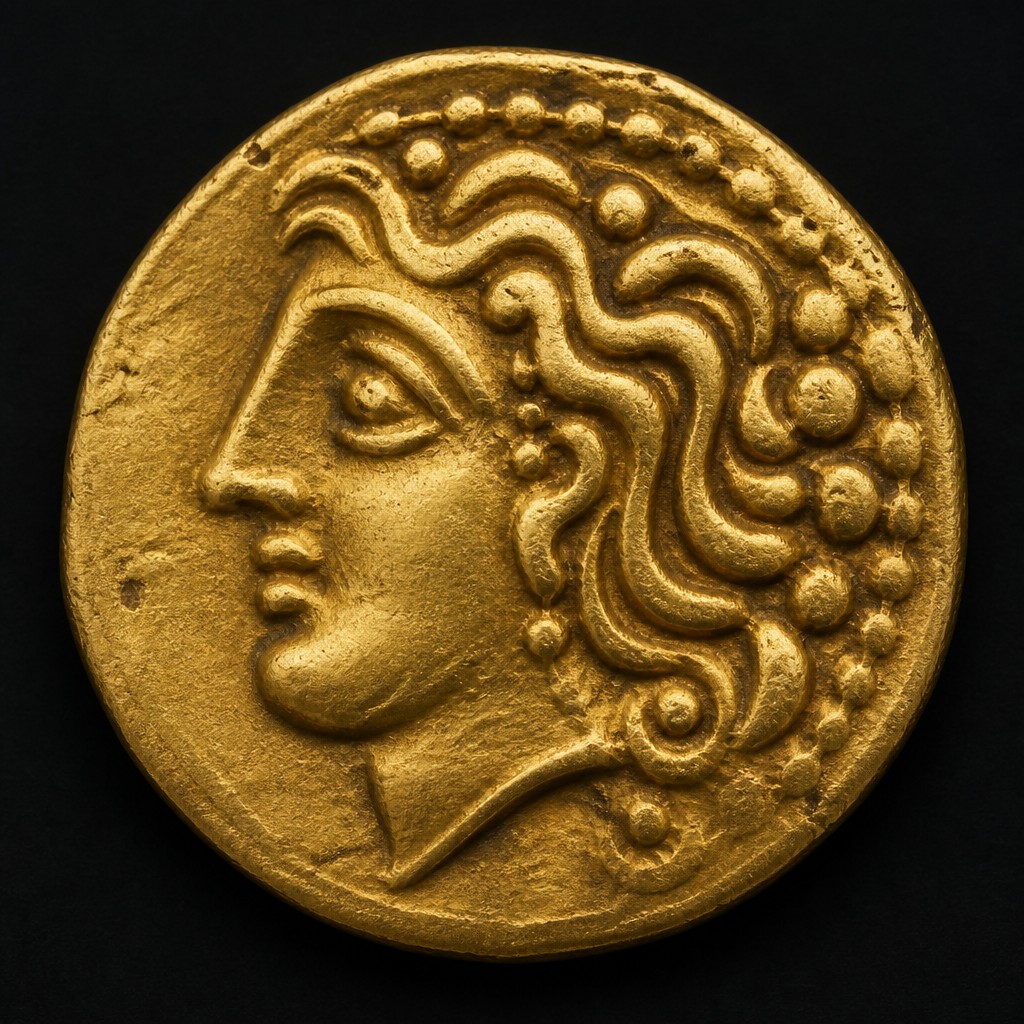
Celtic Gold Stater
c. 3rd century BC – 1st century AD