
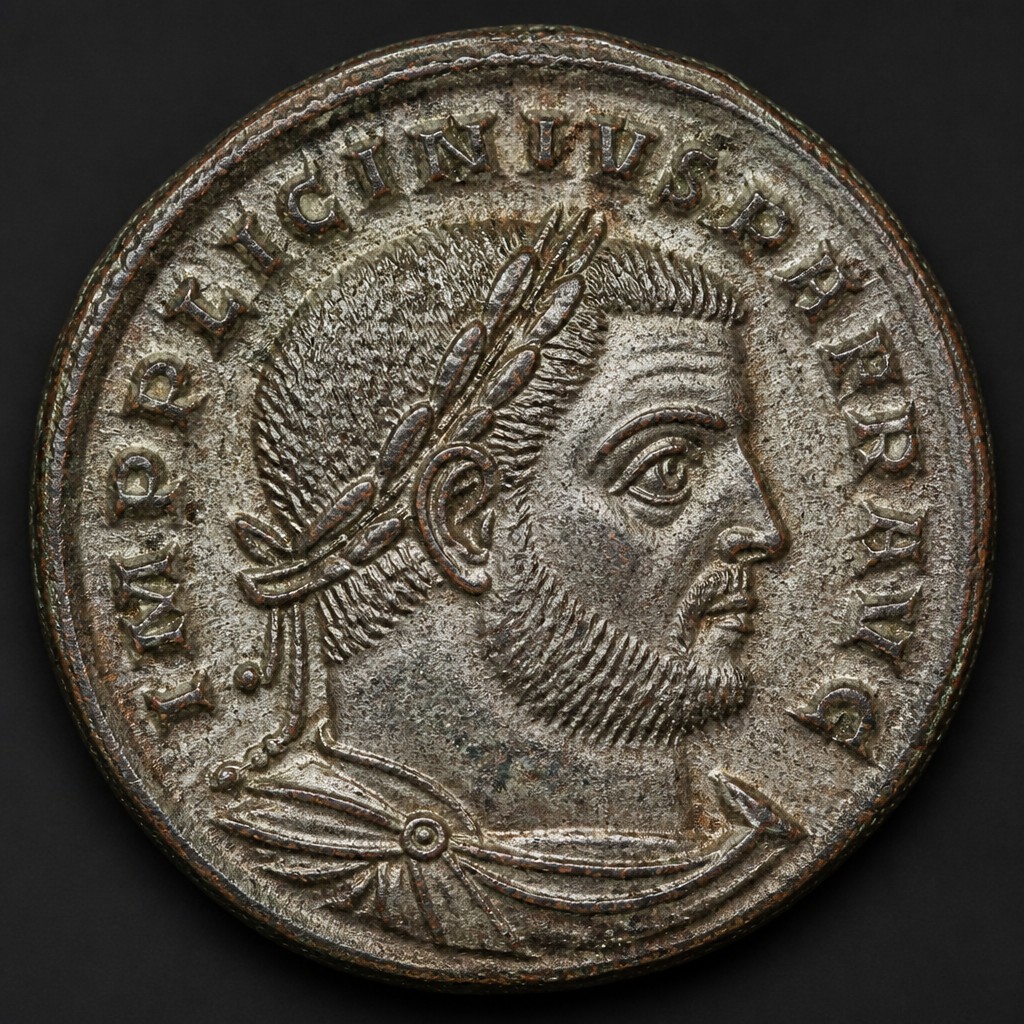
Licinius Follis
Bronze follis of Licinius, the last rival emperor to challenge Constantine the Great before his defeat and the reunification of the Roman Empire under Constantinian rule in 324 AD.
- Country
- Ancient Rome
- Denomination
- Follis (Nummus)
- Metal
- Bronze with thin silver wash (module reduced in later issues)
Got a coin like this?
Identify any coin from a photo, free.
Overview
Licinius follis coinage documents the final chapter of the Tetrarchic and post-Tetrarchic power struggles that culminated in Constantine the Great's sole rule over a reunified Roman Empire. As eastern emperor for over a decade, Licinius issued substantial coinage that reflects both continuity with earlier Tetrarchic designs and the gradual evolution of Roman bronze coinage in the early fourth century.
Collectors are drawn to Licinius coinage as a bridge between the multi-ruler Tetrarchic system and the eventual Constantinian dynasty that would dominate the fourth century and beyond.
History & Background
Licinius was elevated to Augustus in 308 AD at the Conference of Carnuntum, part of ongoing efforts to stabilize the increasingly fractured Tetrarchic system, and he eventually secured control over the eastern portion of the empire. In 313 AD, he met with Constantine at Milan, where the two jointly issued the Edict of Milan, granting religious toleration to Christians throughout the empire.
Despite this early cooperation, rivalry between Licinius and Constantine grew over the following decade, culminating in open civil war. Constantine ultimately defeated Licinius decisively at the Battle of Chrysopolis in 324 AD, after which Licinius was captured and later executed, leaving Constantine as sole ruler of a reunified Roman Empire.
How to Identify
The obverse shows a laureate, cuirassed bust of Licinius, with legends such as IMP LICINIVS PF AVG or similar variants reflecting his changing titulature over his reign. Some issues also exist for his young son, Licinius II, who was raised to Caesar.
Early in his reign, reverse types continue the Tetrarchic GENIO POPVLI ROMANI standard, while later issues shift toward newer types such as IOVI CONSERVATORI (Jupiter as protector of the emperor) and various Sol- or Jupiter-themed designs common to the period, alongside vota (anniversary vow) legends such as VOT X or VOT XX marking imperial jubilees. Mint marks identify major eastern production centers, particularly Thessalonica, Nicomedia, and Antioch.
The follis module generally shrank over the course of his reign, consistent with empire-wide trends toward smaller bronze coinage in the early fourth century, so earlier Licinius folles tend to be noticeably larger than his later issues. Collectors distinguish his coinage from that of contemporary Constantine by the obverse legend and by generally more limited mint variety, since Licinius controlled a smaller portion of the empire.
Value & Collectibility
Licinius folles are generally available and affordable, with typical circulated examples of common reverse types often found in the roughly $20 to $50 range. Certain vota (jubilee) types or better-preserved larger early-module folles can command somewhat higher prices due to collector interest in specific commemorative legends.
As with related early fourth-century bronze coinage, strike sharpness, size, and surface preservation are key value factors, and coins connected to the historically significant Edict of Milan period sometimes draw added interest despite not being physically distinguishable from other issues of the same years.
Frequently asked questions
What was the Edict of Milan?
It was a 313 AD agreement between Licinius and Constantine granting religious toleration, including to Christians, throughout the Roman Empire.
How did Licinius's rule end?
He was defeated by Constantine at the Battle of Chrysopolis in 324 AD, then captured and later executed, leaving Constantine as sole emperor.
What does VOT X or VOT XX mean on these coins?
These are vota legends marking imperial vows or jubilees, typically celebrating the tenth or twentieth anniversary of the emperor's reign.
Are Licinius coins as common as Constantine's?
They are generally available but less extensively minted overall than Constantine's coinage, since Licinius controlled a smaller share of the empire for a shorter effective period.
Other coins you may enjoy
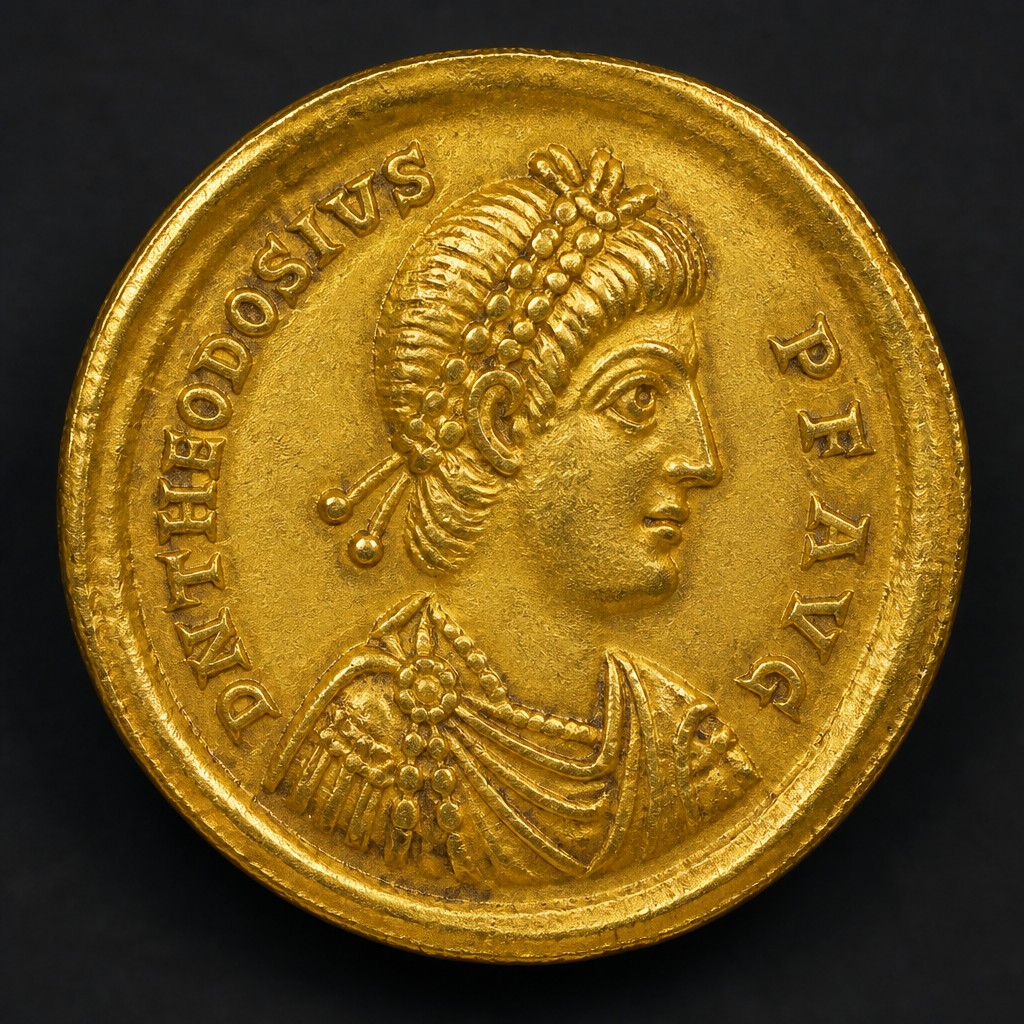
Theodosius I Solidus
379–395 AD
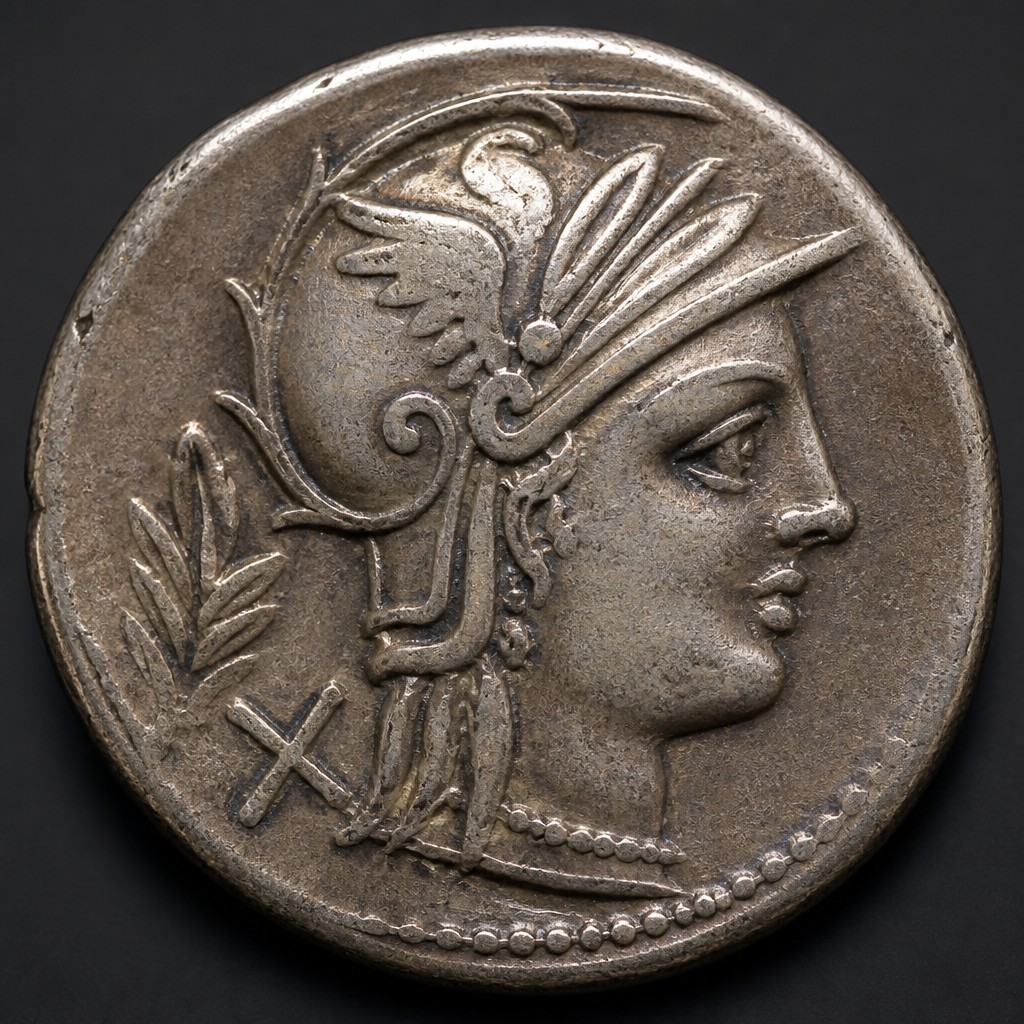
Republican Victoriatus
c. 211–170 BC
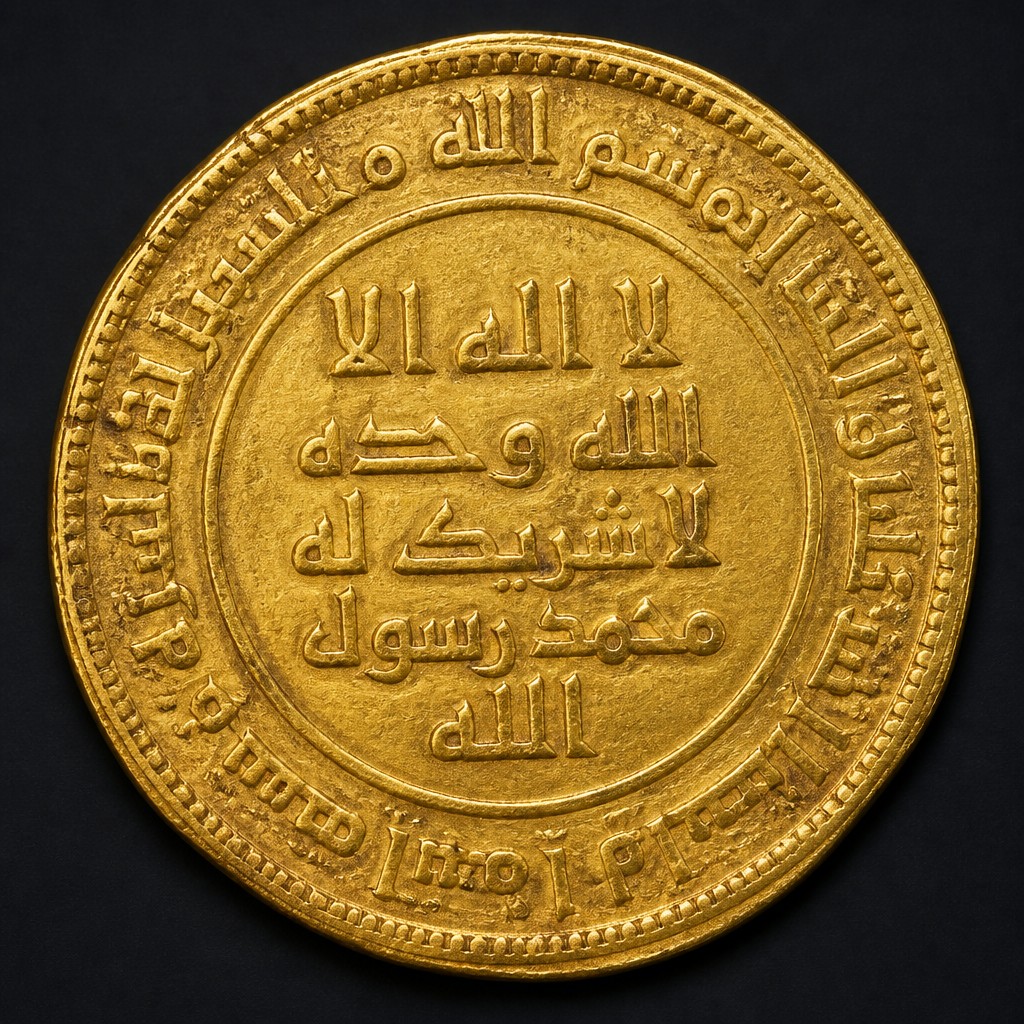
Islamic Gold Dinar (Umayyad)
c. 696–750 AD
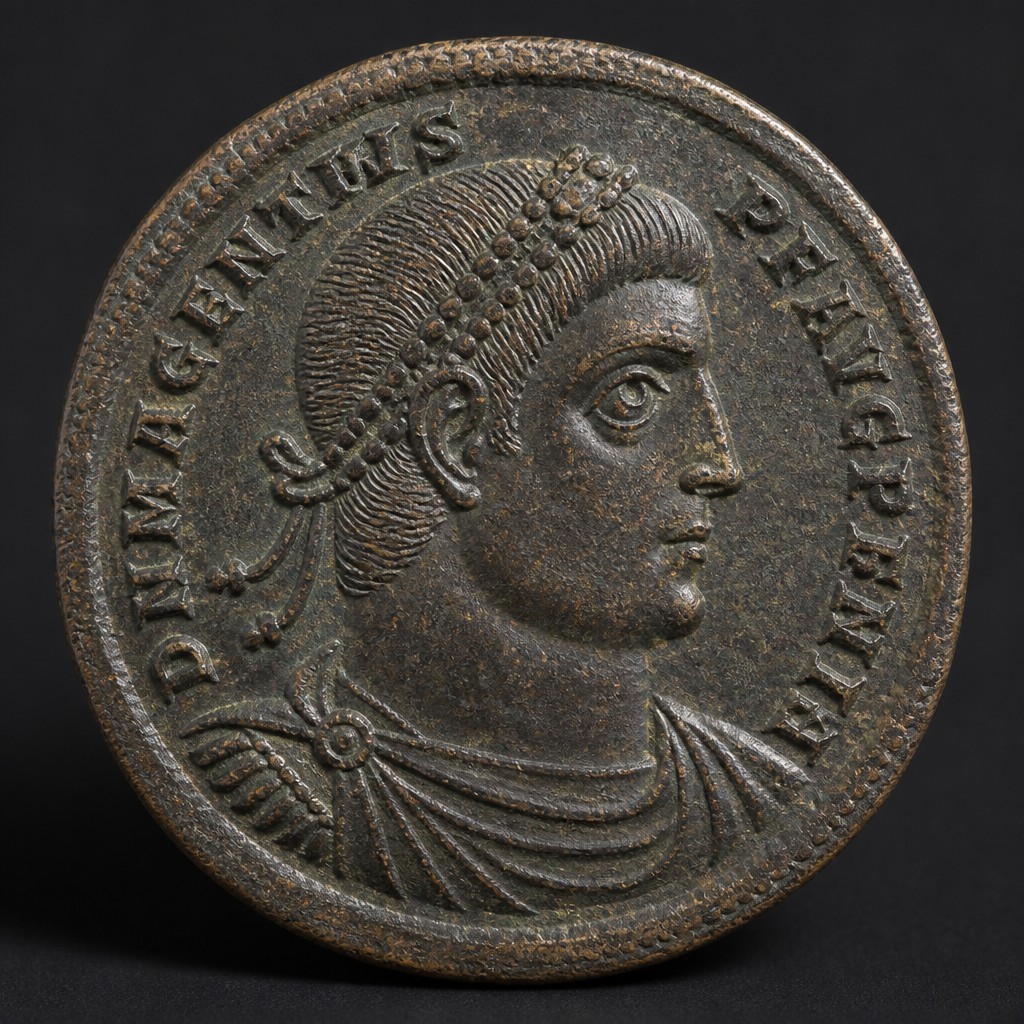
Magnentius Double Centenionalis
350–353 AD
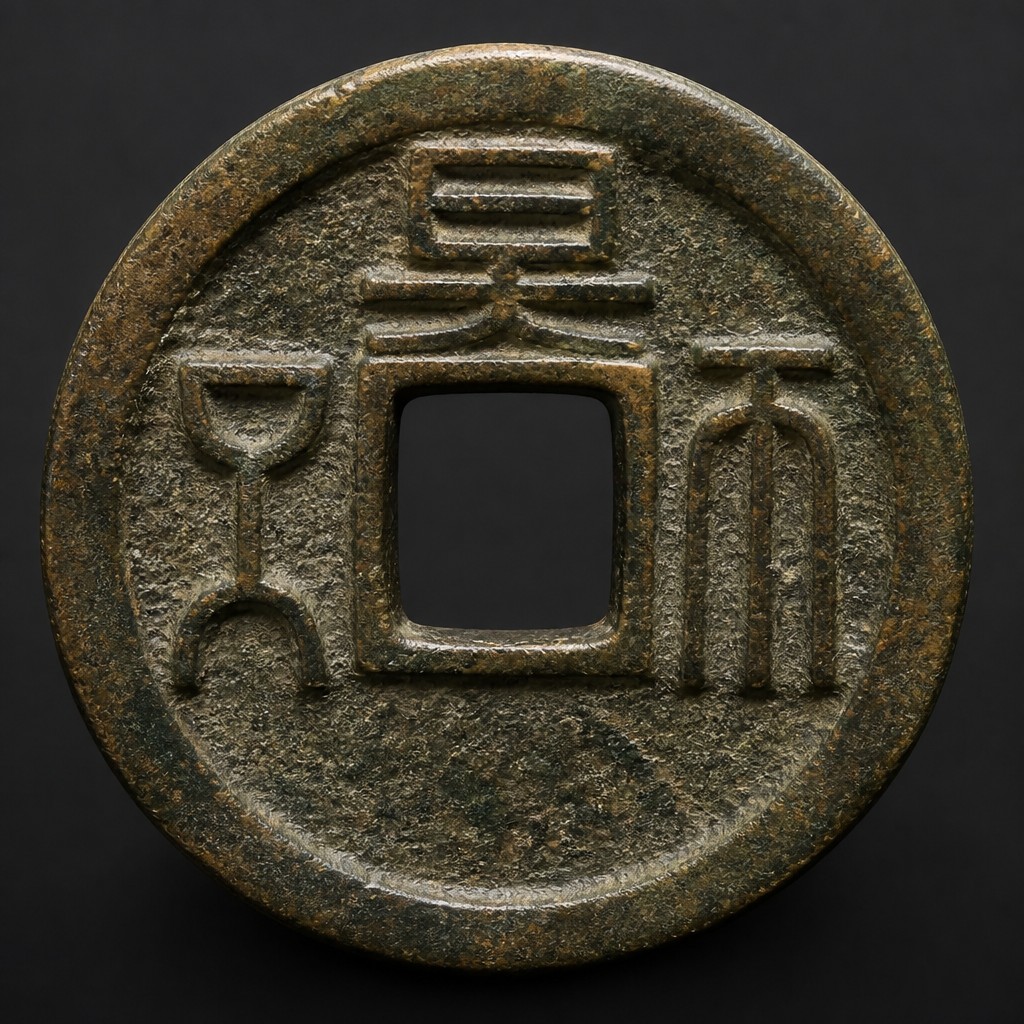
Chinese Wu Zhu Cash
118 BC – 618 AD
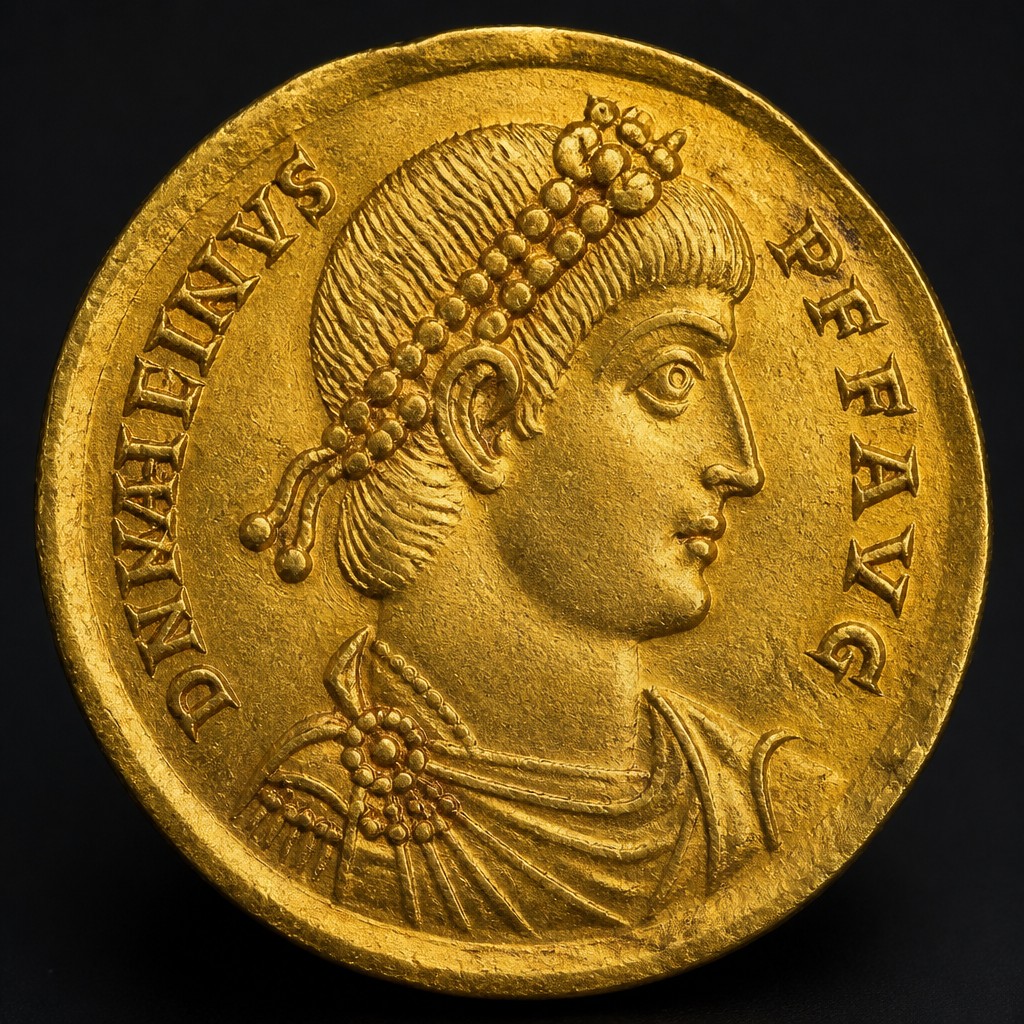
Valentinian I Solidus
364–375 AD
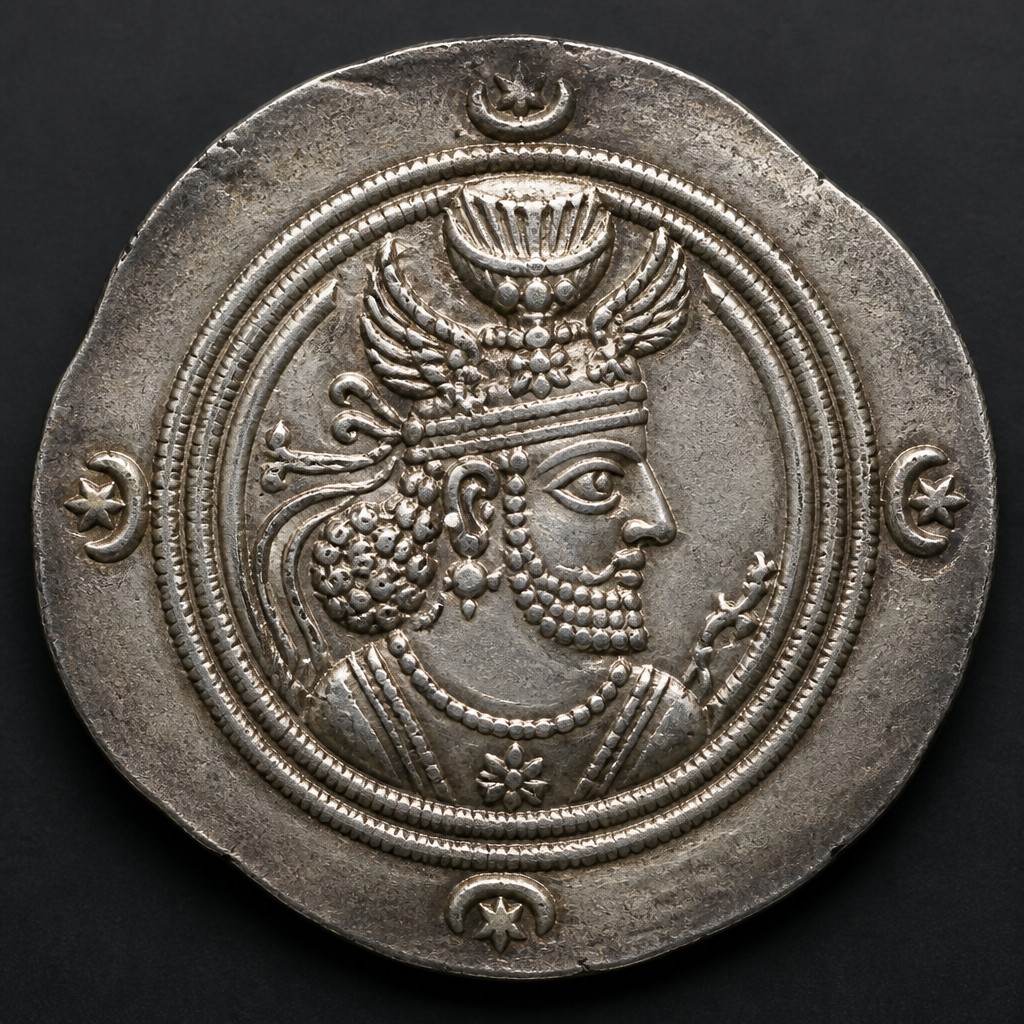
Sassanian Silver Drachm
c. 224–651 AD
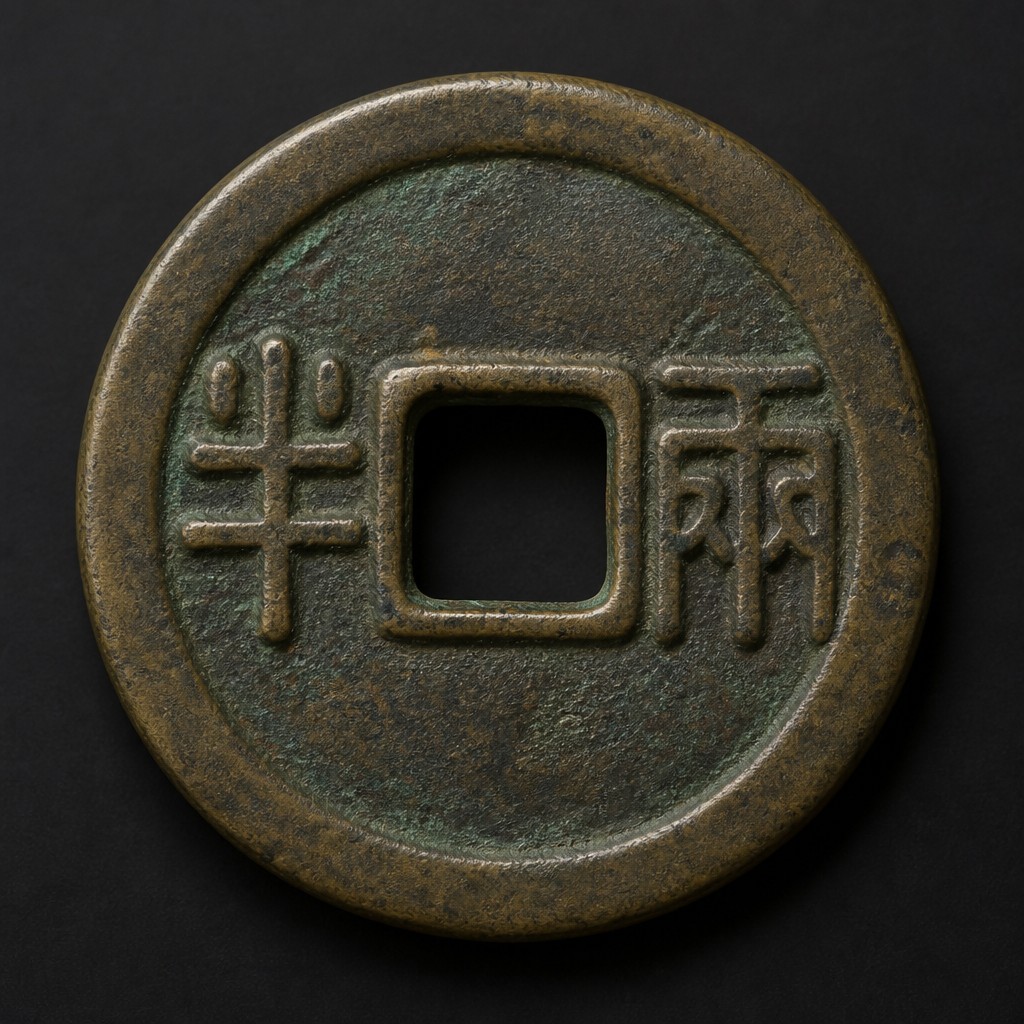
Chinese Ban Liang Cash
c. 221–118 BC
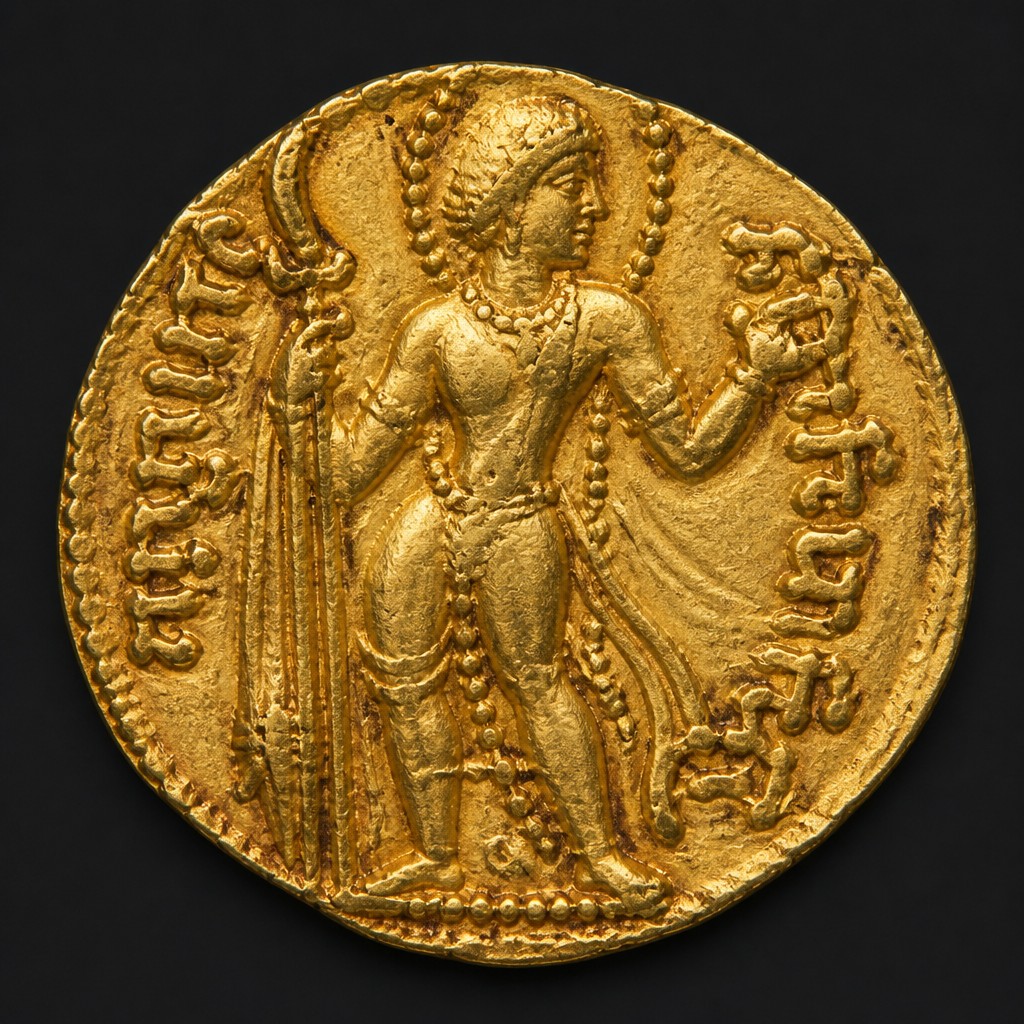
Gupta Empire Gold Dinar
c. 320–550 AD
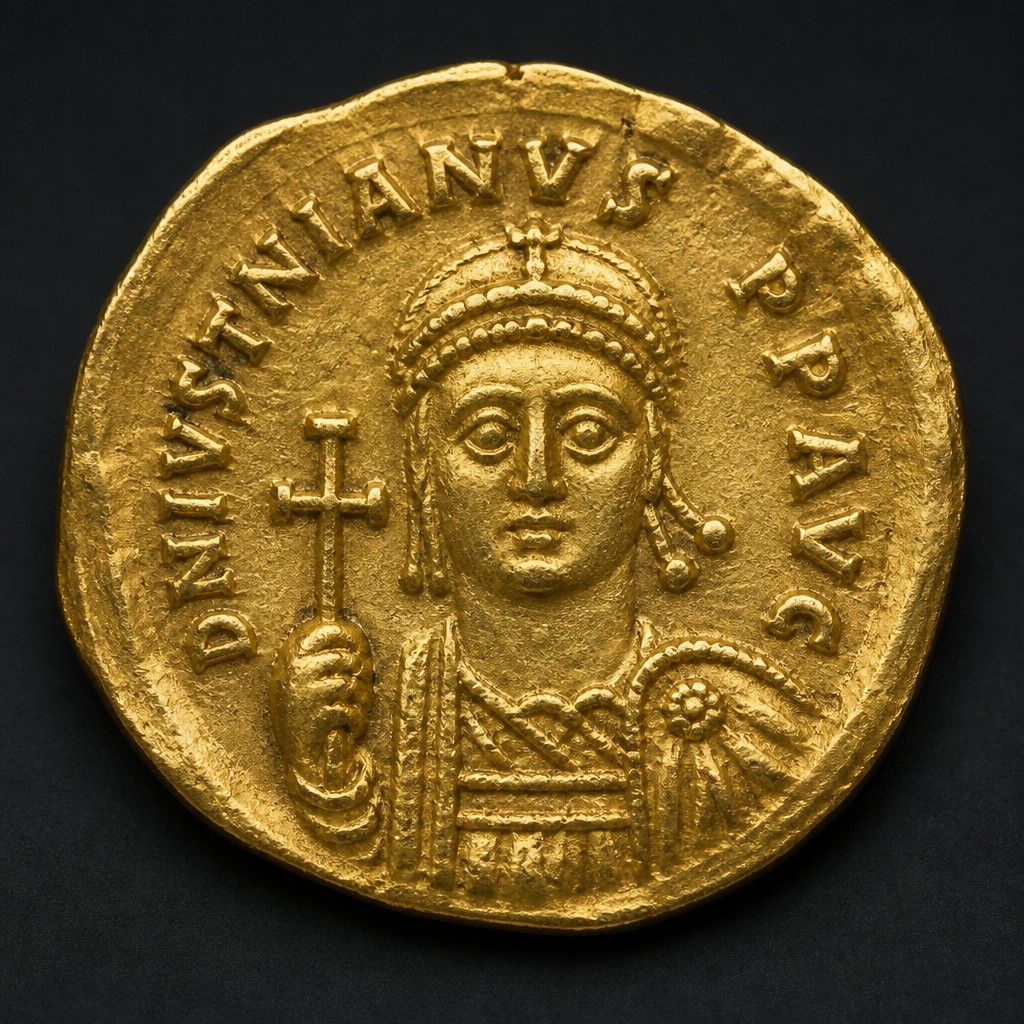
Byzantine Gold Tremissis
c. 4th–7th century AD
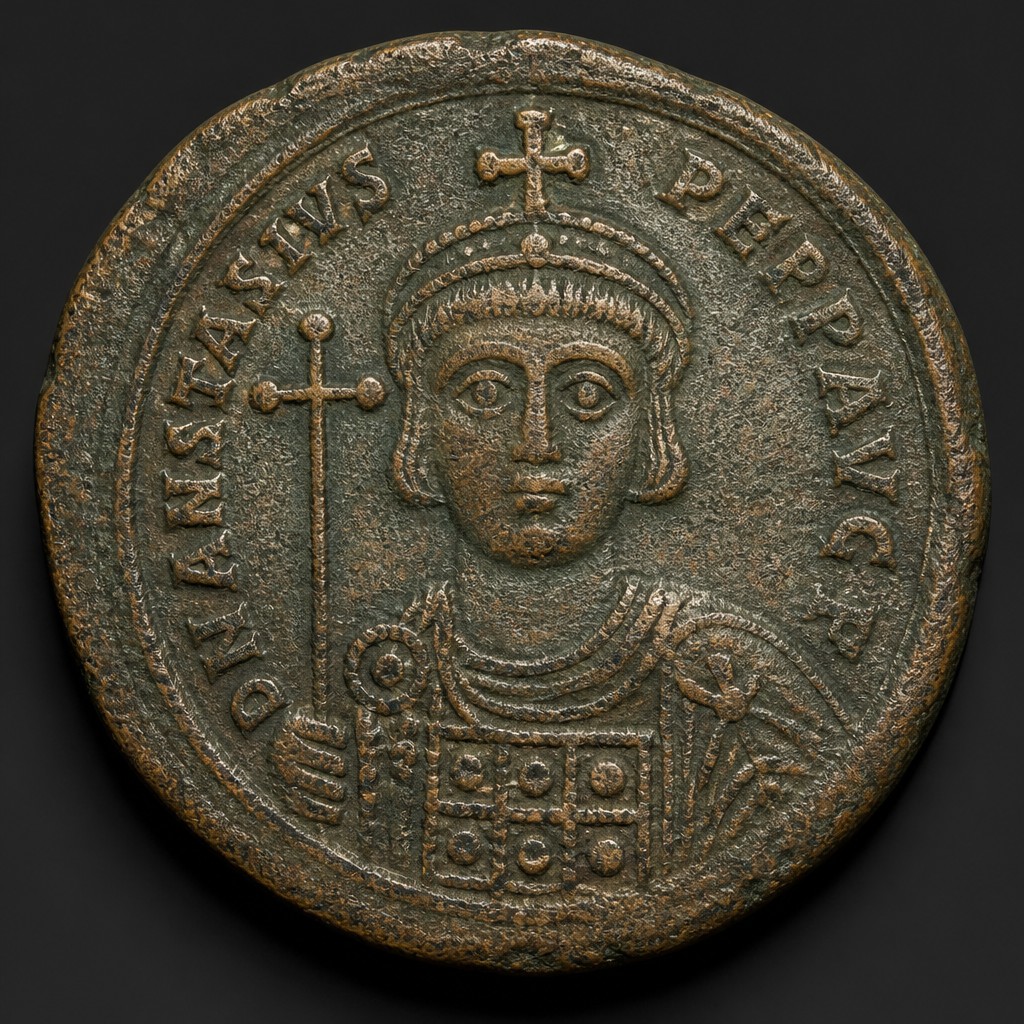
Byzantine Follis
498–c. 11th century AD
Celtic Gold Stater
c. 3rd century BC – 1st century AD