
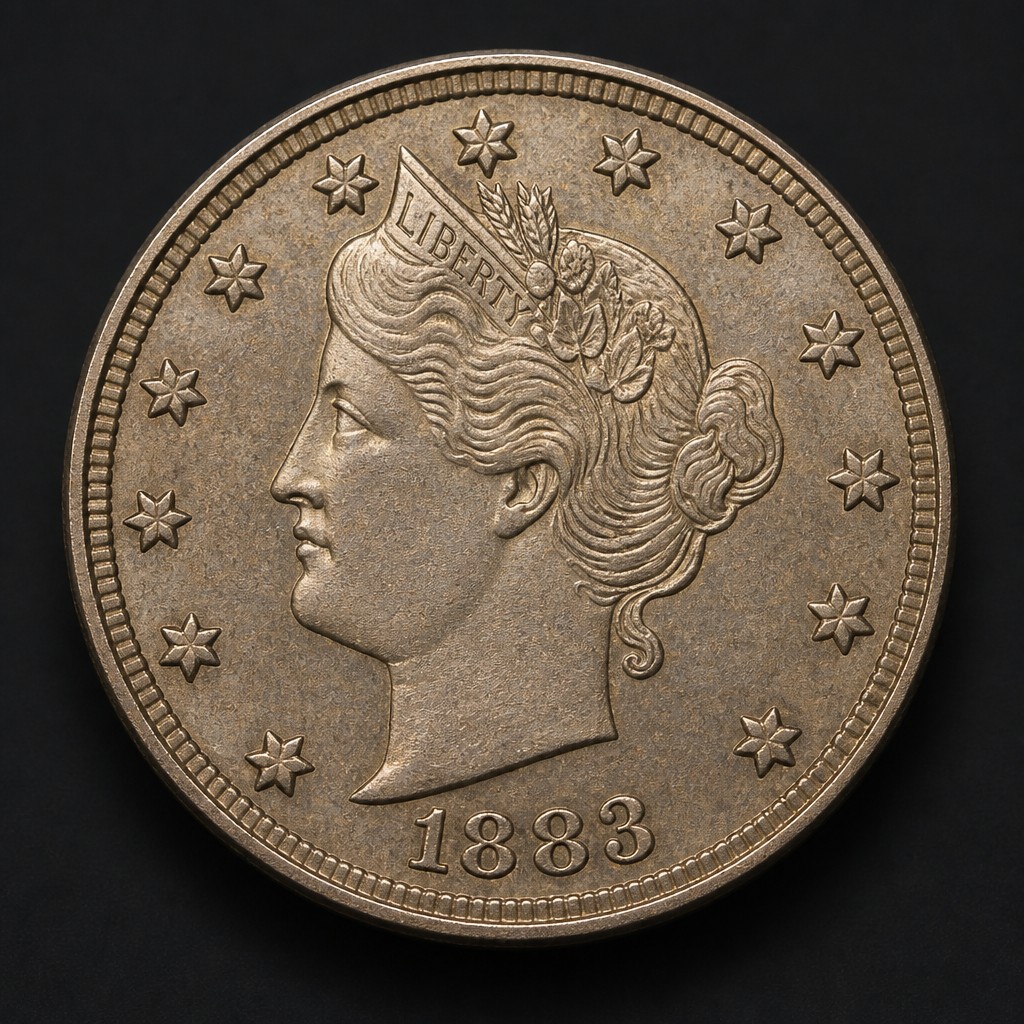
Liberty Head V Nickel
Struck from 1883 to 1912 (with five secretly made 1913 examples), the Liberty Head Nickel is famous for its 1883 'No CENTS' variety and its ultra-rare 1913 issue.
- Country
- United States
- Denomination
- Five Cents
- Metal
- Copper-Nickel
Got a coin like this?
Identify any coin from a photo, free.
Overview
The Liberty Head Nickel, nicknamed the "V Nickel" for the large Roman numeral V on its reverse, circulated for three decades and is a foundational series for U.S. type collectors. Its early history includes a notorious minting oversight, and its final chapter includes one of the most famous rarities in all of numismatics.
Collectors pursue the series both as an affordable type coin for general collections and, for a small number of specialists, as the home of the legendary 1913 Liberty Head Nickel. The wide gap between common circulated examples and the handful of extraordinary rarities makes this a series with something for nearly every collecting budget.
Most Liberty Head Nickels seen today are well-worn, since they saw heavy circulation for decades, making problem-free, sharply struck examples desirable to collectors even in modest grades.
History & Background
Designed by Chief Engraver Charles E. Barber, the Liberty Head Nickel debuted in 1883 without the word "CENTS" anywhere on the coin, identifying its value only by the Roman numeral "V." Some individuals gold-plated these coins and passed them off as five-dollar gold pieces, giving rise to the nickname "Racketeer Nickel." The Mint quickly corrected the oversight later in 1883 by adding "CENTS" below the wreath on the reverse.
The series was struck primarily at the Philadelphia Mint, with branch-mint production at Denver and San Francisco beginning only in 1912, the coin's final official year of issue. Design changes were otherwise minimal throughout its run, making date and mint mark identification straightforward for collectors.
The series is forever tied to 1913, when five nickels bearing that date were struck under mysterious, unauthorized circumstances by a Philadelphia Mint employee, even though the Liberty Head design had officially been replaced that year by the Buffalo Nickel. These five coins are among the most famous and valuable coins in American numismatics.
How to Identify
The obverse features a left-facing head of Liberty wearing a coronet inscribed "LIBERTY," surrounded by stars and the date. The reverse displays a large Roman numeral "V" encircled by a wreath, with "UNITED STATES OF AMERICA" and "E PLURIBUS UNUM" around the border; coins from mid-1883 onward also carry "CENTS" below the wreath.
The coin is struck in copper-nickel, has a plain edge, and measures about 21.2 mm in diameter, similar in size to later Jefferson Nickels. On 1912 issues, a small mint mark ("D" or "S") appears on the reverse below the wreath and to the left of the "V."
Collectors distinguish the early "No CENTS" 1883 variety from the corrected "With CENTS" version simply by checking for the word "CENTS" beneath the wreath. Because "No CENTS" nickels were struck in very large numbers before the correction, they remain common in circulated grades despite their historical novelty.
Value & Collectibility
Most circulated Liberty Head Nickels, including the 1883 "No CENTS" variety, are common and affordable, often available for modest sums in well-worn grades. Values rise with condition, and problem-free coins in higher circulated or mint-state grades bring stronger premiums.
The series' true rarities are the 1885, 1886, and 1912-S dates, which had comparatively low mintages and are considered key dates commanding significant premiums even in low grades. Far above all of these stands the 1913 Liberty Head Nickel; with only five known examples, it is one of the most valuable coins in the world and has sold at auction for multiple millions of dollars.
For typical collectors, the series offers an accessible entry point into 19th-century U.S. coinage, while the ultra-rarities remain the province of major collections and museum-level auctions.
Frequently asked questions
Why is it called the 'Racketeer Nickel'?
Because early 1883 'No CENTS' nickels were sometimes gold-plated and passed off fraudulently as five-dollar gold coins due to the missing denomination wording.
Why is the 1913 Liberty Head Nickel so valuable?
Only five examples exist, struck without official Mint authorization after the design had already been replaced by the Buffalo Nickel, making it one of the rarest U.S. coins known.
What are the key dates in this series?
1885, 1886, and 1912-S are the most sought-after regular-issue dates due to their low mintages, well below most other years in the series.
How can I tell an 1883 No CENTS nickel from the later version?
Check the reverse below the wreath; the word 'CENTS' is absent on the earliest 1883 strikes and present on all nickels made afterward.
Other coins you may enjoy
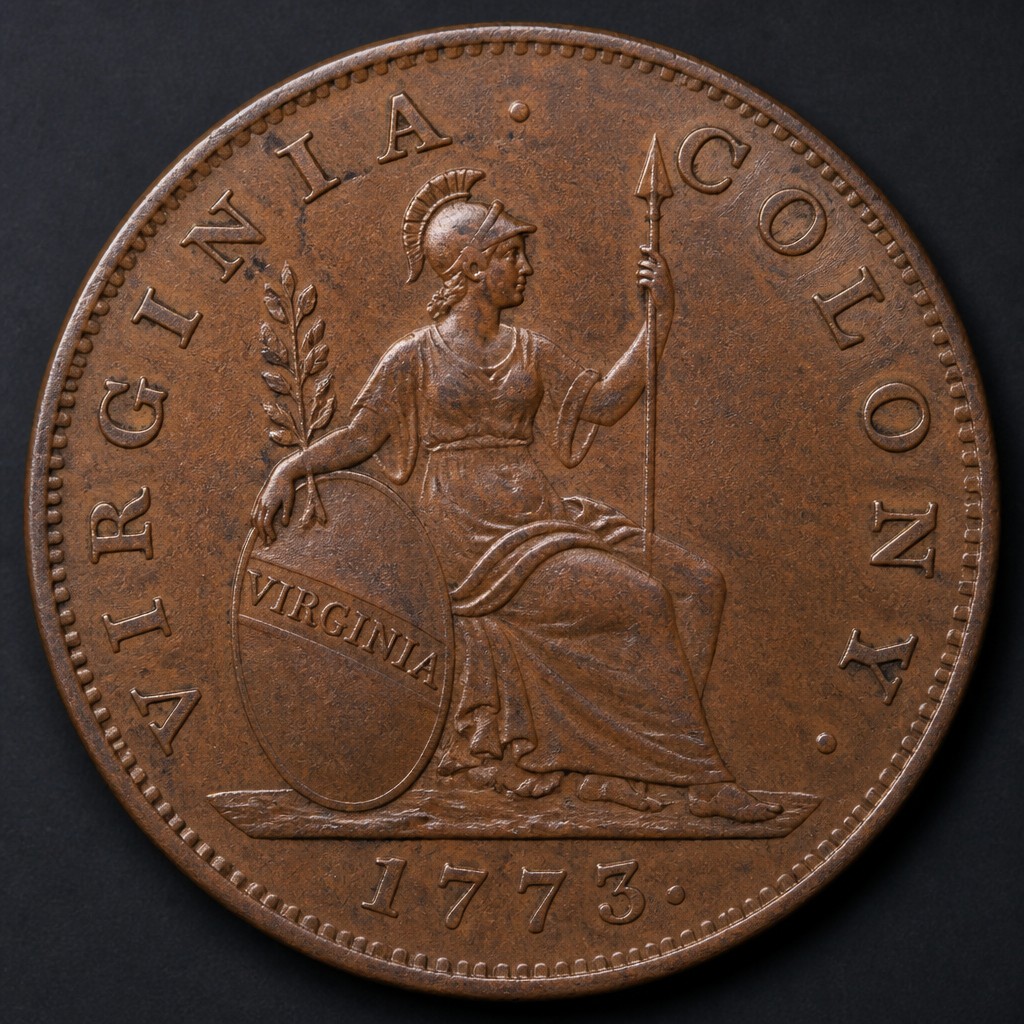
Virginia Halfpenny
1773
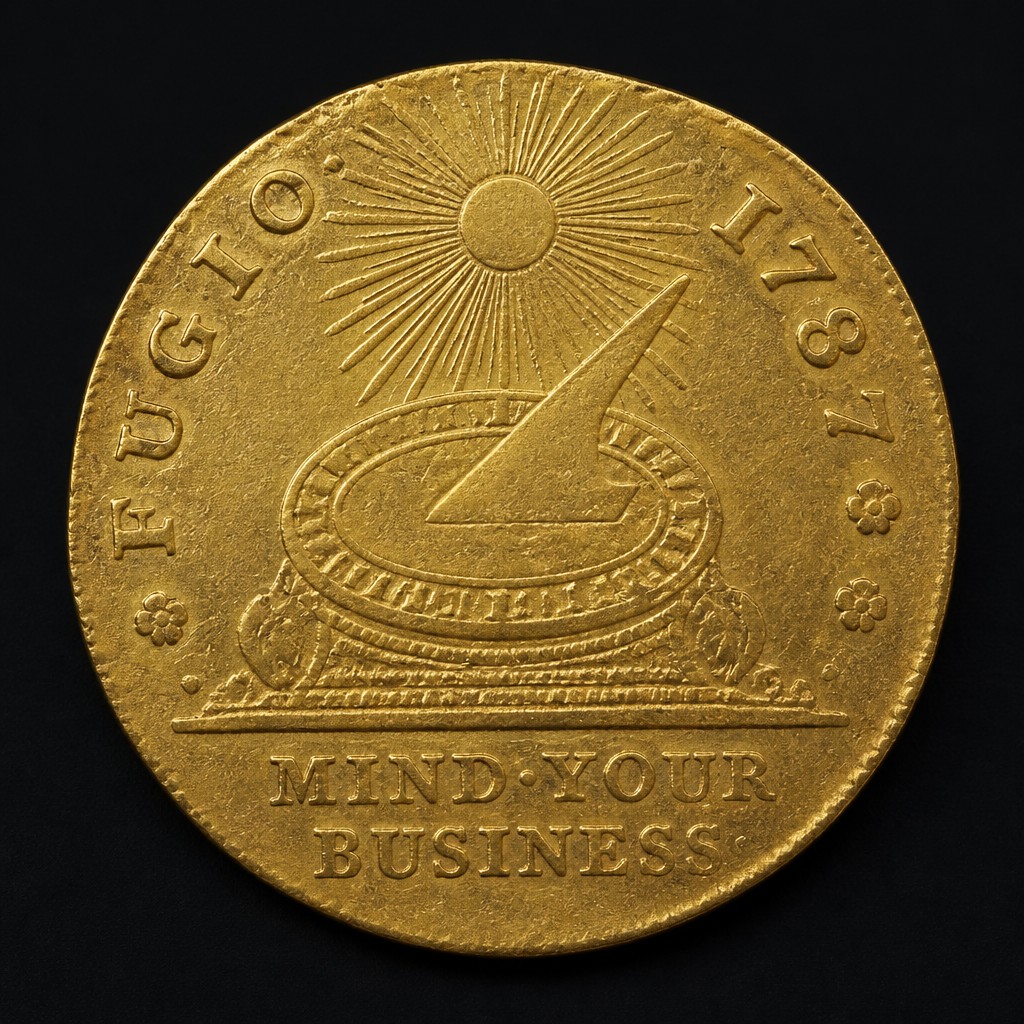
Brasher Doubloon
1787
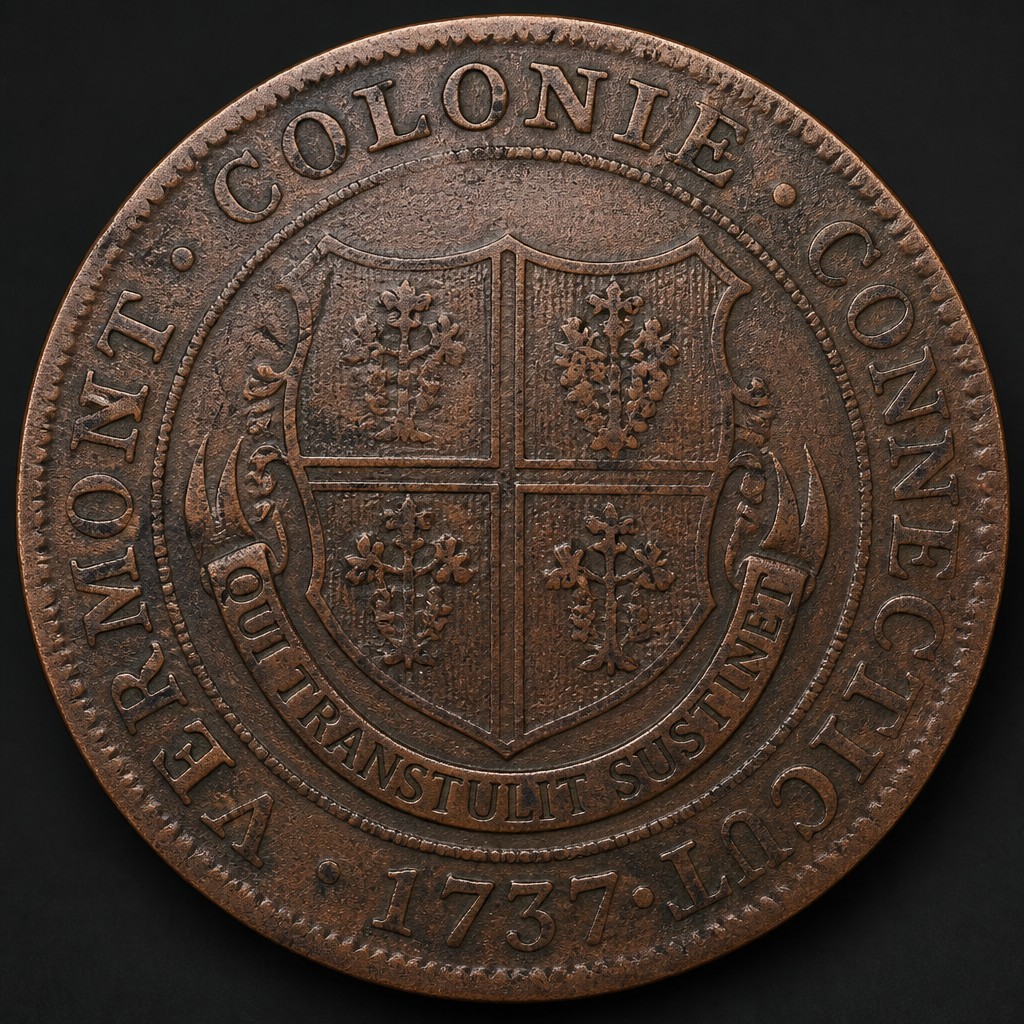
Higley Copper
1737–1739
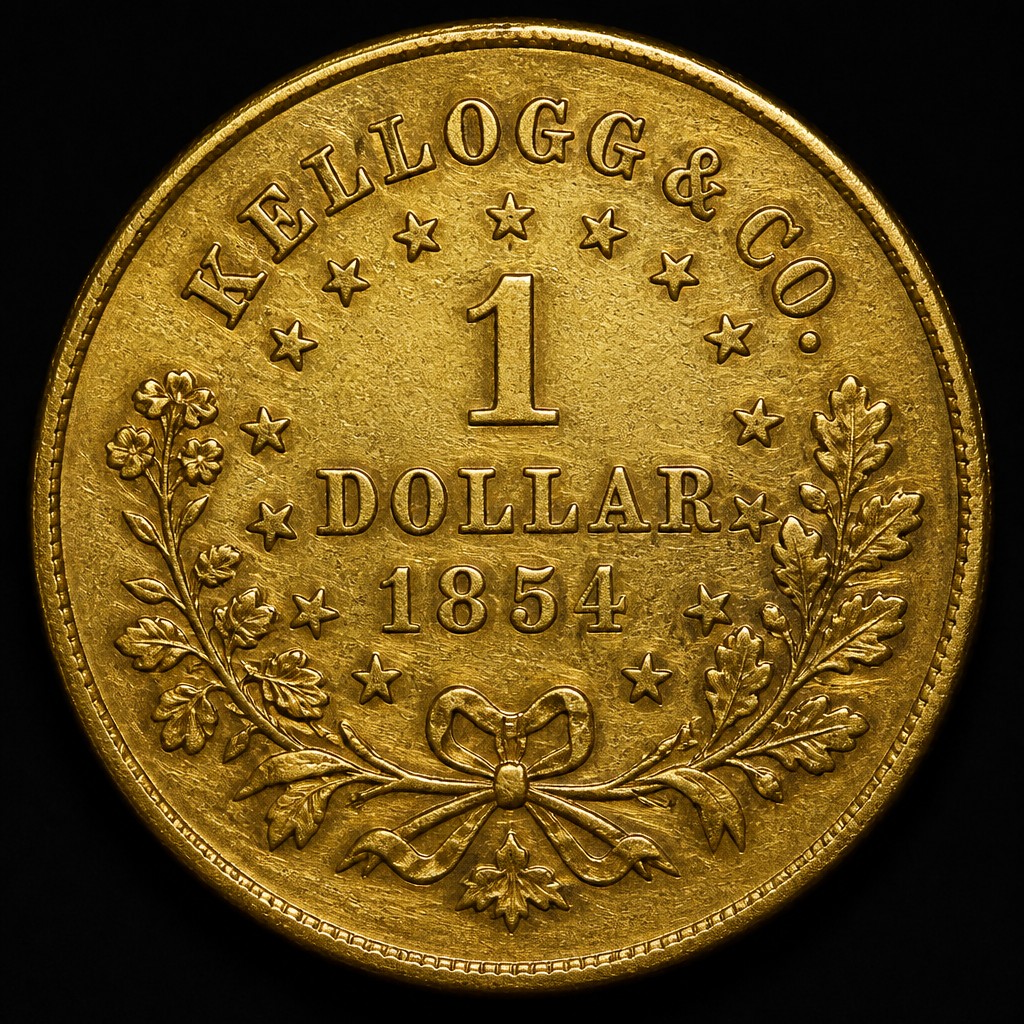
Kellogg & Co. Gold Piece
1854–1855
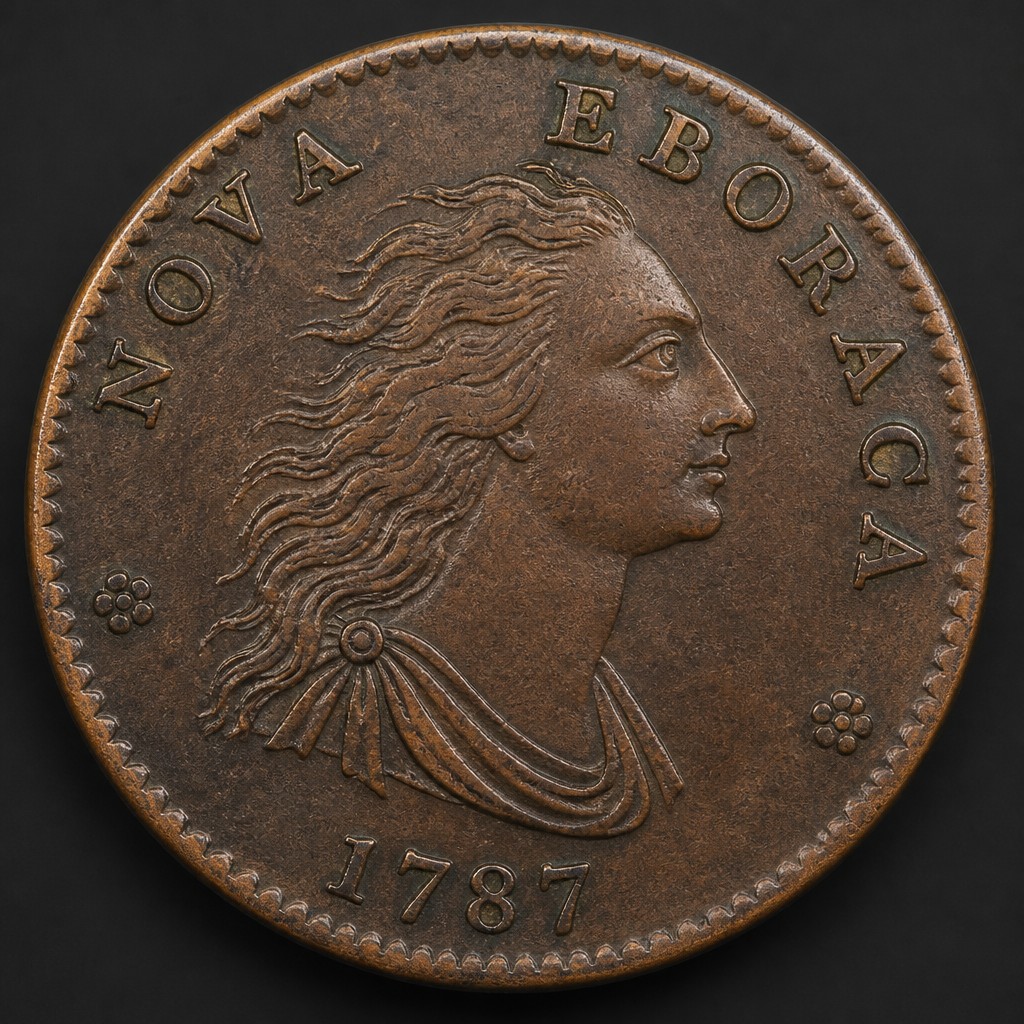
Nova Eborac Copper
1787
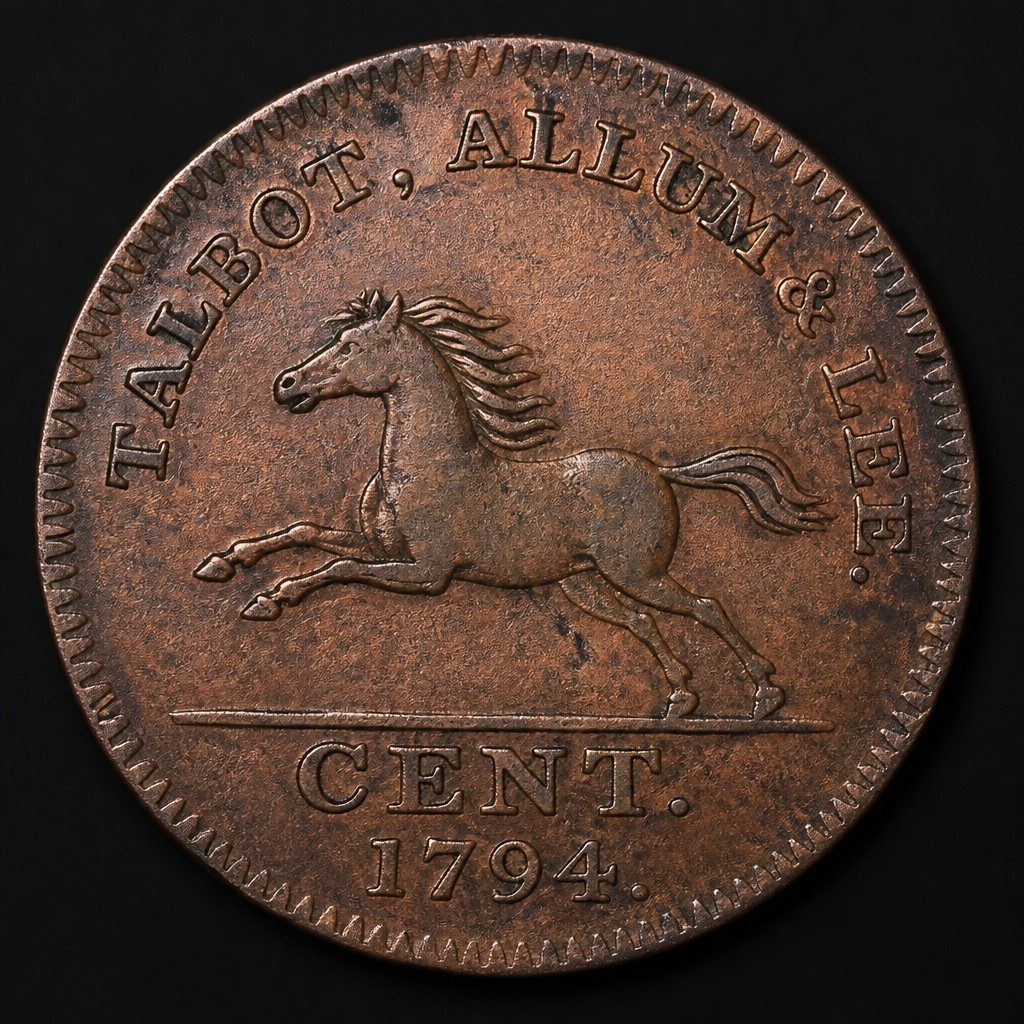
Talbot, Allum & Lee Cent
1794–1795
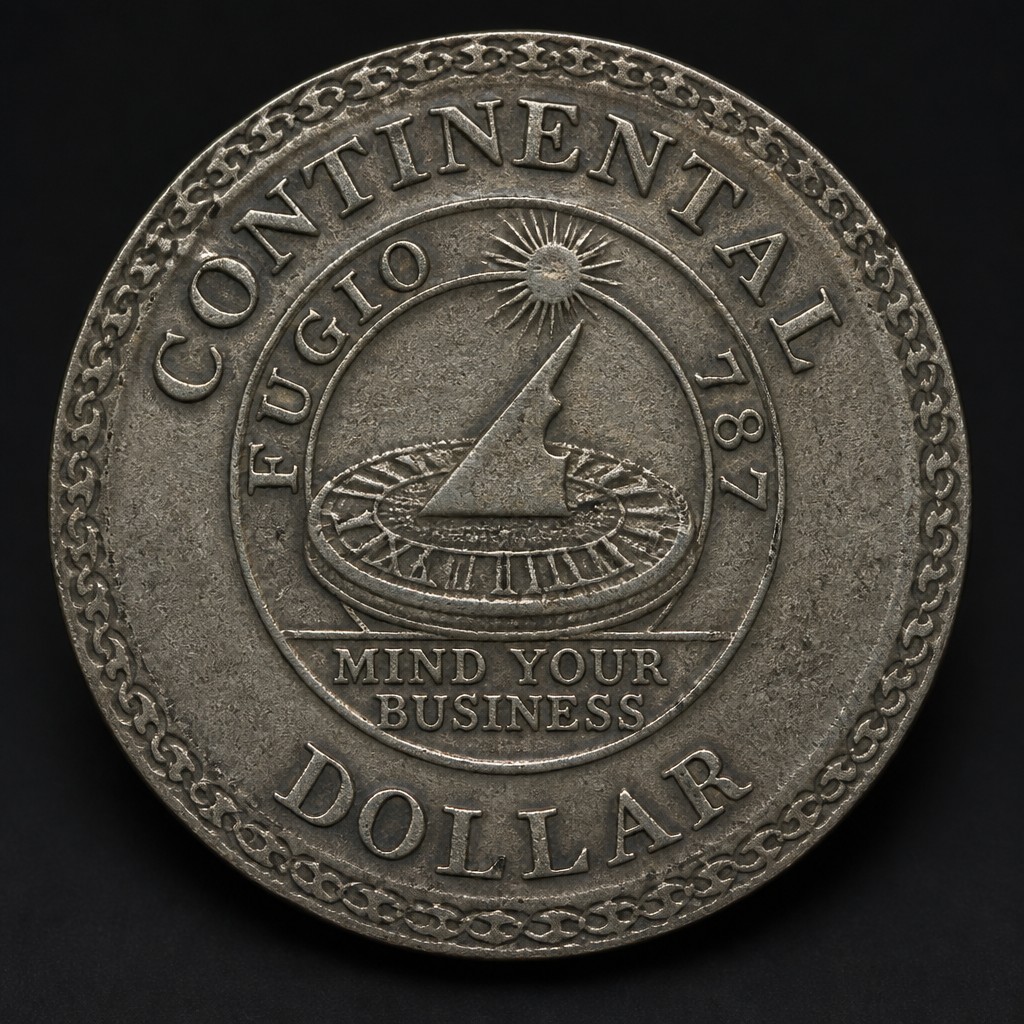
Continental Dollar
1776
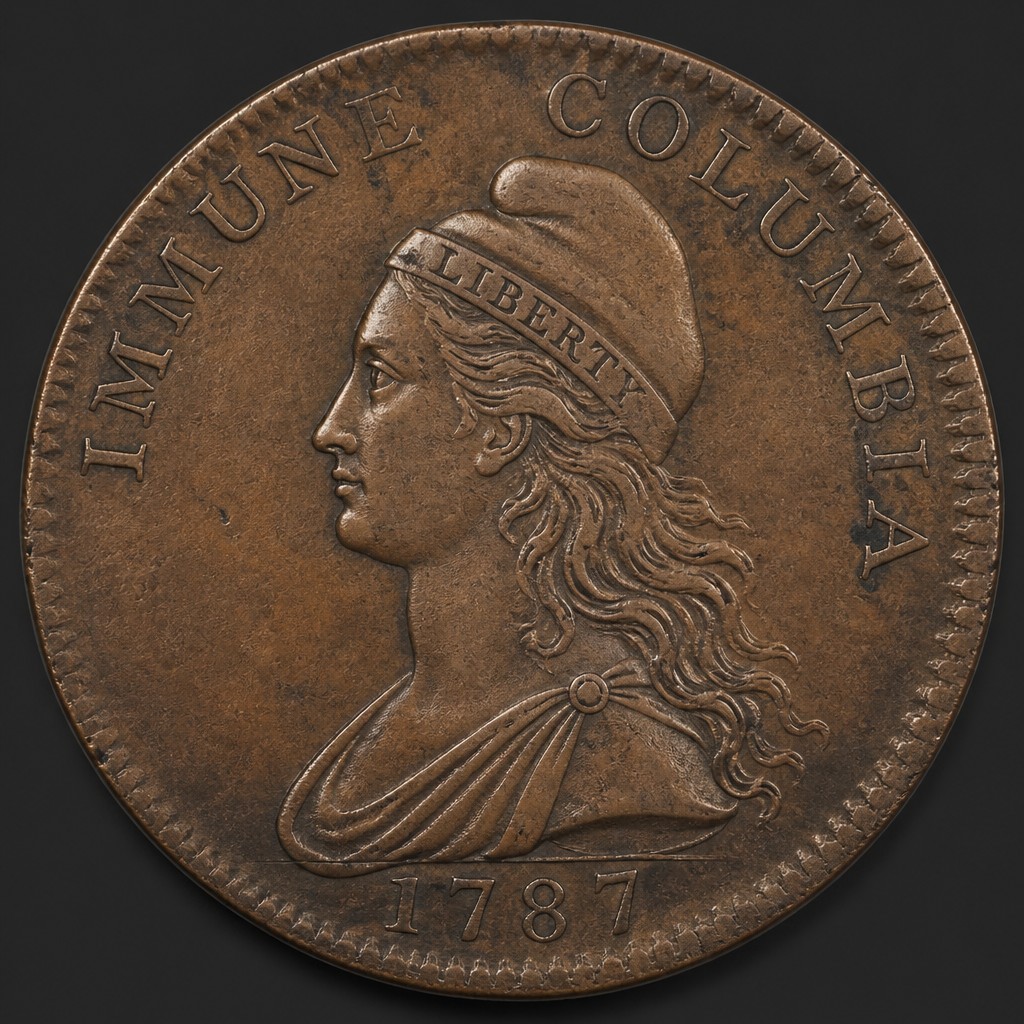
Immune Columbia Copper
circa 1785–1787
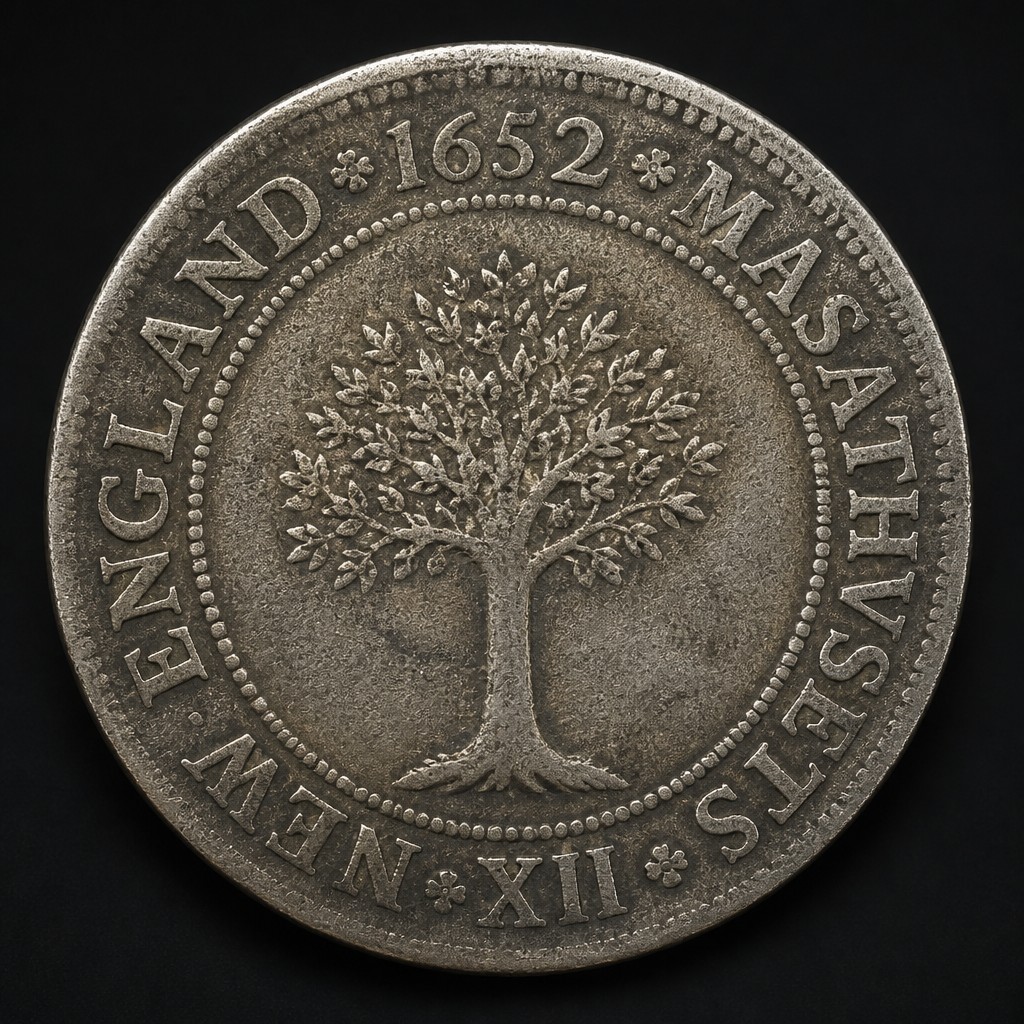
Massachusetts Oak Tree Shilling
Dated 1652, struck circa 1660–1667
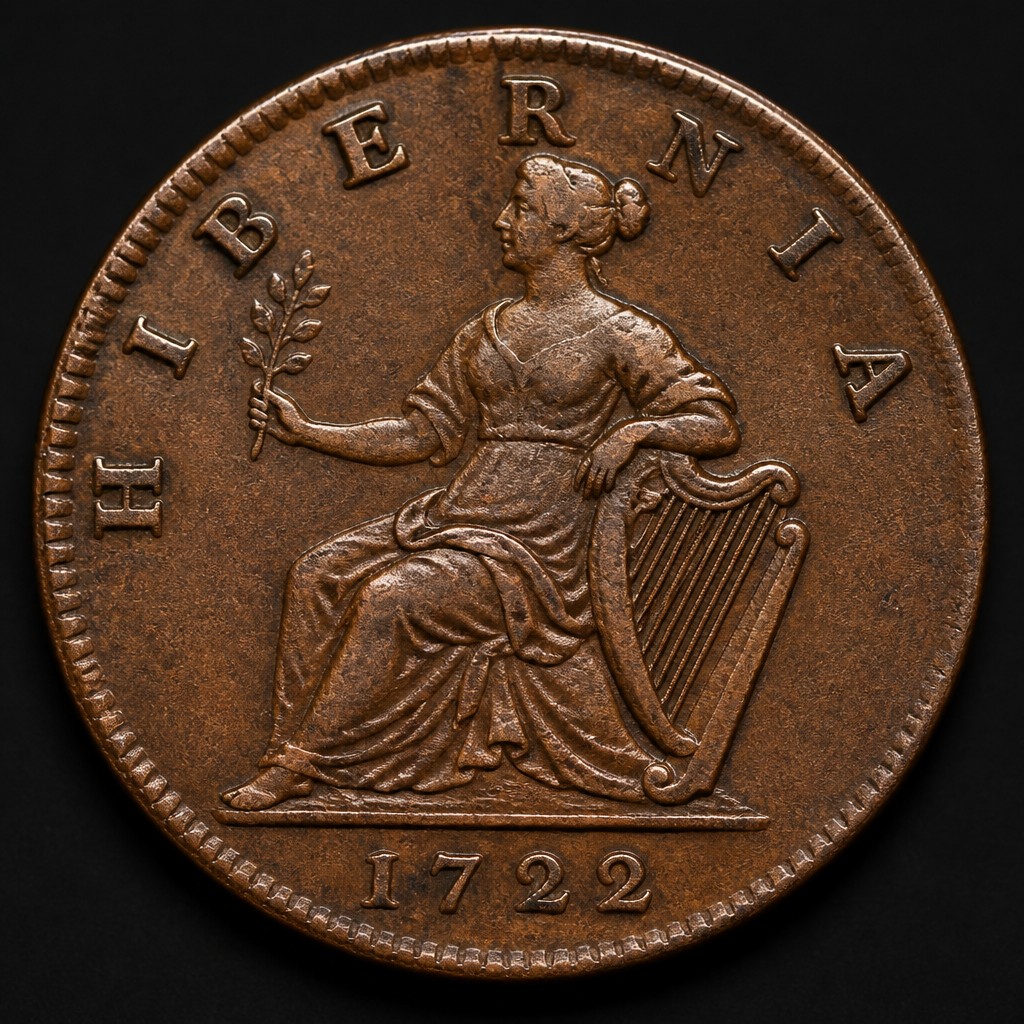
Wood's Hibernia Halfpenny
1722–1724
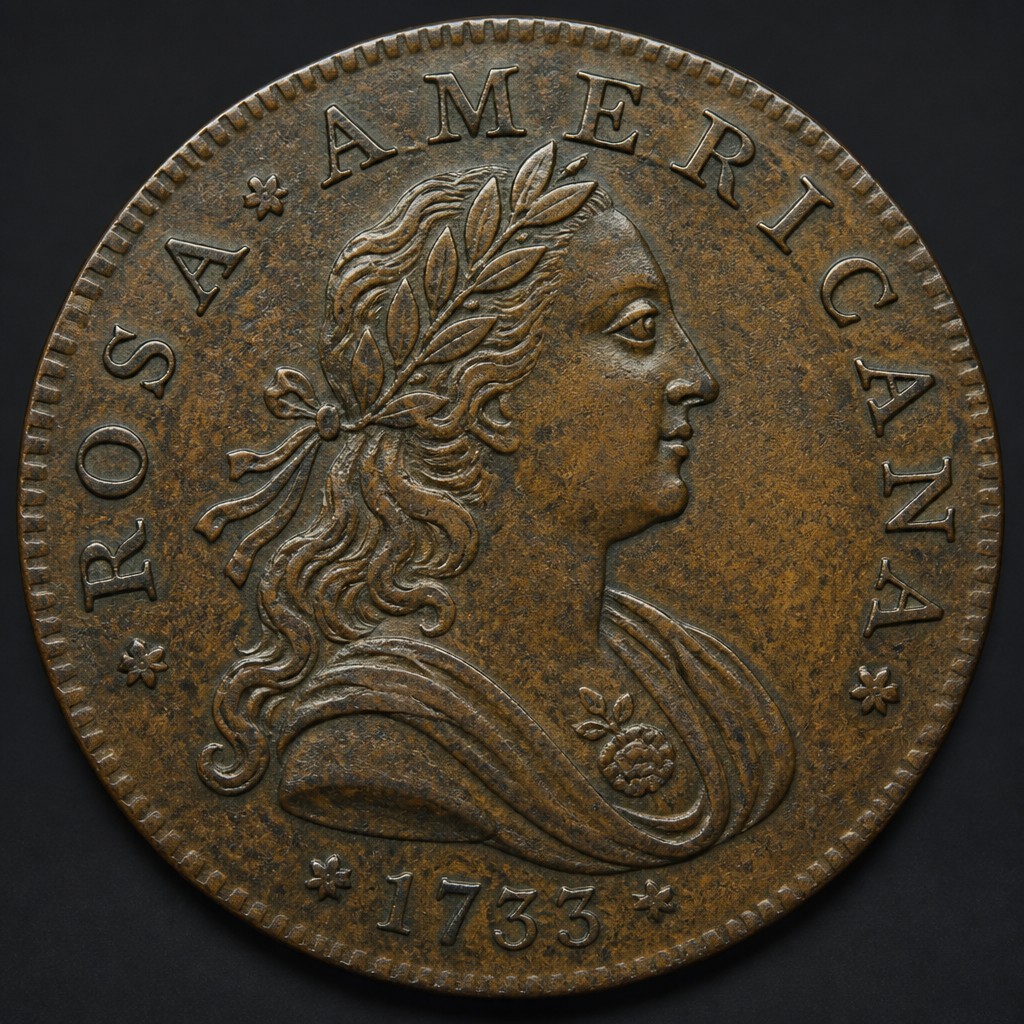
Rosa Americana Coinage
1722–1724 (with pattern issues dated 1733)
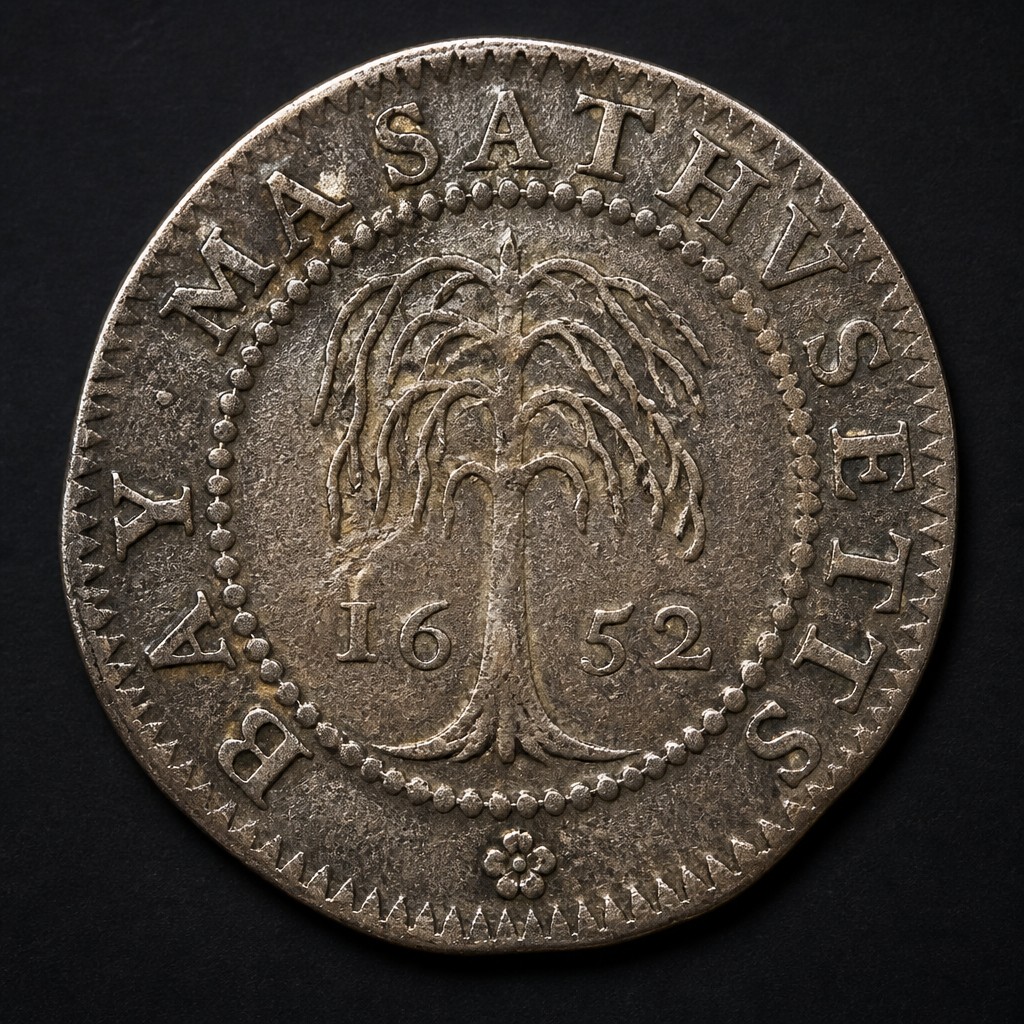
Massachusetts Willow Tree Shilling
Dated 1652, struck circa 1653–1660