
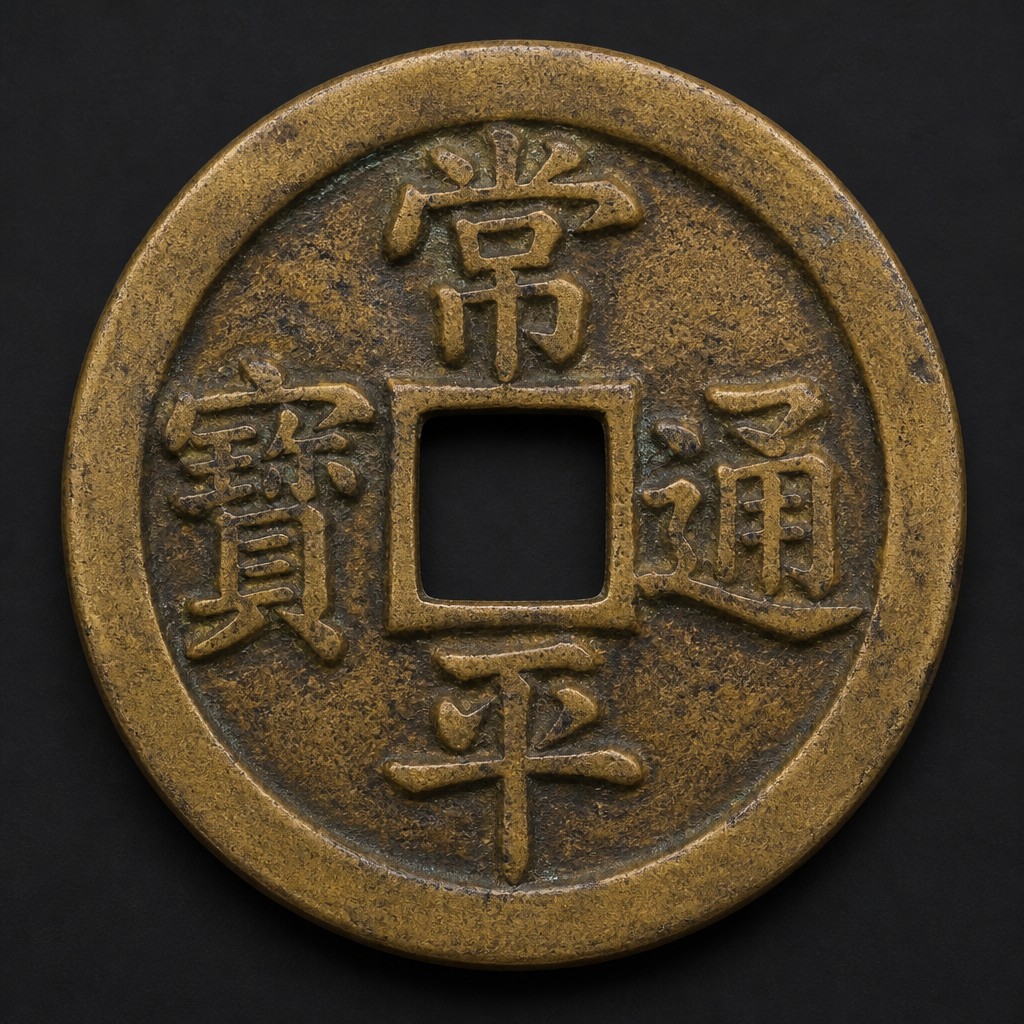
Korean Sangpyeong Tongbo Cash
The standard cash coin of Joseon-dynasty Korea, cast for over two centuries with a huge range of mint and workshop marks on the reverse.
- Country
- Korea
- Denomination
- 1 Mun (later 2, 5, and 100 mun issues)
- Metal
- Brass/Bronze
Got a coin like this?
Identify any coin from a photo, free.
Overview
The Sangpyeong Tongbo was the principal circulating coin of Korea during the later Joseon dynasty, playing a role similar to Japan's Kan'ei Tsuho or China's various cash coins. Its name translates roughly to "ever-normal circulating treasure," reflecting the government's aim of a stable, standardized currency.
Because it was cast at dozens of regional mints over more than 250 years, the series offers collectors an enormous field of reverse mint marks, workshop symbols, and denominations to study, alongside a relatively accessible price point for common types.
History & Background
First issued in 1633 under King Injo, the Sangpyeong Tongbo saw limited early circulation before becoming the dominant national currency from 1678 onward, under King Sukjong, when the Joseon government committed to widespread minting to support a growing market economy. Production continued through the 18th and 19th centuries, with mints operated by various government offices and provincial authorities across the peninsula.
As the currency system came under strain in the 19th century, higher-value denominations such as the 100 mun "Dangbaekjeon" were introduced, notably during the Heungseon Daewongun's efforts to fund reconstruction of Gyeongbokgung Palace, though these large-denomination issues proved inflationary and were later withdrawn.
The Sangpyeong Tongbo series ended in the 1890s as Korea moved toward a modern currency system influenced by contact with Japan and Western powers, closing out one of the longest-running cash coin traditions in East Asia.
How to Identify
Like other regional cash coins, the Sangpyeong Tongbo is round with a square center hole, cast in a brass or bronze alloy. The obverse reads "Sang-pyeong-tong-bo" in four Chinese characters arranged in the standard top-bottom-right-left order, without pictorial imagery.
The defining feature for collectors is the reverse, which typically bears one or two characters identifying the issuing mint office (such as the Ministry of Works, Ministry of War, or various provincial and military bureaus), sometimes combined with a numeral indicating a specific furnace or casting run. This produces a vast number of recognized mint-and-number combinations that specialists catalog in detail.
Denomination is usually indicated by size and, for some issues, additional reverse characters: the small, thin 1 mun pieces are most common, while the larger, heavier 100 mun Dangbaekjeon pieces are physically distinct and immediately recognizable by their greater diameter and weight.
Value & Collectibility
Common 1 mun Sangpyeong Tongbo coins are generally affordable and widely available, since production spanned centuries and used many mints. As with comparable Japanese and Chinese cash series, value depends heavily on the specific mint mark and casting variety rather than the basic type.
Scarcer mint offices, unusual reverse combinations, and the short-lived high-denomination Dangbaekjeon issues can bring considerably higher prices among specialists in Korean numismatics. Sharpness of strike, absence of heavy corrosion, and completeness of the reverse marking all factor into desirability and price.
Frequently asked questions
What does Sangpyeong Tongbo mean?
The name translates roughly as an "ever-normal circulating treasure," reflecting the Joseon government's goal of a stable national currency.
Why are there so many different reverse marks?
Different government offices and regional mints across Korea each stamped their own identifying character on the reverse, sometimes with an added furnace number, creating hundreds of recorded varieties.
What is the Dangbaekjeon?
It was a short-lived 100 mun denomination introduced in the 19th century to help fund palace reconstruction, later withdrawn after causing inflation.
How can I tell the denomination of a piece?
Size and weight are the main clues: standard 1 mun coins are small and thin, while higher denominations are noticeably larger and heavier.
Other coins you may enjoy
Nepal Silver Mohar
c. 16th–19th century
Korean 5 Yang Silver Dollar (1892)
1892
Nguyen Dynasty Gold Bar (Vietnam)
19th century
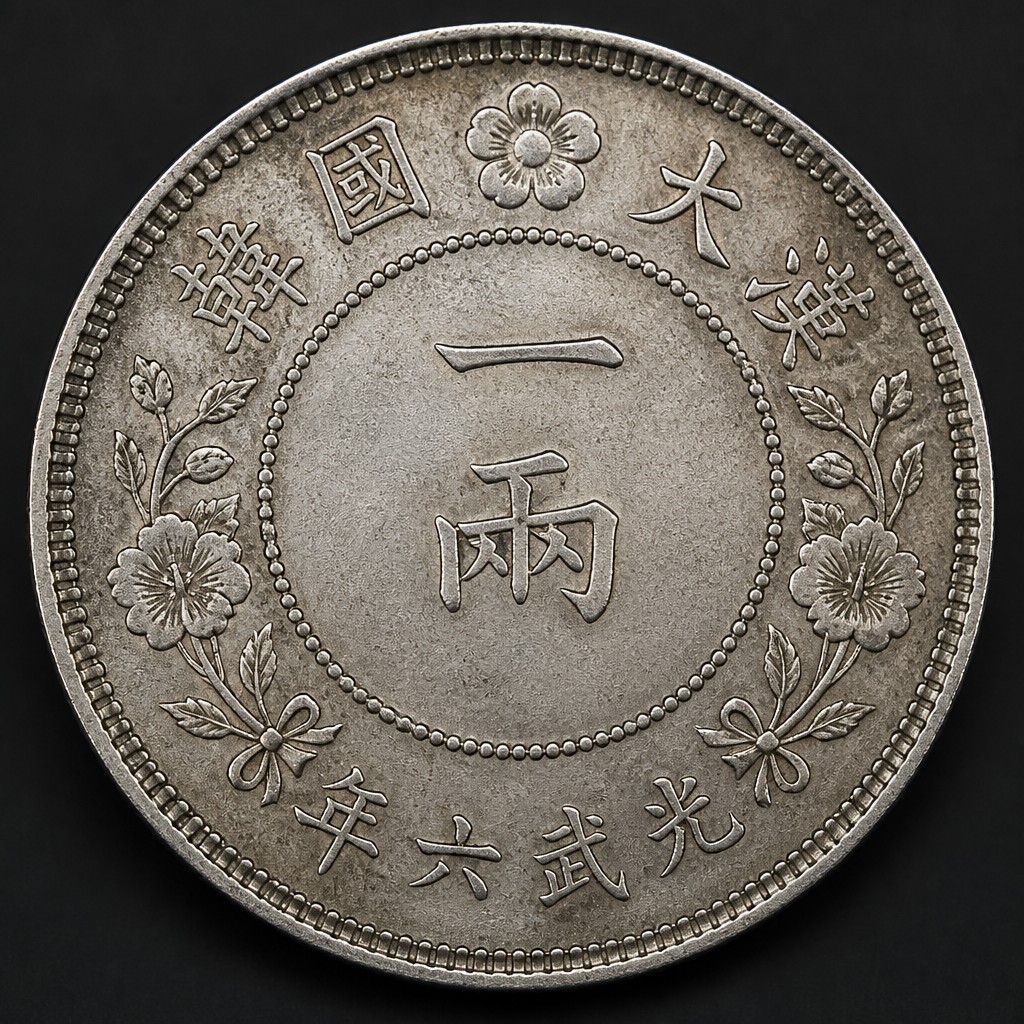
Korean 1 Yang Silver (Joseon/Great Han Empire)
1892–1902
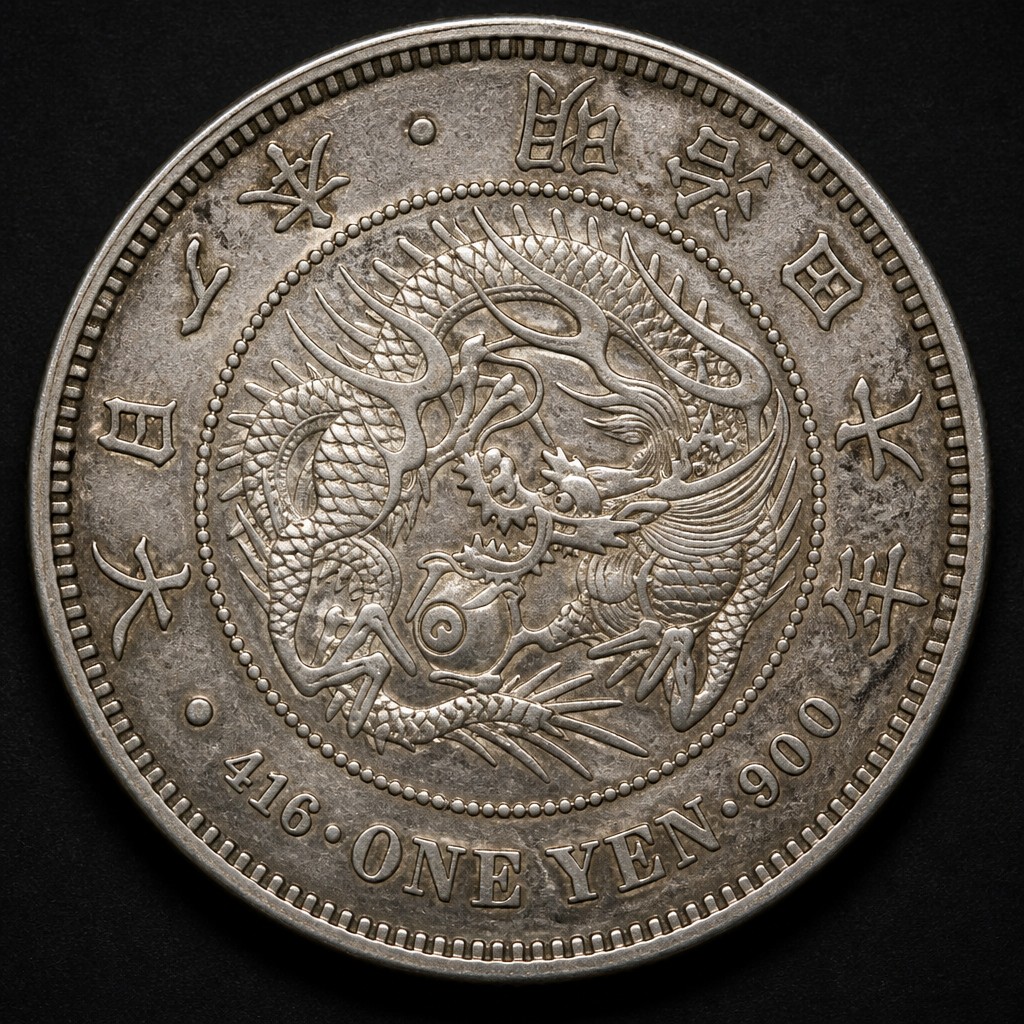
Japanese 1 Yen Silver 'Dragon' Trade Dollar
1870–1914 (trade dollar variant 1875–1877)
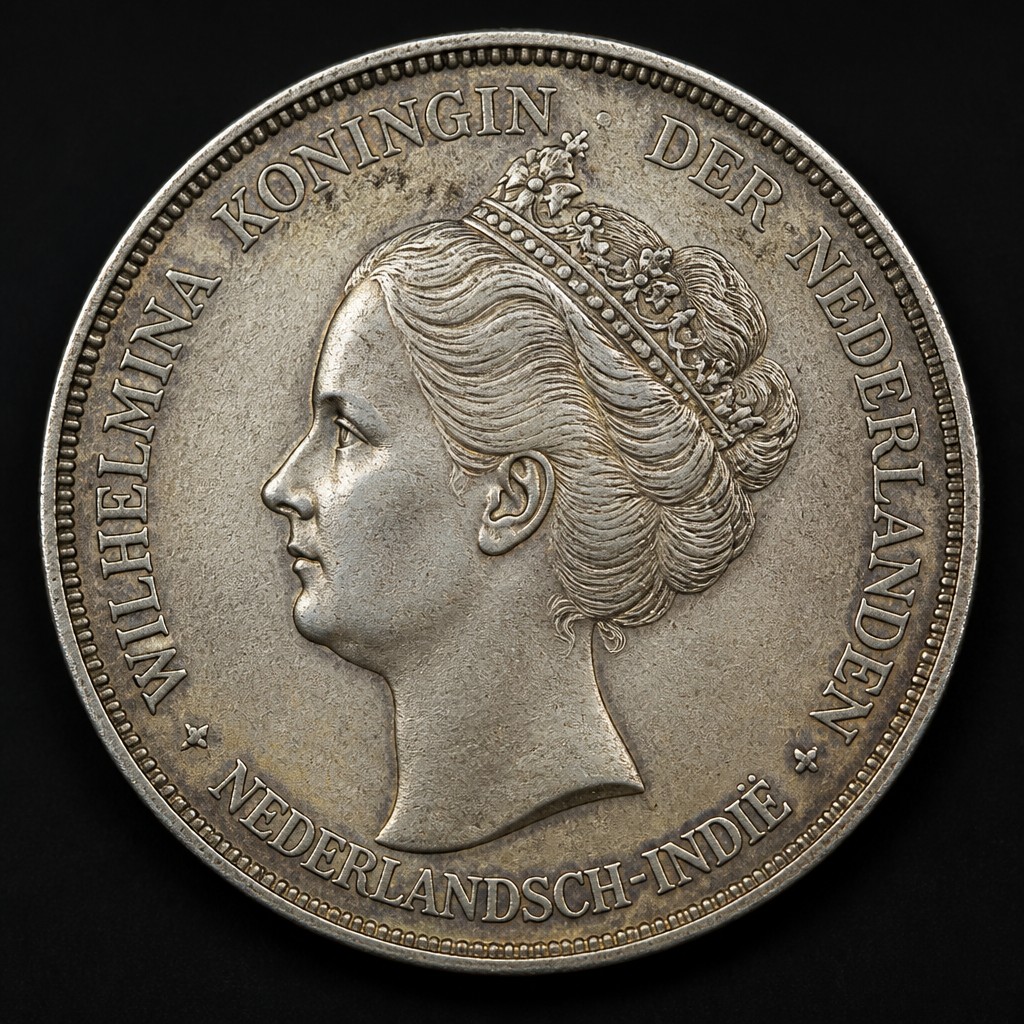
Netherlands East Indies Gulden (Wilhelmina)
1897–1945
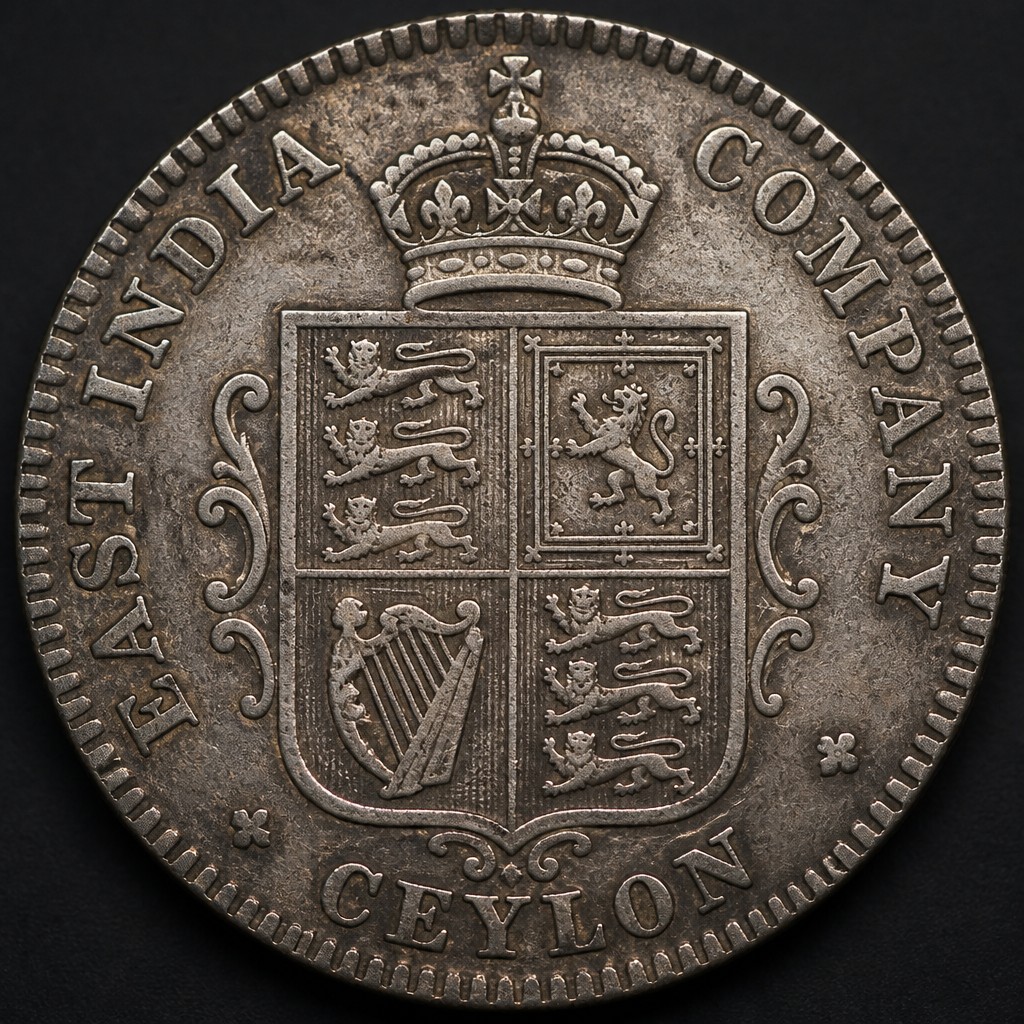
Ceylon (Sri Lanka) EIC Rixdollar
c. 1802–1821
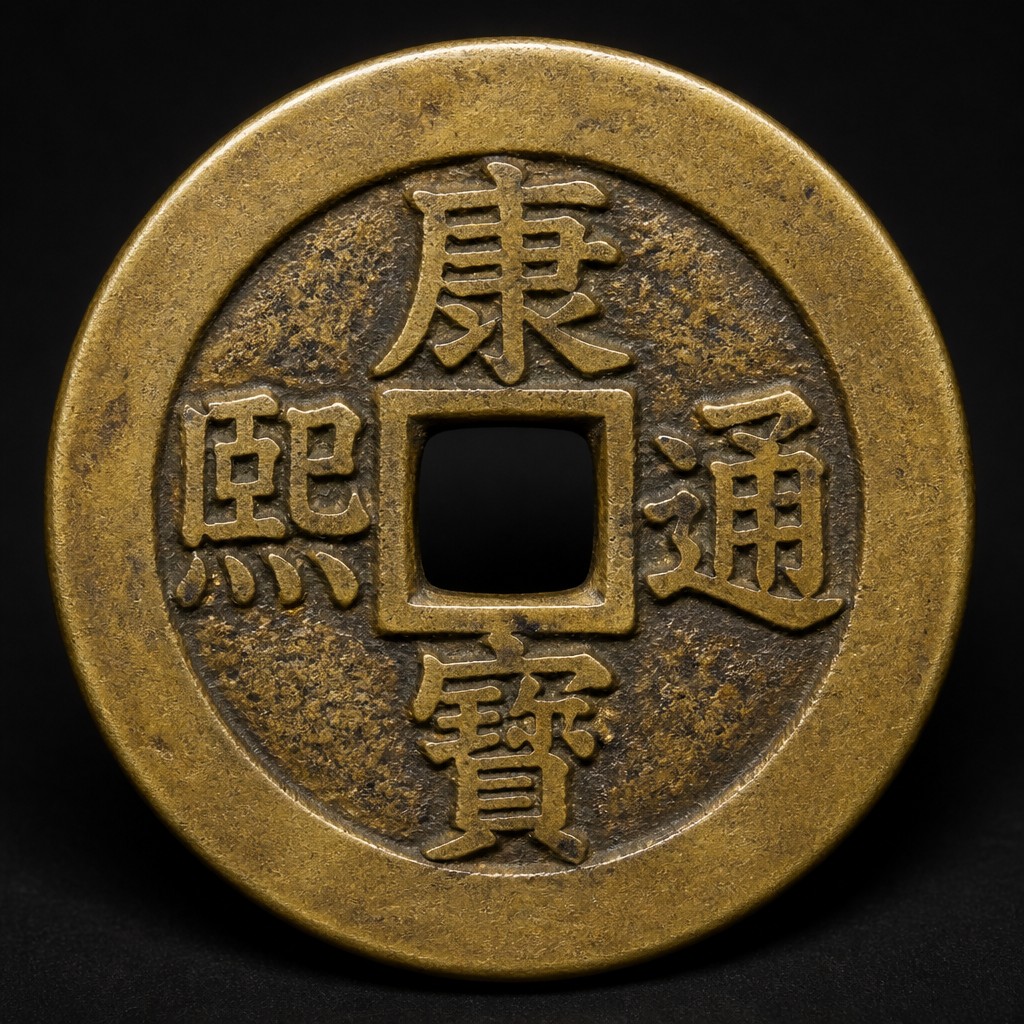
Chinese Cash Coin (Qing Dynasty 'Kangxi Tongbao')
1662–1722
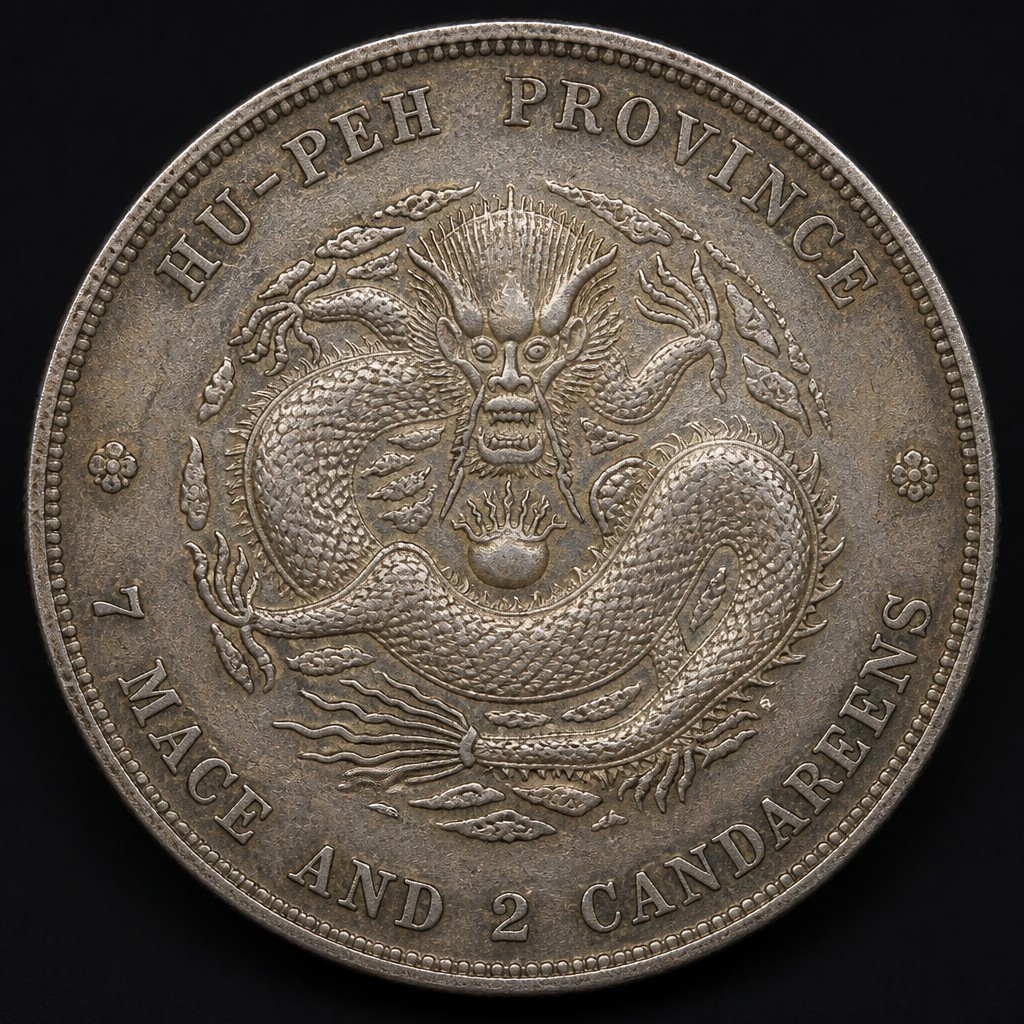
Chinese Hupeh Province Dragon Dollar
c. 1895–1909
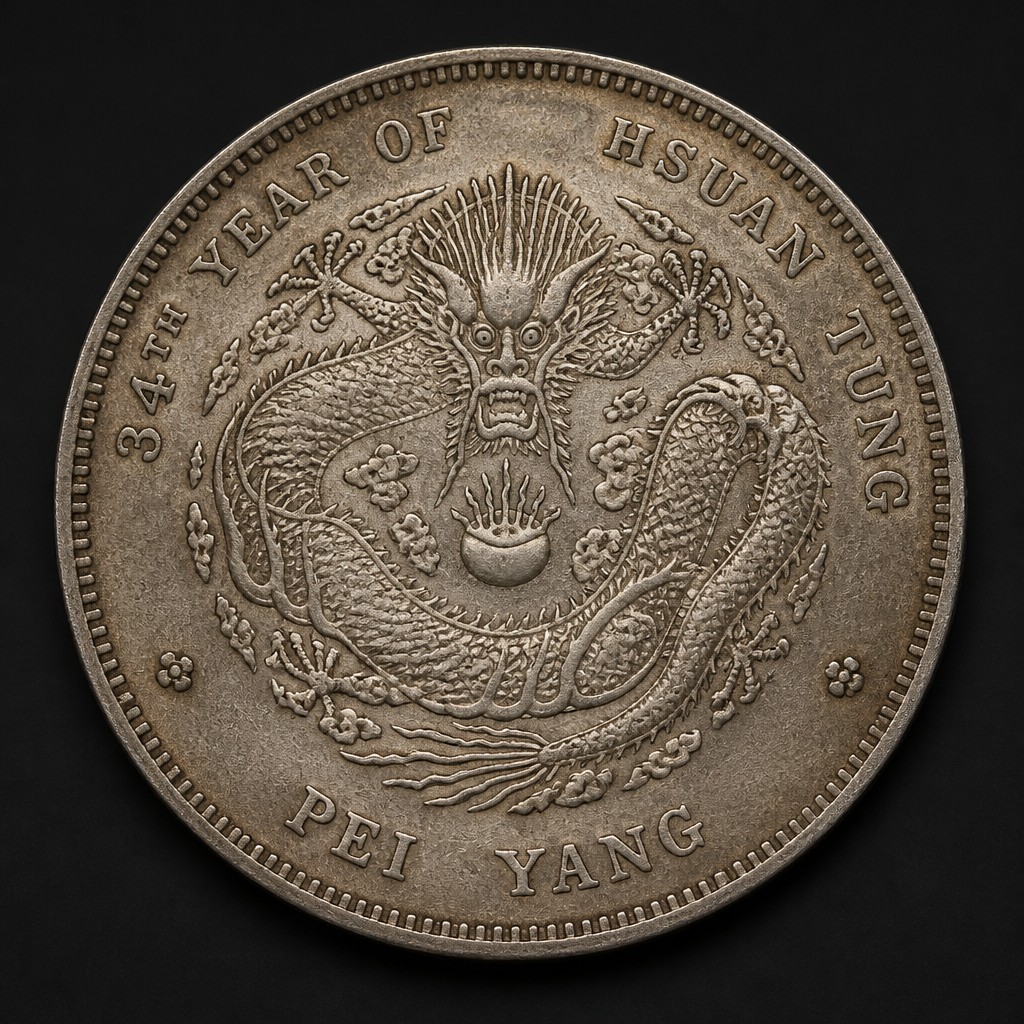
Chinese Empire Silver Dollar (Hsuan Tung Dragon)
1909–1911
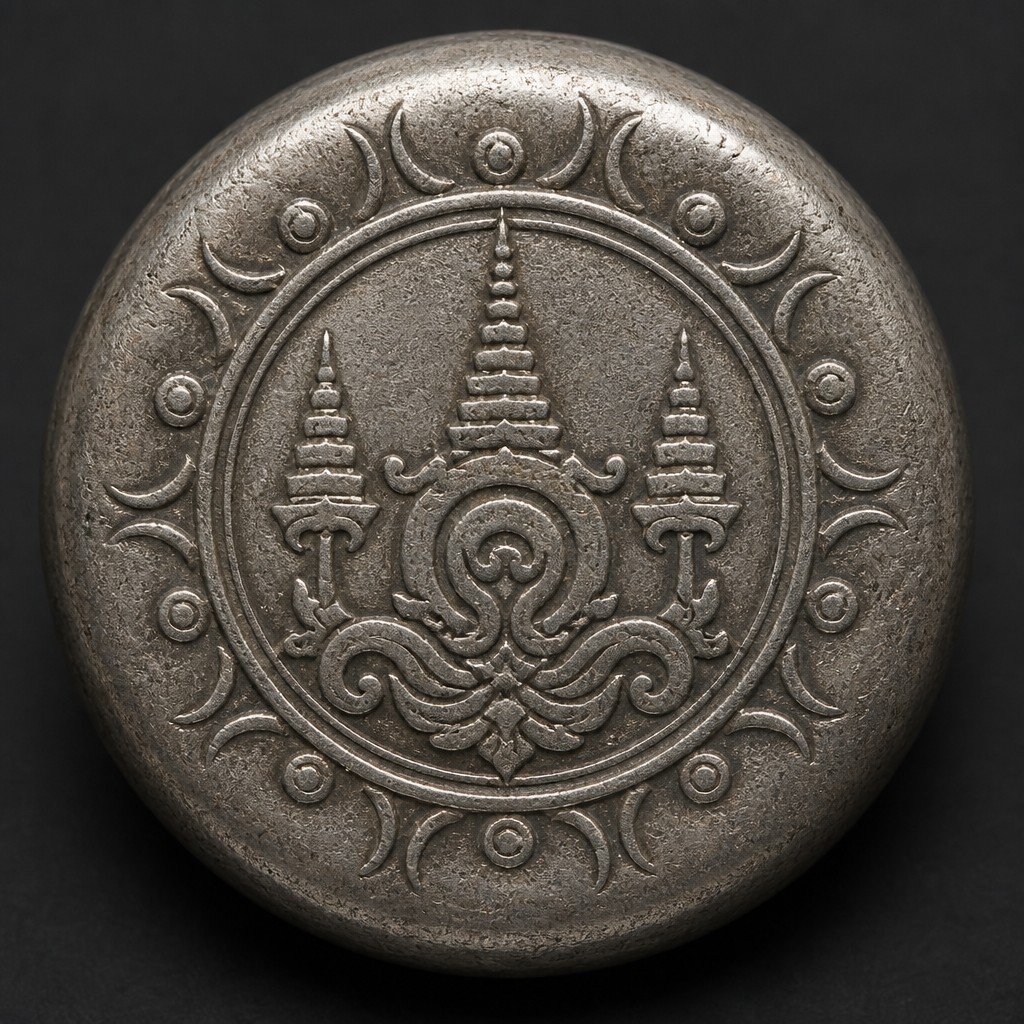
Thailand (Siam) Silver Baht 'Bullet Money' (Pod Duang)
c. 13th century – late 19th century
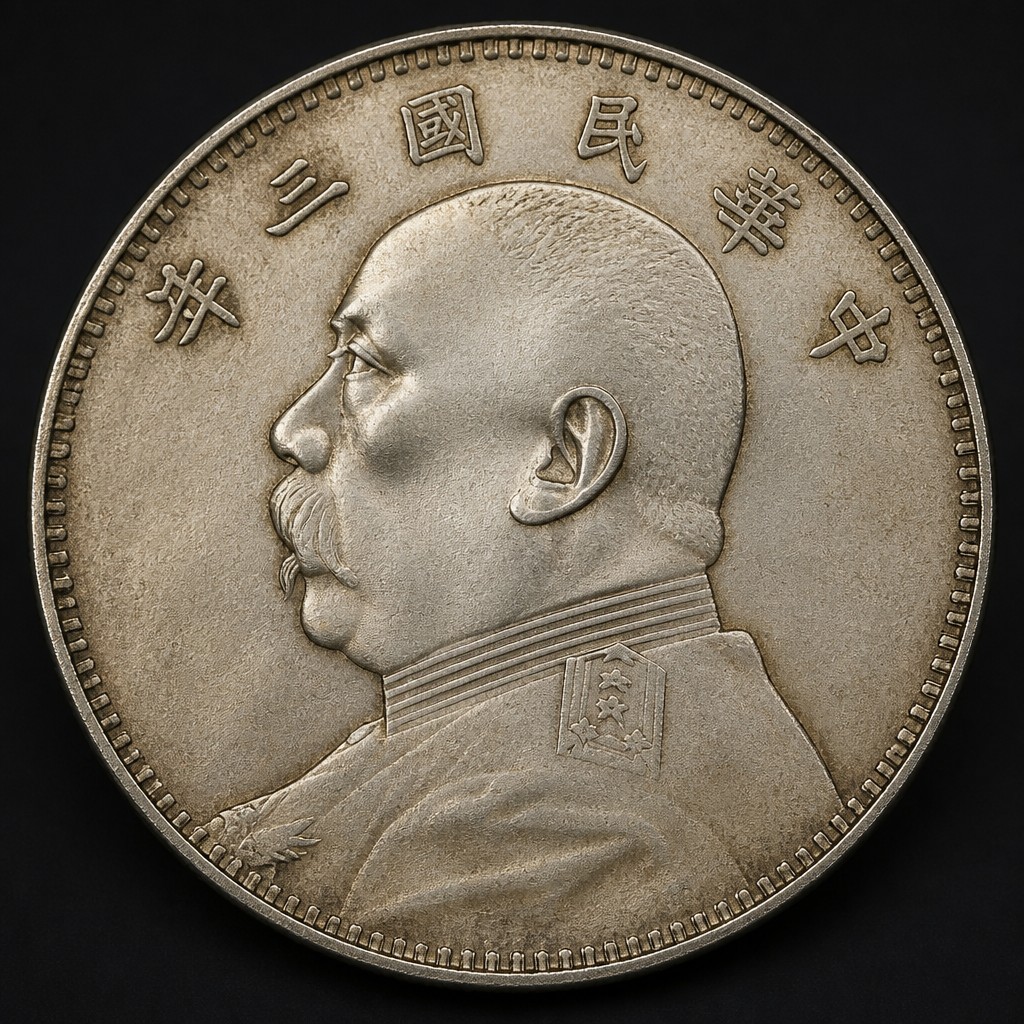
Yuan Shikai 'Fatman' Dollar (1914)
Dated 1914, struck into the early 1920s