
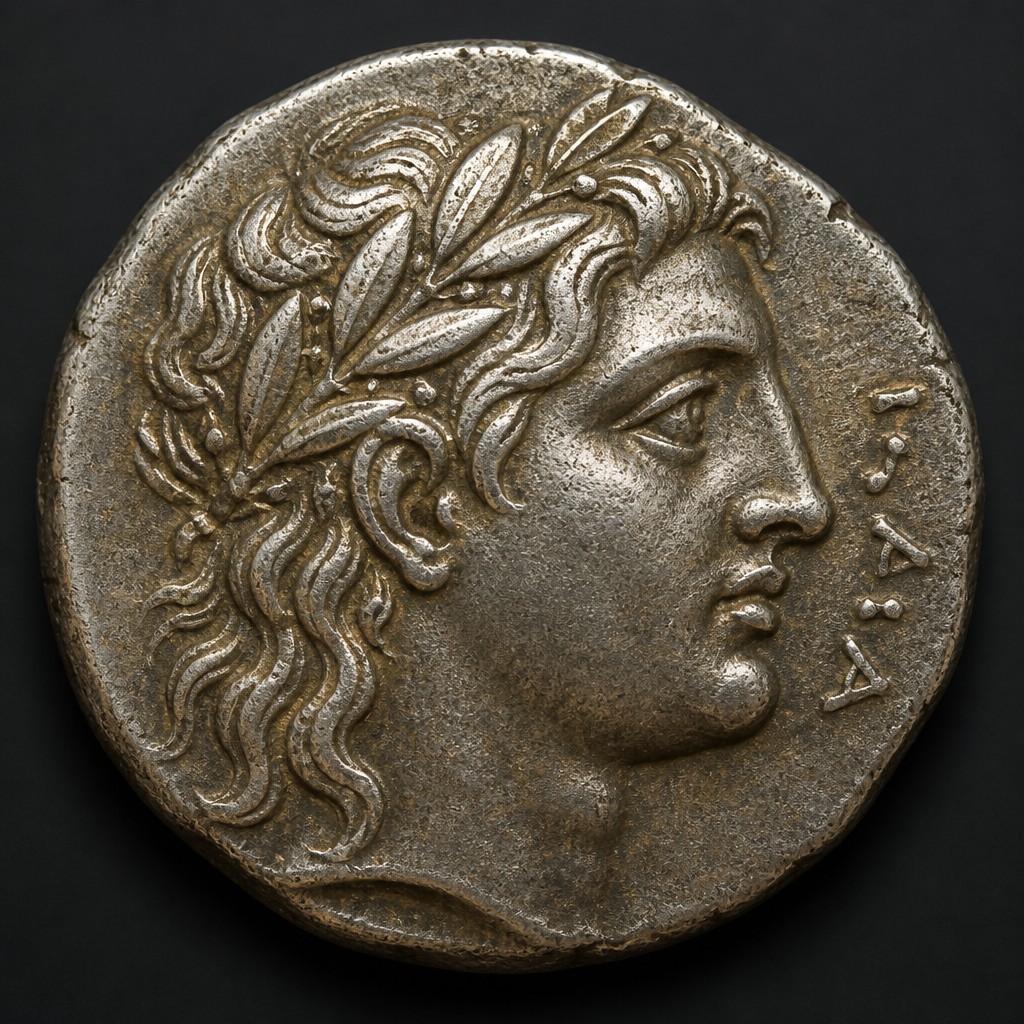
Kaulonia Apollo Stater
An archaic South Italian silver stater from Kaulonia depicting Apollo striding with a small running figure on his outstretched arm and a stag beside him.
- Country
- Ancient Greece (Kaulonia, Bruttium)
- Denomination
- Stater
- Metal
- Silver
Got a coin like this?
Identify any coin from a photo, free.
Overview
Kaulonia's earliest coinage belongs to the small, distinctive family of 'incuse fabric' staters produced by several Achaean colonies of southern Italy in the sixth century BC. Its obverse type, Apollo striding forward while a tiny daimon-like figure runs along his extended arm, beside a standing stag, is one of the most unusual and charming compositions in early Greek numismatic art.
Collectors of archaic Magna Graecia coinage regard Kaulonia staters as an essential and visually memorable type, valued for their technical rarity as well as the striking originality of the design.
History & Background
Kaulonia was founded around the late seventh century BC by Achaean Greek settlers, traditionally from Croton, on the eastern (Ionian Sea) coast of Bruttium in southern Italy. Like its neighbors Sybaris, Kroton, and Poseidonia, it adopted the unusual incuse minting technique for its early silver coinage, part of a shared regional style among these Achaean-founded cities.
The city was drawn into the frequent conflicts among the Greek colonies of southern Italy, including wars with Kroton, and its coinage continued with variations into the fourth century BC before Kaulonia was eventually destroyed by the Bruttii and Syracusan forces around 388 BC, after which its independent coinage ended.
How to Identify
The obverse shows Apollo nude, striding to the right with arms outstretched, a tiny winged or running figure (interpreted variously as a personification of a breeze, a daimon, or Apollo's own attribute) perched on his extended forearm, and a stag standing beside him. The reverse, in the earliest issues, bears an incuse mirror-image of the same composition; later issues shift to a more conventional relief reverse.
The city ethnic appears in archaic Greek lettering identifying Kaulonia. As with other incuse-fabric coins, well-centered examples showing both the obverse relief and reverse incuse clearly are relatively scarce, and collectors pay close attention to the completeness of the small running figure and the stag, both of which are easily weakly struck or off the flan.
Value & Collectibility
Kaulonia staters are relatively scarce on the market and command solid interest among specialists in archaic Greek and Magna Graecia coinage. Prices for legible, reasonably centered examples typically range from the low thousands of dollars upward, with exceptional, fully centered incuse-fabric pieces reaching considerably higher at specialist auctions.
As with related incuse issues from the region, technical rarity and the difficulty of achieving a well-centered strike on both faces are major value drivers, alongside overall eye appeal and toning.
Frequently asked questions
What is the small figure on Apollo's arm?
Its exact identity is debated by scholars; it is often described as a daimon, a personification of a breeze, or a divine attribute figure running along the god's outstretched arm.
Why does the coin use an 'incuse' reverse?
Kaulonia, like several neighboring Achaean-founded cities in southern Italy, used an early minting technique that produced a sunken, mirror-image copy of the obverse design on the reverse.
When did Kaulonia's coinage end?
Independent coinage ceased after the city was destroyed by the Bruttii and allied Syracusan forces around 388 BC.
What animal appears beside Apollo?
A stag stands beside the striding figure of Apollo on the obverse.
Other coins you may enjoy
Theodosius I Solidus
379–395 AD
Republican Victoriatus
c. 211–170 BC
Islamic Gold Dinar (Umayyad)
c. 696–750 AD
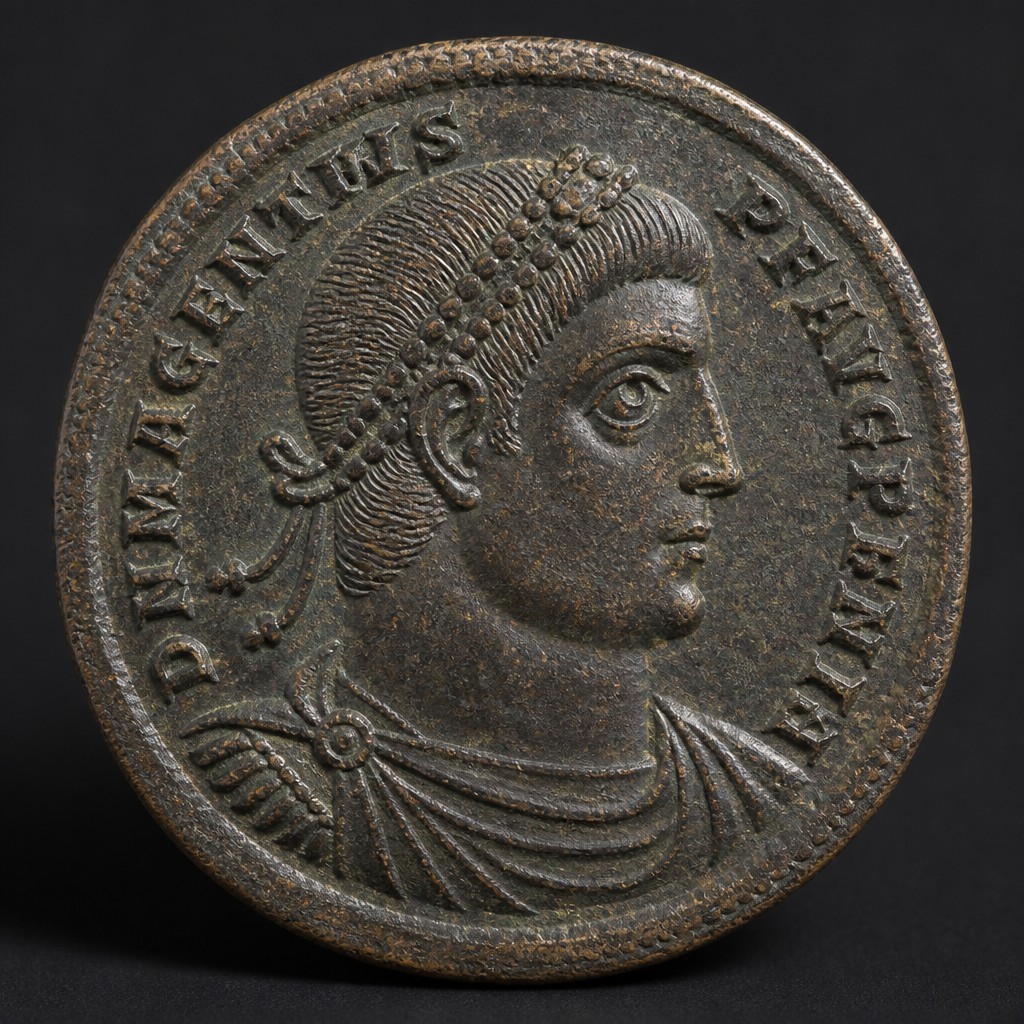
Magnentius Double Centenionalis
350–353 AD
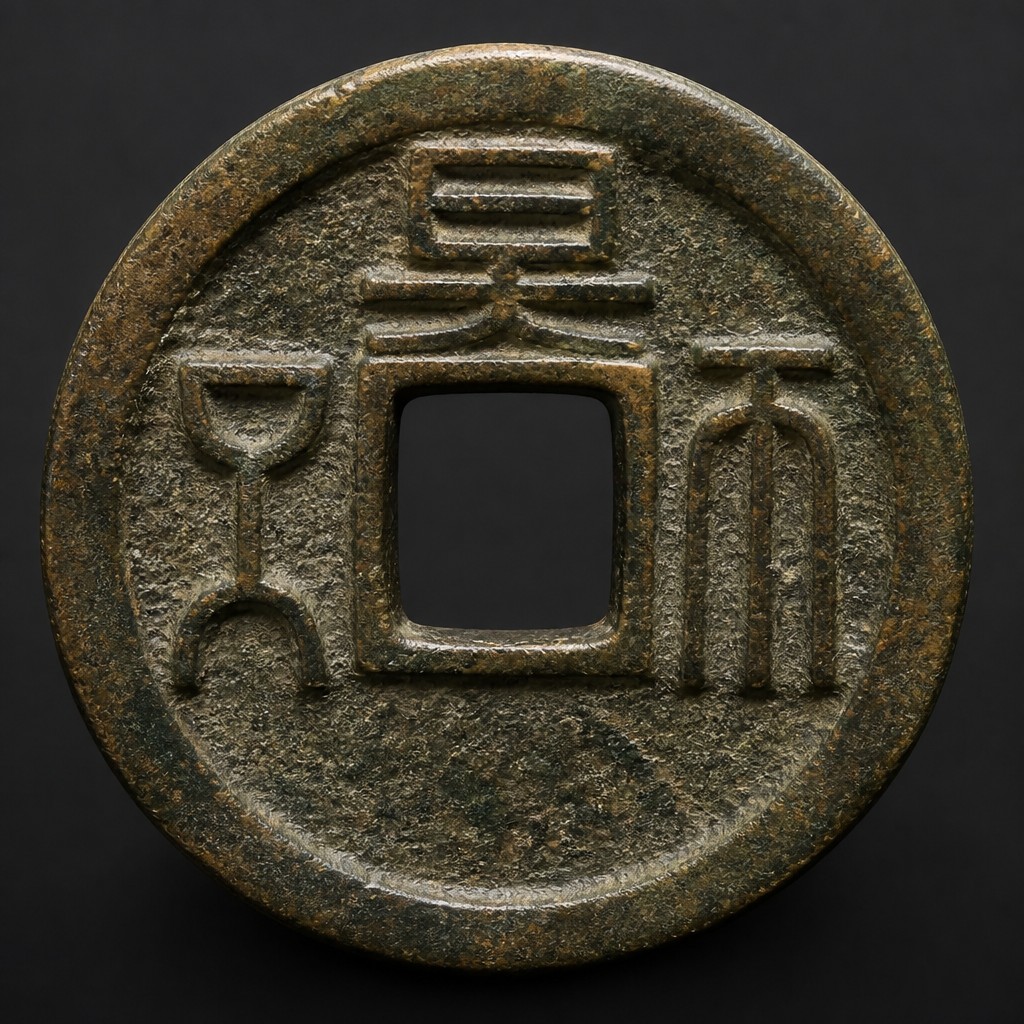
Chinese Wu Zhu Cash
118 BC – 618 AD
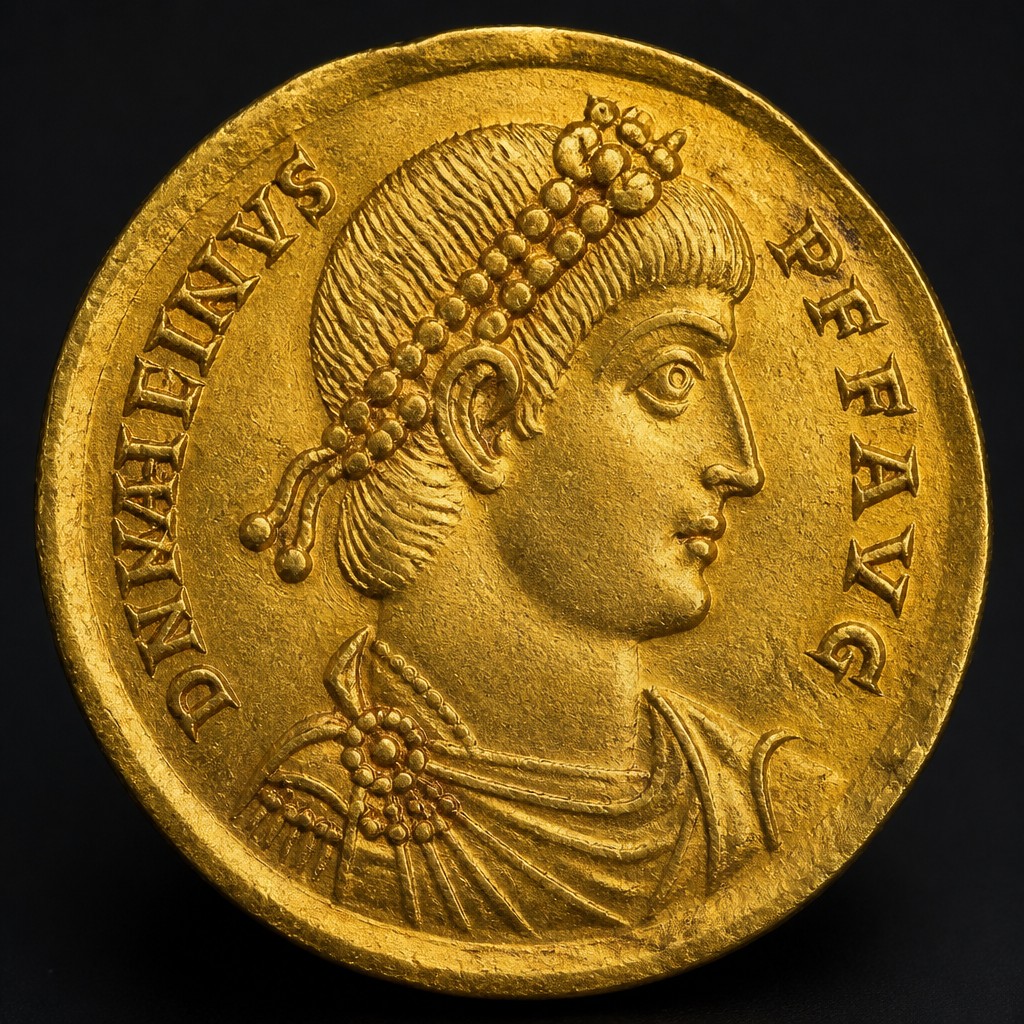
Valentinian I Solidus
364–375 AD
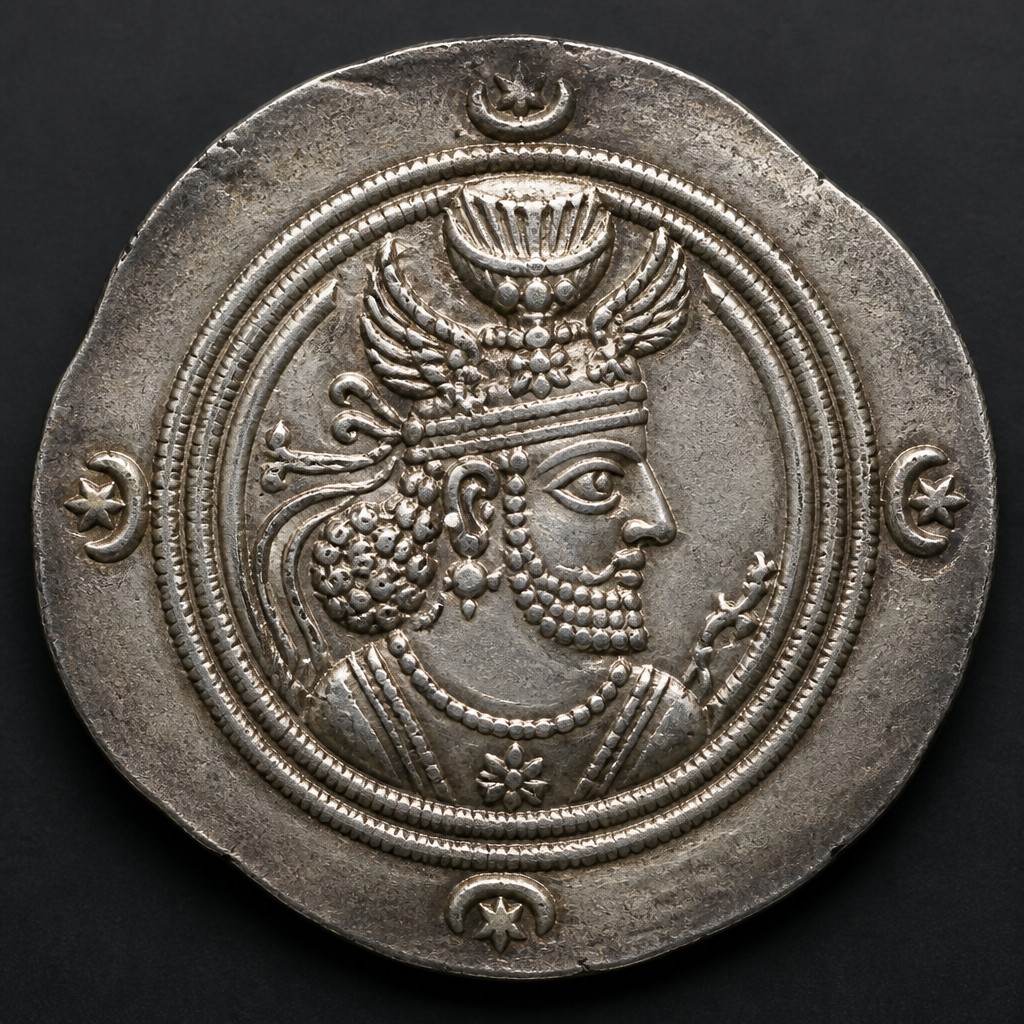
Sassanian Silver Drachm
c. 224–651 AD
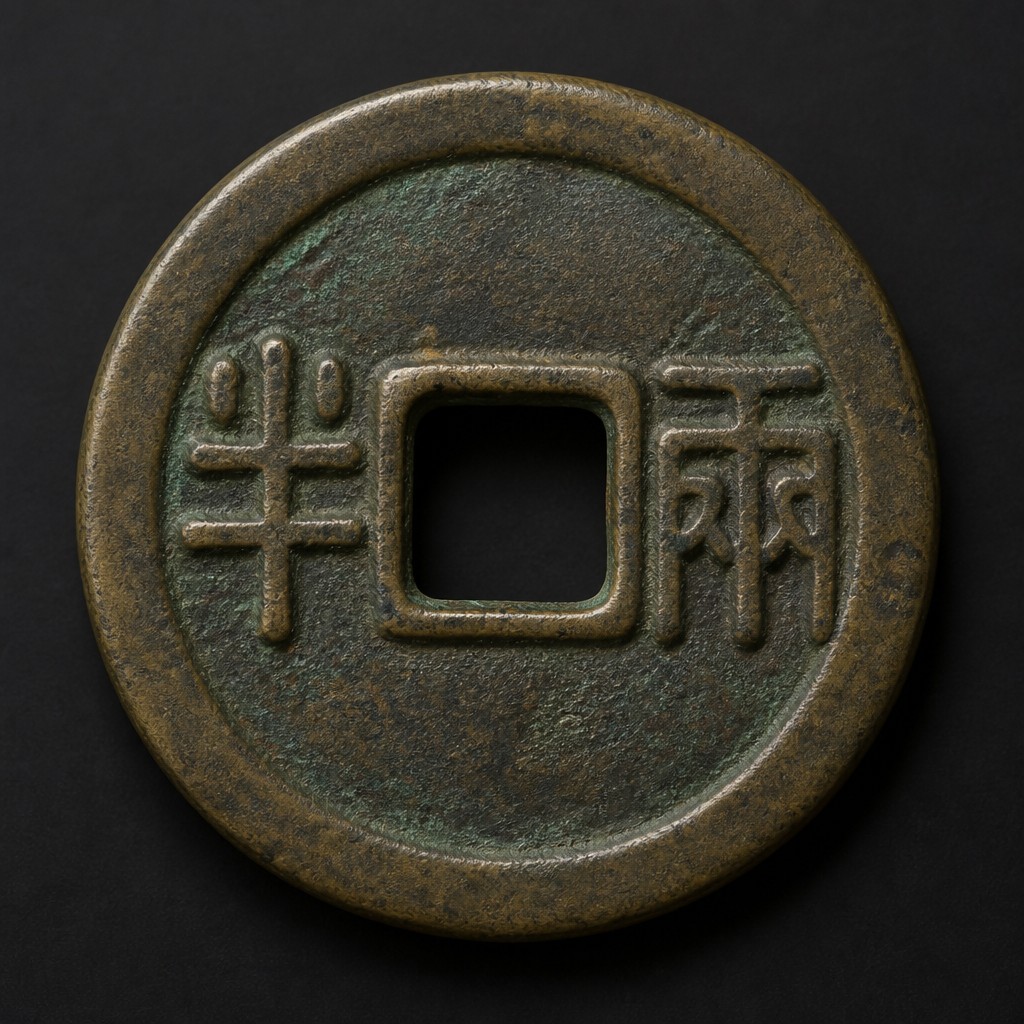
Chinese Ban Liang Cash
c. 221–118 BC
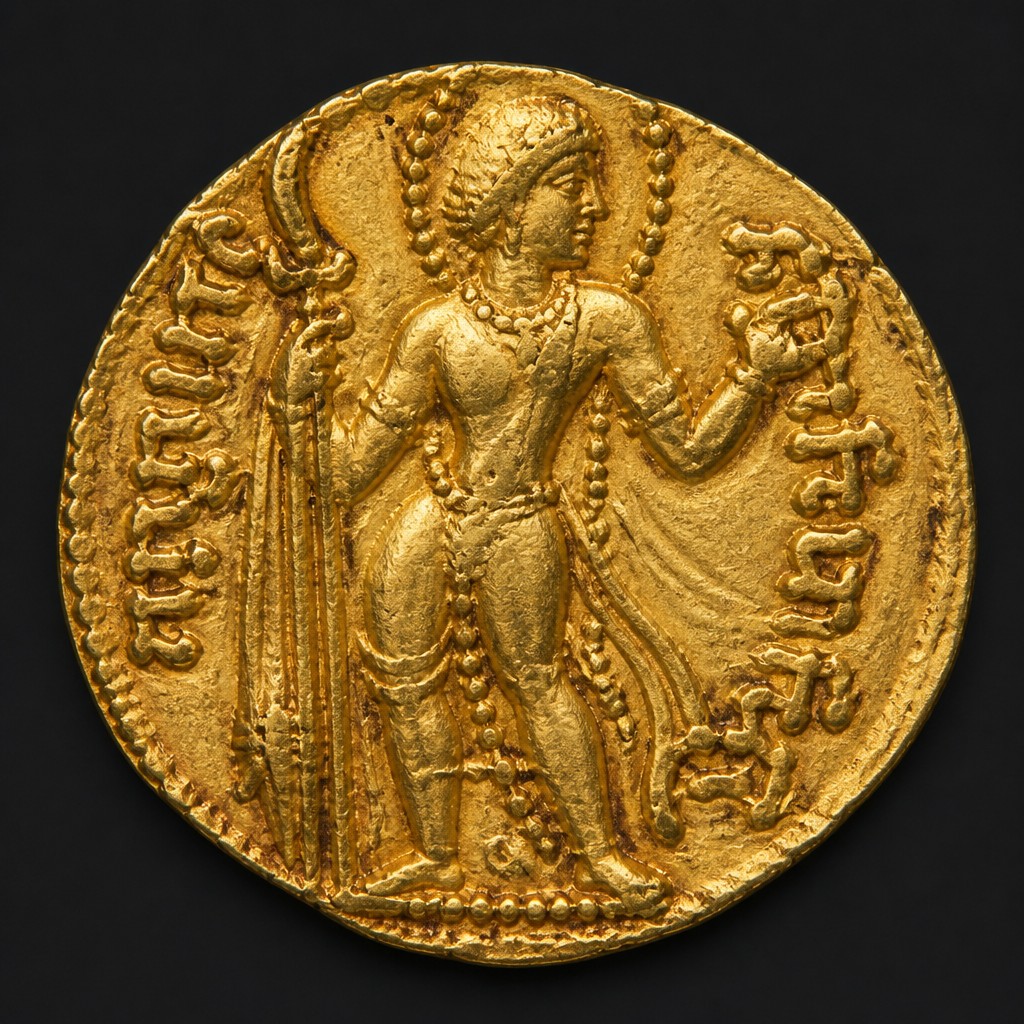
Gupta Empire Gold Dinar
c. 320–550 AD
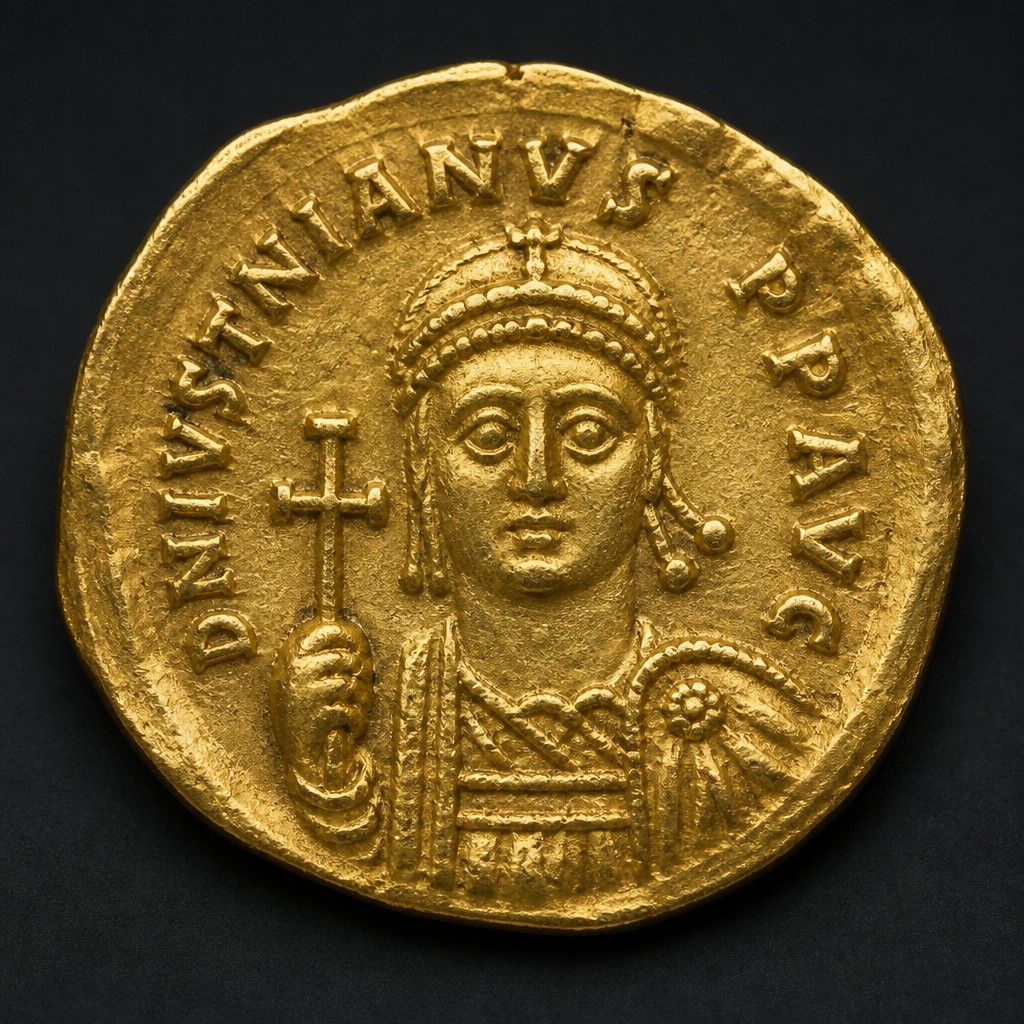
Byzantine Gold Tremissis
c. 4th–7th century AD
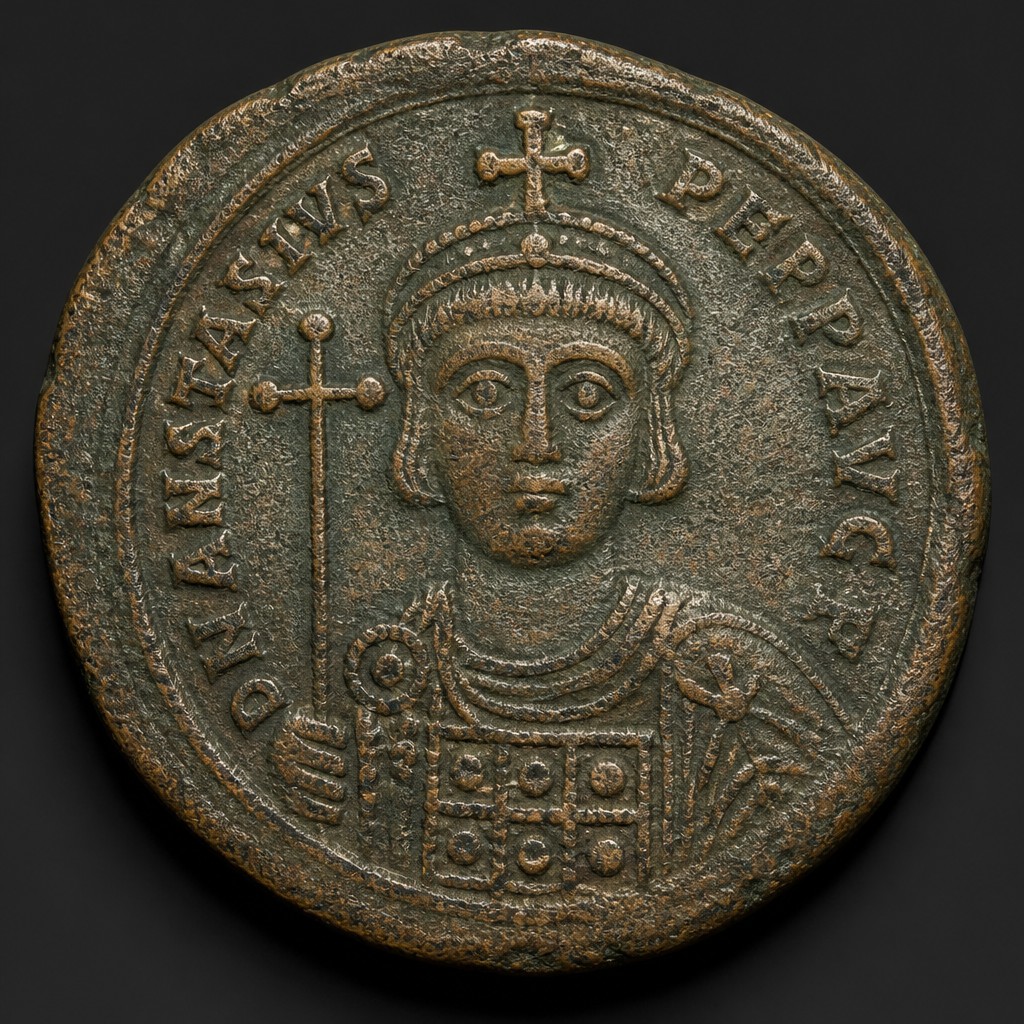
Byzantine Follis
498–c. 11th century AD
Celtic Gold Stater
c. 3rd century BC – 1st century AD